The first mistake in harvesting amaranth is waiting for the whole plant to look finished. By then, birds, wind, rain, and humidity may already have collected their share.
Amaranth does not have one harvest. It has several. The leaves belong to one calendar, the flowers to another, the grain to a third, and seed preservation to a fourth. A row managed for tender greens cannot be treated all summer like a grain field. A flower head cut for the vase cannot also mature its seed.

Divide the row before cutting begins
A small flag, stake, or map can prevent an entire season of confusion. Mark plants for greens, cut flowers, grain, dye material, and seed stock. Once repeated cutting starts, the plant’s branching and maturity change. Once a head is removed for a bouquet, the grain decision is over.
| Use | Harvest stage | Quality test | Immediate action |
|---|---|---|---|
| Young leaves | Before stems and petioles become coarse | Tender texture and clean growth | Cool promptly and use while fresh |
| Cut flowers | Desired color and form before weather damage or heavy seed set | Strong stem, clean foliage, intact head | Strip lower leaves and place in clean water or begin drying |
| Dye material | Stage specified for the variety and intended process | Clean, correctly identified plant material | Process promptly or dry according to the chosen method |
| Food grain | Seed is firm and rubs free from a drying head | Mature seed, declining green tissue, manageable shattering | Cut and finish drying under cover if weather threatens |
| Seed saving | Fully mature seed from selected representative plants | True-to-type population, dry seed, complete record | Thresh separately, clean, dry, label, and store |
Harvest leaves before the plant spends them on height
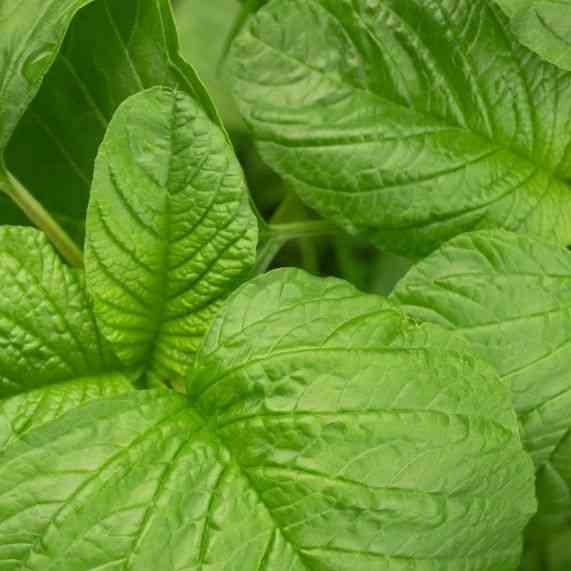
UMN notes that amaranth leaves can be harvested continually once plants are established. For tender greens, pick individual leaves or cut the growing tip above lower nodes to encourage branching. Leave enough leaf area for the plant to recover.
Young leaf amaranth is a summer crop with a short quality window at each node. Heat does not necessarily stop growth, but age and water stress can make stems and leaves tougher. Harvest in the cool part of the day, keep leaves shaded, and cool them promptly.
Do not strip the plants selected for seed. A seed plant needs enough healthy leaf area to fill the grain and mature on time. Use separate rows or clearly marked groups if the crop must provide both greens and seed.


Cut flowers before the head starts working against you
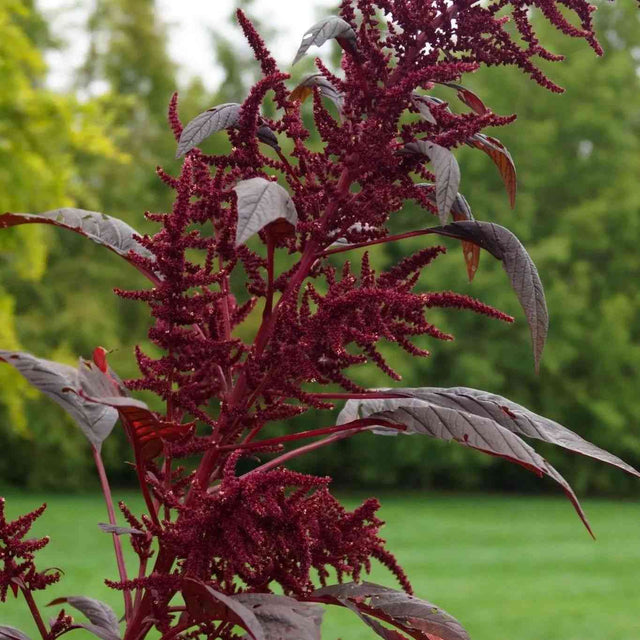
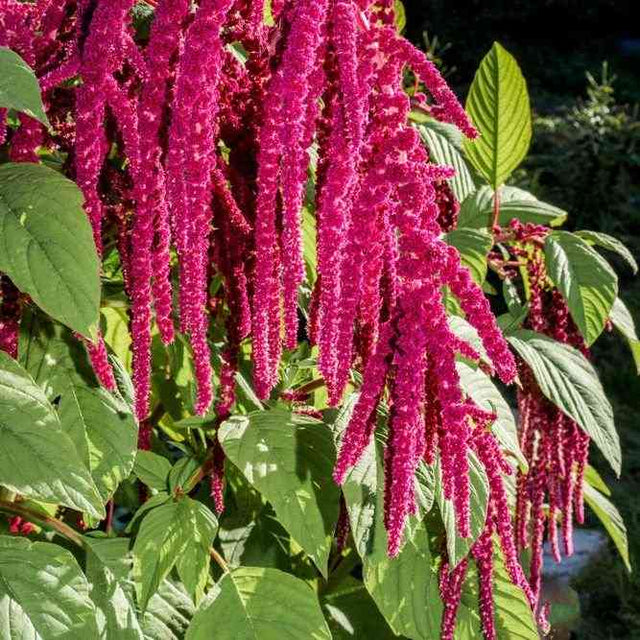
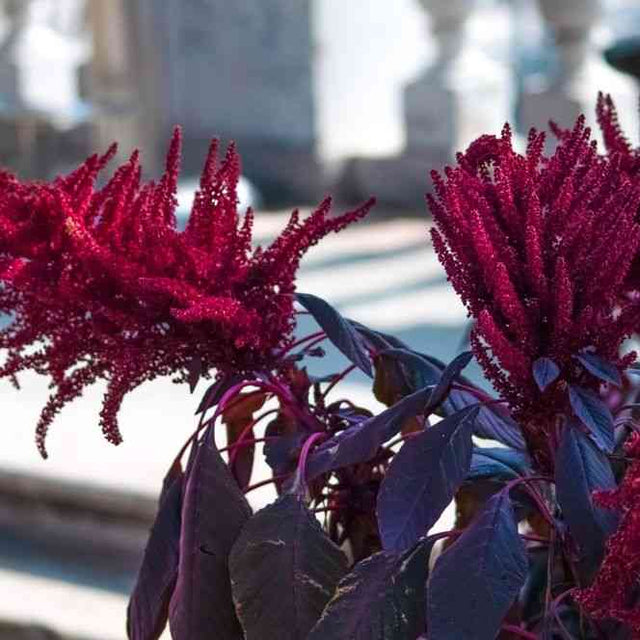
Ornamental amaranth should be cut when the plume or tassel has the form and color needed for the arrangement, before prolonged rain, bird feeding, seed shattering, or fading reduces quality. UMN notes that Hopi Red Dye foliage can fade later in the season and that heavy flower heads can topple or break.
For fresh use, cut during the cool part of the day, remove foliage that would sit below the water line, and use clean containers. For drying, hang small bundles or spread stems so air reaches the dense center of the head. The outside can feel dry while the interior remains damp enough to mold.
A flower crop needs a harvest date. “I will cut it when it looks ready” is not a plan when a thunderstorm is two days away.

Test grain readiness with the seed, not the calendar
Begin checking when the head loses much of its fresh green character and the seed feels firm. Rub a small section over a light-colored tray or paper. Mature seed should release more readily than immature seed. Check several heads and several parts of the planting because maturity may be uneven.
The packet’s maturity range tells you when to begin looking. It does not replace the test. Late branches, volunteer plants, and shaded edges may remain green after the main stand is ready.
Amaranth seed is small enough that wind, birds, and heavy rain can remove a meaningful share before the gardener decides the crop looks uniformly finished. Harvest order matters. Take the driest, most exposed heads first when bad weather is approaching.
The crop does not owe the gardener a single perfect harvest day. Mature seed arrives in a sequence, and weather collects whatever hesitation leaves behind.
In a humid climate, separate maturity from final drying
Eastern North Carolina can deliver mature seed and wet air at the same time. A head may be biologically ready while the plant is too damp for safe storage. If the seed is mature and a wet period is coming, cut stems with enough length to handle, place them over clean tarps or sheets, and finish drying under cover with strong airflow.
Do not stack fresh heads deeply. Do not close them in plastic. Turn or rearrange material so the center dries. Keep it protected from rodents, birds, and wind. A barn, porch, greenhouse bench, or screened room can work if heat and moisture do not build up.
Field drying reduces handling, but weather decides whether it is wise. The better method is the one that delivers mature, clean, dry seed without allowing the crop to mold or shatter.

Thresh in small controlled batches
Once heads are dry, rub or beat them gently inside a clean container, bag, or over a tarp. The goal is to release seed without grinding damp plant tissue into the lot. Work in small batches so a contaminated or moldy head does not spoil everything.
Cleaning works best in stages:
- Remove stems and large pieces by hand or with a coarse screen.
- Use a finer screen to separate smaller chaff.
- Pour or winnow with controlled airflow so lighter material moves farther than the seed.
- Repeat rather than using one violent blast that sends grain across the yard.
Tiny seed rewards patience. A shallow tray, light-colored sheet, and gentle airflow are more useful than speed.
Keep food grain and planting seed as two separate lots
Food grain can come from the useful mature harvest. Planting seed should come from selected plants that match the variety and remained healthy through the season. Do not automatically save the easiest head to thresh or the single largest plant. That applies a selection pressure whether intended or not.
For seed stock, record the variety, species, source, year, plant count, nearby flowering amaranths, off-types removed, weather at harvest, and any special selection. If several varieties flowered close together, note that purity may be uncertain.
Use clean containers and tools between lots. Amaranth seed is small enough to hide in seams, screens, buckets, and tarps. A few stray seeds can blur a variety over repeated seasons.
Dry seed before asking a container to protect it
Seed should be fully dry before sealed storage. Damp seed in a closed container can heat, mold, or lose viability. After cleaning, spread the seed in a thin layer in a dry, shaded, well-ventilated place. Stir it periodically and keep it protected from insects and animals.
Store food grain and planting seed in separate, clearly labeled containers. Keep containers cool, dry, and away from direct sun. Check them after storage begins. Condensation, clumping, musty odor, or insect activity means the lot needs immediate attention.
For planting seed, keep a small germination sample. The existing Alliance germination guide explains how to test a representative sample under controlled conditions before the next planting season.
What failure looks like
| Problem | What probably happened | What to change |
|---|---|---|
| Leaves are tough and stemmy | Harvest began too late or plants were water-stressed | Start younger, cut more often, and reserve separate plants for seed |
| Flower heads mold while drying | Bundles were too large or dense centers stayed damp | Use smaller bundles, more spacing, and stronger airflow |
| Grain blows or feeds birds before harvest | The crop waited for uniform maturity that never came | Harvest mature heads in sequence and watch the weather |
| Seed lot contains too much chaff | Threshing was too aggressive or cleaning tried to happen in one step | Screen from coarse to fine, then winnow gently |
| Stored seed clumps or smells musty | It was sealed before it was dry | Open, inspect, dry if salvageable, and discard moldy material |
| Next generation is mixed | Crossing, volunteers, off-types, or contaminated tools altered the lot | Improve isolation, rogueing, labeling, and cleaning between varieties |
Harvest the job you planted
If the row was planted for greens, harvest tenderness. If it was planted for flowers, harvest form and color. If it was planted for grain, harvest maturity before weather takes it. If it was planted for seed, harvest a record as carefully as the seed itself.
Amaranth gives more than one crop. The discipline is deciding which crop each plant is allowed to become.