Variety field guide
What to expect from Green Leaf ("Lu Hsien") Amaranth
Green Leaf ("Lu Hsien") Amaranth is an annual leaf amaranth selection grown for warm-season leafy greens, repeated cutting, color, and seed saving.
Open the complete descriptionHide the complete descriptionVariety traits, flavor, garden use, and the complete description
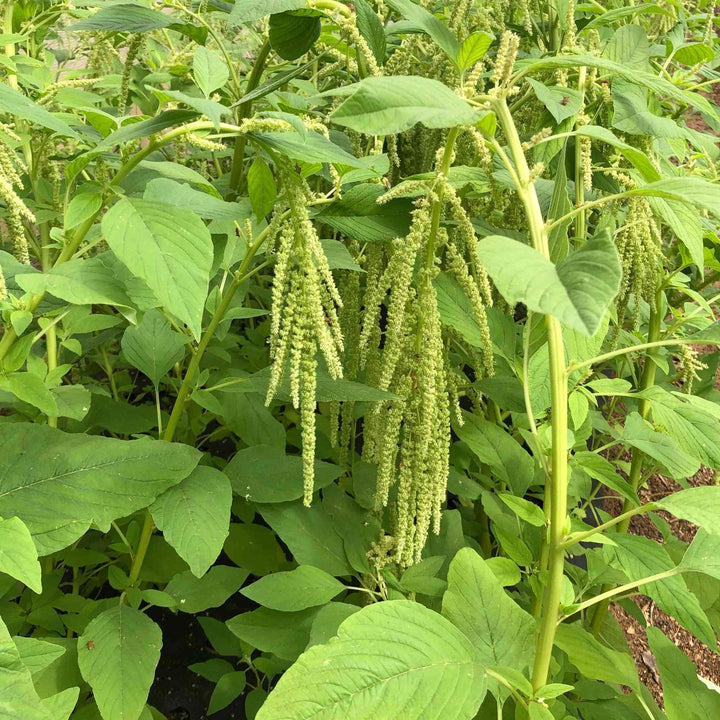
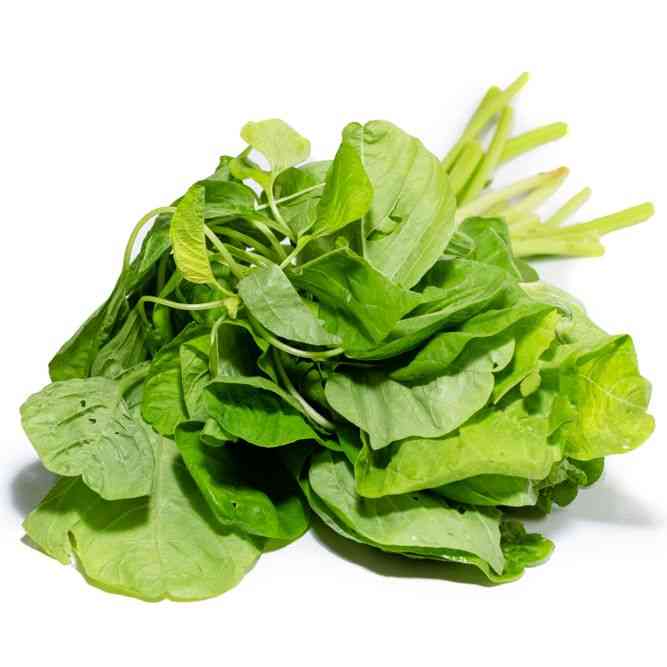
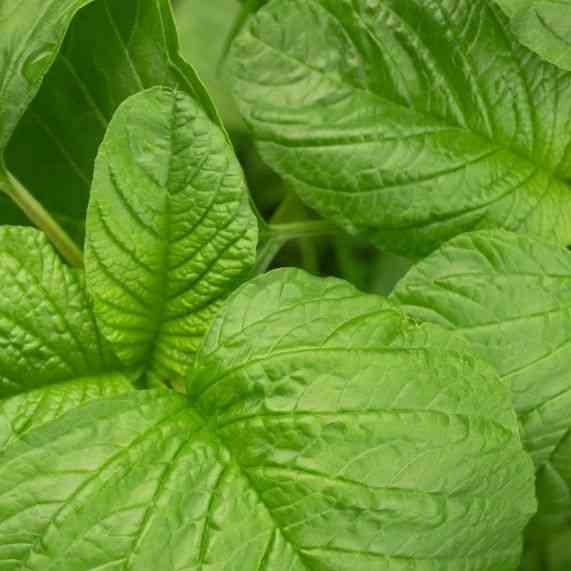
Green Leaf ("Lu Hsien") Amaranth Seeds produce tender, nutritious leafy greens that thrive in warm weather and keep producing when other greens slow down. This productive variety of Amaranthus tricolor is grown for abundant green leaves and dependable harvests through the summer. With quick growth and strong regrowth after cutting, Green Leaf ("Lu Hsien") Amaranth Seeds are well suited to cut-and-come-again harvesting.
Minimum seeds per packet: 100 seeds.
About Green Leaf ("Lu Hsien") Amaranth
Green Leaf ("Lu Hsien") Amaranth is an annual selection of leaf amaranth, with an upright/erect habit and an expected height or spread of 37–48 in. It is best suited to warm-season leafy greens, repeated cutting, color, and seed saving. Notable traits include cut young leaves and shoots repeatedly before stems become coarse; mild green flavor with tender young leaves.
The value of Green Leaf ("Lu Hsien") Amaranth is in the combination of its named traits, upright/erect growth, and fit for warm-season leafy greens, repeated cutting, color, and seed saving.
History and provenance
Amaranths were domesticated and diversified in more than one region for grain, leafy greens, ornament, and dye. Species and seed-lot identity matter: Amaranthus tricolor leafy types should not inherit Mesoamerican grain-amaranth history, and culturally named dye lines require provenance beyond the name alone. Plant History – Green Leaf (“Lu Hsien”) Amaranth Green Leaf (“Lu Hsien”) Amaranth (Amaranthus tricolor) embodies the quiet endurance of a plant that has traversed empires, oceans, and centuries-beginning in the heartlands of the Americas and flourishing in the fields of Asia under new names, new climates, and new cultural meanings. Though now widely recognized as an Asian leafy vegetable, its ancestral roots lie in the same soils that nourished the ancient civilizations of Mesoamerica and the Andes, where amaranth was one of the first crops domesticated by human hands. When Spanish colonizers banned the cultivation of amaranth in the Americas during the 16th century, deeming it tied too closely to Indigenous ceremony, the plant nonetheless slipped past the barriers of empire. Carried in the hulls of ships and the pockets of sailors, its seeds reached Africa and Asia, where farmers-facing heat, drought, and erratic rains-recognized its remarkable resilience.
Growing facts
| Scientific name | Amaranthus tricolor L. |
|---|---|
| Life cycle | Annual |
| Maturity | 50-59 Days |
| Germination | 5-10 Days at 70–85 °F |
| Seed depth | 1/4 in |
| Plant height / spread | 37–48 in |
| Growth habit | Upright/Erect |
| Spacing | 6 in between plants; 18 in between rows |
| Sunlight | Full sun |
| Soil | Loamy; pH 6.0–6.5 |
| Water | Moderate |
| Support | No-Support |
Starting Green Leaf ("Lu Hsien") Amaranth from seed
Sow 1/4 in deep and keep the seed zone evenly moist. Expect emergence in 5-10 Days when the seed-zone temperature is near 70–85 °F. Germination preparation: Use a fine, evenly moist seed-starting mix or prepared seedbed. Light requirement: Cover evenly to 1/4 in. Soaking: None required. Stratification: None required. Scarification: None required.
Planting and care
Plant during late Spring and provide full sun. Space plants 6 in apart with 18 in between rows. Use loamy with a pH near 6.0–6.5, and follow a moderate watering plan. Support requirement: No-Support. Frost response: Tender. Medium to large container or in-ground bed; avoid crowding
Harvest and use
Approximately 50-59 Days, from warm direct sowing to the first substantial leaf harvest. Weather, soil temperature, and planting method can shift the actual harvest date. Harvest: Cut young leaves and shoots repeatedly before stems become coarse. Uses: Warm-season leafy greens, repeated cutting, color, and seed saving. Flavor: mild green flavor with tender young leaves. Seed saving: Wind and insect-pollinated annual. Best uses include warm-season leafy greens, repeated cutting, color, and seed saving. Flavor and eating quality: mild green flavor with tender young leaves.
Saving seed
Select several healthy, true-to-type Green Leaf ("Lu Hsien") Amaranth plants that match the expected upright/erect habit and overall plant form. Avoid saving seed only from the earliest or largest individual unless that is your deliberate selection goal. Pollination system: Wind and insect-pollinated annual. Amaranth can cross within compatible species and populations. Separate compatible varieties that may flower together, or use cages, barriers, hand pollination, or another documented control appropriate to the crop. Allow selected plants to pass the eating stage and reach full botanical seed maturity. Harvest only when seed heads, pods, or fruits have matured enough for sound seed development. Clean the seed carefully, dry it thoroughly away from direct heat, label the lot with variety and year, and store it cool, dark, and dry. Test germination before an important planting or distribution season.
Common problems
Common concerns: Leaf miners, aphids, flea beetles, damping-off, Cercospora or other leaf spots, and root problems in waterlogged soil. Management: Rotate crop families, remove badly affected leaves, improve airflow, and keep the root zone moist but not saturated. Diagnosis note: Similar symptoms can have different causes. Compare plants of the same age, record weather and irrigation, and use local Extension or diagnostic support before applying a control.
Frequently asked questions
Frequently Asked Questions - Green Leaf ("Lu Hsien") Amaranth
When is Green Leaf ("Lu Hsien") Amaranth ready? Use 50-59 Days. Approximately 50-59 Days, from warm direct sowing to the first substantial leaf harvest. Weather, soil temperature, and planting method can shift the actual harvest date.
How long does germination take? Expect 5-10 Days at about 70–85 °F. Cooler, hotter, crusted, saturated, or dry seedbeds can slow emergence.
How large does it grow? Expect about 37–48 in with an upright/erect habit. Space plants 6 in apart and rows 18 in apart. Support: No-Support.
Can it grow in a container? Medium to large container or in-ground bed; avoid crowding Use a container with drainage and enough volume to maintain the listed spacing and steady moisture.
Can I save seed? Wind and insect-pollinated annual. Keep compatible varieties isolated and allow selected plants to reach full seed maturity.