Free U.S. seed shipping $25+. Seeds ship free at the threshold. Storefront goods, pantry finds, books & local goods are being added.

New seeds, Main Street specials, and storefront finds update as the market grows.

Opopeo Amaranth Seeds

Scientific name Amaranthus caudatus

Seed packet & garden essentials

What to know before you plant

View complete growing & care facts
100 minimum seeds per packet
  • Maturity80-89 Days · 80-89 Days
  • Growth habitUpright/Erect · Annual · 61–72 in tall
  • Best usefield rows, cover-crop rotations, grain or dry harvest, and soil stewardship
  • Germination7–10 Days days · 70–85 °F
  • Seed preparationUse clean seed-starting conditions, the listed sowing depth and temperature, and steady moisture without saturation
  • SunFull sun
  • Spacingspace 18 in · rows 30 in
  • Container fitBest in the ground, a field row, or a bed sized for the crop purpose rather than a standard container
  • Water needsDrought tolerant
  • SoilSandy loam · pH 6.5–7.0
  • Planting seasonLate Spring · blooms Summer · Tender
  • Seed typeOpen-Pollinated (OP) · Heirloom
$200 USD

Pickup available at Bertie County Seeds

Usually ready in 2-4 days

Secure checkout Details
Generic
Triple-tested seed qualityRegular quality and germination checks support every packet.

We regularly test seed quality and germination as lots move through storage and packing. We stand behind the seed we send and want customers to contact us when a packet does not perform as reasonably expected.

1-year seed warrantyCoverage begins on the date of purchase.

When properly stored, planted, and cared for, we guarantee reasonable germination and true-to-type growth for one year from the date of purchase. Conditions outside our control—including extreme weather, pests, unsuitable storage, and gardener error—are excluded. Contact us when something is not right so we can review the situation and work toward a replacement, refund, or another fair resolution.

Non-GMO / BE seed policyWe do not buy or sell genetically engineered or bioengineered seed.

Every seed variety we sell is non-GMO.

USDA’s National Bioengineered Food Disclosure Standard defines bioengineered foods as containing detectable genetic material modified through in vitro recombinant DNA methods in ways not achievable through conventional breeding or found in nature.

  • Hybrid means parent lines were conventionally crossed; hybrid does not mean GMO.
  • Heirloom and open-pollinated describe how a variety is maintained and reproduced.
  • Organic certification is separate and is shown only when verified for the individual product.
Packed in Colerain, North CarolinaPrepared in our seed room for gardens across the country.

Seeds are packed and shipped from Colerain, North Carolina. Our packets use forestry-certified paper, and we use recyclable paper mailers where appropriate. AONSK is also a 1% for the Planet partner while continuing to reduce waste in packing and fulfillment.

Seed success profile

Rules-based · no AI
Gardener experience Beginner-friendly
Germination difficulty Straightforward
Preparation before sowing
Use clean seed-starting conditions, the listed sowing depth and temperature, and steady moisture without saturation
Germination speed
Typical — usually 7–21 days
Growing complexity
Stand crop requiring a clear planting density, management goal, and harvest or termination plan
Patience and timing
80-89 Days
Is this seed a good match for your experience?
Expected germination
7–10 Days
Germination temperature
70–85 °F
Stratification
Not normally required by the current record
Scarification
Not normally required by the current record
Pre-soaking
Not normally required by the current record
Light during germination
Surface sow or press into the mix; light is part of the germination requirement
Germination pattern
Usually reliable when seed is stored well and temperature, depth, moisture, and preparation match the recorded requirements
Transplant sensitivity
Use the crop-specific starting method and minimize unnecessary root disturbance
Starting method
Cataloged as suitable for direct sowing; follow the product-specific timing and depth.
Best chance of success
For Opopeo Amaranth Seeds, control temperature and moisture at sowing, label the start date, and compare emergence with the complete recorded germination window before reseeding.
What to expect

Preparation: Use clean seed-starting conditions, the listed sowing depth and temperature, and steady moisture without saturation. Germination light: Surface sow or press into the mix; light is part of the germination requirement. Expected emergence: 7-10 Days. Temperature: 70-85 °F.

Slow germination is not automatically failed germination.

Maintain the listed temperature, moisture, light, and treatment conditions for the full expected window. Some seed lots emerge gradually rather than all at once.

1 Beginner-friendly 2 One extra step 3 Some experience helpful 4 Patient growers 5 Advanced propagation

This deterministic profile uses recorded product facts; it is not Artificial Intelligence and is not a guarantee. Seed age, storage, sowing depth, moisture, temperature, light, local conditions, and aftercare can all affect results. Last reviewed July 2026.

Build a garden-fit plan

Check this seed against your real growing conditions

Compare timing, germination preparation, sunlight, soil, water, space, support, intended use, and your preferred level of seed-starting complexity.

Open the detailed garden-fit planner Deterministic rules · no Artificial Intelligence · no live weather service

Complete product description

Opopeo Amaranth Seeds

Description

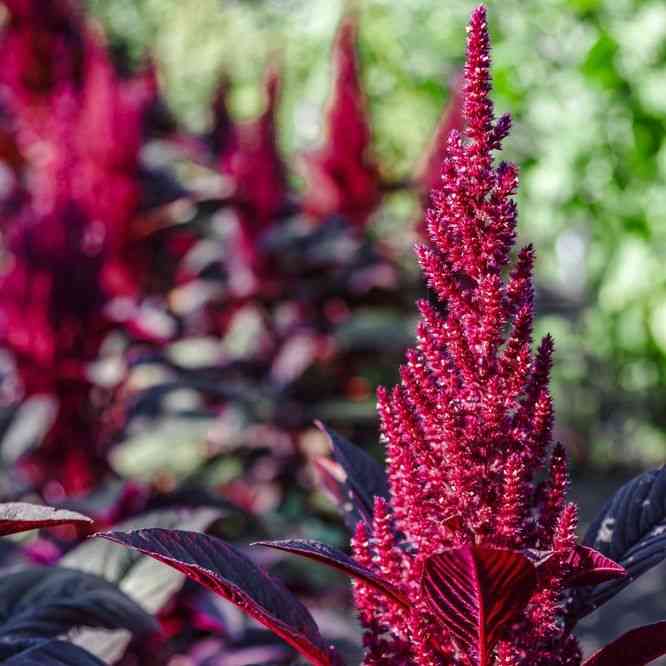
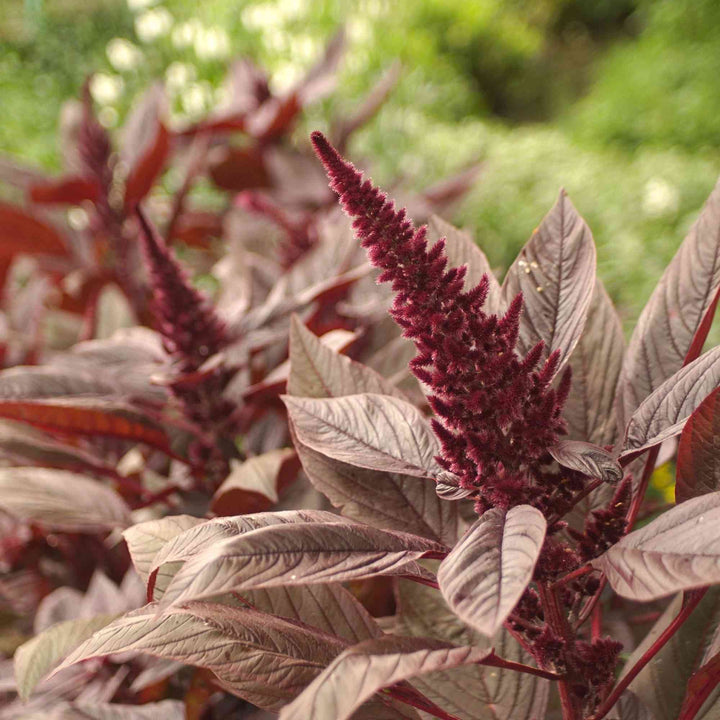
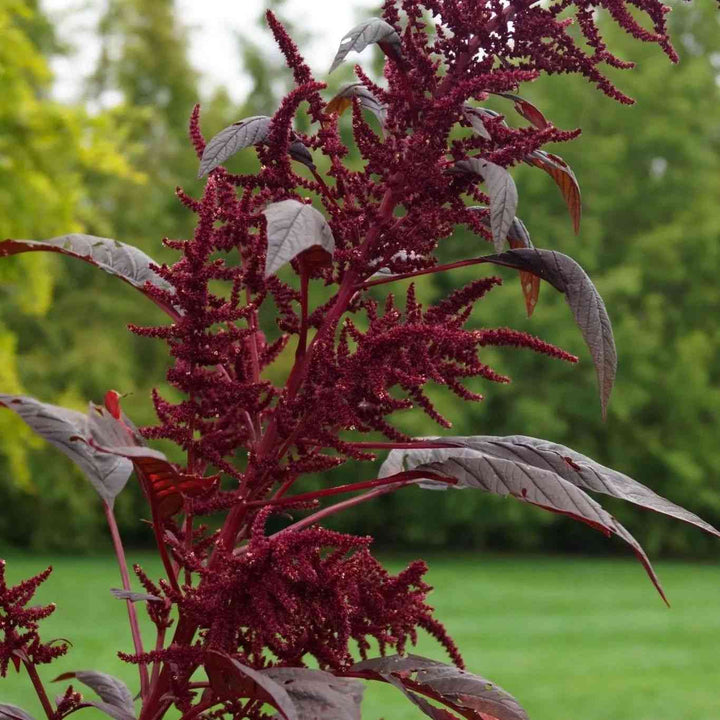
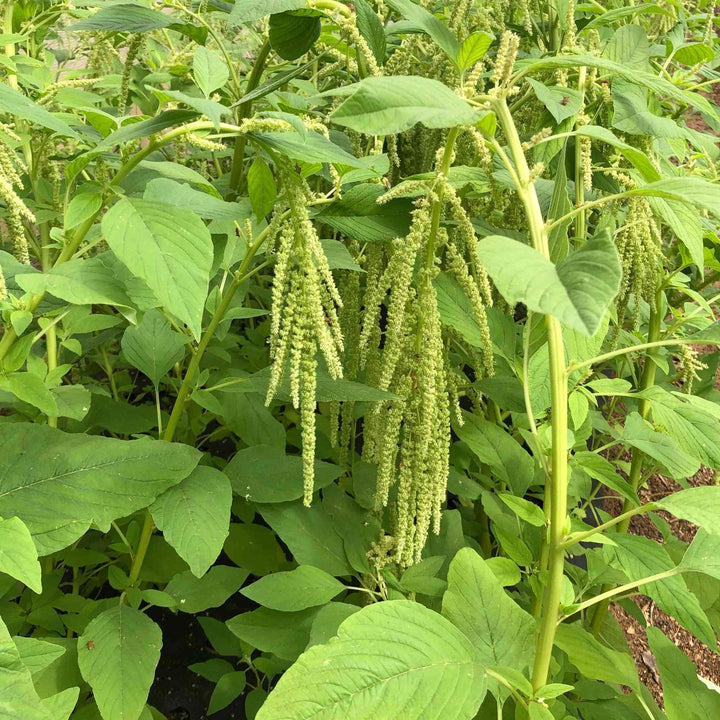
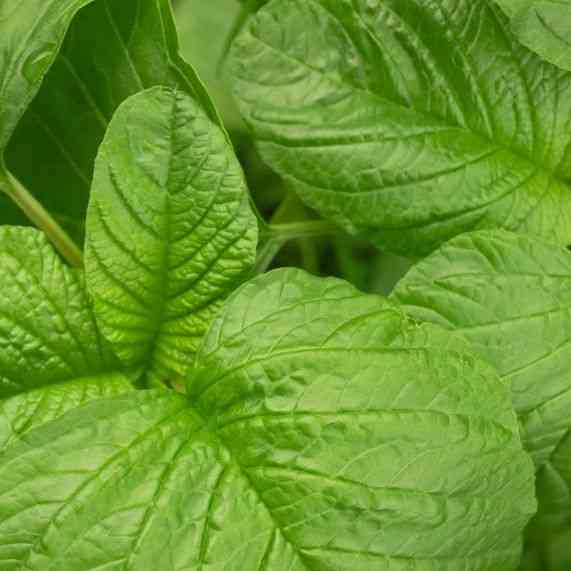
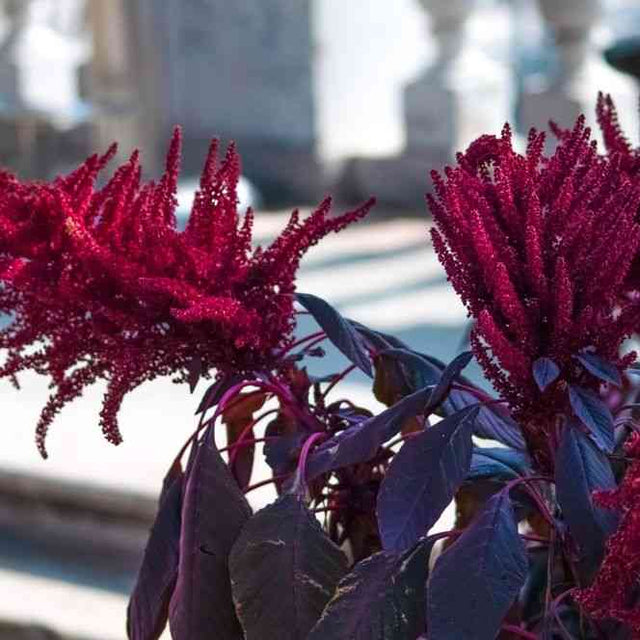
Amaranth Seeds - Opopeo is a vibrant cultivar that stands out in any garden with its striking red-purple foliage and tall, graceful growth. Typically reaching heights of 4 to 6 feet, this amaranth variety is known for its robust stature and ornamental appeal. The Opopeo amaranth thrives in warm climates and is well-suited for summer planting, offering a stunning visual display as it matures.

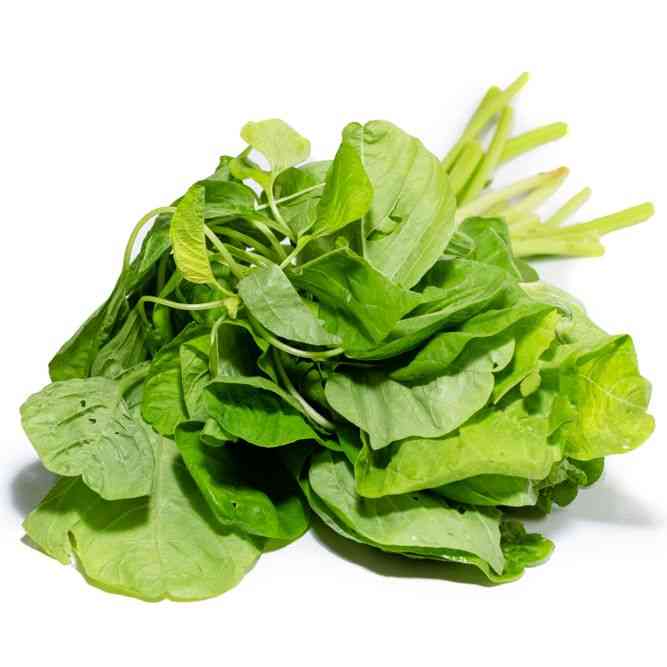
This variety is prized not only for its beauty but also for its culinary versatility. The young leaves can be harvested in just 30 to 40 days, providing a nutritious addition to salads and stir-fries. As the plant matures, the seeds can be collected and used as a gluten-free grain alternative, rich in protein and essential amino acids. The seeds are typically ready for harvest in about 90 to 120 days, depending on growing conditions.

Opopeo amaranth is an excellent choice for gardeners looking to add both aesthetic value and nutritional benefits to their garden. Its vibrant color and unique texture make it a standout option for ornamental borders, while its edible leaves and seeds offer a practical and healthful addition to the kitchen. Embrace the beauty and utility of this remarkable amaranth variety in your gardening endeavors.

Minimum Seed Count: 100 seeds

Every recorded growing detail

Complete growing & care facts

Continue to the garden-fit planner

Plant identity

Minimum seed count 100 seeds
Seed product profile Grain cover
Scientific name Amaranthus caudatus
Also known as Amaranth, Amaranth Seeds - Opopeo
Life cycle Annual
Botanical family Amaranthaceae
Reproductive type Open-Pollinated (OP)
Heritage qualifiers Heirloom
Native to the United States Domesticated Plant
Domestication note Mesoamerica (Mexico–Central America)

Seed success and gardener experience

Gardener experience Beginner-friendlyLevel 2 of 5
Germination difficulty StraightforwardLevel 2 of 5
Preparation before sowing Use clean seed-starting conditions, the listed sowing depth and temperature, and steady moisture without saturation
Stratification Not normally required by the current record
Scarification Not normally required by the current record
Pre-soaking Not normally required by the current record
Light during germination Surface sow or press into the mix; light is part of the germination requirement
Germination pattern Usually reliable when seed is stored well and temperature, depth, moisture, and preparation match the recorded requirements
Growing complexity Stand crop requiring a clear planting density, management goal, and harvest or termination plan
Transplant sensitivity Use the crop-specific starting method and minimize unnecessary root disturbance
First harvest or bloom 80-89 Days
Best chance of success For Opopeo Amaranth Seeds, control temperature and moisture at sowing, label the start date, and compare emergence with the complete recorded germination window before reseeding.

Timing and climate

Days to maturity 80-89 Days
Germination 5–10 Days
Germination temperature 70–85 °F
Planting season Late Spring
Bloom season Summer
Frost tolerance Tender
Sunlight Full sun
Water needs Drought tolerant

Site, soil, and space

Soil type Sandy loam
Preferred soil pH 6.5–7.0
Seed depth 1/8 in
Plant spacing 18 in
Row spacing 30 in
Mature height 61–72 in
Growth habit Upright/Erect
Suitable growing locations In-ground bed, Raised bed, High Tunnel, Community garden

Crop-specific details

Garden-fit planning for this variety

Will Opopeo Amaranth Seeds fit your garden?

Check planting scale, season, intended harvest or soil-building purpose, and how the stand will be managed.

Rules-based · no AI
Questions for this grain or cover-crop seed
Seed-starting fit and patience
Recorded product profileBeginner-friendlyStraightforwardRead why
Soil test, pH, drainage, and amendment calculator Have a laboratory soil report? Enter pH, nutrients, texture, bed size, and site observations here. Open soil tools
Recorded soil typeSandy loam
Recorded pH range6.5–7.0
Water needsDrought tolerant
LightFull sun

Use a current laboratory soil test

Soil-test interpreter

Compare your report with this product's listed pH target: 6.5–7.0.

This tool interprets values you enter; it does not replace laboratory or Cooperative Extension amendment rates. Soil test methods and nutrient recommendations vary by region.

The full variety record

Sowing, care, harvest, troubleshooting, and history

How to start Opopeo Amaranth Seeds from seedPreparation, timing, depth, germination, transplanting, spacing, and early care

Variety-specific germination notes

Preparation: Use clean seed-starting conditions, the listed sowing depth and temperature, and steady moisture without saturation. Germination light: Surface sow or press into the mix; light is part of the germination requirement. Expected emergence: 7-10 Days. Temperature: 70-85 °F.

Complete sowing and planting guidance

How to Sow and Transplant Amaranth (Amaranthus spp.)
1. Sowing Seeds

Timing:
Sow amaranth seeds directly outdoors after the danger of frost has passed, or start indoors 4–6 weeks before your last frost date for earlier blooms or harvests. Soil must be warm—at least 60°F (16°C)—for reliable germination.

Soil Preparation:
Work compost or aged manure into the top 6–8 inches of soil before sowing. Amaranth thrives in well-drained loam or sandy loam with a pH of 6.0–7.0. Avoid heavy, wet soils.

Sowing Depth:
Seeds are tiny—sow only ⅛ inch deep or press gently into the soil surface and lightly cover with fine soil or vermiculite.

Spacing:
After germination, thin or transplant seedlings to:

10–12 inches apart for leafy types (A. tricolor)

12–18 inches apart for ornamental or grain types (A. caudatus and A. cruentus)
Space rows 18–30 inches apart depending on variety size.

Germination Conditions:
Keep soil evenly moist until seedlings emerge, usually within 5–10 days at 70–85°F (21–29°C). Avoid crusting or oversaturation, which can smother seedlings.

2. Transplanting Seedlings

Timing:
Transplant only after all frost danger has passed, when both soil and air are consistently warm. Young amaranth is sensitive to cold and will not recover from frost damage.

Handling:
Amaranth seedlings are delicate—transplant by the root ball, not by the stem. Water the soil before removing them from trays to reduce transplant shock.

Planting Depth:
Set plants at the same depth they grew in their pots. Do not bury stems. Gently firm the soil and water well after planting.

Hardening Off:
Before transplanting outdoors, harden off for 5–7 days by gradually introducing seedlings to direct sunlight and outdoor airflow. Begin with a few hours daily, increasing exposure over the week.

Initial Watering:
Water deeply after transplanting to settle roots. Keep soil evenly moist but not saturated during the first 7–10 days while plants reestablish.

3. Early Care After Transplanting

Temperature: Optimal range is 70–90°F (21–32°C); amaranth stops growing below 60°F (16°C).

Watering: Maintain consistent moisture until roots are established; afterward, water deeply once or twice per week.

Mulching: Apply a light layer of straw or shredded leaves around plants to retain moisture and reduce weed pressure.
How to grow this specific varietyLight, water, fertility, support, spacing, airflow, crop behavior, and season-long care

Complete growing guide

How to Grow — Opopeo Amaranth (Amaranthus cruentus)

Seed Starting & Transplant Timing

Start indoors 4–6 weeks before the last frost date or direct sow outdoors once soil temperatures consistently exceed 60°F (16°C). Opopeo prefers warmth and strong light for vigorous, deep-red growth.

Germination range: 70–80°F (21–27°C); seedlings emerge in 5–10 Days. Sow shallowly—just press seeds onto the soil surface or cover lightly with ⅛ inch fine soil. Keep evenly moist until sprouting.

Lighting: Provide 14–16 hours of bright light daily under LEDs or fluorescents. Maintain lights 2–3 inches above the canopy and rotate trays for uniform growth.

First feed & pot-up: Begin light feeding at the first true leaf stage with diluted compost tea or ¼-strength balanced fertilizer. Pot up to 3–4 inch containers when roots reach the edges.

Harden off: Gradually expose seedlings to sunlight and outdoor airflow over 5–7 days. Transplant once nights stay above 55°F (13°C).

Soil Preparation

Texture & pH: Loose, well-drained loam or sandy loam with pH between 6.0–7.2. Avoid compacted or heavy clay soils.

Amendments: Incorporate 2 inches of compost or aged manure before planting. Add bone meal or rock phosphate for strong root and flower development.

Bed setup: Raised beds or mounded rows improve drainage and soil warmth—essential for Opopeo’s tall, upright growth habit.

Watering

Water deeply once or twice weekly, about 1 inch total per week, depending on weather.

Best method: Use drip irrigation or a soaker hose to deliver water directly to the root zone, keeping leaves dry to reduce disease.

Tip: Opopeo tolerates brief droughts but performs best with consistent moisture. Overwatering can cause lodging (falling stems) or pale foliage.

Fertilizing

Early growth: Apply a balanced fertilizer (5-5-5) or compost tea every 2–3 weeks until plants begin to flower.

Flowering stage: Switch to low-nitrogen, high-phosphorus feeding for stronger seed production and richer color.

Note: Avoid overfertilizing, as excessive nitrogen produces excessive foliage and delays plume maturity.

Weeding & Mulching

Keep beds clean of weeds, especially during the first month after transplanting when seedlings are small.

Mulch: Apply 2–3 inches of straw or shredded leaves once soil warms. Mulch conserves moisture, regulates temperature, and suppresses weeds.

Weeding care: Hand-weed gently to avoid disturbing the shallow root system.

Sun & Heat Management

Full sun (6–8+ hours per day) is essential for rich crimson plumes and strong growth.

Temperature range: Thrives in daytime temperatures of 75–95°F (24–35°C). Growth slows below 60°F (16°C).

Heat management: During extreme heat (>100°F / 38°C), water deeply in the morning and consider light afternoon shade to prevent leaf curl or sunscald.

Spacing & Support

Space plants 12–18 inches apart in rows 24–30 inches apart for balanced airflow and uniform stands.

Support: Opopeo grows tall (up to 6–7 feet) and may require staking or windbreaks in exposed gardens.

Tip: Wide spacing produces stronger stems and larger plumes, while close spacing yields denser seed heads.

Companion Planting

Good companions: Corn, basil, marigold, and okra—these attract beneficial insects and stabilize the growing environment.

Avoid: Heavy-feeding crops like tomatoes or cabbage, which can outcompete Opopeo for nutrients and sunlight.

Pollinator note: The long plumes attract bees, butterflies, and hoverflies, enriching garden biodiversity.

Container Growing

Use large containers (minimum 10 gallons, ideally 15+) filled with rich, well-draining soil.

Watering: Check containers daily in hot weather—water deeply when the top inch of soil is dry.

Tip: Use fabric or light-colored pots to keep root temperatures moderate in full sun.

Pruning & Training

Pinch tops at 10–12 inches tall to encourage branching and multiple plumes.

Maintenance: Remove older yellowing leaves from the base of the plant for improved airflow. Avoid pruning midseason, as it delays flowering.

Season Extension

Frost will kill Opopeo quickly—protect plants with row covers if early fall frost threatens.

Late season: Harvest plumes before frost for drying or seed saving. Hang upside down in a shaded, ventilated area for 10–14 days.

Harvest & Seed Saving

Harvest: For ornamental use, cut plumes when they reach full color but before seeds begin to fall. For grain, allow flower heads to dry on the plant until seeds release easily when rubbed.

Cut, don’t pull: Use pruners to avoid breaking stems.

Seed saving: Hang seed heads to dry for 10–14 days, then thresh and winnow gently.

Isolation: Maintain 500 feet between A. cruentus varieties to preserve Opopeo’s deep red coloration and upright form.
Practical field and garden tipsExtra techniques, timing adjustments, and observations that improve success
Additional Tips — Opopeo Amaranth (Amaranthus cruentus)

Harvesting

Stage options: Harvest young leaves 4–6 weeks after sowing for tender greens, or allow plants to reach full maturity (100–120 Days) for seed and ornamental plumes. Mature heads deepen to a dark crimson red when ready for seed collection.

Cut cleanly: Use garden shears to remove leaves or seed heads. Avoid bending or twisting stems, as this may damage side shoots and reduce later yields.

Production rhythm: Frequent picking of young leaves encourages branching and prolonged harvest. For seed, wait until the lower flowers of the plume turn dry and the seeds begin to loosen easily.

Drying prep: Cut mature seed heads, tie them in bundles, and hang upside down in a shaded, well-ventilated space for 10–14 days before threshing.

Flavor & Nutrition

Profile: Leaves have a mild, nutty taste when young, similar to spinach but slightly earthier. Seeds offer a subtle sweetness and can be toasted or cooked into a creamy porridge.

Nutrition: Exceptionally rich in iron, calcium, and magnesium, as well as vitamin A, C, and protein. A valuable plant-based source of lysine, making it a nutritionally complete grain when paired with corn or beans.

Flavor balance: Tender greens pair beautifully with garlic, soy, and light vinegars, while seeds add texture and protein to soups, breads, and cereals.

Handling

Harvest timing: Pick greens early in the morning for tenderness. For ornamental use, cut plumes just before seed maturity to retain their deep color and fullness.

Processing seeds: Once dry, rub heads gently between your hands or over mesh to release seeds. Winnow in a light breeze or with a fan to separate chaff.

Gloves optional: Not required, though mature bracts can be slightly rough on the skin. Gloves are recommended for extended threshing.

Storage & Preservation

Fresh leaves: Keep unwashed in a paper or perforated plastic bag in the refrigerator for up to a week.

Drying leaves: Dehydrate at 115°F (46°C) until brittle, then crumble and store in airtight containers.

Seeds: Store thoroughly dried seeds in sealed jars in a cool, dark place. They remain viable and edible for up to 5 years.

Ornamental drying: Hang tassels or plumes upside down in the shade to preserve form and color. Avoid direct sunlight to prevent fading.

Kitchen Use

Cooking greens: Sauté lightly with onions, garlic, and olive oil. Excellent in soups, curries, or paired with lentils and rice.

Grain preparation: Cook 1 part seed to 3 parts water for 20 minutes. It can also be popped in a dry skillet for crunchy snacks or added to granola.

Decorative use: The rich crimson plumes make stunning dried bouquets and wreaths.

Pairings: Pairs well with maize, beans, squash, sweet potatoes, and citrus.

Growing & Pruning Tips

Regional adaptation: A Mexican heirloom from the highlands of Michoacán, Opopeo thrives in warm, sunny climates with low humidity and well-drained soil.

Support: The heavy seed heads may require staking, especially in windy conditions.

Airflow: Thin to 12–18 inches apart to prevent mildew and promote vigorous upright growth.

Fertility: Moderate compost enrichment is ideal. Too much nitrogen leads to soft stems and reduced seed set.

Containers & Watering

Pot size: Minimum 10 gallons per plant; 15 gallons recommended for full maturity.

Water needs: Deep watering once per week promotes strong root development and drought resilience.

Mulch: Apply 2–3 inches of organic mulch once soil warms to retain moisture and reduce weeds.

Companion Planting & Pollinators

Allies: Excellent companion for corn, basil, and sunflowers. These plants provide partial shelter while attracting pollinators and beneficial insects.

Pollinator support: Flowers attract bees, hoverflies, and small native pollinators. Birds often visit for ripened seeds.

Avoid: Growing immediately beside crops requiring heavy irrigation or shade, such as lettuce or spinach.

Seed Saving

True-to-type: Select robust plants with deep red plumes and heavy seed set. Avoid saving from hybrids or crossed varieties.

Isolation: Maintain at least 500 feet from other A. cruentus varieties to preserve genetic purity.

Dry thoroughly: Hang cut seed heads for 10–14 days, then thresh and winnow carefully.

Storage: Store in airtight jars in a cool, dark space. Seeds remain viable for up to 5 years under proper storage conditions.
Harvest, storage, uses, and benefitsWhen and how to harvest, ways to use the crop, storage, culinary value, habitat value, and garden roles

Uses and benefits

Uses and Benefits — Opopeo Amaranth (Amaranthus cruentus)
Culinary Uses

Opopeo Amaranth is both a heritage food and a cultural emblem of Mesoamerica. Its seeds are edible and highly nutritious, forming a traditional grain used in porridges, breads, and ceremonial confections. The young leaves can be cooked like spinach or added to soups and tamales for their mild, earthy taste. In traditional cuisine, the seeds are toasted and combined with honey or agave syrup to create ancient sweet snacks similar to alegría.

General Preparation Methods

Grain Use:
Harvest mature seed heads and winnow to separate the grain. The seeds can be cooked into a porridge, ground into flour, or popped for use in granola or sweets.

Leafy Greens:
Before flowering, the tender leaves can be lightly boiled, sautéed, or mixed into stews. They are an excellent iron- and protein-rich addition to vegetarian dishes.

Traditional Foods:
In its homeland of Michoacán, Opopeo grain was historically used in ritual and festival dishes, honoring its sacred role in sustaining Indigenous communities.

Nutritional Benefits

Amaranth is one of the few plant foods containing complete protein with all nine essential amino acids. Opopeo also provides substantial fiber, calcium, and iron, making it ideal for plant-based diets and high-altitude nutrition.

Protein: High-quality, complete source for vegetarians and vegans.

Minerals: Iron and magnesium support blood and muscle health.

Vitamins: Rich in folate, vitamin C, and carotenoids.

Antioxidants: Deep red pigments provide betacyanins that protect cells and promote circulation.

Cultural and Practical Benefits

Native to Opopeo, Michoacán, Mexico, this landrace was stewarded by Indigenous farmers for generations. It remains deeply tied to traditional Mexican agriculture and cultural identity, representing sustenance, ceremony, and beauty.

Cultural Preservation: A living link to pre-Columbian farming and foodways.

Resilience: Adapted to arid and semi-arid conditions, thriving with minimal input.

Seed Sovereignty: Open-pollinated, locally adapted, and ideal for community seed-saving initiatives.

Everyday Benefits and Garden Value

Opopeo offers practical and aesthetic rewards. Its tall crimson plumes and edible seeds make it both productive and ornamental. The plant’s heat tolerance, pest resistance, and minimal water needs make it ideal for sustainable or low-input farming systems.

Dual Purpose: Grown for both grain and ornamental value.

Heat Tolerance: Performs reliably in hot, dry climates.

Ease of Cultivation: Requires little maintenance once established.

Environmental and Garden Benefits

Pollinator Magnet: The abundant blooms attract bees, hoverflies, and beneficial insects.

Soil Health: Deep roots enhance aeration and reduce compaction.

Biodiversity: Contributes to preserving Indigenous food crops and their ecological niches.

Sustainability: A model crop for regenerative systems—thrives without synthetic fertilizers or pesticides.
Seed saving and carrying the variety forwardPollination, isolation, selection, harvest, cleaning, drying, and storage
Seed Saving — Amaranth (Amaranthus spp.)
1. Selecting Plants for Seed Saving

Choose vigorous, healthy plants that display the best color, growth habit, and seed head form for the variety. Avoid saving from plants that lodge (fall over), show disease, or produce weak seed heads. For leafy types, select those with tender, flavorful leaves and strong regrowth.

Mark ideal plants early in the season using colored ties. Let them mature fully to ensure the seeds reach full physiological ripeness. Save seed from at least 6–10 plants per variety to maintain strong genetic diversity and avoid inbreeding.

Amaranth is open-pollinated and wind/insect pollinated, so maintain 500 feet (150 m) isolation distance between varieties of the same species (A. caudatus, A. cruentus, or A. tricolor) to prevent cross-pollination.

2. Harvesting Seeds

Allow flower heads (plumes or spikes) to mature until they dry naturally on the plant and seeds begin to fall freely when rubbed. The bracts should turn dry and papery, and seed color will darken to its mature shade (black, tan, or cream depending on the variety).

Cut entire seed heads on a dry morning, before shattering begins. Place in paper bags or on tarps in a shaded, ventilated area to finish curing for 7–10 days. Avoid plastic bags, which trap moisture and promote mold.

3. Threshing & Cleaning

Once the seed heads are crisp-dry, gently rub them between your hands or against a fine mesh screen to separate the seeds from chaff. For large harvests, place dried plumes in a clean tub and tread lightly or roll with a dowel to release seeds.

Winnow using a fan or steady breeze—pour seed and chaff between two containers, letting the lighter debris blow away. Repeat several times until seeds are clean and glossy.

Optional natural sanitization methods:

Hydrogen peroxide rinse: 3% solution for 3 minutes, then rinse and dry.

Apple cider vinegar solution: 1:10 ratio for 1 minute, followed by thorough rinsing.

Chamomile tea rinse: As a mild antifungal option before drying.

4. Drying Seeds

Spread cleaned seeds in a thin layer on parchment or mesh in a warm, shaded, and airy location (below 95°F / 35°C). Stir daily for even drying. Seeds are ready for storage when hard and brittle, typically after 5–10 days depending on humidity.

Avoid direct sunlight or oven drying, which can damage seed embryos. In humid climates, use a small fan or dehydrator on the lowest setting (around 85°F / 29°C).

5. Storing Seeds

For long-term viability:

Store fully dried seeds in airtight glass jars or paper envelopes sealed inside larger containers.

Label each with variety, species, and year saved.

Add a natural desiccant (silica gel or baked rice) to absorb moisture.

Keep in a cool, dark, and dry location—ideal temperature 35–45°F (1–7°C).

Amaranth seeds can remain viable for 4–6 years, sometimes longer when kept refrigerated with low humidity.

6. Testing Seed Viability

To test germination before replanting:

Place 10 seeds on a damp, non-chlorinated paper towel.

Fold and seal inside a plastic bag or lidded container.

Keep warm (75–80°F / 24–27°C) for 4–6 days.

Count sprouted seeds:

8–10 = Excellent viability

6–7 = Acceptable

Below 6 = Reseed to refresh stock

7. Preventing Cross-Pollination

Because amaranth is largely wind and insect pollinated, maintain isolation between varieties of the same species. If space is limited, you can:

Bag individual inflorescences with fine mesh before they release pollen.

Stagger planting times by 2–3 weeks to reduce overlap in flowering.

Grow one species per year in confined gardens to maintain varietal purity.

8. Record Keeping

Keep detailed notes on:

Parent plant traits (height, leaf color, seed head form)

Harvest dates

Cleaning and drying duration

Storage method and location

Germination test results

Add observations on growth vigor, drought tolerance, and pest resistance. Over time, this builds a record of local adaptation and performance—an invaluable asset for regional seed stewardship.

9. Organic Tips for Success

Always use non-chlorinated water in rinsing or viability tests.

Compost leftover plant debris to return nutrients to the soil.

Rotate planting locations yearly to prevent disease buildup.

Encourage native bees and pollinators—they improve yield and genetic health.

Avoid synthetic fungicides or chemical seed coatings.

Renew your seed line every few years to maintain vigor and local adaptation.
Common pests, diseases, and growing problemsIdentification, prevention, crop-safe response, and when intervention is justified

Complete pest and problem guide

Common Pests & Problems — Opopeo Amaranth (Amaranthus cruentus)

Insects & Mites

Aphids (clusters on new growth, sticky residue, distorted leaves)
Controls: Dislodge colonies with a sharp stream of water. Apply insecticidal soap or neem oil every 5–7 days. Remove nearby weeds that host aphids and control ant activity that shelters them. Plant companion herbs like dill or cilantro to attract predatory lacewings and lady beetles.

Flea beetles (tiny round holes on seedlings and young leaves, stunted growth)
Controls: Protect young plants with row covers until mature. Use trap crops such as radish or mustard. Apply diatomaceous earth around stems and maintain weed-free beds to reduce hiding spots.

Leaf miners (winding white trails inside leaves)
Controls: Pinch off and discard infested leaves. Encourage natural predators such as parasitic wasps by interplanting with calendula or cosmos. Avoid broad-spectrum insecticides that harm beneficial insects.

Spider mites (stippling, bronzed leaves, and webbing under dry conditions)
Controls: Raise humidity by watering pathways and mulching deeply. Spray undersides of leaves with water weekly. Alternate horticultural oil and neem applications. Introduce predatory mites (Phytoseiulus persimilis) for greenhouse protection.

Thrips (twisted tips, silver streaks on leaves, stunted growth)
Controls: Use blue sticky traps to monitor and reduce populations. Keep the surrounding area clear of flowering weeds. Apply spinosad or insecticidal soap as needed.

Caterpillars / Armyworms (chewed foliage, dark frass pellets near feeding sites)
Controls: Handpick larvae early in the morning. Apply Bacillus thuringiensis kurstaki (Bt) to young caterpillars. Mow borders and control tall weeds that serve as egg-laying sites for moths.

Cutworms (seedlings cut at soil line overnight)
Controls: Use cardboard collars or paper sleeves around young stems. Clear mulch and grass near beds. Scout during evening hours and remove cutworms by hand.

Diseases

Leaf spot (Alternaria, Cercospora) (brown to black spots with purple halos on leaves)
Prevention: Rotate crops every 3–4 years, avoid overhead watering, and space plants properly.
Management: Remove infected leaves, and apply neem or copper fungicide when conditions are humid.

Downy mildew (yellow mottling on upper surfaces, grayish growth underneath)
Prevention: Provide good airflow, water at soil level, and avoid dense plantings.
Management: Remove affected foliage, and apply biofungicide or copper as preventive protection.

Powdery mildew (white coating on leaves late in season)
Prevention: Maintain airflow and moderate fertility. Avoid excess nitrogen that thickens canopies.
Management: Remove infected leaves, and apply sulfur or potassium bicarbonate sprays early.

Root rot / damping-off (seedling collapse, darkened base, poor stand establishment)
Prevention: Use well-drained soil and avoid cold, saturated conditions.
Management: Use sterile potting media for starts, and solarize infected garden soil in summer.

Rust (orange-brown pustules on undersides of leaves)
Prevention: Avoid splashing water and rotate away from Amaranthus species for 3 years.
Management: Remove infected leaves, and treat preventively with neem oil.

Physiological & Environmental Issues

Drought stress (wilted leaves, slow growth, smaller plumes)
Fix: Water deeply once a week, mulch heavily, and maintain consistent moisture in dry weather.

Nutrient imbalance (overfertilization causing soft stems, excess foliage, and pale flower heads)
Fix: Use moderate, balanced feeding. Compost alone often provides sufficient nutrition.

Sunscald (bleached patches on leaves or plumes from direct exposure)
Fix: Maintain foliage canopy and avoid pruning that exposes tassels to direct midday sunlight.

Water stress / edema (rough, corky patches on leaves)
Fix: Keep watering consistent and avoid alternating between drought and saturation.

Lodging (stem bending or breakage)
Cause: High nitrogen or fast growth combined with wind.
Fix: Support plants in exposed sites; avoid heavy feeding.

Heat stress (wilting or curled leaves during midday heat)
Fix: Mulch generously and water early morning. Provide light afternoon shade in extreme heat.

Monitoring & Prevention Checklist

Inspect leaves weekly for aphids, thrips, and caterpillars.

Water at soil level to minimize foliar wetness.

Maintain 12–18 inch spacing for airflow.

Mulch after soil warms to conserve water and reduce weeds.

Rotate Amaranthus crops every 3 years.

Remove diseased foliage immediately; do not compost infected debris.

Encourage beneficial insects with companion flowers and limited pesticide use.

Maintain even watering and balanced nutrition for sturdy, resilient plants.
Questions gardeners ask about this seedProduct-specific answers for sowing, care, harvest, use, and seed saving
Opopeo Amaranth (Amaranthus cruentus) — FAQs

Q: How tall does Opopeo Amaranth grow?
Usually 5–7 feet tall, with broad, deep-red plumes and thick, sturdy stems. It can reach over 8 feet in rich soil under full sun, forming an impressive stand in both garden and field.

Q: How long does it take to mature?
Roughly 100–120 Days from sowing to seed maturity. Flowering begins midsummer, and seed heads ripen toward early autumn.

Q: How long does germination take?
7–10 Days at 70–85°F with evenly moist soil. Bottom heat or a warm greenhouse improves uniform germination.

Q: What soil type does Opopeo prefer?
Sandy loam or loamy soil enriched with compost. It thrives in well-drained, moderately fertile ground and tolerates lower fertility better than overrich conditions.

Q: How much sunlight does it need?
Full sun—6–8 hours per day. Sunlight deepens color intensity and strengthens stalks.

Q: How far apart should I space Opopeo Amaranth?
12–18 inches between plants and 30 inches between rows. Wide spacing supports airflow and allows seed heads to fully expand.

Q: Is Opopeo Amaranth edible?
Yes. The leaves are tender and nutritious when young, while the mature seeds can be roasted, ground into flour, or cooked as a high-protein grain.

Q: Can Opopeo be grown in containers?
It’s possible, but not ideal due to its height. If grown in pots, use at least 15–20 gallon containers with rich soil and strong support.

Q: How do I harvest the seeds?
Wait until plumes turn dry and rust-colored. Rub the flower heads between your hands or over a mesh screen to release seeds, then winnow and dry before storage.

Q: How do I save seed for replanting?
Choose robust plants with full, richly colored plumes. Harvest after complete drying, clean thoroughly, and store in airtight jars away from moisture for up to 5 years.

Q: Does Opopeo attract pollinators or birds?
Yes. Bees and other beneficial insects frequent its blooms, and finches often feed on ripened seeds.

Q: Is Opopeo drought-tolerant?
Extremely. It originated in the warm, arid highlands of central Mexico and performs well with deep, infrequent watering.

Q: Is it native to North America?
Yes—Opopeo is a traditional Mexican landrace, preserved by Indigenous farmers for centuries and adapted to highland conditions.

Q: Does it reseed naturally?
Yes. If left unharvested, it may self-sow lightly. Seedlings are easy to identify and thin or transplant.

Q: When is the best time to sow outdoors?
After the last frost when soil temperatures remain above 70°F. It thrives in summer’s heat.

Q: Can I use Opopeo Amaranth for ornamental display?
Absolutely. Its rich crimson plumes are striking in both gardens and floral arrangements, especially when dried.

Q: What causes pale color or weak plumes?
Cool temperatures, shade, or nutrient excess. Full sun and moderate fertility yield the most vivid color.

Q: How is Opopeo significant culturally?
It is a heritage grain maintained by generations of Indigenous farmers in Michoacán, Mexico—a living link to pre-colonial agriculture and sacred food traditions.

Q: How long will flowering last?
Flowering can continue for 4–6 weeks, followed by seed ripening. Removing old plumes can encourage additional side blooms.
History, provenance, and cultural contextWhat is documented, what is reported, what remains uncertain, and how the variety reached gardeners

Scientific name: Amaranthus caudatus

Plant and variety history

Plant History – Opopeo Amaranth

Deep in the highlands of Michoacán, Mexico, the village of Opopeo gave its name to one of the most enduring heirlooms of Indigenous agriculture—Opopeo Amaranth (Amaranthus cruentus). Long before Spanish colonization reshaped the landscapes of the Americas, the peoples of central Mexico were growing amaranth as both a sacred and practical crop. Alongside maize and beans, it formed the triad of life that sustained the Mexica, Otomi, Purepecha, and other Indigenous nations. To them, amaranth represented both nourishment and spirit—a plant whose radiant red grains and flowers mirrored the life force that pulsed through all living things.

For the Aztec, known also as the Mexica, amaranth was a central part of ceremony and daily sustenance. Its seeds were roasted, ground into flour, and pressed with honey or agave syrup into sacred offerings to the gods. When the Spaniards arrived in the 16th century, they saw these rituals as blasphemous and outlawed the crop entirely. Yet in remote villages like Opopeo, hidden within the mountain folds of Michoacán, the seed was never abandoned. Indigenous farmers continued to grow it discreetly—tending, saving, and passing it on in quiet defiance of empire.

Over the centuries, Opopeo Amaranth adapted to its regional climate, developing rich red plumes, dense seed heads, and a flavor suited to both grain and greens. It became a local landrace—a distinct lineage shaped by its environment and the careful stewardship of those who refused to forget. Even as colonial agriculture imposed wheat and barley, the people of Michoacán carried on their old traditions: drying the seeds, threshing them by hand, and using them in sweets, breads, and festival dishes that blended ancient heritage with post-colonial adaptation.

By the late 20th century, as researchers and seed conservationists began to rediscover Mexico’s pre-colonial crops, Opopeo Amaranth was recognized as one of the most genetically pure amaranths still cultivated in its ancestral homeland. Its resilience in poor soil and drought reflected millennia of Indigenous selection—proof that the wisdom of traditional farming outlasts the empires that seek to erase it.

Today, Opopeo Amaranth represents both continuity and resistance. Its vibrant crimson plumes stand as a living memorial to the farmers who hid their seeds to protect them from extinction. To grow Opopeo is to participate in that same act of preservation—to honor the hands that kept it alive through centuries of suppression, and to join in the revival of Indigenous food sovereignty.

Continue planning

Related seeds, collections, and growing guides

Explore the full collection
Heirloom Amaranth Seeds for Grain and GreensExplore the full collection →
White Leaf Amaranth Seeds

White Leaf Amaranth Seeds

Tender pale-green leaves prized in Asian cuisine for their delicate texture and nutty, earthy flavor.

Red Spike Amaranth Seeds

Red Spike Amaranth Seeds

Bold, upright crimson spikes that command attention in borders and bouquets while attracting pollinators all season.

Red Army Amaranth Seeds

Red Army Amaranth Seeds

Uniform, vigorous plants bearing striking scarlet plumes ideal for bold landscape color and seed harvests.

Hopi Red Dye Amaranth Seeds

Hopi Red Dye Amaranth Seeds

A sacred Southwestern landrace grown for its rich red dye, cultural heritage, and radiant garden presence.

Green Tails Amaranth Seeds

Green Tails Amaranth Seeds

A striking heirloom with cascading lime-green tassels that bring texture and drama to gardens and bouquets alike.

Customer experience

Reviews for Opopeo Amaranth Seeds

Customer Reviews

Be the first to write a review
0%
(0)
0%
(0)
0%
(0)
0%
(0)
0%
(0)