Garden peas are not difficult because they need complicated care. They are difficult because their useful weather window is short. In the Southeast, a pea crop often succeeds or fails before the vines are six inches tall. If the bed is not ready, the trellis is still in the shed, and seed goes into the ground after warm weather has already begun, there may be very little season left to recover.

Choose what part you want to eat
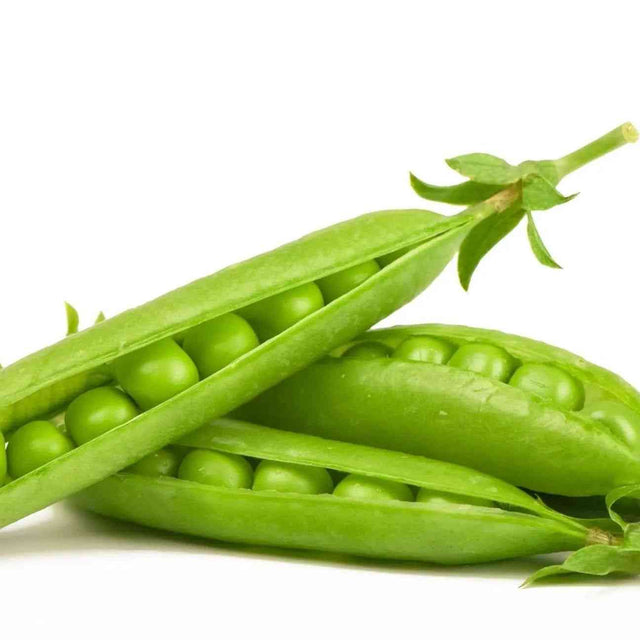
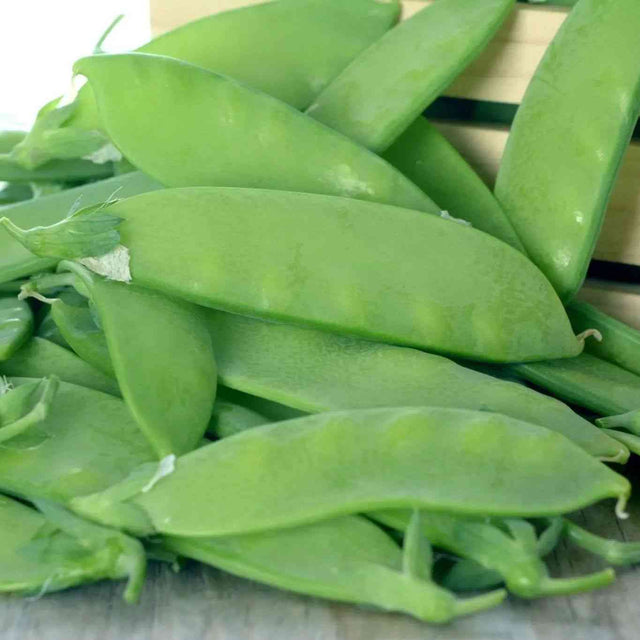
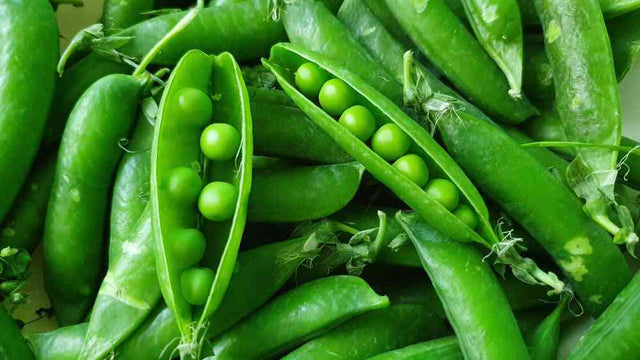
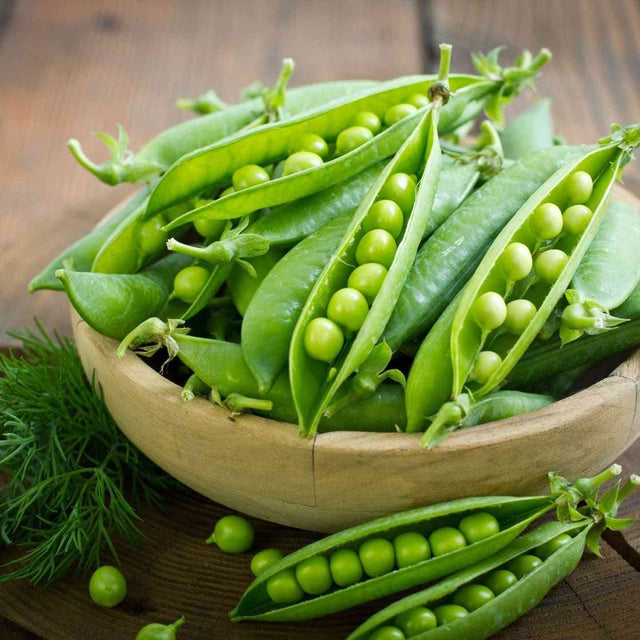
Shelling, snow, and sugar snap peas are all forms of Pisum sativum, but they are not harvested the same way.
- Shelling peas: The pod is usually discarded. Harvest when the peas are full sized but before they become starchy.
- Snow peas: Harvest the edible pod while it is broad and mostly flat, before the seeds enlarge.
- Sugar snap peas: Harvest when the edible pod is rounded, crisp, and filled but not fibrous.
- Pea shoots: Harvest only tender tips, and do not strip the plants so heavily that pod production collapses.
- Dry peas: Leave pods until the seed is fully mature and hard.
That choice affects the whole planting. A shelling pea may need enough row length to produce a worthwhile bowl of shelled peas. A sugar snap pea can be useful in a smaller planting because the entire pod is eaten. A tall snow pea needs a support that matches its mature height, not the height of the seedlings when they are planted.
Prepare before the window opens
The best time to build the pea trellis is before sowing. The best time to clear the bed is before the weather offers a run of workable days. Waiting until peas emerge creates unnecessary root disturbance and turns a simple support job into a rescue operation.
Choose a site with full sun during the cool season and soil that drains after winter rain. Peas do not benefit from sitting in cold mud. Raised beds can warm and drain earlier, but they can also dry quickly during a sudden warm spell. The system still needs a watering plan.
In eastern North Carolina, a calendar date is only a starting point. Watch the actual soil. If it is saturated and smears into a ribbon, planting may compact the bed and bury seed in poor conditions. If the soil is workable and the forecast offers cool growth weather, the crop has a better chance to establish before heat.
Sow for an even stand
Direct sow peas at the depth and spacing given for the variety. Good seed-to-soil contact matters, but the row should not be packed hard. Keep the seedbed moist enough for germination without holding it waterlogged.
Where birds or rodents pull emerging seed, use a temporary physical cover and remove or raise it before vines need the trellis. If a section fails, dig and inspect before reseeding. Empty hulls, rotten seed, and hard ungerminated seed point to different problems.
Peas can fix nitrogen through a relationship with compatible bacteria, but that does not make them immune to poor soil, compaction, or nutrient imbalance. Inoculant may help in a place where peas and related legumes have not been grown, but it cannot correct a flooded bed or a late planting.


Give the vines a real support
Short pea varieties may lean on brush, low netting, or one another. Tall varieties need a stronger structure. Check the mature height on the packet. Install the support so both sides can be harvested and air can move through the vines.
Loose plastic netting can become a harvest trap when pods and tendrils weave through it. A support with a clear edge, firm tension, and a reachable picking side is easier to use. The goal is not just to hold the vine upright. It is to make repeated harvest possible without crushing the crop.
Protect flowering and pod fill
Peas need steady moisture when flowering and filling pods. Dry soil followed by heavy watering can shorten the harvest and reduce quality. Water at the soil and avoid keeping a dense canopy wet late in the day.
A light mulch can slow moisture loss after the plants are established, but do not bury young stems in a wet mat. Weed early. Once tendrils knit the row together, pulling large weeds can tear vines from the support.


Harvest before sweetness is gone
Pea quality can change quickly. The packet’s maturity number tells you when to start checking, not when every pod must be harvested.
- Snow peas: Pick when pods reach full length but remain flat and tender.
- Sugar snap peas: Pick when pods are rounded and crisp. Do not wait for the wall to become stringy.
- Shelling peas: Pick when the seeds fill the pod but remain tender and sweet.
Harvest in the cool part of the day and cool the crop promptly. Hold the vine with one hand while removing the pod with the other. A pea vine can be pulled from the trellis in a single careless harvest.
Know when the season is over
Gardeners often keep an exhausted pea row too long because it still looks green. Sustained heat can stop flowering, make pods coarse, and invite mildew or other decline. Once the crop is no longer producing useful food, remove it and plant the next crop.
This is a strategic advantage, not a defeat. Peas can occupy the bed before warm-season crops. The trellis may later support cucumbers, pole beans, or another vine if crop rotation and disease history allow it. Planning the follow-on crop prevents an empty bed from becoming a weed nursery.
Fall peas need a real cool season
A fall planting can work in some Southern locations, but it has two opposing risks. Sow too early and seedlings endure excessive heat. Sow too late and the crop flowers when short days or frost end the season. Count backward from the likely hard-freeze period, use a variety with enough time to mature, and recognize that autumn sunlight and temperature are not the same as spring.
Fall peas should be treated as a calculated opportunity, not a guaranteed second spring crop.
Save seed from a healthy row
Mark healthy, true-to-type plants before the kitchen harvest removes every pod. Allow selected pods to dry fully. If wet weather threatens, finish drying mature pods under cover with good airflow. Shell, label, and store only when seed is dry.
Peas are largely self-pollinating, but crossing can occur. Maintain separation when preserving named varieties, and save from several healthy plants rather than one exceptional vine. The goal is to carry the variety, not only one plant, into the next season.
A better pea plan for the Southeast
Prepare early. Sow when the soil is workable. Build the trellis before germination. Harvest hard while quality is high. Then stop asking a cool-season crop to perform through summer. That sequence is more productive than planting late, nursing stressed vines, and blaming the variety for a weather window the crop never received.