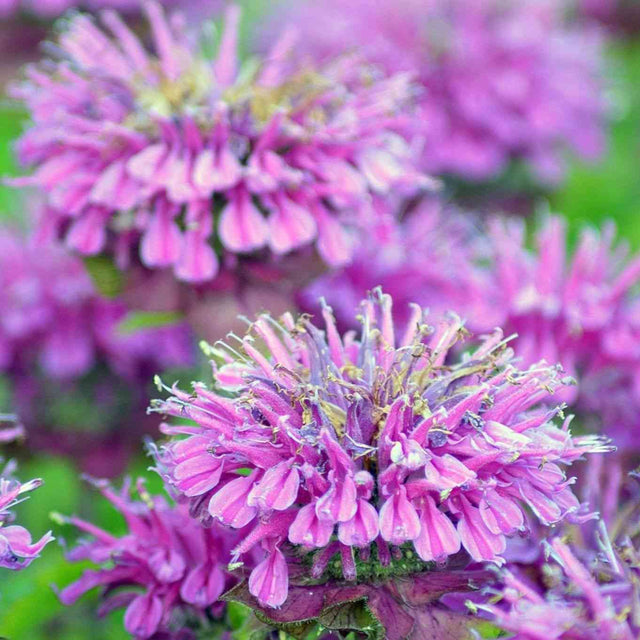
A native wildflower planting begins long before the seed is scattered. The existing vegetation, soil moisture, sun, drainage, deer pressure, seed source, and first two years of weed control will decide more than the beauty of the seed mix label.
Native does not mean effortless. These plants are adapted to a region, not to neglect during establishment.
Do not sow expensive native seed into a living mat of turf or perennial weeds and call the loss natural selection. Prepare the site until the competition is genuinely reduced.
Choose native seed by region and site
Gardeners working in Virginia can begin with the Virginia native seeds collection, then narrow the list by sun, moisture, soil, mature height, and the amount of competition remaining on the site.
Understand what a native wildflower seeding can and cannot do
Native wildflowers and grasses can build habitat, seasonal bloom, deep roots, and regional identity. A successful planting matches species to site rather than forcing a generic mix into every soil.
Many species germinate slowly or require cold-moist stratification. First-year growth can be mostly roots and small rosettes.
- Local ecotypes may offer regional adaptation.
- Grasses provide structure and nesting habitat.
- Bloom sequence matters more than one peak photograph.
Choose the method by the constraint that actually matters
Assess sun hours, soil moisture, drainage, slope, existing weeds, mowing access, and the desired height. Then choose species native to the defined region and suited to those conditions.
Small gardens may benefit from plugs for difficult species and seed for the broader matrix.
| Situation | Best starting choice | Why |
|---|---|---|
| Sunny dry site | Dry-mesic grasses and forbs | Avoid wetland species and rich-soil giants |
| Moist low area | Moisture-tolerant natives | Confirm drainage and flood duration |
| Small urban bed | Shorter species and defined edges | Prevent tall plants from overwhelming paths |
| Large meadow | Diverse matrix with grasses and staged mowing | Plan access and long-term invasive control |
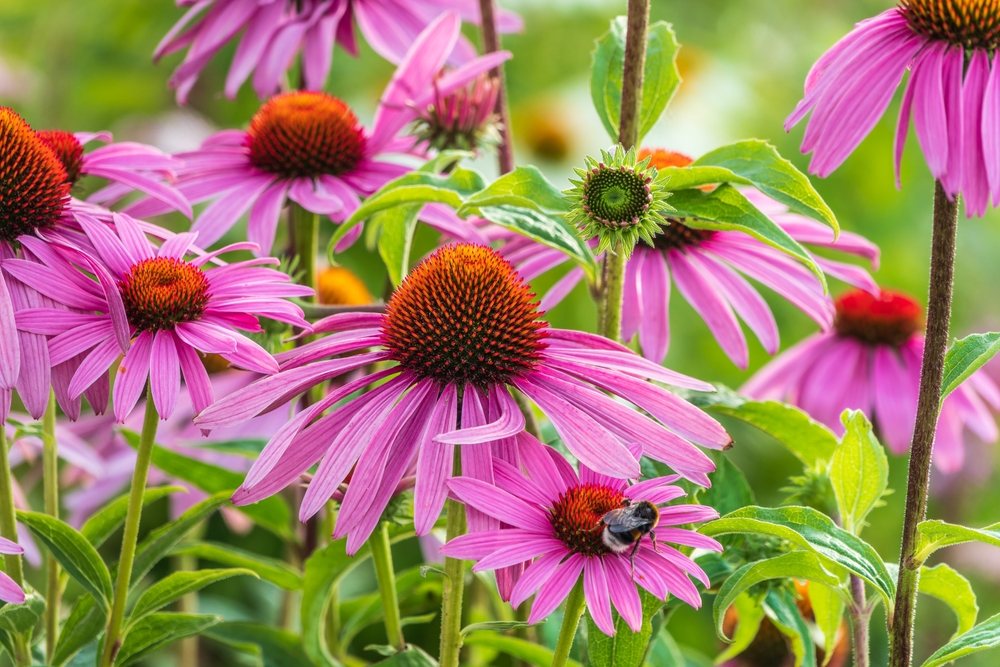
Set the system up in the right order
Control existing perennial weeds before sowing.
- Create a firm, relatively clean seedbed without burying dormant weed seed unnecessarily.
- Mix tiny seed with a carrier for even distribution.
- Sow in the species-appropriate fall, winter, or spring window.
- Press seed into contact without covering too deeply.
Watch for the failure points
The first year often looks sparse. Weeds grow faster than many natives, so mowing or high trimming may be used before weeds set seed while keeping the native seedlings alive.
The failure is usually not lack of fertilizer. It is competition, wrong species, poor seed contact, or impatience.
- Do not fertilize a meadow by routine.
- Do not use a “wildflower” mix without checking every species.
- Do not let invasive weeds seed while waiting for the natives.
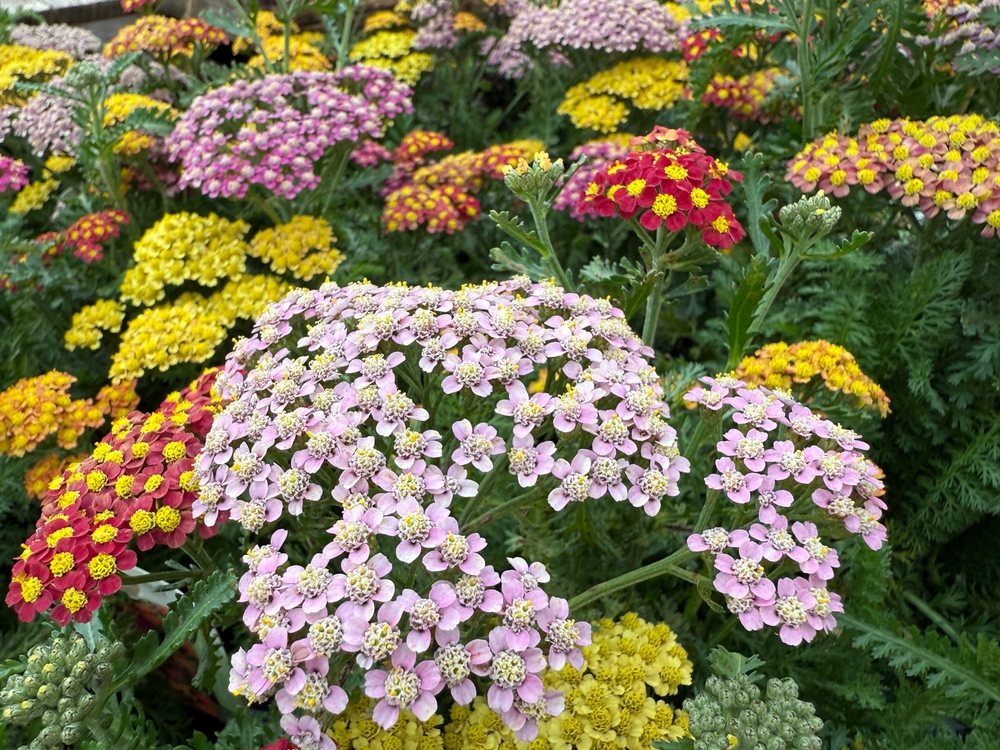
Adjust for North Carolina, Virginia, and the Mid-Atlantic
Coastal Plain, Piedmont, and mountain plant communities differ. Use state and regional native-plant resources rather than one national mix.
Warm winters can allow fall germination, while dry springs may require careful establishment moisture without keeping the site saturated.
Keep records that make the next season easier
Record seed source, species list, sowing date, preparation, weather, germination, mowing, and weed removal. Photograph fixed points each season.
Expect the planting to change as long-lived species establish and short-lived pioneers decline.
A native garden is not a single installation date. It is a relationship with a place, managed long enough for the place to answer.
Put this guide to work in a real garden
Build the planting around function rather than a single bloom photograph. With native wildflowers, note the species, seed source, mature height, bloom period, host relationships, and whether the plant fits the moisture and light already present. A native plant placed in the wrong site is still a plant in the wrong site.
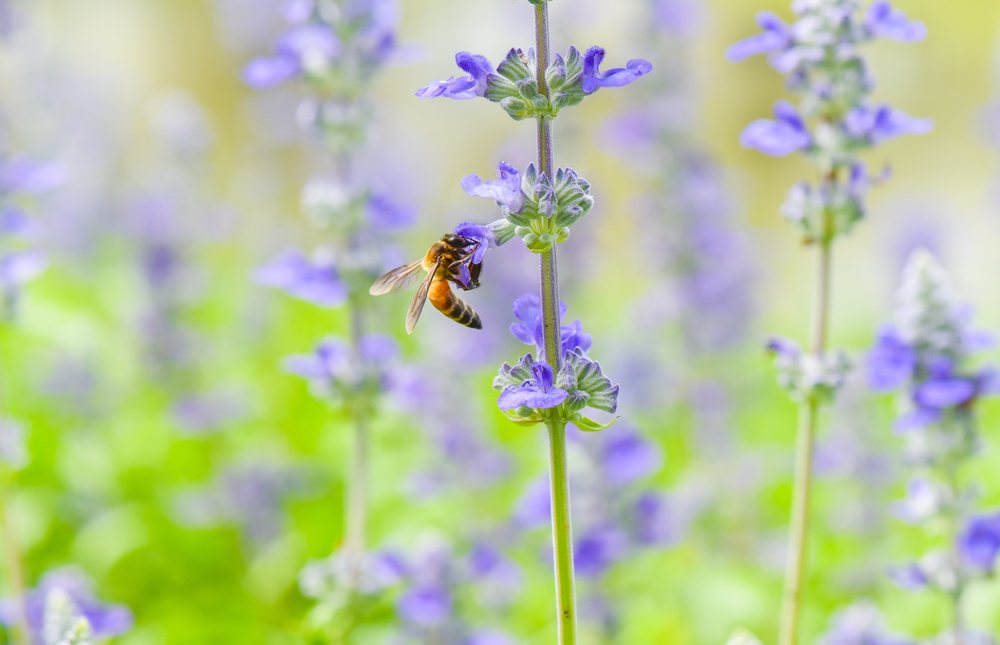
Plan for a sequence of resources. Early, middle, and late flowers support more insects than one brief peak. Leave some stems, seed heads, bare ground, leaf litter, and undisturbed corners where they are appropriate and safe. Habitat is the space between maintenance decisions.
Watch which insects actually use the planting. A photograph of one visitor is encouraging, but repeated observation across the season tells you whether the garden provides nectar, pollen, host foliage, shelter, and overwintering structure.
- Confirm the botanical name and regional status.
- Match species to sun, moisture, and mature size.
- Add plants that extend bloom before and after the main species.
- Avoid routine spraying on open flowers.
- Record insects, bloom dates, spread, and winter survival.
Use a 30-day checkpoint instead of guesswork
Planting week
Mark every species and source. Photograph the prepared site so later weed pressure can be compared honestly.
First month
Prioritize root establishment and weed control. Do not expect the planting to look mature.
First bloom
Record which insects visit and at what time of day. Note the neighboring plants blooming before and after.
End of season
Decide what to leave standing, what to divide, and what must be prevented from reseeding beyond the intended area.
A plant can be native to a continent and still be poorly suited to a county, soil, or restoration goal. Confirm regional status, source, and site requirements before using a garden article as a habitat prescription.
Keep a one-season record
The record does not need to be elaborate. A notebook page, spreadsheet row, or labeled photograph is enough when it captures the variables that matter.
- Species and seed source
- First and last bloom
- Pollinators or beneficial insects observed
- Spread, reseeding, and competition
- Winter survival and spring return
Write enough that another grower—or you, one year later—could understand what was planted, what happened, and why the next decision changed.
Questions gardeners ask
Should I till before sowing wildflowers?
Sometimes, but tillage can bring up weed seed and damage soil structure. The best preparation depends on existing vegetation and site history.
When will native wildflowers bloom?
Some annuals bloom the first year, while many perennials need one or more seasons to establish before strong flowering.
Can I scatter seed over grass?
Usually not successfully. Established turf competes strongly and prevents seed-to-soil contact.
Do native seeds need cold stratification?
Many do, but requirements vary. Fall or winter sowing can provide natural cold-moist exposure for appropriate species.
Should I use local ecotype seed?
Local or regionally appropriate seed can support adaptation and ecological fit, but availability, documentation, and project goals should be considered.
A native planting is built with restraint: fewer weeds, the right seed, a firm seedbed, and enough patience to let roots arrive before the flowers take credit.