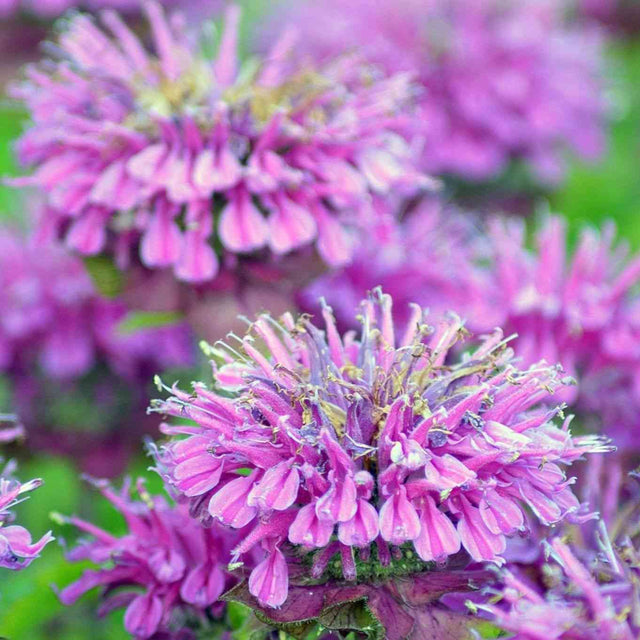
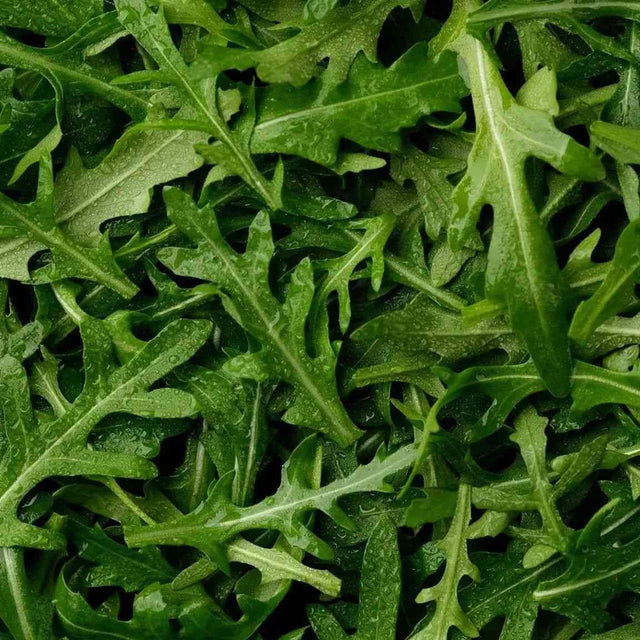
Winter sowing lets weather do part of the seed preparation. Cold, moisture, freeze-thaw cycles, and the gradual return of spring light can condition species that resent being forced on a warm windowsill.
It is not a universal shortcut. Tomatoes and basil do not become hardier because they spent January in a milk jug. The method belongs to seeds whose biology and season fit outdoor exposure.
Use winter sowing for hardy annuals, many native flowers, and species with cold-moist stratification needs. Use controlled indoor warmth for tender crops that germinate only after soil is reliably warm.
Understand what winter sowing can and cannot do
Winter-sown containers act as small protected seedbeds. They admit cold and precipitation while reducing animal disturbance and heavy soil crusting.
The seed still follows outdoor temperatures. Germination may wait until conditions are suitable, which is the point.
- Containers need drainage.
- Lids or vents must release heat.
- Labels must survive weather and ultraviolet light.
Choose the method by the constraint that actually matters
Choose species with a natural fall-to-spring cycle, cold-stratification requirement, or tolerance for cool germination. Avoid tender tropical and warm-season crops that are damaged by cold.
Seed quantity matters. Rare seed should not be risked in an untested container system without a backup.
| Situation | Best starting choice | Why |
|---|---|---|
| Native perennial requiring cold-moist stratification | Strong candidate | Outdoor cycles satisfy dormancy while protecting the seedbed |
| Hardy annual such as poppy or larkspur | Often suitable | Cool conditions match natural germination |
| Brassica, lettuce, or onion | Possible with timing and local climate | Seedlings may emerge early and need protection |
| Tomato, pepper, basil | Poor winter-sowing candidates in cold climates | Cold delays germination and can damage seedlings |
Set the system up in the right order
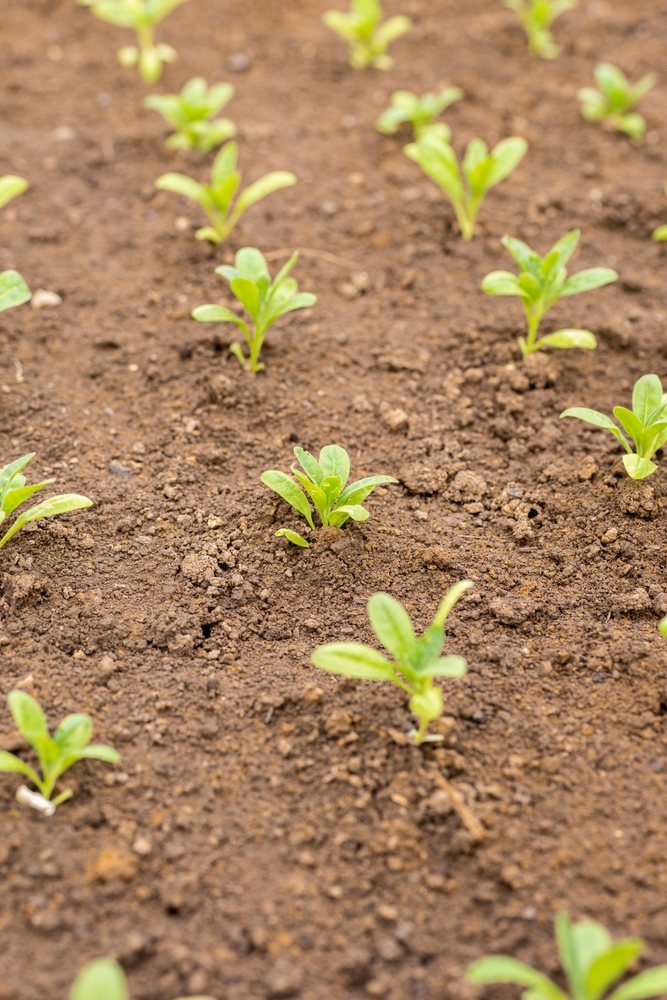
Cut or prepare a translucent container with drainage and ventilation.
- Add clean, moistened medium deep enough for roots.
- Sow at the species-appropriate depth and label inside and outside.
- Place outdoors where rain can reach but flooding cannot.
- Open or increase ventilation as spring temperatures rise.
Watch for the failure points
Containers can overheat on a sunny late-winter day, dry out under a roof, or flood when drainage clogs. Seeds can also germinate during a warm spell and be exposed to later cold.
The method is low-tech, not no-management.
- Do not seal containers airtight.
- Do not place them where runoff or roof drip will batter them.
- Do not assume every native seed has the same stratification period.
Adjust for North Carolina, Virginia, and the Mid-Atlantic
Mid-Atlantic winters swing between warm and cold, creating germination risk for species that respond quickly to a brief warm spell. Site containers out of harsh afternoon heat and watch ventilation.
Mountain winters provide longer cold, while coastal winters may require species-specific research to ensure enough chilling.
Keep records that make the next season easier
Record species, source, sowing date, emergence date, weather events, thinning, and transplant survival. That record is especially valuable for native species with uncertain dormancy.
Photograph labels before winter exposure.
Winter sowing is patient work, but patience still needs a label and a drainage hole.
Put this guide to work in a real garden
Use Winter Sowing Seeds Outdoors: Which Species Benefit and Which Do Not as a repeatable trial rather than a single sowing. Label the crop, variety, lot, sowing date, depth, medium, and temperature. When several variables change at once, the result becomes a story instead of evidence. A small second tray or short row, handled slightly differently, often teaches more than a large sowing with no comparison.
Check the seed zone itself. Room temperature is not soil temperature, and a damp surface does not prove the root zone has the correct moisture. Light, airflow, and depth begin influencing the crop as soon as the radicle emerges. The work is to keep every stage inside a useful range without overcorrecting.
When the result is weak, do not immediately blame the seed. Review storage, age, treatment, temperature, oxygen, water, and planting depth in order. Then run a controlled germination check with enough seed to make the result meaningful.
- Write the seed lot and source on the label.
- Measure actual medium or soil temperature.
- Record sowing depth and moisture method.
- Count emergence on more than one day.
- Photograph seedlings before thinning or transplanting.
Use a 30-day checkpoint instead of guesswork
Sowing day
Record lot, count, depth, medium, water, and actual temperature. Take one clear photograph of the labeled tray or row.
Emergence window
Count seedlings on several dates rather than once. Uneven emergence can reveal temperature, depth, moisture, or seed-vigor problems.
First true leaves
Reduce crowding, increase airflow, and verify that light is strong enough to hold compact growth.
Transplant or thinning day
Record root condition, losses, and weather. The next stage begins with the condition of the seedling, not merely its age.
A home trial can guide a garden decision, but it is not a substitute for an official seed test conducted under prescribed methods. Small samples also exaggerate chance, so avoid declaring a whole lot worthless from a handful of seeds.
Keep a one-season record
The record does not need to be elaborate. A notebook page, spreadsheet row, or labeled photograph is enough when it captures the variables that matter.
- Lot or packet identity
- Sowing and emergence dates
- Temperature range
- Number sown and number emerged
- Seedling quality, losses, and likely cause
Write enough that another grower—or you, one year later—could understand what was planted, what happened, and why the next decision changed.
Questions gardeners ask
Can I winter-sow tomatoes?
Some gardeners experiment, but tomatoes are warm-season crops and are more predictably started under controlled warmth or direct-sown only where seasons allow.
Do containers need lids?
They need a translucent cover or structure that moderates exposure while allowing ventilation and precipitation. The exact design can vary.
When should I open winter-sowing containers?
Increase ventilation as temperatures rise and seedlings emerge. Prevent overheating and keep the medium from drying.
Can I use potting soil?
Use a clean, well-drained seed-starting or potting medium with enough depth for roots. Heavy garden soil compacts in containers.
Does every native seed need winter sowing?
No. Dormancy requirements vary by species and seed source. Some germinate warm, some need scarification, and some require multiple seasonal cycles.
Winter sowing is an agreement with the season. Choose seeds that understand the terms, and then keep watch while weather does the patient part.