
A seed-starting calendar is not a list of dates copied from another gardener. It is a chain of decisions: the field window, the age of the transplant, the days needed for germination, the hardening period, and the amount of delay the season can tolerate.
Frost dates are probabilities, not walls. Soil temperature and crop physiology often matter more than the date printed on the kitchen calendar.
Count backward from the planting window to schedule sowing. Then look forward through germination, potting, hardening, and weather risk to see whether the plan can actually be carried out.
Understand what a seed-starting calendar can and cannot do
The calendar should separate crops that transplant well from crops better direct-sown. It should also distinguish cool-season plants that tolerate cold from warm-season crops that stall in cold soil.
The goal is not the largest transplant. It is a stocky plant at the right physiological age, ready when the garden can receive it.
- Frost dates are probability ranges.
- Soil temperature controls germination speed.
- Days to maturity may begin at transplanting or sowing.
Choose the method by the constraint that actually matters
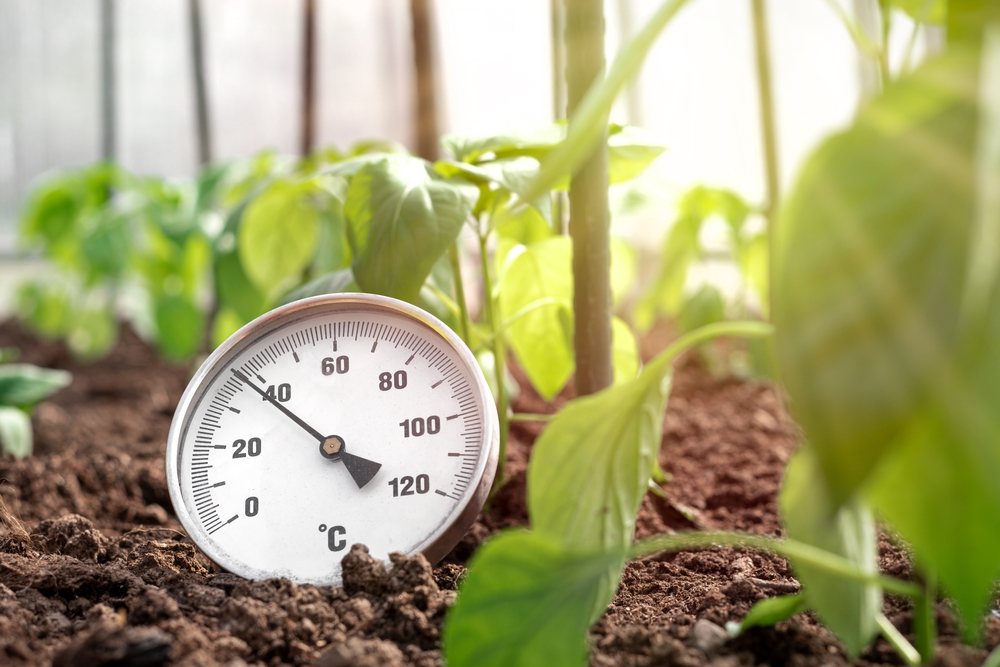
Start with local first and last frost ranges, but include the actual soil and air conditions your site experiences. A low field, raised bed, city wall, and mountain slope can differ within the same ZIP code.
Choose an intended planting window rather than one day, then build flexibility into the tray schedule.
| Situation | Best starting choice | Why |
|---|---|---|
| Tomato or pepper | Start indoors, then transplant after warmth is reliable | Avoid holding oversized plants for weeks |
| Pea, bean, corn | Usually direct-sow when soil is suitable | Roots and timing often favor the garden row |
| Brassica or lettuce | Start indoors or direct-sow for cool seasons | Heat can speed bolting and weaken transplants |
| Poppy, carrot, many roots | Direct-sow with careful moisture | Transplant disturbance can reduce quality |
Set the system up in the right order
List crops by direct-sow or transplant preference.
- Mark the earliest reasonable outdoor window.
- Subtract hardening time, transplant age, and expected germination time.
- Add a buffer for slow emergence and potting work.
- Schedule succession sowings rather than one overwhelming tray day.
Watch for the failure points
Calendars fail when they ignore available light, bench space, pot size, and labor. Starting everything early creates root-bound plants, not an early season.
Another failure is using the average last frost as a guarantee and placing tender crops into cold soil.
- Do not use hardiness zone to time annual vegetables.
- Do not count maturity from the wrong starting point.
- Do not schedule more trays than can be potted and hardened.
Adjust for North Carolina, Virginia, and the Mid-Atlantic
Coastal North Carolina can warm early and still receive damaging cold snaps. Piedmont clay warms slowly when wet. Mountain valleys may carry frost after nearby slopes are safe.
Use local extension guidance, weather forecasts, and soil measurements together.
Keep records that make the next season easier
Record sowing, emergence, potting, hardening, transplanting, first harvest, and failure. Within two seasons, your own calendar becomes more valuable than a national chart.
Keep variety names because early and late cultivars of the same crop may need different schedules.
A seed calendar is a logistics plan. It should protect the crop from both weather and the gardener’s own capacity.
Put this guide to work in a real garden
Use How to Build a Seed-Starting Calendar from Frost Dates, Soil Temperature, and Days to Maturity as a repeatable trial rather than a single sowing. Label the crop, variety, lot, sowing date, depth, medium, and temperature. When several variables change at once, the result becomes a story instead of evidence. A small second tray or short row, handled slightly differently, often teaches more than a large sowing with no comparison.
Check the seed zone itself. Room temperature is not soil temperature, and a damp surface does not prove the root zone has the correct moisture. Light, airflow, and depth begin influencing the crop as soon as the radicle emerges. The work is to keep every stage inside a useful range without overcorrecting.
When the result is weak, do not immediately blame the seed. Review storage, age, treatment, temperature, oxygen, water, and planting depth in order. Then run a controlled germination check with enough seed to make the result meaningful.
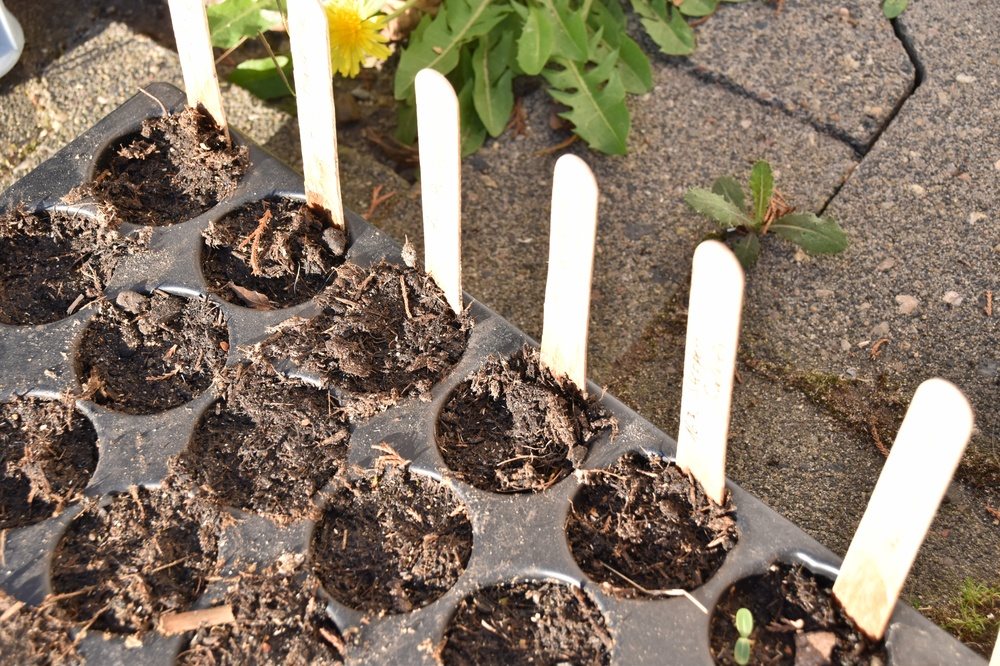
- Write the seed lot and source on the label.
- Measure actual medium or soil temperature.
- Record sowing depth and moisture method.
- Count emergence on more than one day.
- Photograph seedlings before thinning or transplanting.
Use a 30-day checkpoint instead of guesswork
Sowing day
Record lot, count, depth, medium, water, and actual temperature. Take one clear photograph of the labeled tray or row.
Emergence window
Count seedlings on several dates rather than once. Uneven emergence can reveal temperature, depth, moisture, or seed-vigor problems.
First true leaves
Reduce crowding, increase airflow, and verify that light is strong enough to hold compact growth.
Transplant or thinning day
Record root condition, losses, and weather. The next stage begins with the condition of the seedling, not merely its age.
A home trial can guide a garden decision, but it is not a substitute for an official seed test conducted under prescribed methods. Small samples also exaggerate chance, so avoid declaring a whole lot worthless from a handful of seeds.
Keep a one-season record
The record does not need to be elaborate. A notebook page, spreadsheet row, or labeled photograph is enough when it captures the variables that matter.
- Lot or packet identity
- Sowing and emergence dates
- Temperature range
- Number sown and number emerged
- Seedling quality, losses, and likely cause
Write enough that another grower—or you, one year later—could understand what was planted, what happened, and why the next decision changed.
Questions gardeners ask
Is the average last frost date safe for tomatoes?
It is a probability marker, not a guarantee. Wait for suitable soil and nighttime temperatures and keep a contingency for late cold.
How far ahead should I start peppers?
Often eight to ten weeks before transplanting, but temperature, light, variety, and potting space affect the schedule.
What does hardening off add to the calendar?
Usually about one to two weeks of gradually increasing outdoor exposure while protecting plants from severe cold, wind, and sun.
Should I use USDA hardiness zone for planting dates?
No. Zones describe average annual extreme minimum temperatures for perennials, not frost dates or annual crop timing.
Why are my transplants too large before planting?
They were started too early, grown too warm, given insufficient light, or held in containers too small for the waiting period.
A good calendar does not make the weather obedient. It gives the gardener room to respond without sacrificing the crop.


