No-dig gardening guide
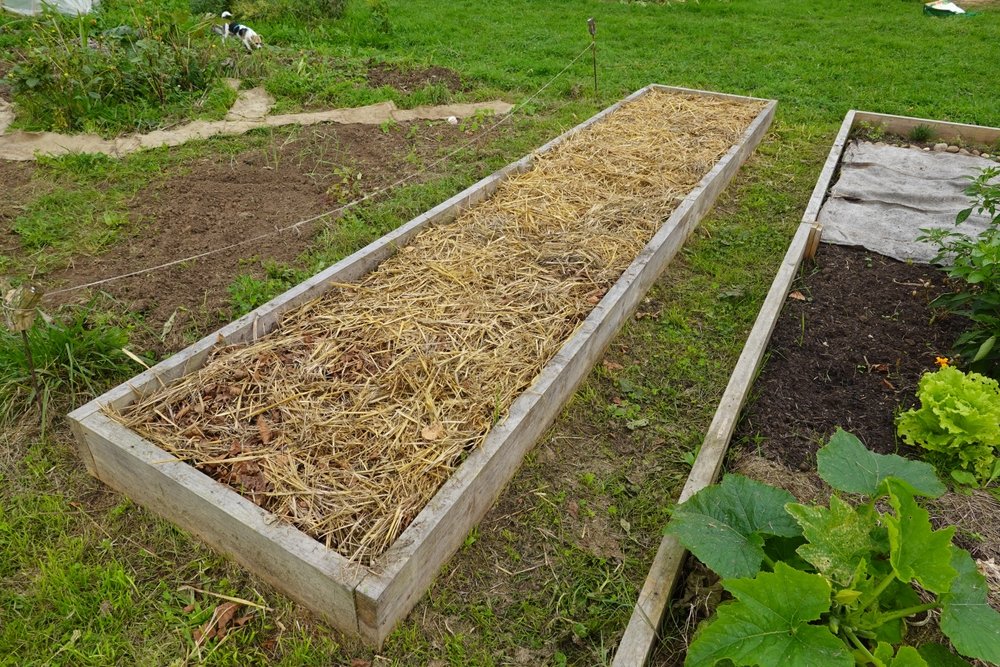
No-dig gardening reduces soil disturbance by adding compost and mulch at the surface rather than turning the bed every season. Used well, it protects aggregates, reduces weed-seed exposure, and keeps the garden easier to manage.
It does not mean never using a fork, never correcting drainage, or never investigating what lies below the compost. A buried construction layer, dense clay pan, contaminated fill, or chronically waterlogged bed will not be repaired by restraint alone.
The sensible approach is to disturb soil only when the problem requires it, then return to surface management once the root zone is functional.
No-dig is a method, not a religion. Soil does not improve because we repeat a slogan over it. It improves when water, roots, air, organisms, and organic matter begin working together.
Understand what no-dig can genuinely improve
- Reduces repeated inversion and disruption of soil layers.
- Keeps new weed seed from being brought continuously to the surface.
- Allows compost and mulch to protect soil from crusting and erosion.
- Supports a stable network of roots, fungi, insects, and earth-moving organisms.
- Makes annual bed preparation faster once the system is established.
These benefits are strongest where drainage already works and perennial weeds have been controlled. The method is maintenance-friendly because it prevents many problems from being recreated every spring.
Build a new bed without trapping the old problem underneath
- Mow or cut existing vegetation low.
- Remove persistent crowns, vines, and woody roots.
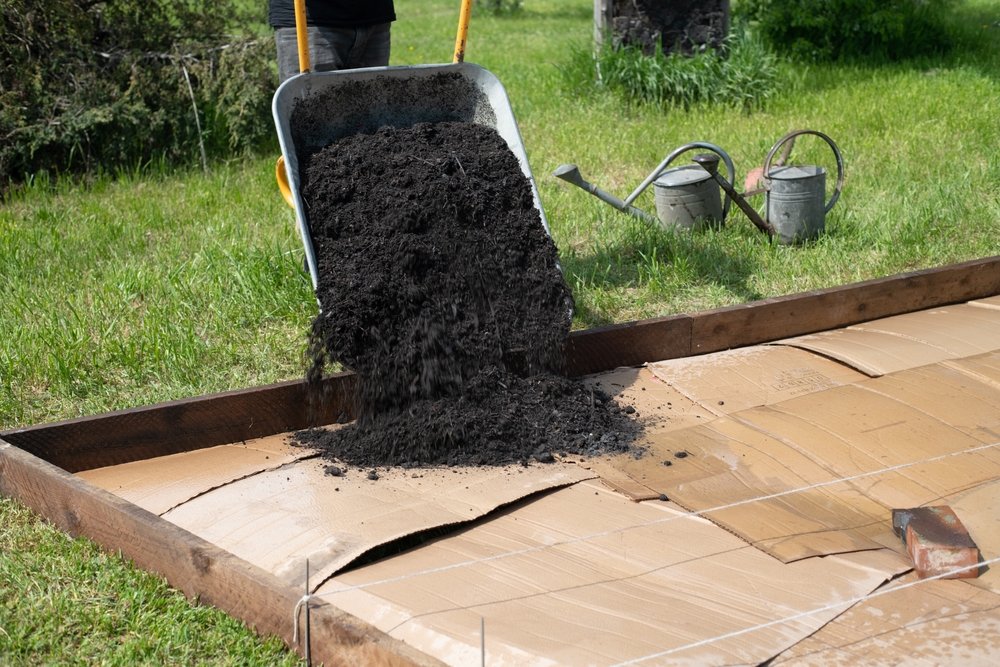
- Lay plain cardboard only when it serves a real weed-suppression purpose.
- Overlap seams and wet the cardboard so it conforms to the ground.
- Add a sufficient layer of mature compost or blended bed soil.
- Mulch paths and protect the bed surface from hard rain.
Cardboard is temporary. It should not contain glossy coatings, plastic tape, staples, or heavy ink. Thick permanent barriers beneath a bed can interfere with drainage and root movement.
If the site holds standing water, contains rubble, or has a dense compacted layer, diagnose that before building. A beautiful surface can hide a bad foundation.
Use compost as an amendment, not a substitute for structure
Compost feeds the system and improves water handling, but a bed made almost entirely of fine compost may settle, stay excessively wet, or become nutrient-heavy. Raised beds need a stable mineral component and enough coarse pore space to drain.
Add modest amounts at the surface each season according to crop removal and soil condition. More is not automatically better. A soil test can reveal high phosphorus or salts before another heavy application makes the imbalance worse.
Know when limited digging is the responsible choice
| Problem | What surface mulching cannot do alone | Reasonable response |
|---|---|---|
| Severe compaction | Create deep air and root channels quickly | Broadfork or loosen when soil moisture is right |
| Standing water | Change grade, outlet, or restrictive layer | Correct drainage before planting |
| Bermuda grass or bindweed | Eliminate persistent underground structures | Remove repeatedly and use targeted exclusion |
| Rubble or contaminated fill | Make the root zone safe and continuous | Excavate or replace affected material |
| Tree-root invasion | Prevent woody roots from consuming the bed | Relocate, barrier, or rebuild where practical |
The aim is not to keep a record of how little the soil was touched. The aim is a living root zone that works.
Manage weeds, slugs, and mulch honestly
A thick surface layer can suppress annual weeds, but it can also shelter slugs, voles, and sowbugs where moisture stays high. Inspect underneath rather than assuming every mulched bed is healthy.
Pull young weeds before they seed. Cut perennial regrowth repeatedly. Keep mulch away from wet crowns and small stems. In humid summers, a thinner, more open surface can be safer around crops prone to rot.
Rebuild a tired no-dig bed from evidence
- Check drainage after a hard rain.
- Push a fork or probe through the profile and note resistance.
- Inspect root depth and color after harvest.
- Test pH and nutrients before adding more fertility.
- Topdress with mature compost only where it is needed.
- Use deep-rooted cover crops where the season allows.
A bed that shrinks every year may need mineral soil, not another bag of compost. A bed that remains wet may need less organic matter and better drainage. Repair begins with the failure pattern, not the method's reputation.
Use the method differently across the region
In the humid Southeast, mulch depth must be balanced against slugs and prolonged wetness. In sandy coastal soils, surface organic matter can be valuable for moisture retention but nutrients still leach. In heavy Piedmont clay, initial loosening may be justified before a long period of minimal disturbance.
Mountain gardens often benefit from protected soil and reduced erosion, but cold wet spring beds should not be buried under a heavy insulating layer before they have warmed.
Questions gardeners ask
Does no-dig mean I can never use a fork?
No. It means avoiding routine unnecessary inversion. A fork can be appropriate for compaction, drainage assessment, or crop harvest.
Can I build a no-dig bed over grass?
Often, if the grass is cut low and the species is not a persistent runner. Aggressive perennial weeds require more removal and monitoring.
How much compost should I add every year?
Use soil condition, crop demand, and testing rather than a fixed universal depth. Many established beds need only a modest topdressing.
Why is my no-dig bed full of slugs?
Persistent moisture, heavy mulch, dense edges, and sheltered debris can favor slugs. Reduce hiding places and adjust irrigation and mulch depth.
Can no-dig fix hard clay?
It can improve the surface over time, but severe compaction or a restrictive layer may need one careful loosening before surface management can succeed.