Seeds: When properly stored, planted, and cared for, we guarantee reasonable germination and true-to-type growth for one year from purchase.
Non-seed products: Free from defects in materials and workmanship for 30 days from shipment.
Excludes factors outside our control (extreme weather, pests, gardener error). If something’s off, contact us—we’ll make it right with a replacement, repair, or refund.
USDA “bioengineered (BE)” foods are those with detectable genetic material that was modified using in vitro recombinant DNA (rDNA) techniques, in ways
not obtainable through conventional breeding or found in nature. The USDA’s National Bioengineered Food Disclosure Standard uses “bioengineered” as the nationwide labeling term.
Detectable modified genetic material in the final food
Created via in vitro rDNA techniques (e.g., gene transfer)
Modifications not achievable through conventional breeding or nature
—seeds / pkt
( ~ g )
Slow Bolting Cilantro seeds produce a flavorful and dependable herb variety prized for its extended leaf production and improved resistance to premature flowering. This variety was selected to remain in its leafy stage longer than standard cilantro, allowing gardeners to harvest fresh leaves for a greater portion of the growing season. With its aromatic foliage and steady growth, Slow Bolting Cilantro is a reliable choice for both home gardens and market growers seeking consistent harvests of fresh herbs.
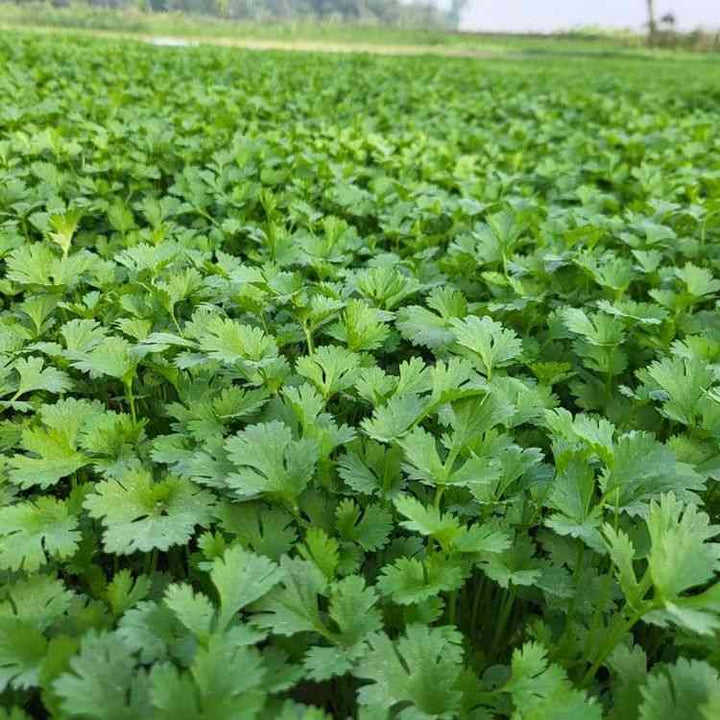
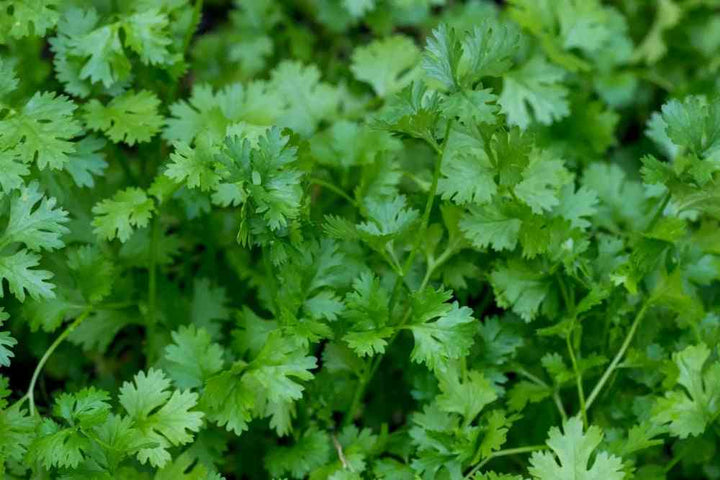
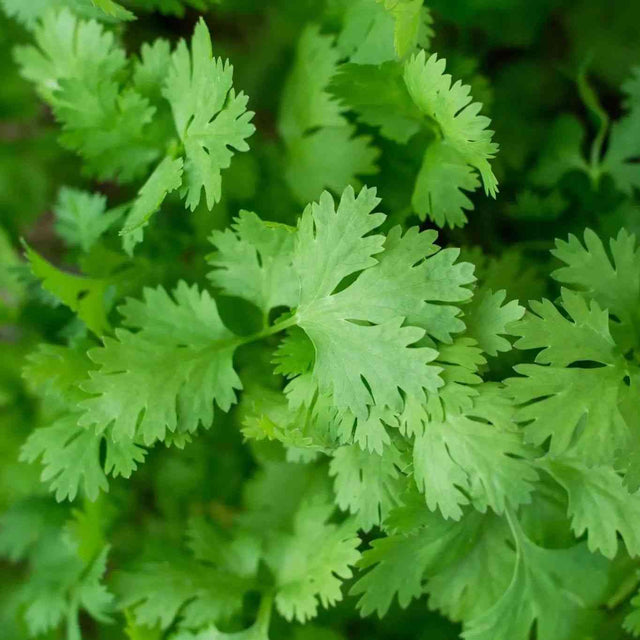
Plants grown from Slow Bolting Cilantro seeds develop upright, leafy growth with delicate, bright green leaves that are finely divided and highly fragrant. The plants grow quickly and produce abundant foliage that can be harvested repeatedly before the plant begins to flower. Compared to traditional cilantro types that bolt quickly in warm weather, this variety holds its vegetative stage longer, making it easier to maintain a steady supply of fresh leaves. When it eventually flowers, it produces clusters of small white blossoms that later form coriander seeds.
In the kitchen, Slow Bolting Cilantro is valued for its bright, fresh flavor that adds a distinctive herbal note to many dishes. The leaves are commonly used in salsas, sauces, salads, soups, and a wide range of global cuisines. The seeds, known as coriander, can also be harvested and used as a spice once the plant finishes its cycle. For gardeners who want a dependable cilantro that provides longer harvest windows and strong flavor, Slow Bolting Cilantro seeds offer a productive and versatile herb for the garden.
I don’t usually grow cilantro, but decided to try this one because “slo-bolt” sounded like I might get actually around to actually using this before the pollinators did. It’s mid July, and still going strong!
Hi Carol, we're so glad to hear you're enjoying the slow-bolting cilantro! Thanks for sharing your experience, and happy gardening!
D
Debora Wendt (United States)
Nice
Hi Debora! We're so glad you liked the cilantro seeds. Thanks for sharing your feedback!
Location Selection: Choose a location with full sun to partial shade for optimal growth. Cilantro thrives in well-lit areas.
Soil Preparation: Ensure the soil is well-drained and rich in organic matter. Cilantro prefers loamy soil with a pH between 6.0 and 7.0.
Sowing Seeds:
Direct Sowing: Sow seeds directly outdoors in early spring after the danger of frost has passed. Plant seeds 1/4 inch deep and 6-12 inches apart in rows spaced 12-18 inches apart.
Indoor Starting: For an earlier start, sow seeds indoors 4-6 weeks before the last frost date. Use seed-starting trays filled with a seed-starting mix. Lightly cover the seeds and keep the soil moist.
Germination: Seeds typically germinate within 7-14 days. Maintain consistent moisture levels in the soil during this period.
Transplanting: If starting indoors, transplant seedlings outdoors after the danger of frost has passed. Space seedlings 6-12 inches apart in rows 12-18 inches apart.
Care Instructions:
Watering: Water regularly to keep the soil evenly moist but not waterlogged. Cilantro requires consistent moisture for optimal growth.
Fertilizing: Cilantro generally does not require much fertilization, especially if planted in nutrient-rich soil.
Mulching: Apply a thin layer of mulch around the base of the plants to help retain moisture and suppress weeds.
Pruning: Harvest leaves regularly to encourage continuous growth and prevent the plants from bolting.
Pests and Diseases: Cilantro is relatively pest and disease-free but can occasionally be affected by aphids or fungal diseases. If necessary, treat with insecticidal soap or a fungicide.
Special Considerations:
Harvesting: Harvest leaves as needed for culinary use. Slow Bolting Cilantro is known for its ability to resist bolting, providing a longer harvest period.
Slow Bolting Cilantro is a cool-season herb that rewards attentive care with an extended harvest of tender, aromatic leaves. Once established, it develops a soft, upright growth habit with finely divided foliage that responds quickly to environmental conditions. Unlike standard cilantro, this variety is bred to resist premature flowering, but its performance still depends heavily on maintaining stable growing conditions. It thrives best in garden beds, raised beds, and containers where the soil is loose, fertile, and drains well while still holding consistent moisture. Locations with good air circulation and protection from intense afternoon heat will significantly improve overall plant vigor and longevity.
During active growth, maintaining consistent soil moisture is the single most important factor for success. Cilantro does not tolerate drying out, and even short periods of drought stress can trigger bitterness or early bolting. At the same time, overly saturated soil can suffocate roots and lead to decline, so balance is essential. Applying a light organic mulch layer helps stabilize soil temperature, reduce evaporation, and buffer against rapid environmental swings. Cilantro performs best in full sun during cooler weather, but as temperatures climb, partial shade—especially during the hottest part of the day—becomes critical for preserving leaf quality and extending the harvest window.
Nutrient management should be moderate and steady rather than heavy-handed. Cilantro prefers soil that has been enriched with compost or organic matter prior to planting, providing a slow, even release of nutrients. Excess nitrogen can push rapid, lush growth at the expense of flavor intensity and structural strength, so avoid over-fertilizing. If needed, a light side-dressing of compost or a diluted organic liquid feed can be applied during the growing cycle to support continued leaf production without overstimulating the plant.
Maintenance practices play a major role in keeping Slow Bolting Cilantro productive. Proper spacing is essential to allow airflow between plants, which helps prevent fungal issues and reduces stress. Thinning should be done carefully and early, as disturbing the roots of established plants can encourage bolting. Regular harvesting acts as a natural form of pruning, signaling the plant to continue producing new leaves rather than shifting toward reproduction. Cutting back outer stems while leaving the central growing point intact promotes bushier, more sustained growth.
Cilantro does not require staking or structural support, but it benefits from gentle handling due to its delicate stems. As plants mature, they may begin to elongate slightly, especially in lower light conditions, so ensuring adequate sunlight and spacing helps maintain a compact form. While pollination is not required for leaf harvest, allowing some plants to flower can attract beneficial insects such as hoverflies and parasitic wasps, which contribute to natural pest control in the garden ecosystem.
Harvesting strategy directly impacts both yield and flavor. Begin harvesting once plants reach a usable size, typically when they have several sets of true leaves. Focus on cutting outer leaves and stems first, allowing the inner portion of the plant to continue developing. Frequent, light harvesting encourages continuous production and delays the onset of bolting. Leaves are most tender and flavorful before any signs of flowering appear, and quality declines once the plant shifts energy into seed production.
As the season progresses, even slow-bolting varieties will eventually respond to increasing temperatures and longer daylight hours by flowering. When this occurs, growers can either remove early flower stalks to slightly extend leaf production or allow the plant to complete its life cycle and produce coriander seeds. Many gardeners intentionally allow a portion of their crop to bolt for seed harvest, culinary use, or natural reseeding.
Slow Bolting Cilantro performs best in spring and fall conditions but can be extended into early summer with proper care. In warmer climates, strategic placement in partial shade, consistent watering, and the use of mulch can significantly improve results. Container growers have the added advantage of being able to relocate plants to cooler areas as needed. For continuous production, pairing good maintenance practices with succession planting ensures a steady supply of fresh cilantro over a longer period.
Attention to small details—like avoiding root disturbance, maintaining even moisture, and harvesting regularly—makes a noticeable difference in both yield and quality. With thoughtful care, Slow Bolting Cilantro offers a dependable, extended harvest and remains one of the most rewarding herbs for both new and experienced growers.
Slow Bolting Cilantro rewards growers who think in terms of timing, rhythm, and environmental control rather than one-time planting. One of the most important advanced strategies is true succession layering—planting small batches every 10 to 14 days instead of large batches every few weeks. This creates overlapping maturity stages so that even if one planting begins to bolt due to weather, another is just reaching peak harvest. Experienced growers often stagger plantings across slightly different microclimates (full sun, partial shade, edge beds) to hedge against sudden temperature swings.
Microclimate management can dramatically extend your harvest window. Even a 5–10 degree reduction in soil or air temperature can delay bolting. Use taller companion plants like tomatoes or corn to cast filtered afternoon shade, or position cilantro on the east side of structures where it gets morning sun and afternoon protection. In raised beds, the outer edges tend to heat up faster than the center—plant cilantro toward the middle for better temperature stability. Mulch is not optional for high performance; a consistent 1–2 inch organic mulch layer stabilizes moisture, reduces root stress, and buffers against rapid heat spikes.
Watering technique matters just as much as frequency. Rather than shallow daily watering, aim for deeper, consistent moisture that encourages stronger root anchoring without waterlogging. However, cilantro roots are sensitive, so avoid heavy soaking that compacts soil. Drip irrigation or gentle base watering is ideal. Fluctuations—going from dry to saturated—are one of the fastest ways to trigger stress responses like bitterness or bolting. If growing in containers, check moisture daily, as pots heat and dry much faster than in-ground beds.
Harvest strategy is where many growers unknowingly limit their yield. Instead of random cutting, adopt a rotational harvest pattern: move from plant to plant, always taking the largest outer stems and allowing inner growth to continue. This mimics natural pruning and keeps the plant in a vegetative state longer. If plants become slightly leggy, a light trim across the top can reset growth, but avoid aggressive cutting that removes too much photosynthetic capacity. Consistent harvesting every few days is far more effective than occasional heavy harvests.
Bolting management goes beyond just trying to prevent it. Learn to read early signals—slight vertical stretching, tighter leaf spacing, and a change in leaf shape all indicate the plant is preparing to flower. At this stage, increasing water consistency and providing temporary shade can slow the process. Pinching early flower stalks may buy a short extension, but it is not a permanent solution. Advanced growers often designate specific plants to bolt intentionally, ensuring a steady supply of coriander seed while keeping other plants in leaf production.
Post-harvest handling is critical for maintaining quality, especially if you are harvesting larger quantities. Cilantro loses moisture rapidly after cutting, which affects both texture and flavor. For best results, harvest early in the day and immediately place stems in cool conditions. A common technique is treating cilantro like cut flowers—placing stems in water and loosely covering them before refrigeration. For storage beyond a few days, avoid sealing wet leaves in airtight containers, as this accelerates decay. Proper handling can extend usable life significantly.
Culinary and preservation strategies can also reduce waste and increase value. If you have excess cilantro, consider making herb pastes, freezing chopped leaves in oil, or drying seeds for spice use. While leaves lose some quality when frozen, they retain enough flavor for cooked dishes. Coriander seeds, once dried, store extremely well and provide a completely different flavor profile, making the plant valuable beyond its leafy stage.
Seed saving is straightforward but benefits from attention to detail. Allow seed heads to fully mature and dry on the plant until they turn brown and begin to split. Harvest before heavy rain or wind disperses them. After drying, gently crush the seed clusters and store in a cool, dry place. If maintaining varietal purity is important, isolate from other flowering cilantro types, as cross-pollination can occur. Over time, saving seeds from the slowest-bolting plants can naturally improve your strain’s performance in your specific growing conditions.
Finally, one of the most overlooked tips is knowing when to stop pushing a planting. Even with excellent care, environmental conditions will eventually overpower the plant’s ability to remain in leaf production. Rather than trying to force declining plants to recover, remove them, refresh the soil if needed, and rely on your next succession planting. This mindset—cycling crops instead of overextending them—is what separates average cilantro growers from consistently successful ones.
Cilantro, even in slow-bolting varieties, is a fast-growing herb that is highly sensitive to environmental stress and opportunistic pests. The most common problems growers face are tied to heat, moisture inconsistency, and dense planting, all of which can quickly reduce leaf quality or trigger premature flowering. While slow-bolting types offer improved resistance to early flowering, they are not immune, especially when exposed to extended warm temperatures or dry soil. Careful management of spacing, airflow, and watering is essential to maintaining healthy, leafy growth.
Aphids are the most persistent insect pest affecting cilantro, often appearing in clusters on soft stems and the undersides of leaves. They feed by sucking plant sap, leading to curled, distorted foliage and the presence of sticky honeydew, which can attract ants and promote sooty mold. Whiteflies may also infest plants, particularly in warmer climates, causing leaf yellowing and weakening the plant overall. In dry conditions, spider mites can become an issue, creating fine webbing and speckled, faded leaves. Regularly inspecting plants and using a strong spray of water can physically remove many of these pests. Introducing beneficial insects such as ladybugs or lacewings helps maintain natural control, while neem oil or insecticidal soap can be applied in more severe infestations.
Fungal and soil-borne diseases are another concern, particularly in humid conditions or poorly drained soil. Damping-off is a common issue during germination and early growth, where seedlings suddenly collapse due to fungal pathogens in overly wet soil. Later in the season, powdery mildew may develop as a white, dusty coating on leaves, especially when plants are overcrowded or airflow is restricted. Leaf spot diseases can also appear, causing dark lesions that reduce plant vigor. Preventative practices such as using well-draining soil, watering at the base rather than overhead, and spacing plants adequately are critical. Removing affected plant material promptly and avoiding working with wet plants can further limit disease spread.
Environmental stress is often the most significant factor impacting cilantro success. Heat is the primary trigger for bolting, even in slow-bolting varieties, causing plants to shift rapidly from leaf production to flowering. Once bolting begins, leaves become smaller and more bitter. Inconsistent watering can also stress plants, leading to tough texture and poor flavor. Root disturbance, such as transplanting or aggressive thinning, may further accelerate bolting. Providing partial shade during hot periods, maintaining consistent soil moisture, and planting in succession every few weeks can help extend the harvest period.
Nutrient imbalances and poor soil conditions can also lead to weak or underperforming plants. Excess nitrogen may encourage rapid leafy growth but can reduce flavor intensity, while nutrient-poor soil results in pale, stunted plants. Compact or waterlogged soil can suffocate roots and lead to rot. Incorporating compost-rich soil and ensuring proper drainage creates a stable growing environment.
For best results, focus on prevention through good cultural practices. Rotate planting areas each season, keep beds free of plant debris, and avoid overcrowding to improve airflow. Harvest frequently to encourage continued leaf production and delay flowering. Removing stressed or diseased plants early prevents issues from spreading. With consistent care and attention, slow-bolting cilantro can remain productive, flavorful, and resilient throughout its growing window.
Q: What makes Slow Bolting Cilantro different from standard cilantro varieties?
A: Slow Bolting Cilantro is specifically selected to delay the plant’s natural shift from leaf production to flowering. Standard cilantro can bolt quickly with even slight increases in temperature or daylight length, reducing leaf yield. This variety gives growers a longer window to harvest tender, flavorful leaves before the plant sets seed. It is especially valuable for gardeners trying to extend cilantro production into warmer seasons.
Q: Is Slow Bolting Cilantro a good choice for beginner gardeners?
A: Yes, it is one of the most beginner-friendly herbs, particularly because the slow-bolting trait reduces one of the most common frustrations. It germinates relatively quickly and grows fast, giving new gardeners visible progress early on. However, it still requires attention to watering and temperature to perform well. Beginners who practice succession planting will have the most consistent success.
Q: Can cilantro be grown indoors successfully?
A: Cilantro can be grown indoors, but it requires strong light and careful watering to thrive. A south-facing window or supplemental grow light is usually necessary to prevent weak, leggy growth. Containers must be deep enough to accommodate the taproot, and drainage is essential. Indoor growers should also be mindful of airflow to prevent fungal issues.
Q: How often should I plant cilantro for continuous harvests?
A: For a steady supply, it is best to sow cilantro seeds every 2 to 3 weeks during the growing season. Even with a slow-bolting variety, individual plants will eventually flower and decline. Succession planting ensures that younger plants are always coming up as older ones fade. This approach is especially important in regions with fluctuating spring and summer temperatures.
Q: What are the ideal growing conditions for Slow Bolting Cilantro?
A: Cilantro prefers cool to mild temperatures, ideally between 50°F and 75°F, with consistent soil moisture. It grows best in full sun during cooler months but benefits from partial shade as temperatures rise. Rich, well-draining soil supports healthy root development and strong leaf growth. Avoiding extreme heat and dry conditions is key to maximizing leaf production.
Q: Why do cilantro leaves sometimes taste bitter?
A: Bitterness is usually a result of environmental stress, particularly heat and inconsistent watering. As the plant prepares to bolt, it shifts energy away from producing tender leaves, which affects flavor. Even slow-bolting varieties will show this change if stressed. Keeping plants well-watered and harvesting frequently helps maintain a milder, fresher taste.
Q: How do I properly harvest cilantro to keep it producing?
A: Harvest by cutting the outer leaves first, leaving the inner growth intact so the plant can continue producing. Avoid removing more than one-third of the plant at a time, as heavy harvesting can stress it. Regular, light harvesting encourages bushier growth and delays flowering. Using clean scissors or snips helps prevent damage and disease.
Q: Does cilantro need fertilizer during its growth cycle?
A: Cilantro is not a heavy feeder but benefits from moderately fertile soil enriched with compost. Excess nitrogen can cause rapid leafy growth with reduced flavor intensity. A balanced, organic fertilizer applied lightly can support steady development. Over-fertilizing should be avoided, especially in small garden beds or containers.
Q: What happens if I let cilantro flower and go to seed?
A: When cilantro bolts, it produces flowers that eventually develop into coriander seeds. While leaf production declines, the seeds are highly valuable for culinary use and seed saving. Allowing some plants to flower can benefit pollinators and provide future planting stock. Many growers intentionally let a portion of their crop go to seed for this reason.
Q: Can I save seeds from Slow Bolting Cilantro?
A: Yes, cilantro is an excellent candidate for seed saving, especially since it is typically open-pollinated. Allow the plant to fully flower and dry down before collecting the seeds. Keep in mind that if multiple cilantro varieties are flowering nearby, cross-pollination can occur. Properly dried seeds can be stored for future planting or used as coriander in the kitchen.
Cilantro, known botanically as Coriandrum sativum, is one of the oldest cultivated herbs in human history, with origins tracing back to the Near East / Fertile Crescent. Archaeological evidence shows its use dating back over 3,000 years, including seeds found in ancient Egyptian tombs, where it was valued both as a culinary herb and a symbolic plant. From this early center of domestication, cilantro spread rapidly across trade routes into the Mediterranean Basin, South Asia, and eventually East Asia, becoming deeply embedded in regional cuisines and agricultural systems.
Throughout history, cilantro has held a dual identity as both a leaf herb (cilantro) and a spice crop (coriander seed). In ancient Greece and Rome, it was widely cultivated for both purposes, used in cooking, perfumery, and traditional practices. As it moved eastward, it became a cornerstone of South Asian and Middle Eastern cooking, where both the fresh leaves and dried seeds remain essential ingredients. In these regions, generations of farmers selected for traits such as flavor intensity, leaf yield, and adaptation to local climates, contributing to the wide diversity of cilantro types seen today.
Indigenous and traditional farming communities across Asia, North Africa, and the Mediterranean played a major role in preserving and adapting cilantro varieties to specific environments. In India, for example, cilantro (commonly called “dhania”) became a staple herb grown in home gardens and small farms, valued for its rapid growth and versatility. In Mexico and across Mesoamerica, cilantro was integrated after European contact and quickly became a foundational herb in regional cuisines, demonstrating the plant’s adaptability and cultural significance.
Slow-bolting cilantro varieties represent a more recent phase in the plant’s agricultural development. As cilantro spread into regions with warmer climates and longer growing seasons, growers faced the persistent challenge of rapid bolting, which limited leaf production. Through selective breeding and careful seed saving, farmers and seed producers developed strains that could better tolerate heat and delay flowering. These slow-bolting types are not hybrids in most cases, but rather stabilized selections of open-pollinated cilantro that express improved resistance to environmental triggers.
In modern gardening and small-scale farming, slow-bolting cilantro has become especially important for extending harvest windows and improving reliability. It allows growers in a wider range of climates to produce consistent yields of fresh leaves without the rapid decline seen in standard varieties. At the same time, it preserves the traditional qualities of cilantro—its distinctive aroma, cultural relevance, and dual-purpose use as both herb and spice.
Today, cilantro remains a globally significant crop, bridging ancient agricultural traditions with modern growing needs. Slow-bolting selections continue this legacy by combining centuries of human selection with practical improvements for today’s growers, ensuring that this historic herb remains productive, adaptable, and deeply connected to cuisines and cultures around the world.
Saving seeds from Slow Bolting Cilantro (Coriandrum sativum):
1. Selecting Plants for Seed Saving:
Choose healthy plants with vigorous growth and no signs of disease.
Avoid plants showing signs of disease or poor growth.
2. Harvesting Seeds:
Timing: Allow the seed heads to mature and dry on the plant.
Collection: Harvest the dry seed heads on a dry day.
3. Drying Seeds:
Place the seed heads in a well-ventilated, dry area. Allow them to dry completely for one to two weeks.
4. Cleaning Seeds:
Separation: Rub the seed heads to release the seeds.
Inspection: Ensure seeds are clean and free from mold or pests.
5. Storing Seeds:
Containers: Store seeds in labeled paper envelopes or airtight containers.
Storage Conditions: Keep in a cool, dry, and dark place.
Viability: Use seeds within two to three years for best results.
6. Testing Seed Viability:
Test by placing seeds on a damp paper towel in a plastic bag in a warm place and check for germination.
Tips for Successful Seed Saving:
Isolation: Maintain a distance between different cilantro varieties.
Pollinators: Encourage pollinators for better seed production.
Record Keeping: Keep detailed records of the process.
Slow Bolting Cilantro is one of the most versatile and rewarding herbs to grow, valued for both its fresh leafy greens and its mature seeds, known as coriander. The leaves bring a bright, citrusy, and slightly peppery flavor that is essential in a wide range of global cuisines, including Latin American, Caribbean, Middle Eastern, African, and South Asian dishes. It is commonly used fresh in salsas, sauces, chutneys, marinades, and as a finishing herb for rice, beans, meats, and vegetables. Because this variety resists early bolting, it provides a longer window for harvesting tender leaves at peak flavor, making it especially valuable for home cooks and market growers alike.
Beyond its culinary versatility, cilantro offers the unique benefit of being a dual-purpose crop. When allowed to mature, the plant produces coriander seeds, which have a warm, citrus-spice flavor completely different from the leaves. This allows growers to get two distinct harvests from a single planting—fresh herbs early on and dried spice later in the season. This dual use increases the overall value of the crop and makes it an efficient choice for small gardens and diversified growing systems.
Slow Bolting Cilantro is particularly beneficial for growers in warmer or variable climates where traditional cilantro varieties tend to fail quickly. Its improved tolerance to heat and delayed flowering means less waste, more consistent yields, and a more predictable harvest cycle. This makes it an excellent choice for succession planting and for extending the cilantro growing season into late spring or early summer. Gardeners who have struggled with cilantro bolting too quickly often find this type significantly easier to manage.
In the garden ecosystem, cilantro also plays a valuable role as a pollinator-support plant when allowed to flower. Its small, umbrella-shaped blooms attract beneficial insects such as hoverflies, parasitic wasps, and predatory beetles, all of which help control pest populations naturally. This makes cilantro a useful companion plant in organic and regenerative growing systems, where increasing biodiversity is a key goal.
From a nutritional standpoint, cilantro leaves are rich in vitamins A, C, and K, along with essential antioxidants and plant compounds. While it is primarily used as a flavoring herb rather than a bulk vegetable, its regular inclusion in meals contributes to a diverse and nutrient-rich diet. Its fresh, vibrant taste can also enhance simple dishes, encouraging the use of whole, homegrown ingredients.
For growers, another major benefit is its fast growth cycle and adaptability. Cilantro matures quickly, making it ideal for filling gaps in garden beds or rotating between slower crops. It performs well in in-ground beds, raised beds, and containers, giving flexibility to gardeners with limited space. Its relatively low maintenance requirements, combined with high yield potential, make it a reliable addition to both beginner and experienced growing setups.
Overall, Slow Bolting Cilantro stands out as a high-value herb that combines extended harvest potential, culinary versatility, ecological benefits, and ease of growth. It bridges the gap between traditional herb gardening and efficient food production, making it an essential crop for anyone looking to maximize both flavor and productivity in their garden.
Shipped from U.S.A.
Our seeds are grown and sourced from the US. They're then packed and shipped from Colerain NC.
Triple tested
We regularly test the quality and germination rate of our seeds. We're so confident that our seeds are backed by a 1 year warranty!
Payment & Security
Payment methods
Your payment information is processed securely. We do not store credit card details nor have access to your credit card information.
Complete the garden
Turn one packet into a full plan.
Help shoppers add companion seeds, garden supplies, and related goals before they leave the product page.
Sign up for our newsletter to get a 30% discount code sent straight to your inbox. If it doesn’t appear right away, please check your inbox settings, and if you still need help, we’re here to assist!
Your cart
Start with a garden goal.Browse seed packets, seasonal picks, pantry goods, or starter garden ideas.
Slow Bolting Cilantro seeds produce a flavorful and dependable herb variety prized for its extended leaf production and improved resistance to premature flowering. This variety was selected to remain in its leafy stage longer than standard cilantro, allowing gardeners to harvest fresh leaves for a greater portion of the growing season. With its aromatic foliage and steady growth, Slow Bolting Cilantro is a reliable choice for both home gardens and market growers seeking consistent harvests of fresh herbs.
Plants grown from Slow Bolting Cilantro seeds develop upright, leafy growth with delicate, bright green leaves that are finely divided and highly fragrant. The plants grow quickly and produce abundant foliage that can be harvested repeatedly before the plant begins to flower. Compared to traditional cilantro types that bolt quickly in warm weather, this variety holds its vegetative stage longer, making it easier to maintain a steady supply of fresh leaves. When it eventually flowers, it produces clusters of small white blossoms that later form coriander seeds.
In the kitchen, Slow Bolting Cilantro is valued for its bright, fresh flavor that adds a distinctive herbal note to many dishes. The leaves are commonly used in salsas, sauces, salads, soups, and a wide range of global cuisines. The seeds, known as coriander, can also be harvested and used as a spice once the plant finishes its cycle. For gardeners who want a dependable cilantro that provides longer harvest windows and strong flavor, Slow Bolting Cilantro seeds offer a productive and versatile herb for the garden.