Seeds: When properly stored, planted, and cared for, we guarantee reasonable germination and true-to-type growth for one year from purchase.
Non-seed products: Free from defects in materials and workmanship for 30 days from shipment.
Excludes factors outside our control (extreme weather, pests, gardener error). If something’s off, contact us—we’ll make it right with a replacement, repair, or refund.
USDA “bioengineered (BE)” foods are those with detectable genetic material that was modified using in vitro recombinant DNA (rDNA) techniques, in ways
not obtainable through conventional breeding or found in nature. The USDA’s National Bioengineered Food Disclosure Standard uses “bioengineered” as the nationwide labeling term.
Detectable modified genetic material in the final food
Created via in vitro rDNA techniques (e.g., gene transfer)
Modifications not achievable through conventional breeding or nature
—seeds / pkt
( ~ g )
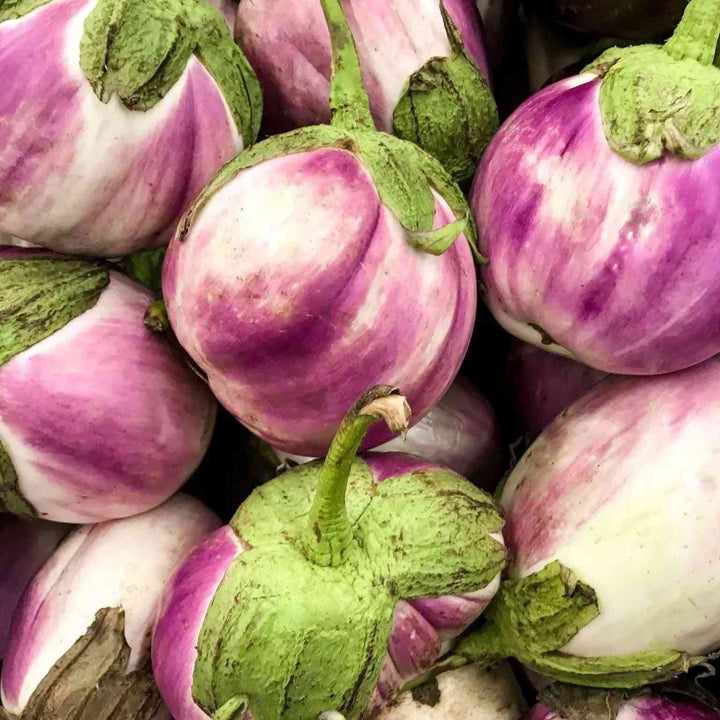
The striped jewel of Mediterranean gardens. ‘Listada de Gandia’ bears oval fruits streaked in lavender and white, each with smooth, tender skin and delicate, nutty-sweet flavor. The flesh is creamy and mild, ideal for grilling, frying, or baking whole.
Bushy plants reach 18–24 inches tall and yield early and abundantly, even in heat. The colorful fruits are as ornamental as they are delicious.
Originating from Gandia, Spain, this cherished heirloom has graced gardens since the 19th century. A true gourmet variety that brings both artistry and flavor to the summer harvest.
Listada De Gandia eggplant (Solanum melongena) is a warm-season crop that requires warm soil and a long growing season to perform well. Because eggplants grow slowly in cool conditions, seeds are usually started indoors before transplanting into the garden after temperatures have warmed.
Starting Seeds Indoors
Begin seeds 6–8 weeks before the last expected frost in your area. Use seed trays, small pots, or cell packs filled with a light, well-drained seed-starting mix.
To sow the seeds:
Fill containers with moist seed-starting soil.
Plant seeds about 1/4 inch deep.
Cover lightly with soil and gently press the surface.
Water carefully to moisten the soil without washing the seeds away.
Place the containers in a warm location where temperatures remain between 75–85°F, which helps encourage reliable germination.
Germination and Seedling Care
Eggplant seeds typically sprout within 7–14 days under warm conditions. Once seedlings emerge, move them into strong light immediately. A sunny window or grow lights placed several inches above the seedlings helps prevent weak, stretched plants.
Keep the soil evenly moist but avoid overwatering. Good air circulation around seedlings helps reduce damping-off disease and encourages sturdy growth.
Potting Up Seedlings
When seedlings develop their first set of true leaves, they can be transplanted into slightly larger containers to allow stronger root development. Handle seedlings gently to avoid damaging the delicate stems.
Eggplants grow best when transplanted only once or twice before moving outdoors.
Hardening Off
About 7–10 days before transplanting, begin hardening off the plants by gradually exposing them to outdoor conditions. Start with a few hours of mild sunlight and gradually increase the exposure each day.
This process allows plants to adjust to wind, sunlight, and temperature changes.
Transplanting Into the Garden
Transplant eggplants outdoors after all danger of frost has passed and soil temperatures have warmed to at least 65°F. Choose a planting location with full sun and well-drained soil.
When transplanting:
• Space plants about 18–24 inches apart
• Water thoroughly after planting
• Add compost or organic matter to enrich the soil if needed
Container Planting
Listada De Gandia eggplants can also be grown in large containers, making them suitable for patios and small garden spaces. Use containers that hold at least 5 gallons of soil, and ensure the container has good drainage.
Place containers where they will receive full sun throughout the day.
Provide Support if Needed
Although this variety forms a relatively compact bush, the developing fruit can add weight to branches. A small stake or tomato cage can help support the plant and prevent stems from bending or breaking as fruit develops.
With proper seed starting and careful transplanting, Listada De Gandia eggplants establish quickly and produce beautiful striped fruits throughout the warm growing season.
Once Listada De Gandia eggplant (Solanum melongena) plants are established in the garden, proper sunlight, warm temperatures, fertile soil, and consistent moisture are the key factors that allow them to grow vigorously and produce high-quality fruit. Eggplants thrive in hot summer conditions and perform best when provided with steady care throughout the growing season.
Sunlight
Eggplants require full sun to grow and produce well. Plants should receive at least 6–8 hours of direct sunlight daily, though even more sunlight will generally lead to stronger plants and higher yields. Insufficient sunlight can lead to weak growth and reduced fruit production.
Temperature
Eggplants are warm-season crops that grow best when daytime temperatures range between 70–85°F. Growth slows significantly in cooler weather, and plants may struggle if nighttime temperatures regularly fall below 55°F. Warm soil encourages strong root development and steady growth.
Soil Fertility
Listada De Gandia eggplants grow best in fertile, well-drained soil rich in organic matter. Adding compost before planting helps improve soil structure and provides nutrients that support healthy plant growth.
During the growing season, plants may benefit from occasional feeding with a balanced vegetable fertilizer or additional compost. However, avoid excessive nitrogen fertilization, which can cause plants to produce abundant foliage but fewer fruits.
Watering
Consistent watering is essential for healthy eggplant growth. Water plants deeply when the top inch of soil begins to dry. Eggplants prefer evenly moist soil, but the soil should not remain soggy.
Watering at the base of the plant rather than overhead helps reduce disease problems and keeps foliage dry.
Mulching
Applying mulch around the base of the plant helps conserve soil moisture, regulate soil temperature, and suppress weeds. Organic mulches such as straw, shredded leaves, or compost work well for eggplants.
Mulch also reduces soil splash during rain or watering, which can help limit certain soil-borne diseases.
Pollination and Fruit Development
Eggplants produce purple flowers that are typically self-pollinating. Pollinators such as bees can still help improve fruit set by transferring pollen between flowers. Warm temperatures and healthy plants encourage steady flowering and fruit production.
Harvesting
Listada De Gandia eggplants should be harvested when the fruits are firm, glossy, and fully colored. Harvesting at the proper stage ensures the best flavor and texture.
If fruits are left on the plant too long, they may become dull in color and develop tougher seeds.
Use a sharp knife or garden pruners to cut fruits from the plant, leaving a small portion of the stem attached.
Continued Production
Regular harvesting encourages the plant to continue producing flowers and fruit. With proper care and warm conditions, Listada De Gandia eggplants can produce steadily throughout the summer growing season.
Healthy plants often yield multiple fruits over several weeks, making them a productive addition to warm-season vegetable gardens.
Listada De Gandia eggplant (Solanum melongena) benefits from a few additional growing practices that can significantly improve plant health, fruit quality, and overall harvest size. Because eggplants are heat-loving plants with heavy fruit production, small adjustments in care can make a noticeable difference in performance throughout the growing season.
Warm Soil Makes a Big Difference
Eggplants thrive in warm soil. If planted too early when soil is still cool, plants may grow slowly and struggle to establish. Waiting until the soil has warmed properly helps plants develop faster and produce earlier fruit.
Gardeners in cooler regions often improve growth by:
• planting into raised beds
• using black plastic mulch to warm soil
• planting near heat-retaining surfaces like stone or brick
These methods help maintain warmer root temperatures, which eggplants prefer.
Encourage Strong Early Growth
Young eggplants grow slowly at first, so keeping weeds away from the plants during the early stages is important. Weeds compete for nutrients and water, which can slow plant development.
Applying mulch early in the season helps suppress weeds and keeps soil moisture consistent.
Support Heavy Fruit
Although Listada De Gandia plants are relatively compact, the striped fruits can become heavy as they mature. In fertile soil, plants may produce several fruits at once, which can cause branches to bend.
Using a small stake or tomato cage helps support the plant and prevents stems from snapping during windy weather or when fruit becomes large.
Improve Air Circulation
Good airflow helps reduce disease pressure and keeps plants healthy during humid weather. Space plants properly and remove damaged or crowded lower leaves if needed to improve air movement around the plant.
This is especially helpful in humid climates where fungal diseases can spread more easily.
Harvest at the Right Stage
Eggplants taste best when harvested at the proper stage of maturity. Fruits should be picked when the skin is smooth, glossy, and firm. If the fruit becomes dull in color or overly soft, it may contain more developed seeds and tougher flesh.
Frequent harvesting also encourages plants to continue producing new flowers and fruit.
Protect Plants From Cool Weather
Eggplants are sensitive to cold temperatures. If cool weather returns after transplanting, temporary protection such as row covers or garden cloches can help prevent growth slowdown and protect young plants from stress.
Maintain Healthy Soil
Eggplants benefit from soil that contains plenty of organic matter. Adding compost each season improves soil structure and supports long-term soil fertility.
Healthy soil encourages stronger root systems, which help the plant tolerate heat, drought, and heavy fruit production more effectively.
With warm soil, consistent moisture, and strong sunlight, Listada De Gandia eggplants typically grow into productive plants that provide beautiful striped fruits throughout the summer garden season.
Listada De Gandia eggplant (Solanum melongena) is generally a productive and resilient garden vegetable when grown in warm conditions with healthy soil. However, like many members of the nightshade family, it can occasionally face pressure from insects, diseases, and environmental stresses. Maintaining strong plant health, proper spacing, and consistent watering helps prevent many problems before they begin.
Flea Beetles
Flea beetles are one of the most common pests affecting eggplants, especially when plants are young. These tiny black beetles jump when disturbed and chew small round holes in leaves, giving foliage a “shotgun” appearance.
Heavy infestations can slow plant growth and weaken young seedlings.
Organic management options include:
• using floating row covers early in the season
• applying neem oil or insecticidal soap
• encouraging beneficial insects such as ground beetles
• sprinkling diatomaceous earth around plants
Once plants grow larger, they usually tolerate flea beetle damage more easily.
Aphids
Aphids are small sap-sucking insects that cluster on stems and leaf undersides. They can cause leaf curling, sticky honeydew buildup, and reduced plant vigor.
Natural control methods include:
• spraying plants with a strong stream of water
• applying insecticidal soap
• encouraging lady beetles and lacewings
• planting beneficial insect attractors nearby
Colorado Potato Beetles
Although most famous for attacking potatoes, Colorado potato beetles also feed on eggplants. Both adults and larvae consume leaves and can quickly defoliate plants.
Control methods include:
• hand-picking adults and larvae
• removing egg clusters from leaf undersides
• applying Bacillus thuringiensis (Bt) or spinosad when populations increase
Spider Mites
Spider mites thrive in hot, dry weather and feed by piercing plant tissue. Infested leaves develop pale speckles and may eventually yellow or dry out. Fine webbing may appear on heavily infested plants.
Control methods include:
• spraying foliage with water to reduce mite populations
• applying insecticidal soap or neem oil
• maintaining healthy humidity around plants
Verticillium Wilt
Verticillium wilt is a soil-borne fungal disease that can affect eggplants. Symptoms include yellowing leaves, wilting, and reduced plant vigor even when soil moisture is adequate.
Prevention strategies include:
• rotating crops every year
• planting eggplants in well-drained soil
• removing infected plants promptly
Blossom Drop
Eggplants may drop flowers without forming fruit when temperatures are too cool or excessively hot. Poor pollination and plant stress can also contribute to this issue.
Maintaining consistent watering and ensuring warm growing conditions helps encourage better fruit set.
Sunscald
Sunscald occurs when fruits are exposed to intense sunlight after leaves are damaged or removed. This can cause pale patches or tough skin on the fruit surface.
Healthy foliage helps protect developing eggplants from direct sun exposure.
Preventative Care
Most pest and disease problems can be minimized by maintaining strong plant health. Helpful practices include:
• planting eggplants in full sun
• using well-drained fertile soil
• spacing plants for good airflow
• watering consistently at the base of the plant
• rotating nightshade crops each season
With proper care, Listada De Gandia eggplants typically grow vigorously and produce abundant harvests of beautifully striped fruit throughout the warm growing season.
What is Listada De Gandia eggplant?
Listada De Gandia eggplant (Solanum melongena) is a traditional Spanish heirloom eggplant known for its striking purple-and-white striped skin and mild, tender flavor. The variety produces medium-sized oval fruits that are prized for their thin skin, low bitterness, and creamy texture when cooked. Because of its beautiful appearance and excellent flavor, it has become a popular heirloom variety among home gardeners.
How large do Listada De Gandia eggplants grow?
The fruits typically grow 5–7 inches long and about 3–4 inches wide, forming an oval shape with distinct lavender-purple stripes over a pale background. The plants themselves usually reach 31–36 inches tall, forming compact, bushy plants that are well suited to garden beds and raised beds.
How long does Listada De Gandia eggplant take to mature?
Listada De Gandia eggplant usually reaches harvest maturity in about 80–90 days after transplanting. The fruits develop steadily once plants begin flowering and should be harvested while still glossy and firm for the best flavor and texture.
What does Listada De Gandia eggplant taste like?
This variety is known for its mild, slightly sweet flavor with very little bitterness. The flesh is creamy and tender, making it ideal for grilling, roasting, sautéing, or using in Mediterranean-style dishes. Because the skin is thin, it typically does not require peeling.
When should Listada De Gandia eggplants be harvested?
Harvest fruits when they reach full size and the skin is smooth, glossy, and firm. Overripe eggplants may become dull in color and develop tougher seeds. Regular harvesting encourages plants to continue producing new flowers and fruit.
Can Listada De Gandia eggplants be grown in containers?
Yes. This variety’s relatively compact growth habit allows it to grow well in large containers, provided the container holds at least 5 gallons of soil and the plant receives full sunlight and consistent watering.
Do Listada De Gandia eggplants require support?
Although the plants have a bushy habit, the fruits can become heavy as they mature. In many cases the plants grow fine without support, but using a small stake or tomato cage can help keep branches upright and prevent fruit from touching the ground.
Do eggplants require warm weather to grow?
Yes. Eggplants are warm-season crops that thrive in warm soil and air temperatures. They grow best when daytime temperatures stay between 70–85°F, and they should not be planted outdoors until all danger of frost has passed.
Can seeds be saved from Listada De Gandia eggplants?
Yes. Because Listada De Gandia is an open-pollinated heirloom variety, seeds can be saved from mature fruit and replanted in future seasons. Proper isolation from other eggplant varieties helps maintain true seed lines.
Why are my eggplant flowers dropping without fruit forming?
Flower drop may occur if temperatures become too cool or excessively hot. Poor pollination or plant stress can also contribute to this issue. Maintaining warm growing conditions, healthy soil, and consistent watering helps improve fruit set.
Listada De Gandia eggplant (Solanum melongena) is a traditional Spanish heirloom variety that traces its heritage to the Mediterranean agricultural traditions of eastern Spain. The name “Listada De Gandia” roughly translates to “striped from Gandia,” referring to the coastal region of Gandia in Valencia where this distinctive eggplant has long been cultivated. The variety is easily recognized by its striking purple and white striped skin and oval shape, making it one of the most visually distinctive heirloom eggplants grown today.
Eggplants themselves have a much older history that stretches back thousands of years. The species Solanum melongena is believed to have been domesticated in parts of South or Southeast Asia, where wild relatives of eggplant still grow today. Ancient farmers in these regions began selecting plants with larger fruits and improved flavor, gradually developing the cultivated eggplants known today. From Asia, eggplants spread westward through trade routes and cultural exchange into the Middle East and the Mediterranean.
By the Middle Ages, eggplants had become well established in Mediterranean agriculture, especially in Spain and Italy. Spanish farmers developed several regional eggplant varieties adapted to warm coastal climates, and Listada De Gandia became one of the most recognizable heirloom types from the Valencia region. Its thin skin, mild flavor, and attractive striped pattern made it popular both in local markets and in traditional cooking.
In Mediterranean cuisine, eggplants have long played a central role in dishes such as roasted vegetable platters, stews, and grilled preparations. The mild, creamy flesh of Listada De Gandia is particularly well suited for grilling, roasting, and sautéing, where its delicate flavor pairs well with olive oil, herbs, tomatoes, and garlic. Because the skin remains tender when cooked, the fruits are often used whole or sliced without peeling.
Today, Listada De Gandia eggplant is grown widely by home gardeners and specialty growers who value heirloom vegetables for their flavor, history, and unique appearance. Its ornamental striped fruit also makes it a favorite in garden displays and farmers markets. As interest in traditional heirloom varieties has grown, Listada De Gandia has become one of the most widely recognized heritage eggplants, appreciated both for its Mediterranean history and for its dependable performance in warm summer gardens.
Listada De Gandia eggplant (Solanum melongena) is an open-pollinated heirloom variety, which means seeds can be saved from mature fruit and replanted in future seasons while maintaining the same characteristics. When properly selected and stored, eggplant seeds can remain viable for several years and allow gardeners to maintain their own seed supply from year to year.
====================
Picking Plants
Begin by selecting the healthiest and most productive plants in the garden. Ideal seed plants should display:
• strong, vigorous growth
• good fruit production
• healthy foliage with minimal pest damage
• well-formed fruits typical of the variety
Choose fruits that clearly display the distinctive purple-and-white striped pattern and oval shape characteristic of Listada De Gandia.
Avoid saving seed from weak plants or plants showing disease symptoms, as this can pass undesirable traits to the next generation.
====================
Isolation / Pollination Control
Eggplants are largely self-pollinating, but cross-pollination between varieties can occur when insects transfer pollen from one plant to another.
To maintain pure seed lines, eggplant varieties should ideally be separated by 150–300 feet from other eggplant varieties. In smaller gardens, gardeners often save seeds successfully by growing only one eggplant variety at a time.
Some seed savers also cover flowers with mesh bags or use physical barriers to ensure controlled pollination.
====================
Full Maturity
Eggplants grown for seed must be allowed to mature far beyond the stage normally harvested for eating. While edible eggplants are harvested when glossy and tender, seed-saving fruits should remain on the plant until they become:
• dull in color
• larger than normal harvest size
• slightly soft or leathery
At this stage the seeds inside the fruit have fully matured.
====================
Harvesting Seeds
Once fruits reach full maturity, harvest them from the plant and allow them to soften slightly indoors if needed.
Cut the eggplant open and scoop out the seed-filled pulp. The seeds are embedded in the flesh and must be separated before drying.
====================
Cleaning
Place the pulp and seeds in a bowl of water and gently break apart the flesh. Viable seeds will usually sink to the bottom, while pulp and immature seeds float.
Pour off the floating debris and rinse the remaining seeds several times until they are clean.
Some gardeners lightly rub the pulp through a mesh strainer to help separate the seeds more easily.
====================
Drying
Spread the cleaned seeds in a thin layer on a plate, screen, or paper towel. Allow them to dry in a warm, well-ventilated area out of direct sunlight.
Seeds typically require 7–10 days to dry completely. Stir them occasionally to ensure even drying.
Seeds must be fully dry before storage to prevent mold or loss of viability.
====================
Storing / Labeling
Store fully dried seeds in paper envelopes, glass jars, or airtight containers in a cool, dark, and dry location.
Be sure to label each container with:
• crop name
• variety name
• harvest year
Proper labeling prevents confusion when saving seeds from multiple varieties.
====================
Viability Test
Eggplant seeds can remain viable for 4–6 years when stored under proper conditions. Before planting older seeds, perform a simple germination test by placing several seeds on a moist paper towel in a warm location.
Most viable seeds should sprout within 7–14 days.
====================
Extra Tips
• Save seeds from multiple fruits to maintain good genetic diversity.
• Only save seeds from fully mature fruits, not from standard harvest-stage eggplants.
• Keep seeds dry and cool to preserve viability for future seasons.
With careful selection and proper seed handling, gardeners can continue growing Listada De Gandia eggplants year after year while preserving the traits that make this heirloom variety unique.
Listada De Gandia eggplant (Solanum melongena) is valued both for its culinary versatility and for its mild, tender flesh that works well in a wide range of traditional dishes. The variety’s thin skin, creamy interior, and low bitterness make it especially desirable for home cooks who want an eggplant that performs well in many cooking methods without requiring peeling or extensive preparation.
One of the most common uses for Listada De Gandia eggplant is grilling. Sliced eggplant brushed with olive oil cooks beautifully over heat, developing a soft interior and lightly caramelized surface. Grilled eggplant slices are often served with herbs, garlic, and olive oil or layered into sandwiches and vegetable platters.
This variety is also well suited for roasting. When roasted in the oven, the flesh becomes creamy and rich, absorbing seasonings and oils easily. Roasted eggplant can be added to pasta dishes, grain bowls, vegetable medleys, or served as a simple side dish with herbs and olive oil.
In Mediterranean cooking, eggplant is often used in slow-cooked vegetable dishes and stews. Listada De Gandia’s mild flavor blends well with ingredients such as tomatoes, onions, peppers, and garlic. These combinations appear in many traditional regional recipes across southern Europe.
Eggplant is also frequently used in stuffed vegetable dishes. Halved eggplants can be filled with rice, vegetables, or seasoned meat mixtures and then baked until tender. The creamy flesh of Listada De Gandia works particularly well for this style of preparation.
Another popular use is in sautéed vegetable dishes, where diced eggplant is cooked quickly with herbs and spices. Because this variety has relatively thin skin, it softens easily during cooking and absorbs flavors well.
In addition to culinary uses, eggplants provide a reliable warm-season vegetable for gardeners. Listada De Gandia plants produce attractive striped fruits that add visual interest to garden beds and harvest baskets. The distinctive appearance also makes the fruits appealing at farm stands and fresh markets.
Because eggplants are productive in warm conditions and continue producing fruit throughout the season, they offer gardeners a steady supply of fresh vegetables during summer. With proper harvesting, plants often continue producing new fruit for many weeks.
The combination of ornamental appearance, reliable productivity, and versatile culinary uses has made Listada De Gandia eggplant a favorite heirloom variety among gardeners who enjoy Mediterranean-style cooking and traditional vegetable varieties.
Shipped from U.S.A.
Our seeds are grown and sourced from the US. They're then packed and shipped from Colerain NC.
Triple tested
We regularly test the quality and germination rate of our seeds. We're so confident that our seeds are backed by a 1 year warranty!
Payment & Security
Payment methods
Your payment information is processed securely. We do not store credit card details nor have access to your credit card information.
Complete the garden
Turn one packet into a full plan.
Help shoppers add companion seeds, garden supplies, and related goals before they leave the product page.
Sign up for our newsletter to get a 30% discount code sent straight to your inbox. If it doesn’t appear right away, please check your inbox settings, and if you still need help, we’re here to assist!
Your cart
Start with a garden goal.Browse seed packets, seasonal picks, pantry goods, or starter garden ideas.
The striped jewel of Mediterranean gardens. ‘Listada de Gandia’ bears oval fruits streaked in lavender and white, each with smooth, tender skin and delicate, nutty-sweet flavor. The flesh is creamy and mild, ideal for grilling, frying, or baking whole.
Bushy plants reach 18–24 inches tall and yield early and abundantly, even in heat. The colorful fruits are as ornamental as they are delicious.
Originating from Gandia, Spain, this cherished heirloom has graced gardens since the 19th century. A true gourmet variety that brings both artistry and flavor to the summer harvest.