Eggplant Seeds - Aswad
A richly flavored Iraqi heirloom eggplant with substantial fruits made for roasting, frying, and deeply savory dishes.
- Non-GMO Safe Seed Pledge
- Seed packets printed on forestry-certified paper (FSC, SFI, Rainforest Alliance)
- Curbside-recyclable mailers; SFI-certified kraft paper
- 1% for the Planet partner — supports environmental nonprofits
- Compact, energy-efficient facility with lean, low-waste operations
- Seeds: When properly stored, planted, and cared for, we guarantee reasonable germination and true-to-type growth for one year from purchase.
- Non-seed products: Free from defects in materials and workmanship for 30 days from shipment.
Excludes factors outside our control (extreme weather, pests, gardener error). If something’s off, contact us—we’ll make it right with a replacement, repair, or refund.
We do not sell seeds that are GMO or BE.
USDA “bioengineered (BE)” foods are those with detectable genetic material that was modified using in vitro recombinant DNA (rDNA) techniques, in ways not obtainable through conventional breeding or found in nature. The USDA’s National Bioengineered Food Disclosure Standard uses “bioengineered” as the nationwide labeling term.
- Detectable modified genetic material in the final food
- Created via in vitro rDNA techniques (e.g., gene transfer)
- Modifications not achievable through conventional breeding or nature
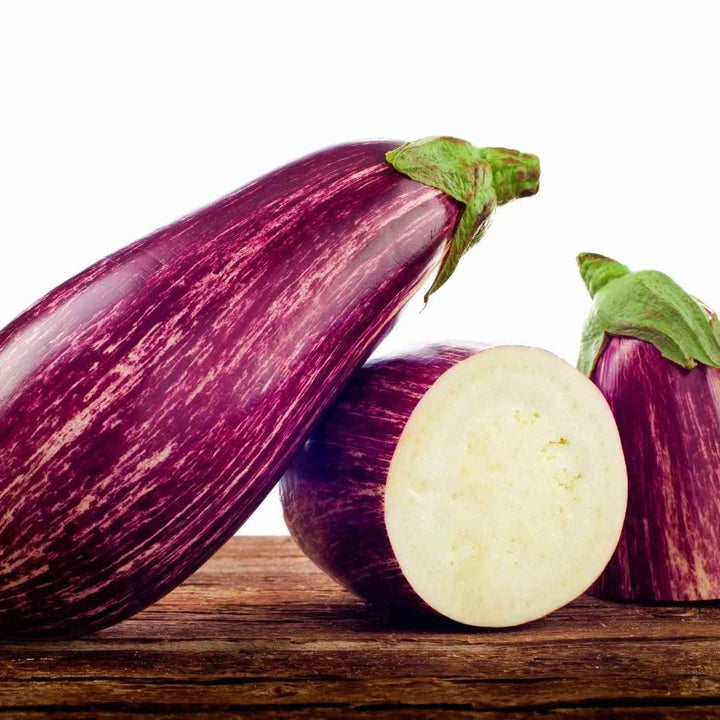
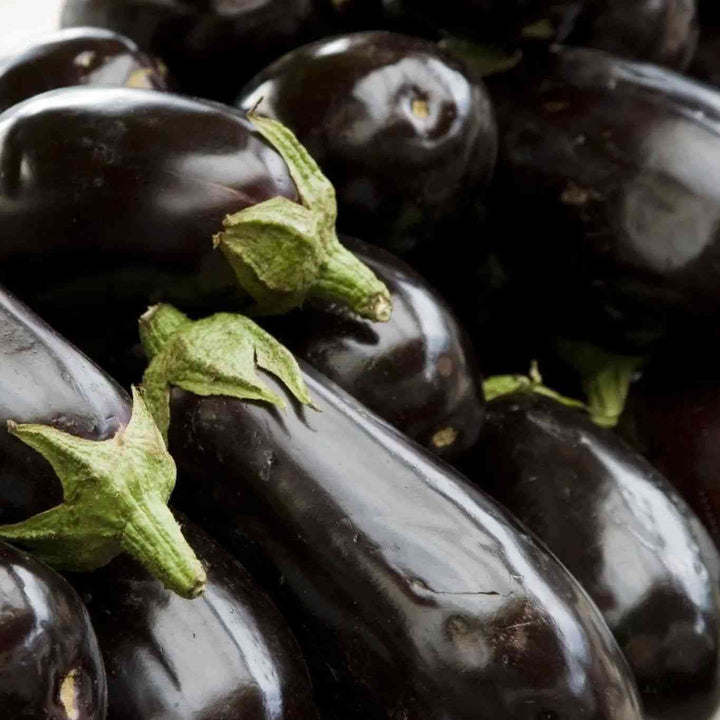
Aswad Eggplant seeds produce a striking heirloom eggplant valued for its glossy deep purple fruits, rich flavor, and strong warm-season productivity. Gardeners choose Aswad Eggplant seeds for their attractive harvests, dependable yields, and versatility in the kitchen, making this variety a strong choice for home gardens, market growers, and anyone who appreciates beautiful, flavorful eggplants.
This distinctive eggplant is prized for its smooth dark fruits, tender flesh, and excellent performance in grilling, roasting, sautéing, and other cooked dishes. Aswad Eggplant seeds reward growers with a productive summer crop that brings ornamental beauty, heirloom character, and dependable culinary value to the garden.
Your payment is processed securely via trusted gateways. We do not store credit card details and we do not have access to your card information.
Pickup currently unavailable at Bertie County Seeds
Sow Aswad only after the soil is warm and the season is settled. Eggplant does not establish well in cold ground, and a slow chilled start often delays the whole crop. A warm planting window helps the seedlings move quickly into steady growth.
Step 2
Choose whether to start the seeds in containers for transplanting or direct sow only in reliably warm conditions. In many gardens, eggplant is most often started in pots or cells first so the seedlings can develop under protected conditions before being moved outside. Direct sowing should only be used where warmth is dependable enough to support strong early growth.
Step 3
If starting in containers, sow in individual cells or small pots so the seedlings can be transplanted with minimal root disturbance. Aswad usually establishes best when the root ball stays intact. Avoid crowded flats where roots become tangled before planting time.
Step 4
Keep the seed-starting mix or garden soil evenly moist during germination. The goal is consistent moisture without saturation. Drying out can interrupt emergence, while overly wet conditions can weaken the seed or encourage rot.
Step 5
Give emerging seedlings bright light immediately. If started indoors or under cover, they need strong light as soon as they emerge so they do not stretch and weaken. If direct sown outdoors, place them in full sun from the start.
Step 6
Allow the seedlings to grow until they are sturdy and well rooted before transplanting. Aswad is usually best moved as a healthy young plant rather than as an overgrown seedling that has been held too long in a small pot. Strong early structure supports later fruiting better.
Step 7
Harden off transplants before planting them into the garden. Gradually expose them to outdoor light, wind, and changing temperatures over several days so they can adjust before full planting out. This reduces transplant shock and helps growth continue more smoothly.
Step 8
Transplant only when the weather is reliably warm. Eggplant can stall badly if set into cool soil or exposed to chilly nights too early. Waiting for favorable conditions usually leads to a healthier plant and earlier real production.
Step 9
Set the transplant into prepared soil at the same depth it was growing in the container. Firm the soil gently around the root ball and water it in well. This helps settle the roots and encourages the plant to move from recovery into active growth more quickly.
Step 10
Space the plants with mature size in mind. Aswad is grown for substantial fruits, so it benefits from enough room for branching, airflow, and later harvest access. Proper spacing at planting time helps reduce crowding and improves plant health through the season.
Step 11
Place support early if staking will be used. Because Aswad can carry larger fruits, it often benefits from a stake or support later. Installing that support at planting time avoids disturbing roots once the plant is established and loaded with growth.
Step 12
Keep the young planting evenly watered while it establishes. Whether direct sown or transplanted, Aswad should not be left to struggle through repeated dry periods in the early stage. Moist but well-drained soil helps the roots settle and supports strong vegetative growth.
Step 13
Keep weeds under control from the beginning. Young eggplants do not compete especially well with early weed pressure, and weeds can steal moisture, reduce airflow, and make the planting harder to manage. A clean bed helps the crop establish faster and more evenly.
Step 14
Do not overfeed at the seedling or early transplant stage. The goal is a balanced young plant with strong roots and steady growth, not soft overgrown foliage pushed too hard too soon. Healthy establishment is more important than rapid leafy expansion.
Step 15
Once the seedlings are rooted, showing new growth, and clearly settled in, shift your attention from sowing and transplant care into regular crop management. At that point, the planting has moved beyond the fragile early stage and is ready to be grown for flowering, fruit set, and substantial harvest.
Keep Aswad in full sun and steady warmth once the plants are established. This variety does best when growth is uninterrupted and the plant can keep building leaves, flowers, and substantial fruits without repeated setbacks. Established eggplant responds best when the season stays warm and the root zone remains active.
Step 2
Water deeply and evenly at the root zone. Once Aswad is established and carrying larger fruits, steady moisture becomes especially important. Letting the soil become very dry and then soaking it heavily can stress the plant, interrupt flowering, and affect fruit texture. Deep watering supports stronger roots and more even fruit development.
Step 3
Mulch around the base of the plant to stabilize the soil. Mulch helps hold moisture, reduce weed pressure, and keep the root zone from overheating. For a larger-fruited eggplant, stable root conditions help the plant carry and size its fruits more successfully through hot weather.
Step 4
Keep the planting weed-free so the plant does not compete for water and nutrients. Established eggplants still benefit from a clean growing area, especially because weeds reduce airflow and make pest and disease problems harder to notice early. A tidy planting also makes watering and harvest easier.
Step 5
Stake or support the plant once fruit production begins in earnest. Aswad can carry substantial fruits, and branch support often becomes important as the season progresses. A stake helps keep the plant upright, prevents branches from bending or breaking, and keeps fruits cleaner and easier to harvest.
Step 6
Do not overfeed once the plant is growing well. Too much nitrogen after establishment can produce too much leaf and not enough fruit. The goal is a balanced plant that keeps flowering and filling useful fruits rather than one that becomes oversized and leafy with delayed production.
Step 7
Watch closely once flowering becomes regular. This is the stage where the plant begins turning steady vegetative growth into real harvest. Keep moisture even and avoid major stress during bloom so the flowers can move into full fruit set.
Step 8
Allow fruits to size up properly, but do not leave them until they are overmature. Aswad is meant to be a fuller, more substantial eggplant, so the fruits should be allowed to develop beyond the stage of very small harvest. At the same time, they are best picked while the skin is still glossy and the fruit still feels alive and firm rather than old and dull.
Step 9
Harvest with care once fruits reach their useful size. Larger eggplants can be heavy, and rough picking may damage branches or stems. Cut or remove fruits gently so the plant can continue flowering and carrying later fruits.
Step 10
Keep the canopy healthy and intact. The leaves are important for feeding the plant, shading the fruits, and carrying the crop through a longer season. Remove only what is clearly diseased, damaged, or collapsing. A strong leaf canopy helps the fruits finish well and protects them from too much direct sun.
Step 11
Watch fruit quality closely as the season progresses. If fruits become rough, dull, undersized, misshapen, or slow to size properly, the plant may be dealing with moisture stress, nutrient imbalance, or general fatigue. Aswad usually performs best when growth stays steady rather than swinging between stress and recovery.
Step 12
Continue watering consistently during heavy fruiting. Once larger fruits are developing, the plant is doing more work and needs reliable access to moisture. Stress at this stage can reduce fruit quality and shorten the productive period.
Step 13
Do not let too many old fruits remain on the plant. Once mature fruits sit too long, the plant begins shifting energy away from new flowers and into finishing seed development. Timely harvest helps keep the plant active and productive.
Step 14
Protect the plant from major late-season decline as long as possible. If the canopy remains healthy, Aswad can continue producing meaningful fruits over time. Once leaf health collapses, fruit quality and production usually drop quickly. Even watering, support, and a clean growing area help extend the season.
Step 15
Treat Aswad as a substantial cooking eggplant after establishment. Keep it warm, evenly watered, supported, and harvested while the fruits are still glossy and full of life. Managed this way, the plant can carry the larger, richly useful fruits that make this variety especially rewarding in the kitchen.
Because this variety tends toward larger, fuller fruits, it benefits from steady growth and patient harvest timing. Do not rush to pick fruits too small, but also do not leave them so long that the skin dulls and the seeds become overly developed. The ideal stage is when the fruit is full-sized for use, deeply colored, and still glossy. That balance usually gives the best texture.
Aswad is especially well suited to cooks who enjoy roasting, grilling, frying, stuffing, braising, or mashing eggplant. This is the kind of variety that shines in dishes where the flesh is meant to soften richly and take on seasoning. It is less about quick decorative slicing and more about depth, body, and satisfying cooked texture.
Give this variety warmth and time. Like other eggplants, it performs best in fully settled summer conditions, but a larger-fruited type especially benefits from a strong uninterrupted growing season. If the plant struggles early, the whole harvest may be delayed. The warmest sunniest location in the garden will usually give the best results.
Because the fruits can become substantial, the plant often benefits from support. A simple stake can help keep branches from bending or breaking under the weight, especially once several fruits begin maturing at once. Supporting the plant also helps keep fruit cleaner and easier to manage at harvest.
Aswad is a good choice for growers who want an eggplant with cultural specificity rather than a generic market type. It carries a distinct kitchen identity, and many growers find it especially meaningful when grown in gardens connected to Iraqi, Middle Eastern, or diasporic food traditions. It is a variety that can carry memory as much as harvest.
Steady moisture improves both texture and reliability. Uneven watering can lead to stress, poor fruit development, and reduced quality. Deep consistent watering and mulch usually help the plant maintain stronger growth and better fruit finish through heat.
If appearance matters, harvest with care. Large dark eggplants can show scuffs and scratches more easily than smaller fruits, especially if rubbed against supports or pulled roughly. Cut fruits cleanly rather than twisting hard, and handle them gently to preserve their finish.
This variety is especially rewarding for growers who like crops that move directly into the full rhythm of cooking. Aswad is not only about harvest quantity. It is about growing an eggplant that feels suited to substantial dishes, family meals, and food traditions that know exactly what to do with it.
Aswad is most rewarding when grown with patience, warmth, and culinary intention. Let the plant build strength, keep it evenly watered, support the branches as needed, and harvest fruits while they are still glossy and full of life. It is a variety that offers more than production alone. It offers depth, usefulness, and a strong sense of place in the kitchen.
Flea beetles are among the most common early-season pests. They chew many tiny round holes in the leaves, creating a peppered or shot-hole appearance. Seedlings and newly set transplants are especially vulnerable, and heavy feeding can slow the plant so much that the whole harvest is delayed. Once Aswad is large and vigorous it can tolerate more damage, but young plants should be protected as much as possible with rapid early growth, close observation, and row cover if needed before flowering.
Colorado potato beetles may also attack eggplant because it is in the same plant family as potato. Both adults and larvae chew foliage heavily, and a serious infestation can strip a plant fast. The undersides of leaves should be checked often for egg masses, and eggs, larvae, and adults should be removed early in small plantings. Large-fruited eggplants depend on a healthy canopy over time, so heavy defoliation can greatly reduce both fruit size and total production.
Aphids may gather on new growth, flower clusters, and leaf undersides. They suck sap, weaken the plant, curl leaves, and leave sticky honeydew that can lead to sooty mold. They also help spread viruses. Strong water sprays, healthy air movement, avoiding excessive nitrogen, and preserving beneficial insects all help reduce their impact. Because aphids often build quickly, early response matters.
Spider mites are a common hot-weather problem, especially in dry conditions. They may first appear as pale stippling on the leaves, then bronzing, dullness, and eventually fine webbing if populations become severe. Mites are often mistaken for general heat stress until damage is advanced. Since drought-stressed eggplant is especially vulnerable, the best defense is steady deep watering, mulch, and regular inspection during hot spells.
Thrips can feed on blossoms, tender leaves, and young fruit. Their feeding may cause silvery scarring, roughened patches, or slight fruit distortion. On a variety like Aswad, where fruit appearance and fullness matter, surface blemishes can lower quality even when the fruit remains usable. Good weed control around the bed, healthy plant vigor, and close attention to flowers help limit thrips pressure.
Leafhoppers may feed on the foliage and cause speckling, yellowing, and leaf-edge scorch. Their damage can make the plant look generally stressed even when water is adequate. Because they move quickly and are hard to catch, the best approach is maintaining strong plant health and reducing weed cover nearby that shelters them.
Whiteflies may occasionally become a problem in crowded or protected growing conditions. They feed on sap and leave sticky residue, much like aphids. Disturbing the plant may send a cloud of tiny white insects upward. Avoiding overcrowding, controlling nearby weeds, and maintaining airflow around the plants help reduce buildup.
Cutworms may damage seedlings or recently transplanted plants by chewing through stems at the soil line. Large-fruited eggplants lose valuable time if early plants are cut down. Protective collars around young plants and good site cleanup before planting are effective safeguards.
Slugs and snails may chew low leaves and scar fruits hanging near damp soil or mulch. They are most troublesome in wet weather and dense, shady plantings. Hand removal, reducing hiding places, and watering early rather than late can help keep damage lower.
Hornworms are less common on eggplant than on tomato, but they can still strip major leaf area if they appear. Sudden missing foliage on an otherwise healthy plant should prompt a careful search for large green caterpillars.
Phytophthora blight is one of the most serious wet-soil diseases affecting eggplant. It can attack the roots, crown, stems, leaves, and fruits, often causing sudden wilt and collapse. Dark stem lesions and water-soaked fruit rot are common signs. This problem thrives in saturated soils and poorly drained locations. The best prevention is excellent drainage, raised beds if needed, and avoiding low, wet ground where water lingers. Once plants are badly infected, removal is usually the best response.
Verticillium wilt is another major eggplant disease. It often causes yellowing, drooping, and gradual collapse, frequently beginning on lower leaves or on one side of the plant. Internal browning may be seen in the stem if cut. This disease is soilborne and long-lived, so there is no reliable cure once plants are infected. The best defense is crop rotation, choosing clean planting sites, and avoiding repeat planting of eggplants or related crops in infested soil.
Phomopsis blight can affect seedlings, stems, leaves, and fruits. Seedlings may collapse, stems may show lesions, leaves may spot and yellow, and fruit may develop pale sunken or rotting areas. Since Aswad is grown for larger fruits that may remain on the plant longer than small-fruited types, fruit infection can become especially important. Clean seed, sanitation, rotation, and prompt removal of affected plant parts help reduce spread.
Anthracnose may cause sunken round spots on fruits, especially in warm wet weather or when fruits are left too long on the plant. Lesions may enlarge and rot the fruit. Timely harvest, removal of infected fruit, and reducing splash and leaf wetness help limit damage.
Leaf spot diseases can weaken the foliage over time. Brown, gray, or irregular spots may enlarge and merge, reducing photosynthesis and leaving fruits exposed to too much sun. Good spacing, base watering, rotation, and not handling plants while wet all help lower leaf spot pressure.
Powdery mildew may appear later in the season, especially where airflow is poor. White powdery patches on the leaves reduce vigor and shorten the productive period. A large-fruited eggplant like Aswad needs strong leaves to mature and size up fruit properly, so foliage loss late in the season can still matter. Open spacing and removal of badly affected leaves help slow the disease.
Bacterial diseases may cause water-soaked spots, leaf lesions, stem injury, or fruit blemishes. Splashing water, contaminated tools, and handling wet plants can spread these problems. The best defense is sanitation, careful watering, and avoiding work among wet plants.
Mosaic viruses and other viral problems can cause mottling, narrowing, curling, stunting, and deformed or blotched fruit. Aphids often help spread them. Once infected, plants do not recover. Suspicious plants should be removed quickly, and the area should be kept as free as possible from aphids and weed hosts.
Blossom end rot can affect eggplant fruits, especially during irregular watering or root stress. The blossom end develops a pale tan patch that becomes sunken, leathery, and eventually dark. Though it may look like a disease, it usually begins as a moisture and calcium movement problem within the plant. The best solution is even watering, healthy roots, and avoiding repeated dry-to-soaked cycles.
Sunscald can affect exposed fruit if foliage is lost to insects, disease, or harsh pruning. Large dark fruits like Aswad may develop pale, leathery, or bleached areas where direct hot sun hits them. Protecting leaf health is the best prevention, since the natural canopy shades the fruits.
Fruit scarring, abrasions, or rough skin may result from thrips feeding, contact with rough supports, rubbing against stems, or interrupted growth. Since Aswad is often valued for attractive substantial fruits, cosmetic damage matters. Gentle harvest, steady growth, and good pest control help preserve appearance.
Misshapen or undersized fruits may result from poor pollination conditions, stress during flowering, interrupted growth, or nutrient imbalance. Larger-fruited types may show the effects of stress more dramatically because they need more sustained energy to size up properly. Even moisture and balanced feeding help prevent this.
Dull fruit is often a sign of delayed harvest. Eggplants are generally best picked while the skin is still glossy. Once the fruit dulls, seeds are often becoming more developed and the texture may grow tougher. On a larger eggplant, delayed harvest can also slow further fruit set.
Bitterness may increase if fruits stay on the plant too long or if the plant is stressed by drought, severe heat, or poor fertility balance. Timely harvest and steady growing conditions help preserve better flavor and texture.
Poor fruit set may occur when nights are too cool, when heat is excessive, or when the plant is under general stress. Flowers may open and drop without setting fruit, or tiny fruits may abort early. Eggplants need sustained warmth, and early cold stress often delays later productivity. Warm planting sites and patience until the season is truly settled are important.
Blossom drop can also happen when the plant is overfed with nitrogen. A plant may grow lush and leafy but produce fewer fruits than expected. Because Aswad is grown for substantial fruits, balanced fertility is especially important. Too much vegetative growth often comes at the expense of fruiting.
Root rot can occur in poorly drained soils or where watering is excessive. Plants may wilt or yellow despite wet soil, and roots may become dark and weak. Good drainage is essential. Eggplant wants moisture but not waterlogging.
Transplant shock can delay the crop significantly. If seedlings are planted before the soil is warm, roots are disturbed too much, or weather turns cool after transplanting, growth may stall for a long time. Since large-fruited eggplants need time and energy to build both plant and fruit, early setbacks can reduce the whole season’s performance.
Cold stress is one of the most overlooked eggplant problems. Plants may become purplish, stunted, pale, or simply unproductive when nights stay cool. Even if they survive, they may take a long time to recover. Waiting for strong stable warmth is often more important than planting early.
Heat stress can also reduce performance, especially if combined with drought. Plants may wilt hard at midday, blossoms may abort, and fruit development may slow. Mulch and deep regular watering help buffer the plant against these swings.
Weed competition reduces early vigor and shelters pests. Eggplant is not the fastest crop at the beginning, so weeds can get ahead quickly if ignored. Keeping the planting clean early makes a major difference in later health and harvest quality.
Harvest damage is another practical problem. Large fruits removed roughly can snap branches or tear stems. Since eggplants continue flowering and fruiting over time, careful harvest helps preserve future yield.
The best overall strategy for Aswad is to support strong, uninterrupted growth from the start. Keep plants warm, evenly watered, well spaced, and protected from early defoliation. Check leaf undersides often, watch for wilt symptoms and fruit blemishes, and harvest while fruits are still glossy and in prime condition. Because this variety is valued for substantial, richly useful fruits, protecting leaf health and root stability early is what allows the plant to carry those fruits successfully through the season.
Aswad is an Iraqi heirloom eggplant known for its deep dark skin, generous fruit size, and strong connection to Middle Eastern cooking traditions. It is grown as a warm-season vegetable valued for rich texture, good flavor, and usefulness in a wide range of cooked dishes.
What does “Aswad” mean?
Aswad is an Arabic word meaning black. In the context of this eggplant, the name refers to the fruit’s very dark purple-black skin and helps reflect the variety’s linguistic and cultural roots.
Where is Aswad from?
Aswad is associated with Iraq and the wider agricultural and culinary traditions of the Middle East. It belongs to a regional eggplant tradition in which eggplant is a central kitchen crop rather than a minor specialty vegetable.
Is Aswad an heirloom?
Yes. It is treated as an heirloom variety preserved through regional use, seed saving, and continued cultivation rather than modern commercial standardization.
What makes Aswad different from other eggplants?
Aswad stands out for its dark skin, substantial fruit, and strong culinary identity. It is not just a generic eggplant with a different name. It is a variety shaped by a food tradition that values eggplants for roasting, frying, stuffing, stewing, and other deeply flavorful preparations.
What color is the fruit?
The fruit is typically a very dark purple to almost black shade. That rich color is one of the features that makes the variety visually striking.
Is it a large eggplant or a small one?
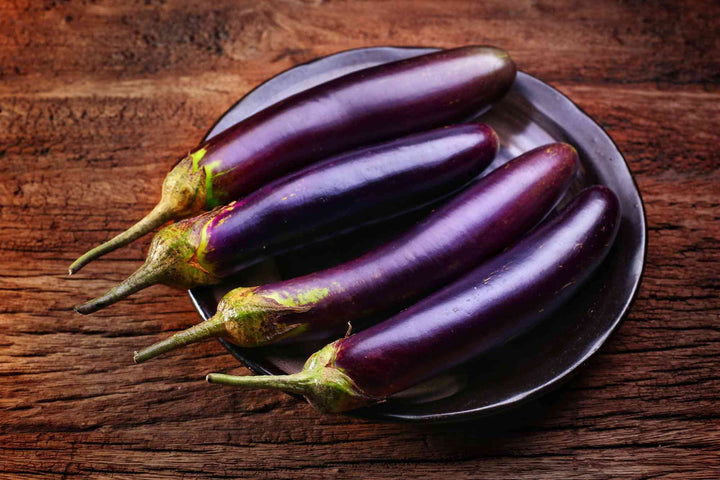
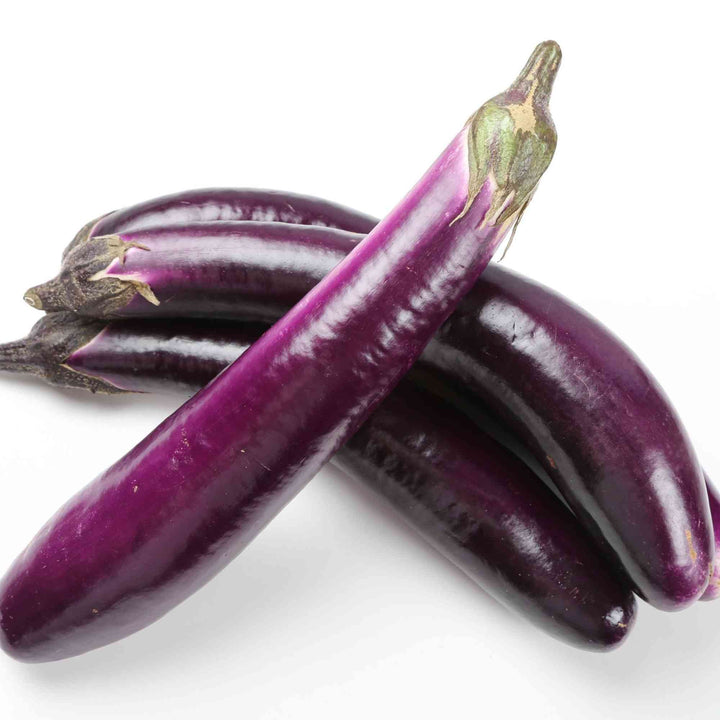
It is generally considered a larger-fruited type compared with slender Asian eggplants. Its size makes it especially useful for substantial cooked dishes.
What does Aswad taste like?
It is usually valued for a full, rich eggplant flavor and a texture that works well in cooked dishes. Good eggplant flavor is often about balance: enough body to feel satisfying, but tender enough to cook down beautifully.
Is it bitter?
When harvested at the right stage and grown under good conditions, it is generally grown for good eating quality rather than bitterness. Like other eggplants, overmaturity or stress can make texture and flavor less desirable.
Does it need peeling?
Usually not. Many cooks use the skin, especially in roasted, grilled, fried, or stewed dishes. Whether to peel often depends more on the recipe and fruit maturity than on necessity.
What is it best used for?
Aswad is especially well suited to dishes where eggplant needs body and substance. It works well for roasting, frying, grilling, stuffing, braising, stewing, and mashing into rich spreads or cooked mixtures.
Is it good for roasting?
Yes. Roasting is one of the natural strengths of a fuller-bodied eggplant like Aswad. Roasting can deepen flavor and soften the flesh into a rich texture.
Can it be grilled?
Yes. Its substantial fruits can stand up well to grilling, especially when sliced or halved.
Is it good for frying?
Yes. Eggplants like Aswad are often valued in traditions where frying is a common preparation because the flesh can become silky and satisfying when cooked properly.
Can it be stuffed?
Yes. Its larger fruit size can make it especially useful for stuffing, baking, or filling preparations where a more substantial eggplant is preferred.
Can it be used for dips or spreads?
Yes. Once cooked down, eggplant varieties with good depth of flavor can work very well in mashed or blended dishes, including smoky or richly seasoned preparations.
Why is eggplant so important in Middle Eastern cooking?
Eggplant is deeply woven into many Middle Eastern food traditions because it is adaptable, abundant in warm weather, and suited to a wide range of cooking methods. It can be fried, grilled, stewed, baked, stuffed, or mashed, making it one of the most flexible vegetables in the kitchen.
Does Aswad reflect that tradition?
Yes. Aswad is meaningful because it belongs to a food culture where eggplant is not just one vegetable among many, but a staple ingredient with real culinary weight and familiarity.
Is it easy to grow?
It can be very rewarding in warm, sunny conditions. Like most eggplants, it needs heat, full sun, and a reasonably long season to perform well.
Does it need warm weather?
Yes. Eggplant is a warm-season crop and generally does best once the weather is fully warm and stable. Aswad especially benefits from heat.
Can I grow it in a cooler climate?
It may be more challenging in cooler regions, but success is possible with a warm planting site, season extension methods, and careful attention to early growth.
How much sun does it need?
It grows best in full sun. Plenty of sunlight supports healthy growth, flowering, and good fruit development.
What kind of soil does it like?
It prefers fertile, well-drained soil with good organic matter. Rich, healthy soil helps support the strong growth needed for larger fruits.
How often should I water it?
Steady moisture is important, especially once the plants are flowering and fruiting. Deep, even watering generally helps produce healthier plants and better-quality fruit.
Does it need support?
It can benefit from support, especially if the plant is carrying larger fruits. Staking helps keep branches from bending or breaking under the weight.
How big do the plants get?
The plants can become fairly vigorous in good conditions. Their final size depends on climate, fertility, spacing, and growing season length.
Is it productive?
Yes, in suitable warm-season conditions it can be a productive garden variety. A healthy plant can provide a steady harvest if fruits are picked regularly.
How do I know when to harvest it?
Harvest when the fruits are glossy, well colored, and firm, before they become overmature and overly seedy. A shiny skin usually indicates a better harvest stage than a dull one.
What happens if I leave fruits on too long?
Overripe eggplants can become more seedy, tougher in texture, and less pleasant to cook. Leaving too many mature fruits on the plant can also slow continued production.
Does regular harvesting help?
Yes. Frequent harvesting helps encourage ongoing flowering and fruit set.
Does it need pollinators?
Eggplants are generally self-fertile, though pollinators can still help with flower movement and fruit set. Good growing conditions usually matter more than pollinator dependence alone.
Why are my flowers dropping?
Flower drop can happen because of temperature stress, water stress, or other unfavorable growing conditions. Eggplants often recover once conditions improve.
Why are my fruits dull instead of shiny?
A dull surface can mean the fruit is moving beyond its best eating stage. Eggplants are often best harvested while the skin is still glossy.
Why are the fruits misshapen?
Misshapen fruits can result from stress, uneven watering, poor pollination conditions, or inconsistent growth. Healthy, steady growing conditions help improve fruit quality.
Can I grow it in containers?
Yes, if the container is large enough and the plant gets strong sun, steady water, and good fertility. Because the fruits can be substantial, a stable container and support may help.
Is it good for small gardens?
Yes, especially for gardeners who want a distinctive, culturally meaningful eggplant and can devote warm, sunny space to it.
Can beginners grow it?
Yes, though like all eggplants it appreciates warmth and attentive care. Beginners who can provide those basics often find it very rewarding.
Is it ornamental too?
Yes. The dark fruits and handsome plant form give it ornamental value, even though it is primarily grown for food.
Why do gardeners value heirloom eggplants like Aswad?
Because they offer more than generic production. They carry flavor, story, and a strong relationship to particular food traditions. For many growers, that depth is part of what makes the harvest meaningful.
Does Aswad have cultural value beyond the garden?
Yes. For many people, a seed like Aswad can carry memory of homeland, family cooking, and regional identity. It may be grown not only for food, but for connection.
Why does preserving varieties like this matter?
Because older regional varieties can easily disappear when seed systems narrow around a few commercial types. Preserving them helps protect agricultural diversity, culinary memory, and the specific qualities local communities once selected for.
Can I save seed from Aswad?
Yes, seed saving is possible if the variety is grown in a way that avoids unwanted crossing with other eggplants. Fruits for seed saving are usually allowed to mature beyond eating stage.
Will it cross with other eggplants?
Yes, it can cross with other eggplants, so growers interested in saving seed carefully should pay attention to isolation and flowering overlap.
Is it good for market growing?
It can be, especially for growers serving customers interested in Middle Eastern vegetables, heirloom produce, or richly flavored specialty eggplants.
Is it a good family garden crop?
Yes, especially for households that cook eggplant often and want a variety with strong flavor and substantial fruits.
Can it be a good choice for cooks who love traditional eggplant dishes?
Absolutely. This kind of eggplant is especially appealing to cooks who want a variety that performs well in the kinds of dishes where eggplant is meant to be central, not incidental.
What is the best reason to grow Aswad?
It offers a deep, useful eggplant tied to a strong regional food tradition. It is the kind of variety that gives you not only harvest, but a closer connection to the cooking cultures that shaped it.
Eggplant Seeds - Aswad
-
Bertie County Seeds
Pickup currently unavailable
124 South Main Street
+18337607333
Colerain NC 27924
United States
Eggplant has older roots across Africa and Asia, but Aswad belongs to a specifically Middle Eastern line of use and selection. In Iraq, eggplant is not a marginal garden novelty. It is a foundational kitchen vegetable, deeply tied to home cooking, market growing, and seasonal harvest. Varieties like Aswad were kept because they matched what people actually wanted to cook: richly flavored flesh, good texture, strong performance in heat, and fruits substantial enough to bake, grill, fry, or stuff. Over time, that kind of selection creates a seed with a strong culinary identity, shaped by repeated choosing in the garden and at the table.
Aswad’s form tells part of that story. Its large, dark, often teardrop-shaped fruits fit a cooking tradition that values eggplants with body and depth rather than thin-skinned miniatures meant only for quick sautéing. A somewhat drier, denser flesh can be especially useful in dishes where the eggplant needs to hold together, take on smoke, or absorb oil and seasoning without collapsing completely. That practical kitchen value helps explain why a variety like this would remain important within regional foodways.
Its cultural history is also tied to continuity through displacement. Many Iraqi and other Middle Eastern heirloom seeds now circulate not only within their homelands, but through diasporic seedkeeping, community growers, and preservation networks. In that setting, a variety like Aswad becomes more than a productive eggplant. It can also serve as a living connection to remembered tastes, family dishes, agricultural memory, and homeland. Seeds like this often survive because people refuse to let those relationships be broken, even when migration or conflict interrupts where the crop is grown.
For growers today, Aswad carries both agricultural and cultural weight. It is valued for vigor, heat tolerance, and strong yields, but also for the way it represents a specific food tradition rather than a generic market class. Many commercial eggplants are bred for uniform shipping and broad sale; Aswad stands apart because it carries the marks of local preference, household use, and seed stewardship shaped by people who knew exactly what kind of eggplant they wanted.
Today, Aswad remains meaningful as a living heirloom from Iraq: a seed shaped by regional cooking, preserved through use, and remembered through community. Its history is not just about where it came from, but about the growers and cooks who continued to keep it alive because it still delivers what matters most—flavor, usefulness, and a sense of connection that reaches beyond the garden.
Begin by selecting the best plants while the season is still underway. Choose healthy, vigorous plants that are productive and clearly true to the variety. For Aswad, that means selecting for strong growth, good fruit set, deep dark fruit color, substantial fruit shape, and the kind of texture and plant habit that make this variety worth preserving. Do not save seed from weak, diseased, or off-type plants.
It is better to save seed from several strong plants than from a single plant alone. That helps maintain stronger genetic health while still allowing you to preserve the variety’s character. A healthy seed line comes from a small group of good representatives, not just the one fruit that happened to remain on the plant longest.
Selected fruits must be left on the plant far beyond the normal eating stage. Aswad is usually harvested while the fruits are still glossy and in prime culinary condition, but seed fruits need much more time. Leave them until they are fully mature and overripe. The skin will dull, the fruit will lose its ideal kitchen quality, and the seeds inside will continue to harden and finish developing. This overripe stage is exactly what you want for seed.
Let the chosen fruits remain on the plant as long as possible. Full maturity on the vine usually gives the best seed quality. If frost or severe weather threatens before the fruits are fully finished, harvest them as late as possible and let them complete a short finishing period indoors if needed, but true vine maturity is still the best goal.
When the fruits are fully mature for seed, cut them open and remove the seed-bearing flesh. Eggplant seed is embedded in the flesh rather than sitting loose in a cavity, so it takes some work to separate it. Mature seeds should be firm, well formed, and clearly developed. If many seeds are pale, soft, or poorly formed, the fruit was likely harvested too early.
Work the seeds free from the flesh by hand or by gently mashing the pulp in water. Mature seeds often sink, while much of the pulp and immature material can be poured away. Rinse the seed repeatedly until it is as clean as possible. Eggplant seed is usually cleaned by washing rather than by fermentation. The goal is simply to separate the seed thoroughly from the flesh.
Spread the cleaned seeds in a thin single layer on a screen, plate, or other non-stick drying surface. Good airflow matters, and the seeds should not be left in a thick clump. Stir or shift them occasionally so they dry evenly and do not stick together. Keep them in a protected place out of harsh direct sun while drying.
Make sure the seed is completely dry before storage. This is one of the most important parts of the process. Seed stored with too much moisture may mold, lose viability, or decline quickly in quality. Properly dried eggplant seed should feel hard, dry, and separate cleanly.
Store the dry seed in a clearly labeled container in a cool, dry, dark place. Include the variety name and harvest year. Good labeling matters especially if you are saving multiple eggplant varieties.
If preserving Aswad accurately matters, isolation remains the key issue. No amount of careful cleaning or drying can correct for crossing that already happened in the flower. If other eggplants were blooming nearby and no isolation was maintained, the seed may still be usable, but it should not automatically be assumed to be fully true to type.
Aswad seed saving is most successful when handled with patience and intention: isolate from other eggplants, select the best true plants, allow fruits to become fully overripe, clean the seed thoroughly, dry it completely, and store it well. Done this way, the variety can be carried forward with its distinct fruit character, strong culinary value, and regional identity intact.
Because it tends toward fuller, more substantial fruits, Aswad is especially useful for cooks who want an eggplant with body. It holds up well in dishes that ask more of the fruit than a quick sauté, making it a strong choice for meals where texture and depth matter. In that sense, it offers a different kitchen experience from smaller, lighter eggplant types.
It is also valuable as a culturally specific food crop. Aswad is tied to Iraqi and broader Middle Eastern cooking traditions, where eggplant is a major kitchen staple rather than a secondary vegetable. For growers who want vegetables with a clear culinary identity, this variety offers more than productivity alone. It brings a strong connection to a particular food tradition.
Another benefit is its usefulness in home gardens where real kitchen value matters. Aswad is not grown only for unusual appearance. It earns its place because it can produce meaningful fruits for substantial meals. That makes it especially appealing to growers who want crops that move naturally from the garden into serious cooking.
Its dark fruits also give it ornamental value in the garden. The deep purple-black color stands out strongly against the foliage, making the plant visually appealing as well as productive. In ornamental-edible plantings, it can carry both beauty and food value at once.
For growers connected to Iraqi, Middle Eastern, or diasporic foodways, Aswad can also offer the benefit of familiarity and continuity. Seeds like this often matter not only because they produce food, but because they help keep certain flavors, dishes, and plant traditions close at hand.
Because it is a warm-season crop that can produce substantial fruits over time, it also rewards gardeners who want a harvest with a sense of substance. Rather than many tiny fruits or purely decorative output, Aswad offers an eggplant that feels grounded, useful, and kitchen-ready in a deeper way.
Aswad is best understood as an eggplant with both culinary and cultural weight. Its benefits come from the way it combines strong cooking performance, distinctive dark fruit, and connection to a living regional food tradition.
Shipped from U.S.A.
Our seeds are grown and sourced from the US. They're then packed and shipped from Colerain NC.
Triple tested
We regularly test the quality and germination rate of our seeds. We're so confident that our seeds are backed by a 1 year warranty!
Payment & Security
Payment methods
Your payment information is processed securely. We do not store credit card details nor have access to your credit card information.
Complete the garden
Turn one packet into a full plan.
Help shoppers add companion seeds, garden supplies, and related goals before they leave the product page.
Join Our Newsletter for Exclusive Savings!
Sign up for our newsletter to get a 30% discount code sent straight to your inbox. If it doesn’t appear right away, please check your inbox settings, and if you still need help, we’re here to assist!