Gourd Seeds - Birdhouse Gourd
Classic gourd variety ideal for crafting natural birdhouses and artistic garden décor.
- Non-GMO Safe Seed Pledge
- Seed packets printed on forestry-certified paper (FSC, SFI, Rainforest Alliance)
- Curbside-recyclable mailers; SFI-certified kraft paper
- 1% for the Planet partner — supports environmental nonprofits
- Compact, energy-efficient facility with lean, low-waste operations
- Seeds: When properly stored, planted, and cared for, we guarantee reasonable germination and true-to-type growth for one year from purchase.
- Non-seed products: Free from defects in materials and workmanship for 30 days from shipment.
Excludes factors outside our control (extreme weather, pests, gardener error). If something’s off, contact us—we’ll make it right with a replacement, repair, or refund.
We do not sell seeds that are GMO or BE.
USDA “bioengineered (BE)” foods are those with detectable genetic material that was modified using in vitro recombinant DNA (rDNA) techniques, in ways not obtainable through conventional breeding or found in nature. The USDA’s National Bioengineered Food Disclosure Standard uses “bioengineered” as the nationwide labeling term.
- Detectable modified genetic material in the final food
- Created via in vitro rDNA techniques (e.g., gene transfer)
- Modifications not achievable through conventional breeding or nature
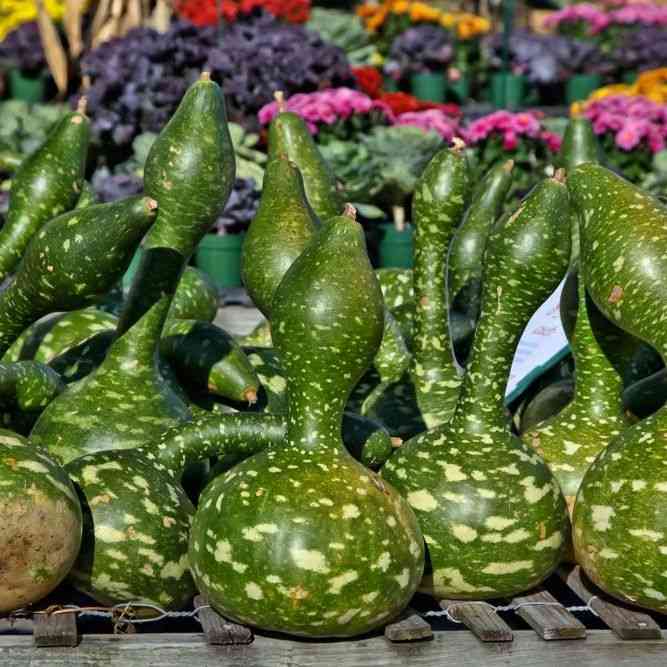
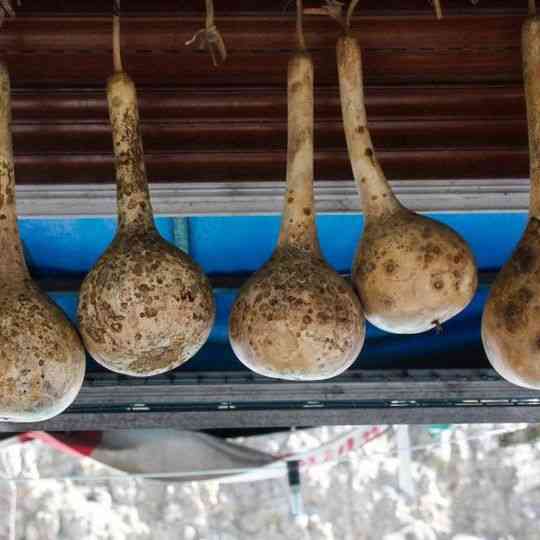
The classic gourd for crafting and creativity. ‘Birdhouse Gourd’ produces large, pear-shaped fruits with smooth green skin that dries to a hard, pale tan shell—perfect for carving, painting, or making functional birdhouses, dippers, and ornaments. The thick, durable rind ensures long-lasting creations that weather beautifully outdoors.
Vines reach 10–15 feet and produce prolifically through summer. Harvest before frost and cure in a dry, airy space until the outer shell hardens completely.
An heirloom grown for centuries around the world, this variety embodies the link between gardening and artistry—useful, timeless, and naturally beautiful.
Your payment is processed securely via trusted gateways. We do not store credit card details and we do not have access to your card information.
Pickup available at Bertie County Seeds
Usually ready in 2-4 days
I wasn't expecting to buy, but was excited to see it. 100% germination. Looking forward to the harvest.
This is the first season I have grown these, and I think they are awesome! They are very prolific climbers that dont seem to have any pest pressure. Not particularly nice smelling, but they have really started to grow some massive gourds here in this cool VA September. Set up a trellis and watch these babies run wild!
Soil Preparation: Ensure the soil is well-drained and rich in organic matter. Gourds prefer slightly acidic to neutral soil with a pH between 6.0 and 7.0.
Sowing Seeds:
Direct Sowing: Sow seeds directly outdoors after the danger of frost has passed. Plant seeds 1 inch deep and 12 inches apart in rows spaced 4-6 feet apart.
Indoor Starting: For an earlier start, sow seeds indoors 4-6 weeks before the last frost date. Use seed-starting trays filled with a seed-starting mix. Lightly press the seeds into the surface and keep the soil moist.
Germination: Seeds typically germinate within 7-14 days. Maintain consistent moisture levels in the soil during this period.
Transplanting: If starting indoors, transplant seedlings outdoors after the danger of frost has passed. Space seedlings 4-6 feet apart to allow for adequate air circulation and growth.
Care Instructions:
Watering: Water regularly to keep the soil evenly moist but not waterlogged. Gourds require consistent moisture for optimal growth.
Fertilizing: Apply compost or a balanced organic fertilizer every 4-6 weeks during the growing season to promote healthy growth and fruit production.
Mulching: Apply a thin layer of mulch around the base of the plants to help retain moisture and suppress weeds.
Special Considerations:
Supporting: Provide support for the plants to keep them upright, especially as they start to bear fruit.
Pests and Diseases: Gourds can be affected by pests such as cucumber beetles and squash bugs. Use organic methods like neem oil or insecticidal soap if necessary.
During active growth, birdhouse gourd benefits from evenly moist soil and steady fertility rather than extremes. The vines need enough water to support leaf production, flowering, and fruit enlargement, but constantly wet ground can weaken roots and encourage disease. Mulch is especially useful because it helps conserve moisture, moderate soil temperature, and reduce weed competition around the root zone. A healthy planting should look vigorous but not overly soft or lush. If the plants are pushed too hard with excessive nitrogen after they are already established, they may produce impressive vine growth but weaker fruit set or delayed shell maturity. Balanced feeding and steady moisture are much more useful than sudden corrections late in the season.
This plant can be grown sprawling on the ground, but many growers get better results by using a strong trellis, fence, arch, or other durable support. Vertical growing improves airflow, reduces foliage staying damp for long periods, and often leads to cleaner, better-shaped gourds. If the vines are trained upward, they should be guided early, before stems become too long and tangled. The support must be strong, because mature vines and fruit become heavy over time. When grown on the ground, the vines should still be given generous space so leaves are not compressed into a thick mat where disease can spread easily. If fruit is resting on damp soil, placing a dry barrier such as straw underneath can help reduce rot and rind damage.
Canopy management is simple but important. Birdhouse gourd does not need intensive pruning in the way some crops do, but it does benefit from a clean, manageable growing area. Weeds should be kept down so they do not compete for water and nutrients or make it harder to inspect the vines. Badly damaged or diseased leaves can be removed when necessary, especially if they are shading fruit poorly or contributing to mildew spread, but the plant should never be stripped heavily because strong leaf coverage is what powers fruit maturation. The healthiest plantings are those where the foliage stays active deep into the season. That leaf strength protects the fruit from sun injury, supports shell development, and helps the gourds reach a mature usable state.
Pollination is a major part of successful production because no amount of vegetative growth will matter if female flowers are not pollinated well. Birdhouse gourd produces separate male and female flowers on the same plant, and the female flowers must receive pollen for fruit to continue enlarging. It is normal for the first flush of flowers to include many males, and not every blossom will become a gourd. Once fruit begins to set, the vine needs a stable growing environment so those young gourds are not aborted. Stress from drought, nutrient imbalance, severe pest pressure, or poor foliage health can all reduce the number of fruit that make it to maturity. A calm, steady growing season almost always produces better results than a planting that swings between stress and recovery.
As the gourds enlarge, the grower’s focus shifts toward protecting fruit quality. The shells are still soft while developing, so rough handling, twisting the vines, or moving fruit abruptly can damage stems or interrupt the flow of water and nutrients. Trellised fruit should be monitored so stems are not strained, and ground-grown fruit should be checked so they are not sitting in persistent wet spots. Healthy vines should be preserved for as long as possible because early loss of foliage from mildew, insects, or drought often results in gourds that never fully harden. Even if the fruit looks large, it may still be immature internally if the vine shuts down too soon.
Toward the end of the season, patience becomes one of the most important growing skills. Birdhouse gourd should remain on the plant as long as conditions allow so the shell can mature thoroughly. This is not a crop where early harvest gives the best result. The longer the fruit can remain supported by healthy vines, the better the chances of producing durable gourds that cure well later. Once mature, harvest should be careful and clean, leaving some stem attached if possible. With full sun, strong support or ample ground space, balanced fertility, steady watering, good airflow, and enough time for full vine maturity, birdhouse gourd becomes one of the most rewarding long-season utility crops in the garden.
A major tip with this crop is to avoid treating it like a fast-producing summer vegetable. Birdhouse gourd is a patience crop. It needs time to climb or run, flower, set fruit, enlarge, and then remain on the vine long enough to harden properly. Growers often make the mistake of judging success too early, either by worrying when the vine focuses first on growth or by harvesting immature fruit before the shells have developed enough. The best results come from giving the plant a full warm season and resisting the urge to rush the finish. A gourd that stays on a healthy vine longer almost always has better craft value than one picked prematurely.
Support strategy can also make a big difference in final quality. If the vines are trellised, they should be guided early, before the runners become tangled and difficult to direct. A strong trellis improves airflow, keeps the fruit cleaner, and often helps produce better-shaped gourds, but it must be sturdy enough for mature fruit weight. Weak support can fail late in the season when the plant is heaviest. If gourds are grown on the ground, the grower should watch where fruit settles and place a dry barrier such as straw under developing gourds if the soil stays damp. This helps prevent rot, discoloration, and insect damage on the resting side of the shell.
Another important tip is to avoid rough handling once fruit begins to develop. Young gourds may seem durable, but twisting vines, sharply moving fruit, or stepping into runners can damage stems and interrupt development. On trellised plants, check that stems are not being pinched or strained as the gourds enlarge. On ground-grown plants, do not keep repositioning the fruit unless absolutely necessary. Gentle growing conditions matter because a damaged stem can reduce the movement of water and nutrients into the fruit at exactly the time the shell should be thickening and maturing.
Water management has a strong effect on both vine health and shell quality. Birdhouse gourd likes consistent moisture, especially during active vine growth and early fruit development, but it does not respond well to long wet spells followed by stress. Repeated swings between drought and saturation can weaken the plant, reduce fruit set, and contribute to poor-quality gourds later. Deep watering and mulch are usually more effective than shallow frequent splashing. Mulch also helps keep the rooting zone more even, suppresses weeds, and reduces mud splash on lower leaves and fruit. Once the vines are carrying fruit, the goal is stability, not dramatic correction.
A very practical trick is to keep the planting easy to inspect. These vigorous vines can quickly become a dense mass, and when that happens problems are harder to spot. Aphids, mildew, squash bugs, damaged stems, and rotting fruit all become easier to miss when the patch is overgrown and inaccessible. Whether the crop is trellised or sprawling, leave yourself paths or viewing access so you can actually monitor what the plant is doing. Catching a problem early is far more valuable than trying to rescue a collapsing vine late in the season.
For growers interested in the cleanest curing results, harvest handling matters nearly as much as growing. Do not bruise the gourds, snap them roughly from the vine, or stack them carelessly after picking. Use a clean cut, keep the shell dry, and move mature gourds into a protected airy place for curing. Some surface spotting or mold may appear during drying, but soft breakdown is a warning sign that a gourd was immature, damaged, or held too wet. Separate questionable fruit right away so it does not affect the rest of the curing batch. The best cured gourds usually come from fruit that matured slowly, stayed sound on the vine, and was handled gently from harvest onward.
Birdhouse gourd is also a rewarding crop for seed stewards and craftspeople because each fruit has a second life after the garden season ends. For that reason, it helps to observe which plants give the strongest vines, best fruit shape, cleanest shells, and most useful mature forms. Those observations can guide future seed saving or selection. The biggest beginner mistakes are usually crowding the vines, letting disease take the foliage too early, harvesting before full maturity, or curing damaged fruit with healthy ones. With patience, strong support, consistent moisture, and careful harvest and curing, birdhouse gourd becomes far more than just another vine crop. It becomes one of the most satisfying utility plants in the garden.
Cucumber beetles are one of the most damaging early pests because they chew holes in seedlings, leaves, and flowers and can also spread bacterial wilt. Young plants may be especially vulnerable, and repeated feeding can slow growth before the vines ever become established. Squash bugs are another major problem, especially later in the season, and they feed by sucking plant juices, causing yellow spotting, wilting, and gradual vine decline. Aphids cluster on tender tips and leaf undersides, causing curled growth and sticky residue that can later support sooty mold. In very hot, dry weather, spider mites may cause pale stippling, bronzing, and fine webbing, especially on stressed vines. The best solutions are floating row cover early in the season before flowering, hand-removal of squash bug eggs from leaf undersides, strong water sprays for small aphid outbreaks, encouraging beneficial insects, and keeping the planting vigorous so it can tolerate minor pressure better. If row covers are used, they must be removed once flowering begins so pollinators can reach the blooms.
Disease pressure usually increases when birdhouse gourds are crowded, watered overhead late in the day, or grown in the same ground as other cucurbits too often. Powdery mildew is especially common and shows up as white dusty growth on the leaves, often beginning when the vines are large and humidity is high. Downy mildew can cause angular yellowing and rapid leaf collapse, while bacterial wilt, often spread by cucumber beetles, may cause entire runners or plants to wilt suddenly. Anthracnose, leaf spots, and stem diseases may also appear when foliage stays wet and air circulation is poor. These diseases matter because birdhouse gourds need a long healthy season for the shells to mature and harden. The best solutions are wide spacing, trellising when appropriate for airflow, watering at the soil line, rotating away from cucurbits for multiple seasons, removing badly infected leaves early, and destroying crop residue after the season so disease does not carry over.
Environmental and cultural problems can be just as damaging as insects and disease. Poor pollination is a common issue and may lead to small gourds that yellow, abort, or develop unevenly. This happens when pollinator activity is low, flowers are not being visited well, or the plants are stressed by heat, drought, or nutrient imbalance. Uneven watering can also cause weak fruit development, reduced vine vigor, and poor shell formation. If the soil stays too wet, roots may decline and disease risk rises; if it becomes too dry, flowering and fruit set often suffer. Overfeeding with nitrogen can create huge leafy vines with fewer durable gourds, while poor fertility can leave the plants too weak to mature fruit properly. The solution is to maintain steady soil moisture, avoid drastic swings between drought and saturation, support pollinators, and aim for balanced fertility rather than excessive lush growth.
Fruit problems often show up later in the season when the gourds seem to be developing well but begin to rot, scar, misshape, or fail to cure properly. Fruit resting on wet soil is more likely to develop soft spots, rot, discoloration, or insect injury. Gourds may also be misshapen if pollination was incomplete or if young fruit developed during periods of stress. If the vines decline too soon from mildew or insect damage, the gourds may not fully harden, which reduces their usefulness for crafting and storage. The best solutions are to keep fruit off persistently wet ground with mulch or support, maintain healthy foliage as long as possible, and avoid rough handling while the gourds are still maturing. Trellised fruit should also be checked so stems are not strained or broken as the gourds enlarge.
Harvest and curing mistakes are another major source of loss with birdhouse gourds. Cutting fruit too early, before the shell has matured enough, often leads to poor curing, collapse, or rot after harvest. Leaving damaged or insect-punctured gourds in wet conditions can also lead to breakdown even if the fruit looked promising at first. The solution is to harvest only mature fruit, use clean cuts, handle the gourds carefully, and cure them in a dry, well-ventilated area. Any fruit showing soft rot or severe damage should be separated immediately so it does not affect the rest. Long-term success with birdhouse gourd comes from protecting vine health early, preserving foliage through late season, supporting pollination, keeping fruit dry and clean, and responding quickly to pests and disease before they shorten the crop’s long maturation window.
A: Birdhouse gourd is a type of hard-shelled gourd grown mainly for its mature dried fruit rather than for fresh eating. When fully matured and properly cured, the shell becomes hard and durable, making it useful for birdhouses, crafts, containers, ornaments, and traditional functional objects. The plant itself is a vigorous warm-season vine with large leaves, climbing tendrils, and pale flowers. Gardeners often grow it both for practical use and for the novelty of producing large, sculptural fruit.
Q: Why is it called a Birdhouse Gourd?
A: It is called a Birdhouse Gourd because the mature dried fruit has a natural shape that works especially well for making birdhouses. Many fruits develop a rounded lower chamber with a narrower neck, which can be cut and cleaned into a shelter attractive to small cavity-nesting birds. The shell becomes firm enough for crafting once the gourd is fully mature and cured. That combination of shape and hardness is what gives this gourd its popular name.
Q: Is Birdhouse Gourd edible?
A: Birdhouse gourd is generally grown for utility and craft use rather than for eating at maturity. Once the shell hardens, the fruit is no longer treated like a tender summer squash or culinary gourd. Most growers allow the fruit to remain on the vine until fully mature so it can be dried and cured properly. Its main value is as a hard-shell gourd, not as a kitchen vegetable.
Q: Is Birdhouse Gourd easy to grow?
A: It is relatively easy to grow if you can provide heat, sunlight, fertile soil, and plenty of space. The vine is vigorous and often grows strongly once established, but it does need a long warm season to produce and mature good-quality gourds. The biggest challenges are usually pest pressure, mildew, and giving the plant enough time to harden the fruit before cold weather arrives. Gardeners who succeed with pumpkins, squash, or luffa often find the growth pattern familiar.
Q: How much space does Birdhouse Gourd need?
A: Birdhouse gourd needs generous room because the vines can spread widely if grown on the ground. If given support, the plant can also climb strongly, which may help save horizontal space while improving airflow and fruit shape. Crowding tends to increase disease pressure and makes it harder to monitor flowers and developing fruit. This is not a crop for a cramped bed unless a strong trellis system is in place.
Q: Can Birdhouse Gourd be grown on a trellis?
A: Yes, and many growers prefer trellising because it improves airflow, keeps the fruit cleaner, and can produce straighter or more evenly shaped gourds. A trellis must be sturdy, since mature fruit can become heavy and the vines themselves are vigorous. If many gourds set at once, some growers add extra support for individual fruit to reduce stem strain. Trellising is not required, but it is often very useful where space is limited or disease pressure is a concern.
Q: Does Birdhouse Gourd need full sun?
A: Yes, full sun is one of the most important conditions for strong vine growth and proper fruit maturation. The plant needs abundant light to power flowering, fruit set, and the long ripening process that leads to a hard shell. Shadier conditions may reduce vigor and delay maturity, especially in shorter-season climates. For best results, it should be planted where it receives strong direct sun for most of the day.
Q: How long does Birdhouse Gourd take to mature?
A: Birdhouse gourd needs a long growing season because the fruit must not only form, but also remain on the vine long enough to harden properly. The crop is slower than many quick vegetables and should be treated as a full-season vine. Cool weather, poor pollination, or early vine decline can delay or reduce maturity. Growers should expect to be patient and plan the crop well ahead of the first frost.
Q: What kind of soil does Birdhouse Gourd prefer?
A: It grows best in fertile, well-drained soil that can support vigorous vine growth without becoming waterlogged. Soil enriched with organic matter is especially helpful because the plant is both leafy and long-season, which means it benefits from steady fertility. Poor, compacted, or exhausted ground can lead to weak vines and fewer quality gourds. The ideal soil holds enough moisture for steady growth while still draining well enough to protect the roots.
Q: How much water does Birdhouse Gourd need?
A: Birdhouse gourd benefits from consistent moisture, especially during establishment, flowering, and early fruit development. Long dry spells can reduce vigor, limit pollination success, and slow fruit sizing. At the same time, constantly wet soil can promote disease and weaken the roots. The best approach is deep, even watering that supports steady growth without leaving the planting soggy.
Q: What do the flowers look like, and how is the plant pollinated?
A: Birdhouse gourd produces separate male and female flowers on the same plant, as is common in many cucurbits. The female flowers have a small swelling behind the blossom that can develop into a gourd if pollination is successful. Bees and other pollinators are important for fruit set, and poor pollination can lead to aborted or misshapen gourds. Good pollinator activity is one of the keys to a productive planting.
Q: Why are the flowers falling off without making gourds?
A: This is often normal early in the season because the first flowers are frequently male flowers, which do not form fruit and naturally drop after shedding pollen. If female flowers are also failing, the usual causes are poor pollination, drought stress, heat stress, weak plant growth, or lack of pollinator activity. Watching for the swollen base behind female flowers helps distinguish which blooms can actually become fruit. Improving plant health and pollinator access usually helps fruit set become more reliable.
Q: Why are my young gourds turning yellow and dropping off?
A: Small developing gourds may abort when pollination was incomplete or when the vine is under stress. Drought, sudden temperature swings, poor fertility balance, insect pressure, and weak foliage can all contribute to fruit drop. Sometimes the plant simply cannot support every early fruit it begins to set. The best response is to support steady growth, maintain even moisture, and protect pollinator activity during bloom.
Q: What pests commonly attack Birdhouse Gourd?
A: The most common pests are cucumber beetles, squash bugs, aphids, and spider mites, with pickleworms or related caterpillar pests in some regions. Cucumber beetles chew on leaves and flowers and may spread bacterial wilt, while squash bugs weaken vines by sucking sap. Aphids cluster on tender growth and can cause curling and sticky residue, while spider mites become more severe during hot dry spells. Frequent scouting is important because early intervention is much easier than trying to rescue badly stressed vines later.
Q: What diseases should I watch for?
A: Powdery mildew is one of the most common late-season problems, and downy mildew, bacterial wilt, anthracnose, and leaf spot issues may also appear depending on conditions. These problems can seriously affect the plant because birdhouse gourds need a long season of healthy foliage to mature properly. Once leaves are heavily damaged, the fruit may stop developing well or fail to cure correctly after harvest. Good spacing, crop rotation, airflow, and watering at the soil line are among the most important preventive practices.
Q: Why are the leaves turning white or dusty?
A: A white dusty coating on the leaves is often a sign of powdery mildew, a common issue on mature cucurbit vines. It tends to appear when humidity rises, airflow is poor, or the planting is crowded. Powdery mildew weakens the foliage over time and can shorten the season before the gourds fully mature. Reducing crowding, watering carefully, and maintaining healthy vigorous plants can help slow its effect.
Q: Can Birdhouse Gourd handle cool weather?
A: No, it is a warm-season crop that does not tolerate frost and does not thrive in prolonged cool conditions. Cold soil can delay establishment, and chilly weather can weaken growth long before an actual frost occurs. For best results, it should be grown during a full warm season with plenty of heat and sunshine. The crop needs enough time before frost for the shells to mature as fully as possible.
Q: When should I harvest Birdhouse Gourds?
A: Birdhouse gourds are usually harvested when they are fully mature, not when they are young and tender. The shell should be well developed, and the fruit should have had as much time on the vine as conditions allow. In many gardens, they are left until late in the season, sometimes even until frost threatens, as long as the fruit remains sound. Harvesting too early often leads to poor curing and weaker shells.
Q: How do I cure Birdhouse Gourds after harvest?
A: After harvest, the gourds should be placed in a dry, well-ventilated location where they can cure slowly. During curing, the shell hardens further and the inside dries out, which is essential for craft and birdhouse use. Some surface mold may appear during the process, but the key is to keep the gourds dry enough and spaced well enough that air can circulate. Soft or rotting fruit should be removed right away so they do not affect the rest.
Q: How long does curing take?
A: Curing can take a long time because the goal is not just surface drying, but complete internal drying and shell hardening. The exact timeline depends on fruit size, maturity at harvest, humidity, and airflow. Smaller gourds may finish sooner, while larger hard-shell types can take many weeks or even longer. Patience is part of growing birdhouse gourds successfully.
Q: How do I know when a Birdhouse Gourd is fully cured?
A: A fully cured gourd becomes much lighter in weight than when it was fresh, and the shell becomes hard and firm. The seeds inside often rattle when the gourd is shaken, which is one of the most familiar signs of complete drying. The exterior may also change color or develop a more weathered appearance during the curing process. What matters most is that the shell is dry and solid and the inside has finished drying.
Q: Can I leave Birdhouse Gourds outside to dry?
A: They should not simply be left in wet outdoor conditions after harvest if good curing is the goal. Extended exposure to rain, heavy dew, and poor airflow can increase rot and ruin the shells before they dry correctly. Some growers allow fruit to mature outdoors on the vine for as long as possible, but true curing is usually safer in a protected, airy location. Keeping the gourds dry is one of the biggest factors in successful curing.
Q: What are Birdhouse Gourds used for besides birdhouses?
A: They are used for many kinds of crafts and practical handmade objects. Depending on size and shape, cured gourds can become containers, dippers, ornaments, decorative pieces, art surfaces, and traditional handcrafted items. Their value comes from their naturally formed hard shell and distinctive shapes. Even growers who never make birdhouses often enjoy them for seasonal display or craft work.
Q: Can I paint or decorate Birdhouse Gourds?
A: Yes, once the gourds are fully cured, cleaned, and dried, they can be painted, carved, burned, sealed, or otherwise decorated for craft purposes. Many people grow them specifically because each fruit becomes a natural blank surface for art or functional design. The shell needs to be properly matured and cured first so it is stable enough to work with. Decorative use is one of the reasons birdhouse gourds remain popular with gardeners and makers alike.
Q: Are Birdhouse Gourds good for children’s garden projects or educational gardens?
A: Yes, they are often excellent for educational settings because they connect gardening, plant life cycles, pollination, harvesting, drying, and craft use in one crop. Children can see the progression from flower to green fruit to dried usable gourd, which makes the plant especially memorable. The unusual shapes and final uses add curiosity and hands-on appeal. They are best suited to gardens that can offer enough space and a long enough season.
Q: Can I save seed from Birdhouse Gourd?
A: Yes, seed saving is possible if the fruit is fully mature and the grower is careful about unwanted crossing with other compatible gourds nearby. Seed should be collected from healthy, true-to-type fruit after the gourd has matured properly. Isolation matters if the goal is to preserve the variety accurately for future planting. For growers interested in stewardship, this can be a rewarding crop to maintain.
Q: Will Birdhouse Gourd cross with other gourds?
A: It can cross with compatible gourds within its pollination group, so nearby related types may affect seed purity if they flower at the same time. This matters for future seed, not for the fruit quality of the current season. If you are only growing for craft use and not saving seed, crossing is usually not a practical concern. If seed saving matters, isolation or controlled pollination becomes important.
Q: Is Birdhouse Gourd worth growing if I only want ornamental value?
A: Yes, many growers plant it purely for ornamental and decorative interest. The vines are dramatic, the flowers are appealing, and the fruit becomes increasingly interesting as it enlarges and matures. Once cured, the gourds can be displayed for a long time or used in seasonal arrangements and craft projects. It is one of the most satisfying crops for gardeners who enjoy plants that continue to be useful long after harvest.
Gourd Seeds - Birdhouse Gourd
-
Bertie County Seeds
Pickup available, Usually ready in 2-4 days
124 South Main Street
+18337607333
Colerain NC 27924
United States
The species is strongly associated with African origins, and from very early in human history it spread widely through trade, migration, exchange, and cultivation. Over generations, people selected the plant for different forms and functions. Some gourds were favored for long necks, some for rounded bodies, some for large size, and others for thick shells that cured especially well. The birdhouse type became especially valued because of its naturally swollen lower chamber and narrower neck, a shape that lends itself beautifully to being hollowed into nest structures, handled containers, decorative objects, and practical craft forms. This was not accidental. It reflects a long tradition of human selection for utility, durability, and recognizable shape.
What makes birdhouse gourd especially important in agricultural history is that it sits at the boundary between farming and material culture. Many old crops were preserved because they fed people directly. Birdhouse gourd was preserved because it helped people carry water, store seeds, serve food, make tools, create musical instruments, and furnish daily life with objects that came straight from the garden. In many traditional societies, a mature gourd could remain useful long after the growing season was over. That meant the crop had value beyond harvest day. A single planting could provide future containers, utensils, and crafted items, giving the plant a practical lifespan far beyond the field.
Across many parts of the world, bottle and birdhouse gourds became woven into daily domestic life. They were used in kitchens, fields, rituals, musical traditions, and household storage. In some places the young fruits were occasionally eaten, but in many traditions the greater value was in the mature shell. This made the crop especially meaningful in communities where resourcefulness mattered and where naturally durable materials were prized. The gourd could be grown, dried, cleaned, carved, polished, painted, burned, hung, carried, or passed down. Few plants moved so naturally from garden crop to finished object.
The historical spread of birdhouse gourd also makes it remarkable. It became established across wide parts of Africa, Asia, the Mediterranean world, and the Americas, and in each place people adapted it to local needs. Different communities emphasized different shapes, curing methods, and end uses. Some valued it for vessels, some for instruments, some for ceremonial work, some for household utility, and others for decoration. This broad adoption helped preserve enormous cultural diversity around a single species. Even when industrial materials later replaced gourds in many everyday functions, the plant remained alive in gardening traditions because of its beauty, symbolism, and craft value.
In the Americas, gourds took on long-standing practical and cultural importance as well. They became part of agricultural and household traditions in many regions, used for containers, utensils, crafted items, and later decorative and folk-art purposes. The birdhouse form became especially popular because it offered one of the clearest examples of how a fruit could be transformed into something functional with very little alteration. A mature, well-cured gourd already possessed a natural wall, cavity, neck, and hanging potential. This made it a natural choice for bird shelters as well as human-made objects. That transformation from vine-grown fruit to durable crafted form is central to the identity of the crop.
As seed saving and household gardening traditions continued through later centuries, birdhouse gourd remained important partly because it was open-pollinated and could be maintained by growers themselves. Families, gardeners, and craftspeople could select the shapes they preferred and continue growing lines that best served their purposes. Some selected for uniformity and cleaner craft shapes, while others valued unusual forms and novelty. In that way, the crop remained alive not just through commercial seed channels, but through local stewardship and repeated human preference. This is one reason birdhouse gourd has such a rich heirloom character today.
The plant also occupies a special place in the history of ornamental gardening. Even when people no longer needed gourds as everyday vessels, they continued to grow them for decoration, seasonal display, teaching gardens, children’s projects, folk craft, and wildlife use. Birdhouse gourds offered visual drama in the garden through their vigorous vines and hanging fruits, then continued to be useful after harvest as dried objects. That double life as both a garden plant and a crafted material helped the species remain relevant in modern times. It is one of the few crops whose value often increases after it leaves the vine.
Today, Birdhouse Gourd still matters because it preserves an older idea of agriculture: that a plant can provide more than food. It connects the grower to a long lineage of people who cultivated useful forms, saved seed, cured the harvest carefully, and turned what they grew into lasting handmade objects. Modern gardeners may grow it for birdhouses, folk art, seasonal décor, seed stewardship, or educational projects, but those modern uses continue a very old tradition. Birdhouse gourd remains a living heirloom of utility, craft, and imagination, carrying forward one of the oldest relationships between the garden and the human household.
1. Selecting Plants for Seed Saving:
Choose healthy plants with vigorous growth and desirable gourd shapes.
Avoid plants showing signs of disease or poor growth.
2. Harvesting Seeds:
Timing: Allow the gourds to mature fully on the plant until the skin hardens and turns brown.
Collection: Harvest the mature gourds and allow them to dry completely.
3. Drying Seeds:
Place the gourds in a well-ventilated, dry area. Allow them to dry completely for several weeks or months until the seeds rattle inside.
4. Cleaning Seeds:
Separation: Cut open the dry gourds and remove the seeds.
Inspection: Ensure seeds are clean and free from mold or pests.
5. Storing Seeds:
Containers: Store seeds in labeled paper envelopes or airtight containers.
Storage Conditions: Keep in a cool, dry, and dark place.
Viability: Use seeds within one to two years for best results.
6. Testing Seed Viability:
Test by placing seeds on a damp paper towel in a plastic bag in a warm place and check for germination.
Tips for Successful Seed Saving:
Isolation: Maintain distance between different gourd varieties to prevent cross-pollination.
Pollinators: Encourage pollinators for better seed production.
Record Keeping: Keep detailed records of the process.
Birdhouse Gourd (Lagenaria siceraria) is known for its large, round fruits that can be dried and used to make birdhouses and other crafts.
Gourds are valued for their decorative and functional uses. Birdhouse Gourds are often used in arts and crafts projects, adding a unique touch to gardens and outdoor spaces.
Shipped from U.S.A.
Our seeds are grown and sourced from the US. They're then packed and shipped from Colerain NC.
Triple tested
We regularly test the quality and germination rate of our seeds. We're so confident that our seeds are backed by a 1 year warranty!
Payment & Security
Payment methods
Your payment information is processed securely. We do not store credit card details nor have access to your credit card information.
Complete the garden
Turn one packet into a full plan.
Help shoppers add companion seeds, garden supplies, and related goals before they leave the product page.
Join Our Newsletter for Exclusive Savings!
Sign up for our newsletter to get a 30% discount code sent straight to your inbox. If it doesn’t appear right away, please check your inbox settings, and if you still need help, we’re here to assist!