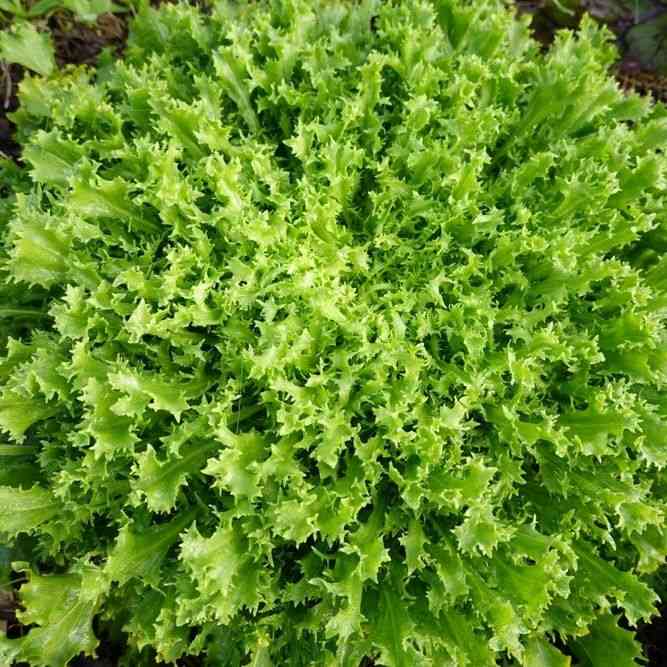
Purslane Seeds - Green
A fast-growing, heat-loving super green that thrives in tough conditions while delivering crisp texture and exceptional nutrition
- Non-GMO Safe Seed Pledge
- Seed packets printed on forestry-certified paper (FSC, SFI, Rainforest Alliance)
- Curbside-recyclable mailers; SFI-certified kraft paper
- 1% for the Planet partner — supports environmental nonprofits
- Compact, energy-efficient facility with lean, low-waste operations
- Seeds: When properly stored, planted, and cared for, we guarantee reasonable germination and true-to-type growth for one year from purchase.
- Non-seed products: Free from defects in materials and workmanship for 30 days from shipment.
Excludes factors outside our control (extreme weather, pests, gardener error). If something’s off, contact us—we’ll make it right with a replacement, repair, or refund.
We do not sell seeds that are GMO or BE.
USDA “bioengineered (BE)” foods are those with detectable genetic material that was modified using in vitro recombinant DNA (rDNA) techniques, in ways not obtainable through conventional breeding or found in nature. The USDA’s National Bioengineered Food Disclosure Standard uses “bioengineered” as the nationwide labeling term.
- Detectable modified genetic material in the final food
- Created via in vitro rDNA techniques (e.g., gene transfer)
- Modifications not achievable through conventional breeding or nature
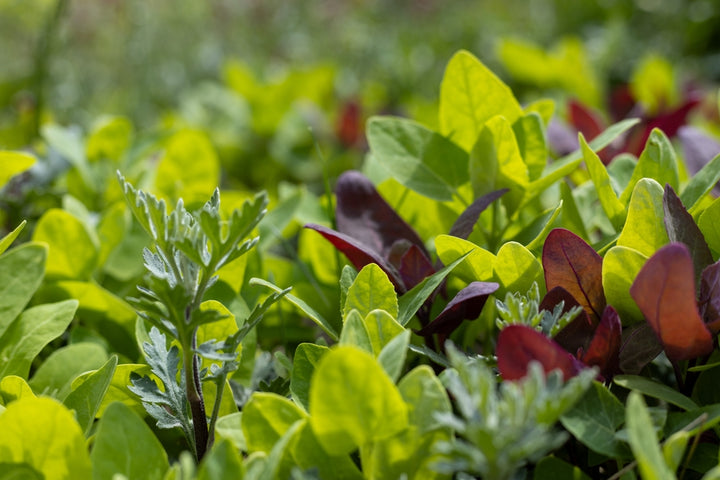
Green Purslane Seeds produce a vigorous, low-growing succulent green known for its tender leaves, crisp texture, and slightly tangy, lemony flavor. This classic variety features smooth, deep green leaves and stems that are highly prized for fresh eating and cooking. Compared to golden types, Green Purslane tends to be slightly more robust in flavor while maintaining the same juicy, refreshing bite that makes it a standout among leafy greens.
Green Purslane Seeds thrive in hot, sunny conditions and are exceptionally tolerant of drought, poor soils, and neglect, making them one of the most resilient and low-input crops available. This fast-growing plant spreads quickly as a natural groundcover, producing abundant harvests with minimal care. In addition to its culinary versatility, Green Purslane is highly valued for its dense nutritional profile, including omega-3 fatty acids, vitamins, and antioxidants, making it both a productive and nutrient-rich addition to any garden.
Your payment is processed securely via trusted gateways. We do not store credit card details and we do not have access to your card information.
Pickup available at Bertie County Seeds
Usually ready in 2-4 days
The first and most critical factor is timing. Green Purslane is a warm-season crop and should only be planted once soil temperatures are consistently warm—ideally above 65°F, with optimal germination occurring closer to 70–85°F. Planting into cool soil will delay germination significantly and can result in poor or uneven emergence. Because the seeds are small and vulnerable, warm, stable conditions are necessary to support successful establishment.
Soil preparation should focus on creating a fine, smooth, and well-drained seedbed. Loosen the soil to a depth of 4–6 inches, breaking up clumps and removing debris such as stones or plant residue. The surface should then be leveled and lightly firmed. Because the seeds are so small, they require close contact with the soil surface to germinate properly. A rough or uneven surface can lead to inconsistent depth and poor emergence. Drainage is critical—purslane does not tolerate waterlogged conditions, especially during germination.
Sowing depth is one of the most important details. Green Purslane seeds should be sown on the surface or covered with no more than a very light layer of soil—approximately 1/8 inch or less. In many cases, simply pressing the seeds gently into the soil without covering them is sufficient. Planting too deeply is a common mistake and will prevent germination. To achieve even distribution, seeds can be mixed with fine sand before sowing, which helps prevent clumping and allows for more uniform coverage.
Spacing depends on the intended harvest method. For dense, continuous harvest, seeds can be broadcast lightly over the planting area. For more structured growth, aim for spacing of about 4–6 inches between plants, with rows spaced 12–18 inches apart. Because purslane spreads outward as it grows, initial spacing should account for its mature groundcover habit. Overcrowding at planting can lead to excessive density later, reducing airflow.
Watering immediately after sowing must be done with care. Use a fine mist or gentle spray to avoid displacing seeds. The goal is to moisten the soil evenly without washing seeds away. During germination, the soil must remain consistently moist but never saturated. Because the seeds are so small, they are highly sensitive to drying out—if the surface dries completely, germination can fail. At the same time, excessive moisture can lead to damping-off or seed rot. Light, frequent misting is often the most effective approach until seedlings are established.
Germination typically occurs within 5–10 days under optimal warm conditions, though it may take longer if temperatures fluctuate. During this period, it is important to monitor moisture closely and avoid disturbing the soil surface. Once seedlings emerge, reduce watering frequency slightly to encourage stronger root development while still maintaining consistent moisture.
Transplanting Green Purslane is possible but generally not preferred due to the ease and success of direct sowing. However, for controlled spacing or early starts, seeds can be started in trays or shallow containers using a fine, well-draining medium. Seeds should be surface-sown and lightly pressed into the growing medium. Maintain warmth and consistent moisture until germination.
Seedlings intended for transplanting should be moved when they are still small and manageable, typically when they have developed a few true leaves. Because they are delicate, handle them carefully to avoid root disturbance. Transplant into prepared soil at the same depth they were growing in containers, spacing them 4–6 inches apart. Water gently after transplanting to settle the soil and support root establishment.
If starting indoors, hardening off is necessary before transplanting outdoors. Gradually expose seedlings to outdoor conditions over several days, increasing sunlight and wind exposure incrementally. This reduces transplant shock and helps plants adjust to the outdoor environment.
Early-stage care is critical regardless of method. Keep the planting area free of weeds, as young purslane seedlings are not competitive and can be easily overtaken. Monitor for pests such as flea beetles or cutworms, which can damage seedlings at this vulnerable stage. Row covers can be used temporarily to protect young plants but should be removed once growth accelerates.
Once established, Green Purslane transitions quickly into vigorous growth and becomes far more resilient. The key to success lies in precise sowing, careful moisture management, and protecting seedlings during their early development. With a strong start, the plant will rapidly spread and produce abundant, continuous harvests with minimal ongoing effort.
The most important factor in growing Green Purslane successfully is maximizing sunlight. This plant is highly responsive to full sun and will produce its best growth—compact, dense, and richly succulent—under strong, direct light. In full sun, stems remain shorter, leaves are thicker, and overall plant structure is tighter and easier to manage. In contrast, reduced light leads to leggy growth, longer stems, and lower leaf density, which reduces both yield and quality. For best results, aim for uninterrupted sunlight throughout most of the day.
Moisture management is where quality is either made or lost. Although purslane is extremely drought-tolerant, optimal production comes from maintaining moderate, consistent moisture. The goal is not frequent watering, but balanced watering—allowing the soil surface to dry slightly between waterings while ensuring moisture remains available deeper in the root zone. This encourages strong root development and steady growth. Overwatering is the most common mistake and can quickly lead to root rot, weak structure, and reduced flavor. Well-drained soil is essential, and if drainage is poor, raised beds or sandy soils are strongly recommended.
Soil fertility should be managed carefully. Green Purslane does not require rich soil and often performs better in moderately fertile conditions. Excess nitrogen can lead to overly lush, watery growth that lacks structure and flavor. Instead of pushing rapid growth, aim for balanced development. A small amount of compost is usually sufficient to support the plant throughout its lifecycle. Leaner soils often produce more concentrated flavor and better texture.
One of the most critical techniques is managing plant density and spread. Green Purslane naturally grows as a low, spreading groundcover. If left unmanaged, it will sprawl outward and form a dense mat. While this can be beneficial for weed suppression, excessive density can trap moisture and reduce airflow, increasing the risk of fungal issues. Proper spacing at planting combined with regular harvesting helps maintain airflow and prevents overcrowding. If plants begin to overlap excessively, thinning or more aggressive harvesting will restore balance.
Harvesting strategy is the key to continuous production. Green Purslane is a true cut-and-come-again crop, and frequent harvesting significantly increases total yield. Instead of picking individual leaves, cut stems and growing tips. This encourages branching and results in denser, more productive plants. Regular harvesting keeps growth tender and prevents stems from becoming thick and fibrous. If harvesting is delayed, plants will shift toward maturity, producing tougher growth and eventually flowering.
Temperature plays an important but supportive role. Purslane thrives in warm to hot conditions and continues producing when many other greens fail. This makes it especially valuable as a summer crop. However, extreme heat combined with dry soil can slow growth and reduce leaf size. Maintaining soil moisture during high temperatures helps sustain production and leaf quality.
Airflow is often overlooked but becomes important as plants mature. Because purslane grows low to the ground, dense growth can create a microclimate where moisture lingers near the soil surface. This can increase the likelihood of minor fungal issues, even in a generally disease-resistant plant. Regular harvesting, proper spacing, and avoiding overhead watering late in the day all help maintain healthy airflow.
Weed management is most critical during early establishment. Young purslane seedlings are small and not highly competitive, so weeds can easily overtake them if not controlled. Once established, however, purslane becomes highly competitive and can suppress many weeds naturally due to its spreading habit.
Green Purslane is also highly adaptable to different growing systems. It performs well in in-ground beds, raised beds, and containers. In containers, the key adjustments are ensuring excellent drainage and using wider containers to accommodate its spreading growth. Container-grown plants require more frequent monitoring of moisture, as they can dry out quickly but are also more susceptible to overwatering.
Another advanced approach is succession planting. Because purslane grows quickly, planting small amounts every few weeks ensures a continuous supply of young, tender growth rather than relying on older plants. This also helps maintain consistent quality throughout the season.
Finally, observation and adjustment are essential. Purslane responds quickly to environmental changes—leggy growth indicates insufficient light, yellowing often signals overwatering, and tough stems suggest delayed harvesting. Adjusting conditions based on these signals leads to consistently better results.
When grown with attention to light, moisture balance, spacing, and harvesting rhythm, Green Purslane becomes an extremely efficient, high-yielding crop capable of producing continuous, high-quality greens with minimal input.
The most important technique is controlling growth through harvesting. Purslane naturally wants to sprawl outward and mature quickly, which leads to thicker stems and slightly tougher texture over time. To maintain tender, high-quality greens, harvest early and frequently. Instead of waiting for large stems, cut back growing tips regularly. This forces the plant to branch, creating a denser, more compact structure and significantly increasing total yield. Frequent harvesting keeps the plant in a vegetative state and delays flowering, which is critical for maintaining quality.
Light intensity directly affects plant structure and flavor. In full, strong sunlight, Green Purslane grows compact, with shorter stems and thicker, more succulent leaves. In lower light, it stretches, producing longer, weaker stems with reduced leaf density. If plants appear leggy, increasing light exposure is the first adjustment to make. For best results, prioritize full sun, especially during peak daylight hours.
Water management is one of the most important—and most misunderstood—factors. While purslane is extremely drought-tolerant, optimal quality comes from balanced moisture, not neglect. Consistent, moderate watering produces the best texture and flavor. The key is to allow the soil surface to dry slightly between waterings while maintaining moisture deeper in the soil. Overwatering is far more damaging than underwatering and is the leading cause of weak growth and root problems. Well-drained soil is essential, and in heavier soils, raised beds can significantly improve performance.
Soil fertility should be kept moderate. Purslane does not require rich soil, and excessive nutrients—especially nitrogen—can lead to overly lush, watery growth that lacks structure and flavor. If plants appear too soft or weak, fertility may be too high. Slightly leaner soils often produce more concentrated flavor and better texture. A small amount of compost is usually sufficient to support the crop.
Managing plant density is another key technique. Purslane can be grown densely, especially for baby greens, but overly crowded conditions reduce airflow and can trap moisture near the soil surface. This creates conditions where fungal issues can develop, even in a normally resilient plant. If growth becomes too thick, selective thinning or heavier harvesting improves airflow and overall plant health.
Temperature can be used strategically to your advantage. Green Purslane thrives in heat and continues producing when most leafy greens fail. This makes it an ideal crop for summer production. However, extreme heat combined with dry soil can slow growth and reduce leaf size. During heat waves, maintaining soil moisture becomes more important than increasing watering frequency. Even slight stabilization of soil conditions can significantly improve productivity.
Weed control is most important during early establishment. Seedlings are small and not competitive, so early weed pressure can reduce long-term yield. Once established, purslane spreads rapidly and forms a dense groundcover that suppresses most weeds naturally. Investing effort in early weed control reduces maintenance later.
Succession planting is a powerful strategy for maintaining consistent quality. Because purslane grows quickly, planting small amounts every 2–3 weeks ensures a continuous supply of young, tender growth. This prevents reliance on older plants, which tend to become thicker and less desirable over time.
For container growing, the key adjustment is drainage and container shape. Purslane performs best in wide containers that allow it to spread. Ensure excellent drainage, as containers can become waterlogged more easily than in-ground soil. At the same time, containers dry out faster, so moisture must be monitored more closely and adjusted as needed.
Another advanced technique is managing plant age. Older plants naturally produce thicker stems and slightly tougher leaves. While still usable, quality declines compared to younger growth. Rotating plantings and removing older plants once productivity drops helps maintain consistent harvest quality.
Observation is one of the most valuable tools. Purslane responds quickly to environmental conditions—leggy growth indicates insufficient light, yellowing often signals overwatering, and tough stems suggest delayed harvesting. Adjusting based on these signals leads to better outcomes than following a fixed routine.
Finally, one of the most effective approaches is controlled stress. Allowing slight drying between waterings (without pushing the plant into full drought stress) can improve flavor concentration and leaf texture. The goal is balance—enough stress to enhance quality, but not enough to reduce growth.
When managed with intention—strong light, balanced moisture, proper spacing, and disciplined harvesting—Green Purslane becomes one of the most efficient, productive, and reliable greens you can grow, especially in conditions where other crops struggle.
Sap-sucking insects are the most common pest category affecting Green Purslane. Aphids are the primary concern, especially during periods of rapid, tender growth. These small insects cluster along stems and leaf joints, feeding on plant sap and causing curling, distortion, and slowed growth. They also excrete honeydew, which attracts ants and encourages sooty mold development, reducing photosynthesis. Early detection is key—inspect new growth regularly. Light infestations can be controlled with strong water sprays, while more persistent populations respond well to insecticidal soap or neem oil. Encouraging beneficial insects such as lady beetles and lacewings creates long-term natural control.
Whiteflies can also appear, particularly in hot, dry environments or protected growing spaces like greenhouses. They feed on the undersides of leaves and can weaken plants over time, causing yellowing and reduced vigor. Like aphids, they produce honeydew and can lead to fungal growth. Monitoring with sticky traps helps detect early populations. Treatments include insecticidal soap, neem oil, and maintaining airflow to reduce favorable conditions.
Spider mites are another heat-associated pest that can affect Green Purslane, especially during extended dry periods. These microscopic pests cause fine stippling on leaves, giving them a dull or dusty appearance. Severe infestations can lead to leaf decline and reduced growth. Because purslane thrives in dry conditions, mite outbreaks can go unnoticed until damage is visible. Periodic rinsing of plants and maintaining balanced moisture helps reduce susceptibility. Repeated water sprays or miticide treatments may be necessary for heavy infestations.
Leaf-chewing insects such as caterpillars and beetles may occasionally feed on purslane leaves. While the plant can tolerate minor damage due to its vigorous growth, heavy feeding can reduce leaf quality and yield. Hand-picking is effective in small plantings, and biological controls such as Bacillus thuringiensis (Bt) can be used for caterpillar control. Healthy plants typically recover quickly from moderate damage.
Cutworms can pose a threat during early establishment. These larvae cut seedlings at the soil line, often overnight. This is most common in newly prepared beds with organic residue. Preventative measures include clearing debris, lightly disturbing soil before planting, and using collars around young plants. Once purslane is established, it becomes far less vulnerable to this type of damage.
Disease issues in Green Purslane are relatively rare but can occur under specific conditions—primarily excess moisture and poor airflow. Root rot is the most significant disease risk and is almost always caused by waterlogged soil. Purslane is highly adapted to dry conditions and does not tolerate saturated soil. Symptoms include wilting despite wet soil, yellowing leaves, and eventual plant collapse. Prevention is essential: plant in well-drained soil and avoid overwatering. Raised beds or sandy soils are ideal for reducing risk.
Fungal problems such as damping-off can affect seedlings, particularly when soil is kept too wet or airflow is limited. This causes young plants to collapse shortly after emerging. Using well-drained soil, avoiding excessive watering, and ensuring proper spacing are the most effective preventative measures. Starting with clean soil and avoiding overcrowding further reduces risk.
Leaf spot diseases are uncommon but may appear in humid conditions. These manifest as small dark or discolored lesions on leaves. While usually not severe, they can reduce the visual quality of harvested greens. Improving airflow, reducing overhead watering, and removing affected foliage typically resolves the issue.
Environmental stress is often the underlying cause of many problems. While Green Purslane is extremely drought-tolerant, inconsistent watering—especially cycles of extreme dryness followed by heavy watering—can stress plants and reduce growth quality. Overwatering is far more damaging than underwatering and is the leading cause of plant decline in this crop.
Overcrowding is another common issue. Because purslane grows as a dense groundcover, excessive density can trap moisture near the soil surface and reduce airflow. This creates conditions favorable for disease, even in a normally resistant plant. Regular harvesting and proper spacing help maintain airflow and prevent these problems.
Weed competition is most important during early growth. Seedlings are small and not highly competitive, so weeds can quickly overtake them if not managed. Once established, purslane spreads rapidly and suppresses most weeds naturally. Maintaining a clean planting area during establishment is critical for long-term success.
Another often overlooked issue is nutrient imbalance. While purslane does not require rich soil, excessively fertile conditions—especially high nitrogen—can lead to overly soft, weak growth that is more susceptible to pests. Moderately fertile soil produces stronger, more resilient plants with better texture and flavor.
The most effective approach to managing pests and problems in Green Purslane is prevention through environmental control: well-drained soil, full sun, moderate watering, proper spacing, and early monitoring. When these conditions are maintained, the plant’s natural resilience allows it to thrive with minimal intervention, making it one of the most reliable and low-risk crops to grow.
A: Green Purslane (Portulaca oleracea) is a succulent, low-growing leafy plant that is fundamentally different from traditional greens like lettuce or spinach. Its leaves and stems are thick, juicy, and water-storing, giving it a crisp texture rather than a soft, delicate one. It thrives in heat and poor soil conditions where most greens fail, making it a warm-season alternative rather than a cool-season crop. Its slightly tangy, lemony flavor also sets it apart from milder greens.
Q: Can Green Purslane be eaten raw, or does it need to be cooked?
A: It can be eaten both raw and cooked. Raw purslane is crisp and refreshing, making it excellent in salads, sandwiches, and fresh garnishes. When cooked, it softens slightly and develops a texture similar to spinach but retains more structure. It is commonly sautéed, added to soups, or incorporated into stews and traditional dishes.
Q: How fast does Green Purslane grow?
A: It is a very fast-growing plant once established. Germination typically occurs within 5–10 days under warm conditions, and harvestable growth can begin in as little as 3–4 weeks. With regular harvesting, it continues producing new growth throughout the season.
Q: Why is purslane considered a “low-input” crop?
A: Green Purslane thrives in conditions that would stress or kill many other crops. It tolerates heat, drought, and poor soils exceptionally well, requiring minimal fertilizer and less frequent watering once established. This makes it ideal for low-maintenance gardens, sustainable systems, and areas with limited resources.
Q: Does Green Purslane need full sun?
A: Yes, it performs best in full sun. Strong sunlight promotes compact, dense growth and enhances flavor. While it can tolerate some partial shade, too little light results in leggy, weaker plants with reduced yield and quality.
Q: How often should I water Green Purslane?
A: It requires moderate watering during establishment, but once established, it is highly drought-tolerant. The best approach is to allow the soil to dry slightly between waterings while avoiding prolonged drought during active growth. Overwatering is the most common mistake and can lead to root problems.
Q: Can Green Purslane be grown in containers?
A: Yes, it is very well-suited for container growing due to its shallow root system and spreading habit. Wide containers work better than deep ones. Good drainage is essential, as purslane does not tolerate standing water.
Q: How do I harvest Green Purslane for best quality?
A: Harvest by cutting stems and growing tips rather than picking individual leaves. This encourages branching and continuous regrowth. Frequent harvesting keeps the plant producing tender, high-quality shoots and prevents stems from becoming too thick or tough.
Q: Will Green Purslane regrow after cutting?
A: Yes, it is an excellent cut-and-come-again crop. As long as the base of the plant remains intact, it will continue to produce new growth after each harvest. Regular cutting actually increases overall productivity.
Q: Does Green Purslane flower, and should I be concerned?
A: Yes, it produces small yellow flowers as it matures. Flowering is natural and not harmful, but once the plant begins focusing on seed production, stems may become slightly tougher. Regular harvesting helps delay flowering and maintain tender growth.
Q: Is Green Purslane invasive or difficult to control?
A: It can reseed easily if allowed to go to seed, especially in warm climates. However, it is easy to manage with regular harvesting and by removing plants before seeds mature. It is not aggressively invasive but can naturalize if unmanaged.
Q: Can I grow Green Purslane indoors?
A: Yes, but it requires strong light to perform well. A bright window or grow lights are necessary to prevent weak, leggy growth. Indoor growing is most successful when conditions mimic warm, sunny outdoor environments.
Q: How nutritious is Green Purslane?
A: It is one of the most nutrient-dense leafy greens available. It contains high levels of omega-3 fatty acids (rare in plants), along with vitamins A, C, and E, and important minerals. Its antioxidant content also contributes to overall health benefits.
Q: Why are my purslane plants turning yellow or weak?
A: This is usually caused by overwatering or poor drainage. Purslane prefers well-drained soil and does not tolerate saturated conditions. Yellowing can also result from insufficient sunlight or overly rich soil causing weak growth.
Q: Can I save seeds from Green Purslane?
A: Yes, it is open-pollinated and very easy to save. Allow plants to flower and produce seed capsules, then collect seeds once they mature and dry. Seeds are very small and should be handled carefully. Properly stored seeds remain viable for several years.
Q: Is Green Purslane good for beginner gardeners?
A: Yes, it is one of the easiest crops to grow. Its tolerance for heat, drought, and poor soil makes it very forgiving. As long as it has good drainage and sunlight, it will perform reliably with minimal care.
Q: Can Green Purslane be grown year-round?
A: It is a warm-season plant and performs best in warm temperatures. In frost-free climates, it can grow for much of the year. In cooler regions, it is best grown during the warmest months or indoors under controlled conditions.
Q: How do I prevent it from becoming too tough or overgrown?
A: Regular harvesting is the key. Cutting back stems frequently keeps the plant producing tender new growth. Allowing it to grow unchecked leads to thicker stems and reduced eating quality.
Q: Does Green Purslane help in the garden beyond food production?
A: Yes, its groundcover growth helps suppress weeds, reduce soil moisture loss, and protect soil from erosion. While not a nitrogen fixer, it contributes organic matter when incorporated back into the soil, supporting overall soil health.
Purslane Seeds - Green
-
Bertie County Seeds
Pickup available, Usually ready in 2-4 days
124 South Main Street
+18337607333
Colerain NC 27924
United States
Archaeological evidence shows that purslane was consumed as early as 4,000 years ago, with seeds discovered in ancient sites throughout the Mediterranean and Middle East. It was not initially cultivated in the same structured way as grains or legumes but was instead gathered as a dependable wild green. Its ability to grow quickly in harsh, dry environments made it an important food source in early agricultural societies, particularly in regions where water was limited and other crops were less reliable.
In ancient civilizations, purslane was both a food and a medicinal plant. Greek and Roman writers documented its use extensively. Theophrastus and Pliny the Elder described purslane as a common garden plant, noting its culinary uses as well as its perceived medicinal properties. It was believed to have cooling effects on the body and was used in treatments for inflammation, digestive issues, and heat-related ailments. This dual role as both nourishment and medicine contributed to its widespread cultivation in early gardens.
As trade routes expanded across Europe, Asia, and Africa, purslane traveled with them, becoming naturalized in a wide range of climates. Its seeds are small and easily transported, often spreading unintentionally through agricultural activity. Over time, it established itself in fields, gardens, and roadsides, gaining a reputation in some regions as a persistent weed. However, in many cultures, it remained a valued food crop rather than an unwanted plant.
Culturally, purslane holds a strong presence in traditional cuisines around the world. In the Mediterranean, it has long been used in fresh salads, often paired with olive oil, vinegar, and herbs. In the Middle East, it appears in both raw and cooked dishes, valued for its refreshing, slightly tangy flavor. In Mexico and Central America, known as “verdolaga,” it is a staple ingredient, commonly cooked with meats or incorporated into sauces and stews. In South Asia, it has been used both as a vegetable and in traditional medicinal practices. This global culinary presence reflects its adaptability and importance as a food source across diverse cultures.
Green Purslane represents the more traditional and widely recognized form of the species, closely resembling the wild type that has been used for centuries. Unlike more recent cultivated selections such as Golden Purslane, which have been selected for specific traits like color and uniformity, Green Purslane maintains a closer connection to its ancestral form. This gives it a slightly stronger flavor and a more vigorous, adaptable growth habit.
In modern times, purslane has experienced a resurgence in interest, driven largely by scientific recognition of its nutritional value. It has been identified as one of the richest plant sources of omega-3 fatty acids, along with high levels of vitamins A, C, and E, and various antioxidants. This has shifted its perception in many parts of the world—from a common weed to a highly valued “superfood.” As a result, it is increasingly being cultivated intentionally rather than simply foraged.
Agriculturally, purslane continues to reflect its ancient origins. It thrives in poor soils, requires minimal water, and grows rapidly in hot conditions, making it an ideal crop for low-input and sustainable systems. Its ability to act as a living groundcover also contributes to soil protection and moisture retention, aligning with modern regenerative farming practices.
The history of Green Purslane is ultimately one of resilience and continuity. It has persisted through thousands of years not because of intensive breeding or agricultural intervention, but because of its inherent adaptability and usefulness. From ancient foraging to modern cultivation, it remains a plant that bridges wild and cultivated systems, offering both nutritional value and agricultural practicality across cultures and time.
1. Selecting Plants for Seed Saving:
Choose healthy plants with vigorous growth and abundant leaves.
Avoid plants showing signs of disease or poor growth.
2. Harvesting Seeds:
Timing: Allow the seed capsules to mature and dry on the plant.
Collection: Harvest the dry seed capsules before they start to shatter.
3. Drying Seeds:
Place the seed capsules in a well-ventilated, dry area. Allow them to dry completely for one to two weeks.
4. Cleaning Seeds:
Separation: Open the seed capsules and remove the seeds.
Inspection: Ensure seeds are clean and free from mold or pests.
5. Storing Seeds:
Containers: Store seeds in labeled paper envelopes or airtight containers.
Storage Conditions: Keep in a cool, dry, and dark place.
Viability: Use seeds within one to two years for best results.
6. Testing Seed Viability:
Test by placing seeds on a damp paper towel in a plastic bag in a warm place and check for germination.
Tips for Successful Seed Saving:
Isolation: Maintain distance between different purslane varieties to prevent cross-pollination.
Pollinators: Encourage pollinators for better seed production.
Record Keeping: Keep detailed records of the process.
From a culinary perspective, Green Purslane is remarkably versatile because both its leaves and stems are edible and maintain a unique texture across different preparations. Raw, it offers a crisp, juicy bite with a mild, slightly tangy, lemon-like flavor that adds brightness to salads, sandwiches, and fresh dishes. Its natural succulence reduces the need for heavy dressings, making it especially useful in simple, fresh preparations. Unlike many greens that wilt quickly, purslane holds its structure well, giving dishes a refreshing crunch.
When cooked, Green Purslane transforms while still maintaining integrity. It softens slightly but does not completely break down like spinach, making it ideal for sautéing, stir-fries, soups, stews, and braised dishes. In many traditional cuisines, it is used to balance rich or fatty ingredients due to its slight acidity. It can also be incorporated into egg dishes, grain bowls, and sauces, where it adds both texture and nutritional value. Additionally, it can be pickled or fermented, preserving its structure and flavor for longer-term use.
Nutritionally, Green Purslane is one of the most nutrient-dense leafy plants available. It is especially notable for being one of the richest plant-based sources of omega-3 fatty acids, particularly alpha-linolenic acid (ALA), which is uncommon in terrestrial vegetables. This alone makes it stand out among greens. In addition, it contains high levels of vitamins A, C, and E, along with important minerals such as magnesium, potassium, calcium, and iron. Its antioxidant content supports overall health, and its combination of nutrients makes it highly valuable in diets focused on whole, functional foods. The plant’s high water content also contributes to hydration, making it particularly beneficial in hot climates.
From an agricultural and production standpoint, Green Purslane offers exceptional efficiency. It thrives in conditions that limit or eliminate many other crops—high heat, drought, poor soils, and low fertility. This makes it an ideal crop for summer production when traditional greens fail. Its rapid growth cycle allows for quick harvests, often within weeks, and its cut-and-come-again nature enables continuous production from a single planting. This reduces the need for frequent replanting and maximizes output from limited space.
Its growth habit provides additional functional benefits. As a low-growing, spreading plant, it acts as a natural groundcover, shading the soil and reducing moisture loss. This helps stabilize soil temperature, conserve water, and suppress weed growth once established. These characteristics make it valuable in sustainable and regenerative growing systems, where reducing inputs and maintaining soil health are priorities.
Green Purslane is also highly adaptable across different growing environments. It performs well in traditional garden beds, raised beds, containers, and even marginal soils where other crops struggle. Its shallow root system allows it to thrive in confined spaces, making it suitable for urban gardening and small-scale production. Its resilience makes it especially appealing for beginner growers, while its productivity and versatility make it valuable for experienced growers as well.
Another major benefit is its role in food security and resilience. Because it grows quickly, requires minimal care, and produces edible biomass rapidly, it can serve as a reliable food source in challenging conditions. Its ability to self-seed also means it can return season after season with minimal intervention, providing a semi-permanent food source if managed properly.
Culturally, Green Purslane has been used for thousands of years across the Mediterranean, Middle East, Asia, and the Americas. Known as “verdolaga” in Latin America, it remains a staple in traditional dishes, often cooked with meats or incorporated into sauces. In Mediterranean and Middle Eastern cuisines, it is used fresh in salads or lightly cooked. This long-standing cultural presence reflects both its practicality and its nutritional importance.
In modern contexts, Green Purslane is gaining renewed recognition as a “superfood” due to its nutrient profile and sustainability advantages. Its ability to produce high nutritional value with minimal environmental impact aligns with current trends toward sustainable agriculture and nutrient-dense diets.
Overall, Green Purslane delivers a powerful combination of benefits: it is easy to grow, highly productive, nutritionally exceptional, and incredibly versatile in the kitchen. It is a crop that not only thrives under challenging conditions but also provides meaningful value in both diet and growing systems, making it one of the most efficient and underutilized greens available.
Shipped from U.S.A.
Our seeds are grown and sourced from the US. They're then packed and shipped from Colerain NC.
Triple tested
We regularly test the quality and germination rate of our seeds. We're so confident that our seeds are backed by a 1 year warranty!
Payment & Security
Payment methods
Your payment information is processed securely. We do not store credit card details nor have access to your credit card information.
Complete the garden
Turn one packet into a full plan.
Help shoppers add companion seeds, garden supplies, and related goals before they leave the product page.
Join Our Newsletter for Exclusive Savings!
Sign up for our newsletter to get a 30% discount code sent straight to your inbox. If it doesn’t appear right away, please check your inbox settings, and if you still need help, we’re here to assist!