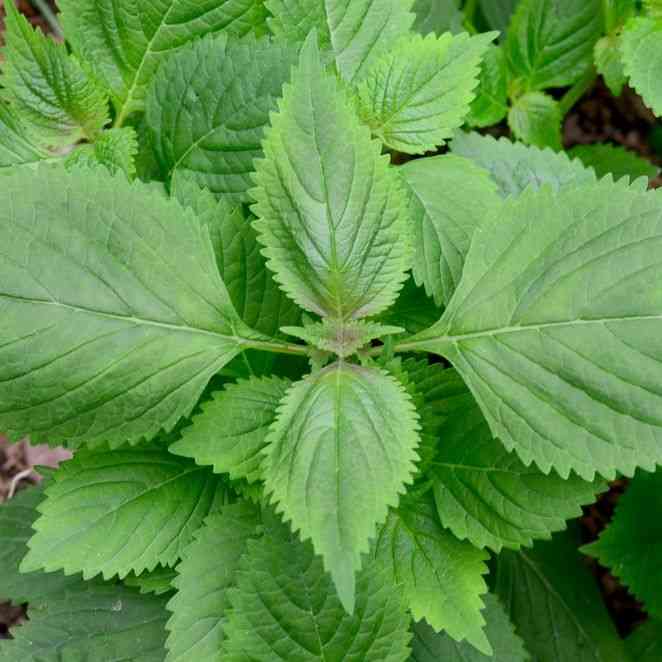
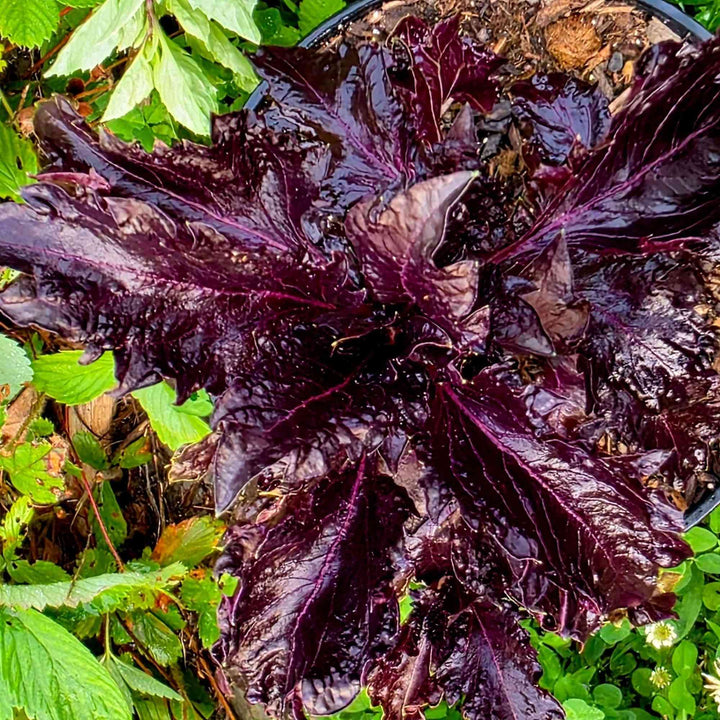
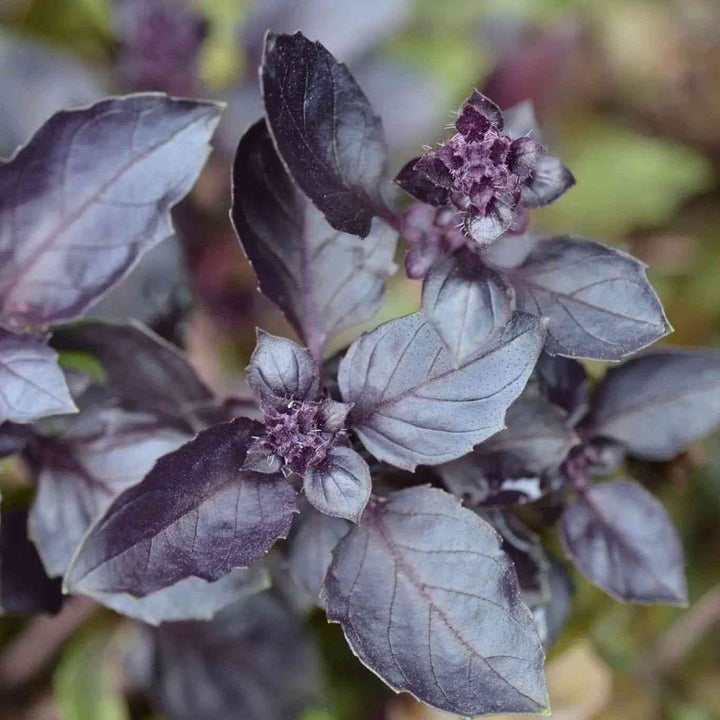
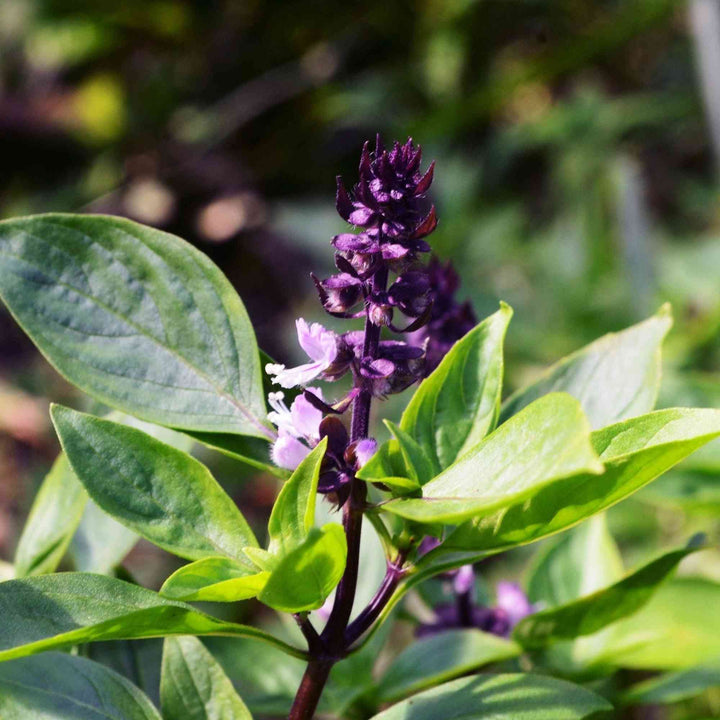
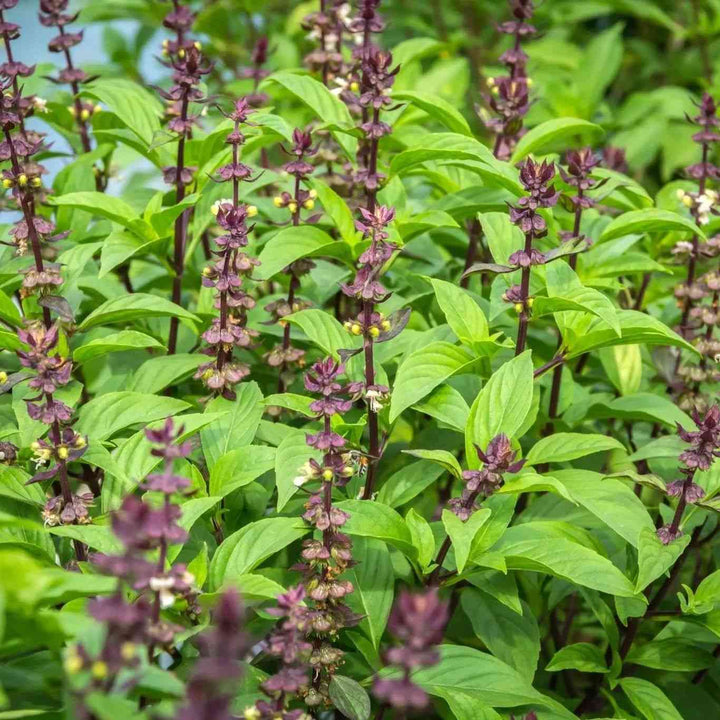
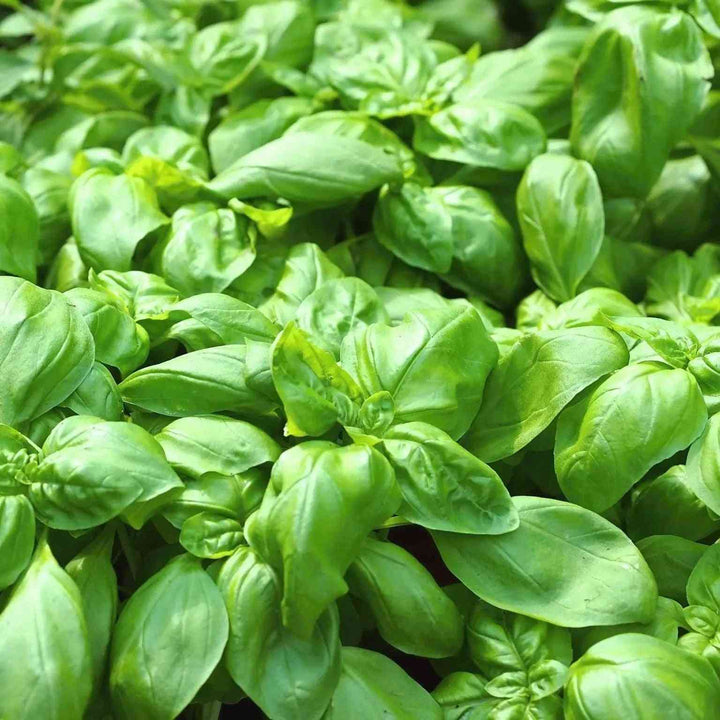
Richly colored and fragrant, Murasakino Red Shiso infuses gardens and dishes with deep crimson elegance and a distinctive, refreshing flavor rooted in centuries of East Asian tradition.
Seeds: When properly stored, planted, and cared for, we guarantee reasonable germination and true-to-type growth for one year from purchase.
Non-seed products: Free from defects in materials and workmanship for 30 days from shipment.
Excludes factors outside our control (extreme weather, pests, gardener error). If something’s off, contact us—we’ll make it right with a replacement, repair, or refund.
USDA “bioengineered (BE)” foods are those with detectable genetic material that was modified using in vitro recombinant DNA (rDNA) techniques, in ways
not obtainable through conventional breeding or found in nature. The USDA’s National Bioengineered Food Disclosure Standard uses “bioengineered” as the nationwide labeling term.
Detectable modified genetic material in the final food
Created via in vitro rDNA techniques (e.g., gene transfer)
Modifications not achievable through conventional breeding or nature
—seeds / pkt
( ~ g )
Description
The aromatic Japanese herb of color and complexity. ‘Murasakino’ shiso produces broad, crinkled leaves of deep burgundy-purple with a vivid sheen and a fragrance unlike any other—an intriguing blend of basil, mint, cinnamon, and clove. The flavor is bold yet balanced, adding depth to pickles, sushi, salads, and teas.
Plants grow 18–24 inches tall, branching freely with lush foliage and delicate pink flower spikes that attract bees. Thrives in full sun and warm weather, growing equally well in garden beds or containers.
A traditional variety long cherished in Japanese cuisine, ‘Murasakino’ brings beauty, aroma, and refinement to every garden—a herb of both flavor and artistry.
Planting Instructions — Shiso (Perilla frutescens var. crispa & crispum)
Location Selection
Choose a warm, sunny spot sheltered from strong winds. Shiso grows best in full sun, though it can tolerate partial shade in hotter climates. It performs well in raised beds or containers, especially where drainage is excellent.
Soil Preparation
Prepare loose, well-drained soil enriched with compost or aged manure. Shiso prefers loamy or sandy loam soils with a pH of 6.0–6.5. Avoid compacted or heavy clay areas, which retain too much moisture and slow early growth.
Sowing Seeds
Direct Sowing:
Sow outdoors after all danger of frost has passed and soil temperatures reach 65°F (18°C) or warmer. Scatter seeds lightly on the soil surface and barely cover with fine soil or vermiculite, as light assists germination. Keep the soil evenly moist until seedlings appear.
Indoor Starting:
Start seeds indoors 6–8 weeks before the last frost date. Press seeds gently into the surface of moist seed-starting mix without burying them deeply. Maintain temperatures between 70–85°F (21–29°C) and ensure bright, indirect light.
Germination:
Seeds typically germinate in 7–14 Days. Once sprouted, provide strong light and good air circulation to prevent damping off.
Transplanting
Harden off seedlings for 5–7 days before transplanting outdoors. Set plants 12 inches apart in rows spaced 18–24 inches apart. Water immediately after planting to help roots establish.
Care Instructions
Watering:
Shiso requires moderate moisture. Keep the soil consistently damp but not soggy. Water deeply during dry spells to maintain lush foliage, but allow the top inch of soil to dry slightly between waterings.
Fertilizing:
Light feeding with balanced organic fertilizer or compost tea every 3–4 weeks promotes healthy growth. Avoid high-nitrogen fertilizers, which can produce excessive foliage with weaker flavor.
Mulching:
Apply a light mulch of straw or leaf mold to retain soil moisture and reduce weeds. Keep mulch off the plant’s crown to prevent rot.
Pruning & Pinching:
Regularly pinch growing tips when plants reach 6–8 inches tall to encourage branching and fuller growth. Remove flower spikes as they appear to extend leaf production unless saving seed.
Pests and Diseases
Shiso is relatively pest-resistant but can occasionally attract aphids or leaf miners. Treat infestations with neem oil or insecticidal soap. Avoid waterlogged soil to prevent root rot or fungal leaf spots.
Special Considerations
Deer & Rabbit Resistance:
Shiso’s strong aroma naturally deters most grazing animals, making it suitable for open gardens.
Pollinator Friendly:
Once it flowers, Shiso attracts bees and beneficial insects, adding biodiversity and beauty to late-summer gardens.
Container Growing:
Excellent for patio or balcony gardens—use pots at least 10–12 inches deep with good drainage and fertile soil.
How to Grow — Murasakino (Red Shiso, Perilla frutescens var. crispa)
Sowing Indoors
Start Red Shiso indoors 6–8 weeks before the last frost date. Seeds require light for germination—press them gently into the soil surface without covering. Maintain a steady 70–75°F (21–24°C) and consistent moisture until seedlings appear in 7–14 Days. A humidity dome or misting helps retain even moisture.
For best results, pre-chill seeds for 5–7 days in the refrigerator before sowing to simulate natural stratification and improve germination.
Tip: Use a sterile, well-draining seed-starting mix and avoid heavy watering—saturated soil can hinder emergence.
Transplanting Outdoors
Transplant when seedlings are 3–4 inches tall and nighttime temperatures remain above 55°F (13°C). Choose a site with well-drained, loamy or sandy loam soil enriched with organic matter.
Space plants 12 inches apart in rows about 18 inches apart to allow airflow and prevent leaf spotting in humid conditions. Water gently after transplanting to settle roots.
Tip: Provide light afternoon shade in hot southern regions to preserve vibrant leaf color and prevent leaf curl.
Direct Sowing
In warmer climates, sow directly outdoors after the last frost when soil temperatures reach 65°F (18°C). Press seeds onto the soil surface, mist lightly, and keep evenly moist until germination. Thin seedlings to 10–12 inches apart once they develop true leaves.
Tip: Direct-sown Red Shiso often displays deeper pigmentation due to greater root establishment in native soil.
Watering & Feeding
Maintain steady soil moisture—Red Shiso prefers consistent hydration but dislikes waterlogged conditions. Mulch lightly to retain soil moisture and reduce temperature fluctuations around roots.
Fertilize once midseason with compost tea or a mild organic fertilizer (e.g., 3-3-3) to sustain leaf production. Avoid high nitrogen, which softens stems and dulls color.
Tip: Even moisture and modest feeding promote the richest color and strongest aroma in mature leaves.
Pruning & Maintenance
Pinch off growing tips once plants reach 8 inches tall to encourage branching and denser foliage. Continue pinching every 2–3 weeks to prolong the vegetative phase and prevent premature flowering.
Remove flower spikes immediately when they appear to maintain leaf flavor and deep red hue. Harvest leaves frequently throughout the growing season to stimulate fresh growth.
Tip: Frequent pinching not only boosts leaf yield but intensifies the plant’s aromatic oils and pigment saturation.
Container Growing
Red Shiso grows beautifully in containers 12–14 inches deep, filled with a rich, well-drained organic mix. Ensure ample drainage holes and place containers where they receive full morning sun with light afternoon shade.
Tip: Container-grown Red Shiso may dry quickly in heat—check soil daily and water when the top inch feels dry.
Season Extension & Companion Planting
Successive sowings every 3–4 weeks ensure a continual harvest of tender leaves through late summer. Red Shiso complements garden companions like basil, chili peppers, and eggplant, and benefits from interplanting with dill or calendula to attract beneficial insects.
Avoid planting near fennel, which can stunt growth through allelopathic root chemicals.
Tip: Late-season flowering provides nectar for pollinators—leave a few plants to bloom for ecological benefit and self-seeding.
Additional Tips — Murasakino (Red Shiso, Perilla frutescens var. crispa)
Harvesting
For Fresh Culinary Use:
Harvest Red Shiso once plants reach about 10–12 inches tall, just before flowering. Snip or pinch stems above a leaf node to promote branching and continual leaf growth. Early morning harvest preserves the leaf’s bold color and highest aromatic intensity.
For Drying or Pickling:
Select deep red, unblemished leaves. Rinse carefully and air-dry on mesh screens in a shaded, airy location for 3–5 days, or use a dehydrator set between 95–105°F (35–40°C). For pickling, blanch leaves briefly, then salt or vinegar-cure for vivid magenta brine and authentic umeboshi flavoring.
Tip: The more frequently you harvest, the deeper the color and stronger the aroma—Red Shiso responds vigorously to consistent trimming.
Aesthetic & Functional Uses
Culinary:
Red Shiso adds brilliant color and a complex flavor blending mint, basil, and anise. Traditionally used to tint and flavor umeboshi plums, it also enhances salads, pickles, sushi, and summer drinks.
Aromatic & Herbal Use:
Steep dried Red Shiso leaves in vinegar to create ruby-colored infusions, or brew them as a cooling herbal tea. The scent enriches kitchen gardens and fresh bouquets alike.
Garden Design:
The rich burgundy foliage makes Red Shiso as ornamental as it is edible. It contrasts beautifully with green herbs, calendula, and white cosmos.
Tip: Plant Red Shiso where morning light highlights its red sheen—its foliage glows like stained glass in early sun.
Handling & Storage
Fresh Leaves:
Keep freshly cut leaves in a damp towel-lined container or sealed bag in the refrigerator for up to a week. Handle gently to avoid bruising, which darkens the color.
Dried Leaves:
Store in glass jars or paper bags away from heat and sunlight to preserve pigment and fragrance. Avoid airtight plastic containers, which trap humidity.
Tip: To retain color intensity, dry leaves in low light—direct sun fades the deep red hue.
Growth & Maintenance
Sunlight: Prefers full sun to partial shade; morning sun with light afternoon shade preserves leaf tenderness.
Watering: Keep soil evenly moist but never waterlogged; consistent moisture deepens leaf color.
Soil: Loose, well-drained loam or sandy loam with pH 5.5–7.0. Enrich lightly with compost.
Pruning: Pinch or cut stems weekly to maintain bushy form and delay flowering.
Feeding: Apply compost tea or a mild organic fertilizer once midseason for vigor.
Tip: Overly rich soil and excess nitrogen fade leaf color and dull flavor—keep soil balanced and lean.
Seed Saving
Allow flower spikes to form late in the season. When seeds turn dark brown and dry, cut the stalks and hang upside down in paper bags for 7–10 days. Rub gently to release seeds.
To preserve pure Red Shiso color and aroma, isolate by at least 800 feet from Green Shiso and other Perilla varieties.
Tip: Save seed from plants with the deepest red hue and most aromatic leaves—traits carry forward strongly in the next generation.
Ecological & Soil Benefits
Pollinator Support: Tiny purple blossoms attract bees and hoverflies late in summer.
Soil Improvement: Adds organic matter and fine root texture when tilled under.
Low Input Crop: Minimal fertilizer requirements and natural pest resistance.
Habitat Value: Offers nectar to pollinators when few other herbs remain in bloom.
Tip: Leave a few late plants to flower—beneficial insects will visit through autumn, strengthening the garden’s balance.
Presentation & Display Tips
Market Display: Showcase bunches upright in shallow trays to emphasize the rich red color. Mist lightly and shade from direct light to prevent fading.
Culinary Presentation: Pair with traditional Japanese or Korean herb mixes and fermented product displays for cultural appeal.
Educational Labeling: Emphasize “Heirloom Japanese Variety — Used for Umeboshi and Herbal Teas” to attract culinary enthusiasts.
Tip: Red Shiso’s striking color makes it a natural highlight in herb displays—market as both edible and ornamental for dual appeal.
Common Pests & Problems — Murasakino (Red Shiso, Perilla frutescens var. crispa)
Insects & Mites
Aphids (clusters on stems or undersides of leaves, sticky residue)
Controls: Red Shiso’s rich pigment and tender new leaves can attract aphids in humid weather. Rinse with a firm stream of water or apply neem oil or insecticidal soap every 5–7 days. Encourage natural predators like lady beetles and lacewings. Avoid high-nitrogen feeding, which causes soft, aphid-prone growth.
Flea Beetles (tiny round holes scattered across leaves)
Controls: A common pest in early summer, flea beetles can quickly mar the surface of red leaves. Protect seedlings with floating row covers and apply diatomaceous earth or neem. Keep surrounding soil moist—dry dust favors beetles.
Leaf Miners (thin, winding trails within the leaf tissue)
Controls: Remove affected leaves promptly to prevent spread. Apply neem oil weekly as a deterrent. Maintaining strong, vigorous growth through balanced moisture and spacing helps the plant outgrow minor infestations.
Spider Mites (bronzed leaf surfaces, fine webbing)
Controls: Spider mites appear in hot, dry, still conditions and can dull the red pigment. Mist plants or rinse leaves regularly to increase humidity. Use horticultural oil or neem if needed. Provide partial shade during intense heat.
Slugs & Snails (irregular holes, silvery slime trails)
Controls: These pests favor the shaded, moist microclimates Red Shiso enjoys. Reduce mulch thickness, water early in the morning, and use iron phosphate bait or beer traps to control them.
Diseases
Damping Off (seedlings rot at soil surface, collapse suddenly)
Controls: Prevent with sterile seed-starting mix and good drainage. Avoid overwatering and provide airflow around trays. Water gently from below to keep stems dry.
Powdery Mildew (whitish coating on leaves)
Controls: Red Shiso’s dense foliage can trap humidity. Space plants properly, water at the base, and apply sulfur or neem oil at first signs. Remove lower leaves to improve airflow.
Leaf Spot & Downy Mildew (yellow mottling or purplish blotches)
Controls: Warm, humid conditions promote leaf diseases that obscure the vibrant leaf color. Avoid overhead watering, improve spacing, and remove infected leaves promptly. Neem or copper-based sprays can help prevent reinfection.
Root Rot (wilting, dark roots, foul odor)
Controls: Caused by excessive watering or poor drainage. Grow in well-drained loam or sandy loam, water only when the surface begins to dry, and elevate containers if needed to prevent waterlogging.
Physiological & Environmental Issues
Color Fading or Green Reversion
Cause: Insufficient sunlight or high soil nitrogen.
Remedy: Grow in full sun to preserve deep red color. Avoid overfertilizing; use compost or mild organic feed instead of chemical fertilizers.
Leaf Curl or Scorch
Cause: Sudden heat, intense sunlight, or dry wind.
Remedy: Provide light afternoon shade and keep soil evenly moist. Mulch lightly to conserve moisture.
Yellowing Leaves
Cause: Poor drainage, overwatering, or nutrient deficiency.
Remedy: Allow soil to dry between waterings and top-dress with compost midseason to restore nutrient balance.
Premature Flowering (Bolting)
Cause: Stress from heat or drought; day-length sensitivity.
Remedy: Harvest frequently to promote vegetative growth and maintain soil moisture evenly. Pinch off flower buds early to extend leaf production.
Monitoring & Prevention — Quick Checklist
Inspect plants twice weekly for aphids, flea beetles, or mite activity.
Maintain steady soil moisture but avoid standing water.
Space plants 10–12 inches apart to enhance airflow and reduce humidity buildup.
Remove yellowing or damaged leaves to prevent fungal spread.
Encourage natural pest control by interplanting with basil, dill, or coriander.
Apply compost lightly each season for steady nutrition without stimulating excessive soft growth.
In regions with heavy summer rain, provide slight elevation or raised beds for drainage.
Q: What is Murasakino Shiso?
Murasakino (Red Shiso) is a striking, aromatic annual herb in the mint family (Lamiaceae), known for its deep purple-crimson leaves and rich fragrance. A traditional Japanese variety of Perilla frutescens var. crispa, it is cultivated for culinary, ornamental, and cultural purposes across East Asia.
Q: How long does Murasakino Shiso take to germinate?
Seeds sprout in 7–14 Days at 70–75°F (21–24°C). Light aids germination, so press seeds gently into the soil surface without covering deeply. Maintain steady moisture until sprouts appear.
Q: What kind of soil does Murasakino Shiso prefer?
Red Shiso thrives in well-drained loam or sandy loam with moderate fertility and consistent moisture. Ideal soil pH: 6.0–7.0. Avoid heavy clay or overly rich soil, which can reduce aroma and leaf color intensity.
Q: How much sunlight does Murasakino Shiso need?
Provide full sun to partial shade. While it appreciates bright light for color development, some afternoon shade helps prevent leaf scorch in hot regions.
Q: Is Murasakino Shiso an annual or perennial?
It is an annual, completing its life cycle in one season. In frost-free areas, it may reseed naturally and reappear the following spring.
Q: How tall does Murasakino Shiso grow?
Plants reach 18–30 inches tall and 12–18 inches wide, forming bushy clumps with serrated, ruffled leaves and delicate white-to-lavender flower spikes in late summer.
Q: How often should I water Murasakino Shiso?
Keep soil evenly moist but not waterlogged. Water when the top inch begins to dry. Red Shiso prefers consistent hydration for lush, flavorful foliage.
Q: Can I grow Murasakino Shiso in containers?
Yes. It grows beautifully in containers 10–12 inches deep with free-draining potting soil. Regular watering and light feeding support healthy growth and vivid color.
Q: When does Murasakino Shiso bloom?
Blooms appear in late summer, signaling the end of the main harvest period. The small flowers attract pollinators and can lead to self-seeding if left to mature.
Q: Does Murasakino Shiso attract pollinators or beneficial insects?
Yes. Bees, hoverflies, and native pollinators are drawn to its late-season blooms, making it a helpful companion in pollinator-friendly gardens.
Q: How can I propagate Murasakino Shiso?
Grow from seed each spring or allow mature plants to self-sow. For consistent color and leaf form, collect and save seeds from the deepest-hued, most vigorous plants.
Q: Are there any pests or diseases to watch for?
Shiso is relatively trouble-free but may experience aphids, flea beetles, or leaf miners. Maintain good air circulation and use neem or insecticidal soap if infestations appear.
Q: Is Murasakino Shiso deer or rabbit resistant?
Yes. Its aromatic oils and strong taste deter deer and rabbits from browsing.
Q: Can I use Murasakino Shiso for cooking or decoration?
Absolutely. The leaves lend a beautiful magenta hue and subtle spiced flavor to pickles, rice, and garnishes. They are also prized for coloring umeboshi and beni shoga.
Q: How long does Murasakino Shiso live?
As a warm-season annual, it completes its life cycle in one growing season, though it often reseeds naturally when mature seed heads are left to dry on the plant.
Murasakino Shiso, the vivid red-leafed counterpart to Green Shiso, descends from ancient East Asian Perilla species cultivated for over two millennia. Indigenous to regions of modern-day China and the Korean Peninsula, it spread early to Japan, where it became a cornerstone of both agrarian and culinary life. The name Murasakino (紫の) translates as “of purple hue,” referring to its striking crimson foliage, long valued for both aesthetic and practical purposes. The Latin crispa describes its ruffled, textured leaves—features that made it distinct among the Perilla lineage.
Cultural Significance and Lore
In Japanese culture, Red Shiso carries deep seasonal symbolism. It embodies the essence of summer preservation and transformation—its leaves are used to color umeboshi (pickled plums) and beni shoga (red ginger), lending both flavor and the characteristic rose-red tint that defines traditional Japanese condiments. Its vivid hue also symbolized vitality, protection, and renewal in Heian and Edo-era households.
The plant’s crimson pigment, rich in anthocyanins, was historically linked to life-force and endurance. Farmers once saw the color as a sign of resilience, believing Red Shiso strengthened both land and spirit. During midsummer festivals, bunches of Shiso were hung to ward off misfortune and celebrate the turning of the growing season.
Historic Uses and Associations
Red Shiso’s cultural journey intertwines with the evolution of Japanese cuisine and aesthetics. Early records from the Nara period (8th century) describe its cultivation in temple and palace gardens. By the Edo era, it was both an ornamental and a staple household herb. Its leaves were prized not only for their flavor but for their ability to preserve food naturally—a perfect union of beauty and practicality.
Beyond Japan, Red Shiso held similar reverence in Korea and China, where it was used in seasonal dishes and ceremonial teas. Its fragrance was thought to purify and its deep color to drive away negativity. In this way, it bridged culinary craft and spiritual practice.
Modern Symbolism
Today, Murasakino Shiso continues to signify transformation, artistry, and cultural continuity. Its bold color and aromatic complexity connect modern gardens and kitchens to centuries of East Asian heritage. Whether used to dye pickles, flavor dishes, or adorn gardens, Red Shiso stands as a living emblem of renewal—the balance between tradition, craft, and the natural rhythm of the seasons.
Seed Saving — Shiso (Perilla frutescens var. crispa & crispum)
1. Selecting Plants for Seed Saving
Choose vigorous, true-to-type plants with strong aroma, upright growth, and richly colored leaves. For Green Shiso, favor bright green foliage with serrated edges and a balanced flavor. For Red Shiso (Murasakino), select deep crimson plants with uniform pigmentation and strong branching. Avoid saving seed from plants that bolt prematurely, display weak stems, or have inconsistent color or scent.
Tip: Save seed from at least 10–15 healthy plants to maintain genetic diversity and resilience in future generations.
2. Flowering and Maturation
Shiso flowers in late summer, producing delicate pink to lavender blooms on terminal spikes. Each flower forms a small seed enclosed in a dry calyx. Seed maturity occurs when spikes turn brown and dry, and the seeds rattle when shaken.
Timing: Generally, seeds are ready 100–120 days after sowing, or 4–6 weeks after flowering begins.
Tip: Harvest on a dry morning before seeds start shattering, as mature pods open easily.
3. Pollination and Isolation
Shiso is mostly self-pollinating, but occasional cross-pollination can occur between nearby plants, especially between green and red varieties.
To maintain purity:
Isolate by at least 100–150 feet between varieties.
Alternatively, bag flower spikes just before they open to prevent mixing.
Tip: If you wish to keep both colors pure, hand-pollinate a few chosen flowers and bag them immediately after pollination.
4. Harvesting Seeds
Cut mature seed spikes once they turn brown and crisp. Bundle them and hang upside down in paper bags for 7–10 days in a dry, airy place. When fully cured, gently rub or shake the spikes to release seeds.
Tip: Handle dry spikes carefully—fully mature seed heads can shatter with minimal pressure.
5. Cleaning Seeds (Natural & Organic Methods)
After threshing, separate seeds from husks and chaff using:
Winnowing: Pour seed mixture slowly in front of a light fan.
Sieving: Use a fine mesh screen to retain the small, dark seeds.
Tip: Shiso seeds are tiny and oily—use low airflow when winnowing to avoid losses.
6. Drying Seeds
Spread cleaned seeds on paper or mesh screens in a shaded, ventilated space. Dry at temperatures below 95°F (35°C) until seeds are brittle and snap when pressed.
In humid regions, use a small fan or dehydrator set to 85°F (29°C) to finish drying.
7. Storing Seeds
Store fully dried seeds in airtight glass jars or tins with silica gel or rice as a desiccant.
Keep them cool, dark, and dry—ideal storage temperature: 35–45°F (1–7°C).
Properly stored, Shiso seed remains viable for 2–3 years.
Tip: Label containers clearly with variety, color, harvest year, and location.
8. Testing Seed Viability
Before sowing, test a small batch for germination:
Place 10 seeds on a moist paper towel in a plastic bag.
Keep at 75°F (24°C) in bright, indirect light.
Check after 10–14 Days.
Results:
8–10 sprouted = Excellent
6–7 = Fair
Below 6 = Replace stock
Tip: Soak seeds in warm water for 24 hours before testing to soften the seed coat and improve accuracy.
9. Preventing Cross-Pollination
Grow only one Shiso color per seed-saving plot, or isolate varieties by distance or bagging. Hybrids between red and green types may produce dull or mottled foliage.
Tip: If growing both together for culinary use, save seed only from one type each year to preserve color purity.
10. Record Keeping and Documentation
Keep records of:
Variety and color
Plant vigor and flavor intensity
Flowering and harvest dates
Isolation method
Germination test results
Such notes help refine your strain over time, ensuring consistent aroma, color, and leaf texture suited to your local climate.
11. Organic Tips for Success
Compost post-harvest plant material to return nutrients.
Rotate planting sites every 3–4 years to prevent soil fatigue.
Encourage pollinators and beneficial insects with interplanted herbs like basil, dill, and coriander.
Avoid synthetic treatments—Shiso adapts best under natural ecological balance.
Tip for Growers:
Saving Shiso seed preserves a living culinary legacy—each season’s harvest grows more attuned to your soil, your care, and your region’s rhythm, carrying the scent and spirit of East Asian tradition into every garden generation.
Uses and Benefits — Shiso (Perilla frutescens var. crispa & crispum)
Culinary Uses
Leaves:
Shiso leaves are prized in East Asian cuisine for their distinctive aroma and complex flavor—a blend of basil, mint, and anise with subtle cinnamon undertones. Green Shiso is often used fresh as a wrap for sushi, garnish for sashimi, or shredded into salads, noodles, and tempura dishes. Red Shiso (Murasakino) is favored for pickling and imparting a deep magenta hue to foods like umeboshi plums and vinegars.
Seeds & Seed Pods:
Once dried, the tiny seeds can be used as a spice, lending a nutty, earthy tone to rice dishes or seasoning blends. Toasted pods offer a subtle crunch and fragrance when ground or mixed into furikake.
Teas & Beverages:
Red Shiso is frequently steeped to create a vibrant herbal tea or cooling summer drink known as shiso juice, often sweetened and served chilled. Its natural pigment also colors syrups and cocktails.
Culinary Pairings:
Pairs beautifully with rice, cucumber, ginger, fish, tofu, and plum. Its herbal freshness complements citrus, sesame, and soy-based dressings.
Preservation:
Drying: Air-dry leaves until crisp for storage as a seasoning or tea base.
Pickling: Layer leaves with salt or vinegar for traditional preserves.
Freezing: Whole leaves can be frozen flat between parchment for later use.
Tip: Always harvest leaves in the cool of morning for maximum flavor and aroma retention.
Nutritional and Botanical Qualities
Shiso leaves are naturally rich in vitamin A, calcium, iron, and omega-3 fatty acids, especially alpha-linolenic acid. The plant’s aromatic oils contribute to its clean, refreshing flavor and make it a valuable addition to diverse diets emphasizing fresh herbs and seasonal produce.
Its resinous, uplifting scent has long been associated with vitality and seasonal renewal—representing a sensory link between the garden and the table.
Cultural and Historical Uses
Heritage and Symbolism:
Shiso holds a cherished place in East Asian culinary and cultural heritage. In Japan, it is a classic summer herb symbolizing freshness, purity, and balance. In Korea, known as kkaennip, it is used for wrapping rice and grilled meats, while in China, it has been cultivated for centuries as part of the traditional kitchen garden.
Shiso’s introduction to the West followed early trade routes, where it became valued by gardeners and chefs alike for its striking foliage and fragrant versatility.
Folklore and Cultural Significance:
In Japanese tradition, Shiso was thought to purify food and protect from spoilage during humid months—a natural safeguard reflecting both practicality and symbolic reverence for balance and health.
Cultural and Practical Benefits
Pollinator Attraction:
Its late-summer blooms draw bees and beneficial insects, adding both beauty and ecological value to herb gardens.
Container-Friendly:
Compact and decorative, Shiso grows beautifully in pots or raised beds, making it ideal for urban and small-space gardening.
Diverse Culinary Roles:
Both ornamental and functional, Shiso bridges decorative gardening with everyday cooking, blurring the line between beauty and utility.
Everyday and Decorative Uses
Herbal Blends & Aromatics:
Dried leaves can be used in teas, bath blends, or sachets for their crisp, invigorating scent.
Edible Landscaping:
Its deeply serrated leaves and seasonal color shifts make it a striking addition to garden borders and mixed herb plantings.
Companion Planting:
Shiso’s aromatic oils help deter aphids and other soft-bodied pests, making it a useful companion for tomatoes, peppers, and basil.
Tip: Allow one or two plants to flower at the end of the season—both for pollinators and for self-seeding the next year’s crop.
Environmental and Garden Benefits
Adaptability: Shiso tolerates diverse soils and light conditions, thriving in warm, well-drained beds or containers.
Pollinator Value: Its flowers provide a late nectar source for bees when many herbs have finished blooming.
Soil Health: As part of crop rotation, Shiso adds biomass and helps improve topsoil structure through fine-root decomposition.
Tip: Mulch lightly to retain moisture and suppress weeds, keeping stems dry to prevent fungal issues in humid climates.
Culinary & Cultural Legacy
Shiso represents a living thread of East Asian culinary artistry—its fragrance bridging the sensory worlds of food, garden, and tradition. Both Green and Red Shiso embody a timeless philosophy of balance: between sharp and soft, fresh and fermented, earth and air.
Summary Tip:
To grow and enjoy Shiso is to participate in a centuries-old culinary heritage—one that celebrates beauty, flavor, and harmony between nature and nourishment.
Shipped from U.S.A.
Our seeds are grown and sourced from the US. They're then packed and shipped from Colerain NC.
Triple tested
We regularly test the quality and germination rate of our seeds. We're so confident that our seeds are backed by a 1 year warranty!
Soil Readiness
for Shiso / Perilla (Perilla frutescens)
Where to get a soil test
Best option: your state’s Cooperative Extension soil testing lab.
Tip: Arid/alkaline regions (e.g., AZ, NM, UT, parts of CA) often use Olsen (bicarbonate) for phosphorus.
Interprets P by extractant; assumes ppm. Results are approximate.
Enter at least one value above, then Calculate.
Summary
Recommended Amendments (per 100 sq ft)
How to Use
Mix P & K sources into top 3–6″ a week or two before sowing/transplanting.
If pH is low, apply lime 3–4 weeks pre-plant (or fall/winter).
Shiso is a moderate feeder—side-dress if growth slows: ~0.10 lb N / 100 sq ft.
Add 1–2″ finished compost yearly to build organic matter.
Container mix? Use a peat/coco-based mix with compost and a gentle organic fertilizer; pH is usually already correct.
Payment & Security
Payment methods
Your payment information is processed securely. We do not store credit card details nor have access to your credit card information.
Join Our Newsletter for Exclusive Savings!
Sign up for our newsletter to get a 30% discount code sent straight to your inbox. If it doesn’t appear right away, please check your inbox settings, and if you still need help, we’re here to assist!
Alliance Of Native Seedkeepers
Shiso Seeds - Murasakino
$200 USD
Unit price /
Unavailable
Description
The aromatic Japanese herb of color and complexity. ‘Murasakino’ shiso produces broad, crinkled leaves of deep burgundy-purple with a vivid sheen and a fragrance unlike any other—an intriguing blend of basil, mint, cinnamon, and clove. The flavor is bold yet balanced, adding depth to pickles, sushi, salads, and teas.
Plants grow 18–24 inches tall, branching freely with lush foliage and delicate pink flower spikes that attract bees. Thrives in full sun and warm weather, growing equally well in garden beds or containers.
A traditional variety long cherished in Japanese cuisine, ‘Murasakino’ brings beauty, aroma, and refinement to every garden—a herb of both flavor and artistry.