Welcome to our store. Learn more

Free U.S. seed shipping $25+. Seeds ship free at the threshold.

Current Processing Times Before Shipping Are 1-2 Business Days

25% OFF Heirloom seed packets are $1.50, regularly $2.00. Seed packets only · sale price already applied · carries into checkout · coupon codes do not combine. Shop the sale →

Sweet Genovese Basil

Scientific name Ocimum basilicum L.

About this variety

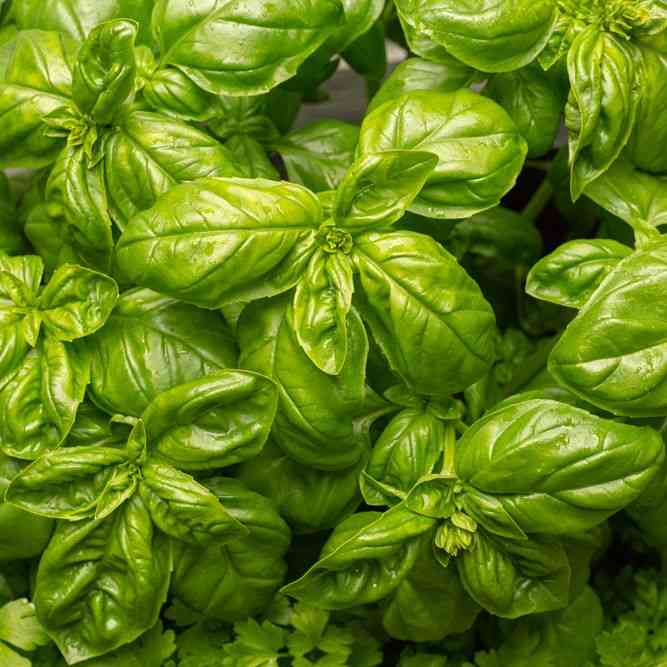
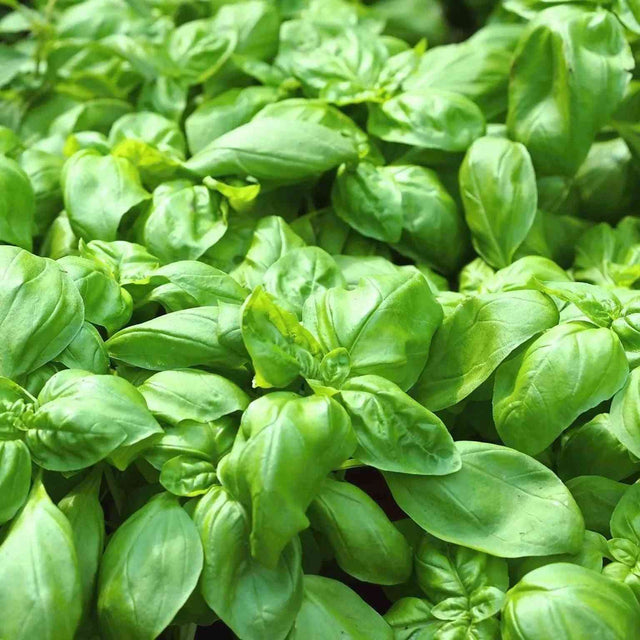
Sweet Genovese Basil is best suited to pesto, sauces, fresh slicing, and repeated leaf harvest. Its defining kitchen character is sweet, clove-like, classic culinary basil. These broad-leaf basil strains belong to the long culinary tradition of sweet basil.About Sweet Genovese BasilSweet Genovese Basil is an annual selection of basil, with an upright/erect habit and an expected height or...

Continue with the complete description
$150 USD $200
25% OFF
Heirloom seed packet sale

$1.50, regularly $2.00. The sale price is already applied and carries into checkout. No code is needed. Coupon codes do not combine with this offer.

At a glance

The facts most gardeners need first

View the full variety record
500 minimum seeds per packet
Gardener experience

Easy to moderate

Germination difficulty

Easy

Germination time

5-10 Days at 70–85 °F seed-zone soil temperature

  • Germination
    5-10 Daysa seed-zone soil temperature of 70–85 °F
  • Maturity
    Approximately 50-59 Days, from transplanting to the first substantial leaf harvest. Weather, soil temperature, and planting method can shift the actual harvest date.
  • Sun
    Full sun
  • Support and spacing
    No support needed · space 10 in · rows 18 in
  • Growth habit
    Upright or erect · Annual · 19–24 in tall
  • Best use
    Fresh leaves, tea or culinary use, pollinator flowers, containers, and seed saving
Secure checkout Details
Generic
Triple-tested seed qualityRegular quality and germination checks support every packet.

We regularly test seed quality and germination as lots move through storage and packing. We stand behind the seed we send and want customers to contact us when a packet does not perform as reasonably expected.

1-year seed warrantyCoverage begins on the date of purchase.

When properly stored, planted, and cared for, we guarantee reasonable germination and true-to-type growth for one year from the date of purchase. Conditions outside our control—including extreme weather, pests, unsuitable storage, and gardener error—are excluded. Contact us when something is not right so we can review the situation and work toward a replacement, refund, or another fair resolution.

Non-GMO / BE seed policyWe do not buy or sell genetically engineered or bioengineered seed.

Every seed variety we sell is non-GMO.

USDA’s National Bioengineered Food Disclosure Standard defines bioengineered foods as containing detectable genetic material modified through in vitro recombinant DNA methods in ways not achievable through conventional breeding or found in nature.

  • Hybrid means parent lines were conventionally crossed; hybrid does not mean GMO.
  • Heirloom and open-pollinated describe how a variety is maintained and reproduced.
  • Organic certification is separate and is shown only when verified for the individual product.
Packed in Colerain, North CarolinaPrepared in our seed room for gardens across the country.

Seeds are packed and shipped from Colerain, North Carolina. Our packets use forestry-certified paper, and we use recyclable paper mailers where appropriate. AONSK is also a 1% for the Planet partner while continuing to reduce waste in packing and fulfillment.

Garden tools

Need a plan for your space?

Use the garden-fit planner and soil calculator to turn the recorded growing facts into a practical plan.

Open garden tools Uses this product’s recorded growing information. Local weather and garden conditions may vary.

Variety field guide

What to expect from Sweet Genovese Basil

Sweet Genovese Basil is an annual basil selection grown for fresh leaves, tea or culinary use, pollinator flowers, containers, and seed saving.

Read the complete product descriptionTraits, flavor, garden use, variety notes, and the full catalog record

Sweet Genovese Basil is best suited to pesto, sauces, fresh slicing, and repeated leaf harvest. Its defining kitchen character is sweet, clove-like, classic culinary basil. These broad-leaf basil strains belong to the long culinary tradition of sweet basil.

About Sweet Genovese Basil

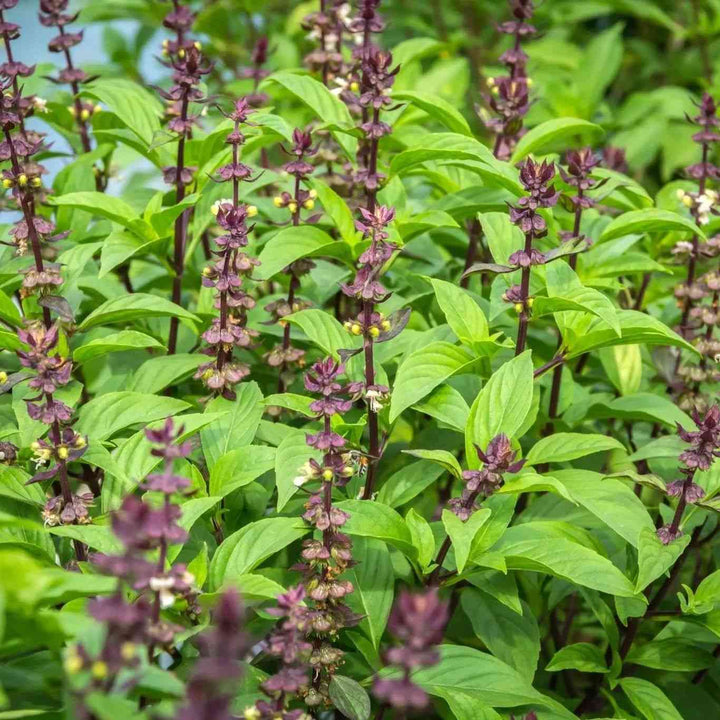
Sweet Genovese Basil is an annual selection of basil, with an upright/erect habit and an expected height or spread of 19–24 in. It is best suited to fresh leaves, tea or culinary use, pollinator flowers, containers, and seed saving. Notable traits include harvest leafy tips before heavy flowering; allow selected plants to flower fully for seed; aromatic leaves shaped by the named basil type.

Treat Sweet Genovese Basil as a named seed line with its own observations, not as a generic stand-in for the entire basil crop.

History and provenance

Cultivated basils include multiple Ocimum species and hybrids selected across Africa and Asia for fragrance, culinary use, devotional practice, leaf form, and ornamental color. Sweet basil, holy basil, clove basil, and lemon basil are not automatically interchangeable, even when all are sold under the common word basil. These broad-leaf basil strains belong to the long culinary tradition of sweet basil. Exact commercial strain histories vary, so the page emphasizes observable leaf form, aroma, and garden performance rather than invented pedigree.

Growing facts

Scientific name Ocimum basilicum L.
Life cycle Annual
Maturity 50-59 Days
Germination 5-10 Days at 70–85 °F
Seed depth 1/8 in
Plant height / spread 19–24 in
Growth habit Upright/Erect
Spacing 10 in between plants; 18 in between rows
Sunlight Full sun
Soil Loamy; pH 6.0–6.5
Water Moderate
Support No-Support

Starting Sweet Genovese Basil from seed

Sow 1/8 in deep and keep the seed zone evenly moist. Expect emergence in 5-10 Days when the seed-zone temperature is near 70–85 °F. Germination preparation: Use a fine, evenly moist seed-starting mix or prepared seedbed. Light requirement: Light aids germination; barely cover. Soaking: None required. Stratification: None required. Scarification: None required.

Planting and care

Plant during spring and provide full sun. Space plants 10 in apart with 18 in between rows. Use loamy with a pH near 6.0–6.5, and follow a moderate watering plan. Support requirement: No-Support. Frost response: Tender. Medium to large container or in-ground bed; avoid crowding

Harvest and use

Approximately 50-59 Days, from transplanting to the first substantial leaf harvest. Weather, soil temperature, and planting method can shift the actual harvest date. Harvest: Harvest leafy tips before heavy flowering; allow selected plants to flower fully for seed. Uses: Fresh leaves, tea or culinary use, pollinator flowers, containers, and seed saving. Flavor: aromatic leaves shaped by the named basil type. Seed saving: Open-pollinated herb or leafy crop. Best uses include fresh leaves, tea or culinary use, pollinator flowers, containers, and seed saving. Flavor and eating quality: aromatic leaves shaped by the named basil type.

Saving seed

Select several healthy, true-to-type Sweet Genovese Basil plants that match the expected upright/erect habit and overall plant form. Avoid saving seed only from the earliest or largest individual unless that is your deliberate selection goal. Pollination system: Open-pollinated herb or leafy crop. Compatible plants of the same species may cross to varying degrees through insects or wind. Separate compatible varieties that may flower together, or use cages, barriers, hand pollination, or another documented control appropriate to the crop. Allow selected plants to pass the eating stage and reach full botanical seed maturity. Harvest only when seed heads, pods, or fruits have matured enough for sound seed development. Clean the seed carefully, dry it thoroughly away from direct heat, label the lot with variety and year, and store it cool, dark, and dry. Test germination before an important planting or distribution season.

Common problems

Common concerns: Aphids, whiteflies, spider mites, slugs, damping-off, root rot, and leaf diseases under humid crowded conditions. Management: Provide airflow, drainage, moderate fertility, careful watering, and clean harvest practices. Contain spreading mints where needed. Diagnosis note: Similar symptoms can have different causes. Compare plants of the same age, record weather and irrigation, and use local Extension or diagnostic support before applying a control.

Frequently asked questions

Frequently Asked Questions - Sweet Genovese Basil

When is Sweet Genovese Basil ready? Use 50-59 Days. Approximately 50-59 Days, from transplanting to the first substantial leaf harvest. Weather, soil temperature, and planting method can shift the actual harvest date.

How long does germination take? Expect 5-10 Days at about 70–85 °F. Cooler, hotter, crusted, saturated, or dry seedbeds can slow emergence.

How large does it grow? Expect about 19–24 in with an upright/erect habit. Space plants 10 in apart and rows 18 in apart. Support: No-Support.

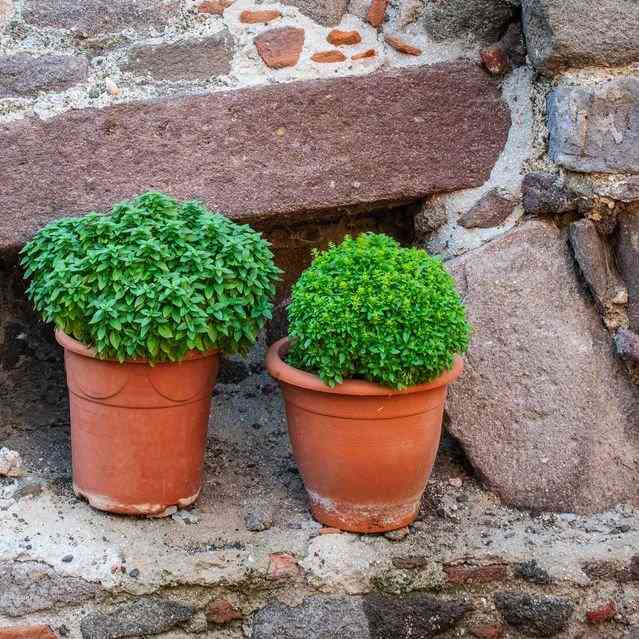
Can it grow in a container? Medium to large container or in-ground bed; avoid crowding Use a container with drainage and enough volume to maintain the listed spacing and steady moisture.

Can I save seed? Open-pollinated herb or leafy crop. Keep compatible varieties isolated and allow selected plants to reach full seed maturity.
Garden toolsOpen the garden-fit planner, planting-window questions, or soil calculator only when useful

Uses this product’s recorded growing information. Local weather, soil, and garden conditions may vary.

Garden-fit planning for this variety

Will Sweet Genovese Basil fit your garden?

Use your space, timing, light, soil, water, and growing preferences to make a more informed choice.

Questions for this garden seed
Seed-starting fit and patience
Recorded product profileBeginnerEasyRead why
Soil test, pH, drainage, and amendment calculator Have a laboratory soil report? Enter pH, nutrients, texture, bed size, and site observations here. Open soil tools
Recorded soil typeLoamy
Recorded pH range6.0–6.5
Water needsModerate
LightFull sun

Use a current laboratory soil test

Soil-test interpreter

Compare your report with this product's listed pH target: 6.0–6.5.

This tool interprets values you enter; it does not replace laboratory or Cooperative Extension amendment rates. Soil test methods and nutrient recommendations vary by region.

Full growing record

Complete growing and seedkeeping record

Starting and plantingSeed preparation, sowing, germination, transplanting, spacing, and early establishment

Sweet Genovese Basil is planted during Spring. Use Full sun, Loamy near pH 6.0–6.5, and a watering plan described as Moderate.

Before sowing

Choose a site that can support the mature plant, not only the seedling. Remove perennial weeds, loosen the root zone without pulverizing wet soil, and correct drainage before planting. In containers, use fresh mix and drainage holes rather than garden soil packed into a pot.

Sowing and seed placement

Sow about 1/8 in deep. Space seed so thinning can be done without pulling neighboring roots. Keep variety labels in place from sowing through harvest, especially when several related cultivars are being grown for comparison or seed saving.

Germination and early establishment

Expect germination in 5-10 Days when the seed zone is near 70–85 °F. Maintain even moisture through emergence, then begin watering more deeply. Provide strong light promptly so seedlings develop compact growth rather than weak stretched stems.

Direct sowing or transplanting

Prepare a weed-free seedbed for Sweet Genovese Basil and match sowing depth to seed size. Small seed needs shallow, even placement and close moisture management; larger seed tolerates deeper placement but still needs firm soil contact. Where special preparation is listed, complete it before sowing and label the treatment date. Do not assume every slow seed lot has failed before the full expected germination window has passed.

Spacing, rows, and support

Space plants about 10 in apart, with approximately 18 in between rows. The expected habit is Upright/Erect, with mature height or spread near 19–24 in. Support requirement: No support needed. Install support early when it will be needed later.

First two weeks after emergence or transplanting

Inspect daily for moisture loss, cutworms, slugs, chewing injury, wind damage, and transplant wilt. Keep mulch away from tiny stems until plants are established. Replace missing plants early enough that the stand remains reasonably uniform, and thin crowded seedlings before competition becomes permanent.

Season timing and succession

Use the listed maturity of 50-59 Days as a planning guide. Timing is measured 50-59 Days from transplanting to the first substantial leaf harvest. Stagger sowing only when the crop and season allow enough time for later plantings to mature.

Variety-specific notes from the maintained description

Sow 1/8 in deep and maintain a seed-zone temperature near 70–85 °F. Under suitable moisture, oxygen, and seed quality, emergence is expected in 5-10 Days. Use clean mix or a fine weed-free seedbed, keep moisture even rather than saturated, and remove humidity covers promptly after emergence where indoor starting is used. Cool-season crops can stall in warm soil, while warm-season herbs and greens can stall in cold soil. Thin or transplant to 10 in between plants and 18 in between rows. This spacing is repeated across the structured metafields and written copy.

Planting and Care - Sweet Genovese Basil Identity Sweet Genovese Basil is recorded here as Basil under the scientific identity Ocimum basilicum L. It is an annual with an upright/erect growth habit. The listed height or spread is 19–24 in. Sowing Start indoors or direct sow according to season length. Sow 1/8 in deep in a fine, evenly moist seedbed or clean seed-starting mix.

In-ground beds, raised beds, and containers

In-ground beds buffer temperature and moisture when soil structure is good. Raised beds warm and drain faster but can dry quickly. Containers need enough volume for the mature root system, unrestricted drainage, and a watering plan that accounts for wind and sun exposure.

Bed preparation and row layout

Lay out rows and paths before sowing so the crop can be weeded, supported, inspected, harvested, and carried to seed without trampling. Avoid forming a fine powder from wet soil; a crumbly surface over a firm root zone gives better seed contact and drainage.

Thinning, gap filling, and stand uniformity

Thin while seedlings are small and soil is moist. Cut extras at the soil line where pulling would disturb the keeper plant. Fill major gaps only while replacement plants can still mature with the rest of the stand.

Before the crop closes the row, keep weeds small and shallow-rooted. Avoid deep cultivation close to the plants. After establishment, use mulch or careful surface cultivation to moderate moisture and reduce soil splash where appropriate.

Season-long growing guideWater, fertility, support, weather response, pollination, containers, and care through maturity

Grow Sweet Genovese Basil in Full sun with Loamy near pH 6.0–6.5. Water requirement is listed as Moderate; adjust frequency for weather, soil texture, root depth, and container volume.

Establishment to active growth

Once seedlings or transplants are established, shift from frequent surface watering to deeper irrigation that moistens the active root zone. Keep weeds from competing during early growth, and thin or reposition crowded plants before leaves overlap heavily.

Water management

Check moisture below the surface rather than watering by the calendar alone. Sandy soil and containers dry quickly, while clay and cool spring soil hold water longer. Repeated swings between drought and saturation stress roots and can contribute to poor fruit set, split roots or fruit, tip burn, blossom-end rot symptoms, or premature bolting depending on the crop.

Soil and fertility

Use compost or fertilizer according to soil need rather than as a routine excess. Too much nitrogen can produce soft growth, delayed flowering, weak stems, or reduced root and fruit development. Side-dress only when plant color, growth, crop demand, and soil history indicate that more nutrition is needed.

Spacing, airflow, and support

Maintain about 10 in between plants and 18 in between rows. The expected habit is Upright/Erect; support is No support needed. Good spacing improves airflow, scouting, harvest access, and the ability to identify true-to-type plants for seed.

Flowering, pollination, and crop set

Protect flowers from severe moisture stress and avoid broad-spectrum insecticide use during bloom. Some crops are largely self-pollinating, others depend heavily on insects or wind, and mixtures contain more than one pollination system. Use the seed-saving section for the exact isolation implications.

Weather stress

The frost response is listed as Tender. Heat, cold nights, wind, prolonged rain, and drought can change the actual maturity date and quality. Use temporary shade, frost protection, wind support, mulch, or irrigation adjustments only when they solve a documented site problem.

Harvest rhythm and end-of-season care

Harvest at the stage described for the crop. Frequent picking can extend production in some vegetables and flowers, while seed crops must remain undisturbed long enough to reach biological maturity. At season end, remove diseased residue, label selected seed plants, and record which plants best represented the variety.

  • Maintain steady growth by matching irrigation to weather, soil texture, plant size, and container volume. Water deeply enough to moisten the active root zone, then allow suitable air to return before the next irrigation.
  • Use the listed spacing as a starting point. Crowding reduces airflow and makes harvest, scouting, and seed selection more difficult. Wider spacing may be useful in humid climates or for plants carried to seed maturity.

Variety-specific growing information

Expect an upright/erect plant reaching approximately 19–24 in. The support plan is No support needed. Provide full sun, moderate water management, and loamy soil near pH 6.0–6.5. Keep weeds controlled while plants are small, protect the seedbed from crusting, and avoid high nitrogen that produces weak lush growth at the expense of the intended root, head, bulb, leaf, flower, or seed harvest. The primary planting season is Spring, and the frost response is tender. Local frost dates, day length, humidity, soil temperature, and heat can shift harvest even when the cultivar is correctly labeled. Record both sowing and transplanting dates so the maturity basis remains understandable.

Planting and Care - Sweet Genovese Basil Identity Sweet Genovese Basil is recorded here as Basil under the scientific identity Ocimum basilicum L. It is an annual with an upright/erect growth habit. The listed height or spread is 19–24 in. Sowing Start indoors or direct sow according to season length. Sow 1/8 in deep in a fine, evenly moist seedbed or clean seed-starting mix. The listed germination range is 5-10 Days at 70–85 °F.

Weekly care rhythm

For Sweet Genovese Basil, use weekly observations rather than waiting for a severe problem. Note plant color, new growth, moisture, pest presence, flower or fruit set, and any change after weather events. Early correction of irrigation, spacing, or support is usually easier than rescuing a mature stressed plant.

Containers, raised beds, and restricted root zones

Plants in containers and shallow raised beds experience faster changes in moisture and temperature than plants in deep ground. Increase root volume where possible, use a stable support base, water according to actual moisture, and prevent dark containers from overheating in intense sun.

Succession, rotation, and neighboring crops

Plan later sowings only when the remaining season is long enough. Rotate related crops where disease has accumulated, and avoid placing taller or aggressively vining neighbors where they will shade, crowd, or tangle the variety before harvest.

Managing plants reserved for seed

Mark seed plants early and stop normal harvesting from those plants at the appropriate stage. Protect their labels, maintain their health through full reproductive maturity, and keep their harvest containers separate from food or ornamental harvests.

When growing several related varieties, label rows and individual seed plants clearly. Keep harvest containers separate and do not rely on fruit color alone when colors overlap between varieties or change with maturity.

Harvest, storage, and usesRecognizing maturity, harvesting cleanly, handling and storage, kitchen uses, and garden roles

Harvest and storage

The listed maturity or first-bloom timing for Sweet Genovese Basil is 50-59 Days. It is measured 50-59 Days from transplanting to the first substantial leaf harvest.

How to recognize the harvest stage

Fresh leaves, tea or culinary use, pollinator flowers, containers, and seed saving. Harvest leafy tips before heavy flowering; allow selected plants to flower fully for seed. Harvest during the cool part of the day when practical, use clean containers, and avoid mixing seed plants with eating-harvest plants once selection begins. Repeated-cut crops should retain enough growing points and leaf area to recover; storage roots, bulbs, heads, and perennial crowns need a different harvest standard. aromatic leaves shaped by the named basil type. Culinary and traditional context is included to help gardeners use the crop responsibly.

Harvest method

Harvest Sweet Genovese Basil at the crop-appropriate stage and separate eating, ornamental, storage, and seed-saving harvests. Use clean tools, handle gently, and move perishable material out of heat promptly.

Handling and short-term storage

Allow seed-saving material to reach full biological maturity before cleaning and storage.

Repeated harvest or one-time maturity

Some crops continue producing when picked regularly, while others mature as a concentrated harvest or are carried to a single seed crop. Follow the plant habit and use described for this variety. Do not remove all flowers or fruit from plants selected for seed.

Selecting material for storage or seed

Keep the best representative material separate at harvest. Reject pieces with rot, severe insect injury, off-type color or form, or uncertain labels. For saved seed, preserve enough plants to represent the variety rather than narrowing the population to one plant without a deliberate breeding goal.

Product-specific harvest notes

Harvest: Harvest leafy tips before heavy flowering; allow selected plants to flower fully for seed. Uses: Fresh leaves, tea or culinary use, pollinator flowers, containers, and seed saving. Flavor: aromatic leaves shaped by the named basil type. Seed saving: Open-pollinated herb or leafy crop. Eating harvest and seed maturity are separate stages.

Fresh leaves, tea or culinary use, pollinator flowers, containers, and seed saving. Harvest leafy tips before heavy flowering; allow selected plants to flower fully for seed. Harvest during the cool part of the day when practical, use clean containers, and avoid mixing seed plants with eating-harvest plants once selection begins. Repeated-cut crops should retain enough growing points and leaf area to recover; storage roots, bulbs, heads, and perennial crowns need a different harvest standard. aromatic leaves shaped by the named basil type. Culinary and traditional context is included to help gardeners use the crop responsibly.

Harvest quality and grading

Sort the harvest by maturity and condition. Use damaged but sound material promptly when appropriate, discard rot and severe insect damage, and keep the most representative healthy material separate for seed or future comparison.

Storage environment

Temperature, humidity, airflow, and maturity determine storage life. Do not seal warm or damp produce, roots, ears, pods, flowers, or seedheads in plastic. Cure crops that require curing and cool crops that require rapid cooling.

Recordkeeping for repeated harvests

Record the first and final harvest dates for Sweet Genovese Basil, the stage at which flavor or flower quality was best, and the plants or fruit reserved for seed. Those observations help distinguish weather effects from stable variety traits.

For preservation, freezing, drying, fermenting, canning, or long storage, use a current tested method appropriate to the crop. A seed packet description is not a food-preservation process.

Uses and garden roles

Fresh leaves, tea or culinary use, pollinator flowers, containers, and seed saving.

Flavor, color, form, or garden effect

Flavor or sensory character: aromatic leaves shaped by the named basil type. Documented form or size: Harvest leafy tips before heavy flowering; allow selected plants to flower fully for seed. Principal color: Green.

Kitchen and harvest-stage uses

Fresh leaves, tea or culinary use, pollinator flowers, containers, and seed saving. Harvest leafy tips before heavy flowering; allow selected plants to flower fully for seed. Harvest during the cool part of the day when practical, use clean containers, and avoid mixing seed plants with eating-harvest plants once selection begins. Repeated-cut crops should retain enough growing points and leaf area to recover; storage roots, bulbs, heads, and perennial crowns need a different harvest standard. aromatic leaves shaped by the named basil type. Culinary and traditional context is included to help gardeners use the crop responsibly. It is not a medical claim, treatment recommendation, or safety guarantee.

Preserving and storage roles

Use a preservation method suited to the crop and harvest stage. Drying, freezing, fermenting, pickling, canning, curing, or pantry storage require different maturity and moisture levels. Follow a current tested food-safety process rather than relying on variety history alone.

Garden-planning benefits

Sweet Genovese Basil can contribute more than one harvest or garden role when managed deliberately. Its upright/erect, 19–24 in, flowering or harvest timing, and support needs affect where it fits among neighboring crops.

Limits and responsible use

Traditional, historical, culinary, devotional, or medicinal-use context is not a medical claim, dosage, or guarantee of safety. Do not eat ornamental or medicinal plant parts unless the species, plant part, preparation, and source are positively identified as appropriate for food use.

Product-specific uses and benefits

Uses and Benefits - Sweet Genovese Basil Fresh leaves, tea or culinary use, pollinator flowers, containers, and seed saving. aromatic leaves shaped by the named basil type. Harvest leafy tips before heavy flowering; allow selected plants to flower fully for seed. The crop adds botanical, culinary, ornamental, cover-crop, or seedkeeping value according to the named harvest class. Historical or traditional use is context, not a medical claim.

Using the crop at more than one stage

Some crops have distinct baby, fresh, mature, dry, ornamental, or seed stages. Each stage changes texture, flavor, storage life, and the amount of time the plant occupies the bed. Decide which stage matters before harvesting the whole planting.

Value in the garden system

A variety can contribute shade, vertical structure, ground cover, pollinator bloom, bird forage, biomass, soil protection, or seed education in addition to its primary harvest. Balance those roles with space, reseeding, disease rotation, and the needs of neighboring crops.

When comparing Sweet Genovese Basil with related varieties, consider flavor or flower character, harvest window, mature size, and the work needed for support, repeated picking, deadheading, curing, or seed cleaning. The best variety is the one that matches the intended use and available care.

Where pollinator or habitat value matters, use diverse plantings and provide bloom across the season rather than depending on one cultivar. Avoid pesticide use during active bloom and retain some undisturbed nesting and overwintering habitat where appropriate.

Seed savingSelection, pollination, isolation, full maturity, cleaning, drying, labeling, and storage

This seed-saving guide is written for Sweet Genovese Basil. Keep the variety name, source, year, and isolation method with the lot from the first plant selection through storage.

Picking plants

Select several healthy, true-to-type Sweet Genovese Basil plants that match the expected habit, mature size, color, form, timing, and use described on this page. Do not save only from the first, largest, or most stressed individual unless that is a deliberate breeding goal. Begin marking plants before harvest so selection is based on the whole season, not only the final fruit, pod, root, flower, or ear. Exclude mislabeled plants and plants showing serious disease, severe off-type traits, or damage that prevents a fair evaluation.

Isolation and pollination control

Identify the pollination system and compatible relatives of Sweet Genovese Basil before seed harvest. Use distance, time, barriers, or controlled pollination as appropriate, and document the method used. Record nearby compatible crops and their flowering dates. If purity cannot be protected, label the saved seed as potentially crossed rather than presenting it as true-to-type.

Full maturity

Allow selected reproductive structures to pass beyond eating or ornamental maturity and reach full seed maturity. Immature seed may dry poorly or germinate weakly. Seed maturity is later than the eating or display stage for many crops. Watch the reproductive structure itself: mature color, dry pod or seedhead, hardened seed coat, fully filled kernels, or ripe fruit appropriate to the species.

Harvesting seeds

Harvest in dry weather when possible. Keep selected plants, ears, fruit, pods, and seedheads from different varieties separate from the moment they leave the row. Use paper bags, breathable sacks, trays, or labeled containers that allow moisture to escape. Make several harvest passes when seed ripens unevenly.

Cleaning

Separate seed from fruit, pods, heads, or chaff using a gentle crop-appropriate method. Remove damaged, moldy, lightweight, and obvious off-type seed. Work over a clean surface and clean tools between varieties. Do not combine lots until each is correctly identified and any unusual off-types have been reviewed.

Drying

Spread cleaned seed in a thin labeled layer with good airflow, away from direct heat and intense sunlight. Stir or turn seed so hidden moisture can escape. Large seed and seed enclosed in thick coats can feel dry outside while retaining moisture inside. Do not seal the lot until it is fully dry.

Storing and labeling

Label crop, cultivar or seed-lot name, original source, lot or packet information, grower, location, year, number of selected plants, isolation method, nearby compatible crops, harvest stage, cleaning method, and storage date. Store seed cool, dark, dry, and protected from rodents and insects. Keep backup lots where the variety is difficult to replace.

Viability test

Before an important planting or distribution, test a representative sample under documented conditions. Record normal seedlings, abnormal seedlings, hard seed where relevant, and dead seed. A small informal test can guide sowing rate, but a formal label claim or commercial test requires the appropriate standardized method.

Extra tips for carrying the variety forward

Keep the original packet or clear photographs of both sides. Compare the next grow-out with the description of Sweet Genovese Basil, including habit, color, form, timing, flavor or flower traits, and seed structure. If a stable difference appears over more than one grow-out, document it before changing the public description. Do not rename a crossed or off-type population as the original variety.

Product-specific notes retained from the source record

Pollination system: Open-pollinated herb or leafy crop. Compatible plants of the same species may cross to varying degrees through insects or wind. Select several healthy representative plants, isolate compatible flowering crops where purity matters, allow seed to mature fully, and keep complete lot labels. Eating maturity is not automatically seed maturity. Maintain enough true-to-type plants, document isolation, wait for full seed development, dry thoroughly, and keep the lot labeled through cleaning and storage. For an open-pollinated population, select representative healthy plants without narrowing the population to only one unusual individual. Seed Saving - Sweet Genovese Basil ==================== Picking plants Choose multiple healthy, true-to-type plants that match The listed basil record: 19–24 in height, upright/erect habit, green market or mature color, and the named harvest form. Do not save only from the single earliest, largest, or most visually unusual plant unless that is the documented selection goal. Remove diseased plants and clear off-types before they contribute pollen or seed. Isolation/Pollination control System: Open-pollinated herb or leafy crop.

Population size and genetic breadth

Population size matters. Saving from too few plants can narrow the variety and make accidental selection stronger. The appropriate number varies by crop biology, available space, and the purpose of the seed lot. When space is limited, record the number actually used and avoid implying that the lot represents a broad population.

Sanitation and seed health

Sanitation matters as much as isolation. Do not save visibly diseased seed or seed from plants with suspected seedborne disease unless a qualified program has determined an appropriate testing or treatment plan. Clean storage areas and discard wet, moldy, insect-damaged, or mislabeled material.

Keeping backup and working lots

Where seed quantity allows, separate a small backup lot from the working lot used for planting and sharing. The backup should remain sealed, clearly dated, and stored under the best available conditions so one field loss or labeling error does not erase the entire accession.

Pests, diseases, and troubleshootingPrevention, diagnosis, environmental disorders, common damage, and first-response checks

Inspect Sweet Genovese Basil from emergence through seed maturity. The same symptom can have several causes, so confirm the pest, disease, or environmental stress before choosing a response.

Prevention before symptoms appear

  • Use clean seed-starting media, clean containers, and a well-drained site.
  • Rotate away from related crops when soilborne disease or recurring pest pressure has built.
  • Maintain the listed spacing and keep weeds from sheltering pests or blocking airflow.
  • Water the root zone and avoid leaving foliage wet overnight when foliar disease is active.
  • Inspect new transplants and nearby host plants before moving them into the planting.
  • Use row cover or insect netting before pests arrive when the crop and pollination stage allow it.

Poor or uneven emergence

Possible causes: Seedbed too cold, hot, dry, wet, crusted, deep, or compacted; old or damaged seed. What to do first: Check seed-zone temperature, depth, moisture, drainage, and the remaining condition of a small sample before reseeding.

Seedlings collapse at the soil line

Possible causes: Damping-off organisms favored by saturated media, poor airflow, contaminated containers, or weak low-light growth. What to do first: Use clean mix and containers, sow less densely, provide light and airflow, and water without keeping the surface continuously saturated.

Pale or stunted growth

Possible causes: Root stress, low temperature, waterlogging, drought, nutrient imbalance, compacted soil, or root-feeding pests. What to do first: Inspect roots and moisture first, compare affected and healthy plants, and correct the cause before adding fertilizer.

Leaf spots, blight, or wilt

Possible causes: Fungal, bacterial, viral, nutrient, weather, or irrigation causes can look similar. What to do first: Remove severely affected tissue when appropriate, avoid working wet plants, improve airflow, and use local diagnostic support before applying a pesticide.

Flower or fruit drop

Possible causes: Temperature extremes, drought, waterlogging, excess nitrogen, poor pollination, or root stress. What to do first: Stabilize moisture, protect roots from extremes, avoid heavy nitrogen, and observe pollinator activity and flowering weather.

Chewing or sap-feeding injury

Possible causes: Caterpillars, beetles, slugs, snails, aphids, mites, leafhoppers, or other regional pests. What to do first: Identify the pest or fresh signs before treating. Hand-pick, exclude, encourage beneficials, or use a labeled crop-safe control only when needed.

When to use a control

Use cultural, mechanical, exclusion, biological, or chemical controls only after the problem is identified and the expected benefit justifies the risk. Any pesticide must be labeled for the crop, site, pest, and application timing. Follow pollinator restrictions, re-entry intervals, and preharvest intervals.

Product-specific problem notes

Common concerns: Aphids, whiteflies, spider mites, slugs, damping-off, root rot, and leaf diseases under humid crowded conditions. Management: Provide airflow, drainage, moderate fertility, careful watering, and clean harvest practices. Contain spreading mints where needed. Diagnosis note: Similar symptoms can have different causes. Compare plants of the same age, record weather and irrigation, and use local Extension or diagnostic support before applying a control.

Common concerns: Aphids, whiteflies, spider mites, slugs, damping-off, root rot, and leaf diseases under humid crowded conditions. Management: Provide airflow, drainage, moderate fertility, careful watering, and clean harvest practices. Contain spreading mints where needed. Diagnosis note: Similar symptoms can have different causes. Compare plants of the same age, record weather and irrigation, and use local Extension or diagnostic support before applying a control.

Scouting frequency and thresholds

Scout more often during rapid growth, bloom, wet weather, heat waves, and the first appearance of a regional pest. A few insects or spots do not always justify treatment; consider plant age, damage rate, natural enemies, harvest stage, and whether the problem is increasing.

Sanitation and crop residue

Preserve evidence before removing badly affected plants: photographs, planting map, dates, recent weather, irrigation, treatments, and a sample when diagnostic services request one. Sanitize tools after cutting diseased tissue and do not compost material known to carry a persistent pathogen unless the composting process is appropriate.

Interpreting variety differences

If one variety is affected while neighboring varieties remain healthy, record the difference but do not immediately label Sweet Genovese Basil resistant or susceptible. Plant age, root condition, microclimate, and chance exposure can produce misleading one-season impressions.

Protecting pollinators and beneficial insects

Choose the least disruptive effective response. Avoid spraying open flowers or active pollinators, follow label timing, and preserve beneficial insects that suppress aphids, mites, caterpillars, and other pests.

Frequently asked questionsDecision-focused answers that supplement the detailed guides above

These answers address common planning, growing, harvest, and seed-saving questions for Sweet Genovese Basil.

What is Sweet Genovese Basil?

Sweet Genovese Basil is grown for fresh leaves, tea or culinary use, pollinator flowers, containers, and seed saving. The listed color is green; the expected plant height or spread is 19–24 in; and the habit is upright/erect. The product is described by its named crop form and observable traits rather than by a generic seed-page template.

What is the scientific name of Sweet Genovese Basil?

The scientific name is Ocimum basilicum L. Botanical names help distinguish crops that share common names and identify which plants may be compatible for crossing.

When should I plant Sweet Genovese Basil?

Plant during Spring. Adjust the exact date for local frost, soil temperature, heat, rainfall, and the time required to reach 50-59 Days.

How long does Sweet Genovese Basil take to germinate?

Expect 5-10 Days when the seed zone is near 70–85 °F. Cooler, hotter, crusted, saturated, or dry conditions can extend the window.

How deep should I sow Sweet Genovese Basil?

Sow about 1/8 in deep. Keep depth uniform and maintain seed-to-soil contact without compacting the bed or covering small seed too heavily.

Does Sweet Genovese Basil need special seed preparation?

Sow in clean mix or direct sow when soil temperature matches The listed germination range., None required, None required, None required. Follow the sequence shown in the germination notes and label the treatment date.

Should I direct sow or transplant Sweet Genovese Basil?

Use the planting method described in the sowing section. Warm-season crops with a long season are often started indoors, while root-sensitive or fast warm-soil crops are often direct sown. If transplanting, move seedlings before they become crowded or root-bound.

How large does Sweet Genovese Basil grow?

Expect about 19–24 in with an upright/erect habit. Space plants 10 in with 18 in between rows.

Does Sweet Genovese Basil need support?

The listed support plan is No support needed. Install stakes, cages, trellises, or other support early when required so mature roots and branches are not damaged.

Can Sweet Genovese Basil grow in a container?

Medium to large container or in-ground bed; avoid crowding Use drainage holes and a container large enough to maintain steady moisture.

What soil and light does Sweet Genovese Basil need?

Use Full sun and Loamy near pH 6.0–6.5. Water requirement is listed as Moderate, but frequency changes with weather and container size.

When will Sweet Genovese Basil be ready?

Plan on 50-59 Days, measured 50-59 Days from transplanting to the first substantial leaf harvest. Use the physical harvest or bloom stage as the final guide because weather and planting method can shift the date.

How do I know when Sweet Genovese Basil is ready to harvest or leave for seed?

Fresh leaves, tea or culinary use, pollinator flowers, containers, and seed saving. Harvest leafy tips before heavy flowering; allow selected plants to flower fully for seed. Harvest during the cool part of the day when practical, use clean containers, and avoid mixing seed plants with eating-harvest plants once selection begins.

What is Sweet Genovese Basil best used for?

Fresh leaves, tea or culinary use, pollinator flowers, containers, and seed saving. Flavor or sensory character: aromatic leaves shaped by the named basil type.

Is Sweet Genovese Basil native to the United States?

Domesticated Plant. The history section distinguishes native range, domestication, cultivar history, and modern seed-lot provenance.

What problems should I watch for with Sweet Genovese Basil?

Watch for poor emergence, root-zone stress, chewing or sap-feeding insects, spots or wilt, flower or fruit failure, and weather injury. Use the complete pest and problem guide to compare symptoms before choosing a response.

Can I save seed from Sweet Genovese Basil?

This product is listed as Open-Pollinated (OP). Save from several true-to-type plants and use the crop-specific isolation guidance.

Will Sweet Genovese Basil cross with other varieties?

Crossing depends on species and pollination system. The seed-saving section identifies the practical isolation issue for this crop. Crossing changes the next seed generation, not the fruit or flowers already present on the plant.

How should I store seed of Sweet Genovese Basil?

Dry cleaned seed thoroughly, label the lot with source, year, isolation, and selection notes, then store it cool, dark, dry, and protected from pests. Test a representative sample before an important planting or distribution.

What should I record when growing Sweet Genovese Basil?

Record sowing date, actual emergence, treatments, transplant or thinning date, weather setbacks, first harvest or bloom, mature size, flavor or flower quality, pest and disease observations, and the plants selected for seed.

Why might my results differ from the description?

Weather, soil, seed storage, sowing depth, temperature, irrigation, fertility, pest pressure, harvest stage, and accidental crossing can change the observed result. Compare several plants and more than one season before treating a difference as a stable variety trait.

How can I help preserve the identity of this variety?

Keep the packet and source record, label the planting, prevent mixing at harvest, use the crop-specific isolation method, save from several representative plants, and document any off-types or unusual traits. Share the record with the seed, not only the seed name.

Local conditions can change the result. Use these answers with the complete growing facts, and seek local Extension or diagnostic guidance when frost dates, diseases, pesticide use, or food preservation are involved.

History and provenanceBotanical identity, cultivar history, regional or cultural context, uncertainty, and source records

Scientific name: Ocimum basilicum L.

Common name: Basil

Cultivar or variety: Sweet Genovese Basil

Botanical and crop background

Sweet Genovese Basil belongs to Ocimum basilicum L in the Lamiaceae family. The broader domestication or crop-origin context is South Asia (Indian Subcontinent).

Documented variety or market-class history

Cultivated basils include multiple Ocimum species and hybrids selected across Africa and Asia for fragrance, culinary use, devotional practice, leaf form, and ornamental color. Sweet basil, holy basil, clove basil, and lemon basil are not automatically interchangeable, even when all are sold under the common word basil. The prior catalog record adds the following seed-lot context, preserved without converting it into a stronger provenance claim: These broad-leaf basil strains belong to the long culinary tradition of sweet basil. Exact commercial strain histories vary, so the page emphasizes observable leaf form, aroma, and garden performance rather than invented pedigree. The domestication field records the broader crop or species context as South Asia (Indian Subcontinent). It does not prove that this commercial lot was bred, stewarded, or authorized by a specific community. The commercial name, current lot, species identity, and historical narrative are kept as separate kinds of evidence. Evidence treatment: the commercial seed-lot name, botanical identity, broader crop history, and any community or breeder provenance are treated as separate claims.

Name, aliases, and identity

Alternative names recorded for this product include Basil, Basil Seeds - Sweet Genovese Basil, Sweet Genovese Basil, Basil - Sweet Genovese Basil. Common names and cultivar names can overlap across regions and catalogs. The scientific name, observable traits, packet identity, and dated source record should be considered together before treating two names as synonyms.

Regional, culinary, ornamental, or cultural context

No owner-verification issue was identified in the current repair queue. Sweet Genovese Basil is maintained as Basil under Ocimum basilicum L. Germination is 5-10 Days at 70–85 °F; maturity is 50-59 Days. Best for fresh leaves, tea or culinary use, pollinator flowers, containers, and seed saving.

Carrying the record forward

Gardeners and seedkeepers can strengthen the history of Sweet Genovese Basil by preserving packets, supplier information, invoices, dated photographs, field notes, isolation details, harvest observations, and germination results. That evidence helps future growers distinguish stable variety traits from one-season weather effects or accidental crossing.

Crop history and cultivar history are different

The history of a crop and the history of one named variety are different layers. A species may have thousands of years of cultivation, while a commercial cultivar name may be recent or may have changed through translation and catalog circulation. Both layers deserve accurate language.

Living communities and continuing stewardship

Living communities continue to grow, adapt, exchange, protect, and interpret seeds. Historical context should not freeze Native peoples, farming communities, immigrant growers, or regional foodways in the past tense. When a specific community connection is documented, it should be cited and described with care.

How future evidence can improve this record

Continue planning

Related products, collections, and growing guides

Explore the full collection
Heirloom Basil Seeds for Culinary and Garden UseExplore the full collection →
Sweet Thai

Sweet Thai

Sweet Thai is best suited to Southeast Asian cooking, containers, and warm-season harvest.

Piccolino Dwarf Greek

Piccolino Dwarf Greek

Piccolino Dwarf Greek is best suited to compact containers, edging, and small-leaf harvest.

Italian Large Leaf

Italian Large Leaf

Italian Large Leaf is best suited to pesto, sauces, fresh slicing, and repeated leaf harvest.

Lemon Basil

Lemon Basil

Lemon Basil is best suited to tea, salads, fish dishes, and fragrant container gardens.

Purple Dark Opal Basil

Purple Dark Opal Basil

Purple Dark Opal Basil is best suited to edible color, vinegar, cut stems, and ornamental herb beds.

Sweet Thai Large Leaf

Sweet Thai Large Leaf

An essential herb in Southeast Asian cuisine, Ocimum basilicum var. thyrsiflora ‘Sweet Thai Large Leaf’ delivers the signature sweet-anise aro...

Customer experience

Reviews for Sweet Genovese Basil

Customer Reviews

Based on 8 reviews
100%
(8)
0%
(0)
0%
(0)
0%
(0)
0%
(0)
C
Carol Redmon (United States)

A tasty classic with great germination rate.

Hi Carol, we're so glad you enjoyed the basil seeds and experienced a great germination rate! Thanks for sharing your positive feedback.

C
Carmen Colon (United States)

So far a bunch of seeds are sprouted. I hope I can keep them alive!!!

Hi Carmen! That's wonderful to hear your seeds are sprouting. Wishing you the best of luck keeping them healthy and thriving! Feel free to reach out if you need any tips.