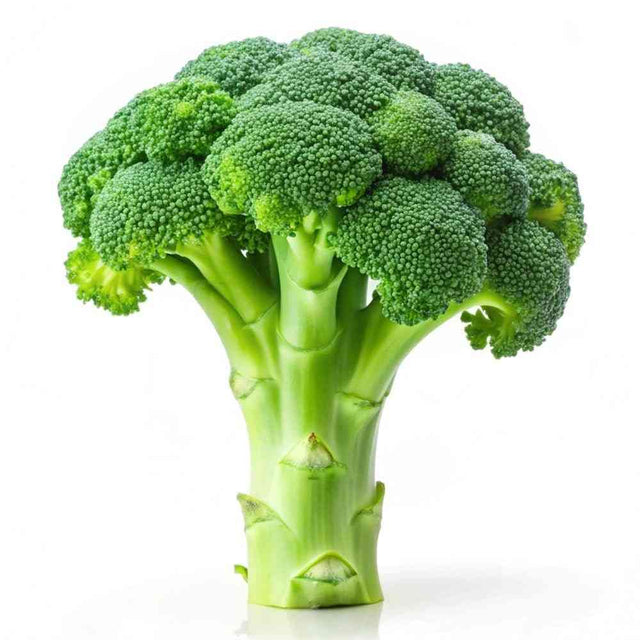
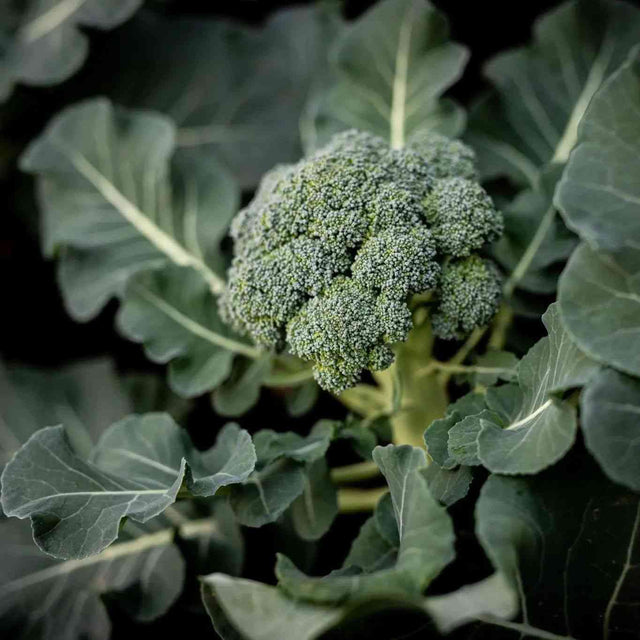
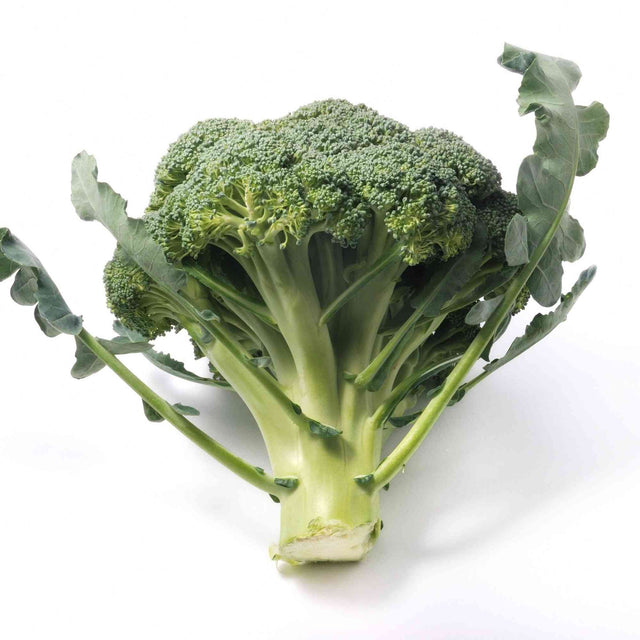
Start broccoli young, protect seedlings, time head formation for cool weather, and leave the plant for side-shoot harvests.
Seed catalogs make a crop look still. Gardens do not. Cool weather moves, soil dries from the top down, insects arrive before a gardener feels prepared, and a variety earns its name only after it has stood in the row. This guide is written from the seed room and the garden together, where packets become records and records become judgment.
Know the crop before you trust the shortcut
Good seed begins the work. Good observation finishes it.

Choose the crop by the harvest you need
Heading and sprouting broccoli should be chosen by season, space, and kitchen use, not by a photograph alone. One gardener needs a fast spring crop; another needs a fall harvest that can stand through cold. A market grower values uniformity and bunching. A seedkeeper also asks how many plants can be maintained when flowering begins.
Start with the varieties linked below, then compare maturity, plant habit, and harvest rhythm. The right packet is not the one with the loudest name. It is the one whose work fits your ground.
Timing is the first form of crop protection
Spring crops are possible, but fall broccoli is often more reliable in hot-summer regions. Cool-season crops can survive cold that would stop a tomato, yet they lose quality when roots stall in saturated soil or when heads form under sustained heat. Count backward from the weather you want at harvest, not forward from the day you happen to feel ready.
In eastern North Carolina, spring windows can close quickly. Fall often gives a longer descent into good weather, but late-summer sowing requires shade, irrigation, and attention. Farther north, the same crop may hold through summer or need an earlier indoor start. The packet date is an estimate; the field decides.

Sowing and establishment
Use a fine, clean seedbed and sow at the depth appropriate to the crop. Small seed should not be buried under clods. Keep the seed zone evenly moist until emergence, then thin before roots and leaves begin competing. Crowded seedlings do not become stronger through hardship. They become late.
Where transplanting is appropriate, move young plants before they become root-bound. Harden them gradually to sun and wind. Where direct sowing is better, protect the row from crusting and early insect pressure. Write down the sowing date, soil temperature, first emergence, and final stand. Memory edits the season. A notebook does not.
Soil, fertility, and water
Build fertility from a soil test, compost, and measured feeding rather than panic. Leaf and brassica crops need active growth, but excess nitrogen can produce soft tissue, delayed maturity, or loose heads. Good drainage matters because cool wet soil can suffocate roots while the surface still looks harmless.
Water deeply enough to wet the root zone and return before the crop wilts. Mulch after establishment where it helps moderate soil temperature and moisture. Fast crops such as radish and lettuce expose every interruption. Long crops such as Brussels sprouts remember drought weeks later in the size and firmness of the harvest.
Pests, disease, and the discipline of looking early
Inspect the crop before damage becomes a story you tell after harvest. Flea beetles, aphids, slugs, imported cabbage worms, loopers, root maggots, and leaf diseases vary by crop, but the method is constant: look under leaves, check the growing point, examine roots when a plant stalls, and identify before treating.
Rotate crop families, remove badly diseased debris, give plants airflow, and use row cover during vulnerable stages. A chewed leaf is not always a crisis. A damaged growing point can be. The difference is learned by observation, not by spraying everything that moves.

Harvest at the stage the crop was built to give
Central heads, side shoots, tender stems, leaves, and seed saving. Quality is often a narrow gate. Lettuce turns bitter, radish becomes woody, broccoli loosens into flower, cabbage splits, and spinach bolts. Harvest is not the reward after the work; it is part of the work.
Pick in the cool part of the day when practical, cool the harvest promptly, and keep damaged produce separate. For repeated-leaf crops, leave the growing point intact. For heading crops, cut cleanly and decide whether side shoots or secondary growth are worth keeping.
Seed saving changes the garden
Insect-pollinated biennial; crosses with compatible Brassica oleracea crops. A food crop can be harvested at its best eating stage. A seed crop must be carried through flowering, pollination, and full maturity. That takes more space, more time, and a willingness to leave the finest plants standing.
Do not save only from the plant the kitchen forgot. Mark true-to-type plants early. Maintain enough plants to avoid narrowing the population, isolate compatible varieties, and dry seed thoroughly before storage. Seedkeeping is not nostalgia. It is selection performed in public, one generation at a time.
Field operations: what to record each week
Record stand count, plant spacing, irrigation, visible insect pressure, disease symptoms, and the first date the crop reaches a useful harvest stage. When several varieties share a bed, use the same measures for each. The purpose is not paperwork for its own sake. It is to learn whether a variety was early because of genetics, location, or a warmer corner of the garden.
At a seed company, the same discipline carries from germination testing into customer education. A complaint without planting conditions is a mystery. A result with soil temperature, depth, moisture, and dates becomes evidence. Home gardeners deserve that same clarity. The garden becomes easier when the record is stronger than the memory.
Frequently asked questions
What is the biggest mistake with how to grow broccoli from seed?
Planting at the wrong time and then trying to compensate with water or fertilizer. Begin with the crop's temperature needs.
Can I grow this crop in containers?
Many varieties can, provided the container is broad enough, drains well, and receives consistent moisture. Large heading crops need more soil volume.
Why did the crop become bitter, tough, or loose?
Heat, drought, crowding, excess nitrogen, delayed harvest, or root stress are common causes.
Can I save seed from one plant?
Sometimes seed can be produced, but preserving a healthy variety usually requires more plants, correct isolation, and an understanding of pollination.
Should I trust the days-to-maturity number exactly?
No. Use it as a comparison under similar conditions. Temperature, day length, transplant age, water, and stress can shift harvest.