Variety field guide
What to expect from Delikatesse Cucumber Seeds
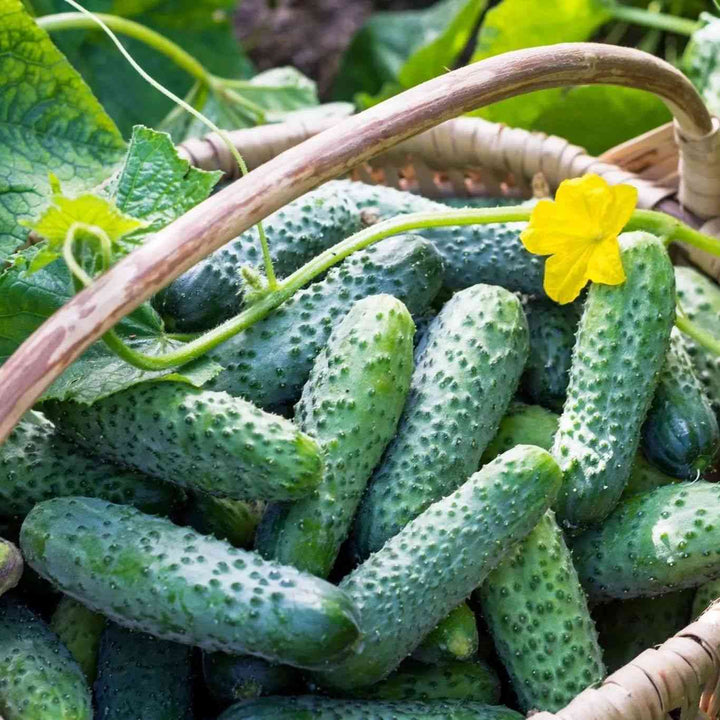
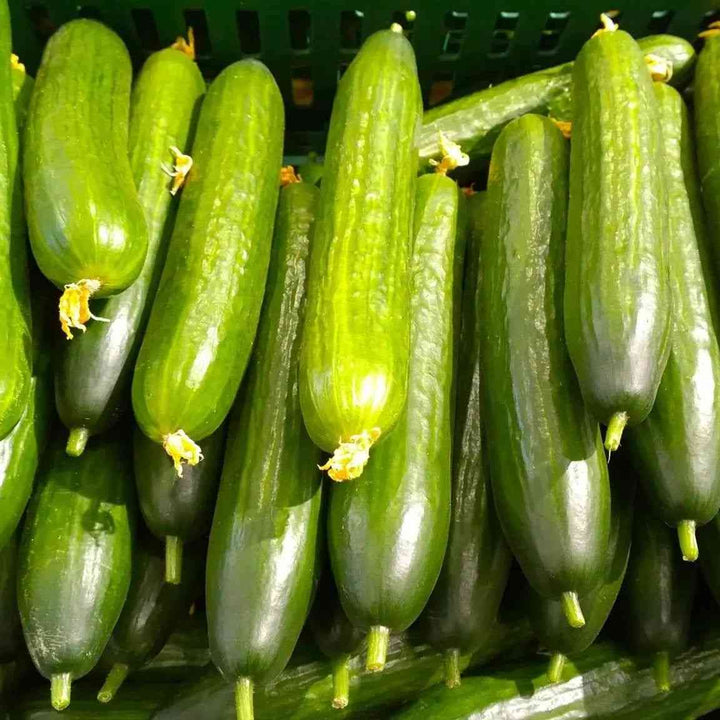
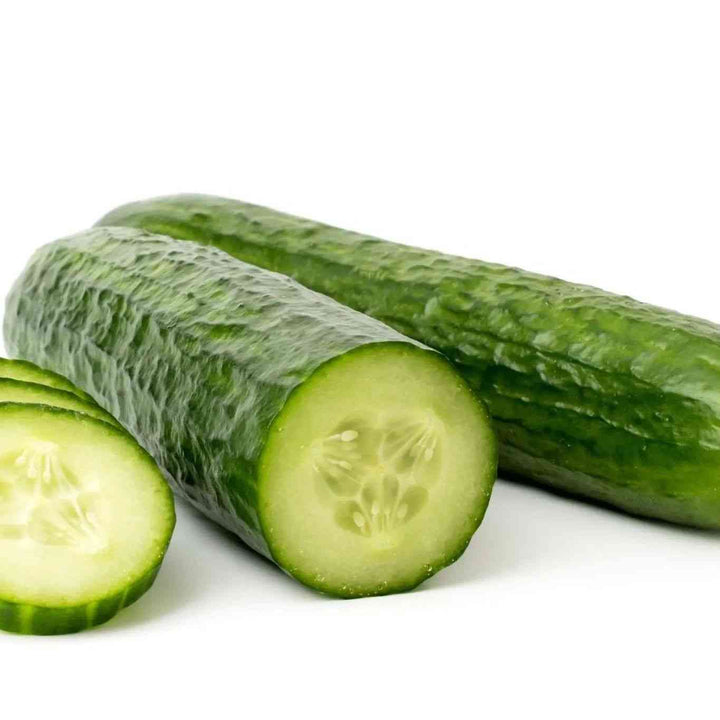
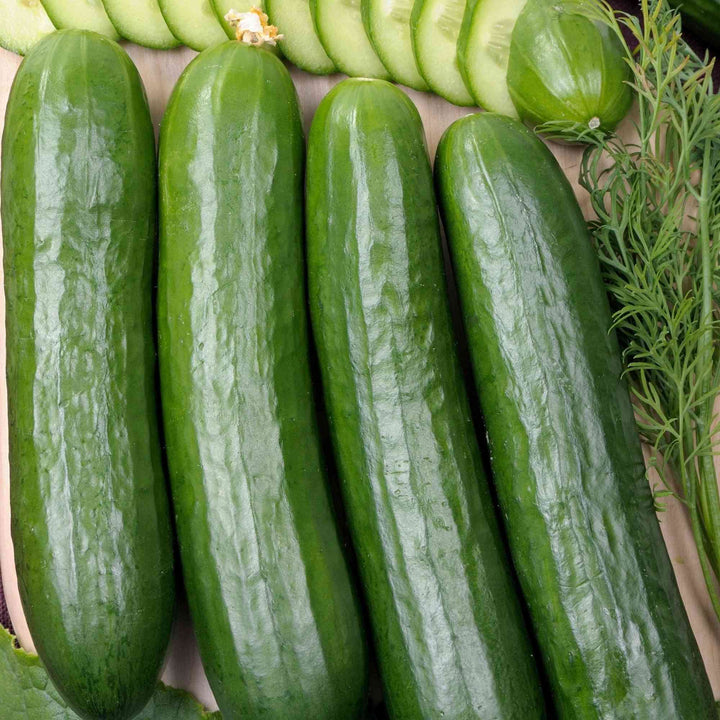
Delikatesse stands out for pale green skin dotted with small bumps and a mild, crisp interior.
Read the complete product descriptionTraits, flavor, garden use, variety notes, and the full catalog record
Delikatesse stands out for pale green skin dotted with small bumps and a mild, crisp interior. Pick the fruits young for small pickles, or allow them to grow larger for slicing into salads and sandwiches. Mature eating-size fruits commonly measure six to ten inches, giving this variety flexibility in the kitchen. Its open-pollinated vines need regular harvesting and even moisture to keep producing tender cucumbers before the seeds enlarge and the skin toughens.
Pale green fruits for young pickles or fresh slicing.
Growing facts
- Botanical name: Cucumis sativus
- Maturity or display: About 60 days
- Mature size: Eating-size fruits about 6-10 in.; spreading vines
- Spacing: 24 in between plants; rows 48 in
About the variety
Delikatesse is an open-pollinated German cucumber with pale green, bumpy skin. It can be picked young for pickling or grown to a larger tender stage for fresh slicing.
Starting seed
Direct sow 1 in. deep after frost when soil reaches 65 F. Keep moist; sprouts in 5-10 days. Thin to 24 in. apart, rows 48 in. apart. Use full sun and rich, drained soil.
Care through the season
Provide a sturdy trellis or room for vines to spread. Water at soil level and keep moisture even through flowering and harvest. Remove insect covers when female flowers open so pollinating insects can reach them.
Harvest and use
Pick tender fruits often, before seeds harden. Expect harvest in about 60 days. Keep cool; use promptly. For seed, isolate varieties and leave selected fruits fully overripe.
Saving seed
Cucumbers cross with other varieties of Cucumis sativus, but not with melons or squash. Isolate flowering varieties or control pollination. Leave selected fruits well beyond eating maturity, until fully yellow or brown and soft; extract, clean and thoroughly dry mature seeds.
Common problems
Check for cucumber beetles, aphids and mildew. Good airflow, crop rotation and watering at the roots reduce some problems. Poor pollination and uneven moisture can distort fruit. Remove overgrown fruit promptly to keep harvest quality high.
Frequently asked questions
When are the fruits ready?
Pick tender fruits often, before seeds harden. Expect harvest in about 60 days. Keep cool; use promptly. For seed, isolate varieties and leave selected fruits fully overripe.
Does this variety need support?
Provide a sturdy trellis or room for vines to spread. Water at soil level and keep moisture even through flowering and harvest. Remove insect covers when female flowers open so pollinating insects can reach them.
Can I save seeds?
Cucumbers cross with other varieties of Cucumis sativus, but not with melons or squash. Isolate flowering varieties or control pollination. Leave selected fruits well beyond eating maturity, until fully yellow or brown and soft; extract, clean and thoroughly dry mature seeds.