Variety field guide
What to expect from Kekkyu Takana Mustard Seeds
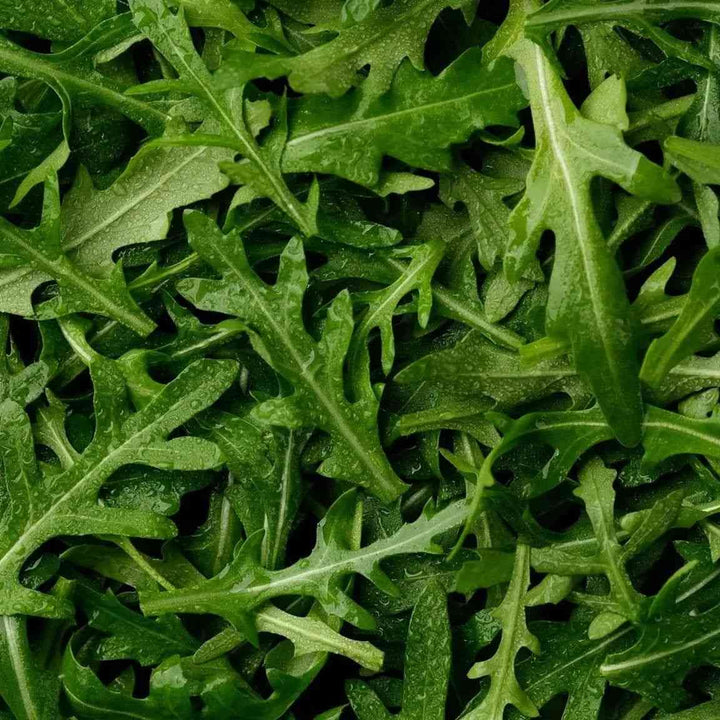
Kekkyu Takana folds crisp green leaves into a compact, wrapped heart rather than remaining an open spray of greens.
Read the complete product descriptionTraits, flavor, garden use, variety notes, and the full catalog record
Kekkyu Takana folds crisp green leaves into a compact, wrapped heart rather than remaining an open spray of greens. The firm stalks and mustard bite make it useful for pickling, soups and stir-fries, while small leaves add a lively accent to salads. This Japanese mustard favors cool growing weather. Harvest some leaves early for the kitchen, or give plants room and time to develop their distinctive tightly gathered centers.
A wrapped-heart mustard especially suited to pickling.
Growing facts
- Botanical name: Brassica juncea
- Maturity or display: 55 days
- Mature size: Loose leafy rosette; size varies with harvest stage
- Spacing: 12 in between plants; rows 18 in
About the variety
Kekkyu Takana is an open-pollinated Japanese heading mustard in the Kitazawa catalog. The supplier emphasizes its tightly wrapped center and pickling uses. It is distinct from loose-leaf mustard types; a documented original breeder or introduction year has not been established.
Starting seed
Direct sow 1/2 in. deep in spring or late summer for a cool-weather harvest. Keep moist at 55-70 F; allow about 4-10 days to sprout. Thin to 12 in. apart, rows 18 in. apart. Choose sun and fertile, well-drained soil; water steadily and protect seedlings from flea beetles.
Care through the season
Maintain even moisture and remove weeds while small. Rotate brassica beds and use insect netting before flea beetles or caterpillars arrive. Grow for a cool harvest; heat and drought promote bitter leaves and premature flowering.
Harvest and use
Pick a few young outer leaves from about 30 days, or cut the full plant around 55 days after emergence. Harvest before bolting; refrigerate promptly or pickle. Save seed from several healthy, isolated plants; dry mature pods and thresh before they shatter.
Saving seed
These open-pollinated brassicas are insect-pollinated. Keep several healthy, typical plants for seed and prevent crossing with other flowering varieties of the same species. Some plants need a cold period before flowering. Let pods mature, then cut and dry them under cover before they shatter; clean, label and store seed cool and dry.
Common problems
Check young leaves for flea beetle holes, aphids and caterpillars. Use row covers early, inspect regularly, and remove badly diseased plants. Crop rotation, drainage and steady watering help limit root disease and stress. A flowering stem means the leafy harvest is ending; use the leaves promptly.
Frequently asked questions
Does it form a tight head?
Kekkyu Takana folds crisp green leaves into a compact, wrapped heart rather than remaining an open spray of greens.
When should I harvest?
Pick a few young outer leaves from about 30 days, or cut the full plant around 55 days after emergence. Harvest before bolting; refrigerate promptly or pickle. Save seed from several healthy, isolated plants; dry mature pods and thresh before they shatter.
Why is it flowering early?
Maintain even moisture and remove weeds while small. Rotate brassica beds and use insect netting before flea beetles or caterpillars arrive. Grow for a cool harvest; heat and drought promote bitter leaves and premature flowering.