Variety field guide
What to expect from Miike Giant Mustard Seeds
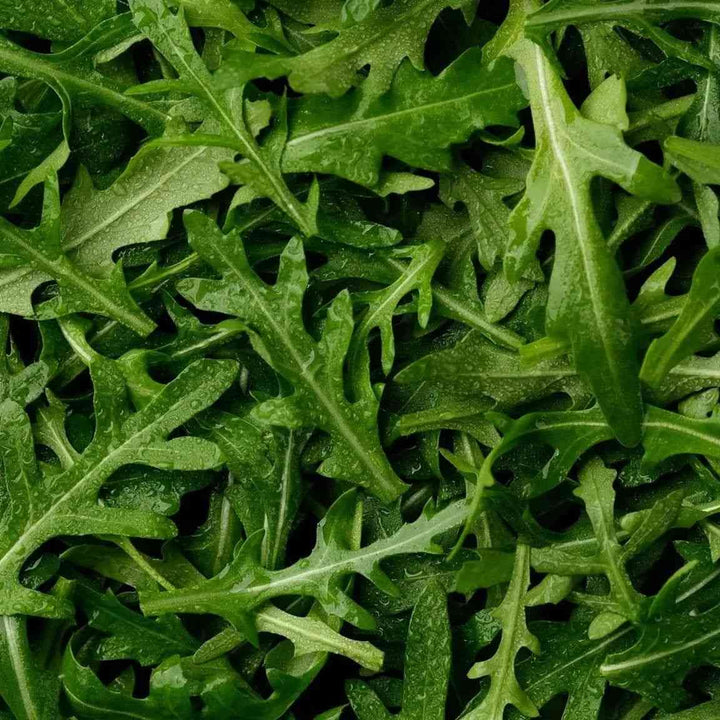
Miike Giant makes a broad, substantial mustard leaf with reddish veins and a lively blend of sweetness and heat.
Read the complete product descriptionTraits, flavor, garden use, variety notes, and the full catalog record
Miike Giant makes a broad, substantial mustard leaf with reddish veins and a lively blend of sweetness and heat. Cool weather can deepen its purple tones, adding color to a productive patch of greens. The loose heads suit gradual picking, from tender salad leaves to larger foliage for soups, stir-fries and pickles. Give this generous Japanese mustard room to spread, and harvest steadily while leaves are tender and growth is vigorous.
Broad, colorful leaves with a sweet mustard bite.
Growing facts
- Botanical name: Brassica juncea
- Maturity or display: 40-50 days
- Mature size: 12-18 in. leafy growth
- Spacing: 8 in between plants; rows 18 in
About the variety
Miike Giant is an open-pollinated Japanese mustard with loosely headed growth and ruby-veined foliage. Leaf color and pungency vary with the season and growing conditions.
Starting seed
Direct sow 1/2 in. deep in spring or late summer for a cool-weather harvest. Keep moist at 55-70 F; allow about 4-10 days to sprout. Thin to 8 in. apart, rows 18 in. apart. Choose sun and fertile, well-drained soil; water steadily and protect seedlings from flea beetles.
Care through the season
Maintain even moisture and remove weeds while small. Rotate brassica beds and use insect netting before flea beetles or caterpillars arrive. Grow for a cool harvest; heat and drought promote bitter leaves and premature flowering.
Harvest and use
Pick young outer leaves for salads, then larger leaves for cooking around 40-50 days from sowing. Leave the center growing or cut the full plant before bolting. Refrigerate promptly. Save seed from isolated healthy plants; collect and dry ripe pods before threshing.
Saving seed
These open-pollinated brassicas are insect-pollinated. Keep several healthy, typical plants for seed and prevent crossing with other flowering varieties of the same species. Some plants need a cold period before flowering. Let pods mature, then cut and dry them under cover before they shatter; clean, label and store seed cool and dry.
Common problems
Check young leaves for flea beetle holes, aphids and caterpillars. Use row covers early, inspect regularly, and remove badly diseased plants. Crop rotation, drainage and steady watering help limit root disease and stress. A flowering stem means the leafy harvest is ending; use the leaves promptly.
Frequently asked questions
Does it form a tight head?
Miike Giant makes a broad, substantial mustard leaf with reddish veins and a lively blend of sweetness and heat.
When should I harvest?
Pick young outer leaves for salads, then larger leaves for cooking around 40-50 days from sowing. Leave the center growing or cut the full plant before bolting. Refrigerate promptly. Save seed from isolated healthy plants; collect and dry ripe pods before threshing.
Why is it flowering early?
Maintain even moisture and remove weeds while small. Rotate brassica beds and use insect netting before flea beetles or caterpillars arrive. Grow for a cool harvest; heat and drought promote bitter leaves and premature flowering.