Variety field guide
What to expect from Osaka Purple Mustard Seeds
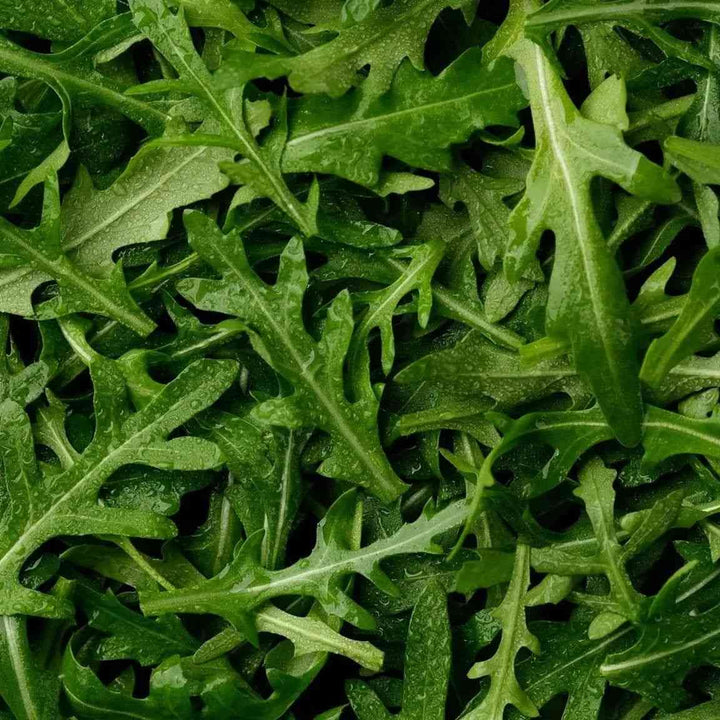
Osaka Purple adds dark green and purple leaves, pale veins and a sharp mustard bite to the garden.
Read the complete product descriptionTraits, flavor, garden use, variety notes, and the full catalog record
Osaka Purple adds dark green and purple leaves, pale veins and a sharp mustard bite to the garden. Young foliage gives salads and sandwiches color and warmth, while larger leaves mellow with cooking in soups or a quick saute. This fast-growing Japanese mustard is useful for successive cool-season sowings. Gather the leaves while tender, or let a few plants grow larger when a generous pot of cooking greens is the goal.
Purple foliage and a lively bite for cool-season meals.
Growing facts
- Botanical name: Brassica juncea
- Maturity or display: 21-45 days by harvest stage
- Mature size: Loose leafy rosette; size varies with harvest stage
- Spacing: 12 in between plants; rows 18 in
About the variety
Osaka Purple is a Japanese leaf mustard with richly colored foliage and a peppery bite. Young leaves add color to salads, while larger leaves can be cooked as greens. It belongs to the mustard group rather than the wasabi plant.
Starting seed
Direct sow 1/2 in. deep in spring or late summer for a cool-weather harvest. Keep moist at 55-70 F; allow about 4-10 days to sprout. Thin to 12 in. apart, rows 18 in. apart. Choose sun and fertile, well-drained soil; water steadily and protect seedlings from flea beetles.
Care through the season
Maintain even moisture and remove weeds while small. Rotate brassica beds and use insect netting before flea beetles or caterpillars arrive. Grow for a cool harvest; heat and drought promote bitter leaves and premature flowering.
Harvest and use
Gather tender leaves at 4-6 in. for salads; allow up to about 45 days for larger cooking greens. Leave the center intact for another picking, then harvest before bolting. Refrigerate promptly. Save seed from isolated healthy plants, collecting dry pods before they shatter.
Saving seed
These open-pollinated brassicas are insect-pollinated. Keep several healthy, typical plants for seed and prevent crossing with other flowering varieties of the same species. Some plants need a cold period before flowering. Let pods mature, then cut and dry them under cover before they shatter; clean, label and store seed cool and dry.
Common problems
Check young leaves for flea beetle holes, aphids and caterpillars. Use row covers early, inspect regularly, and remove badly diseased plants. Crop rotation, drainage and steady watering help limit root disease and stress. A flowering stem means the leafy harvest is ending; use the leaves promptly.
Frequently asked questions
Does it form a tight head?
Osaka Purple adds dark green and purple leaves, pale veins and a sharp mustard bite to the garden.
When should I harvest?
Gather tender leaves at 4-6 in. for salads; allow up to about 45 days for larger cooking greens. Leave the center intact for another picking, then harvest before bolting. Refrigerate promptly. Save seed from isolated healthy plants, collecting dry pods before they shatter.
Why is it flowering early?
Maintain even moisture and remove weeds while small. Rotate brassica beds and use insect netting before flea beetles or caterpillars arrive. Grow for a cool harvest; heat and drought promote bitter leaves and premature flowering.