Choose onion seeds for variety range and transplant control, sets for speed, or purchased transplants for convenience—but first match the onion’s day-length class to your latitude.
I have learned to distrust any herb guide that begins with romance and waits until the end to mention temperature, root behavior, or drainage. A seed company can sell a name in a sentence. A gardener has to live with the plant for a season. This field guide begins where the work begins: correct identity, correct timing, and a harvest worth repeating.
The packet is small enough to lose in a pocket. The season it carries is not. A name can travel quickly. A good record travels farther.
Choose the right crop before you choose the prettiest name
Bulb onions, bunching onions, and propagation choices is not a single generic instruction. The botanical identity is Allium cepa and Allium fistulosum, in the Amaryllidaceae family. The life cycle is biennials grown as annual vegetables. Those facts determine whether the plant wants heat or cool weather, whether it resents transplanting, whether it spreads, and what must be isolated when seed is saved.
Start with use. This guide covers bulb onions, scallions, pickling onions, fresh eating, and storage. Then consider the space: a small container, a humid raised bed, a dry border, or a long-season row. A cultivar earns its place when its growth habit fits the garden and its flavor fits the kitchen. The garden does not owe loyalty to a name that cannot perform.
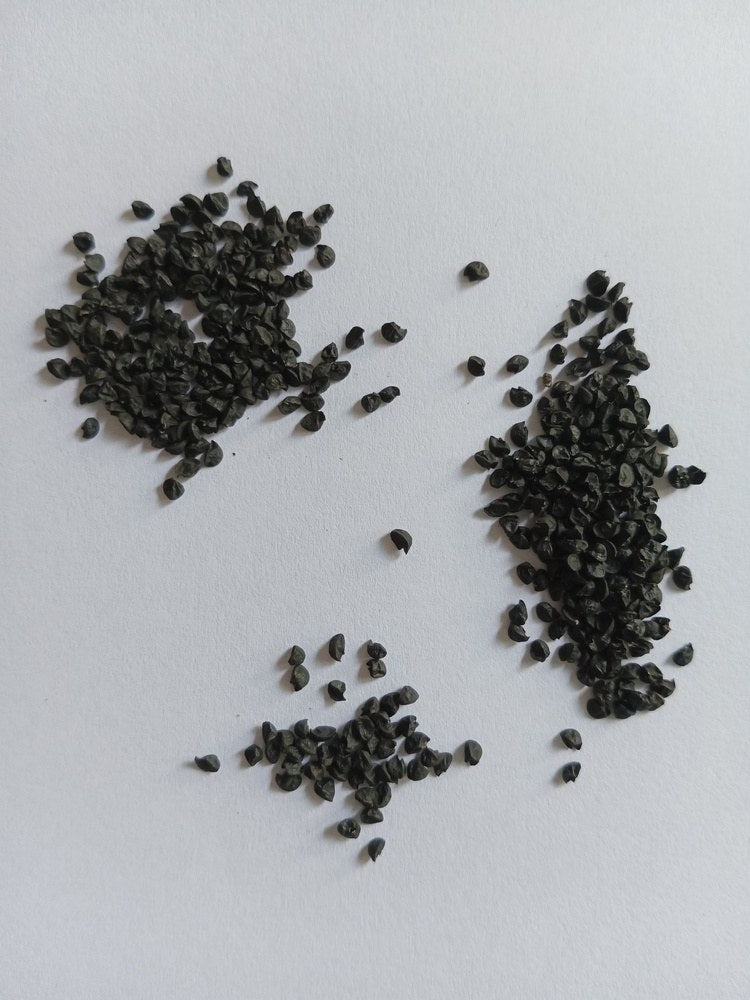
Varieties and products connected to this guide
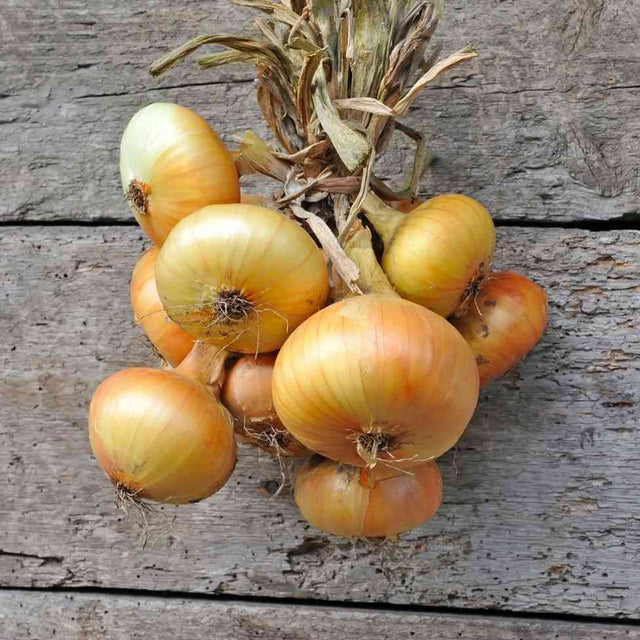
- Short - Yellow Granex PRR
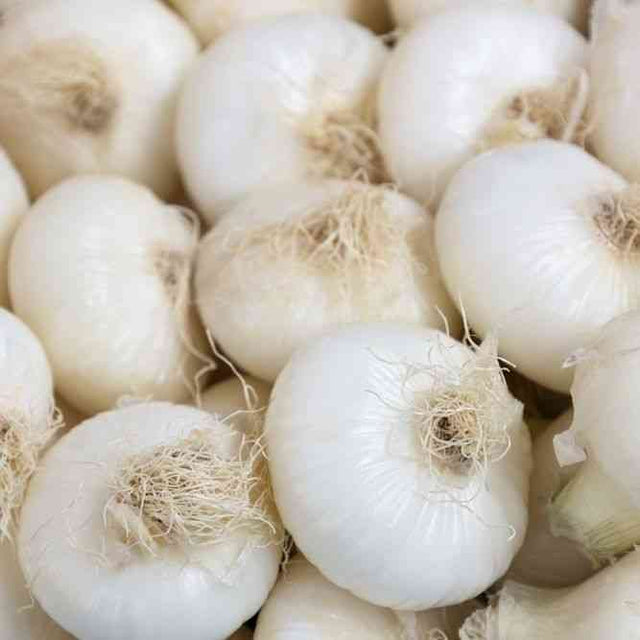
- Short - Barletta
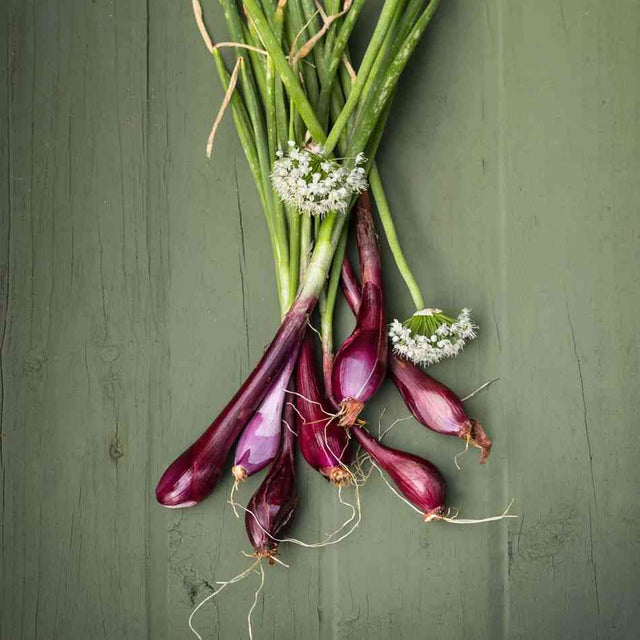
- Bunching - Crimson Forest
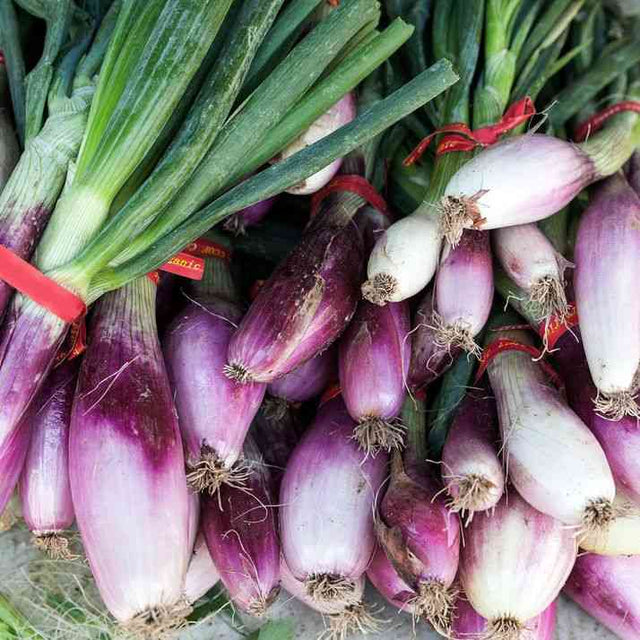
- Short - Red Torpedo (Tropeana Lunga)
Related collections
Start seed correctly: depth is not a suggestion
Most herb failure begins before the first true leaf. Tiny seed is buried like a bean. A warm-season crop is placed on a cold windowsill. A taprooted herb is started in a cramped cell and held too long. The correction is not more fertilizer. It is to respect the seed.
Use fresh seed and a clean, fine-textured mix. Moisten the mix before sowing so water does not drive seed into a corner. Label the tray before the seed is opened. Record the date, lot, medium, temperature, and number of cells. That is not bureaucracy. It is how a gardener learns whether the problem was the seed, the method, or the room.
After emergence, light becomes the first argument. Seedlings stretched by dim light never become stronger because we hope harder. Bring the light close enough for compact growth, move air gently, and water when the root zone needs it. Pot up before roots circle the cell.
Soil, light, water, and the discipline of not treating every herb alike
Herbs are sold together because they fit on one store shelf. They do not belong in one irrigation zone. Basil and parsley want active growth and even moisture. Rosemary, thyme, oregano, sage, and lavender need drainage and resent wet roots. Mint and lemon balm tolerate more moisture but may use that generosity to occupy the neighborhood.
Use a soil test before applying heavy fertilizer. Rich soil can create large soft plants with diluted aroma, while lean exhausted soil simply limits growth. The answer is not neglect. It is proportion. Compost for structure, mineral fertility according to need, and enough water to keep roots active without displacing air.
Containers must drain. A decorative pot without a drainage hole is a vase with a plant trapped inside. Match the container to mature root volume, not seedling size. In summer, a small pot may need water more than once a day; in winter, the same pot can remain wet long enough to rot a woody herb.

Season and regional timing
Short-day and intermediate onions fit much of the Southeast; northern long-day types require longer summer day length.
Here in northeastern North Carolina, the calendar is only the outline. Humidity, warm nights, sudden winter wet, and stretches of summer heat change the way herbs behave. A Mediterranean perennial may survive the temperature and still die in saturated soil. Cilantro may bolt while the packet still says spring. Basil can stop growing after a cold night even when frost never formed.
Use soil temperature, night temperature, and the plant’s life cycle together. Succession-sow annual leaf herbs. Start long-season alliums early. Give woody perennials time to establish before winter. When a crop repeatedly fails in the same corner, stop blaming the packet and move the crop.
Harvest is management, not merely reward
Leaf herbs remain productive when cut above living nodes and harvested before stems become coarse. Flower and seed herbs require a different plan: some plants are cut for leaves, some are allowed to bloom, and a clearly marked population is reserved for seed. Mixing all purposes in one small planting usually means the kitchen harvest steals the seed crop.
Harvest after dew dries but before midday heat strips freshness. Use clean tools. Move cut material out of the sun. Wash only when necessary and dry completely before storage. For seed, wait for physiological maturity and dry the crop with airflow, labels, and protection from shattering.
Save seed honestly
Onions, leeks, and related alliums are insect-pollinated biennials. Overwinter selected plants, isolate compatible flowering varieties, and save from a broad population.
Seed saving begins before flowering. Mark the plants that show the form, flavor, timing, health, and vigor you intend to keep. Do not save only from the last neglected survivor or the earliest plant unless that trait is the goal. Maintain enough plants to avoid narrowing an open-pollinated population into a family bottleneck.
Know whether the crop is self-pollinated, insect-pollinated, wind-pollinated, vegetatively propagated, annual, or biennial. Isolation by distance is not the only tool. Flowering time, barriers, caging, hand pollination, and growing one variety at a time may be more practical in a home garden.
Clean seed gently, dry it fully, and label it with species, cultivar, year, location, and any selection notes. A jar of seed without a record is not preservation. It is a future argument.

Field decisions that separate a crop from a catalog description
Run a small comparison before committing the whole bed. Sow two varieties on the same day in the same mix. Measure emergence, not impressions. Record how many seedlings are usable, how long the plants remain tender, and how much work is required to harvest and clean them. The winning variety may not be the tallest or the fastest. It may be the one the kitchen asks for again.
Do not let one exceptional plant rewrite the average. A seed lot is a population. Judge uniformity, off-types, disease, and harvest across the row. When a crop is intended for containers, test it in the container size customers actually use. When it is intended for humid Southern gardens, evaluate it through rain, heat, and warm nights instead of borrowing conclusions from a dry climate.
Finally, keep the poetry where it belongs: in the reason we return to the garden, not in a false claim about origin or performance. The plant can carry beauty without carrying a story we cannot prove.
A working season plan: trial, timing, and quality
Run the crop as a fair trial
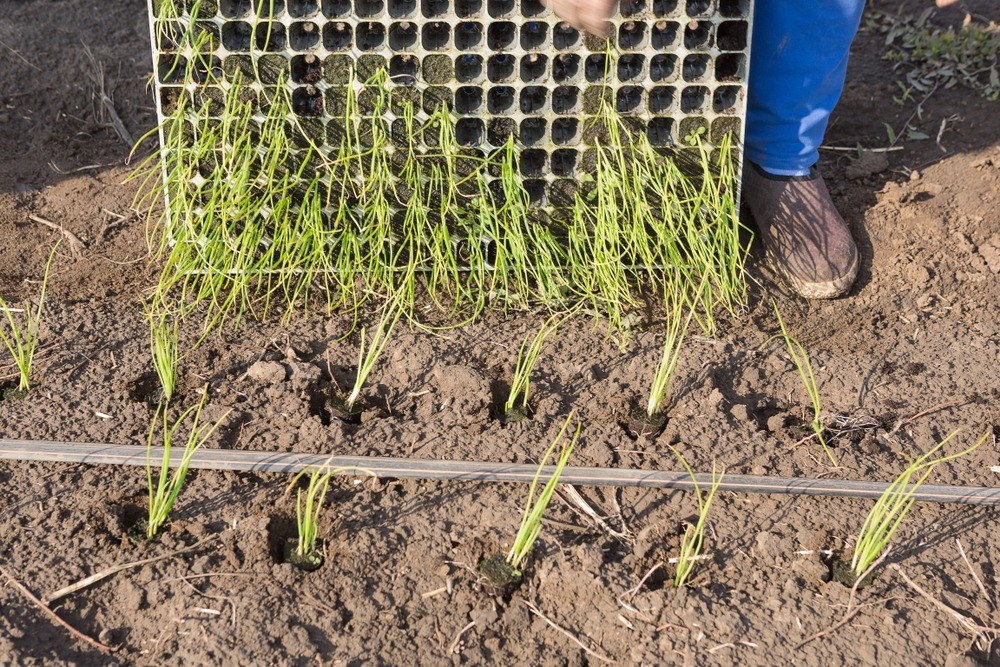
Test onion systems side by side: seed started in cells, sets planted directly, and transplants of the same or comparable day-length class. Record labor, survival, bolting, bulb uniformity, neck thickness, harvest date, and storage. Sets may be fast but can bolt; seedlings offer variety choice and control but demand time and light. Purchased transplants save early labor but place more trust in someone else’s labeling and handling.
Put the calendar to work
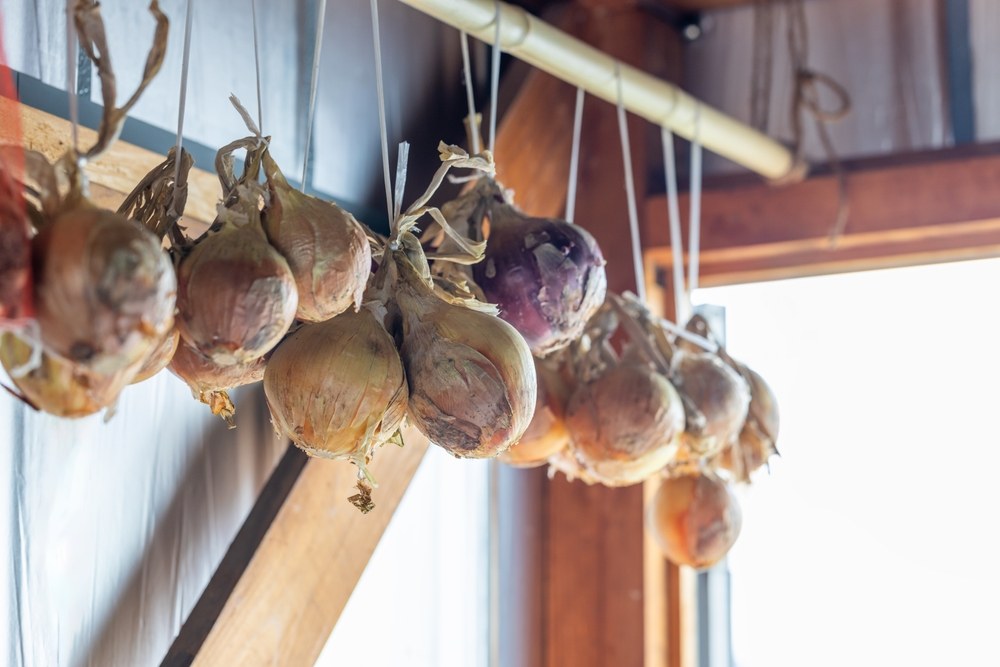
Work backward from latitude and bulbing season. Start seed early enough to produce sturdy transplants, trim only when necessary for management, and set plants shallowly without burying the growing point. Keep the shallow root zone evenly moist and weed-free. As bulbs mature, reduce irrigation according to conditions, harvest when tops fall naturally, and cure in a dry, ventilated place. Bunching onions are managed for repeated fresh harvest; storage onions are managed for a finished bulb and dry neck.
Judge the harvest after it leaves the bed
Grade onions by intended use. Thin-necked, sound bulbs with intact skins belong in storage. Thick-necked, damaged, or immature bulbs should be used first. Record which varieties bulb correctly at your day length and which merely make attractive foliage. The catalog can call an onion beautiful; the latitude has the final vote. A reliable onion program is built from correct classification, early planning, steady moisture, and the humility to stop growing a type that cannot finish where you live.
| Record | What to write down | Why it matters |
|---|---|---|
| Emergence | Date of first and majority emergence, usable seedlings, and temperature | Separates seed performance from memory and guesswork |
| Plant form | Height, spread, branching, lodging, off-types, and disease | Shows whether the crop fits the bed, container, and labor available |
| Harvest | First cut, useful yield, flavor, cleaning time, and storage behavior | Measures value after the photograph is taken |
| Seed crop | Flowering overlap, isolation, selected plants, maturity, and final label | Protects identity and gives the next season a trustworthy starting point |
Before the packet is opened
Write down the purpose of the planting in one sentence. Is this a kitchen crop, a container trial, a pollinator planting, a seed increase, or a comparison of varieties? That decision controls spacing, harvest, and what counts as success. Check the botanical name, the life cycle, and the expected mature size. Confirm that the season described for the crop matches the season outside your door. Gather labels, a permanent marker, clean containers, a measured medium, and a way to record temperature. Preparation is cheaper than replacement seed and more useful than a hopeful explanation after the tray fails.
What a successful crop actually looks like
Success is not perfect germination, one giant plant, or a photograph taken at the flattering moment. It is a stand with enough healthy, true-to-type plants to meet the purpose of the planting. It is a harvest that arrives while quality is high. It is manageable labor, clean identity, and notes that explain failures without turning every problem into a complaint about the seed. Where seed saving is intended, success also includes a population large enough for the crop, a known pollination plan, mature seed, and labels that remain attached through cleaning and storage.
At Alliance of Native Seedkeepers, the standard I return to is simple: the crop should be described in a way that helps a gardener succeed and recorded in a way that helps the next gardener understand what happened. A seed packet is not the end of the work. It is the first page of the field record.
Troubleshooting by symptom
No emergence
Check seed age, depth, temperature, moisture, and whether tiny seed was buried. Dig one cell carefully before reseeding.
Long weak seedlings
Increase light, improve air movement, and avoid excessive heat after germination.
Yellow growth
Check waterlogging, root binding, cold soil, pH, and damaged roots before adding fertilizer.
Sudden bolting
Review heat, day length, transplant stress, and crop maturity. Bolting is a life-cycle decision, not a disease.
Woody herbs collapsing
Inspect roots and crown for rot. Improve drainage and stop treating drought-adapted herbs like basil.
Leaf flavor is weak
Consider excess nitrogen, shade, overwatering, variety identity, and harvest timing.
The seedkeeper’s record
Day-length class and harvest type matter more than romantic variety language. The guide distinguishes seed, set, and transplant systems without promoting a competing supplier.
Record the source, lot, sowing date, germination, plant form, flowering date, harvest quality, and any off-types. Photograph the same plants at comparable stages. The goal is not to manufacture certainty. The goal is to make the next season less dependent on memory.
Seed is patient with honest uncertainty. It is less forgiving of confident fiction.
Frequently asked questions
Can I grow this crop from seed?
Yes, with the method described above. Some herbs are naturally slow or variable, and vegetatively propagated named clones may not come true from seed.
Can these herbs grow together?
Only when their light, water, root space, and life cycle are compatible. Keep thirsty annual herbs separate from dry Mediterranean perennials.
Are traditional herbal uses medical advice?
No. This guide discusses garden history, culinary use, and crop culture. Health decisions belong with qualified medical professionals.
How many plants should I grow for seed?
The answer depends on pollination system and the diversity of the population. Save from multiple healthy true-to-type plants rather than one convenient survivor.
Why does the same herb have several common names?
Common names travel across languages, markets, and regions. Use the botanical name and crop description to confirm identity.
Where should I buy herb seed?
Choose a source that names the species and cultivar clearly, provides usable growing information, distinguishes documented history from story, and stands behind labeling and quality.