
AOSA seed quality technical guide
Seed Lot Traceability: The Record Behind Every Test
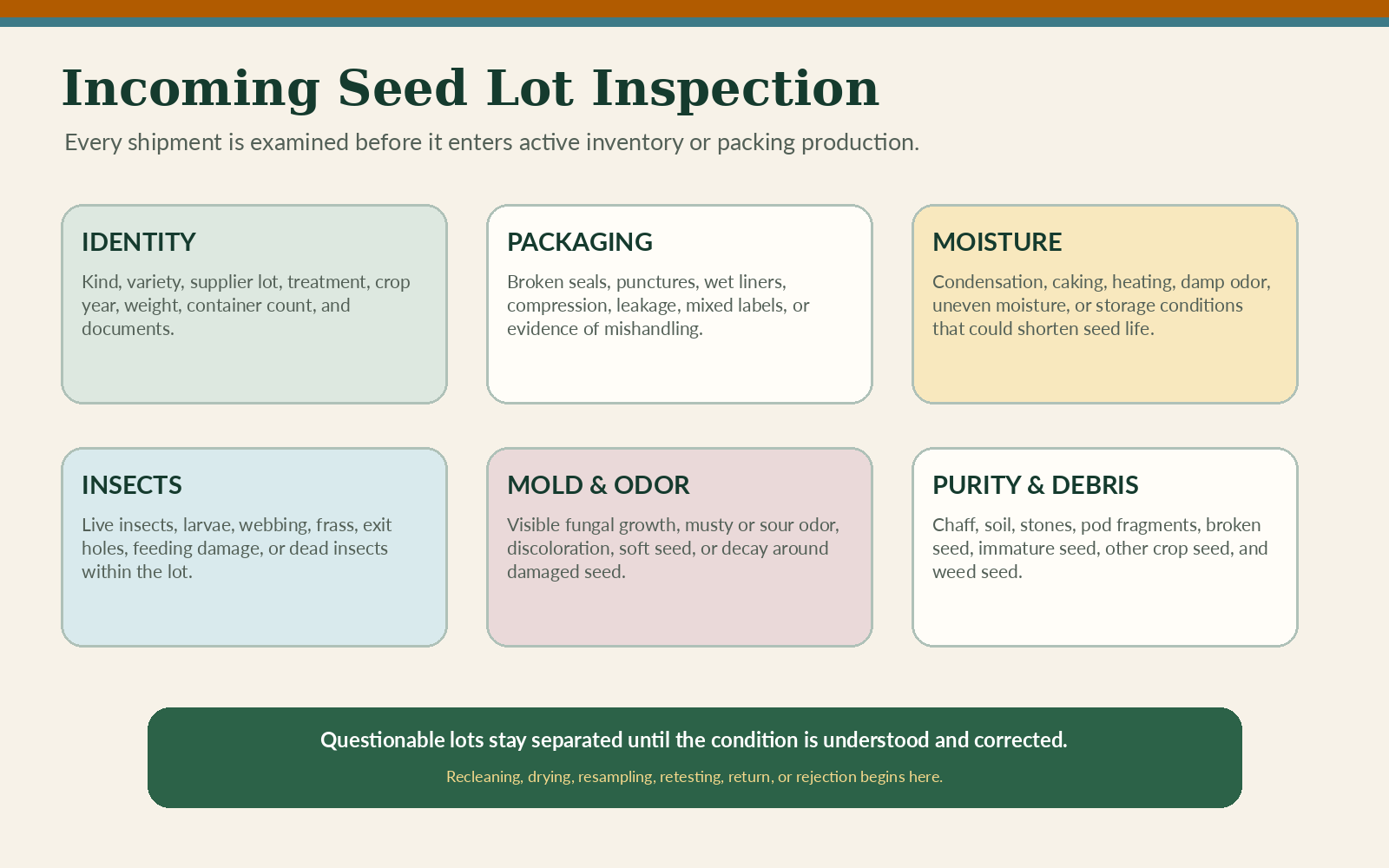
Follow the lot number, representative sample, test ID, method, dates, analyst record, file sample, and disposition behind a seed-quality result.
The practical library
Find crop guides, planting calendars, seed-starting help, soil guidance, pest diagnosis, harvesting information, and practical seed-saving instructions.
The complete article library
Search The Yaupon Tea without mixing the results with seed products.
7 articles in this topic
Follow the lot number, representative sample, test ID, method, dates, analyst record, file sample, and disposition behind a seed-quality result.
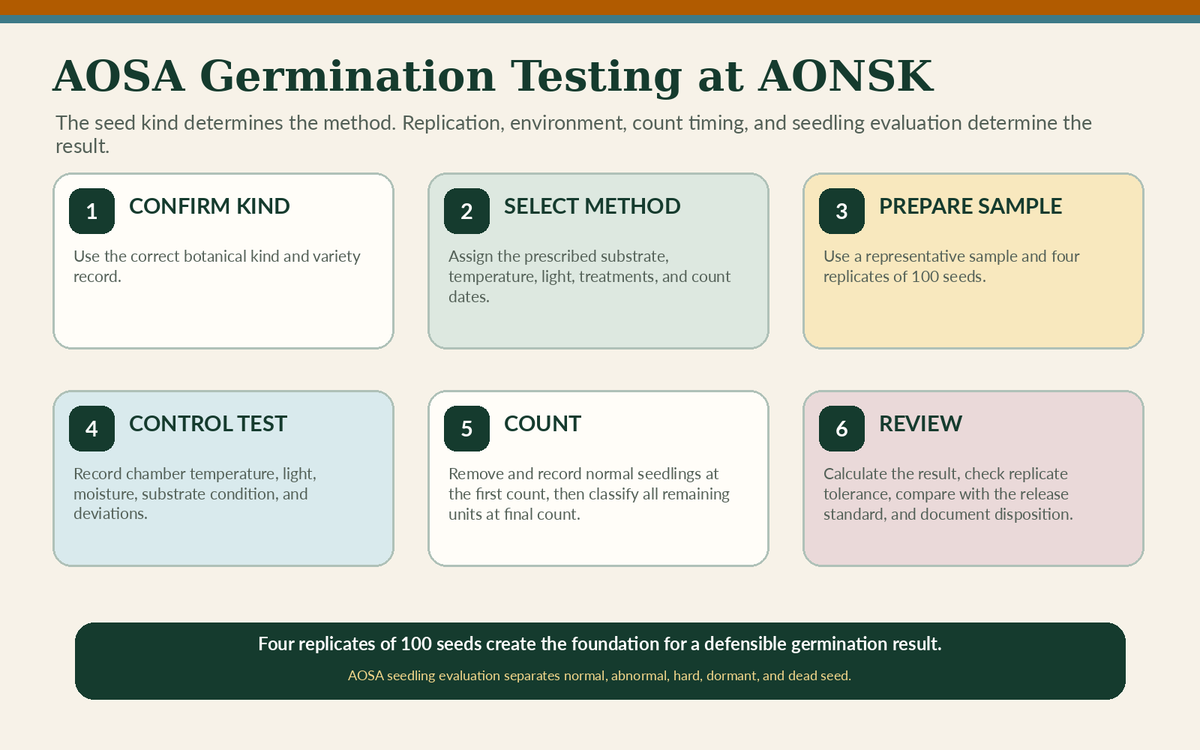
Learn how four replicates, crop-specific methods, normal seedling evaluation, first and final counts, and tolerance build an AOSA germination result.
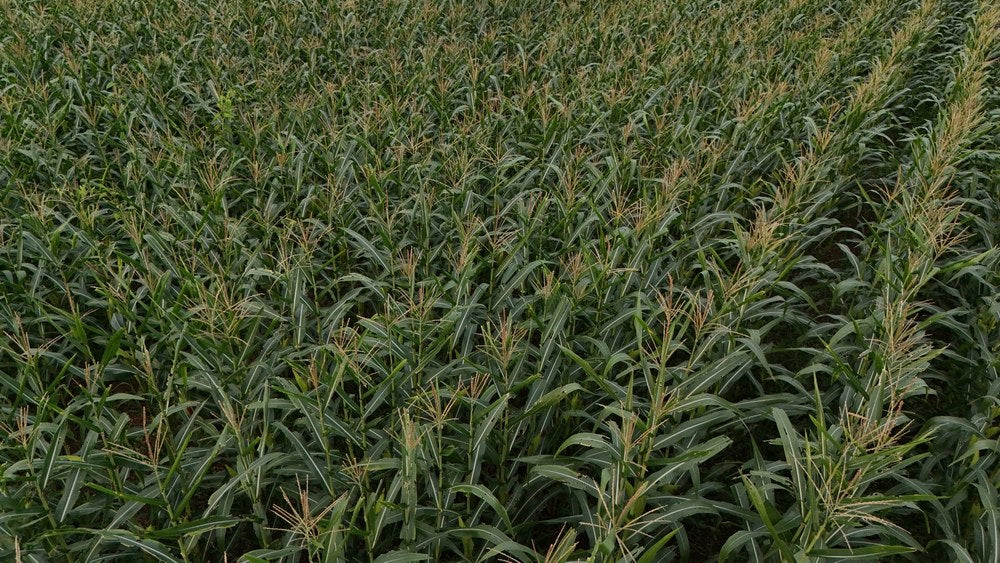
Corn is wind-pollinated and should be saved from a sufficiently large, well-isolated population. Select across many healthy plants, control or separate pollen when needed, and dry ears fully before shelling and storage.
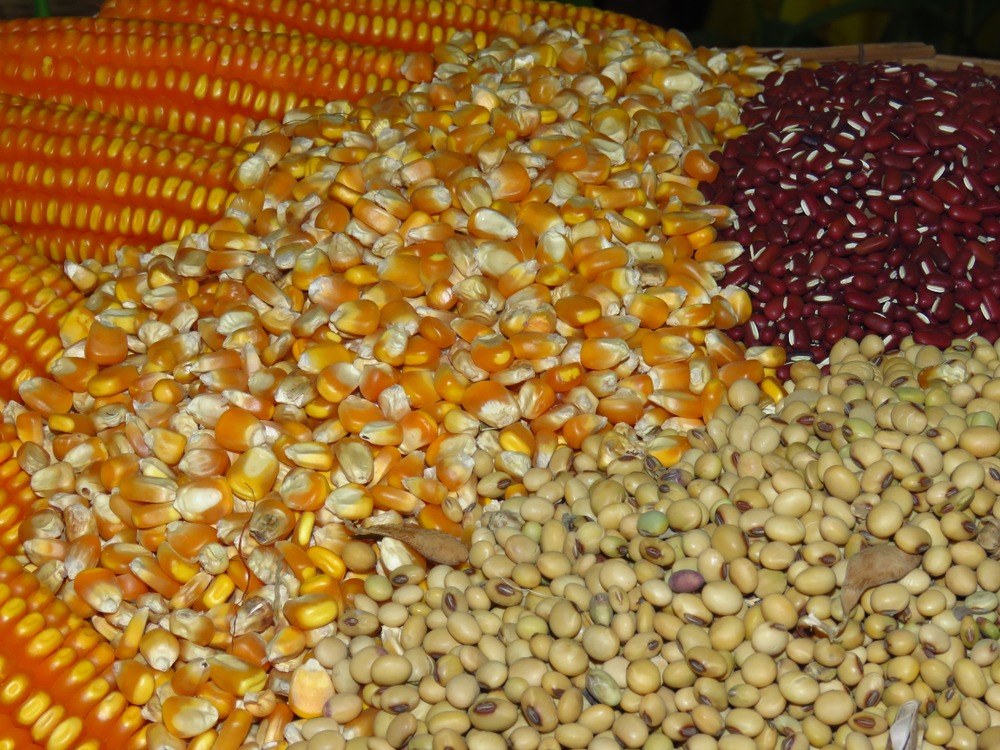
Open-pollinated varieties can reproduce with relative consistency when properly isolated and selected. Heirloom usually adds a history of continued use, while F1 hybrid seed comes from a deliberate cross and does not reproduce uniformly in the next generation.
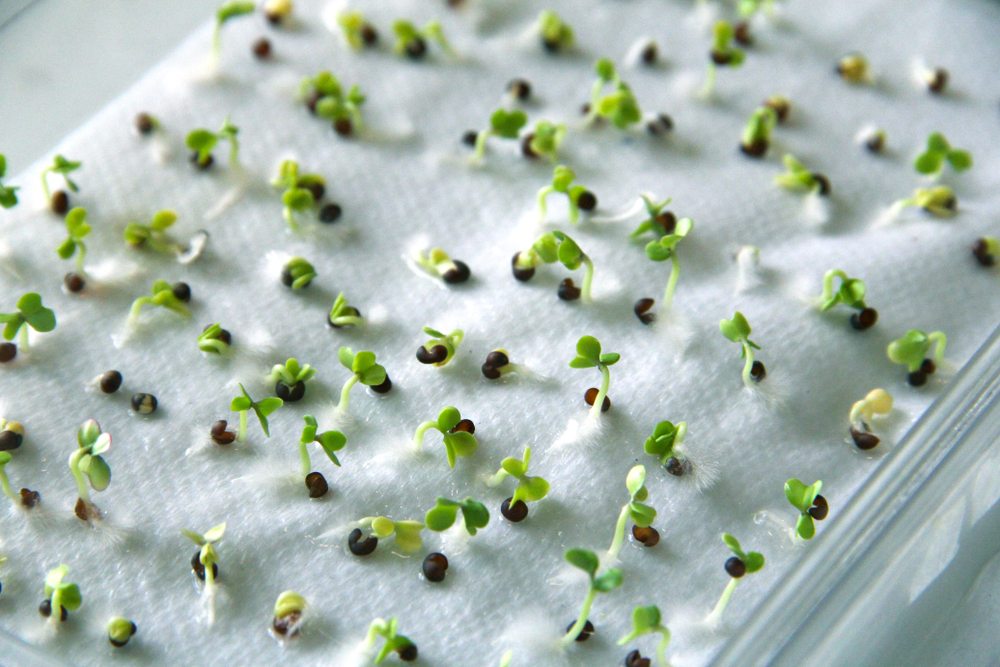
A meaningful germination test uses a representative sample, crop-appropriate conditions, a defined count, and a distinction between normal seedlings, abnormal seedlings, hard or dormant seed, and dead seed.

Seed longevity varies by crop, initial quality, moisture, temperature, packaging, and storage history. A germination test is more reliable than discarding seed only because a calendar says it is old.

A seed packet combines legal labeling, lot traceability, quantity, planting guidance, and marketing. Learn which lines identify the seed, which trace the lot, and which are flexible garden recommendations.