Variety field guide
What to expect from Pencil Cob Dent Corn Seeds
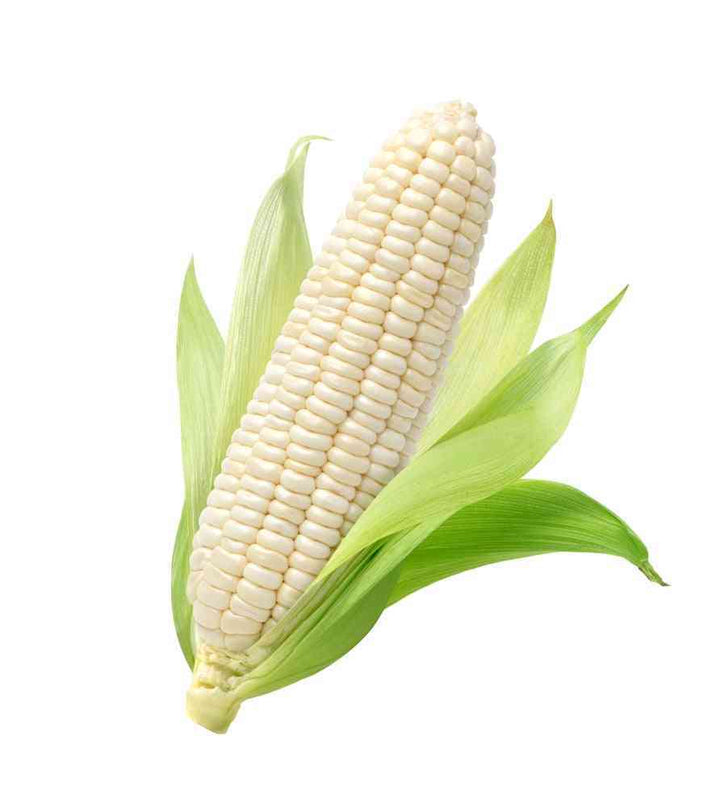
Pencil Cob takes its name from an unusually slender cob carrying long, deep kernels.
Read the complete product descriptionTraits, flavor, garden use, variety notes, and the full catalog record
Pencil Cob takes its name from an unusually slender cob carrying long, deep kernels. This Southern heirloom is valued for a hearty corn flavor and its use as roasting or creaming corn when picked young. The pale kernels can carry yellowish tones, while fully mature grain is useful for grinding. Grow it where tall stalks have room and sunlight, and choose your harvest stage carefully: tender milk-stage ears for the table, hard dry kernels for storage.
A slender cob, deep kernels and old-fashioned corn flavor.
Growing facts
- Botanical name: Zea mays
- Maturity or display: 73-100 days depending on harvest stage; dry grain takes longer than young roasting ears
- Mature size: Tall stalks, with height varying by conditions and strain; slender cobs
- Spacing: 12 in between plants; rows 36 in
About the variety
Pencil Cob is a Southern dent-corn heirloom known before 1900. Its narrow cob and deep kernels made it useful as a roasting and creaming ear, while the mature grain served traditional field-corn uses. It is not a modern supersweet corn.
Starting seed
Sow 1.5 in. deep after frost in soil at least 65 F. Sprouts in 7-10 days. Thin to 12 in.; rows 36 in. Plant four or more short rows; water well through silking.
Care through the season
Choose fertile, well-drained soil in full sun. Plant several adjacent short rows to keep windblown pollen within the crop. Control weeds while plants are young and maintain moisture through tasseling, silking and kernel fill. Feed according to a soil test; do not remove healthy side shoots simply because they appear.
Harvest and use
Pick milk-stage ears for roasting or creaming; let grain ears harden and dry fully before shelling. Isolate other corn and save seed from many healthy plants.
Saving seed
Corn readily crosses through windblown pollen. Separate varieties by adequate distance or by flowering periods that do not overlap; nearby large fields can overwhelm a small planting. Keep seed from many healthy, representative plants rather than one favorite ear to maintain diversity. Let seed ears become fully mature and dry, finish drying under cover, and label the cleaned seed with variety and year.
Common problems
Poor pollination or moisture stress can leave gaps in the ears. Watch for cutworms, corn earworms and stalk damage, and protect ripening ears from birds and wildlife. Rotate planting sites, keep the crop evenly watered, and dry harvested ears with good airflow to prevent mold.
Frequently asked questions
When is it ready?
73-100 days depending on harvest stage; dry grain takes longer than young roasting ears.
Why plant in a block?
Wind carries pollen from tassels to the silks. Several short rows together give more complete kernel set than an isolated long row.
Can I save seed?
Corn readily crosses through windblown pollen. Separate varieties by adequate distance or by flowering periods that do not overlap; nearby large fields can overwhelm a small planting. Keep seed from many healthy, representative plants rather than one favorite ear to maintain diversity. Let seed ears become fully mature and dry, finish drying under cover, and label the cleaned seed with variety and year.