Corn is not one crop with one use. It is a large, genetically diverse family of plants selected for fresh eating, dry grain, flour, hominy, parching, popping, animal feed, decoration, ceremony, and seed stewardship. A gardener who chooses corn only by ear color can easily plant the wrong crop for the kitchen or harvest it at the wrong stage.
The most useful starting point is endosperm type. Sweet, dent, flint, flour, popcorn, and waxy corn differ in kernel structure and carbohydrate chemistry. Those differences affect tenderness, grinding texture, popping ability, harvest timing, storage, and how readily one type can damage the eating quality of another through cross-pollination.
For our family and our work as Tuscarora and Nottoway people, corn is not a costume for a catalog. It is food, memory, responsibility, and labor. We can explain the crop without pretending every Indigenous nation uses the same varieties, words, stories, or planting systems.
Corn, culture, and careful language
Corn was domesticated in the Americas through many generations of human selection. It did not arrive in Indigenous communities as a finished modern crop. People shaped it, carried it, adapted it, cooked it, named it, and selected it for different climates and foods. That history is not one undifferentiated “Native corn story.” It includes many nations, languages, seed lineages, food systems, and responsibilities.
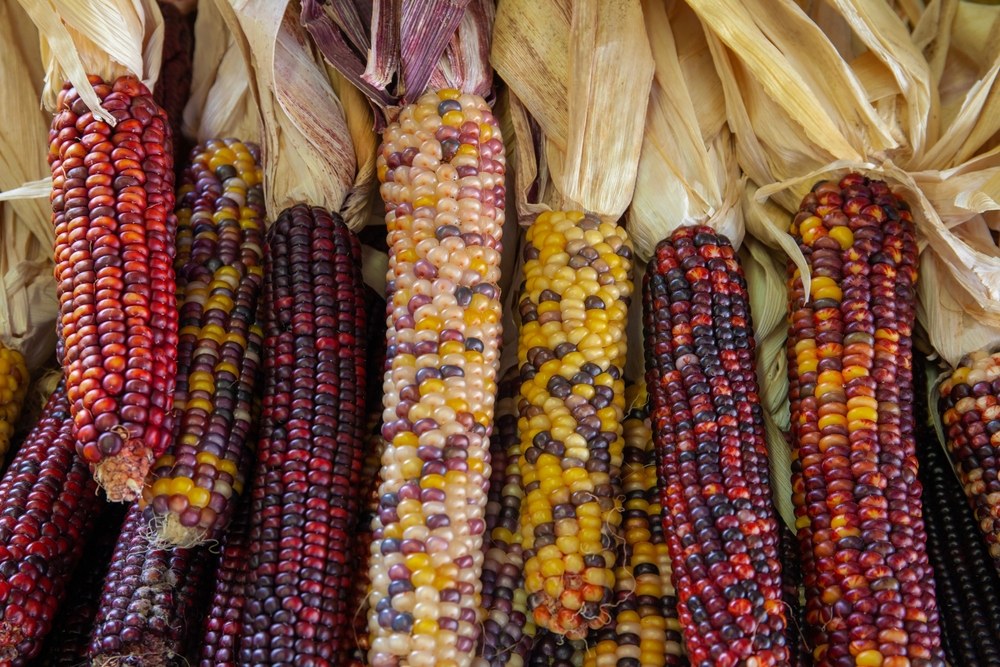
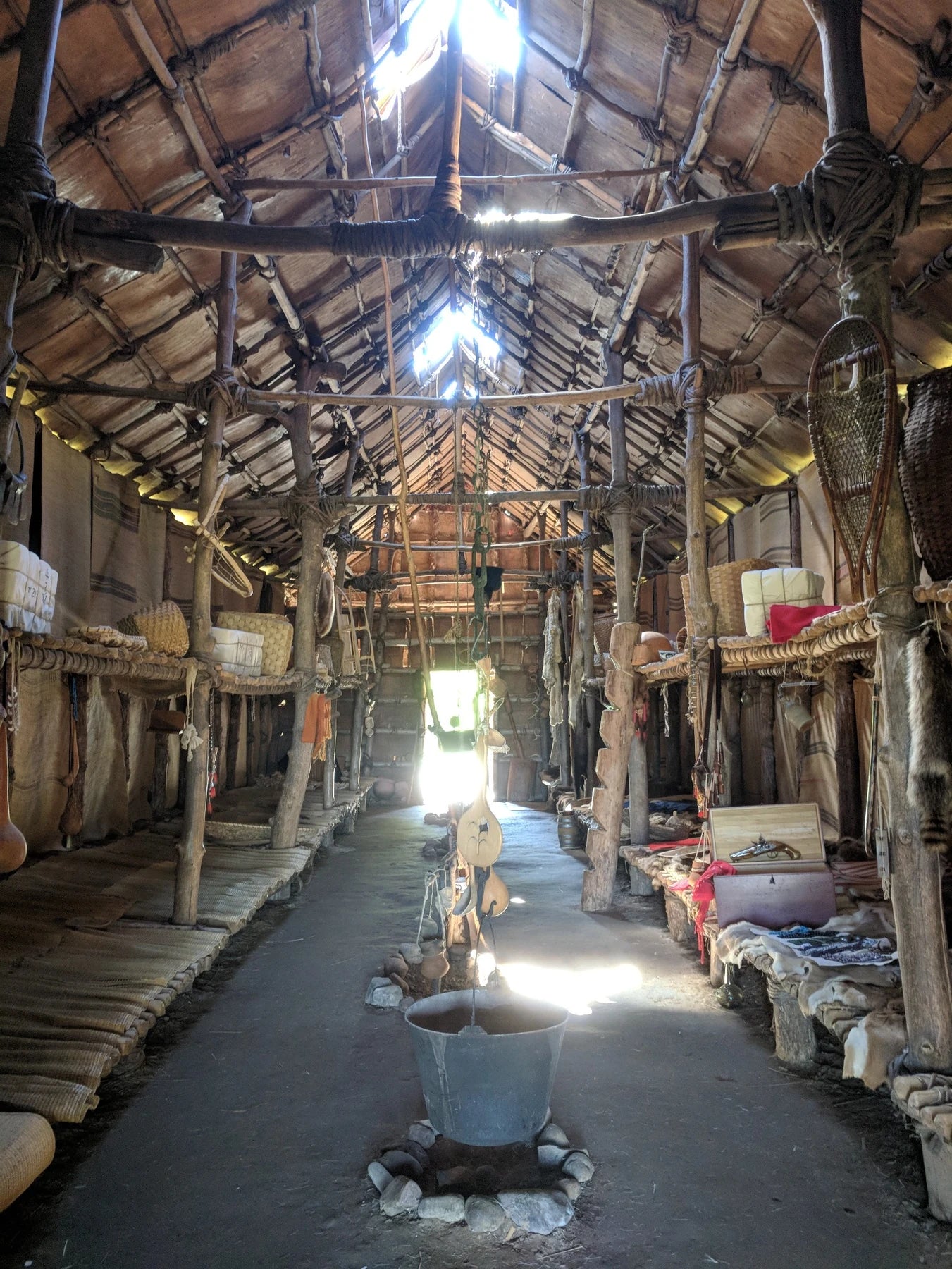
Public Haudenosaunee sources describe corn, beans, and squash as central foods and explain that corn has long been prepared in breads, soups, stews, and other dishes. Ganondagan’s public White Corn Project documents ongoing work to restore white corn as an everyday Haudenosaunee food, not only a crop remembered for special occasions. That is a living food-sovereignty project, not an old gardening curiosity.
The phrase “Indian corn” is too vague for serious horticulture. It can refer to colorful flint corn, mixed ornamental ears, landraces from many different communities, or almost any dry corn sold with a rustic story. Use the most precise description the evidence supports: flint corn, flour corn, dent corn, popcorn, a documented variety name, or a community-specific name when that community has made the information public.
Do not turn cultural association into a marketing claim. A seed seller should not label a variety “ancient,” “sacred,” “ceremonial,” “tribal,” or tied to a specific nation unless the history is documented and the public use is appropriate. Some seeds can be discussed publicly. Some should remain within the relationships that carry them.
That distinction matters in our own work. We sell many already-commercialized corn varieties, but commercial availability does not give us ownership over every story attached to corn. Our public guides can teach plant biology, garden practice, food use, and documented history while leaving protected teachings, private grow-out records, and community decisions where they belong.
Kernel anatomy explains most differences among corn types
Every kernel is a seed and a fruit. It includes an outer pericarp, an aleurone layer, a starchy endosperm, and a living germ. The endosperm stores most of the carbohydrate that feeds the embryo during germination and becomes the main food portion when the grain is ground or cooked.
The balance between hard, glassy endosperm and soft, floury endosperm creates the practical differences among flint, dent, flour, and popcorn. Sweet corn is different because genes interrupt the usual conversion of sugars into starch while the kernel is immature. Popcorn is a specialized hard-endosperm corn with a strong hull and a moisture level that allows pressure to build during heating.
| Kernel feature | What it affects | What the gardener notices |
|---|---|---|
| Hard or vitreous endosperm | Grinding texture, storage hardness, resistance to breakage, popping structure | Hard kernels in flint and popcorn; a coarser, more granular meal unless milled finely |
| Soft floury endosperm | Ease of grinding and flour texture | Flour corn crushes readily and produces a softer meal |
| Mixed hard and soft endosperm | Dent formation and versatile grain use | Dent corn develops a depression as the soft center dries and contracts |
| Sugar-retaining genetics | Sweetness and tenderness before full starch conversion | Sweet corn is harvested young, while kernels are juicy and milky |
| Hull strength and internal moisture | Popping | Popcorn must dry to the correct range, often around 13 to 14 percent moisture, before it pops well |
| Pigment location | Kernel color and how color behaves after crossing | Color may appear in the pericarp, aleurone, or endosperm, so inheritance can be complex |
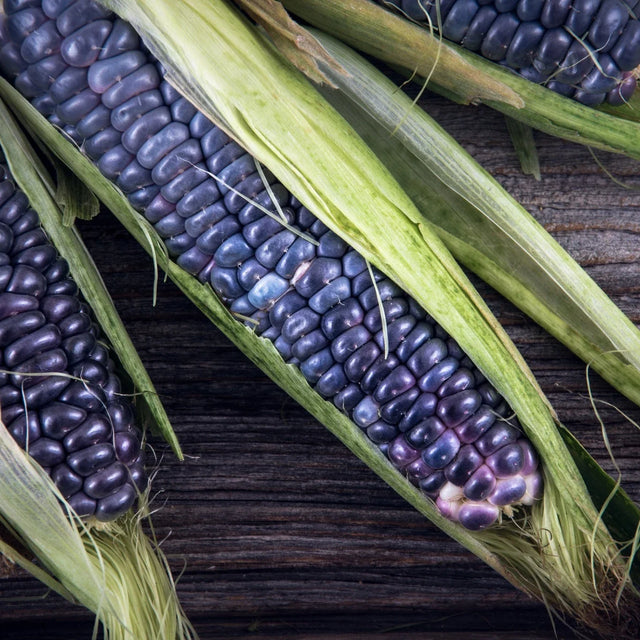
Color does not reliably identify the endosperm type. Blue corn can be flour, flint, dent, or popcorn. White corn can be sweet, dent, flour, or flint. A multicolored ear can be a true flint population, a flour corn, a popcorn, or a mixed decorative strain. Read the variety description and intended use.
Compare the main types of corn
| Type | Kernel structure | Primary harvest | Common uses | Key garden concern |
|---|---|---|---|---|
| Sweet corn | Genes preserve more sugar in the immature kernel | Milk stage, while husks are green and kernels release milky juice | Fresh eating, grilling, freezing, canning with tested methods | Cross-pollination with field, popcorn, or incompatible sweet types can reduce eating quality |
| Dent corn | Hard sides with a softer starchy center that contracts during drying | Fully mature and dry | Cornmeal, grits, hominy, masa, feed, distilling, parching depending on variety | Long season, dry-down, ear protection, and population size |
| Flint corn | High proportion of hard, glassy endosperm around the kernel | Fully mature and dry | Meal, polenta, grits, parching, some popping, storage grain | Hard kernels require appropriate milling; some varieties need a long season |
| Flour corn | Mostly soft, floury endosperm | Fully mature and dry | Fine meal, flour, breads, porridges, dumplings, some roasting or parching | Soft kernels can be more vulnerable to insects and breakage in storage |
| Popcorn | Hard endosperm and a hull able to contain steam pressure | Fully mature, dry, and cured to suitable moisture | Popping, some grinding and parching | Crossing with other corn can reduce popping performance; moisture must be right |
| Waxy corn | Endosperm starch is primarily amylopectin | Fresh or dry depending on variety | Specialty cooking and starch uses | Less common in home catalogs; confirm whether the variety is fresh-eating or grain corn |
| Pod corn | Each kernel is enclosed by a small glume or husk-like structure | Usually dry | Botanical interest, breeding, education, limited specialty uses | Not a practical substitute for standard sweet or grain corn |
| “Ornamental” corn | Not one botanical type; usually colorful flint, dent, flour, popcorn, or mixed material | Dry | Display, wreaths, education, and sometimes food when the underlying type is suitable | Do not assume it is inedible, but do not assume it has been selected for good food quality either |
Some lists say there are five types of corn, some say six, and others include seven or more. The disagreement usually comes from mixing botanical endosperm classes with market-use categories. For home gardeners, sweet, dent, flint, flour, popcorn, and waxy corn are the most useful endosperm categories. Pod corn is a distinct botanical form. Ornamental corn is a sales and use category that may contain several of the others.
Sweet corn: standard, sugary enhanced, supersweet, and synergistic
Sweet corn is eaten before the kernels complete their conversion from sugar to starch. The traditional sugary gene is usually labeled su. Sugary-enhanced types are often marked se. Supersweet types carry the shrunken-2 gene, written sh2. Synergistic and mixed-gene types combine traits from more than one class.
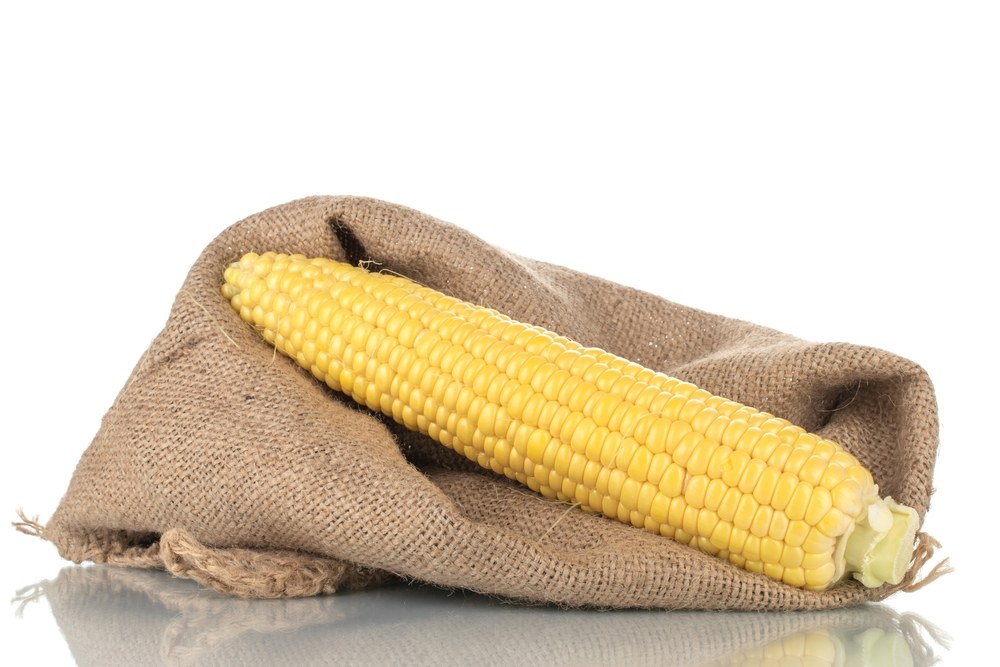
These labels matter because seed vigor, harvest quality, and isolation needs differ. Standard sugary corn usually germinates more readily in cool soil but loses sweetness faster after harvest. Sugary-enhanced corn often combines tenderness with better holding quality. Supersweet corn can remain sweet longer, but the seed is lighter and more vulnerable to cold, wet soil. It is safer to wait until soil reaches about 65°F for supersweet planting.
Sweet corn quality can be changed in the same season by pollen from another corn type. If ordinary field corn or popcorn pollinates a supersweet ear, the kernels created by that pollen can be starchy or otherwise inconsistent. This is a case where cross-pollination affects the current harvest, not only the next generation.
For home use, plant sweet corn in a compact block of at least three to four short rows. Space most varieties about 8 to 12 inches apart in rows 24 to 36 inches apart. Early compact varieties can use the tighter end. Tall, late, or vigorous varieties need more room.
Dent corn: the broad dry-grain workhorse
Dent corn contains a hard outer portion and a softer starchy center. As the kernel dries, the soft center shrinks and creates the familiar dent at the crown. Not every kernel dents equally, and some varieties sit near the boundary between dent and flint.
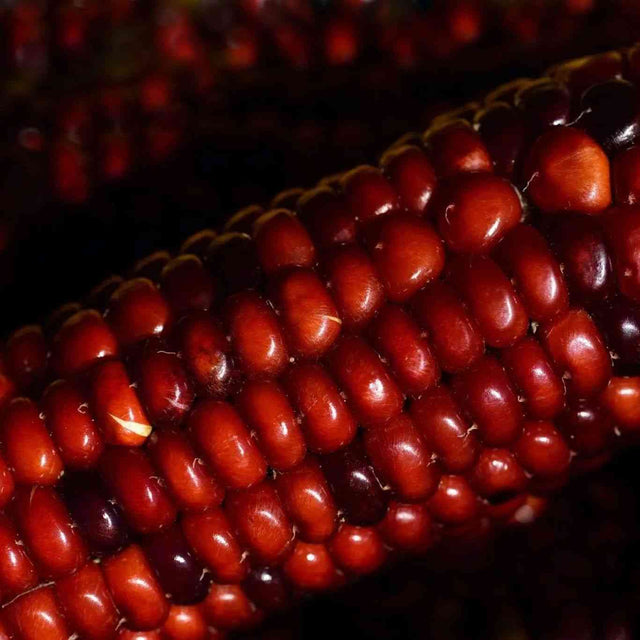
Dent corn is commonly used for meal, grits, hominy, masa, livestock feed, distilling, and industrial starch. The right use depends on the named variety, its flavor, kernel size, hardness, oil content, and how it was selected. Jimmy Red, Hickory King White, and Ohio Blue are examples in our current commercial catalog, but the name “dent corn” alone does not tell you which one will make the meal or hominy you prefer.
Dent corn is usually left on the plant until the husks brown and the kernels become hard. In humid climates, field drying may not be enough. Harvested ears often need additional curing under a roof with strong airflow. Shell only when the grain is dry enough to store without heating, molding, or attracting storage insects.
Can you eat dent corn? Yes. The important question is how. It is not usually selected for tenderness at the milk stage. It is a dry grain that becomes food through grinding, soaking, alkaline processing, parching, or other preparation appropriate to the variety and dish.
Flint corn: hard kernels, storage strength, and distinct texture
Flint corn has a high proportion of hard endosperm surrounding the kernel. The surface often looks smooth and glassy. That hard structure can store well and hold up during handling, but it also requires more force to grind.
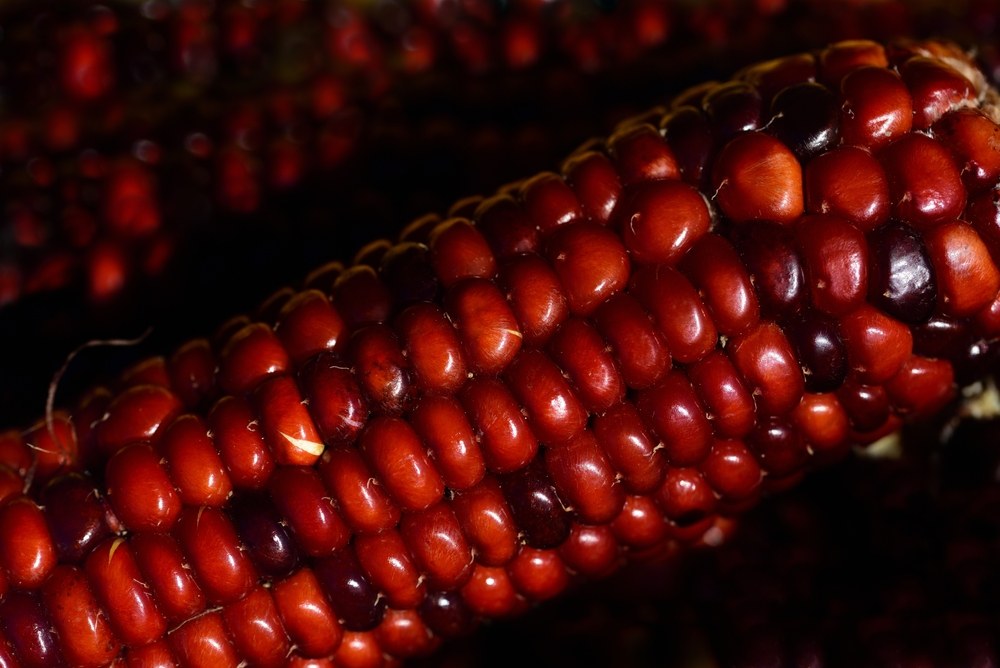
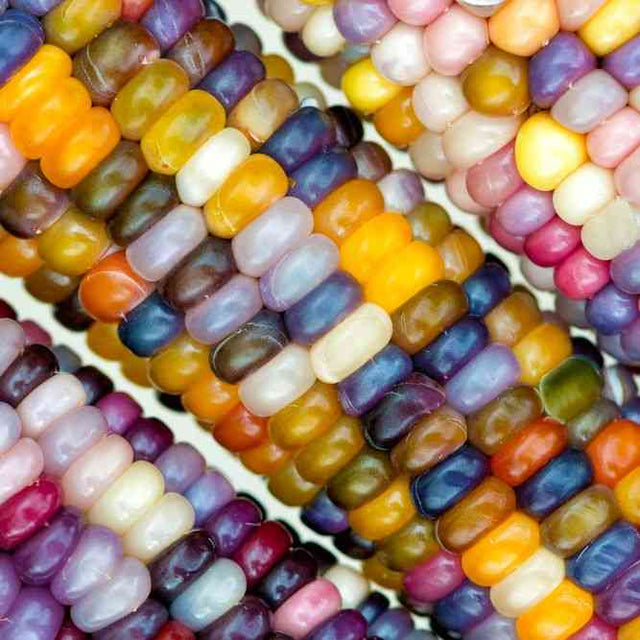
Flint corn can produce excellent polenta, grits, meal, parched corn, and other foods. Some small-kernel flints pop, though a variety not selected as popcorn may pop unevenly or produce small flakes. Glass Gem is widely grown as a multicolored flint and popcorn population, while Abenaki Calais and Cascade Ruby-Gold are examples of named flint corns in our catalog.
The word flint does not mean decorative. Colorful flint corn can be a serious food crop. At the same time, a beautiful ear does not prove culinary quality. Grow enough plants, harvest fully dry, test the grind, cook it, and keep field records before describing how a variety performs in your kitchen.
Flour corn: soft endosperm for easy grinding
Flour corn is dominated by soft, floury endosperm. Dry kernels crush more easily than flint corn and can produce a fine meal with less milling. Flour corns are often used for breads, porridges, dumplings, pinole-style preparations, parching, and other regional foods.
Hopi Blue, Painted Mountain, Magic Manna, and Montana Morado are examples of commercial flour corn varieties, but the public stories attached to these names vary in quality. A responsible seller should separate documented origin from later catalog repetition and should not use a community name as decorative proof of authenticity.
Soft kernels can be more susceptible to weevils and other storage pests. Dry ears thoroughly, shell carefully, remove damaged grain, and store in clean, cool, dry containers. For small seed lots, freezing fully dry seed in a sealed container can help control insects, but allow the sealed container to return to room temperature before opening so condensation does not wet the seed.
Popcorn is its own specialized grain corn
Popcorn is not simply any dry corn placed in a pan. Its strong hull and hard endosperm trap steam until pressure ruptures the kernel. Kernel shape is commonly described as rice or pearl, but popping expansion depends on the entire variety and on moisture at testing.
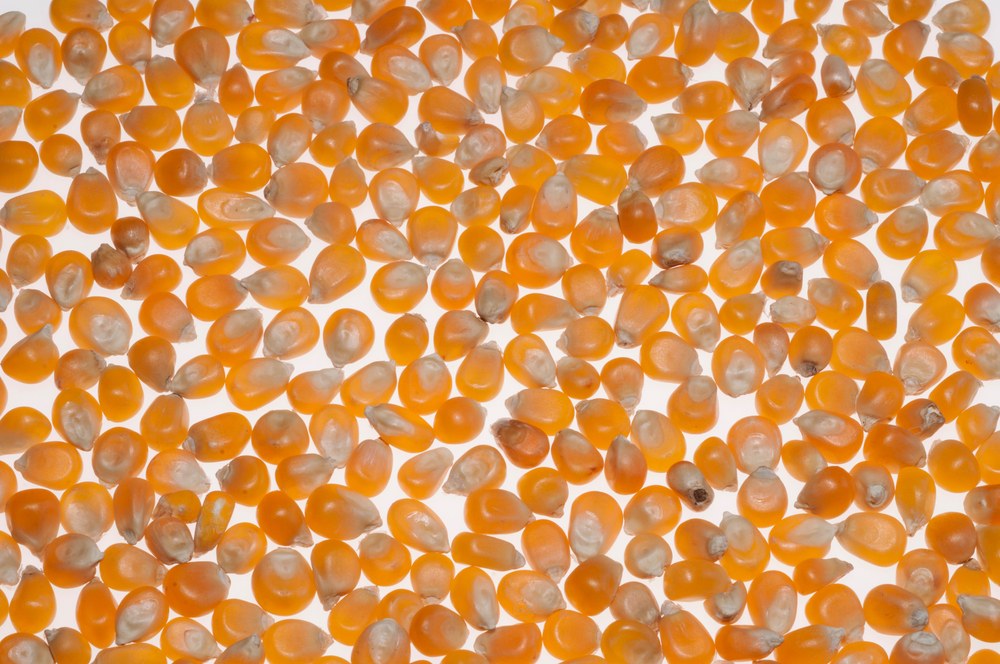
Harvest popcorn only after the ears mature and dry. Cure the ears under cover, then test a few kernels. If they split open without expanding, they may be too dry. If they scorch or remain tough, they may be too wet. Adjust moisture gradually by airing the kernels or conditioning them in a sealed jar with a tiny source of moisture, checking frequently rather than making a large change at once.
Popcorn should be isolated from sweet, dent, flint, and flour corn when quality matters. Pollen from other corn can reduce popping performance. In a small garden, it is often easier to grow one corn type in a season or separate flowering times completely than to rely on a short distance.
Waxy, pod, and ornamental corn need precise descriptions
Waxy corn
Waxy corn contains starch dominated by amylopectin. Some waxy varieties are grown as sticky fresh corn, especially in East and Southeast Asian food traditions. Others are grown for industrial starch. A packet labeled only “waxy corn” is incomplete. It should tell you whether the crop is meant for fresh eating, dry grain, or a specialty use.
Pod corn
Pod corn encloses each kernel in a small glume. It is botanically interesting and useful in discussions of corn development, but it is not a high-yield replacement for the main food types. Descriptions should not imply that pod corn is the direct unchanged ancestor of every modern corn. Corn domestication involved long, complex selection from teosinte and subsequent diversification.
Ornamental corn
“Ornamental” usually describes how the crop is sold or used. Many ornamental ears are flint or popcorn types. Some can be ground or popped; others were selected primarily for color and ear form. Confirm the actual type and whether the seed was produced and handled as food seed before using it in the kitchen.
Choose corn by the meal you want to make
| Goal | Best starting type | Questions to ask before buying |
|---|---|---|
| Fresh corn on the cob | Sweet corn | Is it su, se, sh2, or synergistic? How many days to maturity? Does it need isolation from another sweet type? |
| Cornmeal or polenta | Flint, dent, or flour corn | Do you want a coarse granular texture or a soft fine flour? Has the variety been evaluated for flavor? |
| Grits | Dent or flint corn | What kernel hardness and grind size do you prefer? Will you nixtamalize or stone-grind? |
| Hominy or masa | Usually dent or flour corn; some flints also work | Is the kernel size and pericarp suitable? Are you prepared to follow a safe alkaline-processing method? |
| Popcorn | True popcorn | Was it selected for popping expansion? Can you isolate it from other corn? |
| Parched corn | Flint, flour, dent, or popcorn depending on tradition and texture | Has the variety been used successfully for parching? Is the kernel fully dry and clean? |
| Display plus food | A documented colorful flint, flour, or popcorn | What is the underlying type? Was it produced as edible grain, and what preparation suits it? |
| Seed stewardship | An open-pollinated variety with documented identity | Can you grow enough plants, isolate flowering, select typical ears, and store a representative sample? |
Do not choose a dry-grain corn because the photograph is beautiful and then expect tender sweet ears. Do not choose a sweet corn for a winter cornmeal project. The correct crop begins with the intended food.
Growing and harvest differences among corn types
All corn is wind-pollinated and performs better in compact blocks than in a single long row. Most home-garden corn is spaced 8 to 12 inches apart, with rows 24 to 36 inches apart. The exact spacing depends on plant height, soil fertility, water, and variety. A small early sweet corn can stand closer than a tall, late flour corn with heavy ears.
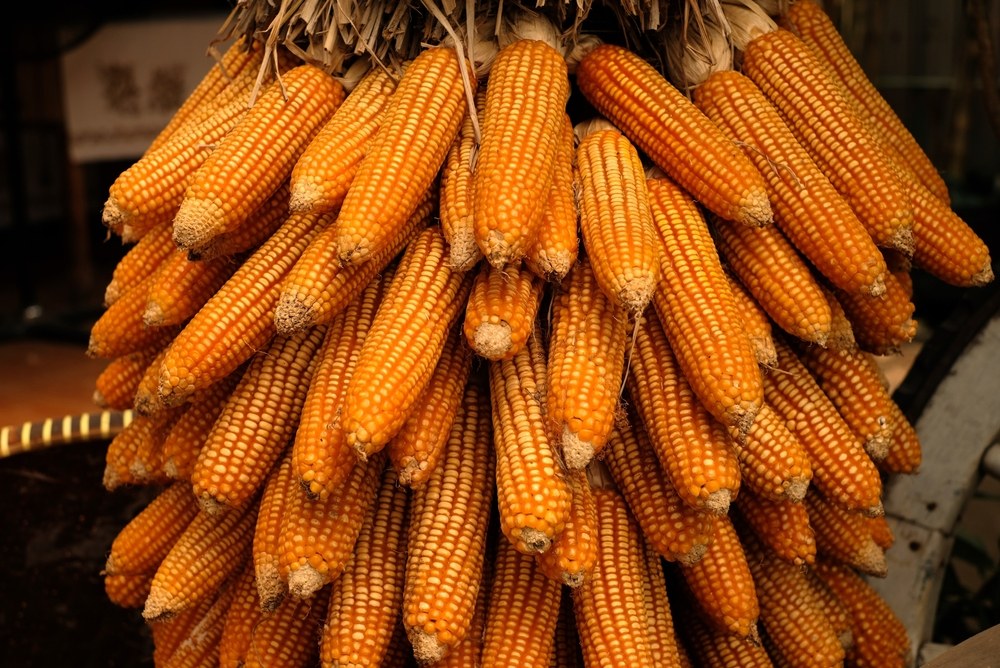
Standard sweet corn may germinate in soil near 50°F, though emergence becomes more uniform as soil approaches 60°F. Sugary-enhanced, supersweet, and synergistic types need warmer soil, with 60°F as a practical minimum and about 65°F safer for supersweet seed. Dry grain and popcorn also benefit from warm, well-drained soil and even emergence.
Harvest stage is the largest difference. Sweet corn is harvested green at the milk stage, often about 17 to 24 days after silks first appear depending on heat. Dry corns remain in the field until kernels harden and husks brown. They may need additional curing after harvest.
Cross-pollination can change the current ear. Each silk leads to one potential kernel. The pollen grain that lands on it contributes to that kernel. Sweet corn pollinated by field corn can produce starchy kernels in the ear you eat. Popcorn pollinated by another type may pop poorly. Grain color can also change. Isolation is therefore a quality issue, not merely a seed-saving issue.
Seed saving requires a population, not one perfect ear
Corn is highly outcrossing. A single ear contains many half-siblings, and a small patch captures only a small portion of the variety’s diversity. Saving seed from the prettiest ear in a ten-plant row may preserve that ear’s appearance while narrowing the population and increasing inbreeding.
For a household experiment, seed from a small patch can be replanted, but it should not be described as secure variety maintenance. A stronger home seed crop includes at least 100 healthy plants, with 200 or more preferable for a diverse open-pollinated population. Grow more than the final number so weak, diseased, or clearly off-type plants can be removed without shrinking the breeding population too far.
Save from many ears across the block. Keep ears from the center and edges, early and later plants, and more than one family line when the variety contains visible diversity. Select for health, standability, maturity, ear quality, and the documented identity of the variety. Do not select only for the trait that photographs best.
Isolation standards vary with the purity goal, nearby pollen source, wind, topography, and flowering overlap. A few hundred feet may reduce crossing in a small garden, while professional seed production may require much greater distance or controlled hand pollination. Time isolation works only when pollen shed and silk receptivity do not overlap.
What our own seasons taught us about corn
In 2019, back-to-back heat and the lack of secure land and irrigation nearly cost us many crops, including corn. The lesson was not that the seed was weak. The lesson was that seedkeeping needs water, time, land access, shade, storage, records, and people who can reach the field when conditions change.
In 2022, after returning home to Bertie County, we grew many kinds of corn on our own land. Much of it had to be hand-pollinated. Seeing corn stand there after earlier losses felt like a return, but it also made the workload plain. Hand pollination, labeling, selection, drying, shelling, and storage cannot be squeezed into whatever hours remain after fulfillment.
Glass Gem later became one of our strongest commercial products. Its beauty brings people into the category, but the photograph is not the crop. A corn population is built through many plants, many pollen events, deliberate selection, and repeated grow-outs. That is why our Glass Gem guide explains the plant instead of repeating a simplified internet story.
We also keep a boundary between public commercial varieties and corn carried through specific family or community relationships. The store can support the work without turning every seed into inventory. That boundary is part of responsible seedkeeping.
Frequently asked questions
What are the six main types of corn?
For most gardeners, the useful six are sweet, dent, flint, flour, popcorn, and waxy corn. Pod corn is a distinct botanical form, while ornamental corn is usually a use category made from one of the dry-grain types.
Can you eat dent corn?
Yes. Dent corn is usually harvested dry and prepared as meal, grits, hominy, masa, parched corn, or another cooked grain. It is not usually selected for tenderness as fresh corn on the cob.
Is flint corn the same as popcorn?
No. Popcorn is a specialized hard-endosperm corn selected for popping. Some flint corns pop, but they may produce smaller or less uniform flakes.
Is blue corn always flour corn?
No. Blue describes pigment, not kernel texture. Blue varieties can be flour, flint, dent, sweet, or popcorn types.
Is ornamental corn edible?
Some is. “Ornamental” describes the market use, not the kernel biology. Identify the underlying type and confirm that the seed and harvested grain were produced and handled as food.
Why does my sweet corn have hard or starchy kernels?
The ears may be overmature, drought-stressed, or cross-pollinated by another corn type. Harvest at the milk stage and isolate incompatible corn pollen.
How many corn plants do I need?
For fresh eating, a small block of at least three to four short rows can pollinate adequately. For seed stewardship, the goal is different: grow at least 100 healthy plants when possible, with 200 or more preferable for maintaining a diverse open-pollinated population.
Can I grow sweet corn and popcorn together?
You can grow them in the same season only if distance or flowering time prevents pollen overlap. Otherwise sweet corn eating quality and popcorn performance can both be reduced.
What is the best corn for cornmeal?
Flour corn grinds most easily, flint corn produces a harder granular meal, and dent corn is versatile. The best choice depends on the texture, flavor, and dish you want.
What is the difference between maize and corn?
Maize is the globally precise crop name derived from the Indigenous Caribbean word that entered European languages. In the United States, corn commonly means maize. In older English usage, corn could refer to the principal grain of a region.
Sources and further reading
The horticultural measurements and cultural background in this guide were checked against the following public institutional sources. Cultural material is paraphrased and limited to information these institutions make public.
- Haudenosaunee Confederacy: Food and Hunting
- Ganondagan: White Corn Project
- Ganondagan: The Three Sisters
- University of Minnesota Extension: Growing Sweet Corn
- University of Minnesota Extension: Growing Popcorn
- USDA Agricultural Research Service: Corn Diversity
- USDA Agricultural Research Service: Corn Domestication