The best corn for cornmeal is not automatically the best corn for grits, hominy, masa, or parching. These foods ask different things from a kernel. Fine meal rewards easy grinding. Grits need particles that stay distinct. Hominy needs kernels that respond well to alkaline cooking and retain a useful texture. Masa needs nixtamal that grinds into cohesive dough. Parched corn needs mature kernels that roast into a pleasant, edible texture rather than turning into hard pebbles.
Start with a food-quality dry corn and a clearly defined product. Flour corn is often easiest for fine meal. Food-quality dent is a strong general-purpose choice for meal and grits. Flint can make firm hominy and coarse meal but requires more milling. Corn selected for nixtamalization should be tested as nixtamal rather than judged only by the raw kernel.
This guide does not collapse all corn foodways into one process. Haudenosaunee White Corn, Southern grits, Mesoamerican masa, Pueblo cornmeal, and other corn foods belong to different living histories and methods. We can compare kernel behavior while still naming those distinctions.
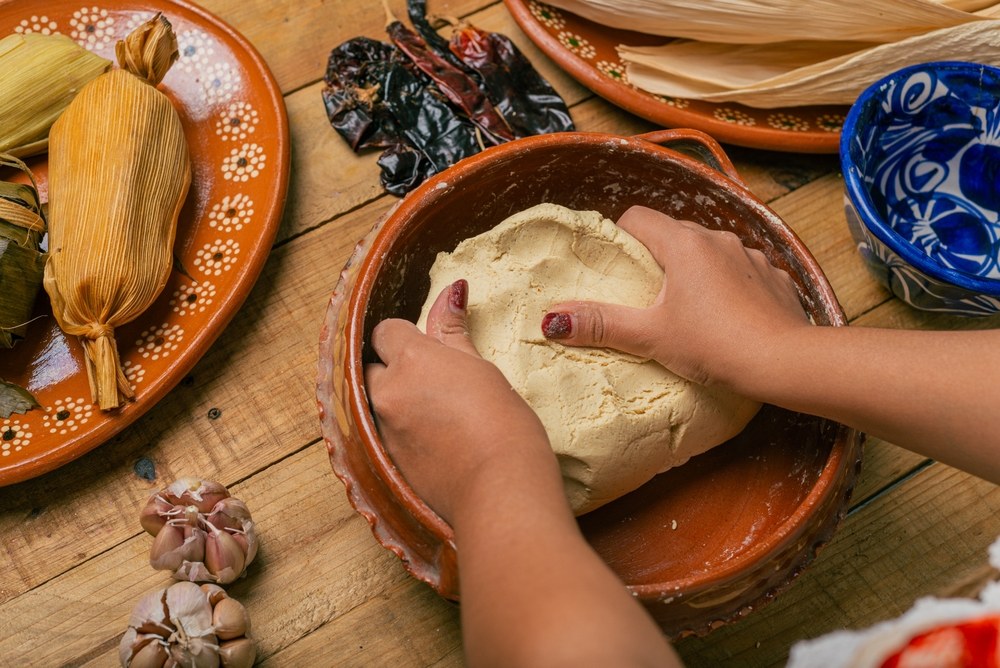
Best corn by finished food
| Finished food | Best class to investigate first | Kernel behavior you want | Common mistake |
|---|---|---|---|
| Fine cornmeal or corn flour | Flour corn; soft food dent | Clean flavor and easy reduction to fine particles | Confusing flour corn with masa harina or cornstarch |
| Medium or coarse cornmeal | Dent, flint, or flour | A grind that keeps enough texture for the recipe | Buying by color without testing the grind |
| Grits | Food-quality dent or flint | Coarse particles that hydrate and remain distinct | Using very soft flour corn and expecting firm grits |
| Whole-kernel hominy | Large food dent or flint; documented culinary flour corn | Hull release, even hydration, and a kernel that stays pleasantly substantial | Treating every dry corn as equally suitable for alkaline cooking |
| Masa | A culinary corn tested for nixtamalization | Nixtamal that grinds into cohesive, aromatic dough | Grinding ordinary dry cornmeal and calling it masa |
| Parched corn | Variety documented or tested for parching, often flour or flint | A mature kernel that roasts through without remaining tooth-breaking hard | Assuming popcorn and parched corn are the same product |
| Roasted corn flour | A flour corn or community-specific white corn processed by a documented method | Roasted flavor plus a grindable kernel | Using a cultural food name for an unrelated commercial process |
The class narrows the search. A kitchen trial confirms the choice.
Cornmeal, flour, grits, hominy, masa, and parched corn
Corn terminology changes by region, industry, and household. Define the product before comparing seed.
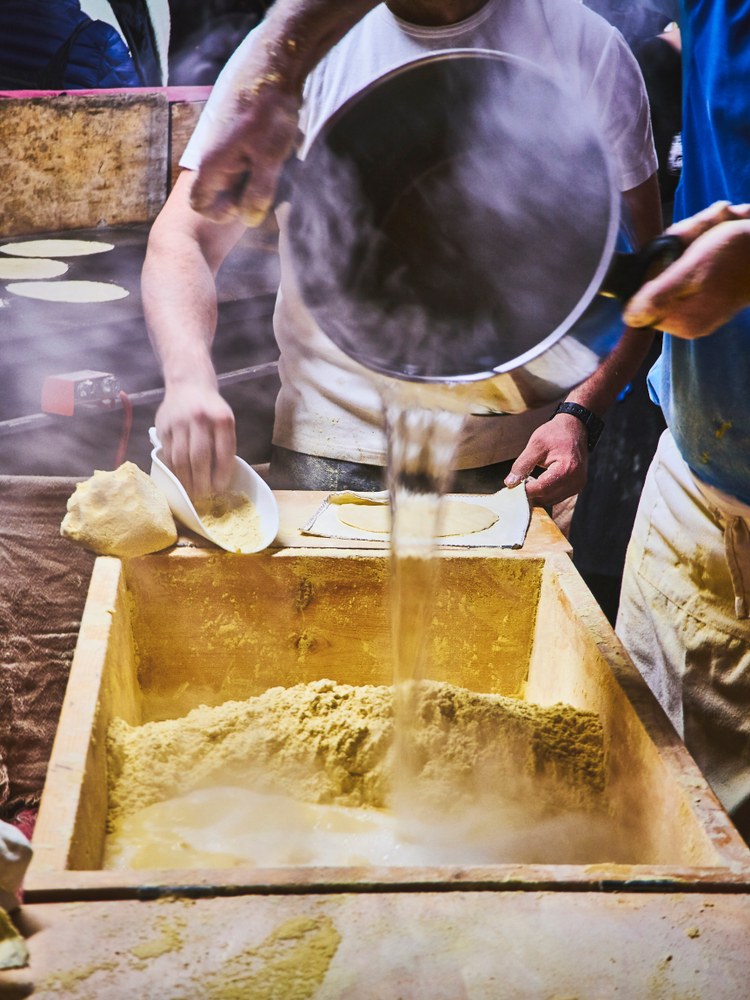
- Cornmeal is dry corn ground to a chosen particle size. It may be whole grain or degerminated, coarse or fine, white, yellow, blue, red, or multicolored.
- Corn flour in much U.S. cooking means very finely ground whole corn. In some countries, “cornflour” means cornstarch. It is not automatically masa harina.
- Flour corn is a botanical or kernel class with soft starchy endosperm. It is seed and grain, not the finished milled product.
- Grits are coarser particles of corn. Regular grits may be dry-milled. Hominy grits begin with nixtamalized corn.
- Hominy is whole or coarsely broken dry corn treated with an alkaline process that loosens the hull and changes the kernel.
- Masa is fresh dough ground from nixtamalized corn. Masa harina is dried masa flour that is rehydrated.
- Parched corn is mature dry corn roasted or toasted for eating or later grinding. It is not the same as popcorn.
- Polenta can refer to a cooked dish and, in retail, to a grind of cornmeal. It is not a corn kernel class.
- Mush describes cooked meal or flour and can be made from different corn types depending on the food tradition.
These distinctions prevent one of the biggest seed-catalog problems: describing every dry corn as “good for flour, grits, hominy, masa, popcorn, and roasting” without proof.
Why one corn is not best for everything
Every processing step rewards a different balance of traits.
| Trait | Why it matters |
|---|---|
| Kernel hardness | Controls milling force, particle fracture, cooking time, and whether whole kernels hold together |
| Pericarp thickness | Affects chewing, hulling, alkaline processing, popping, and bran content |
| Soft versus hard endosperm | Influences whether grain becomes fine powder, firm grits, or glassy fragments |
| Germ size and oil | Adds flavor and nutrition but shortens the storage life of whole-grain meal |
| Kernel size and uniformity | Affects even hydration, hulling, cooking, and mill feed |
| Moisture | Changes shelling, grinding, storage, and popping behavior |
| Flavor | Varies by variety, growing conditions, harvest, storage, and processing |
| Maturity and adaptation | Decide whether the grain reaches usable quality before frost, storms, or disease |
| Food-grade handling | Separates clean culinary grain from treated seed, feed, moldy grain, or decorative ears |
A variety that makes excellent fine meal may break apart in hominy. A hard flint that makes beautiful hominy may need several mill passes for fine flour. A dent with balanced starch may be versatile but not produce the highest expansion as popcorn. Use is not a moral ranking. It is a fit between genetics and process.
Best corn for cornmeal
Cornmeal can be coarse, medium, fine, whole grain, bolted, stone-ground, steel-ground, white, yellow, blue, red, or mixed. “Best” begins with the texture you want.
Flour corn for fine meal
Flour corn is the easiest first choice when you want a fine, soft meal. Its endosperm breaks readily. It is especially useful for small mills, hand-powered equipment, mush, breads, and recipes where a smooth texture matters.
Dent corn for versatile meal
Food-quality dent corn often produces a balanced meal with both fine starch and enough structure for texture. It can be a strong household staple when you want one corn for meal, grits, and other dry-grain uses.
Flint corn for pronounced texture
Flint corn can make flavorful meal, but it requires more milling. Coarse particles may remain firm and distinct. This can be a benefit in rustic breads, mush, or regional dishes and a drawback when a silky flour is expected.
Whole grain versus bolted meal
Whole-grain meal retains bran and germ. It usually has fuller flavor and more oil, which means shorter storage. Bolting or sifting removes some coarse bran and can create more consistent cooking. Degermination extends shelf life but changes flavor and nutrition.
For a seed-catalog claim, “good for cornmeal” should mean the variety has been milled and cooked, not merely that the kernel is dry.
Best corn for grits
Grits are not simply badly ground cornmeal. They are intentionally coarse particles. Good grits hydrate evenly, become tender, and retain enough identity to avoid turning into paste unless a softer result is desired.
Food-quality dent corn is often the easiest starting point because its mixed endosperm can produce coarse particles with a useful balance of tenderness and structure. Flint corn can make firmer grits with a longer cook. Very soft flour corn may create more fines and a softer bowl, though specific flour varieties can still be excellent.
What to measure in a grit trial
- Percentage of grain retained on the desired screen.
- Amount of fine meal produced as a by-product.
- Water absorption by weight.
- Time to tenderness at a steady simmer.
- Whether particles remain distinct or collapse.
- Flavor before and after adding fat, dairy, or seasoning.
- Texture after cooling and reheating.
The keyword “dent corn grits” is useful because many gardeners do not realize they can grow a dedicated food dent. The phrase should still lead to a documented food variety, not anonymous feed corn.
Best corn for hominy
Hominy begins as dry corn treated with alkali. Illinois Extension describes nixtamalization as the process that removes or loosens the hull and softens the kernel, creating a plump, chewy food. The ideal raw grain depends on whether you want whole hominy, posole-style kernels, a ground product, or hominy grits.
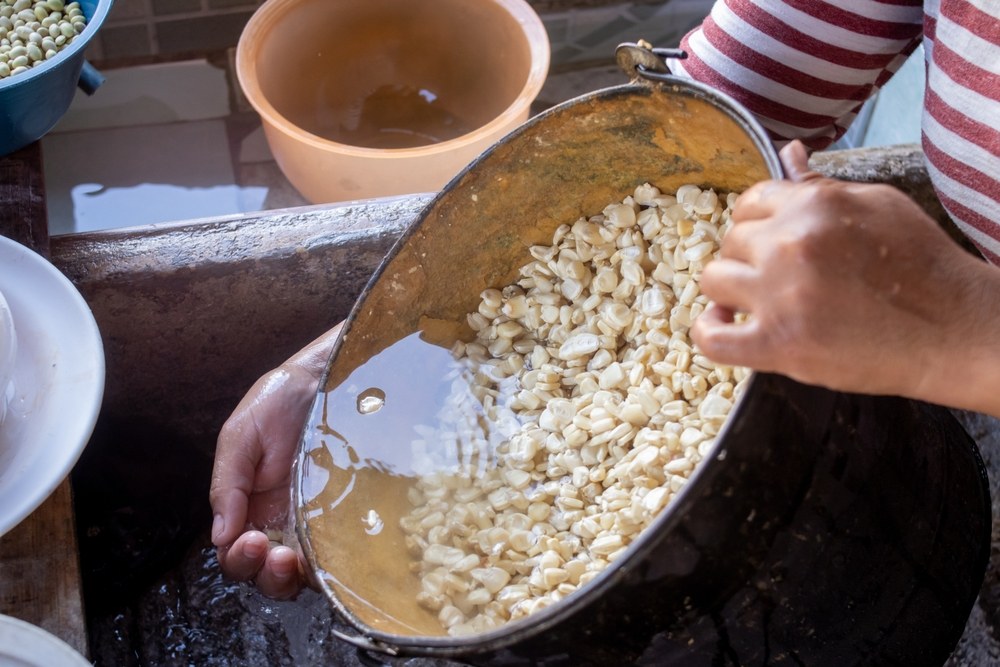
Large-kernel food dents and flints are common choices because they can remain substantial after processing. A hard flint may keep a firmer bite. A dent may hydrate more readily. Some flour corns work well, while others become too fragile for the desired whole-kernel texture.
Traits for a hominy corn
- Sound, mature, evenly dried kernels.
- Food-grade handling with no seed treatment.
- Uniform size for even cooking.
- A pericarp that loosens predictably.
- Flavor that remains pleasant after alkaline processing.
- Kernel structure matched to the desired final texture.
The word hominy describes the processed food. It does not identify the Native nation, Mexican region, Southern household, or other community whose method is being used. Name the specific recipe and source when teaching a process.
Best corn for masa
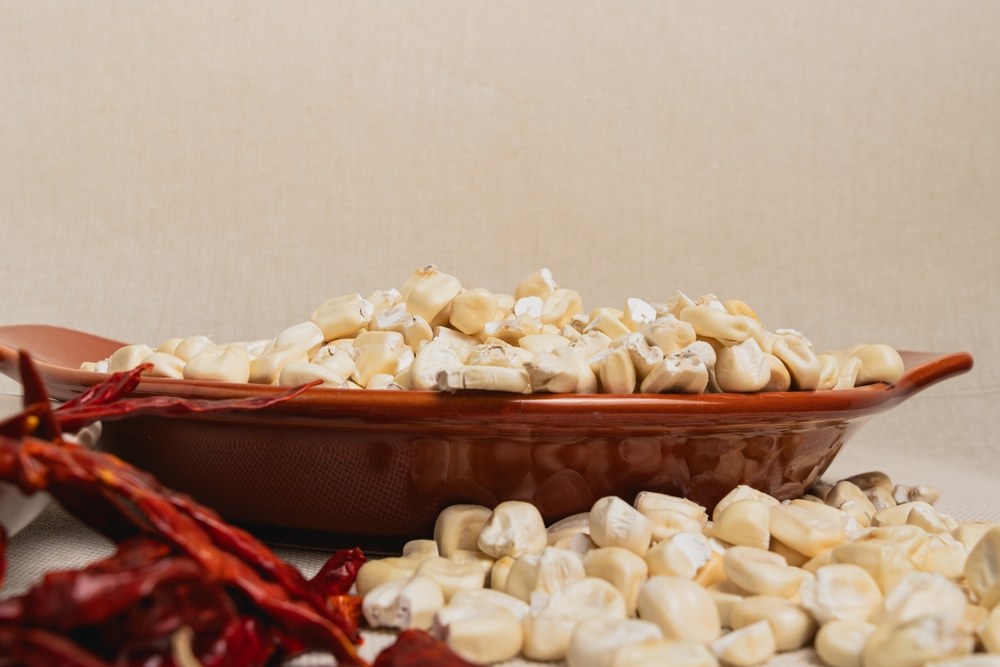
Masa is not ordinary cornmeal mixed with water. Iowa State defines masa as the material produced by alkaline cooking, steeping, washing, and stone grinding corn into soft dough. Oregon State's culinary corn project treats suitability for nixtamalization as a breeding and evaluation trait because varieties do not behave the same.
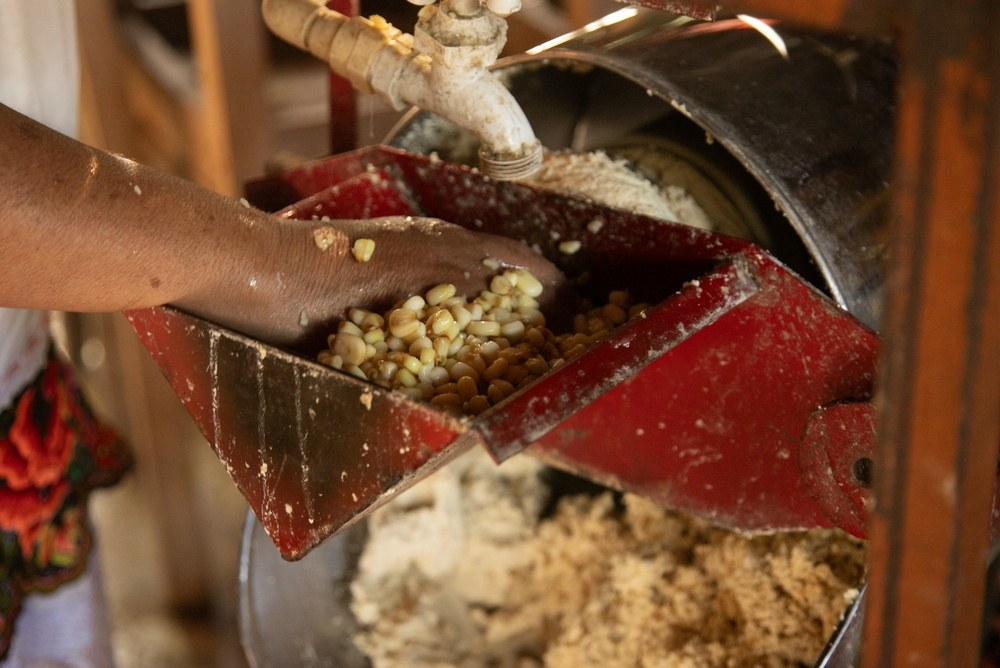
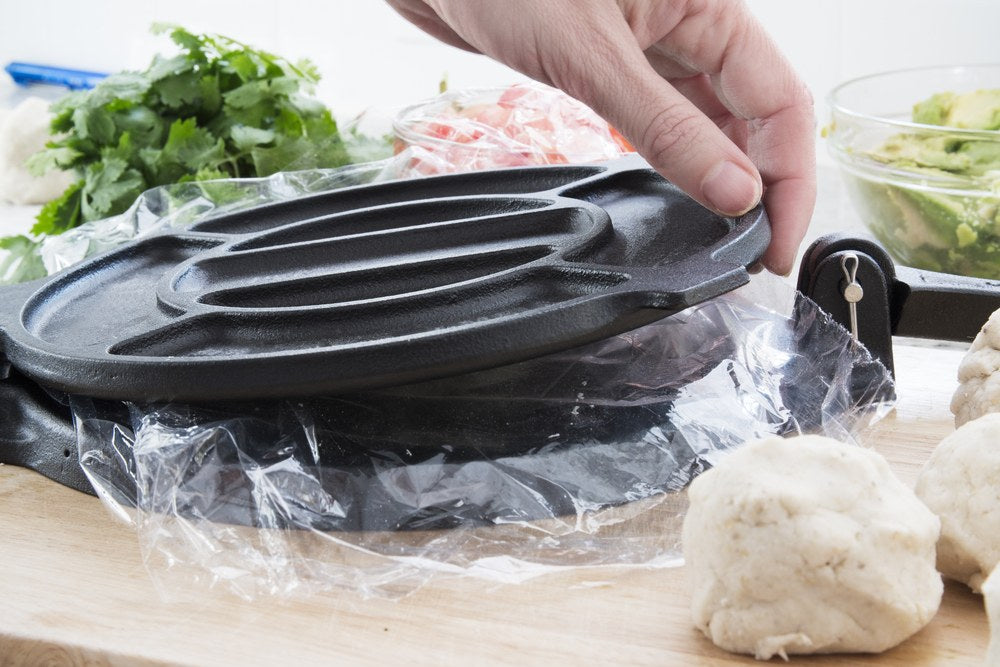
A good masa corn must do several things well: take up water, release the hull at the intended level, develop aroma and flavor, grind smoothly, and form dough with the cohesion needed for tortillas, tamales, or the specific food being made. Food dents are common. Flint and flour corns can also make good masa when the variety has the right qualities.
Evaluate masa, not just nixtamal
- How evenly did the kernels cook?
- How much pericarp remained after washing?
- Did the nixtamal smell clean and appealing?
- Did it grind without hard fragments?
- Did the dough hold together without excessive water?
- Did a pressed tortilla release cleanly?
- How did it puff, bend, cool, and reheat?
Do not use a seed-page classification to guarantee tortilla quality. A serious masa claim requires a cooking trial.
Best corn for parching and roasted flour
Parched corn is made by roasting mature dry kernels. It is not popcorn. Popcorn expands because steam ruptures a specialized hull. Parched corn toasts and cooks through without necessarily turning inside out.
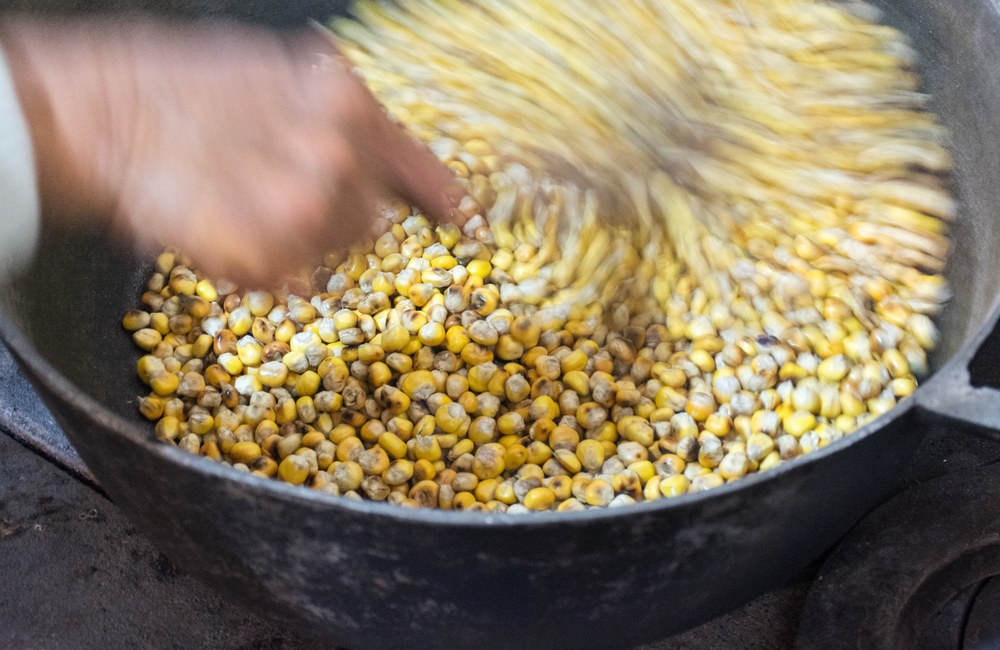
Flour corns are often good candidates because the softer starch can become easier to chew and grind after roasting. Some flints are valued for a firm, nutty result. The exact variety, kernel size, roasting temperature, and method determine whether the grain becomes crisp, tender, scorched, or dangerously hard.
Start with a small test
- Use fully mature, clean food-grade grain.
- Sort out cracked, insect-damaged, moldy, or discolored kernels.
- Roast a small measured batch using a documented method.
- Cool completely before judging texture.
- Do not bite aggressively into a kernel that remains rock hard.
- Record kernel class, variety, batch weight, heat, time, and result.
Roasted corn flour is another product. Ganondagan's public White Corn resources include roasted White Corn flour, but that living Haudenosaunee food system should be named specifically rather than used as a generic label for any roasted meal.
Keep distinct food traditions distinct
Corn moved through the Americas through many peoples, places, and agricultural systems. The processes around it are not one interchangeable “ancient Native” method.
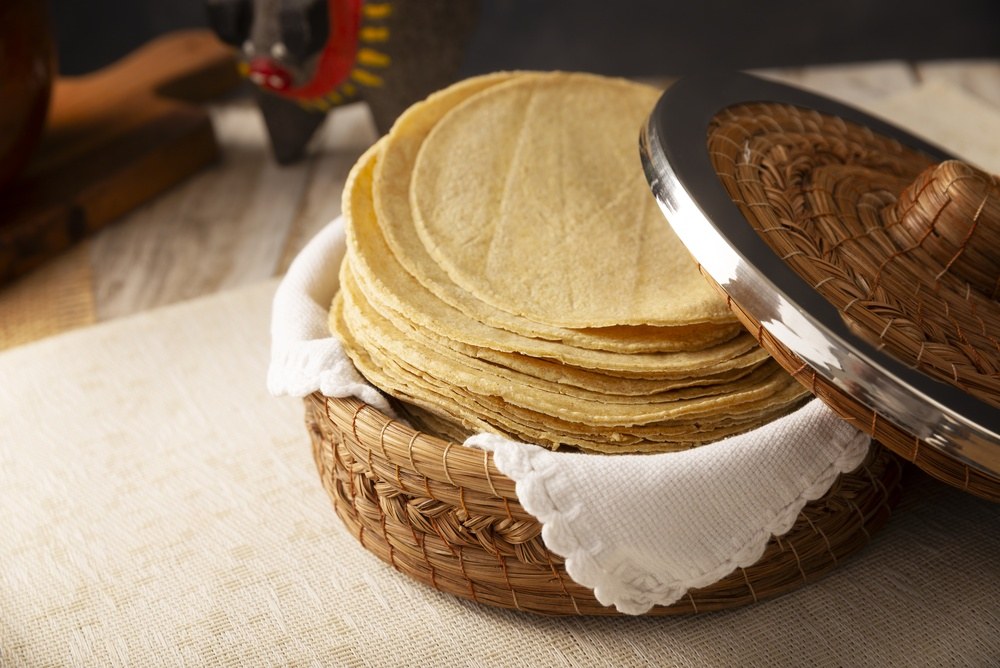
The Haudenosaunee Confederacy describes corn ground with mortar and pestle, green corn used in succotash, and corn in breads, soups, and stews. Ganondagan's White Corn Project works to restore White Corn, also identified publicly as Tuscarora White, as an everyday Haudenosaunee food and describes hand growing, picking, processing, hulling, flour, and community husking work. The Smithsonian's Akwesasne materials describe cornwashing baskets used to separate hull from softened corn and open-weave sieves used in making cornmeal.
Those practices are not identical to every Pueblo grinding tradition or to Mesoamerican nixtamalization for masa. National Park Service materials document corn grinding and storage in Pueblo contexts, while Oregon State's masa project explicitly works with nixtamalization and culinary corn. Each source belongs to its own context.
Public-facing writing should:
- Name the people or place when known.
- Avoid turning a living food into a vague historical artifact.
- Distinguish green corn, hulled corn, dry meal, hominy, masa, and parched grain.
- Never claim that one commercial seed packet grants authority to teach every associated cultural practice.
- Leave private, ceremonial, family-held, or community-restricted knowledge private.
Evaluate a variety before scaling it
A seed company, community garden, or household should not plant a large food-corn block based only on a catalog sentence. Grow enough for a small but meaningful processing trial first.
| Test | Measure | Why it matters |
|---|---|---|
| Sound-grain yield | Clean dry grain weight divided by harvested ear weight | Shows how much usable food remains after cobs, damaged kernels, and cleaning |
| Mill throughput | Minutes per pound at a recorded setting | Reveals whether the grain and mill are practical together |
| Particle distribution | Weight of coarse, medium, and fine fractions | Shows whether the grain naturally produces meal, grits, or excess fines |
| Hydration | Water added per weight of dry product | Allows recipe comparison |
| Cooking time | Minutes to desired tenderness | Affects fuel, labor, and household use |
| Flavor | Blind or structured tasting notes | Separates color appeal from eating quality |
| Nixtamal yield | Cooked and washed weight from a known dry weight | Shows uptake and loss during processing |
| Dough performance | Cohesion, press release, puffing, flexibility | Determines whether masa is actually useful |
| Parching result | Percentage crisp and edible versus hard or scorched | Determines whether the variety should be recommended for roasting |
Use the same equipment and protocol when comparing varieties. Otherwise you are measuring the kitchen process more than the corn.
A home-scale dry-milling workflow
- Start with fully dry grain. Kernels should be hard, clean, and stable. Read the drying and storage guide.
- Inspect and clean. Remove moldy, damaged, insect-infested, sprouted, or off-odor kernels. Winnow dust and chaff.
- Check the mill. Use equipment rated for whole dry corn. Hard flint can damage an unsuitable mill.
- Run a coarse pass. A first crack reduces strain and gives options for grits and meal.
- Sift by particle size. Use labeled screens or sieves and weigh each fraction.
- Regrind intentionally. Regrind coarse fractions only when fine meal is the goal.
- Control heat. Pause if the meal or mill becomes hot.
- Package quickly. Whole-grain meal with germ has limited room-temperature life.
- Label the lot. Variety, crop year, milling date, grind, and storage method belong on the container.
A clean workflow prevents the common situation where a beautiful harvest becomes several unlabeled jars of unknown grind.
Nixtamalization and food-safety boundaries
Nixtamalization is a food process involving alkali. Use food-grade ingredients, nonreactive equipment recommended by the recipe, appropriate protective practices, and a reliable source. Do not improvise with construction lime, unknown lye, or an unverified concentration.
This guide intentionally does not give one universal alkali ratio. Corn variety, alkali source, kernel size, desired product, and recipe tradition differ. Follow a tested university, trusted culinary, or community-taught process suited to the food you are making.
Cooking hominy for immediate use and canning hominy for shelf storage are different safety questions. The National Center for Home Food Preservation advises using tested canning recipes. Do not invent a pressure-canning schedule from an ordinary nixtamal recipe.
If you are teaching a cultural food process, the technical recipe is only one part. Name the source of the method and do not separate it from the people who maintain it.
Store whole grain and meal differently
Whole kernels protect their interior better than ground meal. Milling exposes oils, starch, and surface area to oxygen, humidity, insects, and odors.
- Whole dry grain: Store cool, dry, clean, dark, and protected from insects and rodents. Utah State notes that grain above roughly 12 percent moisture faces greater mold and quality risk, while higher moisture sharply increases spoilage risk.
- Whole-grain meal: Refrigerate or freeze for longer storage because the germ oil can become rancid.
- Degerminated meal: Stores longer but still needs an airtight container and protection from heat and moisture.
- Fresh masa: Treat as a perishable food and refrigerate promptly according to the recipe.
- Masa harina: Keep dry and sealed, following the product's storage guidance.
- Cooked hominy: Refrigerate or freeze unless preserved by a tested canning method.
Mill what you can use. The best flavor often comes from storing sound grain whole and grinding in smaller batches.
A six-product kitchen trial
One 10- to 20-pound clean grain lot can teach more than a page of adjectives if it is divided deliberately.
- Reserve seed before processing, if the lot is also a seed population.
- Weigh six equal grain portions.
- Mill one to fine meal.
- Mill one to medium meal.
- Mill one to grits.
- Process one as whole hominy using a reliable recipe.
- Process one as nixtamal and grind to masa.
- Parch one using a documented small-batch method.
- Record yield, labor, water, energy, flavor, texture, waste, and household preference.
The goal is not to force one corn to win every category. The goal is to find its strongest use. A variety that ranks third for meal and first for hominy may still be the right corn for your household. A flour corn that makes exceptional fine meal may deserve a dedicated block even if it is poor for grits.
Why the kitchen belongs in seed stewardship
Our corn work has never ended at the ear. We have had seasons when heat, distance, and lack of infrastructure threatened the crop before harvest. We have had seasons when much of the corn had to be hand-pollinated. Those experiences made field discipline unavoidable, but they also exposed another gap: a seed cannot be responsibly described by appearance alone.
If we say a corn is for flour, hominy, grits, masa, or parching, somebody eventually has to process it. The mill, pot, basket, sieve, drying rack, labels, and tasting notes are part of the variety record. The food is evidence.
For a Native-led seed company, that evidence also has to be culturally careful. Corn carries stories and responsibilities, but public education should not turn every story into content. We can teach kernel structure, growing, drying, and documented public foodways while protecting what is not ours to publish.
Frequently asked questions
What corn makes the best cornmeal?
Flour corn is the easiest starting point for fine meal. Food-quality dent is versatile, and flint can make excellent textured meal. The best variety depends on grind, flavor, and recipe.
What corn is best for grits?
Food-quality dent corn is a strong first choice. Flint can make firmer grits with more milling and cooking time. Test the named variety.
Can I make masa from ordinary cornmeal?
No. Masa is made from nixtamalized corn that is washed and ground into dough. Ordinary dry cornmeal mixed with water is not equivalent.
Is hominy the same as grits?
No. Hominy is alkali-treated corn, often kept whole. Hominy grits are coarsely ground hominy. Regular grits may be made by dry milling untreated corn.
Is flour corn the same as masa corn?
No. Flour corn describes soft endosperm. Masa suitability depends on how the kernel responds to nixtamalization and dough making.
Can popcorn be ground into cornmeal?
It can be milled with appropriate equipment, but its hard specialized kernel may be inefficient and produce a different texture. Popcorn is best evaluated first for popping.
Can I eat decorative Indian corn?
Do not assume so. Use only a known food variety grown and handled without unsafe treatments. Decorative ears with unknown history should not become food.
Why does whole-grain cornmeal spoil faster?
The germ contains oils. Milling exposes those oils to oxygen and heat, increasing rancidity. Refrigeration or freezing extends quality.
Sources and further reading
- Iowa State University Extension: Food-Grade Corn Glossary
- Oregon State University: Dry-Farmed Culinary Corn Project
- Oklahoma State University Extension: Growing North American Indigenous Corn
- Ganondagan: White Corn Project
- Haudenosaunee Confederacy: Food and Hunting
- Smithsonian NMAI: Akwesasne Mohawk Homeland and Corn-Processing Baskets
- Illinois Extension: Cooking with Hominy
- National Park Service: Corn Is Life
- National Park Service: Mano and Metate
- National Center for Home Food Preservation: Use Tested Recipes
- Utah State University Extension: Storing Grain