Free U.S. seed shipping $35+. Seeds ship free at the threshold.

Current Processing Times Before Shipping Are 1-2 Business Days

Alliance of Native Seedkeepers Brewed in Colerain, North Carolina The practical library

The practical library

Growing Guides & Planting Advice

Find crop guides, planting calendars, seed-starting help, soil guidance, pest diagnosis, harvesting information, and practical seed-saving instructions.

Searchable. Find the crop, problem, story, or update you need. Complete. Browse every published article with working pagination. Rooted. From a Native-led seed company in rural North Carolina.

Seedkeeping Foodways & History

23 articles in this topic

Chinese Five Color pepper plant carrying upright fruits in purple, cream, yellow, orange, and red stages.
Seedkeeping, foodways & history

Chinese Five Color Pepper: Growing, Color Stages, Heat, and Harvest

Chinese Five Color is a compact edible hot pepper whose upright fruits ripen through purple, cream, yellow, orange, and red. Start it early, transplant after warm nights arrive, keep moisture steady, harvest by intended use, and save seed only from fully ripe representative fruit.
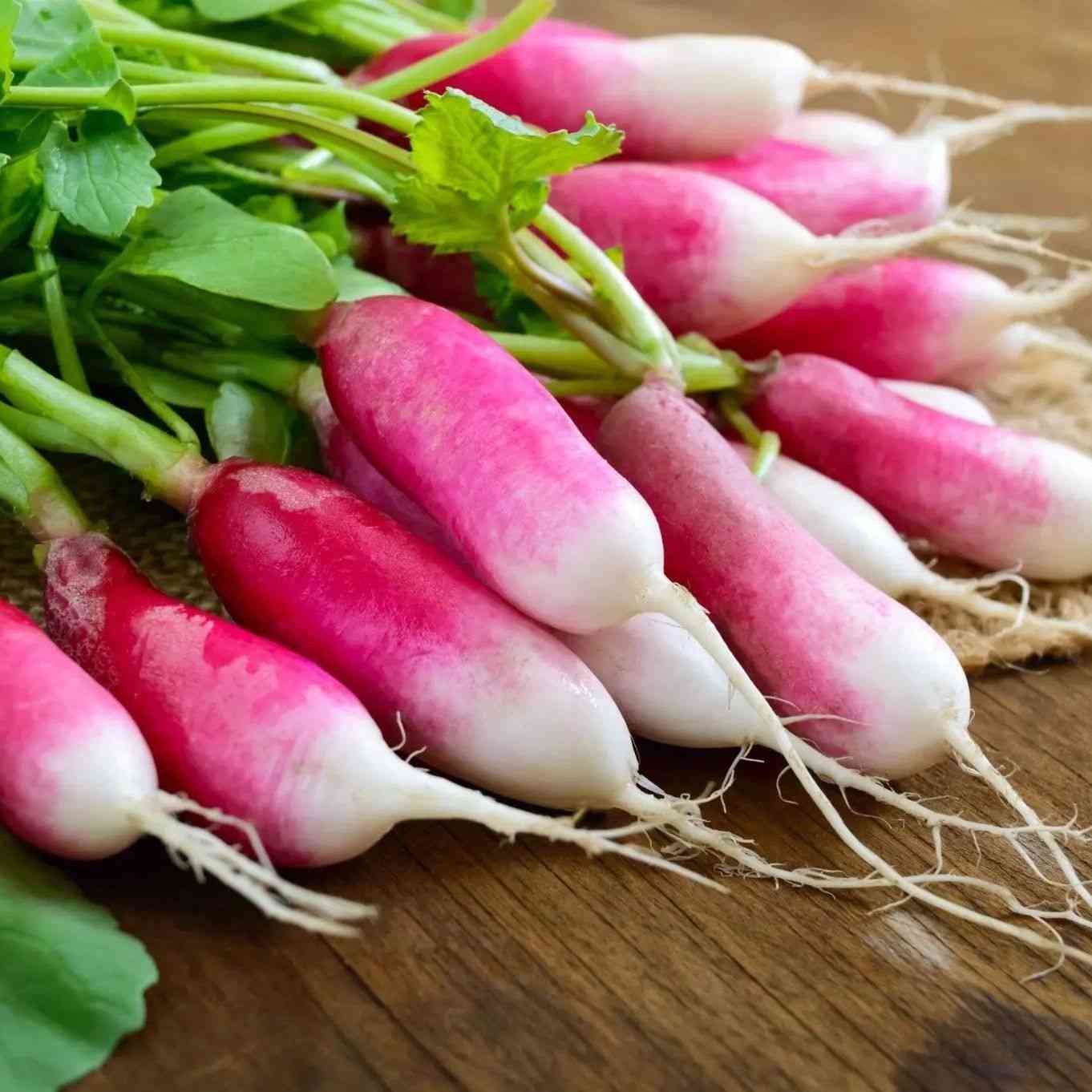
French Breakfast radishes with elongated red roots and white tips.
Seedkeeping, foodways & history

French Breakfast Radish: Timing, Root Quality, Heat, and Harvest

French Breakfast radish is an elongated red-and-white spring radish that performs best in cool weather. Direct sow shallowly, thin early, keep the root zone evenly moist, and harvest in passes as soon as roots reach usable size.

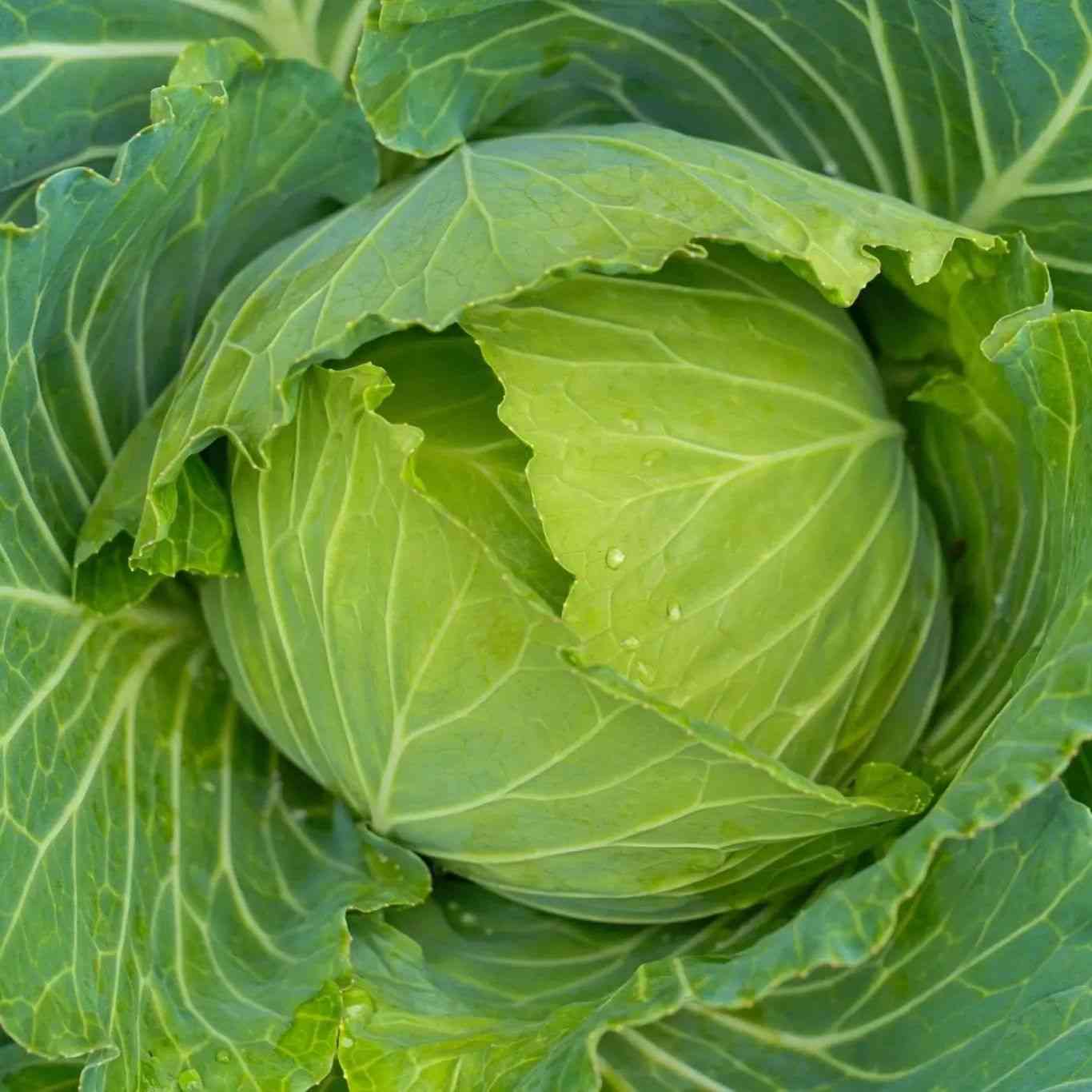
Early Jersey Wakefield cabbage with a compact pointed green head.
Seedkeeping, foodways & history

Early Jersey Wakefield Cabbage: Spring and Fall Growing Guide

Early Jersey Wakefield is an early open-pollinated cabbage with compact pointed heads. Start transplants for spring or establish a late-summer fall crop, maintain steady growth, protect the growing point, and harvest when heads are firm.

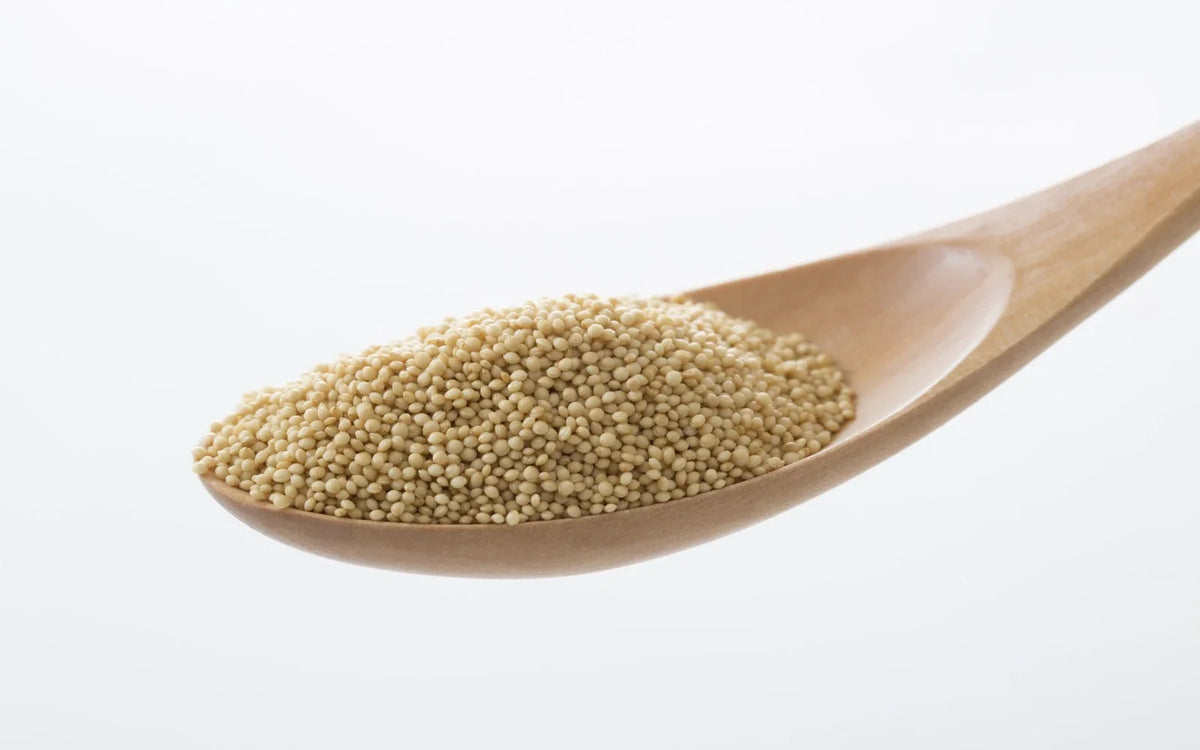
Small pale amaranth grains collected in a wooden spoon.
Seedkeeping, foodways & history

How to Harvest Amaranth Leaves, Flowers, Grain, and Seed

Mark each plant group for greens, flowers, grain, dye, or seed before cutting begins. Harvest tender leaves young, take flower stems before weathering, collect firm mature seed before shattering, and finish drying under cover when humidity or rain threatens.

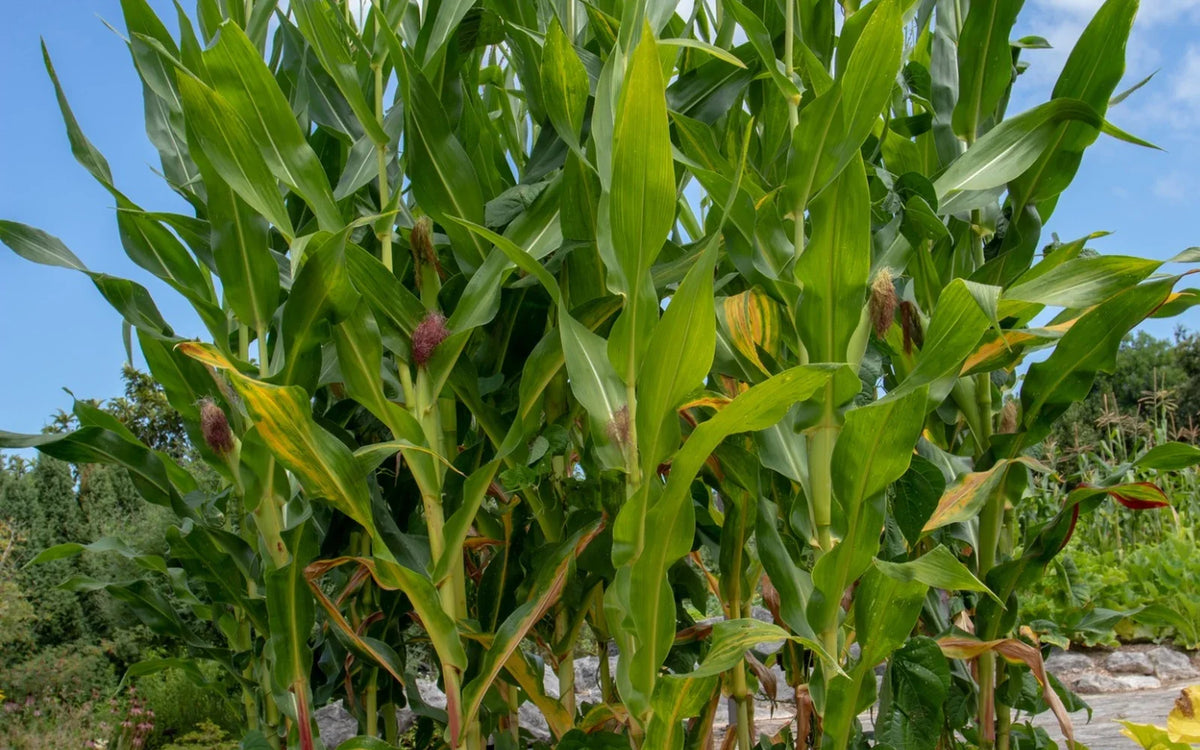
Corn, climbing beans, and squash growing together in a small Three Sisters garden.
Seedkeeping, foodways & history

How to Plan a Staple-Food Garden for Eating, Storage, and Seed

Plan backward from meals, storage, labor, water, and seed needs. Give every crop a clear job, use spring, summer, and fall planting windows, keep frequently harvested crops accessible, and start smaller than the land allows so the household can process what the garden produces.

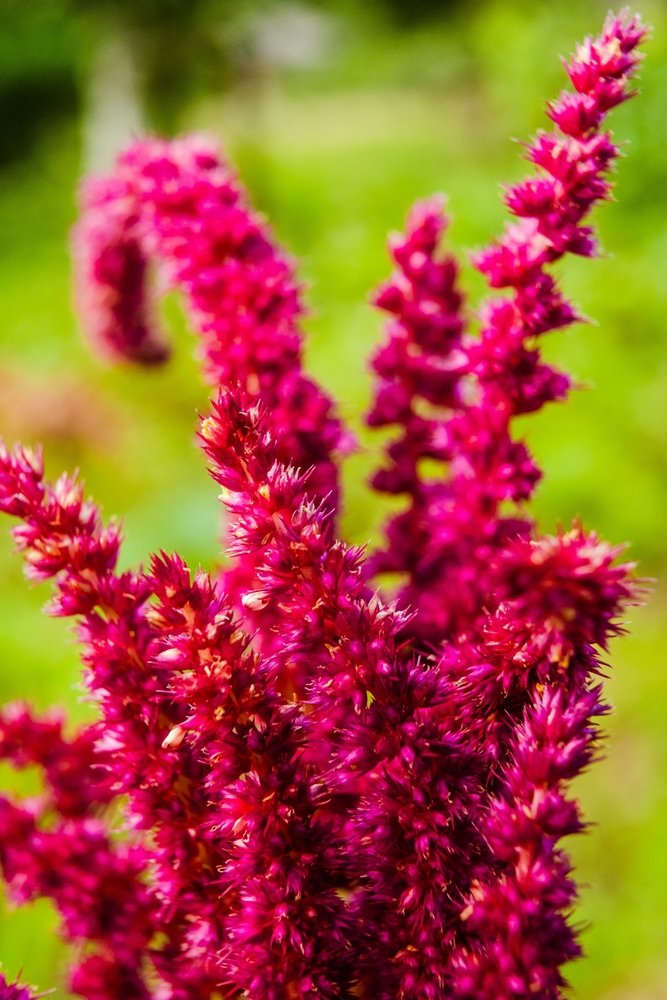
Deep red amaranth flower heads illustrating an ornamental and grain-type amaranth form.
Seedkeeping, foodways & history

Types of Amaranth: Grain, Greens, Flowers, Dye, and Seed Saving

Choose amaranth by documented species, variety, and primary use. Leaf, grain, ornamental, and dye categories overlap, but each needs a different harvest plan. Keep named crops labeled and never eat or save seed from an unidentified pigweed.

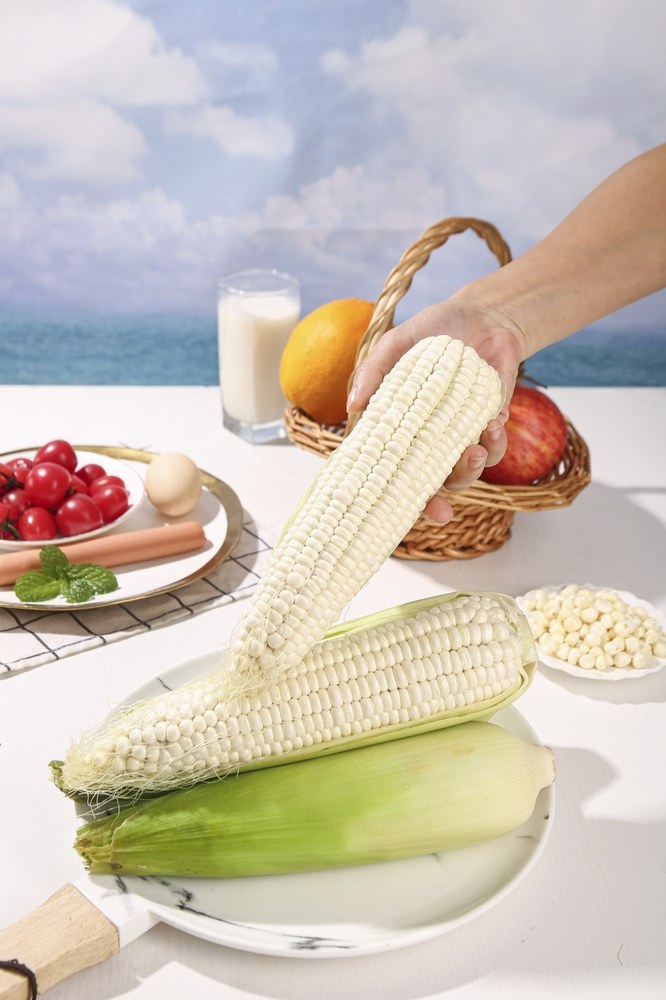
Fresh white sweet corn ears with pale kernels and green husks
Seedkeeping, foodways & history

Country Gentleman Corn Field Guide: Shoepeg Ears, Growing, Harvest, and Seed Saving

Country Gentleman is a late white open-pollinated sweet corn with narrow shoepeg kernels arranged irregularly on the cob. Plant a broad block after the soil warms, harvest at the milk stage, cool quickly, and save seed from many isolated, well-performing plants.

Mature deep red Jimmy Red dent corn kernels on the cob
Seedkeeping, foodways & history

Jimmy Red Corn Field Guide: Red Dent Grain, Growing, Grits, and Seed Saving

Jimmy Red is a tall open-pollinated red dent corn grown to full dry maturity for grits, cornmeal, seed, and distilling. Grow a large isolated block, protect flowering from drought, cure ears with airflow, mill small test lots, and save broadly from sound plants.

Small white pointed kernels of Japanese Hulless popcorn on a dry ear
Seedkeeping, foodways & history

Japanese Hulless Popcorn Field Guide: Growing, Drying, Popping, and Seed Saving

Japanese Hulless is a white pointed rice-type popcorn valued for tender popped flakes. Grow it in a compact isolated block, mature and cure the ears completely, test-pop kernels until they are crisp, then store airtight and save seed from many healthy plants.

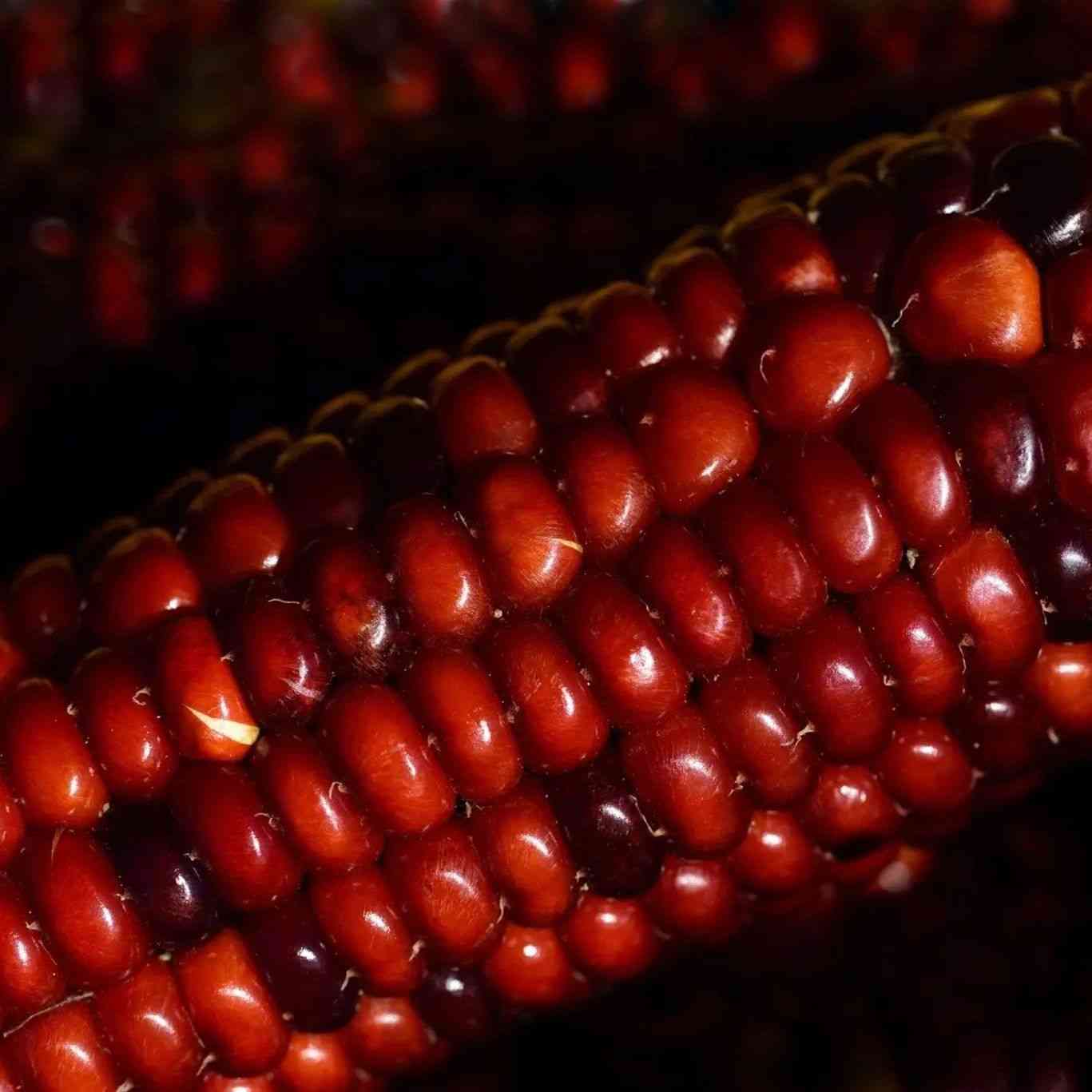
Bloody Butcher red dent corn kernels from the Alliance catalog seed lot
Seedkeeping, foodways & history

Bloody Butcher Corn Field Guide: Red Dent Grain, Growing, Milling, and Seed Saving

Bloody Butcher is a tall, long-season red dent field corn grown to full dry maturity for cornmeal, grits, hominy trials, food grain, and seed. Plant it in a broad pollination block, balance fertility to reduce lodging, isolate it from other corn, dry the grain completely, test the current seed lot in the kitchen, and keep its Appalachian history separate from unsupported origin claims.

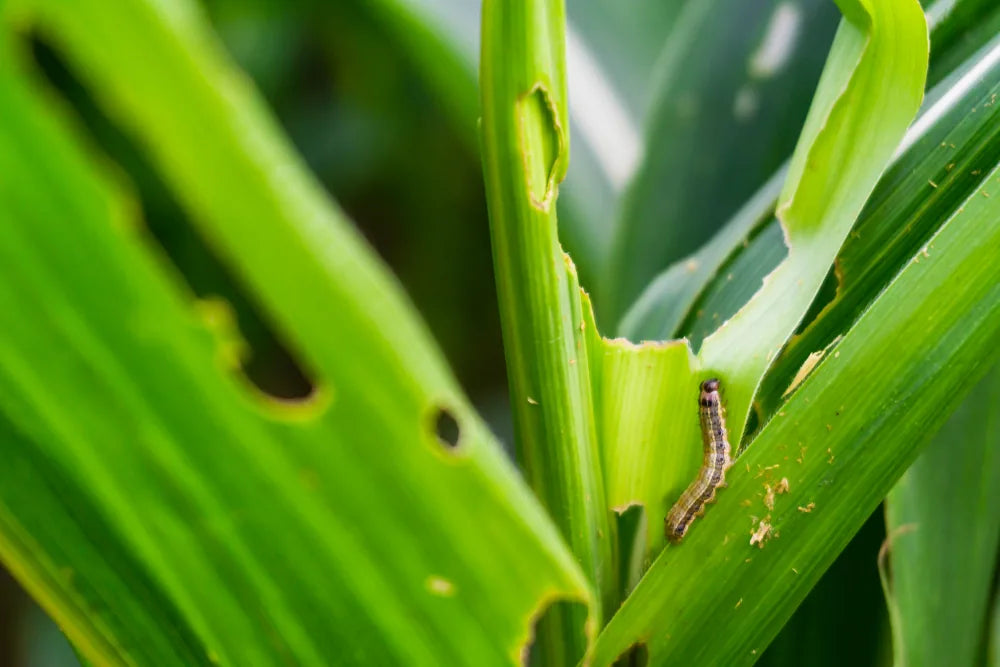
Insect damage visible on corn foliage
Seedkeeping, foodways & history

Why Three Sisters Gardens Fail Today: Timing, Modern Pests, Invasive Grasses, and Climate Pressure

Most Three Sisters failures begin before visible damage: the corn population is too small, varieties are mismatched, all crops are planted at once, fertility and paths are missing, or modern pest and weather pressure is ignored. Diagnose crop stage, pattern, and cause before changing the whole system. A failed modern copy does not erase documented mixed cultivation.

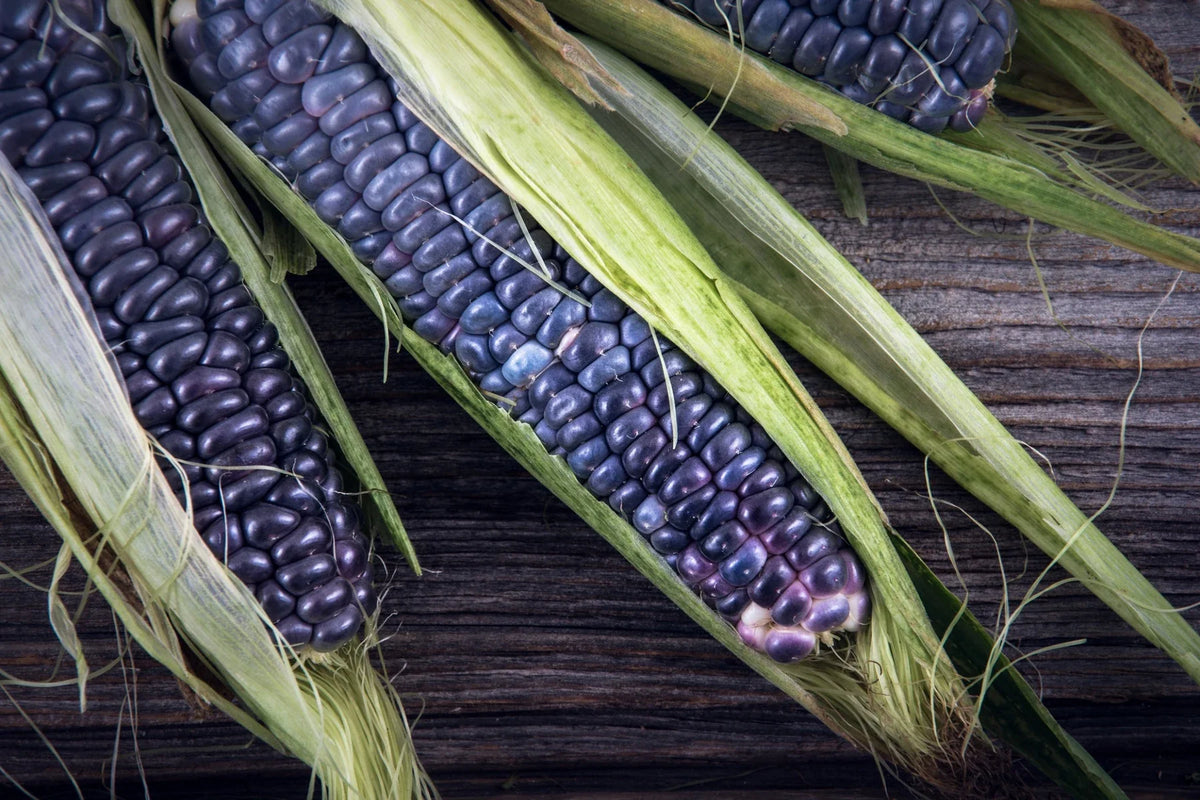
Hopi Blue flour corn ears with blue-purple kernels resting on a wooden surface
Seedkeeping, foodways & history

Hopi Blue Corn Field Guide: Flour Corn, Growing, Harvest, and Seed Saving

Hopi Blue is a commercial blue flour corn grown to full dry maturity, not a sweet corn or dependable popcorn. Grow it in a compact pollination block unless you are part of a place-specific dryland system, isolate it from other corn, dry the ears thoroughly, test milling and nixtamalization in small batches, and keep careful provenance and population records.

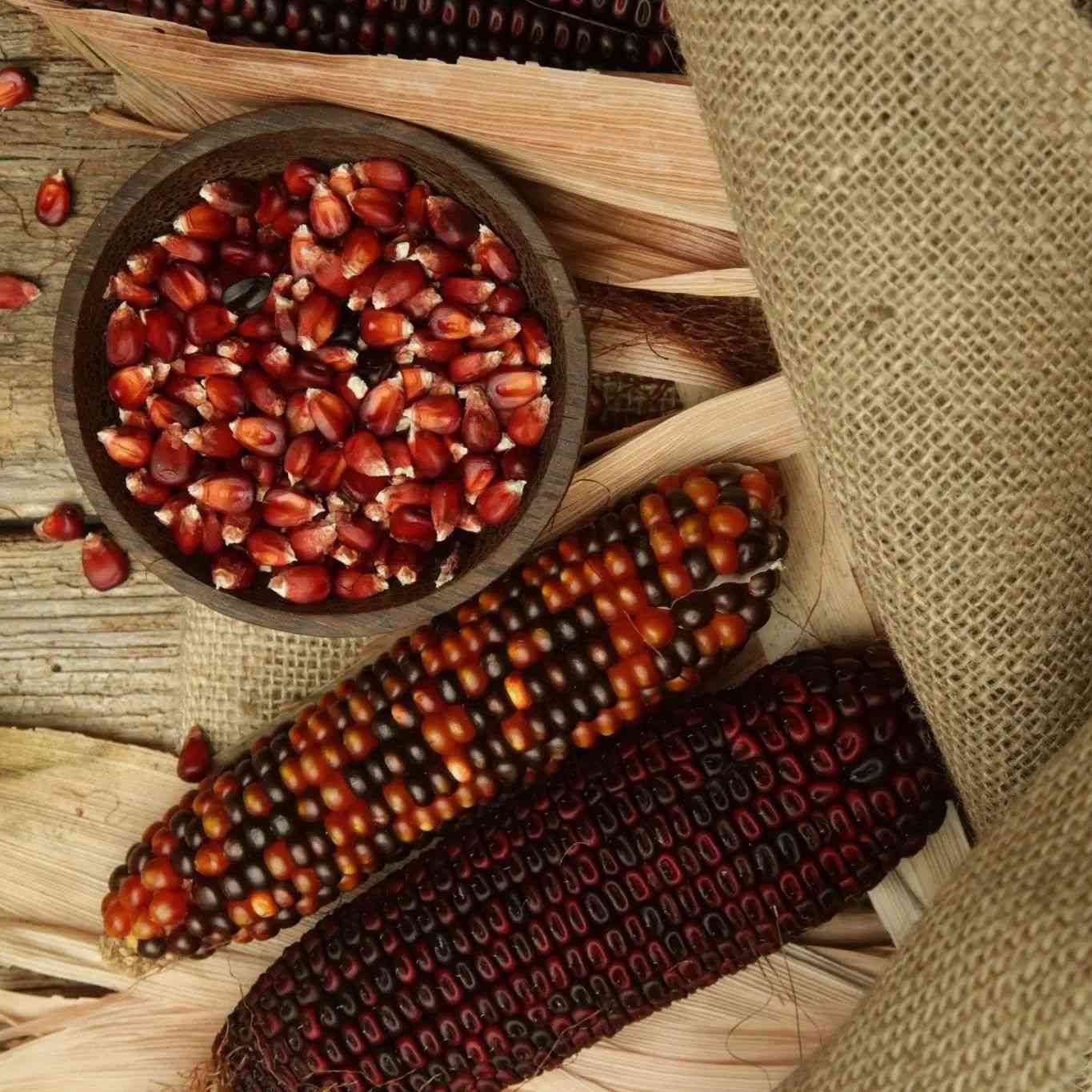
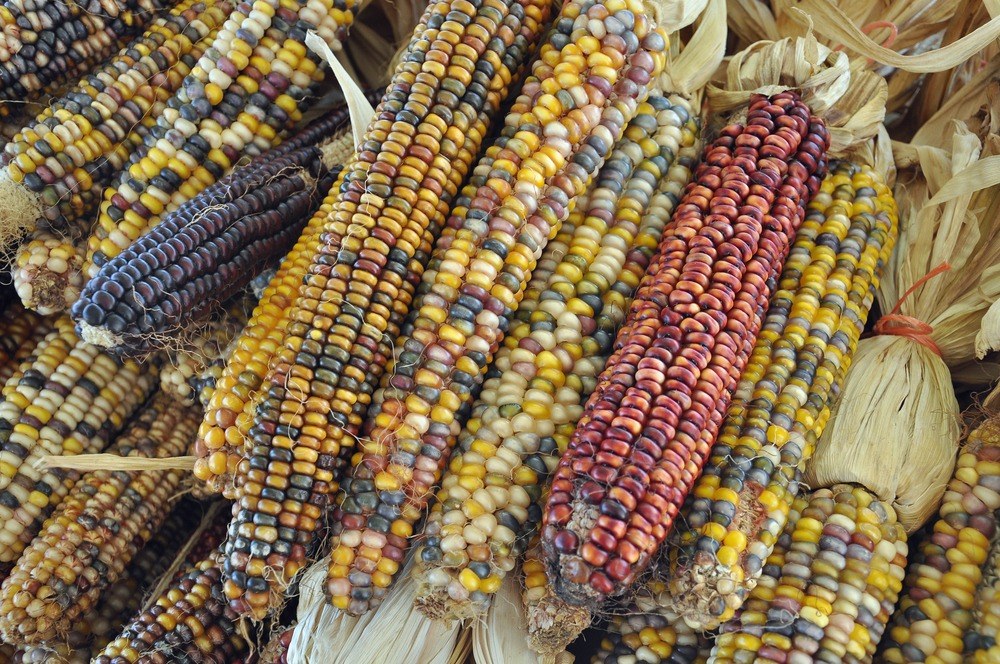
Mature ears of multicolored dry corn arranged together
Seedkeeping, foodways & history

Heirloom Corn Varieties and Their Uses: A Practical Guide

Choose heirloom corn by intended use first. Sweet corn is for tender fresh ears; flour corn mills easily; flint makes hard storage grain and firm foods; food-quality dent is versatile for meal and grits; true popcorn is selected for expansion. Color does not identify kernel class or cultural history.

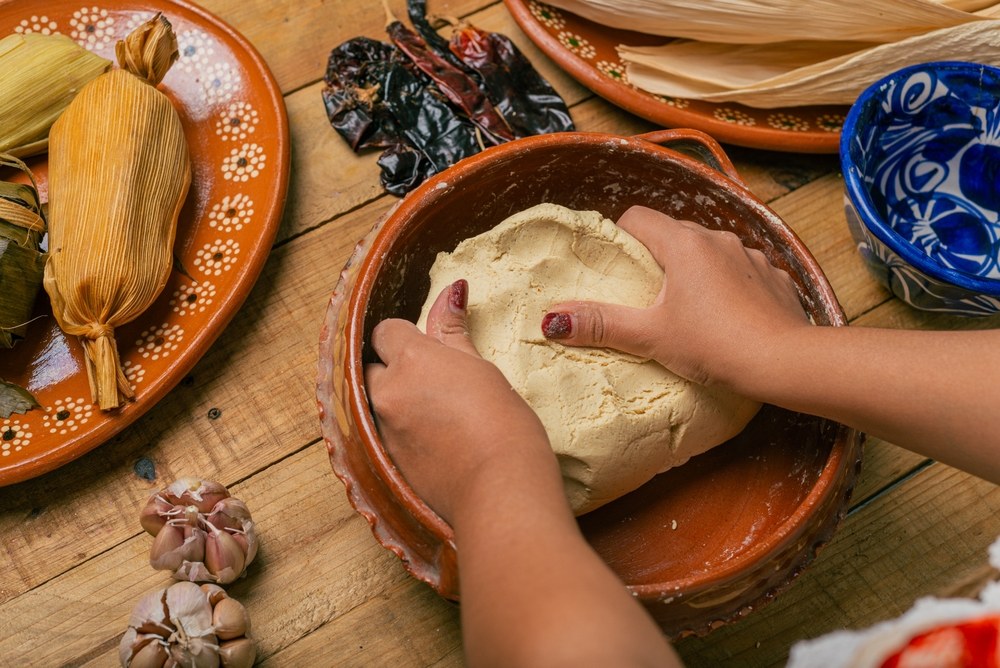
Hands kneading corn masa in a clay bowl
Seedkeeping, foodways & history

Best Corn for Cornmeal, Grits, Hominy, Masa, and Parched Corn

Flour corn is often best for fine meal, food-quality dent is a versatile choice for meal and grits, and flint can make firm hominy and textured meal. Masa requires corn that performs well after nixtamalization. Parching requires a variety tested for roasting, not simply any dry kernel.

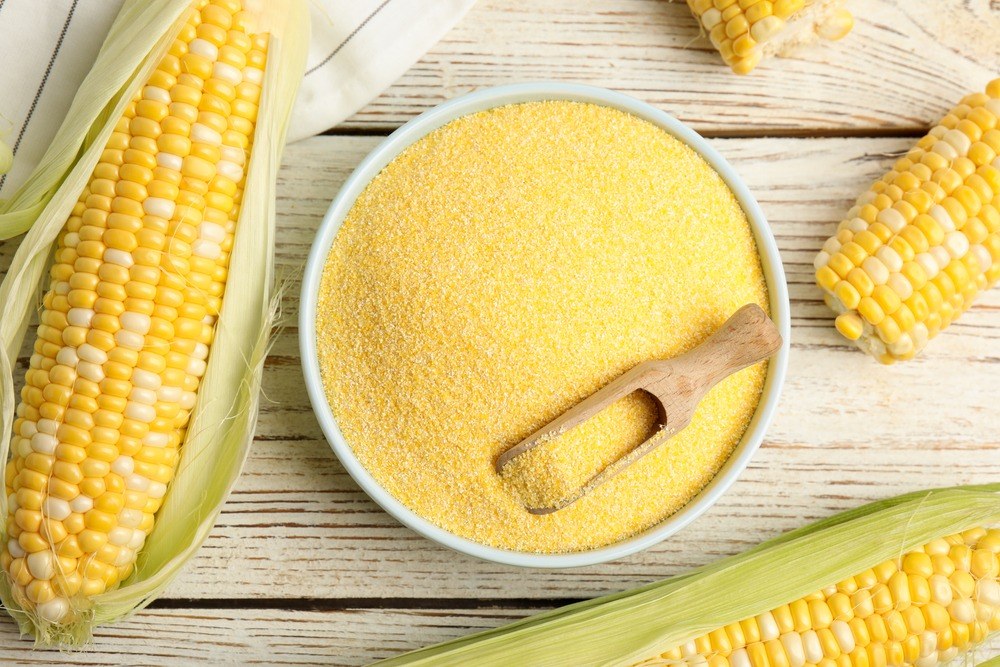
Bowl of yellow cornmeal surrounded by fresh corn ears
Seedkeeping, foodways & history

Dent Corn vs. Flint Corn vs. Flour Corn: What Changes in the Field and Kitchen

Dent corn combines hard sides with a softer center that often dents during drying. Flint corn has a harder, glassier endosperm and often holds a firm texture. Flour corn has soft starchy endosperm that mills easily. The named food variety still matters more than the class alone.

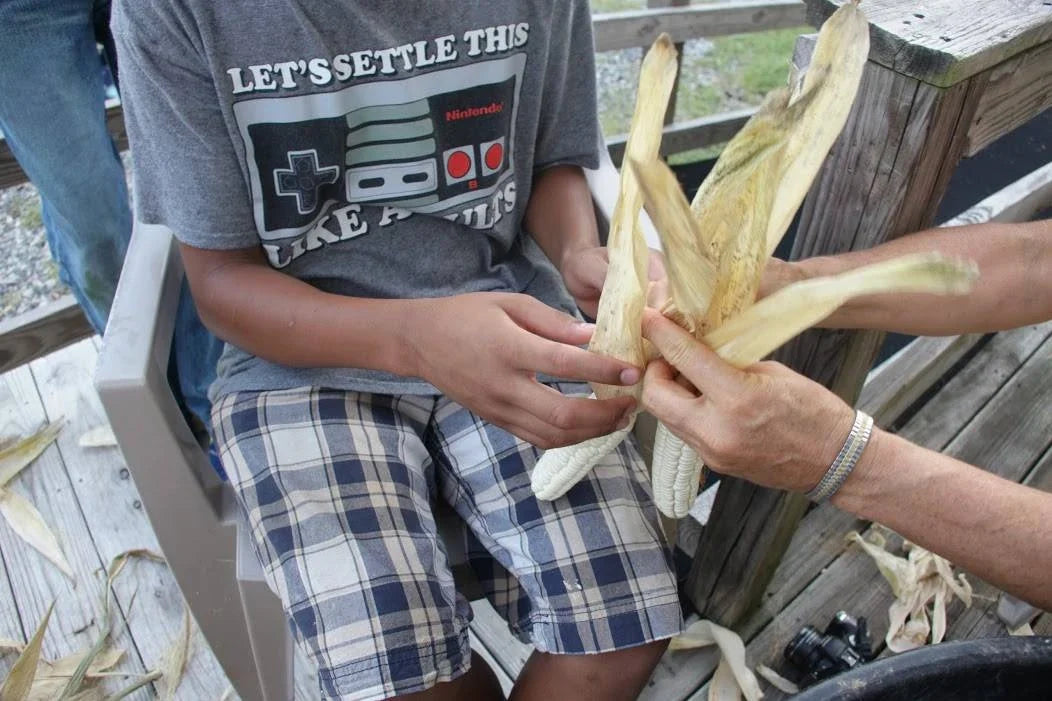
A young person learning how to braid white corn by the husks for drying and storage
Seedkeeping, foodways & history

How to Dry and Store Corn: Whole Ears, Shelled Grain, Popcorn, Food Corn, and Seed

Dry corn by intended use. Ears for seed, flour, flint, dent, and popcorn need ventilation, protection from insects and rodents, and sufficiently low moisture before sealed storage. Clean, label, and monitor each lot rather than assuming a dry-looking husk means safe grain.

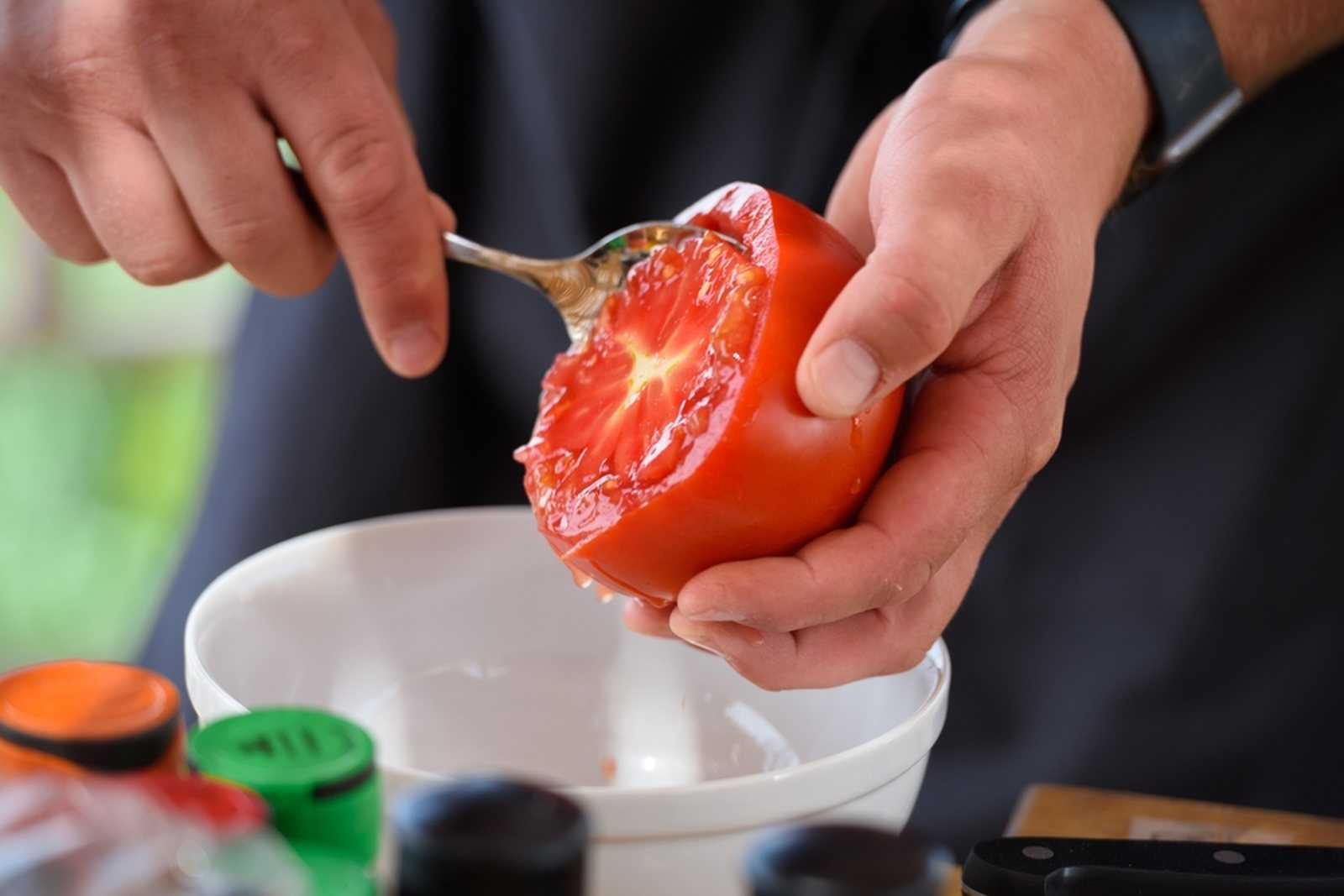
A spoon removing seed and gel from a cut tomato into a bowl
Seedkeeping, foodways & history

How to Save Tomato Seeds: Selection, Fermentation, Cleaning, Drying, and Storage

Save tomato seed from healthy, representative, fully ripe fruit. Fermentation helps separate viable seed from gel and debris, but it does not remove every seedborne pathogen. Dry seed thoroughly, label the variety and year, and manage cross-pollination when purity matters.

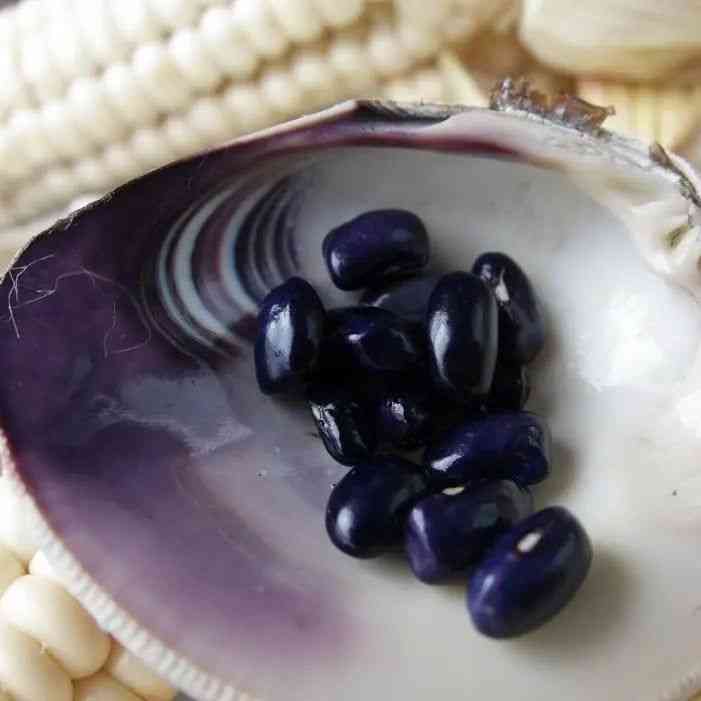
Cherokee Trail of Tears pole bean pods and glossy black beans
Seedkeeping, foodways & history

Cherokee Trail of Tears Bean: Reported History, Growing & Seed Saving

Cherokee Trail of Tears is a dual-purpose pole common bean included in Cherokee Nation’s contemporary Heirloom Garden and seed-bank work. Its deeper connection to forced removal is reported history rather than a fully documented chain of custody.

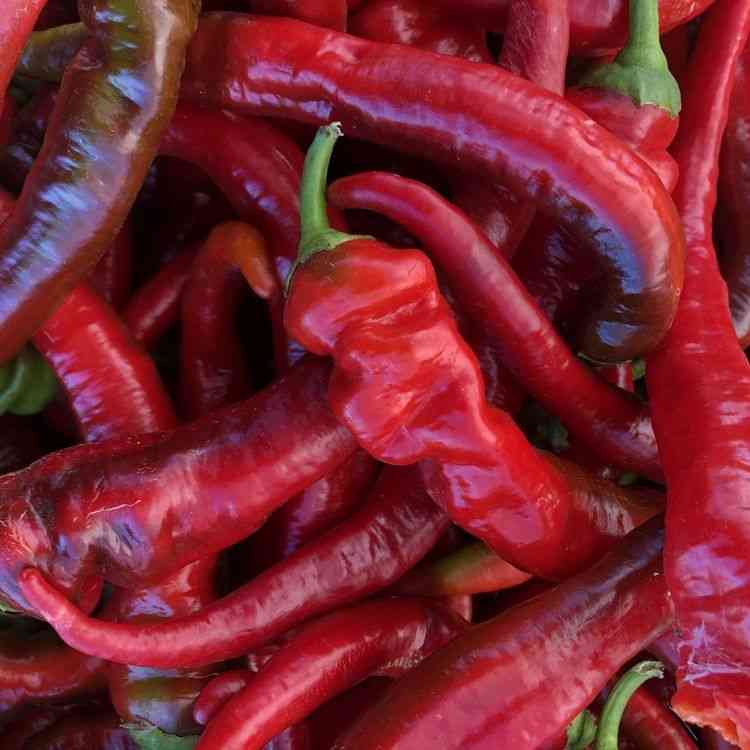
Long ripe red Jimmy Nardello sweet peppers
Seedkeeping, foodways & history

Jimmy Nardello Pepper: Family History, Growing, Harvest & Seed Saving

Jimmy Nardello is a sweet Italian frying pepper carried by the Nardello family from Ruoti, Basilicata, to Connecticut in 1887 and later brought into wider public circulation; Slow Food’s Ark of Taste documents its family and culinary history.

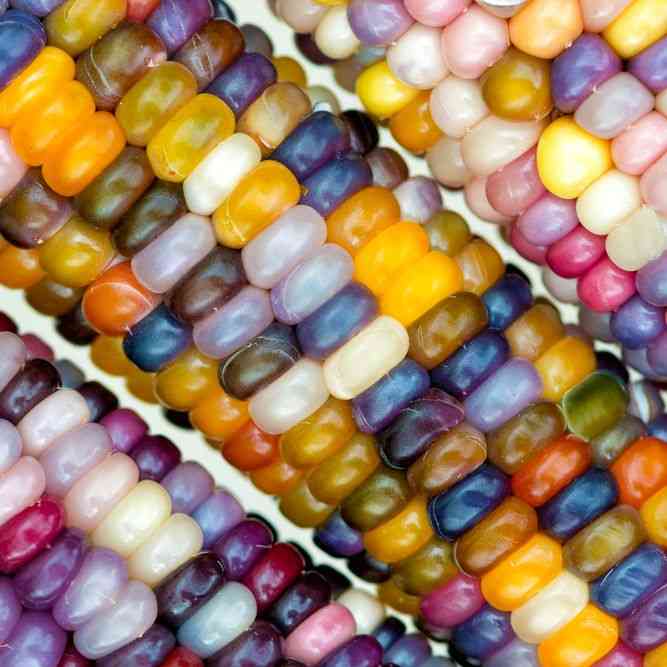
Glass Gem corn showing multicolored translucent flint and popcorn kernels
Seedkeeping, foodways & history

Glass Gem Corn: Documented History, Growing, Pollination & Seed Saving

Glass Gem is a multicolored open-pollinated flint and popcorn-type corn grown to full dry maturity. Plant it in a compact block, isolate it from other flowering corn, protect water during tasseling and silking, dry the ears thoroughly, test the grain for popping or meal, and save balanced seed from many healthy plants rather than one spectacular ear.

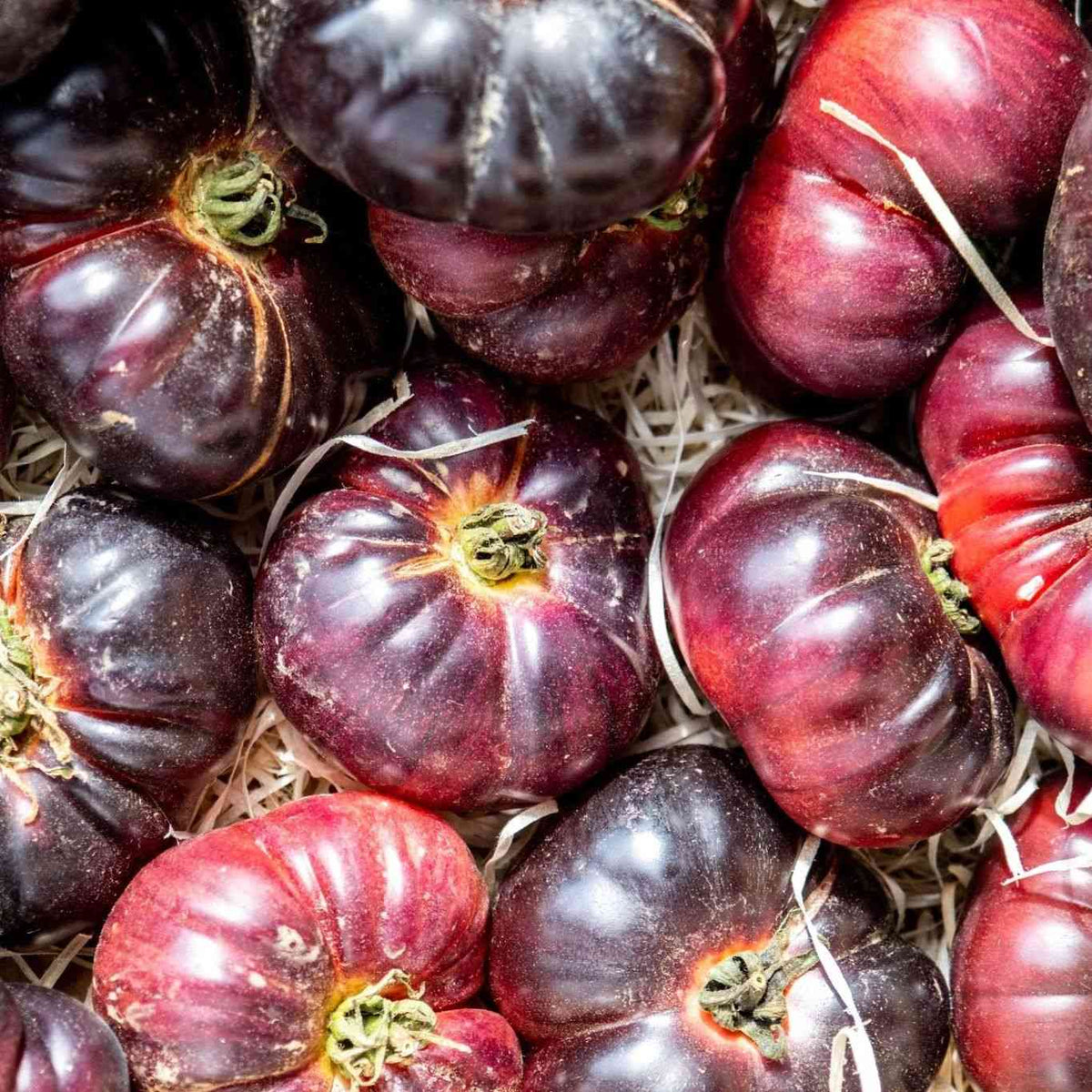
Ripe Cherokee Purple tomatoes with dusky rose-purple skin and dark shoulders
Seedkeeping, foodways & history

Cherokee Purple Tomato: History, Growing, Ripeness & Seed Saving

Cherokee Purple is a large, indeterminate, open-pollinated slicing tomato prized for dusky rose-purple fruit and rich smoky-sweet flavor. Start seed indoors 6 to 8 weeks before frost, transplant into warm soil, install heavy support, keep moisture even, and judge ripeness by overall color, aroma, and slight softness rather than waiting for the green shoulders to disappear.