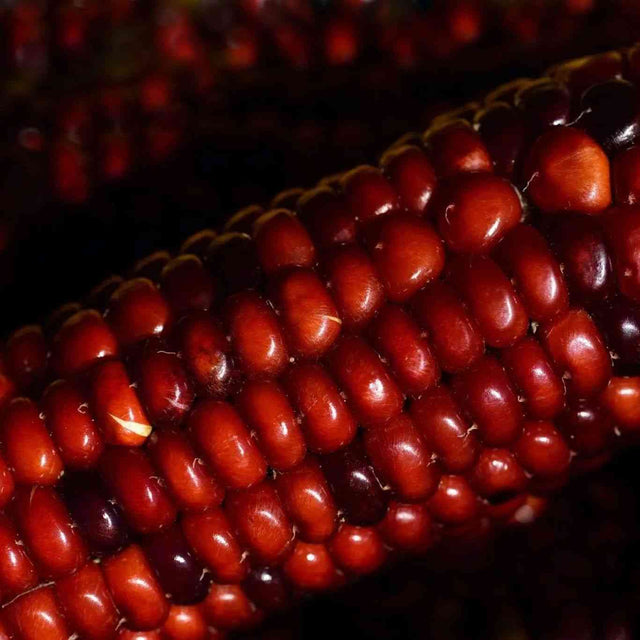
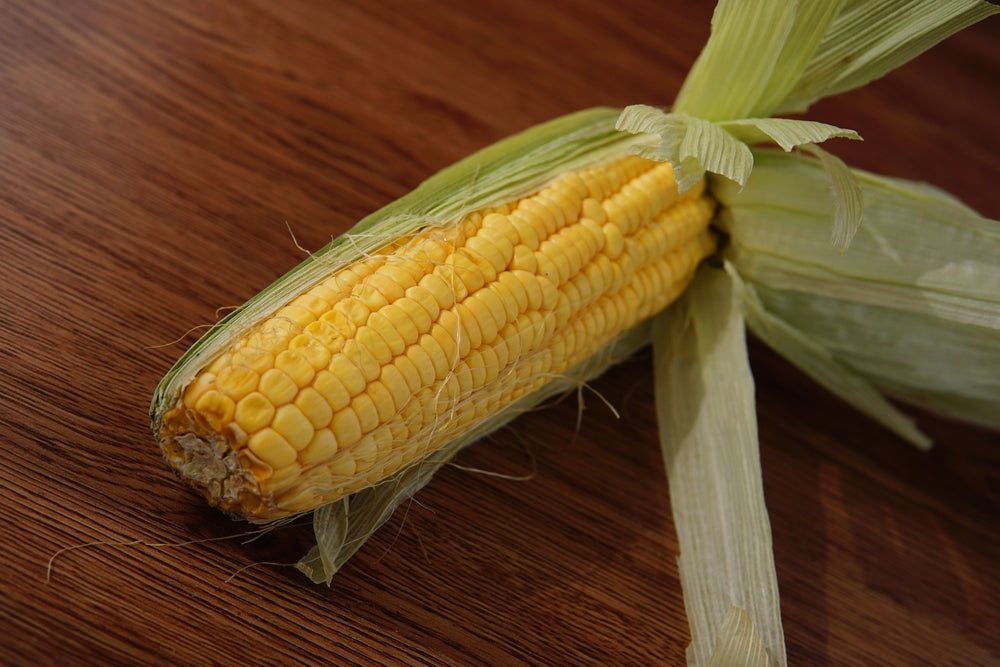
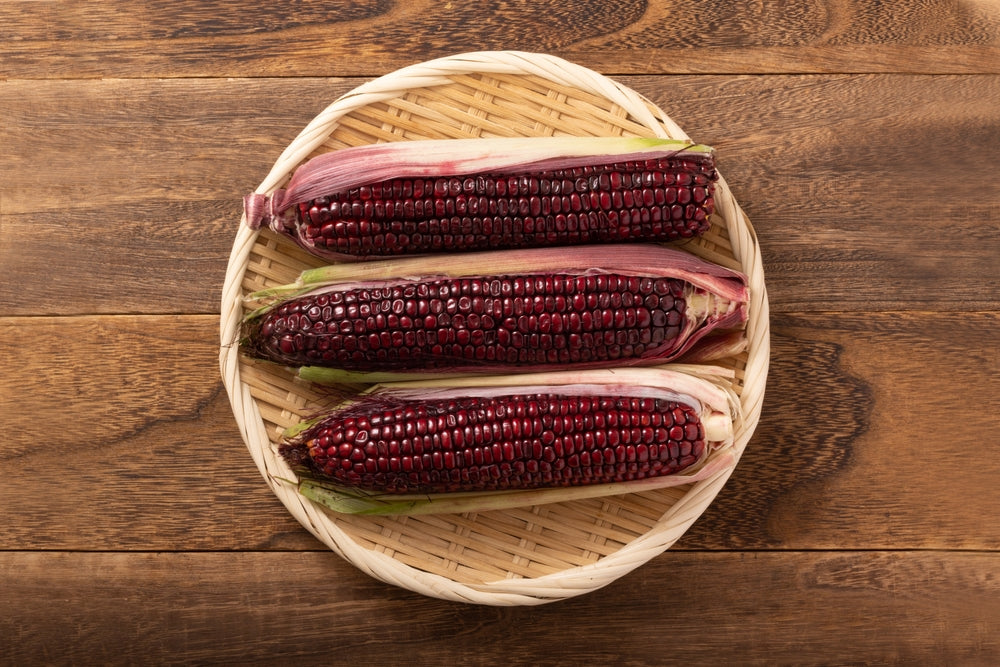
Jimmy Red is an open-pollinated red dent corn grown to full dry maturity for grits, cornmeal, seed, and distilling. The mature kernels can range from bright brick red to deep wine and may carry variation in color, germ size, and endosperm. It is not a sweet corn, even though immature grain contains sugar like all developing corn, and it should not be harvested by the same schedule as corn on the cob.
The modern revival of Jimmy Red is unusually well documented for a heritage corn. Public accounts connect seed saver Ted Chewning, Glenn Roberts of Anson Mills, chefs and millers, Clemson researchers, High Wire Distilling, South Carolina farmers, and others who increased the seed, evaluated the grain, and created enough demand to keep it in production. The story demonstrates that conservation is not accomplished by putting two ears on a shelf. A population survives when people grow it at scale, cook with it, buy it, maintain seed, and keep records.
This guide separates the documented revival from repeated internet legend, then covers planting, standability, pollination, dry harvest, curing, milling, culinary testing, seed selection, and regional adaptation. Jimmy Red deserves more than a dramatic origin paragraph. It deserves the practical information required to carry the crop forward.
Know the crop before you trust the color
Jimmy Red is a dent corn. Dent kernels contain a mix of hard and soft starch. As the soft center dries, the crown can collapse and form the characteristic dent. The crop is grown to dry grain rather than harvested at the milk stage. Its large germ and oil content are frequently discussed in culinary and distilling accounts, but actual composition can vary by field, seed lot, soil, weather, and selection.
| Trait | Jimmy Red expression |
|---|---|
| Crop class | Open-pollinated red dent corn |
| Primary harvest | Fully mature dry grain |
| Plant habit | Tall field corn; height and lodging vary by environment |
| Kitchen uses | Grits, cornmeal, cornbread, and other dry-grain preparations |
| Commercial use | Notably used in 100% corn bourbon and other distilled products |
| Seed-saving need | Large population, isolation, broad selection, thorough drying |
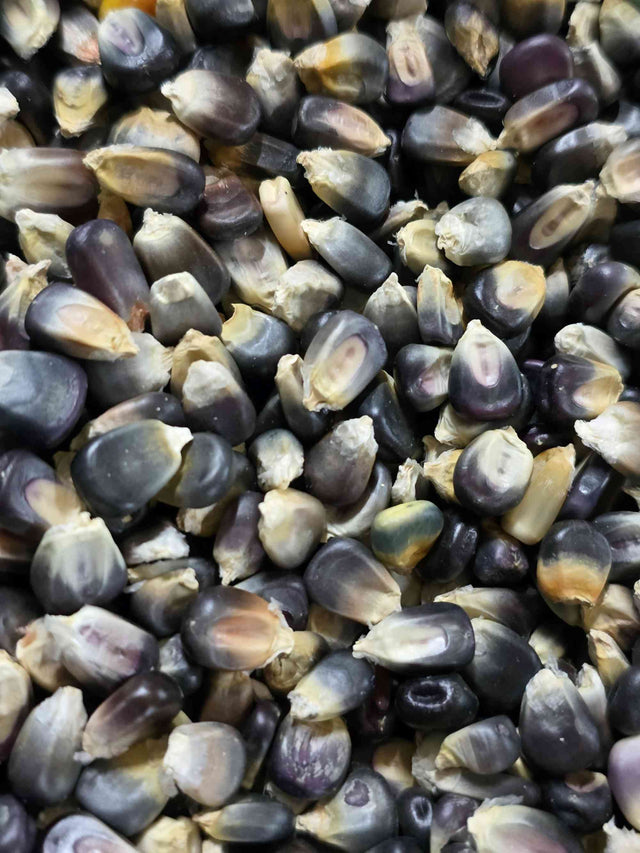
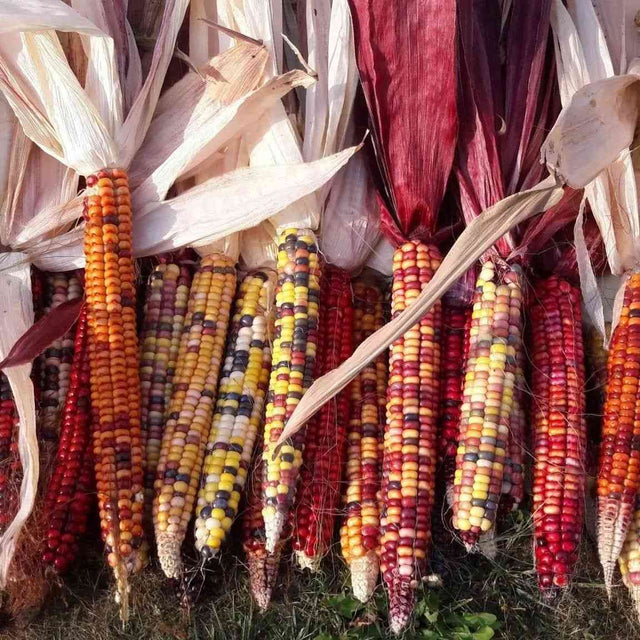
Red color alone does not authenticate Jimmy Red. Many red dent and flint corns exist. The variety should be evaluated through source records, population behavior, ear and kernel traits, maturity, culinary quality, and continuity of seed. A photograph of a red ear is not a pedigree.
Separate the documented revival from the simplified legend
Public accounts agree on the central outline: Jimmy Red had become extremely scarce; James Island seed saver Ted Chewning increased it; the seed reached chefs, growers, and preservation-minded grain networks; Glenn Roberts and others helped move it into broader culinary use; Clemson research fields supported increase and evaluation; and High Wire Distilling helped create sustained acreage and market demand. High Wire reports beginning with enough seed for a 2.5-acre planting in partnership with Clemson and later expanding production through South Carolina farm partners.
The popular “two ears left” phrase captures the danger of genetic loss, but every retelling compresses relationships and time. A responsible guide names the people and institutions that can be documented and avoids turning the revival into one hero’s discovery story. Seed increases, milling trials, restaurant demand, farm contracts, public history, and commercial use all contributed.
Claims about an earlier Native origin appear in some public profiles, but the specific nation and complete route into James Island agriculture are not securely documented in the sources used here. That uncertainty should remain visible. The known South Carolina seedkeeping and revival record is strong enough without inventing a tribal attribution.
Choose a field that can finish a tall dry-grain corn
Jimmy Red needs a long warm season. The crop must grow the stalk, flower, fill kernels, reach physiological maturity, and dry far beyond the stage used for fresh sweet corn. Count backward from the first likely autumn frost and allow a weather margin. In humid regions, a variety can be physiologically mature yet still need protected postharvest curing before safe storage.
Full sun and deep, well-drained soil help the tall plants build roots. Avoid low wet areas where roots lose oxygen or stalk diseases persist. On drought-prone sand, plan irrigation before planting. On rich ground, avoid overfeeding nitrogen late because lush top growth can increase lodging without improving mature grain.
| Field requirement | Why it matters |
|---|---|
| Long frost-free season | Dry grain needs weeks beyond milk-stage eating corn |
| Full sun | Supports leaf area, ear fill, and stalk strength |
| Deep root zone | Helps tall plants withstand drought and wind |
| Isolation space | Protects an open-pollinated seed crop from other corn |
| Drying area | Humid climates often require covered postharvest airflow |
| Wildlife plan | Deer, raccoons, birds, and rodents can remove a large share of a rare seed increase |
Plant a population large enough to act like a population
Direct sow after frost danger has passed and the soil has warmed. A seed depth around 1 to 2 inches is common, adjusted for soil texture and surface moisture. Thin to roughly 10 to 12 inches between plants with 30 to 36 inches between rows, then modify only with local experience. Very tight stands can produce slender stalks, smaller ears, and more lodging; very wide stands reduce pollen density and invite weeds.
Use a broad block, not one long row. For a seed increase, plant far more than the number of ears you intend to save. Some plants will be off-type, diseased, poorly rooted, late, sterile, storm-damaged, or wildlife-damaged. Population size gives the seed steward room to reject bad plants without narrowing the next generation to a few families.
| Planting purpose | Minimum mindset |
|---|---|
| Garden grain trial | Enough plants for useful pollination and several kitchen samples |
| Seed increase | A broad, isolated population with many contributing plants |
| Selection project | Extra population size so undesirable plants can be removed before flowering |
| Commercial grain | Field-scale fertility, weed, harvest, drying, and market planning |
Grow a strong stalk before you ask it to carry grain
Use a soil test and plan nitrogen, phosphorus, potassium, pH, and organic matter before planting. Tall corn grown for dry grain needs sustained leaf area and root health, but more nitrogen is not always better. Split nitrogen applications can reduce early loss and place nutrients closer to the period of rapid demand.
Water stress before tasseling can reduce ear size. Stress during silking can prevent kernels from setting. Stress during early grain fill can cause kernel abortion and reduce test weight. Deep irrigation is most important when rainfall fails during those stages. After the grain approaches physiological maturity, excessive irrigation is no longer a substitute for drying weather.
Scout stalk bases and brace roots after storms. Lodged plants may continue filling ears, but ears touching the soil are vulnerable to rot, rodents, and sprouting. Record lodging by plant family when selecting seed; standability is a trait worth maintaining.
Protect the pollen before you protect the color
Jimmy Red crosses readily with every other corn flowering nearby. Crosses may not be obvious on a red ear, especially when the pollen parent also carries dark color. The next generation can reveal changes in plant height, maturity, kernel hardness, ear form, color, and culinary quality.
Use distance, time isolation, or controlled pollination. Distance recommendations vary with field size, prevailing wind, barriers, and desired purity. Time isolation works only when tassel and silk periods do not overlap. For a high-value foundation seed increase, bag ear shoots before silks emerge, collect pollen from known plants, apply it deliberately, and label each controlled ear.
Remove clearly undesirable plants before pollen shed when possible. Roguing after pollination prevents their ears from entering the seed lot but does not remove their pollen contribution. That distinction matters in an open-pollinated population.
Know physiological maturity before dry harvest
Do not use husk color alone. The grain must complete kernel fill before the ear is treated as mature seed or milling corn. As kernels mature, the milk line moves toward the cob, the kernel base forms a black layer, and dry matter reaches its maximum. The plant may still contain green tissue while the grain is physiologically mature.
| Stage | What the kernel is doing | Use |
|---|---|---|
| Milk | Fluid interior; high moisture | Fresh corn stage, not Jimmy Red’s main use |
| Dough | Starch accumulating; soft dough texture | Too immature for stable dry grain |
| Dent | Crown begins to dent as moisture falls | Grain still drying and finishing |
| Black layer | Dry matter accumulation complete | Physiological maturity |
| Field dry | Kernel moisture continues falling | Approaching harvest and curing stage |
Harvest may begin after physiological maturity when field weather, birds, lodging, and ear rot make waiting riskier than indoor curing. Peel back husks on sample ears, inspect kernel bases and cob condition, and measure moisture when managing larger lots.
Dry, shell, and store the grain without losing the seed
Harvest on a dry day when possible. Remove or pull back husks and place ears in a single layer or loose racks with strong airflow. Do not heap damp ears in feed sacks, plastic tubs, or deep boxes. Warm humid air trapped between ears can create mold before the outside feels dry.
For seed, keep temperatures moderate and avoid aggressive heat that damages embryos. For food grain, drying still needs to protect flavor and prevent mold. Shell only when kernels are hard and the cob is dry. Clean out broken kernels, insect fragments, cob pieces, and moldy grain before storage.
| Risk | Prevention |
|---|---|
| Mold during curing | Single layers, airflow, frequent inspection, prompt removal of damaged ears |
| Rodents | Rodent-proof drying and storage space |
| Insects | Clean grain, cool storage, sealed containers after grain is fully dry |
| Seed injury | Gentle shelling and moderate drying temperatures |
| Lot confusion | Label field, source, year, selection group, and intended use |
A moisture meter calibrated for corn is useful for larger lots. Home seed lots can be evaluated with repeated weight checks and kernel hardness, but those observations do not replace calibrated moisture measurement when grain will be stored in volume or sold for food.
Mill for the food you actually want to cook
Grits, meal, and flour are not the same grind. Grits are coarse particles, cornmeal is finer, and flour is finer still. Stone milling may retain more germ and oil than some roller-milling systems, which can increase flavor but also shorten shelf life. Freshly milled Jimmy Red should be refrigerated or frozen when it contains substantial germ and oil.
| Product | Grind and handling |
|---|---|
| Grits | Coarse grind; screen for consistent particle size; cook slowly with enough liquid |
| Cornmeal | Medium to fine grind for cornbread, hoecakes, coatings, and porridge |
| Whole-grain flour | Fine grind with bran and germ; strongest flavor and shortest pantry life |
| Degerminated meal | Longer shelf life but less germ oil and different flavor |
| Cracked corn | Very coarse pieces for specific food or feed uses |
Run a small test before milling an entire seed lot. Check aroma, color, oiliness, particle size, cooking time, bitterness, and texture. Red bran may appear as flecks rather than turning the whole dish red. Milling method and particle separation can remove much of the pigment.
Evaluate grits and cornmeal without forcing one story onto every lot
Jimmy Red is widely valued for grits and cornmeal, but flavor claims should be tested rather than repeated. Cook the grain beside a familiar yellow or white dent corn using the same mill, grind size, water, salt, fat, and cooking time. Note aroma before cooking, thickening behavior, sweetness, nutty or earthy notes, color, and mouthfeel.
For grits, soak if your recipe and grind benefit from it, skim loose hulls, then cook gently until the particles are fully tender. For cornbread, record whether the meal needs more liquid or fat than a commodity meal. High-germ or whole-grain meals can absorb and behave differently.
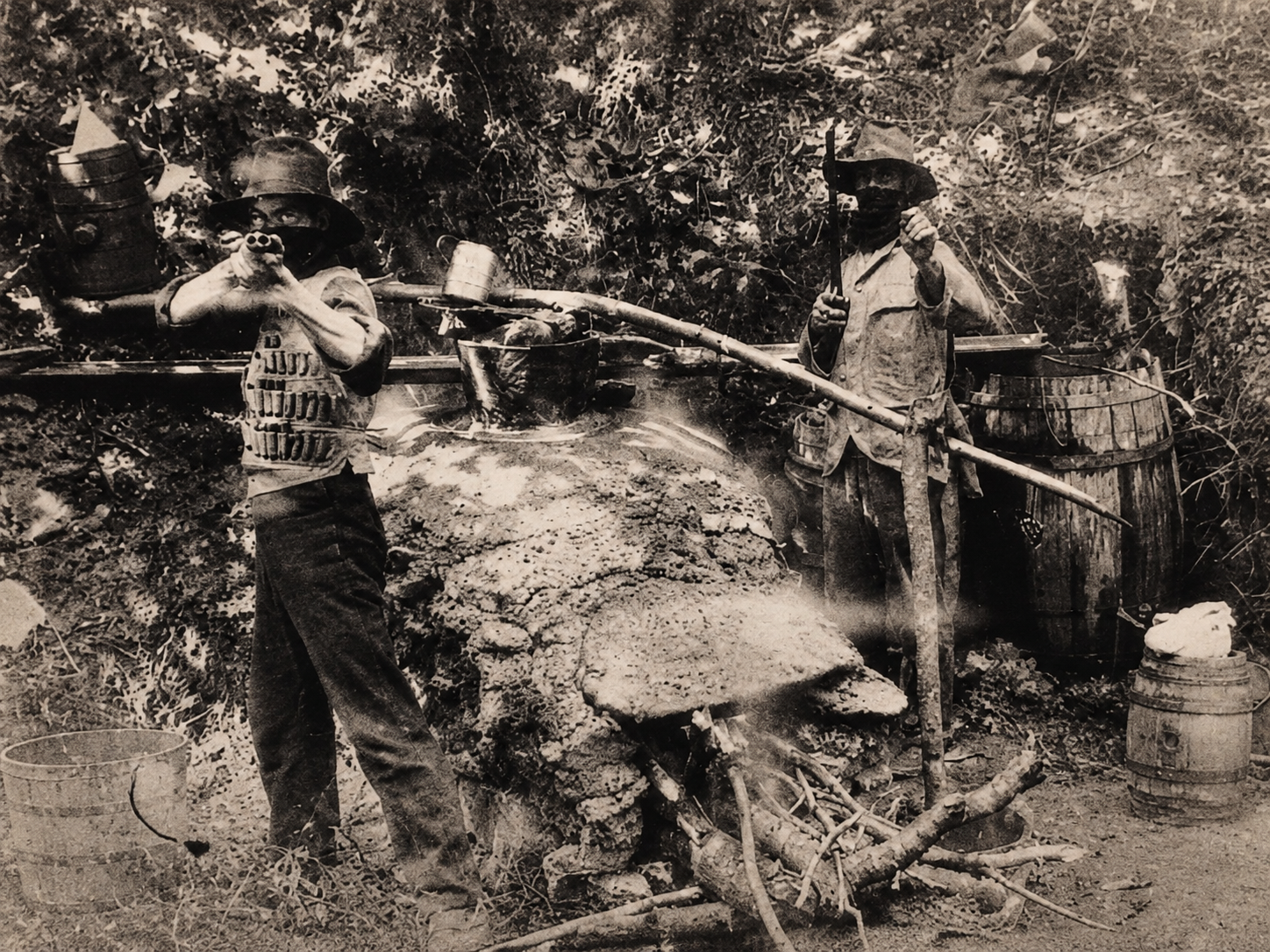
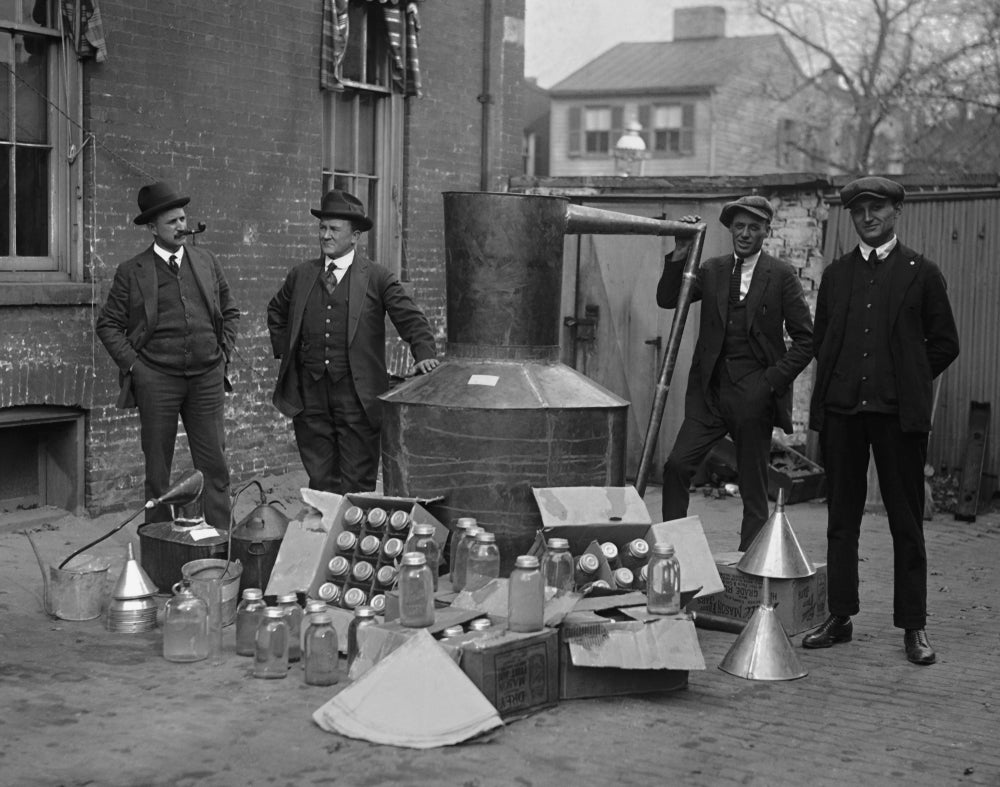
Jimmy Red also has a documented distilling market, including 100 percent Jimmy Red bourbon. That commercial use has helped create acreage and demand, but a garden guide does not need to teach distillation. The relevant seedkeeping lesson is that a distinct food or beverage market can make continued production economically possible.
Treat hominy and masa as processes, not labels
Dent corn can be evaluated for nixtamalization, but suitability is not guaranteed by color or the word “heirloom.” Nixtamalization cooks and rests dry corn in an alkaline solution, loosening pericarp and changing flavor, texture, nutrition, and grinding behavior. Use food-grade materials and a trusted food process. Do not improvise with construction lime or unverified chemicals.
A good trial records kernel hardness, cooking time, pericarp release, washing loss, finished aroma, masa cohesion, and tortilla or hominy texture. Jimmy Red’s red pericarp can shift color with pH. Acidic and alkaline conditions may change the appearance of anthocyanin pigments, but color change by itself does not prove that a process was complete or safe.
Keep nixtamal trials separate from seed. Grain used for food processing should come from a clean food lot; selected seed should remain dry, labeled, and untreated.
Save seed from the field performance you want to repeat
Mark seed plants before harvest. Favor strong emergence, healthy roots, useful maturity, intact stalks, synchronized flowering, well-filled ears, sound red grain, and freedom from ear rot. Do not save from every tall plant merely because height looks impressive. Very tall late plants can be difficult to manage and may lodge badly outside the original environment.
Save many ears and balance contributions. Jimmy Red has shown variation in color and ear traits during revival and field increase. That variation can be useful, but a seed steward should know whether they are maintaining the established population, selecting a regional strain, or beginning a new breeding line. Label those projects honestly.
| Selection record | What to capture |
|---|---|
| Source | Supplier, grower, lot, and year |
| Population | Plants grown, plants flowering, ears saved |
| Maturity | Planting, tassel, silk, black-layer, and harvest dates |
| Standability | Lodging before and after storms |
| Ear traits | Length, fill, row number, red expression, disease |
| Food quality | Mill setting, aroma, taste, texture, and storage behavior |
Troubleshoot the field before you blame the seed
Tall plants can lodge in wind, especially where roots are shallow, nitrogen is excessive, stalk rots are present, or the stand is too dense. Poor ear fill usually points to pollination or stress. Mold and ear rot are more likely where husks remain wet, insect damage opens the ear, or harvest is delayed in humid weather.
Red kernels can hide damage that would be obvious on white grain. Inspect under good light. Discard kernels with mold, insect holes, cracks, shriveling, or suspicious odors. Do not mill or plant a questionable lot simply because the color is attractive.
Wildlife protection matters early. Deer can damage young stands and tassels; raccoons can strip ears; birds and rodents can consume drying grain. A rare-corn increase needs fencing, scouting, and secure drying space before the crop becomes valuable.
Adapt the population without erasing the record
Jimmy Red is closely tied to South Carolina and the broader Southeast revival that brought it back into production. It benefits from a long warm season, but humid weather increases drying and disease challenges. In eastern North Carolina and Virginia, plant early enough to finish before persistent fall rain and protect the crop from tropical-storm lodging.
In cooler regions, growers may select toward earlier maturity, but that work should be done across a broad population and documented as a regional selection. In arid climates, the crop may dry more easily, while irrigation and isolation from commercial corn become central. At high elevation, cool nights and short seasons can delay maturity.
The goal is not to freeze the population in one field forever. The goal is to let it remain useful while preserving honest continuity: where the seed came from, what was selected, how the local population changed, and what food quality remained.
Run a grain, food, and seed trial in the same season
- Field performance: Measure emergence, stalk height, lodging, flowering, ear count, disease, and maturity on a representative group.
- Grain performance: Record ear dry-down, shelling ease, kernel moisture, test weight when available, mold, insects, and storage condition.
- Kitchen performance: Mill a small lot into at least two particle sizes and compare grits, meal, aroma, flavor, color, and shelf life.
- Seed performance: Keep selected ears separate until final evaluation, combine broad contributions, and run a germination test before planting.
A variety with a strong story can still be a poor fit for one field or kitchen. A trial lets the grower respect the history without pretending every environment produces the same result.
What the Jimmy Red revival teaches about keeping corn alive
Jimmy Red is often told as a rescue story, but the more useful lesson is what happened after rescue. Seed was increased. Researchers and growers evaluated it. Millers and chefs created demand. Farmers devoted acreage. A distillery built a product around the grain. Public historians documented the food. Many people kept the population moving.
That is close to what our own corn work has taught us. Corn needs a living system around it. A few kernels in an envelope are potential, not security. Security comes from enough land, enough plants, protected pollen, drying space, records, food use, and people who will plant again.
The goal of a field guide is to turn admiration into competent stewardship.
Clean and store whole grain before committing it to the mill
After shelling, remove cob pieces, silk, husk fragments, insect-damaged kernels, light immature grain, and obvious off-types. Screens separate by size, while airflow or careful winnowing removes light material. Work in identifiable lots so a problem can be traced to a field section or harvest date rather than blended into the whole crop.
Allow freshly shelled grain to rest in a breathable container while moisture equalizes. Check for condensation, heating, or musty odor before sealing. Food grain and seed grain should be stored in clean, labeled containers protected from rodents and insects. Keep the room cool and dry, and inspect the lot periodically rather than assuming a sealed container is safe forever.
Do not grind the entire harvest at once. Whole kernels protect flavor and oil quality longer than meal. Mill what can be used, refrigerated, or frozen promptly. Label every batch of meal or grits with the milling date and grain lot so a successful kitchen result can be traced back to the field.
See the revival as a seed system, not a single rescue moment
The well-known two-ear rescue is only the beginning of the Jimmy Red story. A tiny sample remains vulnerable until enough seed is multiplied across seasons, stored in more than one place, grown by more than one skilled person, and tied to uses that justify continued acreage. Every stage introduces decisions about selection, purity, disease, storage, and who controls the seed.

The modern network created several kinds of security at once. Seed savers increased the population. Researchers and growers learned how the corn performed at larger scale. Millers and chefs developed food demand. Distillers created a market large enough to support substantial acreage. Public storytelling made the name recognizable and connected the grain to a place.
A seed company should describe that network without claiming ownership over it. The practical contribution is to sell accurately labeled seed, preserve lot records, teach growers how to maintain a population, and direct attention toward the people and places documented in the revival.
Make local selection without losing the population you started with
A grower may want Jimmy Red to finish earlier, stand better, resist local disease, or produce a particular milling quality. Those are legitimate goals, but selection should be deliberate. Keep a reserve of the incoming seed lot. Plant a large enough population. Mark candidate plants before pollen shed, and decide which traits are essential to the variety and which can change.
Selecting only the earliest ears can shorten maturity while also reducing plant size or shifting grain character. Selecting only the darkest ears can narrow color and unintentionally discard strong plants. Selecting only ears from the sheltered center can preserve plants that fail on field edges. Balance several traits and keep notes on tradeoffs.
After several generations, a strongly adapted selection may deserve a distinct local name. Until then, identify it by source, location, year, and generation. That lets other growers understand the relationship between the selection and the broader Jimmy Red population, and it keeps adaptation from becoming an undocumented replacement.
Frequently asked questions
Is Jimmy Red a sweet corn?
No. Jimmy Red is a red dent corn grown primarily to full dry maturity for grits, cornmeal, seed, and distilling.
Is Jimmy Red open-pollinated?
Yes. It can be seed saved, but it needs isolation, a large population, broad selection, and careful records.
Where did Jimmy Red come from?
Its modern documented record is centered on James Island and South Carolina seedkeeping and revival networks. Some sources propose earlier Native connections, but the specific nation and complete route are not securely documented.
Why is Jimmy Red associated with whiskey?
Its revival included successful large-scale distilling trials, and High Wire Distilling built a 100 percent Jimmy Red bourbon that helped create sustained farm demand.
Will Jimmy Red grits always be red?
No. Pigment is concentrated in the outer kernel layers, and milling can remove or dilute it. Grind, screening, cooking chemistry, and seed lot all affect final color.
Can Jimmy Red be used for hominy or masa?
It can be evaluated through controlled nixtamalization trials, but dent-corn identity alone does not guarantee ideal masa or hominy quality.
How tall does Jimmy Red grow?
It is generally a tall corn, but height changes with seed lot, spacing, fertility, water, and climate. Record your own field rather than treating one number as universal.
How many ears should I save for seed?
Save broadly from many well-performing plants. A handful of ears can sharply narrow an open-pollinated corn population.
Sources and further reading
- High Wire Distilling: Jimmy Red World
- Slow Food Foundation: Jimmy Red Corn, Ark of Taste
- South Carolina Living: Restoring Superstar Crops
- NPR/KCUR: From Hooch to Haute Cuisine
- Clemson University: Brian Ward profile
- University of Minnesota Extension: Corn Growth and Development
- Iowa State University Extension: The Birds and Bees of Corn Pollination
- Organic Seed Alliance: A Seed Saving Guide for Gardeners and Farmers
- Organic Seed Alliance: Seed Crop Record
- Alliance of Native Seedkeepers: Jimmy Red Dent Corn Seeds