Variety field guide
What to expect from Apple Large Gourd Seeds
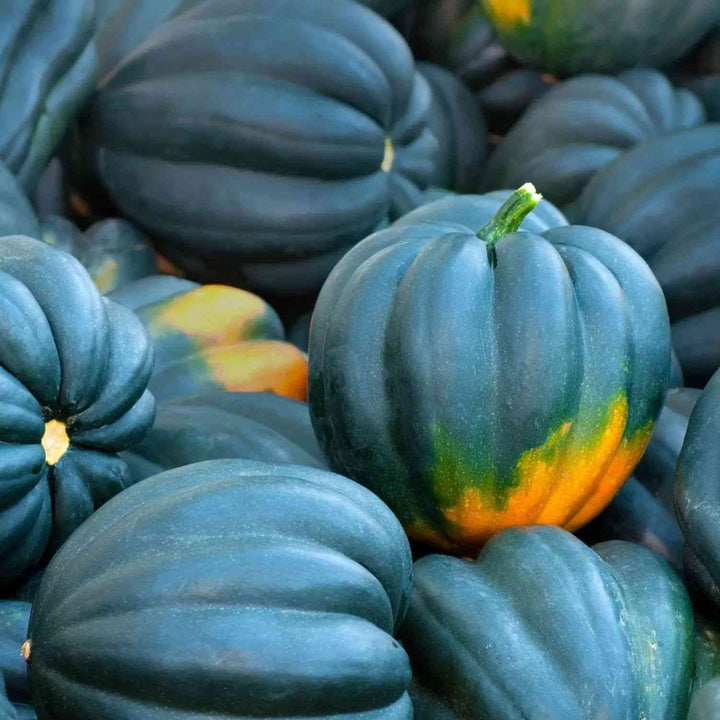
Apple Large grows hefty, apple-shaped gourds with mottled green skin and a broad, rounded body.
Read the complete product descriptionTraits, flavor, garden use, variety notes, and the full catalog record
Apple Large grows hefty, apple-shaped gourds with mottled green skin and a broad, rounded body. Fruits commonly reach about seven inches tall and six to eight inches wide, making bold autumn decorations and generous surfaces for painting. Give the vines plenty of room and a long, warm season to harden their shells. Once thoroughly cured, these gourds become lasting craft materials, connecting a summer garden with projects that continue long after harvest.
Grow an autumn harvest for lasting handmade projects.
Growing facts
- Botanical name: Lagenaria siceraria
- Maturity or display: About 110 days to mature gourds; curing takes longer
- Mature size: Fruit about 7 in tall and 6-8 in wide; vigorous spreading vines
- Spacing: 36 in between plants; rows 72 in
About the variety
Apple Large belongs to the hard-shelled bottle-gourd species, grown for generations as containers, utensils and craft materials. Its apple-like form gives a familiar shape to this old tradition of turning a garden harvest into useful objects.
Starting seed
Sow 1 in. deep after frost in soil at least 70 F. Sprouts in 5-13 days. Space 36 in.; rows 72 in. Use full sun, steady moisture and a sturdy trellis or room to spread.
Care through the season
Provide fertile, well-drained soil and water deeply during dry spells. Install supports before vines become large. Mulch to limit weeds and fruit contact with wet soil. Remove protective row covers when flowers open so pollinators can reach them.
Harvest and use
Cut mature, hard-rinded fruit with a short stem attached. Cure with good airflow for several months, until light and seeds rattle. For crafts, not eating.
Saving seed
Gourds cross with other varieties of the same species. Isolate flowering Lagenaria siceraria varieties or use controlled hand pollination to preserve the form. Keep fully mature fruit from several healthy plants, extract the mature seed, and dry it thoroughly before cool, dry storage.
Common problems
Watch seedlings for cucumber beetles and inspect vines for aphids and leaf diseases. Water at soil level and maintain airflow. Poor fruit set may reflect cool weather or inadequate pollination. Discard any gourds that soften or rot during curing.
Frequently asked questions
When should I harvest?
Cut mature, hard-rinded fruit with a short stem attached. Cure with good airflow for several months, until light and seeds rattle. For crafts, not eating.
Can I save seed?
Gourds cross with other varieties of the same species. Isolate flowering Lagenaria siceraria varieties or use controlled hand pollination to preserve the form. Keep fully mature fruit from several healthy plants, extract the mature seed, and dry it thoroughly before cool, dry storage.
How much space is needed?
36 in between plants; rows 72 in. Provide fertile, well-drained soil and water deeply during dry spells. Install supports before vines become large. Mulch to limit weeds and fruit contact with wet soil. Remove protective row covers when flowers open so pollinators can reach them.