Welcome to our store. Learn more

Free U.S. seed shipping $25+. Seeds ship free at the threshold.

Current Processing Times Before Shipping Are 1-2 Business Days

25% OFF Heirloom seed packets are $1.50, regularly $2.00. Seed packets only · sale price already applied · carries into checkout · coupon codes do not combine. Shop the sale →

Peppermint Stick

Scientific name Zinnia elegans

About this variety

Peppermint Stick zinnia seeds are presented with one canonical set of identity, germination, plant habit, bloom, history, and seed-saving information. The working botanical identity is Zinnia elegans. This page keeps customer-facing copy and structured metafields synchronized so height, maturity, germination, spacing, and support do not contradict one another.About Peppermint StickPeppermint Stick is maintained as Zinnia under Zinnia elegans....

Continue with the complete description
$150 USD $200
25% OFF
Heirloom seed packet sale

$1.50, regularly $2.00. The sale price is already applied and carries into checkout. No code is needed. Coupon codes do not combine with this offer.

At a glance

The facts most gardeners need first

View the full variety record
30 minimum seeds per packet
  • Germination5-10 Days days · 70–85 °F
  • First bloom / maturity70-79 Days · 70-79 Days from sowing to the primary bloom or market stage used throughout this page
  • SunFull sun
  • Support & spacingNo-Support · space 10 in · rows 18 in
  • Growth habitUpright/Erect · Annual · 25–30 in tall
  • Best useCut flowers, warm-season color, pollinator gardens, borders, and seed saving
Secure checkout Details
Generic
Triple-tested seed qualityRegular quality and germination checks support every packet.

We regularly test seed quality and germination as lots move through storage and packing. We stand behind the seed we send and want customers to contact us when a packet does not perform as reasonably expected.

1-year seed warrantyCoverage begins on the date of purchase.

When properly stored, planted, and cared for, we guarantee reasonable germination and true-to-type growth for one year from the date of purchase. Conditions outside our control—including extreme weather, pests, unsuitable storage, and gardener error—are excluded. Contact us when something is not right so we can review the situation and work toward a replacement, refund, or another fair resolution.

Non-GMO / BE seed policyWe do not buy or sell genetically engineered or bioengineered seed.

Every seed variety we sell is non-GMO.

USDA’s National Bioengineered Food Disclosure Standard defines bioengineered foods as containing detectable genetic material modified through in vitro recombinant DNA methods in ways not achievable through conventional breeding or found in nature.

  • Hybrid means parent lines were conventionally crossed; hybrid does not mean GMO.
  • Heirloom and open-pollinated describe how a variety is maintained and reproduced.
  • Organic certification is separate and is shown only when verified for the individual product.
Packed in Colerain, North CarolinaPrepared in our seed room for gardens across the country.

Seeds are packed and shipped from Colerain, North Carolina. Our packets use forestry-certified paper, and we use recyclable paper mailers where appropriate. AONSK is also a 1% for the Planet partner while continuing to reduce waste in packing and fulfillment.

Seed-starting profileDifficulty, preparation, reliability, and timing Open

Seed success profile

Gardener experience Beginner
Germination difficulty Easy
Preparation before sowing
Use clean seed-starting conditions, the canonical depth and temperature, and steady moisture without saturation.
Germination speed
5-10 Days
Growing complexity
Easy
Patience and timing
70-79 Days
Is this seed a good match for your experience?
Expected germination
5-10 Days
Germination temperature
70–85 °F
Stratification
None required
Scarification
None required
Pre-soaking
None required
Light during germination
Cover evenly to the listed depth
Germination pattern
Best when the seed zone stays near 70–85 °F with steady moisture and airflow.
Transplant sensitivity
Low to moderate; direct sow when practical or transplant before plants become root-bound.
Starting method
Cataloged as suitable for direct sowing; follow the product-specific timing and depth.
Best chance of success
Use 70–85 °F and 1/4 in depth; maintain steady moisture until emergence in 5-10 Days.
Planning window

Plan around 5-10 Daysat70–85 °F. Keep moisture, light, and preparation aligned with the sowing instructions below.

Slow germination is not automatically failed germination.

Maintain the listed temperature, moisture, light, and treatment conditions for the full expected window. Some seed lots emerge gradually rather than all at once.

1 Beginner-friendly 2 One extra step 3 Some experience helpful 4 Patient growers 5 Advanced propagation

Seed age, storage, sowing depth, moisture, temperature, light, local conditions, and aftercare can affect results. Last reviewed August 2026.

Garden tools

Need a plan for your space?

Open the garden-fit planner or soil calculator only when you need them.

Open garden tools Uses this product’s recorded growing information. Local weather and garden conditions may vary.

About this variety

What to expect from Peppermint Stick

Peppermint Stick zinnia with 25–30 in upright/erect growth, 70-79 Days, and 5-10 Days germination.

Read the complete product descriptionTraits, flavor, garden use, variety notes, and the full catalog record

Peppermint Stick zinnia seeds are presented with one canonical set of identity, germination, plant habit, bloom, history, and seed-saving information. The working botanical identity is Zinnia elegans. This page keeps customer-facing copy and structured metafields synchronized so height, maturity, germination, spacing, and support do not contradict one another.

About Peppermint Stick

Peppermint Stick is maintained as Zinnia under Zinnia elegans. Canonical growth is 25–30 in with an upright/erect habit. Germination is 5-10 Days at 70–85 °F; maturity is 70-79 Days. Best for cut flowers, warm-season color, pollinator gardens, borders, and seed saving.

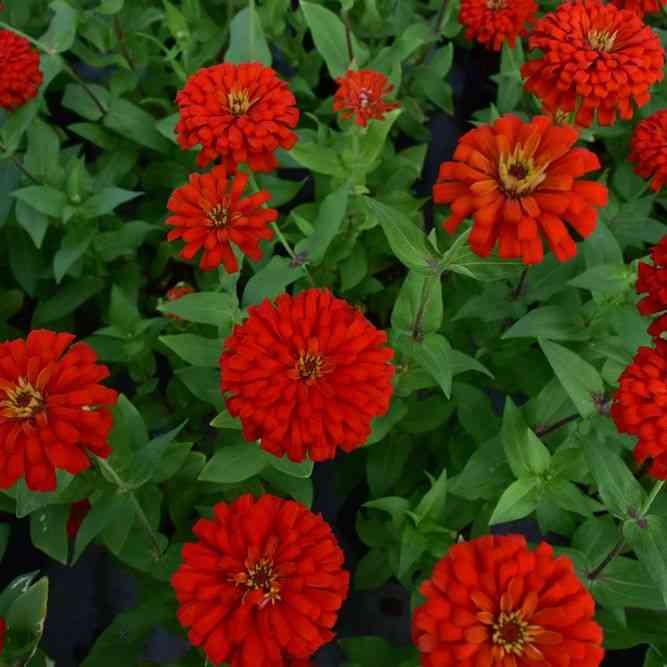
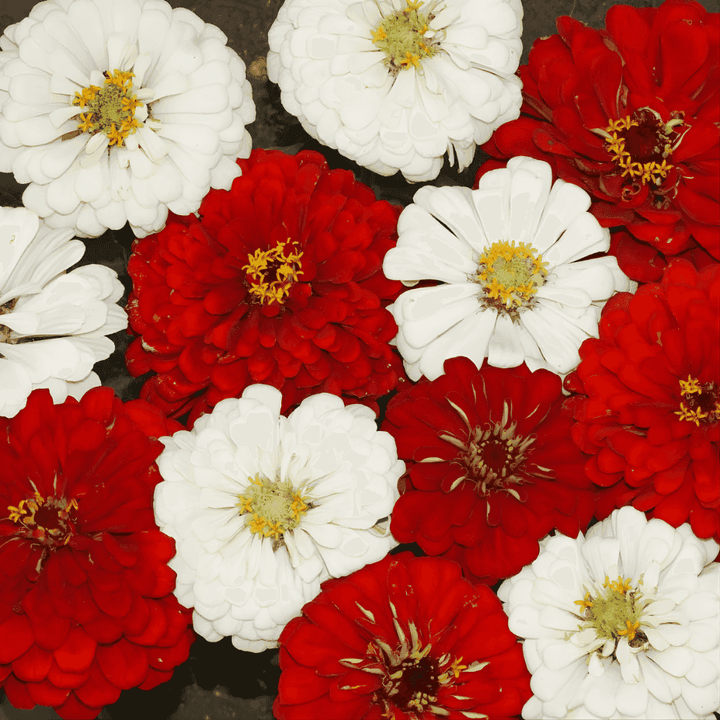
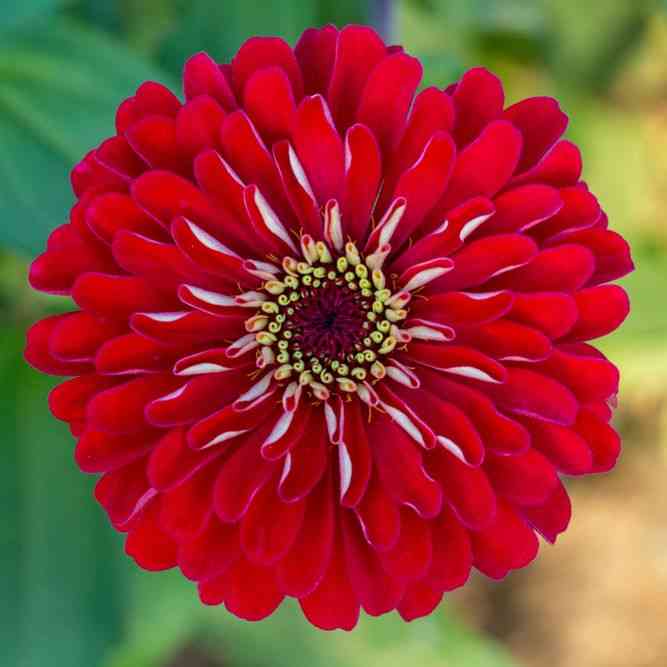
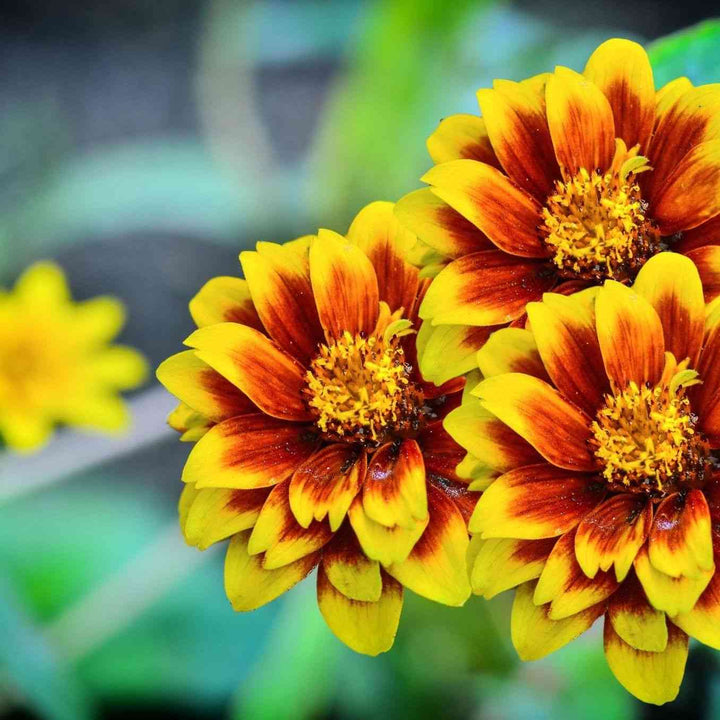
Peppermint Stick Zinnia Seeds produce tall, elegant plants covered in striking red and white striped blooms that resemble spun peppermint candy. These eye-catching flowers stand out in garden beds, borders, and cutting gardens, bringing bold color and vertical interest throughout the summer.

History and provenance

Zinnias are native to Mexico and nearby parts of the Americas. Garden breeding transformed relatively simple wild flower forms into broad color ranges, dwarf bedding lines, tall cutting strains, cactus-flowered forms, and striped or bicolored selections. The named cultivar is treated as the maintained seed strain currently sold; a breeder or release date is not added without a reliable record. For the specific named strain Peppermint Stick, the public institutional record does not establish every breeder, release date, or seed-chain step. Alliance therefore treats the cultivar name as the maintained lot identity, preserves useful catalog history, and does not add a person, community, date, or cultural provenance claim without documentation. Current traits should be reconfirmed whenever the supplier or seed lot changes.

Research status: botanical identity and general cultivation were reviewed against institutional taxonomy, Extension, conservation, and seed-saving resources. Cultivar-specific details are stated only where the current seed-lot record supports them; unresolved identity questions remain in the owner-verification audit.

Canonical growing profile

Scientific identity Zinnia elegans
Life cycle Annual
Maturity 70-79 Days
Germination 5-10 Days
Germination temperature 70–85 °F
Seed depth 1/4 in
Plant height 25–30 in
Growth habit Upright/Erect
Plant spacing 10 in
Row spacing 18 in
Support No-Support
Sunlight Full sun
Water Moderate
Soil Loamy near pH 6.0–6.5

Maturity basis: 70-79 Days from sowing to the primary bloom or market stage used throughout this page

Growing from seed

Planting and Care - Peppermint Stick Identity Peppermint Stick is maintained here as Zinnia under the scientific identity Zinnia elegans. It is an annual with an upright/erect growth habit and a canonical mature height of 25–30 in. Sowing Sow 1/4 in deep at 70–85 °F. Expected emergence is 5-10 Days. Use clean seed-starting conditions, the canonical depth and temperature, and steady moisture without saturation. Cover evenly to the listed depth. Keep the seed zone evenly moist but aerated until seedlings establish. Placement Space plants 10 in apart with 18 in between rows or planting bands. Provide Full sun, moderate water, loamy soil near pH 6.0–6.5, and No-Support. Season and bloom Plant in Late Spring. Primary bloom season is Summer/Fall. Maturity is 70-79 Days. The basis is 70-79 Days from sowing to the primary bloom or market stage used throughout this page. Care Thin crowded seedlings early, water at soil level where practical, and avoid excessive nitrogen that creates soft growth at the expense of flowers or sturdy stems. Mulch only after seedlings are established, keeping mulch away from crowns and stems. Record actual emergence and first bloom by seed lot and planting date.

Plant habit, spacing, and care

Cultivar-Specific Growing Notes - Peppermint Stick - Scientific identity: Zinnia elegans. - Germination: 5-10 Days at 70–85 °F; sow 1/4 in deep. - Mature plant: 25–30 in with an upright/erect habit. - Spacing: 10 in between plants and 18 in between rows. - Support: No-Support. - Light and soil: Full sun; Loamy near pH 6.0–6.5. - Water: Moderate. Frost response: Tender. - Maturity basis: 70-79 Days from sowing to the primary bloom or market stage used throughout this page. - Keep these exact values consistent across the product page, metafields, FAQ, and planting instructions.

Use the mature height and habit to place this seed intelligently. Short plants can disappear behind taller neighbors; tall or vining plants can shade smaller crops or require support. Spacing is not decorative: it affects airflow, stem strength, disease pressure, access for pollinators, and the ability to select true-to-type seed plants later. Do not substitute a generic flower spacing for the canonical values shown above.

Bloom, harvest, and uses

Uses and Benefits - Peppermint Stick Best for: Cut flowers, warm-season color, pollinator gardens, borders, and seed saving. Garden role: Zinnia contributes color, structure, seasonal bloom, habitat value, cutting material, ground cover, vertical interest, or soil-building function according to the named strain. The canonical record identifies mixed color class, 25–30 in mature height, upright/erect habit, 70-79 Days to the listed primary bloom or harvest stage. Food or flavor note: Primarily ornamental or habitat-focused; no culinary claim is made for this seed listing. Pollinator and biodiversity value depends on bloom timing, pesticide exposure, local insect communities, and whether the species is appropriate to the planting region. Avoid treating ornamental value alone as proof of native or ecological suitability.

For cut flowers, harvest at the stage appropriate to the species and keep cutting tools clean. For habitat use, leave a portion of mature stems or seed heads where that supports the intended insects, birds, or winter structure. For cover crops, decide the termination stage before flowering or seed set according to the rotation goal. The eating stage, ornamental stage, and biological seed-maturity stage are not automatically the same.

Pollinator and ecological context

Flower visitation depends on region, season, bloom structure, local insect populations, and pesticide exposure. A plant may be attractive to pollinators without being native everywhere. Native status, domestication history, and modern cultivar identity are kept separate on this page so ornamental appeal is not used as proof of cultural provenance or ecological suitability.

Seed saving

Allow flower heads to pass beyond ornamental bloom and dry on healthy, true-to-type plants. Compatible cultivars may cross through insect activity, so isolate named strains or use controlled pollination when purity matters. Harvest dry heads before excessive shattering or wet weather, finish drying under cover, thresh gently, screen or winnow, label by variety and year, and store only fully dry seed.

Selection records should identify the crop, cultivar, year, seed source, number of seed plants, isolation or pollination method, off-types removed, harvest date, cleaning method, storage conditions, and germination-test date. A successful grow-out supports the identity of the current lot under those conditions; it does not prove an undocumented origin story.

Common problems and corrections

Common concerns: damping-off from saturated media; poor emergence from wrong temperature or depth; leggy seedlings from weak light; crowding and weak airflow; lodging in wind or rain; feeding damage from slugs, caterpillars, beetles, or mammals; foliar disease under prolonged leaf wetness; powdery mildew and bacterial leaf spotting under crowded, wet foliage. Management: use clean media, the canonical sowing depth and temperature, strong light, appropriate thinning, and morning irrigation at soil level. Match support to plant height before wind becomes a problem. Inspect regularly and use the least disruptive control appropriate to the pest, plant, and pollinator setting. Remove diseased debris and rotate annual flower beds where recurring disease is severe.

Frequently asked questions

Frequently Asked Questions - Peppermint Stick What maturity should I use? 70-79 Days The same basis is used in every customer-facing field. How long should germination take? 5-10 Days. Use the listed preparation and temperature; weather and seed-lot condition can change actual emergence. How large does it grow? 25–30 in. Growth habit is Upright/Erect. Does it need support? No-Support Can I eat it? Primarily ornamental or habitat-focused; no culinary claim is made for this seed listing. Can I save seed? Yes where legally and biologically appropriate, but maintain enough plants, understand crossing, wait for mature seed, dry completely, label the lot, and do not represent volunteer seed from a commercial mixture as the original formula.

Seedkeeping responsibility

Keep the original packet wording and supplier record separate from later observations. When a cultivar name, mixture formula, breeder history, or community association cannot be verified, preserve the uncertainty instead of replacing it with a confident marketing story. This protects the seed, the customer, and the people or communities whose names may be attached to it.

Minimum Seed Count: 30 seeds

Additional variety overview

Peppermint Stick is maintained as Zinnia under Zinnia elegans. Canonical growth is 25–30 in with an upright/erect habit. Germination is 5-10 Days at 70–85 °F; maturity is 70-79 Days. Best for cut flowers, warm-season color, pollinator gardens, borders, and seed saving.

Additional catalog details

Peppermint Stick is maintained as Zinnia under Zinnia elegans. Canonical growth is 25–30 in with an upright/erect habit. Germination is 5-10 Days at 70–85 °F; maturity is 70-79 Days. Best for cut flowers, warm-season color, pollinator gardens, borders, and seed saving.
View all growing and care factsBotanical identity, timing, climate, soil, spacing, mature size, and crop-specific details

Plant identity

Minimum seed count 30 seeds
Seed product profile Flower seed
Scientific name Zinnia elegans
Common name Zinnia
Cultivar or variety Peppermint Stick
Also known as Zinnia, Peppermint Stick, Zinnia Seeds - Peppermint Stick Zinnia
Color Mixed
Life cycle Annual
Botanical family Asteraceae
Reproductive type Open-Pollinated (OP)
Heritage qualifiers Non-GMO
Native to the United States Domesticated Plant
Domestication note Mesoamerica (Mexico–Central America)

Seed success and gardener experience

Gardener experience BeginnerLevel 1 of 5
Germination difficulty EasyLevel 1 of 5
Preparation before sowing Use clean seed-starting conditions, the canonical depth and temperature, and steady moisture without saturation.
Stratification None required
Scarification None required
Pre-soaking None required
Light during germination Cover evenly to the listed depth
Germination pattern Best when the seed zone stays near 70–85 °F with steady moisture and airflow.
Growing complexity Easy
Transplant sensitivity Low to moderate; direct sow when practical or transplant before plants become root-bound.
First harvest or bloom 70-79 Days
Best chance of success Use 70–85 °F and 1/4 in depth; maintain steady moisture until emergence in 5-10 Days.

Timing and climate

Days to maturity 70-79 Days
Germination 5-10 Days
Germination temperature 70–85 °F
Planting season Late Spring
Bloom season Summer/Fall
Frost tolerance Tender
Sunlight Full sun
Water needs Moderate

Site, soil, and space

Soil type Loamy
Preferred soil pH 6.0–6.5
Seed depth 1/4 in
Plant spacing 10 in
Row spacing 18 in
Mature height 25–30 in
Growth habit Upright/Erect
Support needed No-Support
Suitable growing locations In-ground bed, Raised bed, Containers, Community garden

Crop-specific details

Fruit size Flower or head form characteristic of Peppermint Stick; mature plant 25–30 in
Flavor profile Primarily ornamental or habitat-focused; no culinary claim is made for this seed listing
Garden toolsOpen the garden-fit planner, planting-window questions, or soil calculator only when useful

Uses this product’s recorded growing information. Local weather, soil, and garden conditions may vary.

Garden-fit planning for this variety

Will Peppermint Stick fit your garden?

Use your space, timing, light, soil, water, and growing preferences to make a more informed choice.

Questions for this garden seed
Seed-starting fit and patience
Recorded product profileBeginnerEasyRead why
Soil test, pH, drainage, and amendment calculator Have a laboratory soil report? Enter pH, nutrients, texture, bed size, and site observations here. Open soil tools
Recorded soil typeLoamy
Recorded pH range6.0–6.5
Water needsModerate
LightFull sun

Use a current laboratory soil test

Soil-test interpreter

Compare your report with this product's listed pH target: 6.0–6.5.

This tool interprets values you enter; it does not replace laboratory or Cooperative Extension amendment rates. Soil test methods and nutrient recommendations vary by region.

Full growing record

Open only the section you need

How to start Peppermint Stick from seedPreparation, timing, depth, germination, transplanting, spacing, and early care

Recorded germination plan

Expected germination
5-10 Days
Germination temperature
70–85 °F

Complete sowing and planting guidance

Planting and Care - Peppermint Stick

Identity
Peppermint Stick is maintained here as Zinnia under the scientific identity Zinnia elegans. It is an annual with an upright/erect growth habit and a canonical mature height of 25–30 in.

Sowing
Sow 1/4 in deep at 70–85 °F. Expected emergence is 5-10 Days. Use clean seed-starting conditions, the canonical depth and temperature, and steady moisture without saturation. Cover evenly to the listed depth. Keep the seed zone evenly moist but aerated until seedlings establish.

Placement
Space plants 10 in apart with 18 in between rows or planting bands. Provide Full sun, moderate water, loamy soil near pH 6.0–6.5, and No-Support.

Season and bloom
Plant in Late Spring. Primary bloom season is Summer/Fall. Maturity is 70-79 Days. The basis is 70-79 Days from sowing to the primary bloom or market stage used throughout this page.

Care
Thin crowded seedlings early, water at soil level where practical, and avoid excessive nitrogen that creates soft growth at the expense of flowers or sturdy stems. Mulch only after seedlings are established, keeping mulch away from crowns and stems. Record actual emergence and first bloom by seed lot and planting date.

Additional planting instructions

Planting and Care - Peppermint Stick

Identity
Peppermint Stick is maintained here as Zinnia under the scientific identity Zinnia elegans. It is an annual with an upright/erect growth habit and a canonical mature height of 25–30 in.

Sowing
Sow 1/4 in deep at 70–85 °F. Expected emergence is 5-10 Days. Use clean seed-starting conditions, the canonical depth and temperature, and steady moisture without saturation. Cover evenly to the listed depth. Keep the seed zone evenly moist but aerated until seedlings establish.

Placement
Space plants 10 in apart with 18 in between rows or planting bands. Provide Full sun, moderate water, loamy soil near pH 6.0–6.5, and No-Support.

Season and bloom
Plant in Late Spring. Primary bloom season is Summer/Fall. Maturity is 70-79 Days. The basis is 70-79 Days from sowing to the primary bloom or market stage used throughout this page.

Care
Thin crowded seedlings early, water at soil level where practical, and avoid excessive nitrogen that creates soft growth at the expense of flowers or sturdy stems. Mulch only after seedlings are established, keeping mulch away from crowns and stems. Record actual emergence and first bloom by seed lot and planting date.

Additional planting information

Sow 1/4 in deep at 70–85 °F; expect 5-10 Days. Space 10 in apart with 18 in between rows. Provide Full sun, moderate water, loamy soil near pH 6.0–6.5, and No-Support. Use 70-79 Days consistently.
How to grow this specific varietyLight, water, fertility, support, spacing, airflow, crop behavior, and season-long care

Variety-specific growing notes

Cultivar-Specific Growing Notes - Peppermint Stick

- Scientific identity: Zinnia elegans.
- Germination: 5-10 Days at 70–85 °F; sow 1/4 in deep.
- Mature plant: 25–30 in with an upright/erect habit.
- Spacing: 10 in between plants and 18 in between rows.
- Support: No-Support.
- Light and soil: Full sun; Loamy near pH 6.0–6.5.
- Water: Moderate. Frost response: Tender.
- Maturity basis: 70-79 Days from sowing to the primary bloom or market stage used throughout this page.
- Keep these exact values consistent across the product page, metafields, FAQ, and planting instructions.

Complete growing guide

Planting and Care - Peppermint Stick

Identity
Peppermint Stick is maintained here as Zinnia under the scientific identity Zinnia elegans. It is an annual with an upright/erect growth habit and a canonical mature height of 25–30 in.

Sowing
Sow 1/4 in deep at 70–85 °F. Expected emergence is 5-10 Days. Use clean seed-starting conditions, the canonical depth and temperature, and steady moisture without saturation. Cover evenly to the listed depth. Keep the seed zone evenly moist but aerated until seedlings establish.

Placement
Space plants 10 in apart with 18 in between rows or planting bands. Provide Full sun, moderate water, loamy soil near pH 6.0–6.5, and No-Support.

Season and bloom
Plant in Late Spring. Primary bloom season is Summer/Fall. Maturity is 70-79 Days. The basis is 70-79 Days from sowing to the primary bloom or market stage used throughout this page.

Care
Thin crowded seedlings early, water at soil level where practical, and avoid excessive nitrogen that creates soft growth at the expense of flowers or sturdy stems. Mulch only after seedlings are established, keeping mulch away from crowns and stems. Record actual emergence and first bloom by seed lot and planting date.

Practical field and garden tips

Cultivar-Specific Growing Notes - Peppermint Stick

- Scientific identity: Zinnia elegans.
- Germination: 5-10 Days at 70–85 °F; sow 1/4 in deep.
- Mature plant: 25–30 in with an upright/erect habit.
- Spacing: 10 in between plants and 18 in between rows.
- Support: No-Support.
- Light and soil: Full sun; Loamy near pH 6.0–6.5.
- Water: Moderate. Frost response: Tender.
- Maturity basis: 70-79 Days from sowing to the primary bloom or market stage used throughout this page.
- Keep these exact values consistent across the product page, metafields, FAQ, and planting instructions.
Harvest, storage, uses, and benefitsWhen and how to harvest, ways to use the crop, storage, culinary value, habitat value, and garden roles

Harvest and use notes

Bloom or harvest: 70-79 Days. Uses: Cut flowers, warm-season color, pollinator gardens, borders, and seed saving. Food note: Primarily ornamental or habitat-focused; no culinary claim is made for this seed listing.

Seed saving: Allow flower heads to pass beyond ornamental bloom and dry on healthy, true-to-type plants. Compatible cultivars may cross through insect activity, so isolate named strains or use controlled pollination when purity matters. Harvest dry heads before excessive shattering or wet weather, finish drying under cover, thresh gently, screen or winnow, label by variety and year, and store only fully dry seed.

Uses and benefits

Uses and Benefits - Peppermint Stick

Best for: Cut flowers, warm-season color, pollinator gardens, borders, and seed saving.

Garden role: Zinnia contributes color, structure, seasonal bloom, habitat value, cutting material, ground cover, vertical interest, or soil-building function according to the named strain. The canonical record identifies mixed color class, 25–30 in mature height, upright/erect habit, 70-79 Days to the listed primary bloom or harvest stage.

Food or flavor note: Primarily ornamental or habitat-focused; no culinary claim is made for this seed listing.

Pollinator and biodiversity value depends on bloom timing, pesticide exposure, local insect communities, and whether the species is appropriate to the planting region. Avoid treating ornamental value alone as proof of native or ecological suitability.
Seed saving and carrying the variety forwardPollination, isolation, selection, harvest, cleaning, drying, and storage
Allow flower heads to pass beyond ornamental bloom and dry on healthy, true-to-type plants. Compatible cultivars may cross through insect activity, so isolate named strains or use controlled pollination when purity matters. Harvest dry heads before excessive shattering or wet weather, finish drying under cover, thresh gently, screen or winnow, label by variety and year, and store only fully dry seed.
Problems and answersPests, diseases, troubleshooting, practical response, and product-specific questions

Variety troubleshooting summary

Common concerns: damping-off from saturated media; poor emergence from wrong temperature or depth; leggy seedlings from weak light; crowding and weak airflow; lodging in wind or rain; feeding damage from slugs, caterpillars, beetles, or mammals; foliar disease under prolonged leaf wetness; powdery mildew and bacterial leaf spotting under crowded, wet foliage.

Management: use clean media, the canonical sowing depth and temperature, strong light, appropriate thinning, and morning irrigation at soil level. Match support to plant height before wind becomes a problem. Inspect regularly and use the least disruptive control appropriate to the pest, plant, and pollinator setting. Remove diseased debris and rotate annual flower beds where recurring disease is severe.

Frequently Asked Questions - Peppermint Stick

What maturity should I use?
70-79 Days The same basis is used in every customer-facing field.

How long should germination take?
5-10 Days. Use the listed preparation and temperature; weather and seed-lot condition can change actual emergence.

How large does it grow?
25–30 in. Growth habit is Upright/Erect.

Does it need support?
No-Support

Can I eat it?
Primarily ornamental or habitat-focused; no culinary claim is made for this seed listing.

Can I save seed?
Yes where legally and biologically appropriate, but maintain enough plants, understand crossing, wait for mature seed, dry completely, label the lot, and do not represent volunteer seed from a commercial mixture as the original formula.

Complete pest and problem guide

Common concerns: damping-off from saturated media; poor emergence from wrong temperature or depth; leggy seedlings from weak light; crowding and weak airflow; lodging in wind or rain; feeding damage from slugs, caterpillars, beetles, or mammals; foliar disease under prolonged leaf wetness; powdery mildew and bacterial leaf spotting under crowded, wet foliage.

Management: use clean media, the canonical sowing depth and temperature, strong light, appropriate thinning, and morning irrigation at soil level. Match support to plant height before wind becomes a problem. Inspect regularly and use the least disruptive control appropriate to the pest, plant, and pollinator setting. Remove diseased debris and rotate annual flower beds where recurring disease is severe.

Questions gardeners ask

Frequently Asked Questions - Peppermint Stick

What maturity should I use?
70-79 Days The same basis is used in every customer-facing field.

How long should germination take?
5-10 Days. Use the listed preparation and temperature; weather and seed-lot condition can change actual emergence.

How large does it grow?
25–30 in. Growth habit is Upright/Erect.

Does it need support?
No-Support

Can I eat it?
Primarily ornamental or habitat-focused; no culinary claim is made for this seed listing.

Can I save seed?
Yes where legally and biologically appropriate, but maintain enough plants, understand crossing, wait for mature seed, dry completely, label the lot, and do not represent volunteer seed from a commercial mixture as the original formula.
History, provenance, and cultural contextWhat is documented, what is reported, what remains uncertain, and how the variety reached gardeners

Scientific name: Zinnia elegans

Common name: Zinnia

Cultivar or variety: Peppermint Stick

Provenance summary

Zinnias are native to Mexico and nearby parts of the Americas. Garden breeding transformed relatively simple wild flower forms into broad color ranges, dwarf bedding lines, tall cutting strains, cactus-flowered forms, and striped or bicolored selections. The named cultivar is treated as the maintained seed strain currently sold; a breeder or release date is not added without a reliable record. For the specific named strain Peppermint Stick, the public institutional record does not establish every breeder, release date, or seed-chain step. Alliance therefore treats the cultivar name as the maintained lot identity, preserves useful catalog history, and does not add a person, community, date, or cultural provenance claim without documentation. Current traits should be reconfirmed whenever the supplier or seed lot changes.

Plant and variety history

Zinnias are native to Mexico and nearby parts of the Americas. Garden breeding transformed relatively simple wild flower forms into broad color ranges, dwarf bedding lines, tall cutting strains, cactus-flowered forms, and striped or bicolored selections. The named cultivar is treated as the maintained seed strain currently sold; a breeder or release date is not added without a reliable record. For the specific named strain Peppermint Stick, the public institutional record does not establish every breeder, release date, or seed-chain step. Alliance therefore treats the cultivar name as the maintained lot identity, preserves useful catalog history, and does not add a person, community, date, or cultural provenance claim without documentation. Current traits should be reconfirmed whenever the supplier or seed lot changes.

Additional seed provenance record

Zinnias are native to Mexico and nearby parts of the Americas. Garden breeding transformed relatively simple wild flower forms into broad color ranges, dwarf bedding lines, tall cutting strains, cactus-flowered forms, and striped or bicolored selections. The named cultivar is treated as the maintained seed strain currently sold; a breeder or release date is not added without a reliable record. For the specific named strain Peppermint Stick, the public institutional record does not establish every breeder, release date, or seed-chain step. Alliance therefore treats the cultivar name as the maintained lot identity, preserves useful catalog history, and does not add a person, community, date, or cultural provenance claim without documentation. Current traits should be reconfirmed whenever the supplier or seed lot changes.

Additional varietal details

Peppermint Stick is maintained as Zinnia under Zinnia elegans. Canonical growth is 25–30 in with an upright/erect habit. Germination is 5-10 Days at 70–85 °F; maturity is 70-79 Days. Best for cut flowers, warm-season color, pollinator gardens, borders, and seed saving.

Zinnias are native to Mexico and nearby parts of the Americas. Garden breeding transformed relatively simple wild flower forms into broad color ranges, dwarf bedding lines, tall cutting strains, cactus-flowered forms, and striped or bicolored selections. The named cultivar is treated as the maintained seed strain currently sold; a breeder or release date is not added without a reliable record. For the specific named strain Peppermint Stick, the public institutional record does not establish every breeder, release date, or seed-chain step. Alliance therefore treats the cultivar name as the maintained lot identity, preserves useful catalog history, and does not add a person, community, date, or cultural provenance claim without documentation. Current traits should be reconfirmed whenever the supplier or seed lot changes.

Additional record notes

Peppermint Stick is maintained as Zinnia under Zinnia elegans. Canonical growth is 25–30 in with an upright/erect habit. Germination is 5-10 Days at 70–85 °F; maturity is 70-79 Days. Best for cut flowers, warm-season color, pollinator gardens, borders, and seed saving.

Source and record notes

https://www.allianceofnativeseedkeepers.com/products/zinnia-seeds-peppermint-stick
https://powo.science.kew.org/results?q=Zinnia+elegans
https://seedalliance.org/publications/seed-saving-guide-gardeners-farmers/
https://extension.umn.edu/flowers/zinnias
https://plants.ces.ncsu.edu/plants/zinnia-elegans/
https://extension.missouri.edu/publications/g6629

Continue planning

Related seeds, collections, and growing guides

Explore the full collection
Heirloom Flower Seeds for Home GardensExplore the full collection →
Will Rogers Red

Will Rogers Red

Will Rogers Red: consistent identity, germination, plant habit, history, bloom, and seed-saving guidance.

Thumbelina

Thumbelina

Thumbelina: consistent identity, germination, plant habit, history, bloom, and seed-saving guidance.

Super Cactus Aztec Orange

Super Cactus Aztec Orange

Super Cactus Aztec Orange: consistent identity, germination, plant habit, history, bloom, and seed-saving guidance.

Stop Sign Mix

Stop Sign Mix

Stop Sign Mix: consistent identity, germination, plant habit, history, bloom, and seed-saving guidance.

Red Beauty

Red Beauty

Red Beauty: consistent identity, germination, plant habit, history, bloom, and seed-saving guidance.

Persian Carpet

Persian Carpet

Persian Carpet: consistent identity, germination, plant habit, history, bloom, and seed-saving guidance.

Customer experience

Reviews for Peppermint Stick

Customer Reviews

Based on 5 reviews
60%
(3)
20%
(1)
0%
(0)
0%
(0)
20%
(1)
C
CityGardener (United States)

Will plant in a few weeks. Perfect delivery.

R
Rachel

Their intergrity and care show through their products and seeds. They care about the people and are for the people. Not only is their shipping fast, the seeds germination are fast too. Quality heirloom seeds with a top notch company ♥️