Variety field guide
What to expect from Ornamental Mix Basil
Ornamental Mix is an annual basil selection grown for fresh leaves, tea or culinary use, pollinator flowers, containers, and seed saving.
Read the complete product descriptionTraits, flavor, garden use, variety notes, and the full catalog record
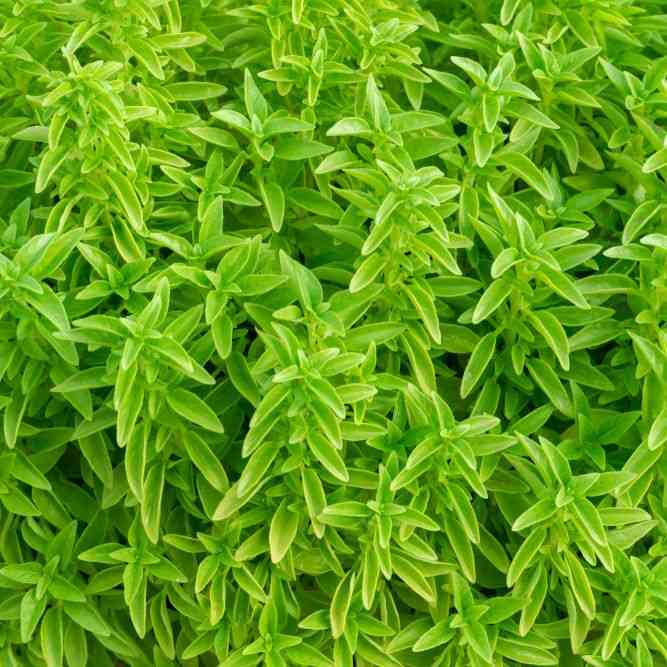
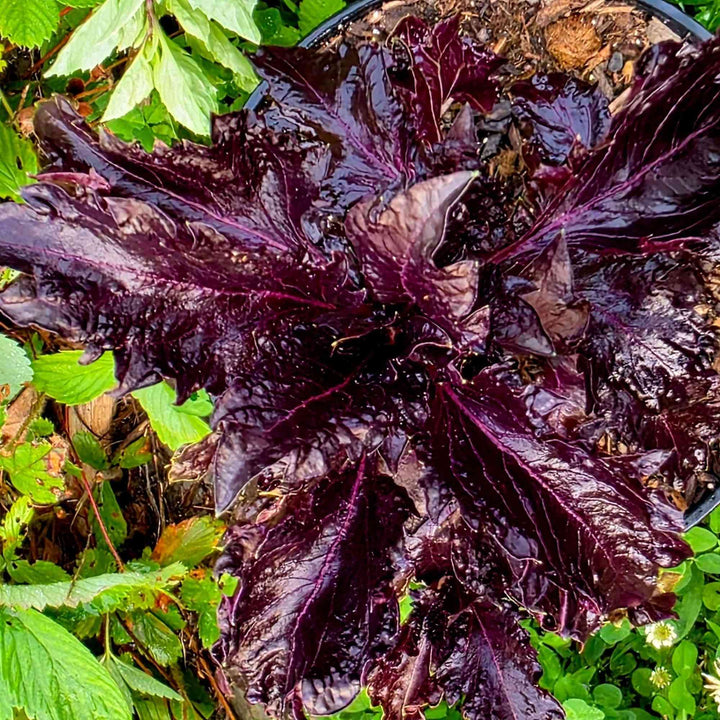
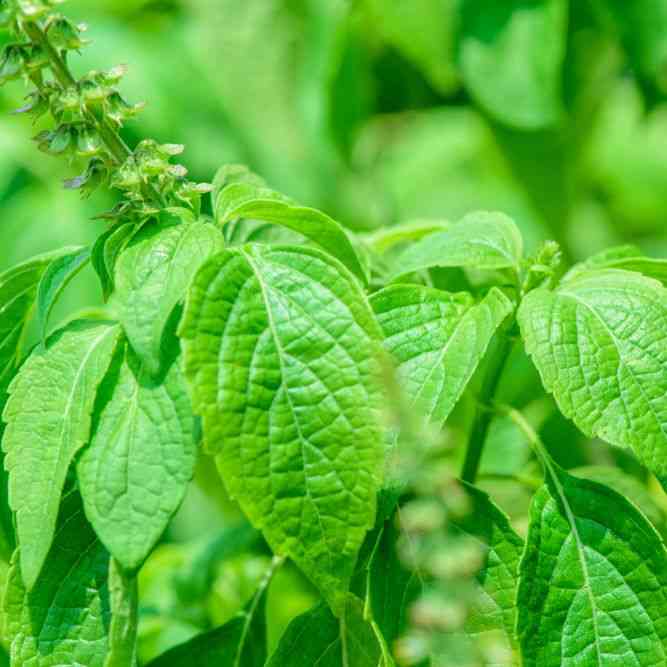
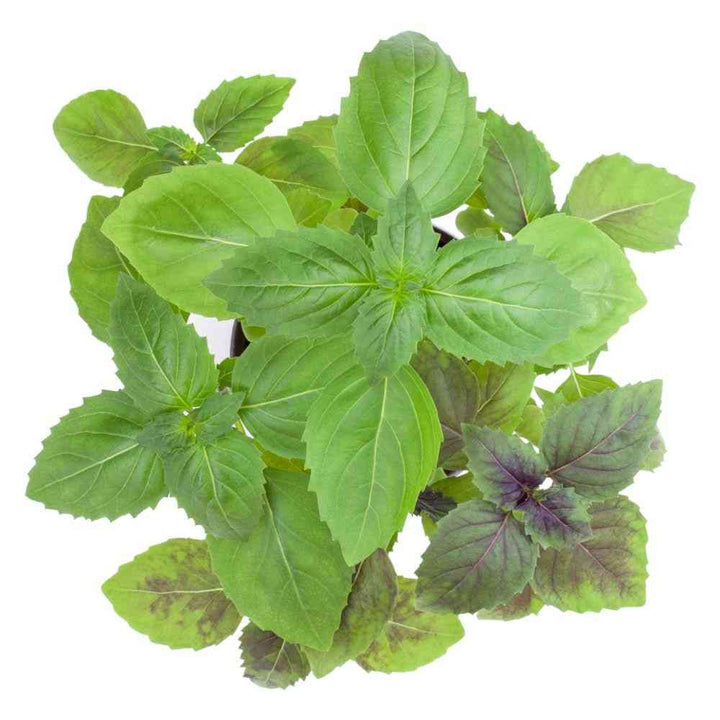
Ornamental Mix basil offers a beautiful range of leaf colors, textures, and forms that make it as eye-catching in decorative plantings as it is useful in the kitchen. These Basil Seeds - Ornamental Mix produce a lively blend of basil types that add fragrance, texture, and visual contrast to herb beds, containers, and mixed garden borders. For gardeners who want edible beauty with strong seasonal appeal, this mix delivers both ornamental interest and flavorful harvests.
About Ornamental Mix
Ornamental Mix is an annual selection of basil, with a mounding habit and an expected height or spread of 19–24 in. It is best suited to fresh leaves, tea or culinary use, pollinator flowers, containers, and seed saving. Notable traits include harvest leafy tips before heavy flowering; allow selected plants to flower fully for seed; aromatic leaves shaped by the named basil type. A mixture cannot be assigned one exact cultivar pedigree, height, color, or maturity for every seed.
Treat Ornamental Mix as a named seed line with its own observations, not as a generic stand-in for the entire basil crop.
History and provenance
Cultivated basils include multiple Ocimum species and hybrids selected across Africa and Asia for fragrance, culinary use, devotional practice, leaf form, and ornamental color. Sweet basil, holy basil, clove basil, and lemon basil are not automatically interchangeable, even when all are sold under the common word basil. A mixture cannot be assigned one exact cultivar pedigree, height, color, or maturity for every seed. The exact identity or lineage of this seed lot should be confirmed from supplier records before making a stronger claim.
Growing facts
| Scientific name | Ocimum basilicum L. |
|---|---|
| Life cycle | Annual |
| Maturity | Stage-based; varies by component or establishment |
| Germination | 5-10 Days at 70–85 °F |
| Seed depth | 1/8 in |
| Plant height / spread | 19–24 in |
| Growth habit | Mounding |
| Spacing | 10 in between plants; 18 in between rows |
| Sunlight | Full sun |
| Soil | Loamy; pH 6.0–6.5 |
| Water | Moderate |
| Support | No-Support |
Starting Ornamental Mix from seed
Sow 1/8 in deep and keep the seed zone evenly moist. Expect emergence in 5-10 Days when the seed-zone temperature is near 70–85 °F. Germination preparation: Use a fine, evenly moist seed-starting mix or prepared seedbed. Light requirement: Light aids germination; barely cover. Soaking: None required. Stratification: None required. Scarification: None required.
Planting and care
Plant during late Spring and provide full sun. Space plants 10 in apart with 18 in between rows. Use loamy with a pH near 6.0–6.5, and follow a moderate watering plan. Support requirement: No-Support. Frost response: Tender. Medium to large container or in-ground bed; avoid crowding
Harvest and use
Harvest timing is stage-based because this mixture, perennial, or unresolved seed line does not support one universal day range. Harvest: Harvest leafy tips before heavy flowering; allow selected plants to flower fully for seed. Uses: Fresh leaves, tea or culinary use, pollinator flowers, containers, and seed saving. Flavor: aromatic leaves shaped by the named basil type. Seed saving: Open-pollinated herb or leafy crop. Best uses include fresh leaves, tea or culinary use, pollinator flowers, containers, and seed saving. Flavor and eating quality: aromatic leaves shaped by the named basil type.
Saving seed
Select several healthy, true-to-type Ornamental Mix plants that match the expected mounding habit and overall plant form. Avoid saving seed only from the earliest or largest individual unless that is your deliberate selection goal. Pollination system: Open-pollinated herb or leafy crop. Compatible plants of the same species may cross to varying degrees through insects or wind. Separate compatible varieties that may flower together, or use cages, barriers, hand pollination, or another documented control appropriate to the crop. Allow selected plants to pass the eating stage and reach full botanical seed maturity. Harvest only when seed heads, pods, or fruits have matured enough for sound seed development. Clean the seed carefully, dry it thoroughly away from direct heat, label the lot with variety and year, and store it cool, dark, and dry. Test germination before an important planting or distribution season.
Common problems
Common concerns: Aphids, whiteflies, spider mites, slugs, damping-off, root rot, and leaf diseases under humid crowded conditions. Management: Provide airflow, drainage, moderate fertility, careful watering, and clean harvest practices. Contain spreading mints where needed. Diagnosis note: Similar symptoms can have different causes. Compare plants of the same age, record weather and irrigation, and use local Extension or diagnostic support before applying a control.
Frequently asked questions
Frequently Asked Questions - Ornamental Mix
When is Ornamental Mix ready? Harvest by the crop-specific size, color, tenderness, or flowering stage described on the page rather than relying on one universal day count.
How long does germination take? Expect 5-10 Days at about 70–85 °F. Cooler, hotter, crusted, saturated, or dry seedbeds can slow emergence.
How large does it grow? Expect about 19–24 in with a mounding habit. Space plants 10 in apart and rows 18 in apart. Support: No-Support.
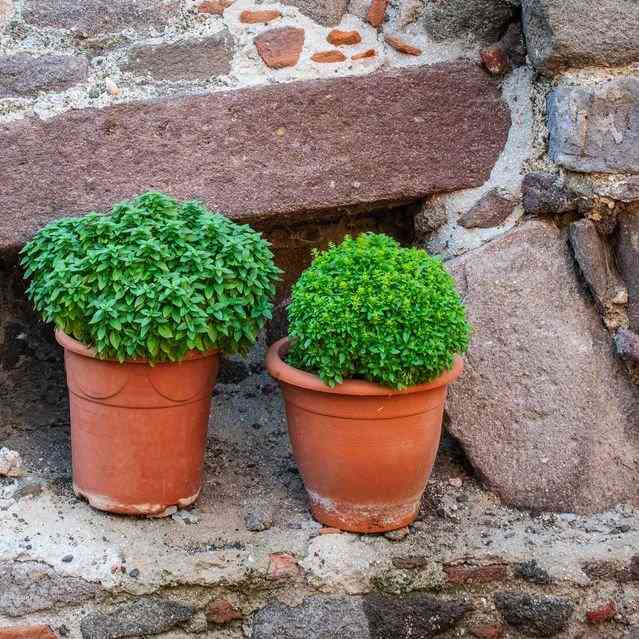
Can it grow in a container? Medium to large container or in-ground bed; avoid crowding Use a container with drainage and enough volume to maintain the listed spacing and steady moisture.
Can I save seed? Open-pollinated herb or leafy crop. Keep compatible varieties isolated and allow selected plants to reach full seed maturity.