Welcome to our store. Learn more

Free U.S. seed shipping $25+. Seeds ship free at the threshold.

Current Processing Times Before Shipping Are 1-2 Business Days

25% OFF Heirloom seed packets are $1.50, regularly $2.00. Seed packets only · sale price already applied · carries into checkout · coupon codes do not combine. Shop the sale →

Corsican Basil Seeds

Scientific name Ocimum basilicum

About this variety

A Mediterranean treasure hailing from the island of Corsica, Ocimum basilicum ‘Corsican’ is a robust and aromatic basil known for its rich, spicy-sweet flavor with subtle undertones of anise and clove. The medium-sized, slightly crinkled leaves possess a deep green hue and glossy sheen, embodying the sun-drenched warmth of its coastal homeland.Plants reach 18–24 inches tall with sturdy...

Continue with the complete description
$150 USD $200
25% OFF
Heirloom seed packet sale

$1.50, regularly $2.00. The sale price is already applied and carries into checkout. No code is needed. Coupon codes do not combine with this offer.

Pickup available at Bertie County Seeds

Usually ready in 2-4 days

At a glance

The facts most gardeners need first

View the full variety record
500 minimum seeds per packet
  • Germination5–10 Days days · 70–85 °F
  • Maturity50-59 Days · 50-59 Days
  • SunFull sun
  • Support & spacingNo-Support · space 18 in · rows 18 in
  • Growth habitUpright/Erect · Annual · 19–24 in tall
  • Best usekitchen gardens, containers, fresh harvest, drying, and pollinator support
Secure checkout Details
Generic
Triple-tested seed qualityRegular quality and germination checks support every packet.

We regularly test seed quality and germination as lots move through storage and packing. We stand behind the seed we send and want customers to contact us when a packet does not perform as reasonably expected.

1-year seed warrantyCoverage begins on the date of purchase.

When properly stored, planted, and cared for, we guarantee reasonable germination and true-to-type growth for one year from the date of purchase. Conditions outside our control—including extreme weather, pests, unsuitable storage, and gardener error—are excluded. Contact us when something is not right so we can review the situation and work toward a replacement, refund, or another fair resolution.

Non-GMO / BE seed policyWe do not buy or sell genetically engineered or bioengineered seed.

Every seed variety we sell is non-GMO.

USDA’s National Bioengineered Food Disclosure Standard defines bioengineered foods as containing detectable genetic material modified through in vitro recombinant DNA methods in ways not achievable through conventional breeding or found in nature.

  • Hybrid means parent lines were conventionally crossed; hybrid does not mean GMO.
  • Heirloom and open-pollinated describe how a variety is maintained and reproduced.
  • Organic certification is separate and is shown only when verified for the individual product.
Packed in Colerain, North CarolinaPrepared in our seed room for gardens across the country.

Seeds are packed and shipped from Colerain, North Carolina. Our packets use forestry-certified paper, and we use recyclable paper mailers where appropriate. AONSK is also a 1% for the Planet partner while continuing to reduce waste in packing and fulfillment.

Seed-starting profileDifficulty, preparation, reliability, and timing Open

Seed success profile

Gardener experience Beginner-friendly
Germination difficulty Straightforward
Preparation before sowing
Use clean seed-starting conditions, the listed sowing depth and temperature, and steady moisture without saturation
Germination speed
5–10 Days
Growing complexity
Harvest-focused herb requiring crop-specific pruning, flowering, or seed management
Patience and timing
50-59 Days
Is this seed a good match for your experience?
Expected germination
5–10 Days
Germination temperature
70–85 °F
Stratification
Not normally required by the current record
Scarification
Not normally required by the current record
Pre-soaking
Not normally required by the current record
Light during germination
Cover to the recorded depth; provide strong light immediately after emergence
Germination pattern
Usually reliable when seed is stored well and temperature, depth, moisture, and preparation match the recorded requirements
Transplant sensitivity
Use the crop-specific starting method and minimize unnecessary root disturbance
Starting method
Cataloged for indoor starting or transplanting; follow the hardening-off guidance.
Best chance of success
For Corsican Basil Seeds, control temperature and moisture at sowing, label the start date, and compare emergence with the complete recorded germination window before reseeding.
Planning window

Plan around 5–10 Daysat70–85 °F. Keep moisture, light, and preparation aligned with the sowing instructions below.

Slow germination is not automatically failed germination.

Maintain the listed temperature, moisture, light, and treatment conditions for the full expected window. Some seed lots emerge gradually rather than all at once.

1 Beginner-friendly 2 One extra step 3 Some experience helpful 4 Patient growers 5 Advanced propagation

Seed age, storage, sowing depth, moisture, temperature, light, local conditions, and aftercare can affect results. Last reviewed July 2026.

Garden tools

Need a plan for your space?

Open the garden-fit planner or soil calculator only when you need them.

Open garden tools Uses this product’s recorded growing information. Local weather and garden conditions may vary.

About this variety

What to expect from Corsican Basil Seeds

Corsican Basil Seeds produce a robust Mediterranean heirloom with sun-rich sweetness and savory spice, perfect for authentic coastal cuisine.

Read the complete product descriptionTraits, flavor, garden use, variety notes, and the full catalog record

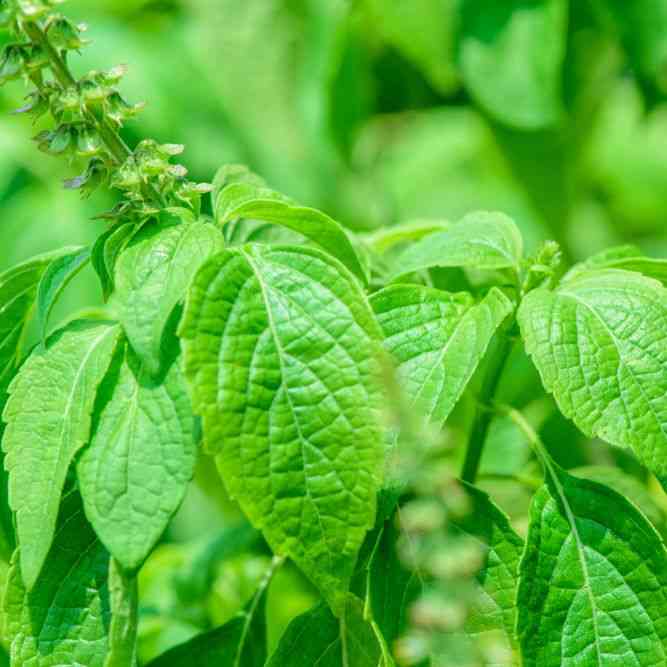
A Mediterranean treasure hailing from the island of Corsica, Ocimum basilicum ‘Corsican’ is a robust and aromatic basil known for its rich, spicy-sweet flavor with subtle undertones of anise and clove. The medium-sized, slightly crinkled leaves possess a deep green hue and glossy sheen, embodying the sun-drenched warmth of its coastal homeland.

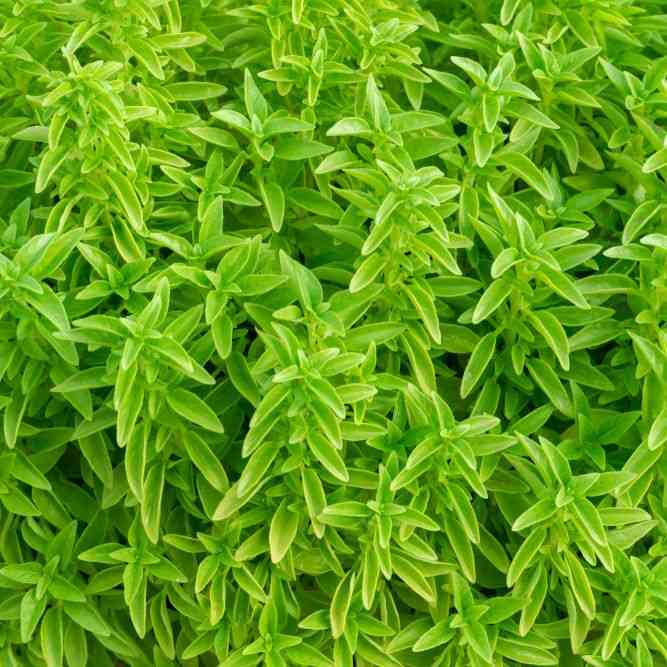
Plants reach 18–24 inches tall with sturdy stems and a dense, upright habit, thriving in both pots and open gardens. Corsican basil holds its flavor beautifully in heat, making it an exceptional choice for fresh use or for long-simmered sauces and pestos. Its aroma is bold yet refined, enhancing Mediterranean dishes, vinegars, and infused oils with an authentic island character.

Long cultivated along the rocky hillsides and terraced gardens of Corsica, this variety carries the essence of the sea breeze and sun—the flavor of a Mediterranean summer distilled into every leaf.

Minimum Seed Count: 500 seeds

View all growing and care factsBotanical identity, timing, climate, soil, spacing, mature size, and crop-specific details

Plant identity

Minimum seed count 500 seeds
Seed product profile Culinary herb
Scientific name Ocimum basilicum
Also known as Basil, Basil Seeds - Corsican
Life cycle Annual
Botanical family Lamiaceae
Reproductive type Open-Pollinated (OP)
Heritage qualifiers Heirloom
Native to the United States Domesticated Plant
Domestication note Africa – East / Southern Africa

Seed success and gardener experience

Gardener experience Beginner-friendlyLevel 2 of 5
Germination difficulty StraightforwardLevel 2 of 5
Preparation before sowing Use clean seed-starting conditions, the listed sowing depth and temperature, and steady moisture without saturation
Stratification Not normally required by the current record
Scarification Not normally required by the current record
Pre-soaking Not normally required by the current record
Light during germination Cover to the recorded depth; provide strong light immediately after emergence
Germination pattern Usually reliable when seed is stored well and temperature, depth, moisture, and preparation match the recorded requirements
Growing complexity Harvest-focused herb requiring crop-specific pruning, flowering, or seed management
Transplant sensitivity Use the crop-specific starting method and minimize unnecessary root disturbance
First harvest or bloom 50-59 Days
Best chance of success For Corsican Basil Seeds, control temperature and moisture at sowing, label the start date, and compare emergence with the complete recorded germination window before reseeding.

Timing and climate

Days to maturity 50-59 Days
Germination 5–10 Days
Germination temperature 70–85 °F
Planting season Late Spring
Bloom season Summer
Frost tolerance Tender
Sunlight Full sun
Water needs Moderate

Site, soil, and space

Soil type Loamy
Preferred soil pH 6.5–7.0
Seed depth 1/4 in
Plant spacing 18 in
Row spacing 18 in
Mature height 19–24 in
Growth habit Upright/Erect
Support needed No-Support
Suitable growing locations In-ground bed, Raised bed, Containers, Greenhouse, High Tunnel, Indoor growing, Hydroponic, Community garden

Crop-specific details

Flavor profile A Mediterranean treasure hailing from the island of Corsica, Ocimum basilicum ‘Corsican’ is a robust and aromatic basil known for its rich, spicy-sweet flavor with subtle undertones of anise and clove.
Garden toolsOpen the garden-fit planner, planting-window questions, or soil calculator only when useful

Uses this product’s recorded growing information. Local weather, soil, and garden conditions may vary.

Garden-fit planning for this variety

Will Corsican Basil Seeds fit your garden?

Check container space, harvest use, life cycle, light, moisture, and sowing method.

Questions for this culinary herb seed
Seed-starting fit and patience
Recorded product profileBeginner-friendlyStraightforwardRead why
Soil test, pH, drainage, and amendment calculator Have a laboratory soil report? Enter pH, nutrients, texture, bed size, and site observations here. Open soil tools
Recorded soil typeLoamy
Recorded pH range6.5–7.0
Water needsModerate
LightFull sun

Use a current laboratory soil test

Soil-test interpreter

Compare your report with this product's listed pH target: 6.5–7.0.

This tool interprets values you enter; it does not replace laboratory or Cooperative Extension amendment rates. Soil test methods and nutrient recommendations vary by region.

Full growing record

Open only the section you need

How to start Corsican Basil Seeds from seedPreparation, timing, depth, germination, transplanting, spacing, and early care

Recorded germination plan

Expected germination
5–10 Days
Germination temperature
70–85 °F

Complete sowing and planting guidance

Planting Instructions:

Location Selection: Choose a location with full sun for best growth. Basil thrives in well-lit areas.
Soil Preparation: Ensure the soil is well-drained and rich in organic matter. Basil prefers loamy soil with a pH between 6.0 and 7.0.
Sowing Seeds:

Direct Sowing: Sow the seeds directly outdoors in late spring after the danger of frost has passed. Plant seeds 1/4 inch deep and cover with soil.
Indoor Starting: For an earlier start, sow seeds indoors 6-8 weeks before the last frost date. Use seed-starting trays filled with a seed-starting mix. Cover seeds lightly with soil and keep the soil moist.
Germination: Seeds typically germinate within 5-10 days. Maintain a consistent moisture level in the soil during this period.
Transplanting: If starting indoors, transplant seedlings outdoors after the danger of frost has passed. Space the seedlings 12-18 inches apart to allow for adequate air circulation and growth.

Care Instructions:

Watering: Water regularly to keep the soil evenly moist but not waterlogged. Avoid overhead watering to prevent fungal diseases.
Fertilizing: Apply a balanced fertilizer every 4-6 weeks during the growing season to promote healthy growth and abundant foliage.
Mulching: Apply a thin layer of mulch around the base of the plants to help retain moisture and suppress weeds.
Pruning: Pinch off the top sets of leaves regularly to encourage bushier growth and prevent the plants from flowering too early.
Pests and Diseases: Basil is relatively pest and disease-free but can occasionally be affected by aphids or downy mildew. If necessary, treat with insecticidal soap or fungicide.
Special Considerations:

Harvesting: Harvest leaves regularly by pinching them off at the stem to encourage new growth. Basil leaves are best used fresh but can also be dried or frozen for later use.
How to grow this specific varietyLight, water, fertility, support, spacing, airflow, crop behavior, and season-long care

Complete growing guide

How to Grow — Basil Varieties
Watering

Provide consistent moisture, keeping the soil evenly damp but never waterlogged. Basil prefers steady hydration at the root zone rather than frequent surface watering. On average, supply 1 inch of water per week, increasing slightly during hot or windy periods.

Use drip irrigation or a soaker hose to water directly at the base, preventing splash on leaves which can spread fungal diseases like downy mildew. Always water early in the day so foliage dries quickly.

Once plants are established, mulch 2–3 inches deep with straw, shredded leaves, or compost to retain moisture, cool roots, and suppress weeds.

Tip: Irregular watering leads to stress and bitter-tasting leaves. Keeping the soil evenly moist ensures tender, aromatic foliage with rich essential oils.

Fertilizing

Before planting, mix in 2–3 inches of compost or aged manure to create fertile, well-balanced soil. Basil is not a heavy feeder, but consistent nutrition enhances leaf production and flavor intensity.

Feed every 3–4 weeks with a mild organic fertilizer such as fish emulsion, compost tea, or a balanced blend (5-5-5). During peak summer growth, supplement with liquid kelp or seaweed extract to maintain vigor.

Avoid excessive nitrogen—too much fertilizer promotes rapid, weak growth with reduced flavor and aroma.

Tip: A light, regular feeding schedule encourages dense, aromatic foliage and keeps flavor balanced rather than overly sweet or grassy.

Weeding & Mulching

Keep the area around basil plants weed-free, especially while young, to reduce competition for nutrients and water. Hand-weed carefully to avoid disturbing shallow roots.

Apply 2–4 inches of organic mulch once the soil has warmed. Mulching stabilizes soil temperature, conserves moisture, and deters fungal splash from rain or irrigation.

Tip: Organic mulch not only prevents weeds but also enhances soil structure and microbial activity—vital for consistent, fragrant leaf growth.

Sun & Heat Management

Basil thrives in full sun, requiring at least 6–8 hours of direct sunlight daily. The ideal temperature range is 70–90°F (21–32°C).

During periods of extreme heat above 95°F (35°C), basil may wilt or bolt prematurely. Provide 30–40% shade cloth or light afternoon shade to prevent stress, especially for delicate varieties like Lemon or Fino Verde.

Proper spacing (10–12 inches for compact types, 14–18 inches for large-leaf varieties) ensures good airflow and helps prevent fungal problems such as downy mildew.

Tip: Strong sunlight intensifies basil’s essential oil content, deepening flavor and aroma—but steady moisture is needed to prevent heat stress.

Spacing & Growth Management

Space basil plants according to type:

Compact forms (Fino Verde, Spicy Globe, Piccolino Dwarf Greek): 8–10 inches apart.

Standard forms (Italian Large Leaf, Genovese, Lemon, Cinnamon): 12–14 inches apart.

Large types (Mammoth, Sweet Thai Large Leaf, Siam Queen): 16–18 inches apart.

Pinch out the central growing tip once plants reach 6–8 inches tall to promote branching and prevent early flowering. Continue harvesting regularly to keep plants lush and productive.

Tip: Frequent pinching is the secret to bushy, high-yielding basil. Once it blooms, leaves quickly lose their tender texture and sweetness.

Ecological Interplanting (Science-Based Companion Strategy)

Basil is a natural companion for many garden crops:

Tomatoes: Enhances flavor and deters aphids, whiteflies, and hornworms.

Peppers and Eggplants: Improves growth and reduces pest pressure.

Marigolds and Parsley: Boost pollinator visits and help suppress nematodes.

Encourage beneficial insects by interplanting with dill, chamomile, calendula, or alyssum, which attract lacewings, bees, and hoverflies.

Practice crop rotation each year—avoid replanting basil in the same soil consecutively to prevent fusarium wilt buildup.

Tip: Modern permaculture studies confirm that interplanting aromatic herbs like basil improves pollination rates and naturally repels common pests.

Container Growing

Basil adapts beautifully to container life. Use pots at least 10–12 inches deep filled with rich, well-draining potting mix. Mix in perlite or coarse sand for aeration.

Water containers more frequently—typically every 1–2 days in hot weather—to prevent drought stress. Fertilize lightly every 3–4 weeks with liquid compost tea or diluted organic fertilizer.

Rotate pots occasionally to ensure even sun exposure and prune regularly to maintain a rounded, healthy shape.

Tip: Compact types like Fino Verde, Piccolino Dwarf Greek, and Spicy Globe are perfect for patios or windowsills, while Sweet Thai and Purple Ruffles add both fragrance and visual flair.

Season Extension

Start basil seeds indoors 4–6 weeks before the last frost, sowing them ¼ inch deep in warm, moist soil (70–80°F / 21–27°C). Transplant outdoors only when all danger of frost has passed and soil temperatures remain above 60°F (16°C).

In cooler regions, protect young plants with row covers, cloches, or cold frames during early spring and late fall. Basil is highly frost-sensitive—temperatures below 50°F (10°C) can damage foliage and stunt growth.

For overwintering, take cuttings before frost and root them in water or moist potting soil indoors. Keep under bright light and moderate warmth to maintain continuous harvests through winter.

Tip: Basil thrives on warmth. Preheat garden beds with black plastic mulch in spring or grow under small tunnels to extend harvest into autumn.

Practical field and garden tips

Additional Tips — Basil Varieties
Harvesting

Harvest basil leaves early in the morning after dew has dried but before the day’s heat intensifies. This is when essential oils are at their peak, ensuring the richest flavor and fragrance. Always harvest by pinching or cutting just above a leaf node—this encourages branching and fuller growth.

For best results, never remove more than one-third of the plant at a time. Frequent harvesting delays flowering and prolongs the productive life of your basil. Once buds begin to form, pinch them off immediately to maintain tenderness and flavor.

To dry basil, hang small bunches upside down in a shaded, well-ventilated space or use a dehydrator on low heat. For freezing, blend leaves with a little olive oil and store in ice cube trays for use in sauces and soups year-round.

Flavor & Culinary Notes

Each basil variety offers its own signature character:

Sweet Genovese, Italian Large Leaf, Corsican, and Mammoth — rich, classic basil flavor ideal for pesto, pasta sauces, and caprese salads.

Fino Verde and Piccolino Dwarf Greek — concentrated aroma and compact leaves, perfect for garnish or small-batch pesto.

Holy Basil and Red Leaf Holy Basil — sacred, clove-scented herbs best for teas, tonics, and aromatherapy blends.

Sweet Thai, Siam Queen, and Sweet Thai Large Leaf — spicy, anise-flavored basils that hold their taste during high-heat cooking.

Cinnamon, Licorice, and Lemon — fragrant specialty types for desserts, teas, and infused oils.

Purple Ruffles, Red Rubin, and Purple Dark Opal — visually stunning basils for salads, vinegars, and decorative plating.

Pair any basil with tomatoes, garlic, citrus, or soft cheeses. For drinks, try muddling lemon or cinnamon basil in lemonade or cocktails. Adding fresh leaves at the end of cooking preserves their essential oils and aroma.

Handling & Storage

Basil leaves bruise easily and are sensitive to cold. Store fresh sprigs in a glass of water on the counter like cut flowers, loosely covered with a plastic bag. For longer keeping, wrap stems in a damp paper towel and refrigerate briefly in the crisper drawer—but use within a few days to prevent blackening.

Avoid exposing basil to temperatures below 50°F (10°C), which causes chilling injury. To preserve flavor for months, make pesto or herb oil and freeze it. Dried basil should be stored in airtight containers away from light to retain potency.

Growing & Maintenance

Sunlight:
Provide full sun—at least 6–8 hours daily. Purple varieties especially need strong light to maintain color intensity.

Soil & Feeding:
Plant in rich, loamy, well-drained soil amended with compost. Basil prefers a slightly acidic to neutral pH (6.0–7.0). Feed with a balanced organic fertilizer every 3–4 weeks during active growth.

Watering:
Keep soil evenly moist but not waterlogged. Deep watering encourages robust roots. Avoid splashing the leaves to prevent fungal issues like downy mildew.

Pruning:
Pinch back the top growth every 2–3 weeks to promote branching. Remove flower buds promptly to maintain vegetative vigor.

Support:
Larger varieties like Mammoth, Italian Large Leaf, and Sweet Thai Large Leaf benefit from light staking or spacing to prevent overcrowding and improve airflow.

Seed Saving

Allow a few healthy plants to flower near the end of the season. Once flower spikes dry and turn brown, collect the seed heads and gently crush them to release the small black seeds. Sift out chaff and dry seeds completely for 7–10 days before storing.

Keep seeds in airtight containers in a cool, dark location. Properly stored basil seed remains viable for 4–5 years. Note that cross-pollination is common among varieties, so isolate plants by at least 150 feet or bag the flower heads to maintain varietal purity.

Container Tips

Basil grows exceptionally well in containers. Use pots at least 10–12 inches deep with high-quality potting mix that drains freely. Water more frequently during hot weather—container-grown basil dries out faster than garden-planted herbs.

Fertilize with a mild organic feed every 3–4 weeks, and rotate pots occasionally for even sunlight exposure. Compact types like Fino Verde, Piccolino Dwarf Greek, and Spicy Globe are particularly suited for patio and indoor growing.

Common Pairings in the Garden

Basil thrives beside tomatoes, peppers, parsley, and marigolds—companions that help deter pests and enhance growth. Avoid planting near rue or sage, which can inhibit its development. The strong scent of basil also helps repel mosquitoes and flies around outdoor seating areas.

Extended Season Care

In cooler regions, start seeds indoors 4–6 weeks before the last frost. Transplant outdoors only after nighttime temperatures stay above 55°F (13°C). Use row covers or cloches to extend the season in spring and fall.

Before the first frost, take cuttings and root them indoors in water or moist soil to overwinter your favorite varieties. This allows for continuous harvests and an early start next year.
Harvest, storage, uses, and benefitsWhen and how to harvest, ways to use the crop, storage, culinary value, habitat value, and garden roles

Uses and benefits

Uses and Benefits of Basil
Culinary Uses

Basil is one of the world’s most beloved culinary herbs, cherished for its fragrance, flavor, and versatility across countless cuisines. Its leaves are used fresh, dried, or infused to elevate both savory and sweet dishes. The herb’s essential oils provide a balance of sweetness, spice, and brightness that adapts beautifully to nearly every cooking style.

General Preparation Methods

Fresh Use:
Fresh basil is best added at the end of cooking or served raw to preserve its aroma. Use it in pestos, caprese salads, sandwiches, curries, soups, and herbal drinks.

Cooking:
When cooked gently, basil deepens in flavor. Add it to tomato sauces, soups, and stews to enrich their sweetness and aroma. Thai and Holy Basil hold up particularly well to high-heat stir-frying.

Drying and Freezing:
Basil can be air-dried, dehydrated, or frozen to retain flavor. For best preservation, blend leaves with olive oil and freeze in cubes to use throughout winter.

Infusions and Beverages:
Steep leaves in vinegar, oil, or spirits to create aromatic infusions. Lemon, Cinnamon, and Licorice Basil varieties make excellent herbal teas, while Thai and Holy Basil varieties shine in elixirs and tonics.

Desserts and Sweets:
Cinnamon, Lemon, and Licorice Basil varieties bring herbal depth to desserts, syrups, and fruit-based dishes. Their natural sweetness complements honey, citrus, and berries.

Uses by Type

Sweet Genovese, Italian Large Leaf, Mammoth, and Corsican:
Traditional Italian basils ideal for pesto, pasta sauces, pizzas, soups, and fresh salads.

Fino Verde and Piccolino Dwarf Greek:
Compact, intensely aromatic types best for garnishes, pot culture, and fresh seasoning.

Holy Basil (Tulsi) and Red Leaf Holy Basil:
Sacred Ayurvedic herbs used for teas, incense, and adaptogenic tonics that support calm and focus.

Sweet Thai, Siam Queen, and Sweet Thai Large Leaf:
Southeast Asian favorites for curries, stir-fries, and pho, offering bold, anise-clove flavor.

Purple Ruffles, Red Rubin, and Purple Dark Opal:
Ornamental and flavorful, perfect for colored pestos, infused vinegars, and striking culinary presentations.

Cinnamon, Lemon, and Licorice Basil:
Specialty basils prized for teas, desserts, and aromatic drinks with warm or citrus notes.

Spicy Globe:
Compact and decorative, excellent for edging garden beds or snipping fresh for everyday cooking.

Nutritional Benefits

Basil contributes a range of nutrients that support general wellness and vitality:

Vitamins: Rich in Vitamin K (for bone and blood health), Vitamin A (as beta-carotene), and Vitamin C (for immune support).

Minerals: Contains calcium, magnesium, iron, and manganese.

Antioxidants: Provides eugenol, rosmarinic acid, and flavonoids—compounds known to neutralize free radicals.

Essential Oils: Natural oils like linalool and estragole contribute antimicrobial and anti-inflammatory effects.

Digestive Support: Traditionally used to ease bloating, nausea, and digestive discomfort.

Cooking basil lightly helps release its aromatic oils, while raw leaves preserve the full vitamin content.

Cultural and Practical Benefits

Basil holds deep cultural roots around the world—symbolizing protection, love, and harmony in Mediterranean, Asian, and Indigenous traditions. It is both a sacred and a kitchen herb, bridging medicine and cuisine.

Adaptability: Thrives in gardens, raised beds, containers, or windowsills, making it accessible to both farmers and home gardeners.

Economic Value: High market demand for fresh herbs, dried blends, and infused products make basil a reliable crop for small-scale growers.

Community Gardening: A staple herb for teaching seed saving, pollinator gardening, and companion planting.

Cultural Heritage: Holy Basil (Tulsi) is central in Hindu practice, representing purity and renewal; Genovese Basil is intertwined with Italian culinary identity.

Everyday Benefits and Kitchen Versatility

Basil enhances nearly every cuisine:

Italian: Pesto, marinara, caprese salads, and infused oils.

Thai and Vietnamese: Curry pastes, noodle dishes, soups, and stir-fries.

Indian: Tulsi teas, Ayurvedic tonics, and traditional remedies.

Mediterranean: Herb rubs, olive tapenades, and vegetable stews.

Modern Cuisine: Basil cocktails, sorbets, syrups, and desserts.

It pairs harmoniously with tomatoes, garlic, lemon, mozzarella, peppers, honey, and tropical fruits. Its fragrance bridges savory and sweet, making it one of the most universally useful herbs in the world.

Environmental and Garden Benefits

Beyond its culinary value, basil enriches the ecosystem of any garden:

Pollinator Attraction: Basil flowers attract bees, butterflies, and beneficial insects that improve pollination for other crops.

Companion Planting: Growing basil near tomatoes, peppers, and marigolds deters aphids, whiteflies, and mosquitoes while enhancing growth.

Soil Health: Basil roots support soil microbial activity, while mulched leaves return organic matter to the soil.

Biodiversity Preservation: Maintaining multiple basil species—such as Ocimum basilicum, O. tenuiflorum, and O. × citriodorum—helps preserve global seed diversity and regional adaptation.
Seed saving and carrying the variety forwardPollination, isolation, selection, harvest, cleaning, drying, and storage
Seed Saving — Basil Varieties
1. Selecting Plants for Seed Saving

Choose only healthy, vigorous, true-to-type basil plants free from pests and disease. Select those that best represent the variety’s leaf shape, aroma, flavor, and growth habit. Mark your chosen seed plants early in the season with colored ties or labels, and allow them to complete their full life cycle.

Since all your basil types are open-pollinated heirlooms, they will breed true if kept isolated. Avoid saving seed from weak, stunted, or off-type plants, as these can dilute desirable traits.

To maintain good genetic diversity, save seed from at least 6–10 plants per variety, especially for smaller or compact forms like Fino Verde and Piccolino Dwarf Greek.

2. Flowering and Pollination

Basil produces small, white or purple flowers on spikes toward the end of its growth phase. Once buds appear, stop harvesting leaves on your selected seed plants and allow them to bloom fully. Pollination occurs primarily by bees and other small insects, so ensure good pollinator activity nearby.

To prevent cross-pollination between varieties, isolate each type by at least 150 feet (45 meters) or cover selected flower spikes with fine mesh bags to ensure purity. This is particularly important if growing multiple basil species (e.g., Ocimum basilicum and Ocimum tenuiflorum).

3. Harvesting Seeds

Allow the flower spikes to dry and turn brown on the plant before collecting. The small black seeds develop inside each dried flower calyx.

Cut entire spikes when most flowers have browned and are crisp to the touch. Place them in a paper bag or breathable container labeled with the variety name. Let them finish drying for 5–7 days in a shaded, well-ventilated area.

4. Cleaning Seeds (Dry Method)

Once fully dry, gently rub the flower spikes between your fingers or inside a bag to release the tiny black seeds.
Separate chaff and dust using a fine mesh sieve, screen, or by gently blowing across the mixture (winnowing).

If needed, spread the cleaned seeds on a plate or screen for an additional day or two to ensure all moisture is gone before storage.

5. Drying Seeds

Spread cleaned seeds in a thin layer on parchment paper, mesh screen, or a ceramic plate—never paper towels, as seeds may stick.
Dry in a warm, shaded area with good airflow until the seeds are hard and brittle. Avoid direct sunlight or temperatures above 95°F (35°C).

Drying typically takes 7–10 days, depending on humidity. Basil seeds should snap cleanly when pressed between your fingers once fully dry.

6. Storing Seeds

Store dried seeds in labeled paper envelopes for short-term use, or airtight glass jars for long-term storage.
For best results, include a natural desiccant such as baked rice, silica gel, or powdered milk wrapped in paper to control humidity.

Keep seeds in a cool, dark, and dry environment at 35–45°F (1–7°C). Basil seed remains viable for 4–5 years under proper storage conditions.

7. Testing Seed Viability

Before sowing the next season, test your seed for germination strength:

Place 10 seeds on a moist paper towel.

Seal inside a plastic bag or covered dish and keep at 75–80°F (24–27°C).

Check after 5–7 days.

Count the number of seeds that sprout:

8–10 = Excellent viability

6–7 = Acceptable

Below 6 = Refresh your seed stock next cycle

8. Preventing Cross-Pollination

Basil varieties cross readily through insect activity, so spacing and isolation are essential.

Isolate by at least 150 feet (more if bees are abundant).

Alternatively, use fine mesh blossom bags to cover seed heads and allow self-pollination.

Collect from several plants within the same variety to maintain healthy genetic diversity.

If purity isn’t critical (such as for culinary blends), mixed pollination can yield interesting aromatic variations for experimental growers.

9. Record Keeping and Documentation

Good records preserve your basil legacy. Record:

Variety name and source

Number of plants used for seed

Flowering and harvest dates

Isolation method

Drying and storage conditions

Germination test results

Add sensory notes such as flavor intensity, color depth, or aroma strength—traits that often improve through selective seed saving in your region.

10. Organic Tips for Success

Use rainwater or non-chlorinated water for rinsing or misting seed heads.

Rotate crops yearly to avoid fusarium wilt or soilborne diseases.

Encourage pollinators like native bees and hoverflies to improve seed set.

Avoid synthetic fungicides or insecticides that harm beneficial insects or disrupt natural pollination.

Refresh seed lines every 3–4 years by resowing and saving anew to maintain vigor and flavor quality.

Label all containers immediately—unlabeled seed is lost history.
Problems and answersPests, diseases, troubleshooting, practical response, and product-specific questions

Complete pest and problem guide

Common Pests and Problems — Basil Varieties

Basil, though aromatic and vigorous, can be susceptible to several pests and diseases, especially in hot, humid climates. Proper care, spacing, and observation are key to maintaining healthy plants across all varieties—from small-leaved types like Piccolino Dwarf Greek to larger cultivars like Mammoth and Italian Large Leaf.

1. Aphids

Symptoms: Clusters of tiny green, black, or gray insects feeding on new growth, causing leaves to curl and distort.
Impact: Aphids feed on plant sap and excrete sticky honeydew, which can lead to sooty mold and attract ants.
Control:

Rinse plants gently with water to dislodge aphids.

Introduce beneficial insects like ladybugs or lacewings.

Apply neem oil or insecticidal soap weekly until populations subside.

2. Spider Mites

Symptoms: Fine webbing under leaves, yellow speckling, and leaf drop.
Impact: Mites thrive in hot, dry conditions and weaken plants by sucking sap from leaf tissue.
Control:

Increase humidity by misting plants lightly or grouping them together.

Rinse foliage with water to remove mites.

Use neem oil or horticultural oil, ensuring thorough coverage on leaf undersides.

3. Whiteflies

Symptoms: Tiny white insects that fly up in clouds when disturbed. Leaves may yellow or appear sticky with honeydew.
Impact: Heavy infestations reduce vigor and invite fungal growth.
Control:

Place yellow sticky traps near plants to capture adults.

Spray with insecticidal soap or neem oil weekly.

Encourage natural predators like parasitic wasps and green lacewings.

4. Japanese Beetles and Leaf Miners

Symptoms: Chewed, skeletonized leaves (beetles) or winding tunnels within leaves (miners).
Impact: Reduced leaf surface area and weakened plant structure.
Control:

Handpick beetles early in the morning and drop them into soapy water.

Remove and destroy affected leaves showing miner trails.

Use row covers during peak beetle season to protect tender foliage.

5. Slugs and Snails

Symptoms: Irregular holes in leaves, slime trails, and feeding damage near soil level.
Impact: Can devastate young basil seedlings.
Control:

Scatter crushed eggshells, diatomaceous earth, or copper tape around plant bases.

Water in the morning to keep soil surface dry overnight.

Set shallow beer traps to lure and drown slugs.

6. Fungal Leaf Spot & Downy Mildew

Symptoms: Yellowing leaves, brown or black spots, gray-purple fuzz beneath leaves, and sudden leaf drop.
Impact: Common in humid weather or overcrowded plantings; can rapidly defoliate entire plants.
Control:

Provide ample spacing and airflow between plants.

Avoid overhead watering—water at the base to keep foliage dry.

Apply organic fungicides like copper or sulfur as preventive treatments.

Remove and dispose of infected leaves immediately; never compost them.

7. Fusarium Wilt

Symptoms: Sudden wilting, yellowing leaves, and stunted growth; stems may show brown streaks.
Impact: A soilborne fungal disease that clogs water transport in the plant.
Control:

Rotate crops annually; avoid planting basil in the same spot for at least 3 years.

Purchase certified disease-free seeds.

Remove and destroy infected plants; do not replant in contaminated soil.

8. Root Rot (Overwatering)

Symptoms: Drooping leaves despite moist soil, blackened roots, and a sour odor from the soil.
Impact: Caused by poor drainage or excessive watering.
Control:

Use well-draining, loamy soil and containers with drainage holes.

Water only when the top inch of soil feels dry.

Avoid leaving pots sitting in standing water.

9. Nutrient Deficiencies

Symptoms: Pale leaves, stunted growth, or purplish discoloration.
Impact: Common in sandy or overused soils lacking nitrogen or magnesium.
Control:

Apply compost or a balanced organic fertilizer every 3–4 weeks.

Mulch with organic material to retain nutrients and moisture.

10. Environmental Stress

Symptoms: Leaf scorch, curling, or wilting during midday heat.
Impact: Prolonged heat or dry wind can cause rapid moisture loss.
Control:

Provide partial shade during the hottest part of the day.

Maintain consistent soil moisture and mulch to stabilize temperature.

General Prevention Tips for All Basil Varieties

Rotate crops annually to prevent soilborne diseases.

Mulch generously to maintain soil temperature and suppress weeds.

Space plants properly (10–12 inches for compact types; 14–18 inches for large-leaf types).

Harvest frequently to encourage new growth and airflow.

Inspect regularly—early detection is key to managing any pest or disease.

Questions gardeners ask

Frequently Asked Questions (FAQs) — Corsican Basil

Q: What makes Corsican Basil unique?
A: Corsican Basil is known for its bold, spicy-sweet flavor and strong aroma, reflecting the sun and sea air of its Mediterranean island origin. Its leaves are medium-sized, slightly crinkled, and packed with the classic basil taste that defines southern European cooking.

Q: Is Corsican Basil an heirloom or hybrid?
A: It’s an heirloom variety originating from the island of Corsica, where it has been cultivated for generations in rocky, terraced gardens overlooking the sea.

Q: How tall does Corsican Basil grow?
A: Plants typically reach 18–24 inches tall with a sturdy, upright habit and dense foliage.

Q: What does Corsican Basil taste like?
A: Its flavor is richly aromatic with hints of clove and anise, balanced by a savory sweetness that complements Mediterranean dishes.

Q: How long does it take to mature?
A: Corsican Basil reaches maturity in approximately 65–75 days from sowing.

Q: Does Corsican Basil tolerate heat well?
A: Yes. It thrives in hot, sunny climates, showing excellent resilience in full sun when properly watered.

Q: Can Corsican Basil be grown in containers?
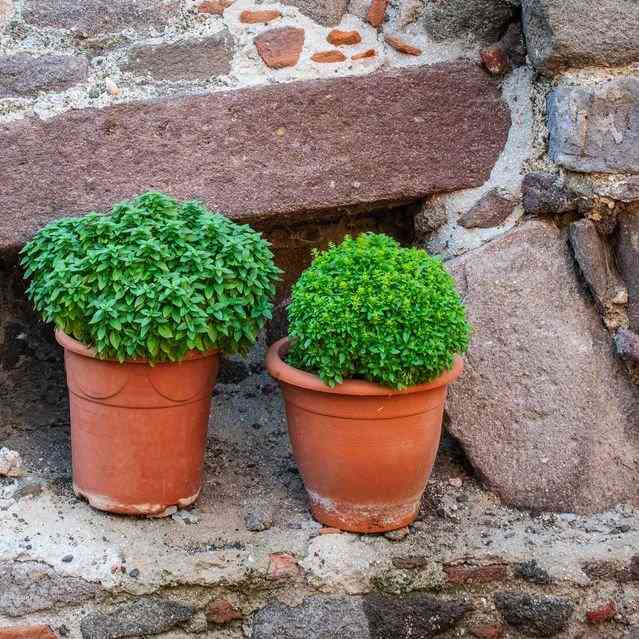
A: Absolutely. It performs well in pots or raised beds provided the soil drains freely and remains moderately moist.

Q: How should I water Corsican Basil?
A: Keep the soil evenly moist, watering deeply once the top inch dries. Avoid letting water sit around the roots.

Q: What are the best culinary uses for Corsican Basil?
A: Perfect for pesto, tomato sauces, and infused oils. It’s also prized for seasoning fish, stews, and roasted vegetables, lending authentic Mediterranean flavor.

Q: Does Corsican Basil attract pollinators?
A: Yes. Its soft lilac blooms attract bees and butterflies while enhancing the fragrance of the herb garden.
History, provenance, and cultural contextWhat is documented, what is reported, what remains uncertain, and how the variety reached gardeners

Scientific name: Ocimum basilicum

Plant and variety history

History & Culture — Corsican Basil

Corsican Basil hails from the rugged, sun-soaked island of Corsica in the Mediterranean Sea, a land known for its aromatic herbs and culinary intensity. Generations of island gardeners cultivated this variety for its robust, spicy-sweet aroma and its resilience under heat and wind. The basil grew in terraced plots and stone-walled gardens overlooking the sea, thriving in the mineral-rich soils that shaped the distinct flavor of Corsican cuisine.

In traditional cooking, Corsican Basil was used to season fish stews, vegetable dishes, and sauces that mirrored the island’s blend of French and Italian influences. Its strong aroma paired naturally with garlic, olive oil, and tomatoes—the foundations of Mediterranean flavor. Over time, it became a symbol of the island’s self-sufficiency and culinary pride, reflecting how isolation and tradition can refine a plant into something uniquely regional.

Though lesser known than its mainland relatives, Corsican Basil represents a proud heritage of resilience and terroir. Each leaf carries the taste of sea air, sun, and stone—a living echo of the Mediterranean spirit that has sustained the island’s people and their gardens for centuries.

Continue planning

Related seeds, collections, and growing guides

Explore the full collection
Heirloom Basil Seeds for Culinary and Garden UseExplore the full collection →
Sweet Genovese Basil

Sweet Genovese Basil

Sweet Genovese Basil: pesto, sauces, fresh slicing, and repeated leaf harvest

Italian Large Leaf

Italian Large Leaf

Italian Large Leaf: pesto, sauces, fresh slicing, and repeated leaf harvest

Lemon Basil

Lemon Basil

Lemon Basil: tea, salads, fish dishes, and fragrant container gardens

Cinnamon

Cinnamon

Cinnamon: tea blends, fruit dishes, bouquets, and pollinator beds

Customer experience

Reviews for Corsican Basil Seeds

Customer Reviews

Be the first to write a review
0%
(0)
0%
(0)
0%
(0)
0%
(0)
0%
(0)