Variety field guide
What to expect from Harvester Bush Bean Seeds
Harvester offers a straightforward crop of tender green snap beans on upright bushes about 18-24 in.
Open the complete descriptionHide the complete descriptionVariety traits, flavor, garden use, and the complete description
Approximately 25 seeds per packet.
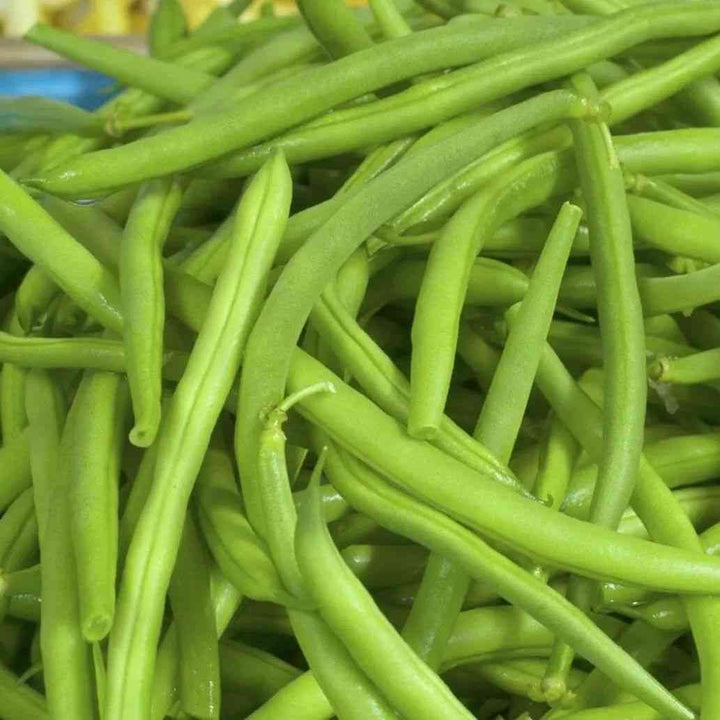
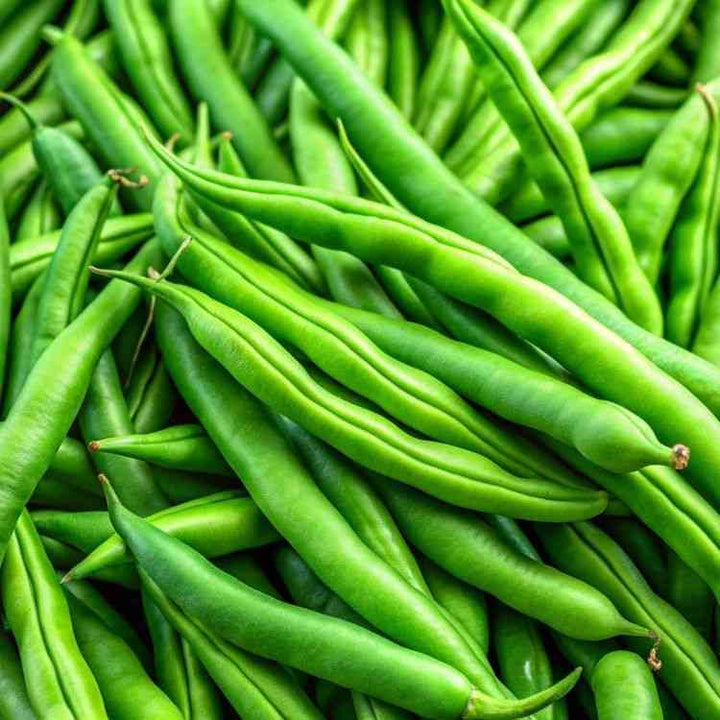
Harvester offers a straightforward crop of tender green snap beans on upright bushes about 18-24 in. tall. Its mild, sweet pods suit quick steaming, skillet meals and batches for the freezer. Pick them while smooth and crisp, before the seeds become prominent. A compact habit and early harvest make it useful for raised beds and successive warm-season sowings.
Tender green pods for fresh meals and the freezer.
Growing facts
- Botanical name: Phaseolus vulgaris
- Maturity or display: about 55 days from sowing to snap harvest; dry seed takes longer
- Mature size: 18-24 in. tall
- Spacing: 4-6 in.; rows 18-24 in.
About the variety
Harvester is an open-pollinated bush snap bean introduced by Asgrow in 1957. Its upright plants carry long, slender green pods and were selected for productive harvests. Pick pods while they are tender, before the developing seeds become prominent.
Starting seed
Direct sow after frost when soil is at least 60 F, 1 in. deep. Allow 5-10 days in warm soil. Space 4-6 in., rows 18-24 in.; no trellis needed. Use full sun, good drainage and steady moisture; avoid excess nitrogen.
Care through the season
Keep the root zone evenly moist during flowering and pod growth. Mulch after the soil warms, weed gently around shallow roots and avoid working among wet leaves. Excess nitrogen can delay flowering. Sow another short row every two to three weeks while enough frost-free season remains for a crop.
Harvest and use
Pick crisp 4-6 in. pods from about 55 days after sowing, before seeds bulge. Support stems while picking. Refrigerate promptly or blanch and freeze. Isolate seed plants from other varieties; dry mature pods before shelling.
Saving seed
Choose healthy, representative plants and reserve their pods for seed. Common beans mostly self-pollinate, but insects can cause occasional crossing; separate compatible varieties flowering at the same time. Leave pods until dry, finish drying under cover if needed, then shell and store fully dry seed cool and dark.
Common problems
Cold, saturated soil can rot seed. Check leaves for bean beetles, aphids and mites; inspect spotted or wilting plants for disease. Rotate crop locations, water near the soil and avoid handling wet foliage. Identify persistent problems before treatment; general disease-resistance claims do not mean immunity.
Frequently asked questions
When should I harvest?
Pick crisp 4-6 in. pods from about 55 days after sowing, before seeds bulge. Support stems while picking. Refrigerate promptly or blanch and freeze. Isolate seed plants from other varieties; dry mature pods before shelling.
How should I save seed?
Choose healthy, representative plants and reserve their pods for seed. Common beans mostly self-pollinate, but insects can cause occasional crossing; separate compatible varieties flowering at the same time. Leave pods until dry, finish drying under cover if needed, then shell and store fully dry seed cool and dark.
What helps prevent common problems?
Cold, saturated soil can rot seed. Check leaves for bean beetles, aphids and mites; inspect spotted or wilting plants for disease. Rotate crop locations, water near the soil and avoid handling wet foliage. Identify persistent problems before treatment; general disease-resistance claims do not mean immunity.