Free U.S. seed shipping $25+. Seeds ship free at the threshold. Storefront goods, pantry finds, books & local goods are being added.

New seeds, Main Street specials, and storefront finds update as the market grows.

Mappe Green Mung Bean Seeds

Scientific name Vigna radiata (L.) R. Wilczek

Seed packet & garden essentials

What to know before you plant

View complete growing & care facts
25 minimum seeds per packet
  • Maturity60-69 Days · 60-69 Days
  • Growth habitBush · Annual · 19–24 in tall
  • Best usefresh pods, shelling or dry harvest, soil-building rotations, and seed saving
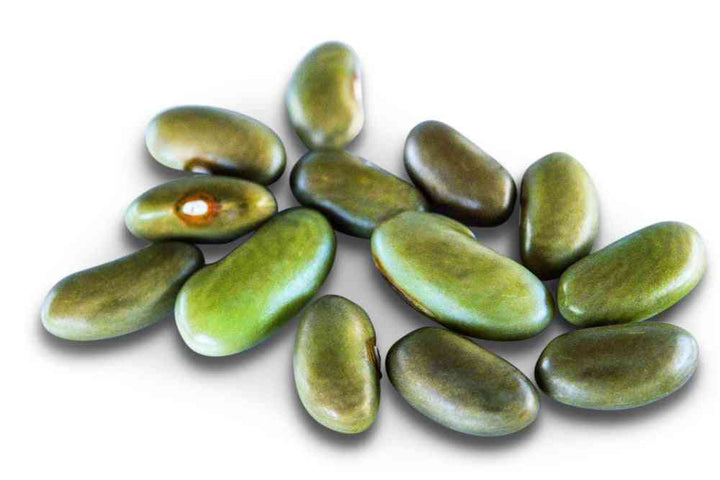
  • Color & characterGreen
  • Germination5-10 Days days · 70–85 °F
  • Seed preparationUse clean seed-starting conditions, the listed sowing depth and temperature, and steady moisture without saturation
  • SunFull sun
  • Support & spacingNo-Support · space 4 in · rows 18 in
  • Container fitWell suited to containers when soil volume, drainage, sunlight, and regular moisture match the mature plant
  • Water needsModerate
  • SoilLoamy · pH 6.0–6.5
  • Planting seasonLate Spring · blooms Summer · Tender
$200 USD

Pickup available at Bertie County Seeds

Usually ready in 2-4 days

Secure checkout Details
Generic
Triple-tested seed qualityRegular quality and germination checks support every packet.

We regularly test seed quality and germination as lots move through storage and packing. We stand behind the seed we send and want customers to contact us when a packet does not perform as reasonably expected.

1-year seed warrantyCoverage begins on the date of purchase.

When properly stored, planted, and cared for, we guarantee reasonable germination and true-to-type growth for one year from the date of purchase. Conditions outside our control—including extreme weather, pests, unsuitable storage, and gardener error—are excluded. Contact us when something is not right so we can review the situation and work toward a replacement, refund, or another fair resolution.

Non-GMO / BE seed policyWe do not buy or sell genetically engineered or bioengineered seed.

Every seed variety we sell is non-GMO.

USDA’s National Bioengineered Food Disclosure Standard defines bioengineered foods as containing detectable genetic material modified through in vitro recombinant DNA methods in ways not achievable through conventional breeding or found in nature.

  • Hybrid means parent lines were conventionally crossed; hybrid does not mean GMO.
  • Heirloom and open-pollinated describe how a variety is maintained and reproduced.
  • Organic certification is separate and is shown only when verified for the individual product.
Packed in Colerain, North CarolinaPrepared in our seed room for gardens across the country.

Seeds are packed and shipped from Colerain, North Carolina. Our packets use forestry-certified paper, and we use recyclable paper mailers where appropriate. AONSK is also a 1% for the Planet partner while continuing to reduce waste in packing and fulfillment.

Seed success profile

Rules-based · no AI
Gardener experience Some experience is helpful
Germination difficulty Very straightforward
Preparation before sowing
Use clean seed-starting conditions, the listed sowing depth and temperature, and steady moisture without saturation
Germination speed
Typical — usually 7–21 days
Growing complexity
Usually direct sown; complexity depends on support, harvest stage, and heat or moisture stress
Patience and timing
60-69 Days
Is this seed a good match for your experience?
Expected germination
5-10 Days
Germination temperature
70–85 °F
Stratification
Not normally required by the current record
Scarification
Not normally required by the current record
Pre-soaking
Use only when stated in the detailed planting record
Light during germination
Surface sow or press into the mix; light is part of the germination requirement
Germination pattern
Usually reliable when seed is stored well and temperature, depth, moisture, and preparation match the recorded requirements
Transplant sensitivity
Use the crop-specific starting method and minimize unnecessary root disturbance
Starting method
Cataloged as suitable for direct sowing; follow the product-specific timing and depth.
Best chance of success
For Mappe Green Mung Bean Seeds, control temperature and moisture at sowing, label the start date, and compare emergence with the complete recorded germination window before reseeding.
What to expect

Preparation: Use clean seed-starting conditions, the listed sowing depth and temperature, and steady moisture without saturation. Germination light: Surface sow or press into the mix; light is part of the germination requirement. Expected emergence: 5-10 Days. Temperature: 70-85 °F.

Slow germination is not automatically failed germination.

Maintain the listed temperature, moisture, light, and treatment conditions for the full expected window. Some seed lots emerge gradually rather than all at once.

Looking for an easier starting point? Green Mbombo Bean SeedsQuickpick Pinkeye Cowpea

1 Beginner-friendly 2 One extra step 3 Some experience helpful 4 Patient growers 5 Advanced propagation

This deterministic profile uses recorded product facts; it is not Artificial Intelligence and is not a guarantee. Seed age, storage, sowing depth, moisture, temperature, light, local conditions, and aftercare can all affect results. Last reviewed July 2026.

Build a garden-fit plan

Check this seed against your real growing conditions

Compare timing, germination preparation, sunlight, soil, water, space, support, intended use, and your preferred level of seed-starting complexity.

Open the detailed garden-fit planner Deterministic rules · no Artificial Intelligence · no live weather service

Complete product description

Mappe Green Mung Bean Seeds

Mappe Green Mung Bean Seeds produce a fast-growing, nutrient-dense bush bean valued for its small green seeds, versatility, and resilience in warm climates. This traditional legume, commonly known as mung bean, is prized for both its edible beans and its ability to be sprouted, offering multiple harvest uses from a single crop. Mappe Green Mung Bean Seeds are especially known for their reliability, compact bush habit, and ability to perform well in a range of soil conditions with minimal inputs.

Mappe Green Mung Bean Seeds thrive in warm temperatures and full sun, where they quickly establish and produce pods filled with protein-rich beans. As a bush-type legume, they do not require support and are well-suited for small gardens, raised beds, and larger field production. In addition to their culinary value, Mappe Green Mung Bean Seeds contribute to soil health through nitrogen fixation, making them a beneficial crop in sustainable and regenerative growing systems.

Minimum Seed Count: 25 seeds

Every recorded growing detail

Complete growing & care facts

Continue to the garden-fit planner

Plant identity

Minimum seed count 25 seeds
Seed product profile Legume
Scientific name Vigna radiata (L.) R. Wilczek
Also known as Bean, Bean Seeds - Bush - Mappe Green Mung
Color Green
Life cycle Annual
Botanical family Fabaceae
Reproductive type Open-Pollinated (OP)
Heritage qualifiers Non-GMO
Native to the United States No - Introduced
Domestication note South Asia (Indian Subcontinent)

Seed success and gardener experience

Gardener experience Some experience is helpfulLevel 3 of 5
Germination difficulty Very straightforwardLevel 1 of 5
Preparation before sowing Use clean seed-starting conditions, the listed sowing depth and temperature, and steady moisture without saturation
Stratification Not normally required by the current record
Scarification Not normally required by the current record
Pre-soaking Use only when stated in the detailed planting record
Light during germination Surface sow or press into the mix; light is part of the germination requirement
Germination pattern Usually reliable when seed is stored well and temperature, depth, moisture, and preparation match the recorded requirements
Growing complexity Usually direct sown; complexity depends on support, harvest stage, and heat or moisture stress
Transplant sensitivity Use the crop-specific starting method and minimize unnecessary root disturbance
First harvest or bloom 60-69 Days
Best chance of success For Mappe Green Mung Bean Seeds, control temperature and moisture at sowing, label the start date, and compare emergence with the complete recorded germination window before reseeding.

Timing and climate

Days to maturity 60-69 Days
Germination 5-10 Days
Germination temperature 70–85 °F
Planting season Late Spring
Bloom season Summer
Frost tolerance Tender
Sunlight Full sun
Water needs Moderate

Site, soil, and space

Soil type Loamy
Preferred soil pH 6.0–6.5
Seed depth 1 in
Plant spacing 4 in
Row spacing 18 in
Mature height 19–24 in
Growth habit Bush
Support needed No-Support
Suitable growing locations In-ground bed, Raised bed, Containers

Crop-specific details

Garden-fit planning for this variety

Will Mappe Green Mung Bean Seeds fit your garden?

Check support, direct-sowing conditions, harvest use, succession timing, and available space.

Rules-based · no AI
Questions for this bean or pea seed
Seed-starting fit and patience
Recorded product profileSome experience is helpfulVery straightforwardRead why
Soil test, pH, drainage, and amendment calculator Have a laboratory soil report? Enter pH, nutrients, texture, bed size, and site observations here. Open soil tools
Recorded soil typeLoamy
Recorded pH range6.0–6.5
Water needsModerate
LightFull sun

Use a current laboratory soil test

Soil-test interpreter

Compare your report with this product's listed pH target: 6.0–6.5.

This tool interprets values you enter; it does not replace laboratory or Cooperative Extension amendment rates. Soil test methods and nutrient recommendations vary by region.

The full variety record

Sowing, care, harvest, troubleshooting, and history

How to start Mappe Green Mung Bean Seeds from seedPreparation, timing, depth, germination, transplanting, spacing, and early care

Variety-specific germination notes

Preparation: Use clean seed-starting conditions, the listed sowing depth and temperature, and steady moisture without saturation. Germination light: Surface sow or press into the mix; light is part of the germination requirement. Expected emergence: 5-10 Days. Temperature: 70-85 °F.

Complete sowing and planting guidance

Mappe Green Mung beans are a true warm-season legume that depend heavily on heat, soil condition, and timing for successful establishment. Unlike slower-growing crops, they move quickly once conditions are right, which means the planting stage must be done correctly from the start. The most important factor is soil temperature—plant only when the soil is consistently warm, ideally 65–75°F or higher. Planting too early into cool or damp soil is one of the most common causes of failure, as seeds can rot before germinating or emerge unevenly and weak.
Begin with thorough soil preparation. Mung beans perform best in loose, well-drained soil that allows roots to expand quickly. Work the soil to a depth of at least 6–8 inches, breaking up compaction and removing stones or debris. Good drainage is critical—heavy, water-retaining soils should be amended or avoided, as excess moisture can lead to damping-off and root diseases. While mung beans fix their own nitrogen, they still benefit from balanced soil, so incorporating a modest amount of compost improves structure and provides essential nutrients like phosphorus and potassium. Avoid high-nitrogen fertilizers, as they encourage leafy growth at the expense of pod production.
Direct sowing is strongly preferred. Plant seeds about 1 inch deep, ensuring they are placed into moist—not wet—soil. Spacing should allow for both airflow and efficient canopy formation. Place seeds 4–6 inches apart within rows, with rows spaced 18–24 inches apart. This spacing allows plants to branch slightly while maintaining enough density for good yield. After placing seeds, gently firm the soil to ensure strong seed-to-soil contact, which is essential for even germination.
Water immediately after planting to settle the soil, then maintain consistent moisture during the germination period. The goal is steady hydration without saturation—soil should feel moist but never soggy. Under ideal warm conditions, seeds typically germinate within 5–10 days, though slightly cooler conditions can extend this period. Avoid overwatering at this stage, as mung bean seeds are particularly sensitive to excess moisture and can rot quickly if conditions are too wet.
A useful technique for improving germination consistency is pre-soaking seeds for 8–12 hours before planting. This softens the seed coat and can speed up emergence, especially in drier soils. However, this step is optional and should be avoided if soil conditions are already very moist, as it can increase the risk of rot.
Transplanting mung beans is generally discouraged due to their rapid root development and sensitivity to disturbance. They form a taproot early, and any disruption can slow growth or reduce overall plant vigor. If transplanting is necessary—for example, in regions with short growing seasons—use deep, biodegradable containers that can be planted directly into the soil. Start seeds no more than 2–3 weeks before transplanting, as they quickly outgrow containers. Harden off seedlings gradually over several days before moving them outdoors, and transplant only when soil is fully warm. Even with careful handling, transplanted plants often lag behind direct-sown ones.
Early-stage care is critical for strong establishment. Keep the planting area free of weeds, as young mung bean seedlings are not competitive and can be easily overtaken. Protect seedlings from pests such as cutworms, which can sever stems at the soil line, and flea beetles, which may damage early leaves. Row covers can be used temporarily during this stage but should be removed once plants begin vigorous growth.
As seedlings establish, avoid excessive watering and allow the soil surface to dry slightly between waterings to encourage deeper root development. Strong early roots lead to more resilient plants during later stages, especially during flowering and pod production.
Spacing, timing, and moisture at planting directly influence the entire lifecycle of the crop. When sown into warm, well-prepared soil with consistent moisture and minimal disturbance, Mappe Green Mung beans establish quickly and move into rapid growth, setting the foundation for a productive and efficient harvest.
How to grow this specific varietyLight, water, fertility, support, spacing, airflow, crop behavior, and season-long care

Complete growing guide

Mappe Green Mung beans are a warm-season legume that thrive in heat, sunlight, and relatively low-input conditions, making them an efficient and resilient crop once established. Unlike many garden vegetables that require constant intervention, mung beans perform best when given stable conditions and allowed to grow with minimal disturbance. Their compact bush habit allows them to develop quickly, producing foliage, flowers, and pods in a short window, but the quality of that production is directly tied to consistency in moisture, soil conditions, and temperature.
Moisture management is one of the most important factors in successful growth. While mung beans are moderately drought-tolerant once established, they require consistent moisture during early growth and especially during flowering and pod development. Irregular watering—particularly dry conditions followed by sudden heavy watering—can cause flower drop, poor pod set, or uneven seed development. The goal is steady, moderate moisture that keeps the soil from fully drying out without becoming saturated. Overwatering is just as problematic as drought, as mung beans are highly sensitive to waterlogged soil, which can lead to root rot and reduced vigor. Mulching can help regulate moisture and temperature, especially in hotter climates.
Temperature plays a central role in how mung beans perform. They are true heat-loving plants and grow most actively in warm to hot conditions. Consistent warmth encourages rapid vegetative growth and strong flowering. However, extreme heat combined with drought stress can reduce flower retention and limit pod formation. In these situations, maintaining soil moisture and reducing stress becomes critical. Unlike cool-season legumes, mung beans do not perform well under prolonged cool conditions, and growth will slow significantly if temperatures drop.
Nutrient management for mung beans is relatively straightforward but still important. As a legume, they fix their own nitrogen through a symbiotic relationship with soil bacteria, which reduces the need for nitrogen fertilization. However, they still require adequate levels of phosphorus and potassium to support root development, flowering, and pod production. Soil that is too rich in nitrogen can lead to excessive leafy growth with reduced yields, so balanced fertility is key. Incorporating compost before planting is usually sufficient to support healthy growth throughout the season.
Plant maintenance is minimal but impactful. Because mung beans have a bush growth habit, they do not require staking or support. However, proper spacing is important to ensure airflow and reduce the risk of disease, particularly in humid environments. Keeping the growing area free of weeds during early stages is critical, as young plants are not highly competitive. Once established, their canopy helps suppress some weed growth naturally.
Flowering and pod development are the most sensitive stages of growth. Stress during this period—whether from inconsistent watering, extreme heat, or nutrient imbalance—can lead to reduced yields. Flowers are self-pollinating, so pollinators are not required, but environmental stability is essential for successful pod set. Pods develop quickly after flowering and continue to mature over time, often unevenly across the plant.
Harvest timing influences both yield and quality. Because pods do not mature all at once, harvesting is typically done in stages. For dry beans, allow pods to fully mature and dry on the plant, but monitor closely to avoid shattering, where pods split open and drop seeds. For larger plantings, some growers choose to harvest entire plants once most pods are mature and allow them to dry further in a controlled environment.
Mung beans also fit well into crop rotation and soil-building systems. Their nitrogen-fixing ability improves soil fertility for subsequent crops, and their relatively short growing cycle makes them a flexible option for succession planting. They can be used between other crops or as part of a regenerative system where soil health is a priority.
Overall, success with Mappe Green Mung beans comes from providing warmth, maintaining consistent moisture, avoiding excess fertility, and minimizing stress during flowering and pod formation. When these conditions are met, they produce a reliable, nutrient-rich crop with relatively low maintenance.
Practical field and garden tipsExtra techniques, timing adjustments, and observations that improve success
Mappe Green Mung beans are often considered an “easy” crop, but high yields and high-quality seed production come from understanding how to manage timing, moisture, and plant stress at a more precise level. The biggest difference between average and exceptional results comes down to consistency and anticipating the plant’s needs during short but critical growth windows.

One of the most important advanced strategies is aligning the crop with peak heat. Mung beans are not just warm-season plants—they are heat-driven. Growth, flowering, and pod production all accelerate with sustained warmth. Planting too early into marginal temperatures leads to slow establishment and uneven stands. For best performance, time planting so the majority of vegetative growth and flowering occurs during stable, warm conditions. This ensures strong branching and maximizes pod set.

Moisture management is where many growers lose yield without realizing it. While mung beans tolerate drought better than many crops, they are highly sensitive to moisture stress during flowering and pod formation. Even short dry periods at this stage can cause flowers to abort or pods to form poorly. The key is not heavy watering, but consistent moisture. Deep watering at regular intervals is far more effective than frequent shallow watering. Mulch can be used to stabilize soil moisture and temperature, especially in hotter climates where evaporation is high.

A lesser-known but highly effective technique is managing plant density. Slightly tighter spacing can help create a microclimate that shades soil and reduces moisture loss, but overly dense planting restricts airflow and increases disease risk. Finding the balance—enough density for efficiency but enough spacing for airflow—is critical. Observing how quickly leaves dry after watering or rain is a good indicator; slow drying suggests spacing should be increased.

Weed control early in the lifecycle has an outsized impact. Mung beans grow quickly once established, but during the seedling stage they are not competitive. Allowing weeds to establish early can permanently reduce yield, even if weeds are removed later. A clean start—either through pre-weeding, light cultivation, or mulching—gives the crop a strong advantage that carries through the entire season.

Another key technique is staged harvesting. Because mung bean pods mature unevenly, harvesting in multiple passes improves both yield and quality. Waiting for all pods to mature at once increases losses due to shattering, where dry pods split and drop seeds. For smaller plantings, selective harvesting every few days captures peak maturity. For larger plantings, cutting plants when the majority of pods are mature and finishing drying off-plant is more efficient.

For growers focused on seed quality, harvesting technique matters as much as timing. Avoid harvesting during damp conditions, as moisture can lead to mold during drying. Always dry pods thoroughly in a well-ventilated space before shelling. Proper drying not only preserves seed viability but also improves storage life significantly.

A powerful but often overlooked benefit of mung beans is their role in crop rotation. Using them strategically between heavier-feeding crops can naturally restore nitrogen levels in the soil. For example, planting mung beans after a nutrient-demanding crop and incorporating residues afterward can improve soil fertility without additional inputs. This makes them an excellent tool in regenerative and low-input systems.

In hotter climates, managing heat stress becomes important. While mung beans love warmth, extreme heat combined with dry soil can reduce flower retention. In these cases, maintaining soil moisture and, if possible, using light mulch or intercropping to reduce soil temperature can improve outcomes. Even slight moderation of root-zone temperature can make a noticeable difference in pod production.

Another advanced tip is observing plant signals closely. Yellowing leaves during early growth may indicate poor nodulation or nutrient imbalance, while excessive leafy growth with few flowers often points to too much nitrogen. Adjusting conditions based on these signals—rather than following a fixed schedule—leads to better results.

For sprouting purposes, seed quality starts in the field. Seeds grown under stress or harvested improperly may have lower germination rates when sprouted. If your goal is sprouting, prioritize even watering, healthy plants, and careful drying and storage to maintain high viability.

Finally, succession planting is a powerful way to extend production. Because mung beans mature quickly, planting multiple rounds spaced a few weeks apart can provide a continuous supply rather than a single large harvest. This also spreads risk—if one planting is affected by weather or pests, others can still perform well.

Attention to these details—heat timing, moisture consistency, spacing, and harvest strategy—transforms mung beans from a simple crop into a highly efficient, productive, and reliable system component.
Harvest, storage, uses, and benefitsWhen and how to harvest, ways to use the crop, storage, culinary value, habitat value, and garden roles

Uses and benefits

Mappe Green Mung beans are one of the most functionally diverse and nutritionally valuable legumes available, offering a rare combination of culinary flexibility, rapid production, soil-building capability, and long-term storage potential. Their value extends far beyond a single use, making them a cornerstone crop in traditional food systems, modern plant-based diets, and regenerative agriculture.

From a culinary standpoint, mung beans are exceptionally versatile because they can be used at multiple stages of their lifecycle. As dry beans, they are widely used in soups, stews, curries, and porridges, where they cook relatively quickly compared to larger legumes and develop a soft, creamy texture. When split and hulled (commonly known as moong dal), they become even easier to digest and faster to cook, making them a staple in many traditional cuisines. Their mild, slightly nutty flavor allows them to absorb spices and seasonings effectively, making them adaptable across a wide range of dishes.

One of their most unique uses is sprouting. Mung beans are among the most popular and reliable seeds for sprout production due to their fast germination, high success rate, and crisp texture. Within just a few days, they transform into fresh, nutrient-dense sprouts that can be eaten raw or lightly cooked. This provides a rapid, fresh food source that requires no soil, making them especially valuable for year-round indoor food production or emergency food systems. The ability to produce both a dry staple and a fresh green food from the same seed adds a level of utility that few crops can match.

Nutritionally, mung beans are exceptionally dense and well-balanced. They are a strong source of plant-based protein, making them an important component in vegetarian and plant-forward diets. They also provide complex carbohydrates for sustained energy, along with dietary fiber that supports digestion and gut health. In addition, they contain essential vitamins and minerals, including folate, magnesium, potassium, and iron. When sprouted, their nutritional profile becomes even more bioavailable, with increased levels of certain vitamins and improved digestibility.

From an agricultural perspective, mung beans offer significant benefits to soil health and system efficiency. As legumes, they fix atmospheric nitrogen through a symbiotic relationship with soil bacteria, enriching the soil naturally and reducing the need for synthetic fertilizers. This makes them an excellent crop for rotation systems, especially when following heavy feeders like corn or preceding crops that benefit from improved soil fertility. Their relatively short growing cycle allows them to fit into tight planting windows, making them useful for double-cropping or filling gaps between longer-season crops.

Their growth habit and adaptability also contribute to their value. As a bush-type plant, they require no support, making them easy to manage and suitable for a wide range of growing environments, including small gardens, raised beds, and larger field systems. Their ability to perform well in warm, sometimes marginal conditions makes them a reliable crop in climates where other legumes may struggle.

Mung beans also play an important role in food security and storage. Once dried properly, they have an excellent shelf life and can be stored for years without significant loss of quality. This makes them an ideal staple crop for long-term food planning, homesteading, and self-sufficiency. Their combination of high nutritional value and storability ensures that they remain a dependable food source even outside the growing season.

In addition to their direct uses, mung beans contribute organic matter back to the soil after harvest. Plant residues can be composted or incorporated into the soil, improving structure, water retention, and microbial activity over time. This makes them not only a food crop but also a soil-building tool within sustainable systems.

Culturally, mung beans have been a foundational crop across South Asia, Southeast Asia, and beyond for thousands of years. Their widespread use in traditional diets reflects their adaptability, nutritional value, and ease of preparation. Today, they continue to gain recognition globally as a highly efficient, nutrient-dense crop suitable for both traditional and modern agricultural systems.

Overall, Mappe Green Mung beans offer an exceptional combination of productivity, nutrition, versatility, and ecological benefit. They provide multiple food products from a single planting, improve soil health, store well for long-term use, and fit seamlessly into both small-scale gardens and larger production systems.
Seed saving and carrying the variety forwardPollination, isolation, selection, harvest, cleaning, drying, and storage
Saving seeds from Mappe Green Mung beans is a relatively straightforward and reliable process compared to many other crops, but achieving high-quality, viable seed requires careful attention to timing, drying, and storage. Because mung beans (Vigna radiata) are primarily self-pollinating, they tend to remain true to type when seeds are saved properly, making them an excellent crop for growers interested in seed independence and long-term adaptation.

The process begins during the growing season with plant selection. Even though mung beans are generally uniform, it is still important to identify and select the best-performing plants for seed saving. Look for plants that exhibit strong, upright growth, good branching, high pod production, and resistance to pests and disease. Avoid saving seed from plants that show signs of stress, poor vigor, or disease, as these traits can carry into the next generation. Mark or mentally note these plants early so they are not harvested prematurely.

Unlike crops harvested at an immature stage, mung beans must be allowed to fully mature on the plant for seed saving. After flowering and pod formation, pods will begin to transition from green to darker shades—typically brown or nearly black depending on conditions. As they mature, the pods dry out and become firm and slightly brittle. Inside, the seeds harden and reach full size. This maturation process is critical; harvesting too early results in immature seeds with low viability and poor storage life.

One of the key challenges in mung bean seed saving is managing pod shattering. As pods fully dry, they naturally split open to release seeds. This is a natural dispersal mechanism but can result in significant seed loss if not monitored closely. To prevent this, check plants frequently as pods begin to dry. Harvest pods when they are fully mature and dry but before they begin to split open widely. In many cases, this requires harvesting in stages, as pods do not all mature at the same time.

For smaller plantings, pods can be picked individually as they mature. For larger plantings or efficiency, many growers wait until a majority of pods have matured, then cut entire plants at the base. These plants can then be bundled and hung upside down or laid on drying racks in a well-ventilated, dry area to complete the drying process. This method helps capture seeds that might otherwise be lost in the field and allows remaining pods to finish maturing in a controlled environment.

After harvest, proper drying is essential. Pods should be dried thoroughly until they are crisp and easily split open. This typically requires several days to a few weeks depending on humidity levels. Good airflow is critical—avoid enclosed or damp environments that can lead to mold. Once fully dry, pods can be shelled by hand or lightly threshed to release the seeds. This can be done by gently crushing pods or rubbing them between hands.

Cleaning the seeds is the next step. Remove all plant debris, broken pod pieces, and dust. Winnowing—using a light breeze or fan—can help separate lighter chaff from heavier seeds. After cleaning, inspect seeds carefully. Healthy mung bean seeds should be firm, smooth, and uniformly colored. Discard any that are shriveled, cracked, discolored, or show signs of insect damage.

Ensuring seeds are fully dry before storage is one of the most important factors for long-term viability. Seeds should feel hard and not dent under pressure. If there is any doubt, allow additional drying time. Storing seeds with even slight moisture can lead to mold or reduced germination over time.

For storage, place seeds in airtight containers such as glass jars, sealed bags, or other moisture-proof containers. Store them in a cool, dark, and dry environment. Temperature and humidity stability are critical—excess heat or moisture will reduce seed life. Adding a desiccant packet or a small amount of dry rice can help maintain low humidity within the container. Always label seeds with the variety and year of harvest.

Under proper storage conditions, mung bean seeds can remain viable for 3–5 years, though germination rates are highest in the first couple of years. Periodic germination testing can help determine viability if seeds are stored long-term.

For growers interested in improving their crop over time, mung beans offer an excellent opportunity for selection. By consistently saving seeds from the best-performing plants each season, you can gradually adapt the variety to your specific climate, soil, and growing conditions. Over multiple generations, this can lead to improved resilience, yield, and overall performance.

Because mung beans are self-pollinating, isolation is generally not a major concern, but it is still good practice to avoid growing multiple varieties in very close proximity if maintaining purity is important. In most home garden settings, however, cross-pollination rates are low.

With careful harvesting, thorough drying, and proper storage, Mappe Green Mung beans can be reliably saved year after year, making them one of the more accessible and rewarding crops for seed saving.
Common pests, diseases, and growing problemsIdentification, prevention, crop-safe response, and when intervention is justified

Complete pest and problem guide

Mappe Green Mung beans are generally hardy and fast-growing, but high heat, dense planting, and fluctuating moisture can quickly create conditions where pests and diseases establish and spread. Because mung beans move rapidly from vegetative growth into flowering and pod production, any stress during this window can significantly reduce yield. The most important threats fall into four categories: sap-sucking insects, foliage feeders, soil and root issues, and fungal/bacterial diseases—each requiring slightly different prevention and response strategies.

Sap-sucking pests are among the most persistent problems. Aphids are the most common, forming dense colonies on new growth, stems, and leaf undersides. They extract plant sap, causing curling, distortion, and yellowing of leaves, and they excrete honeydew, which encourages sooty mold growth that blocks sunlight and reduces photosynthesis. If left unchecked, they can stunt plants and reduce pod set. Whiteflies behave similarly but are more mobile and often explode in hot conditions, especially in protected environments like high tunnels. Thrips, though smaller and harder to detect, are especially damaging during flowering, where they feed on blossoms and reduce successful pod formation.

Control of sap-suckers starts with early detection. Regular inspection—especially the undersides of leaves—is critical. A strong spray of water can knock populations back early. Introducing or encouraging beneficial insects such as lady beetles, lacewings, and parasitic wasps provides long-term control. For active infestations, insecticidal soap or neem oil can be applied, but coverage must be thorough and repeated as needed. Avoid excessive nitrogen fertilization, as lush growth attracts these pests.

Foliage-feeding insects can reduce plant vigor by limiting photosynthesis. Bean leaf beetles chew irregular holes in leaves and may also damage pods, reducing both yield and seed quality. Caterpillars, including various moth larvae, can rapidly defoliate plants if populations build. Grasshoppers may also feed on leaves in dry regions. Early-stage protection using row covers can prevent initial infestation. Hand-picking is effective in small plantings, while biological controls like Bacillus thuringiensis (Bt) are useful against caterpillars. Maintaining plant health helps plants recover from minor damage.

Pod-feeding and seed-damaging pests are particularly important for mung beans grown for dry seed. In some regions, pod borers may lay eggs on developing pods, with larvae feeding directly on seeds inside. This type of damage is often not visible until harvest and can significantly reduce usable yield. Timely planting to avoid peak pest cycles, along with regular inspection during pod development, helps reduce impact. Removing and destroying infested pods prevents further spread.

Soil and root-related problems are often linked to drainage and soil structure. Mung beans do not tolerate waterlogged conditions. Poor drainage can lead to root rot, damping-off in seedlings, and general plant collapse. Compacted soils restrict root development, limiting the plant’s ability to access water and nutrients. Ensuring loose, well-drained soil is one of the most important preventative measures. Raised beds or mounded rows are especially helpful in heavier soils.

Fungal diseases tend to appear when humidity is high and airflow is poor. Powdery mildew may develop as a white coating on leaves, especially later in the season. Leaf spot diseases cause brown or black lesions that can spread and weaken the plant. In severe cases, defoliation reduces yield. These issues are more common in dense plantings or when leaves remain wet for extended periods. Proper spacing, watering at the soil level rather than overhead, and avoiding late-day irrigation all help reduce fungal pressure.

Bacterial diseases, though less common, can still affect mung beans, causing leaf blights or stem lesions. These often spread through splashing water, contaminated tools, or infected plant debris. Sanitation is critical—remove plant residues after harvest and avoid working with plants when wet. Crop rotation is one of the most effective long-term strategies to prevent buildup of both fungal and bacterial pathogens.

Environmental stress is a major hidden factor behind many pest and disease issues. While mung beans are drought-tolerant once established, prolonged drought during flowering can reduce pod set and increase susceptibility to pests like spider mites. On the other hand, excessive moisture encourages disease. Sudden temperature swings, especially extreme heat, can also stress plants and reduce productivity. Maintaining consistent moisture and planting at the right seasonal window greatly reduces these risks.

Nutrient imbalance can also contribute to problems. Although mung beans fix nitrogen, they still require adequate phosphorus and potassium for strong root development and pod production. Poor fertility leads to weak plants that are more vulnerable to pests and disease, while excessive nitrogen encourages leafy growth at the expense of pods and can attract aphids.

The most effective approach is preventative: plant in well-drained soil, maintain proper spacing for airflow, monitor regularly, and act early at the first sign of trouble. Healthy, unstressed plants are far more resistant and recover more quickly from minor damage. With consistent observation and timely intervention, most issues can be managed before they significantly impact yield.
Questions gardeners ask about this seedProduct-specific answers for sowing, care, harvest, use, and seed saving
Q: What exactly are Mappe Green Mung beans used for?
A: Mappe Green Mung beans are extremely versatile and can be used in three primary ways: as a dry bean, as a split bean (dal), and as a sprouting seed. Mature dried beans are cooked in soups, stews, and curries, while split mung (moong dal) is a staple in many traditional dishes. When sprouted, they produce crisp, nutrient-dense sprouts widely used in salads, stir-fries, and fresh dishes. This multi-stage usability makes them one of the most flexible legumes you can grow.

Q: How fast do mung beans grow compared to other beans?
A: Mung beans are significantly faster than most common beans. Under warm conditions, they can go from planting to harvest in as little as 60 days, though 70–90 days is more typical for full dry seed maturity. Their rapid lifecycle makes them ideal for short growing windows, succession planting, or fitting between other crops in a rotation.

Q: Can mung beans be grown in cooler climates?
A: They prefer warm to hot conditions and struggle in cool weather. Soil temperature and air warmth are critical—cold soil slows germination and increases the risk of rot. In cooler climates, success depends on planting during the warmest part of the season and ensuring soil warms quickly, often using raised beds or well-drained soils.

Q: Why are my mung beans growing leaves but not producing many pods?
A: This is usually caused by excess nitrogen, heat stress, or inconsistent watering during flowering. Too much nitrogen encourages leafy growth instead of reproductive development. High temperatures combined with drought stress can also reduce flower retention and pod set. Balanced fertility and consistent moisture during flowering are key to good yields.

Q: Do mung beans require pollination?
A: Mung beans are primarily self-pollinating, meaning each flower can fertilize itself. However, environmental stress—especially extreme heat or drought—can interfere with flower development and reduce pod formation. While pollinators are not required, stable growing conditions are essential during flowering.

Q: Can mung beans be grown in containers successfully?
A: Yes, they are well-suited for containers due to their compact bush habit. However, container size and moisture management are critical. Use a deep container with good drainage and maintain consistent watering, as containers dry out faster than ground soil. Yield may be slightly lower than in-ground planting, but results can still be very good.

Q: How do I know when mung beans are ready to harvest?
A: Pods mature unevenly, which is one of the key differences from many other crops. Mature pods turn dark (brown to black depending on conditions), dry out, and become slightly brittle. Inside, the seeds will be fully formed and hard. Waiting too long can lead to pods splitting open and dropping seeds, so timing is important.

Q: Can I harvest mung beans all at once?
A: You can, but it depends on your approach. For highest quality, most growers harvest in multiple passes as pods mature. For efficiency, especially in larger plantings, you can wait until most pods are mature, then cut the entire plant and allow it to dry further before threshing. This method sacrifices some early pods but simplifies harvest.

Q: Are mung beans drought tolerant?
A: Once established, they are moderately drought tolerant compared to many crops. However, drought during flowering and pod formation will significantly reduce yield. The plant can survive dry conditions, but productivity depends on consistent moisture during key growth stages.

Q: Do mung beans improve soil health?
A: Yes, they are legumes and fix atmospheric nitrogen through root nodules, enriching the soil naturally. This reduces the need for synthetic fertilizers and benefits subsequent crops. They are excellent for crop rotation and regenerative systems, especially when residues are returned to the soil after harvest.

Q: What causes mung bean plants to suddenly wilt or die?
A: Sudden collapse is often due to root-related issues such as waterlogged soil, root rot, or severe fungal infection. Poor drainage is a major risk factor. In some cases, pest damage at the root or stem base can also cause collapse. Ensuring well-drained soil and avoiding overwatering are critical preventative steps.

Q: Can mung beans be eaten raw?
A: The dry beans themselves should not be eaten raw, as they require cooking. However, when sprouted, mung beans are safe and commonly eaten raw in their sprouted form. Sprouting changes their composition, making them digestible and widely used in fresh dishes.

Q: How long do mung beans store after harvest?
A: When fully dried and stored properly in a cool, dry, and dark environment, mung beans can last several years. Low moisture is critical—any residual moisture can lead to mold or spoilage. Airtight storage significantly extends shelf life.

Q: Can I save seeds from my mung bean crop?
A: Yes, mung beans are typically self-pollinating and open-pollinated, making them easy to save. Allow pods to fully mature and dry on the plant, then harvest and dry seeds thoroughly before storage. Saved seeds will generally remain true to type and can be replanted the following season.

Q: Are mung beans a good crop for beginners?
A: Yes, especially in warm climates. Their fast growth, low input requirements, and multiple uses make them very accessible. The main challenges are proper timing, avoiding excess moisture, and harvesting before pod shatter. Once those are understood, they are one of the more forgiving legumes to grow.

Q: Why are my mung beans splitting open before I can harvest them?
A: This is a natural process called pod shattering. As pods fully dry, they split open to release seeds. This can be accelerated by hot, dry conditions. To prevent loss, monitor closely as pods mature and harvest promptly, or cut entire plants once most pods are mature and dry them in a controlled space.

Q: Can mung beans be used as a cover crop?
A: Yes, they can function as a short-season cover crop due to their nitrogen-fixing ability and rapid growth. While they are primarily grown for food, they can also be incorporated into the soil to improve fertility and organic matter, especially in warm-season rotations.
History, provenance, and cultural contextWhat is documented, what is reported, what remains uncertain, and how the variety reached gardeners

Scientific name: Vigna radiata (L.) R. Wilczek

Plant and variety history

Mappe Green Mung beans (Vigna radiata (L.) R. Wilczek) have one of the oldest and most continuous cultivation histories of any legume, with origins tracing back over 4,000 years to the Indian subcontinent. Archaeological and botanical evidence places their domestication in regions of present-day India and Pakistan, where early agricultural societies began selecting wild relatives for improved seed size, faster maturation, and more reliable yields. These early domesticated forms were shaped by generations of farmer selection, adapting the plant to monsoon-driven climates characterized by intense heat, seasonal rainfall, and periods of drought.
From this center of origin, mung beans spread eastward into Southeast Asia and China, where they became deeply integrated into both agricultural systems and daily diets. In these regions, mung beans were not only valued as a food crop but also as a rotational and restorative crop. Farmers recognized early on that mung beans could improve soil fertility through nitrogen fixation, making them an essential component in sustainable cropping systems long before modern soil science explained the mechanism. This dual role—as both food and soil builder—helped secure their place in traditional farming practices across Asia.
Culturally, mung beans became a foundational ingredient in a wide range of cuisines. In India, they are commonly split into moong dal and used in staple dishes that emphasize digestibility and nutrition. In China and Southeast Asia, they are used in both savory and sweet preparations, including porridges, desserts, and noodles. Their ability to be sprouted added another dimension to their use, providing fresh, nutrient-rich food even in the absence of fertile land or during off-seasons. This versatility made them especially valuable in densely populated regions where efficient food production was critical.
Over centuries, regional adaptation led to the development of numerous local landraces, each suited to specific climates, soils, and cultural preferences. Some were selected for rapid maturation to fit into tight seasonal windows, while others were chosen for drought tolerance or improved flavor. Mappe-type mung beans represent part of this broader tradition—locally adapted strains that have been maintained through farmer selection rather than modern hybridization. This makes them both genetically stable and well-suited to traditional growing conditions.
The spread of mung beans beyond Asia occurred gradually through trade routes and agricultural exchange. They were introduced to parts of Africa and later to the Americas, where they have been grown on a smaller scale but are increasingly recognized for their value in sustainable agriculture and plant-based nutrition. In modern times, mung beans have gained renewed attention globally due to their high protein content, ease of digestion, and suitability for sprouting, aligning with growing interest in nutrient-dense and minimally processed foods.
Agriculturally, mung beans remain closely tied to traditional practices. In many regions, they are still grown in rotation with cereals such as rice or wheat, helping to restore soil fertility between more demanding crops. Their short growing cycle allows them to fit into multiple cropping systems, making them a key component of intensively managed agricultural landscapes. This adaptability has allowed them to remain relevant across both subsistence farming and more commercial production systems.
Unlike many modern crops that have undergone extensive hybridization, mung beans like Mappe Green retain a strong connection to their historical roots. Their continued cultivation reflects a balance between tradition and practicality—maintained not through industrial breeding alone, but through continuous use, selection, and cultural importance.
Overall, the history of Mappe Green Mung beans is one of long-term resilience and integration into human agriculture. From ancient domestication in South Asia to widespread cultural and agricultural use across continents, they represent a crop shaped as much by human tradition as by natural adaptation, maintaining their relevance across thousands of years of cultivation.

Continue planning

Related seeds, collections, and growing guides

Explore the full collection
Heirloom Bean Seeds for Gardens and Food CropsExplore the full collection →
Green Mbombo Bean Seeds

Green Mbombo Bean Seeds

Beautiful green-seeded heirloom pole bean with vigorous vines, strong productivity, and excellent dry bean quality.

Red Swan Bean Seeds

Red Swan Bean Seeds

A striking bush bean with unusual rose-red pods, strong yields, and easy garden performance.

Quickpick Pinkeye Cowpea

Quickpick Pinkeye Cowpea

Quickpick Pinkeye Cowpea: creamy Southern-pea flavor with a tender fresh-shell texture. Best for fresh shell peas and freezing.

Pinkeye Purple Hull BVR Cowpea

Pinkeye Purple Hull BVR Cowpea

Pinkeye Purple Hull BVR Cowpea: creamy, savory field-pea flavor with excellent fresh-shell quality. Best for fresh shell peas and freezing.

Phenomenal Bean Seeds

Phenomenal Bean Seeds

A heat-loving Southern pea prized for its vigorous growth, reliable yields, and excellent flavor for fresh shelling.

Mississippi Purple Hull Cowpea

Mississippi Purple Hull Cowpea

Mississippi Purple Hull Cowpea: creamy, earthy, and distinctly Southern as a fresh shell pea. Best for fresh shelling and freezing.

Customer experience

Reviews for Mappe Green Mung Bean Seeds

Customer Reviews

Be the first to write a review
0%
(0)
0%
(0)
0%
(0)
0%
(0)
0%
(0)