Free U.S. seed shipping $25+. Seeds ship free at the threshold. Storefront goods, pantry finds, books & local goods are being added.

New seeds, Main Street specials, and storefront finds update as the market grows.

Mississippi Purple Hull Bean Seeds

Scientific name Vigna unguiculata subsp. unguiculata

Seed packet & garden essentials

What to know before you plant

View complete growing & care facts
25 minimum seeds per packet
  • Maturity60-69 Days · 60-69 Days
  • Growth habitBush · Annual · 19–24 in tall
  • Best usefresh pods, shelling or dry harvest, soil-building rotations, and seed saving
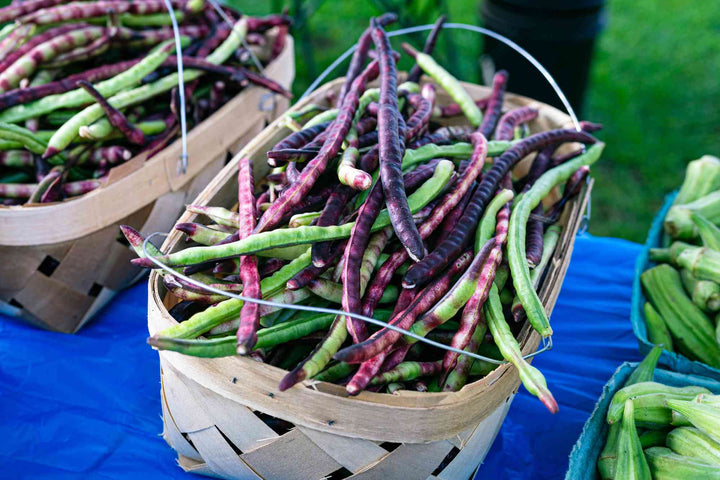
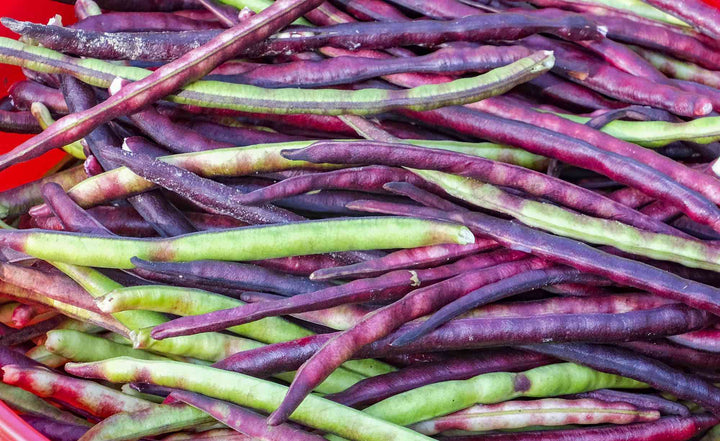
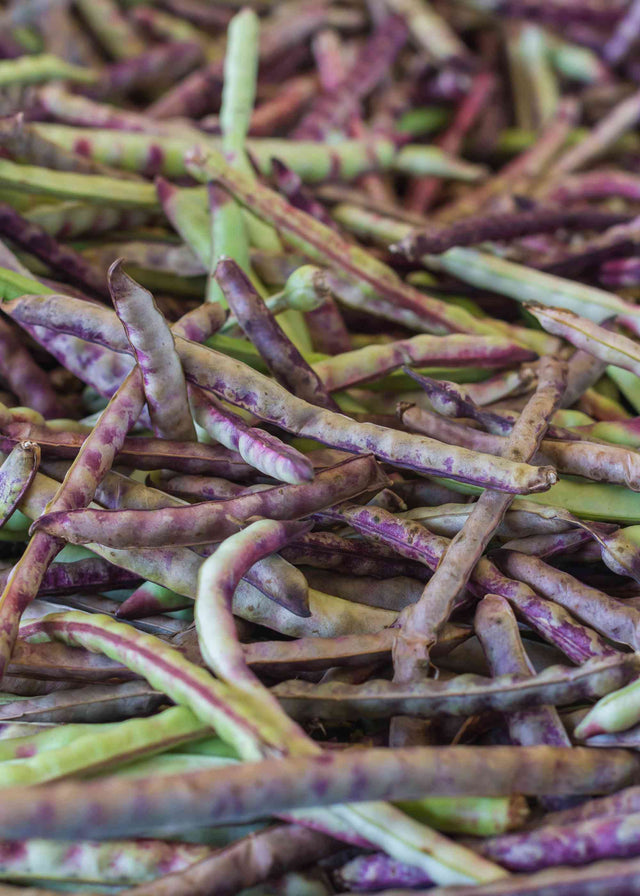
  • Flavor & characterMississippi Purple Hull cowpea seeds produce a productive Southern pea prized for its heat tolerance, purple-tinged pods, and rich flavorful peas. · Purple
  • Germination7–14 Days days · 70–85 °F
  • Seed preparationUse clean seed-starting conditions, the listed sowing depth and temperature, and steady moisture without saturation
  • SunFull sun
  • Support & spacingNo-Support · space 6 in · rows 30 in
  • Container fitWell suited to containers when soil volume, drainage, sunlight, and regular moisture match the mature plant
  • Water needsDrought tolerant
  • SoilLoamy · pH 6.0–6.5
  • Planting seasonLate Spring · blooms Summer · Tender
$200 USD

Pickup available at Bertie County Seeds

Usually ready in 2-4 days

Secure checkout Details
Generic
Triple-tested seed qualityRegular quality and germination checks support every packet.

We regularly test seed quality and germination as lots move through storage and packing. We stand behind the seed we send and want customers to contact us when a packet does not perform as reasonably expected.

1-year seed warrantyCoverage begins on the date of purchase.

When properly stored, planted, and cared for, we guarantee reasonable germination and true-to-type growth for one year from the date of purchase. Conditions outside our control—including extreme weather, pests, unsuitable storage, and gardener error—are excluded. Contact us when something is not right so we can review the situation and work toward a replacement, refund, or another fair resolution.

Non-GMO / BE seed policyWe do not buy or sell genetically engineered or bioengineered seed.

Every seed variety we sell is non-GMO.

USDA’s National Bioengineered Food Disclosure Standard defines bioengineered foods as containing detectable genetic material modified through in vitro recombinant DNA methods in ways not achievable through conventional breeding or found in nature.

  • Hybrid means parent lines were conventionally crossed; hybrid does not mean GMO.
  • Heirloom and open-pollinated describe how a variety is maintained and reproduced.
  • Organic certification is separate and is shown only when verified for the individual product.
Packed in Colerain, North CarolinaPrepared in our seed room for gardens across the country.

Seeds are packed and shipped from Colerain, North Carolina. Our packets use forestry-certified paper, and we use recyclable paper mailers where appropriate. AONSK is also a 1% for the Planet partner while continuing to reduce waste in packing and fulfillment.

Seed success profile

Rules-based · no AI
Gardener experience Beginner-friendly
Germination difficulty Very straightforward
Preparation before sowing
Use clean seed-starting conditions, the listed sowing depth and temperature, and steady moisture without saturation
Germination speed
Typical — usually 7–21 days
Growing complexity
Usually direct sown; complexity depends on support, harvest stage, and heat or moisture stress
Patience and timing
60-69 Days
Is this seed a good match for your experience?
Expected germination
7–14 Days
Germination temperature
70–85 °F
Stratification
Not normally required by the current record
Scarification
Not normally required by the current record
Pre-soaking
Not normally required by the current record
Light during germination
Cover to the recorded depth; provide strong light immediately after emergence
Germination pattern
Usually reliable when seed is stored well and temperature, depth, moisture, and preparation match the recorded requirements
Transplant sensitivity
Use the crop-specific starting method and minimize unnecessary root disturbance
Starting method
Cataloged as suitable for direct sowing; follow the product-specific timing and depth.
Best chance of success
For Mississippi Purple Hull Bean Seeds, control temperature and moisture at sowing, label the start date, and compare emergence with the complete recorded germination window before reseeding.
What to expect

Preparation: Use clean seed-starting conditions, the listed sowing depth and temperature, and steady moisture without saturation. Germination light: Cover to the recorded depth; provide strong light immediately after emergence. Expected emergence: 7-14 Days. Temperature: 70-85 °F.

Slow germination is not automatically failed germination.

Maintain the listed temperature, moisture, light, and treatment conditions for the full expected window. Some seed lots emerge gradually rather than all at once.

1 Beginner-friendly 2 One extra step 3 Some experience helpful 4 Patient growers 5 Advanced propagation

This deterministic profile uses recorded product facts; it is not Artificial Intelligence and is not a guarantee. Seed age, storage, sowing depth, moisture, temperature, light, local conditions, and aftercare can all affect results. Last reviewed July 2026.

Build a garden-fit plan

Check this seed against your real growing conditions

Compare timing, germination preparation, sunlight, soil, water, space, support, intended use, and your preferred level of seed-starting complexity.

Open the detailed garden-fit planner Deterministic rules · no Artificial Intelligence · no live weather service

Complete product description

Mississippi Purple Hull Bean Seeds

Mississippi Purple Hull cowpea seeds produce a productive Southern pea prized for its heat tolerance, purple-tinged pods, and rich flavorful peas. Growers choose Mississippi Purple Hull cowpea seeds for their dependable warm-season performance, manageable bush to semi-vining habit, and strong shelling quality, making this variety a favorite for summer gardens and traditional Southern cooking.

This distinctive cowpea is valued for its concentrated pod set, easy shelling, and useful harvest as a fresh-shell or dry pea. Mississippi Purple Hull cowpea seeds reward growers with strong summer yields, heirloom food value, and a flavorful crop that brings beauty, resilience, and tradition to the warm-season garden.

Every recorded growing detail

Complete growing & care facts

Continue to the garden-fit planner

Plant identity

Minimum seed count 25 seeds
Seed product profile Legume
Scientific name Vigna unguiculata subsp. unguiculata
Also known as Bean, Bean Seeds - Cowpeas - Mississippi Purple Hull
Color Purple
Life cycle Annual
Botanical family Fabaceae
Reproductive type Open-Pollinated (OP)
Heritage qualifiers Heirloom
Native to the United States Domesticated Plant
Domestication note Africa – Sahel / West Africa

Seed success and gardener experience

Gardener experience Beginner-friendlyLevel 2 of 5
Germination difficulty Very straightforwardLevel 1 of 5
Preparation before sowing Use clean seed-starting conditions, the listed sowing depth and temperature, and steady moisture without saturation
Stratification Not normally required by the current record
Scarification Not normally required by the current record
Pre-soaking Not normally required by the current record
Light during germination Cover to the recorded depth; provide strong light immediately after emergence
Germination pattern Usually reliable when seed is stored well and temperature, depth, moisture, and preparation match the recorded requirements
Growing complexity Usually direct sown; complexity depends on support, harvest stage, and heat or moisture stress
Transplant sensitivity Use the crop-specific starting method and minimize unnecessary root disturbance
First harvest or bloom 60-69 Days
Best chance of success For Mississippi Purple Hull Bean Seeds, control temperature and moisture at sowing, label the start date, and compare emergence with the complete recorded germination window before reseeding.

Timing and climate

Days to maturity 60-69 Days
Germination 7–10 Days
Germination temperature 70–85 °F
Planting season Late Spring
Bloom season Summer
Frost tolerance Tender
Sunlight Full sun
Water needs Drought tolerant

Site, soil, and space

Soil type Loamy
Preferred soil pH 6.0–6.5
Seed depth 1 in
Plant spacing 6 in
Row spacing 30 in
Mature height 19–24 in
Growth habit Bush
Support needed No-Support
Suitable growing locations In-ground bed, Raised bed, Habitat restoration

Crop-specific details

Flavor profile Mississippi Purple Hull cowpea seeds produce a productive Southern pea prized for its heat tolerance, purple-tinged pods, and rich flavorful peas.

Garden-fit planning for this variety

Will Mississippi Purple Hull Bean Seeds fit your garden?

Check support, direct-sowing conditions, harvest use, succession timing, and available space.

Rules-based · no AI
Questions for this bean or pea seed
Seed-starting fit and patience
Recorded product profileBeginner-friendlyVery straightforwardRead why
Soil test, pH, drainage, and amendment calculator Have a laboratory soil report? Enter pH, nutrients, texture, bed size, and site observations here. Open soil tools
Recorded soil typeLoamy
Recorded pH range6.0–6.5
Water needsDrought tolerant
LightFull sun

Use a current laboratory soil test

Soil-test interpreter

Compare your report with this product's listed pH target: 6.0–6.5.

This tool interprets values you enter; it does not replace laboratory or Cooperative Extension amendment rates. Soil test methods and nutrient recommendations vary by region.

The full variety record

Sowing, care, harvest, troubleshooting, and history

How to start Mississippi Purple Hull Bean Seeds from seedPreparation, timing, depth, germination, transplanting, spacing, and early care

Variety-specific germination notes

Preparation: Use clean seed-starting conditions, the listed sowing depth and temperature, and steady moisture without saturation. Germination light: Cover to the recorded depth; provide strong light immediately after emergence. Expected emergence: 7-14 Days. Temperature: 70-85 °F.

Complete sowing and planting guidance

Sowing and Transplanting
Direct Sowing

Mississippi Purple Hull cowpeas grow best when direct sown outdoors in warm soil. These heat-loving plants establish quickly once temperatures are consistently warm.

Plant seeds once:

soil temperatures reach 65–70°F or higher

all danger of frost has passed

soil has warmed in late spring

Sow seeds 1 inch deep in loose, well-drained soil. Space seeds about 6 inches apart within rows, with rows spaced approximately 30 inches apart to allow room for the plants to branch and spread.

After planting, gently firm the soil and water thoroughly to ensure good seed-to-soil contact.

Seeds typically germinate within 7–10 Days under warm conditions.

Starting Indoors

Cowpeas are rarely started indoors because they grow quickly and perform best when planted directly in warm soil.

If early starting is necessary in colder climates, seeds can be started indoors 2–3 weeks before the last expected frost in biodegradable pots or deep containers that allow the roots to develop without disturbance.

Plant seeds 1 inch deep in a loose seed-starting mix and keep the soil evenly moist. Maintain temperatures between 70–85°F to encourage germination.

Transplanting

If seedlings are started indoors, transplant them outdoors once temperatures are consistently warm and the risk of frost has passed.

Before transplanting, harden off seedlings for about a week by gradually exposing them to outdoor conditions.

When transplanting:

handle seedlings gently to avoid disturbing the roots

plant at the same depth they were growing in containers

space plants about 6 inches apart in rows spaced 30 inches apart

Water thoroughly after transplanting to help the plants establish in the soil.

Because cowpeas prefer warm soil, transplanting should only occur once soil temperatures are comfortably warm.
How to grow this specific varietyLight, water, fertility, support, spacing, airflow, crop behavior, and season-long care

Complete growing guide

Once Mississippi Purple Hull cowpeas (Vigna unguiculata) have germinated and seedlings are established, the crop begins shifting its energy toward rapid vegetative growth followed by steady flowering and pod development. Cowpeas are warm-season legumes that thrive in heat and sunlight, making them a reliable crop during the hottest part of the growing season. Managing moisture, canopy development, and harvest timing helps maintain strong production.

Establishing Strong Vegetative Growth

During the first few weeks after emergence, Mississippi Purple Hull cowpeas focus on producing foliage and expanding their root systems. At this stage, the plants may appear modest in size, but once soil temperatures remain consistently warm they begin growing more vigorously.

Keeping weeds under control early in the season allows the plants to establish quickly. Once the cowpea canopy expands, the plants naturally shade the soil surface and help suppress additional weed growth.

Plant Structure and Growth Habit

Mississippi Purple Hull cowpeas typically grow in a spreading bush habit with semi-vining tendencies. The plants form a dense canopy that spreads across the row. As the plants mature, branching increases and foliage thickens, which helps shade the soil and conserve moisture.

Adequate spacing between plants allows air to circulate through the foliage. This helps reduce humidity around the leaves and improves overall plant health while making pod harvest easier later in the season.

Watering Through the Season

Cowpeas are known for their tolerance to heat and moderate drought once established. However, steady moisture is still important during critical growth stages. The plants benefit from deep watering during prolonged dry periods, especially once they begin producing flowers.

The most important time to maintain consistent soil moisture is during flowering and pod formation, when the plants are filling developing peas inside the pods.

Managing Soil Fertility

As legumes, Mississippi Purple Hull cowpeas fix nitrogen through beneficial bacteria that attach to their roots. Because of this natural process, they typically require little additional nitrogen fertilizer.

Over-fertilizing with nitrogen can cause the plants to produce excessive leafy growth while reducing pod production. Soil that contains moderate organic matter generally provides sufficient nutrients for healthy cowpea development.

Flowering and Pod Formation

As the plants mature, small flowers begin forming along the stems. These flowers develop into the characteristic purple pods that give this variety its name. Warm temperatures and full sunlight encourage steady flowering and pod formation.

During this stage, healthy foliage and stable moisture levels allow the plants to continue producing new flowers and pods for several weeks.

Encouraging Continuous Pod Production

Mississippi Purple Hull cowpeas respond well to regular harvesting. Removing mature pods encourages the plants to keep producing additional flowers. When pods are left on the plant too long, the plant begins focusing its energy on seed maturity instead of forming new pods.

Checking plants every few days during the peak harvest period helps maintain steady production.

Managing Heat and Mid-Season Growth

Unlike many bean crops that struggle during extreme summer heat, cowpeas thrive under warm conditions. Once the canopy is established, the plants usually tolerate high temperatures well and continue producing.

Maintaining healthy foliage and adequate soil moisture allows the plants to keep producing pods through the hottest part of the season.

Harvesting Fresh Shell Peas

Mississippi Purple Hull cowpeas are most commonly harvested as fresh shell peas. Pods are typically ready when they turn purple and the peas inside are fully developed but still tender. At this stage, the peas shell easily and have the best flavor and texture.

Frequent harvesting helps extend the production window.

Harvesting for Dry Peas

If the goal is to store the peas for later use, the pods can be left on the plant until they dry completely. Once dry, the pods can be harvested, shelled, and the peas stored in a cool, dry location.

End-of-Season Soil Benefits

After harvest, the remaining cowpea plants can be incorporated into the soil or composted. Because cowpeas fix nitrogen and produce organic biomass, their residue helps improve soil fertility and structure for future crops.
Practical field and garden tipsExtra techniques, timing adjustments, and observations that improve success
Harvest at the Right Stage for Best Flavor

Mississippi Purple Hull cowpeas (Vigna unguiculata) can be harvested at several stages depending on how you plan to use them. Most people harvest them as fresh shell peas when the pods turn purple and the peas inside are fully formed but still tender. If harvested too early the peas may be small and less flavorful, while waiting too long can cause the peas to become starchy. Experienced growers often check a few pods by shelling them to determine the ideal harvest time.

Frequent Harvesting Encourages More Pods

Cowpea plants respond very well to regular harvesting. When mature pods remain on the plant too long, the plant begins focusing its energy on seed maturity rather than producing new pods. Checking plants every few days and harvesting pods as they mature encourages the plants to continue flowering and producing new peas for a longer period.

Cowpeas Are Excellent for Hot, Humid Climates

Mississippi Purple Hull cowpeas are particularly well suited to the heat and humidity of the southern United States. While many beans slow down or stop producing during extremely hot weather, cowpeas often continue growing and producing pods throughout the hottest part of summer. This makes them a dependable crop when temperatures regularly reach the upper 80s and 90s.

Avoid Excess Nitrogen Fertilizer

Like other legumes, cowpeas form beneficial relationships with soil bacteria that allow them to fix nitrogen from the air. Because of this ability, applying heavy nitrogen fertilizers is usually unnecessary and may even reduce pod production by encouraging excessive leafy growth. Moderate soil fertility with good organic matter usually produces the best results.

Use Cowpeas to Improve Soil Between Crops

Mississippi Purple Hull cowpeas are often planted not only for harvest but also for their ability to improve soil fertility. Their nitrogen-fixing roots enrich the soil naturally, making them an excellent crop to grow before heavy-feeding vegetables such as corn or brassicas. When the plants are turned into the soil after harvest, they add both nitrogen and organic matter.

Cowpeas Are Relatively Drought Tolerant Once Established

After developing a strong root system, cowpeas are more tolerant of dry conditions than many other bean crops. While regular watering improves yields, established plants can often continue growing during short dry periods. However, consistent moisture during flowering and pod formation will lead to better production.

Warm Soil Improves Germination

Cowpea seeds germinate best when soil temperatures are above 65–70°F. Planting too early in cool soil can delay germination and lead to uneven plant stands. Waiting until late spring or early summer often produces stronger seedlings.

Cowpeas Can Be Grown for Both Fresh and Dry Use

Mississippi Purple Hull cowpeas can be harvested fresh for immediate cooking or allowed to mature and dry on the plant for storage. When grown for dry peas, allow the pods to remain on the plant until they dry naturally before harvesting and shelling.

Cowpeas Work Well in Crop Rotation

Growing cowpeas between crops helps maintain soil fertility while also interrupting pest and disease cycles. Because they are legumes, they help restore nutrients that may have been depleted by previous crops.

Traditional Southern Planting Practices

In many Southern gardens, cowpeas are planted in wide rows or hills so the plants have space to spread and produce abundant pods. Some growers also plant them along fences or simple supports to keep the vines off the ground and make harvesting easier.
Harvest, storage, uses, and benefitsWhen and how to harvest, ways to use the crop, storage, culinary value, habitat value, and garden roles

Uses and benefits

Mississippi Purple Hull cowpeas are a well-known Southern field pea valued for their rich flavor, tender texture, and long tradition in regional cooking. The distinctive purple pods signal that the peas inside are developing and approaching the stage when they are ready for shelling.

One of the most common uses for Mississippi Purple Hull cowpeas is in traditional Southern pea dishes. The fresh-shelled peas are typically simmered slowly with onions, garlic, and simple seasonings until tender. Many cooks add smoked meats such as ham hocks, salt pork, or bacon to create a flavorful broth that complements the peas.

These peas are often served as a hearty side dish alongside cornbread, rice, greens, and summer vegetables, forming part of the classic garden harvest meals found throughout the American South.

Mississippi Purple Hull cowpeas can also be used in pea salads and cold dishes, where cooked peas are combined with chopped vegetables, herbs, and vinaigrettes. The peas hold their shape well after cooking, making them suitable for mixed salads and vegetable medleys.

Another traditional preparation involves cooking the peas and serving them with the flavorful broth known as pot liquor, which is commonly spooned over rice or used for dipping bread.

Beyond their culinary value, cowpeas are widely appreciated in agriculture for their ability to improve soil fertility. As legumes, they help fix nitrogen in the soil, making them a beneficial crop for rotations in gardens and small farms.

Because of their adaptability to heat and summer growing conditions, Mississippi Purple Hull cowpeas remain a staple crop in many home gardens where they provide both reliable harvests and traditional food uses.
Seed saving and carrying the variety forwardPollination, isolation, selection, harvest, cleaning, drying, and storage
Bean Seeds - Cowpeas - Mississippi Purple Hull

Vigna unguiculata subsp. unguiculata

====================
Seed Saving
Selecting Plants

Begin by selecting strong, healthy plants that show the best traits of the variety. Mississippi Purple Hull cowpeas should display:

vigorous vine or bush growth

abundant pod production

healthy foliage free from disease

well-filled pods containing large, uniform peas

Avoid saving seed from plants that appear weak, diseased, or heavily damaged by insects. Choosing the healthiest plants helps maintain the vigor and productivity of the variety over time.

For best genetic stability, save seed from multiple plants across the planting, rather than relying on only a few individuals.

Isolation and Pollination Control

Cowpeas are primarily self-pollinating, meaning most flowers fertilize themselves before they open. Because of this, cross-pollination between varieties is relatively uncommon.

However, bees and other insects can occasionally transfer pollen between nearby varieties. If maintaining pure seed is important, separate different cowpea varieties by 10–20 feet.

For larger seed production plantings, growers may isolate varieties by 50–100 feet or more.

Allowing Pods to Fully Mature

For seed saving, allow pods to remain on the plant well past the stage when they would normally be harvested for eating.

Pods should be left to mature until they:

turn dry and papery

change from green or purple to tan or brown

become brittle and easy to split

The peas inside should be fully developed and hard.

Harvesting the Pods

Once the pods are completely dry, harvest them by hand.

If rainy weather threatens before pods fully dry, entire plants can be pulled and hung upside down in a dry, sheltered location to finish curing.

Gather pods in baskets or containers and bring them indoors for processing.

Shelling the Seeds

After the pods have dried completely, break them open and remove the peas.

This can be done by:

hand shelling individual pods

placing pods in a cloth sack and gently crushing them

lightly threshing small batches to release the peas

Collect the seeds in a clean container.

Cleaning the Seed

After shelling, remove:

pod fragments

dust and plant debris

damaged or undersized seeds

Healthy cowpea seeds should be smooth, firm, and fully developed.

Discard any seeds that appear cracked, shriveled, or discolored.

Final Drying

Even after pods appear dry, the seeds may still contain some internal moisture.

Spread the peas in a thin layer on trays or screens and allow them to air dry for several additional days in a warm, well-ventilated area.

Seeds should be completely dry before storage.

Storing the Seed

Store fully dried seeds in cool, dry, and dark conditions.

Recommended storage options include:

sealed glass jars

airtight containers

seed envelopes stored inside dry containers

Low humidity and stable temperatures help preserve seed quality for future planting.

Seed Viability

Cowpea seeds generally remain viable for 3–4 years when stored properly.

Germination rates may slowly decline as the seed ages.

Extra Seed Saving Tips

Harvest pods during dry weather whenever possible.

Save seed from 10–20 plants or more to maintain genetic strength.

Protect stored seed from insects and moisture.

Clearly label containers with the variety name and harvest year.
Common pests, diseases, and growing problemsIdentification, prevention, crop-safe response, and when intervention is justified

Complete pest and problem guide

Common Pests and Problems

Mississippi Purple Hull cowpeas (Vigna unguiculata) are a classic Southern field pea valued for their productivity, heat tolerance, and ability to grow in challenging summer conditions. These cowpeas are often grown in hot climates where other beans struggle, and they are well known for their resilience in sandy or moderately poor soils. Even though cowpeas are tough plants, they can still face a variety of insect pests and diseases, especially during warm, humid summer weather when many insects are most active.

Most pest problems occur during flowering and pod development, when insects are attracted to the tender pods and developing peas. Maintaining healthy soil, rotating crops, and monitoring plants regularly can prevent most problems from becoming severe.

Cowpea Curculio (Chalcodermus aeneus)

Cowpea curculio is one of the most destructive pests of cowpeas in the southern United States. The adult beetle punctures young pods and lays eggs inside them. The larvae then feed on the developing peas within the pod.

Signs of Damage

Small puncture marks on young pods

Deformed or scarred pods

Peas inside pods damaged or hollowed out

Premature pod drop

Why It Happens

Adult beetles emerge during warm weather and seek out developing cowpea pods for egg laying.

Prevention

Planting cowpeas early in the season can sometimes allow plants to produce pods before curculio populations reach peak levels.

Organic Solutions

Harvest pods promptly and frequently

Remove and destroy damaged pods to reduce larval populations

Encourage natural predators such as birds and beneficial insects

Use floating row covers early in the season to prevent beetles from reaching plants

Aphids

Aphids frequently attack cowpeas by feeding on plant sap. Large infestations can weaken plants and may spread plant viruses.

Signs of Damage

Clusters of small insects on stems and leaves

Leaves curling or becoming distorted

Sticky honeydew on plant surfaces

Black sooty mold growing on honeydew

Why It Happens

Warm weather and high nitrogen levels encourage rapid aphid reproduction.

Prevention

Healthy plant diversity attracts beneficial insects that feed on aphids.

Organic Solutions

Spray aphids off plants with water

Apply insecticidal soap to affected areas

Use neem oil sprays for larger infestations

Encourage beneficial insects such as lady beetles and lacewings

Stink Bugs

Stink bugs feed by piercing pods and sucking plant juices. They are common pests in many vegetable crops and can significantly reduce cowpea yields.

Signs of Damage

Misshapen pods

Peas with small feeding scars

Pods that fail to develop properly

Why It Happens

Stink bugs are attracted to developing pods and seeds.

Prevention

Removing nearby weeds and alternate host plants helps reduce stink bug populations.

Organic Solutions

Hand remove stink bugs when populations are small

Use row covers during early pod formation

Encourage natural predators such as parasitic wasps

Thrips

Thrips are tiny insects that feed on flowers and young plant tissue.

Signs of Damage

Silvery or streaked leaves

Flower drop

Reduced pod formation

Why It Happens

Thrips thrive in hot, dry conditions and reproduce quickly.

Prevention

Maintaining healthy plant growth helps cowpeas tolerate minor thrips damage.

Organic Solutions

Apply neem oil sprays

Use insecticidal soap on affected plants

Encourage beneficial insects that feed on thrips

Spider Mites

Spider mites are tiny arachnids that feed on plant sap. They are most common during hot, dry weather.

Signs of Damage

Yellow or bronze speckling on leaves

Fine webbing on plant surfaces

Leaves drying out and dropping

Why It Happens

Dry conditions favor spider mite reproduction.

Prevention

Maintaining adequate soil moisture helps reduce mite outbreaks.

Organic Solutions

Spray plants with water to remove mites

Apply insecticidal soap or neem oil

Introduce beneficial predatory mites

Root-Knot Nematodes

Root-knot nematodes are microscopic soil organisms that attack plant roots, forming swollen knots that interfere with nutrient uptake.

Signs of Damage

Stunted plant growth

Yellowing leaves

Swollen, knot-like growths on roots

Why It Happens

These nematodes thrive in warm soils and can build up over time if susceptible crops are planted repeatedly.

Prevention

Crop rotation is one of the most effective ways to reduce nematode populations.

Organic Solutions

Incorporate organic matter and compost to improve soil health

Plant resistant varieties when available

Rotate with non-host crops such as grasses

Fusarium Wilt

Fusarium wilt is a soil-borne fungal disease that affects many legume crops.

Signs of Damage

Yellowing leaves beginning at the base of the plant

Wilting during hot weather

Brown discoloration inside stems

Why It Happens

The fungus persists in soil and infects plants through the root system.

Prevention

Avoid planting cowpeas repeatedly in the same soil.

Organic Solutions

Rotate crops regularly

Improve soil drainage

Remove infected plants promptly

Bacterial Blight

Bacterial blight causes spots on leaves and pods and can spread quickly in humid weather.

Signs of Damage

Dark water-soaked spots on leaves

Leaf yellowing and drop

Scars or lesions on pods

Why It Happens

The bacteria spread through splashing water and infected plant debris.

Prevention

Avoid overhead watering when possible.

Organic Solutions

Remove infected plant material

Apply copper-based organic fungicides

Maintain good airflow between plants
Questions gardeners ask about this seedProduct-specific answers for sowing, care, harvest, use, and seed saving
What are Mississippi Purple Hull cowpeas?

Mississippi Purple Hull cowpeas are a classic Southern field pea variety known for their distinctive purple pods and flavorful shelled peas. They belong to the species Vigna unguiculata, a group of warm-season legumes commonly referred to as Southern peas, field peas, or cowpeas. Mississippi Purple Hull types are especially popular in the southern United States because they thrive in hot weather and produce reliable harvests during the peak summer growing season.

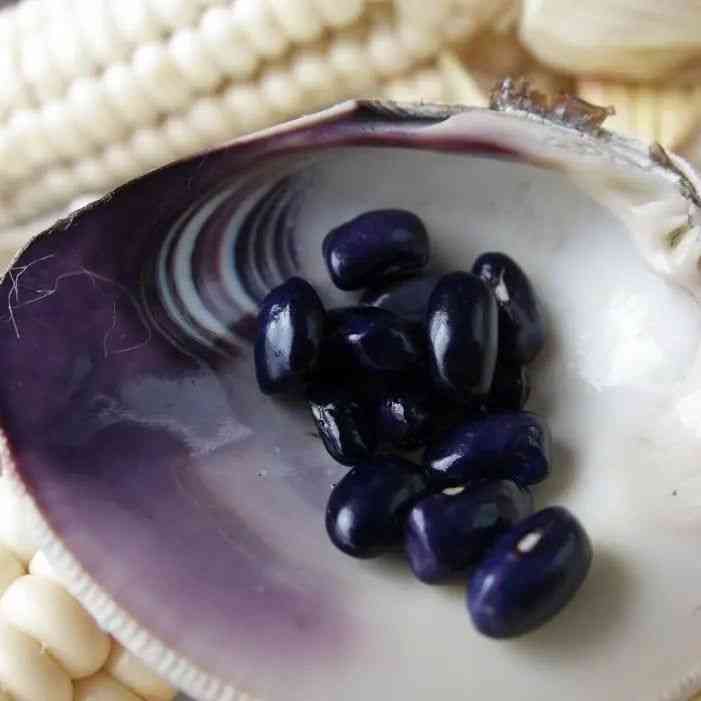
The pods develop a purple tint as they mature, which makes it easier for growers to recognize the ideal harvest stage. Inside the pods are cream-colored peas that cook into a tender, rich dish that has been part of Southern kitchens for generations.

How long do Mississippi Purple Hull cowpeas take to mature?

Mississippi Purple Hull cowpeas typically mature in about 70–80 days after planting. The exact time can vary depending on soil temperature, sunlight, and moisture levels.

Warm weather encourages rapid growth, and these plants often continue producing pods over several weeks if they are harvested regularly.

When should Mississippi Purple Hull cowpeas be planted?

Cowpeas should be planted after the danger of frost has passed and soil temperatures have warmed to at least 65°F. Because they are heat-loving plants, they are most commonly planted in late spring or early summer.

In many southern growing regions, cowpeas are planted from late May through mid-summer, allowing them to grow during the hottest part of the season.

Do Mississippi Purple Hull cowpeas tolerate heat and drought?

Yes. One of the major reasons cowpeas remain popular in warm climates is their excellent heat tolerance. Mississippi Purple Hull cowpeas can continue producing even during hot, dry summer weather when other vegetables may struggle.

While they are somewhat drought tolerant once established, consistent moisture will still help improve pod production and plant health.

What type of soil do Mississippi Purple Hull cowpeas grow best in?

These cowpeas grow well in well-drained sandy loam soils, though they can adapt to a range of soil conditions. One of the advantages of cowpeas is their ability to produce well even in soils that are not extremely rich.

Good drainage is important, as waterlogged soil can damage roots and reduce productivity.

Do Mississippi Purple Hull cowpeas need fertilizer?

Cowpeas usually require minimal fertilization. As legumes, they are capable of fixing nitrogen in the soil through a symbiotic relationship with beneficial bacteria in their root nodules.

This natural process allows cowpeas to produce much of their own nitrogen and can also improve soil fertility for future crops.

Do Mississippi Purple Hull cowpeas need trellising?

Most cowpeas, including Mississippi Purple Hull varieties, grow as bushy or low-vining plants and typically do not require trellising. The plants spread slightly along the ground and produce pods close to the stems.

Some growers choose to provide light support to keep pods cleaner and improve airflow, but it is not usually necessary.

How do you know when Mississippi Purple Hull cowpeas are ready to harvest?

The pods change color as they mature, developing their distinctive purple hue. This color change helps growers easily recognize the proper harvest stage.

For fresh shelling peas, pods are usually harvested when they are fully formed but before they become overly dry. At this stage the peas inside are tender and flavorful.

How are Mississippi Purple Hull cowpeas harvested?

Harvesting typically involves picking the mature pods by hand once they turn purple. The pods are then shelled to remove the peas, which are used for cooking.

Regular harvesting encourages the plants to continue producing additional pods throughout the season.

Can Mississippi Purple Hull cowpeas be eaten as green beans?

Yes. Although they are most commonly grown for shelled peas, the young pods can sometimes be harvested early and cooked like green beans. However, most growers prefer to allow the pods to mature so the peas inside can be shelled.

What do Mississippi Purple Hull peas taste like?

Mississippi Purple Hull peas have a mild, earthy flavor and creamy texture when cooked. They are known for absorbing seasonings well, which makes them especially suited to slow-cooked dishes.

How are Mississippi Purple Hull cowpeas used in cooking?

These peas are widely used in traditional Southern cooking. They are commonly simmered with seasonings, smoked meats, or vegetables and served alongside cornbread or rice.

They may also be frozen or canned for later use, allowing families to enjoy the harvest throughout the year.

Can Mississippi Purple Hull cowpeas improve soil health?

Yes. As a nitrogen-fixing legume, cowpeas help improve soil fertility by adding nitrogen to the soil. Their root systems also contribute organic matter when the plants are turned under or composted.

Because of these benefits, cowpeas are sometimes used in crop rotation systems to help restore nutrients to the soil.

Are Mississippi Purple Hull cowpeas easy to grow for beginners?

Yes. Cowpeas are considered one of the most forgiving warm-season crops for gardeners. They tolerate heat, grow well in modest soils, and require relatively little maintenance compared with many vegetables.

For growers in warm climates looking for a dependable summer crop, Mississippi Purple Hull cowpeas remain one of the most trusted and widely grown field peas.
History, provenance, and cultural contextWhat is documented, what is reported, what remains uncertain, and how the variety reached gardeners

Scientific name: Vigna unguiculata subsp. unguiculata

Plant and variety history

Mississippi Purple Hull belongs to the long Southern lineage of purple hull cowpeas, a group especially cherished for heat tolerance, dependable pod set, and the quality of the shelled peas. Cowpeas have deep roots in African agriculture and became firmly established in the American South, where they were embraced as practical crops for hot weather gardens and fields. Over time, regional selections developed around what growers valued most, ease of harvest, flavor, shelling quality, productivity, and adaptation to local conditions.

Purple hull types became culturally significant because they offered a visible harvest cue and a flavor profile many people came to prefer. When the pods turned purple, growers knew they were approaching the right stage for shelling. Mississippi Purple Hull fits squarely within that tradition. It reflects the Southern preference for field peas that are both practical in the garden and satisfying in the pot. In many communities, these peas were not some specialty novelty. They were ordinary in the best sense, familiar, reliable, and expected.

Culturally, purple hull cowpeas are bound up with Southern supper tables, family gardens, shelling sessions on porches, canning, freezing, and shared harvest labor. They are the kind of crop that often carries memory through food. Mississippi Purple Hull represents that continuity. It is part of a living tradition of peas grown not only because they can handle the heat, but because people genuinely want to eat them. Its history is agricultural, regional, and deeply domestic all at once.

Continue planning

Related seeds, collections, and growing guides

Explore the full collection
Heirloom Bean Seeds for Gardens and Food CropsExplore the full collection →
Purple Queen Bean Seeds

Purple Queen Bean Seeds

Glossy purple pods that stay tender and turn green when cooked, heat-tolerant and high-yielding.

Purple Podded Bean Seeds

Purple Podded Bean Seeds

An heirloom pole bean with vivid purple pods that are easy to spot, fun to pick, and delicious fresh.

Purple Hyacinth Bean Seeds

Purple Hyacinth Bean Seeds

Vigorous climbing vines smother supports in purple stems, vivid blooms, and glossy burgundy pods all summer long.

Succotash Bean Seeds

Succotash Bean Seeds

A traditional heirloom shell bean prized for rich flavor, dependable yields, and excellent use in fresh succotash and other summer dishes.

Customer experience

Reviews for Mississippi Purple Hull Bean Seeds

Customer Reviews

Based on 1 review
0%
(0)
0%
(0)
100%
(1)
0%
(0)
0%
(0)
A
Anonymous (United States)

I planted 10 seeds but only two of them came up.