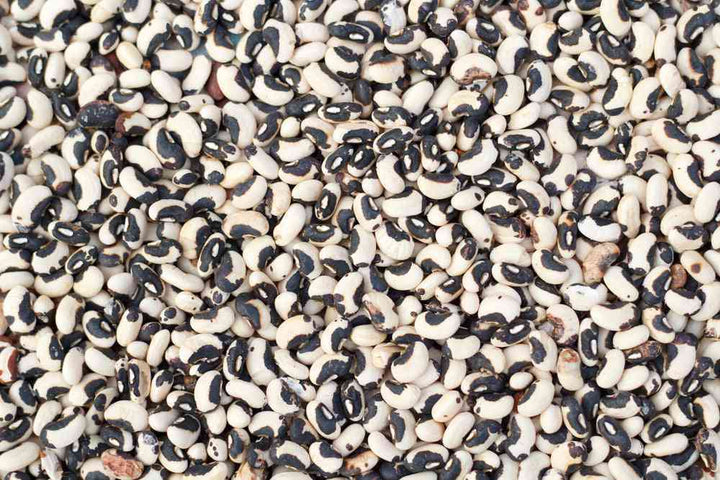
How to start Dark Red Kidney Bean Seeds from seedPreparation, timing, depth, germination, transplanting, spacing, and early care
Variety-specific germination notes
Preparation: Use clean seed-starting conditions, the listed sowing depth and temperature, and steady moisture without saturation. Germination light: Surface sow or press into the mix; light is part of the germination requirement. Expected emergence: 7-10 Days. Temperature: 70-85 °F.
Complete sowing and planting guidance
Dark Red Kidney beans are best direct-sown, as they do not respond well to transplanting due to their sensitive root systems. Planting should begin only after the soil has fully warmed, as cold or wet soil can cause seeds to rot before germination. The ideal approach is to wait until consistent warm conditions are established and the soil is workable, loose, and well-drained. Beans rely on strong early root development, so planting into the right conditions is far more important than rushing the season.
To sow, plant seeds about 1 inch deep into prepared soil. Depth matters—too shallow and seeds may dry out or be exposed, too deep and emergence may be delayed or uneven. Space seeds evenly in rows, allowing enough room for each plant to develop a full bush without crowding. Proper spacing improves airflow, reduces disease pressure, and ensures each plant has access to enough light and nutrients. After sowing, gently firm the soil over the seeds to ensure good seed-to-soil contact without compacting the surface.
Water the planting area thoroughly after sowing, but avoid saturating the soil to the point of waterlogging. The goal is consistent moisture during germination, not standing water. Beans need moisture to sprout, but excess water can quickly lead to rot. Once seedlings emerge, continue watering as needed to keep the soil evenly moist, especially during early establishment. Avoid frequent shallow watering, as this encourages weak surface roots rather than deeper, more resilient root systems.
Do not transplant Dark Red Kidney beans unless absolutely necessary. If starting in containers, use biodegradable pots that can be planted directly into the soil to minimize root disturbance. However, direct sowing remains the preferred method because it allows the plant to establish naturally without interruption. Transplant shock can significantly slow growth, which is especially problematic for a crop that needs a full season to mature dry beans.
As seedlings emerge, monitor for early threats such as soil crusting, which can prevent sprouts from breaking through, or pests like cutworms that may damage young stems. If soil becomes compacted after heavy rain, gently loosen the surface to help seedlings emerge. Early-stage care is critical, as a strong, even stand sets the foundation for the entire crop.
Once established, thin plants if necessary to maintain proper spacing. Overcrowded plants compete for light and airflow, increasing the risk of disease and reducing overall yield. A well-spaced planting allows each plant to form a full canopy and produce well-filled pods later in the season.
For best results, plant in succession if you want staggered maturity, but always ensure each planting has enough time to fully mature and dry before the end of the growing season. Because this is a dry bean crop, timing is essential. The planting must not only grow and produce pods, but also have enough favorable weather at the end to dry down properly.
With warm soil, correct depth, proper spacing, and consistent early moisture, Dark Red Kidney beans establish quickly and move into strong vegetative growth. The planting stage sets the tone for the entire season, and careful sowing practices lead to a healthier crop, better pod set, and higher-quality dry beans at harvest.
How to grow this specific varietyLight, water, fertility, support, spacing, airflow, crop behavior, and season-long care
Complete growing guide
Dark Red Kidney beans are best grown as a season-long dry bean crop, which means the goal is very different from growing snap beans for quick harvest. Once the plants are established, the focus should be on steady healthy growth that carries the crop all the way through flowering, pod fill, and final drying. This bush bean performs best in full sun and warm conditions where the foliage can stay active long enough to build a good seed crop without repeated setbacks from stress, weeds, or disease. The plants do not need staking or trellising, but they do need enough space and airflow to keep the canopy healthy as the season progresses. A planting that looks clean, even, and vigorous in midseason usually has the best chance of producing a strong pantry harvest later.
During active growth, Dark Red Kidney responds best to moderate fertility and consistent moisture. The plants should not be pushed with excessive nitrogen, since too much rich growth can delay maturity and produce lots of leaves at the expense of balanced pod development. At the same time, this is not a crop that should be left to struggle through drought. Water stress during flowering and early pod fill can reduce blossom set, limit the number of beans in each pod, and leave the crop with a lighter final harvest. Even moisture is especially important during the middle of the season, when the plants are doing the real work of building their yield. Deep watering that keeps the root zone stable is generally much better than frequent shallow splashing.
Weed control matters more than many people expect with bush dry beans. Dark Red Kidney should not have to compete heavily for light, moisture, or nutrients during the first half of the season. A weedy planting often stays more humid, develops poorer airflow, and becomes harder to monitor for insect damage or disease. Keep the rows clean and accessible, especially while the plants are young and while the canopy is still forming. Once the beans have filled in and begun shading the ground, the crop usually becomes easier to manage, but early competition can reduce plant size and pod production in ways that are hard to recover from later.
As flowering begins, the main job is to keep the plants growing smoothly without interruption. Healthy bean plants should move from blossom production into pod formation without obvious stress. If the plants go through major dryness, root stress, or disease pressure at this stage, pod set may be reduced and the final bean count will suffer. Once pods begin filling, leaf health becomes especially important because the foliage is what powers seed development. The plants do not need to look perfect, but they do need to remain active and functional long enough to produce full, well-developed beans. A late-season canopy that stays reasonably healthy is one of the biggest advantages in growing a high-quality dry bean crop.
Toward the end of the season, growing priorities begin to shift. At this stage, the goal is no longer lush green growth, but clean maturity and proper dry-down. Pods should be allowed to mature fully on the plant as long as weather permits. The plants will gradually move from active green growth into drying, and the beans inside the pods should become hard, dense, and fully formed. If conditions stay too wet late in the season, the crop may have trouble finishing properly in the field. In that situation, mature plants can be pulled or cut and allowed to finish drying in a protected, airy place. The best harvest comes when the beans are fully mature, the pods are dry, and the crop has had enough time to cure without being damaged by prolonged damp weather.
Dark Red Kidney is especially rewarding because it bridges the garden and the pantry. Unlike fresh beans that are harvested immature, this crop asks the grower to think in terms of whole-season timing, seed maturity, and final storage quality. With full sun, moderate fertility, even moisture through flowering and pod fill, clean early weed control, healthy late-season foliage, and patient dry-down, Dark Red Kidney produces a dependable harvest of richly colored beans suited for soups, chili, stews, and long-term storage.
Practical field and garden tipsExtra techniques, timing adjustments, and observations that improve success
Dark Red Kidney beans reward growers who think like pantry growers rather than fresh-picking gardeners. One of the most important practical tips is to remember that this crop is not finished when pods appear. The real goal is to carry the plants all the way through pod fill and proper dry-down without losing too much leaf health or allowing weather to ruin the final quality. A bean crop that looks good in midseason can still disappoint if the pods mature unevenly, stay wet too long, or are harvested before the seeds are truly hard and finished. Patience is one of the biggest advantages a grower can bring to a dry bean crop.
A very useful strategy is to protect the planting from stress during flowering and pod fill. Dark Red Kidney needs a stable middle season if it is going to produce well-filled beans. Drought at the wrong time may cause blossom drop, sparse pods, or beans that never size properly, while overly wet conditions can encourage disease and weak root performance. Deep, even watering is much more helpful than erratic watering because the plant responds best when growth is steady. Once the pods are well formed and the crop is moving toward maturity, the goal shifts from lush growth to clean finishing. At that stage, too much late water can delay dry-down and complicate harvest.
Another important tip is to keep the planting clean and open enough that you can actually monitor it. Dry beans often look simple from a distance, but problems such as aphids, beetle feeding, rust, or blight can build quickly if the rows are weedy or crowded. A patch that is easy to inspect is much easier to protect. Early weed control matters especially with bush dry beans because weeds steal light, moisture, and nutrients right when the plants need to build a strong canopy for later seed fill. By the time pods are forming, the best bean rows are usually the ones that never had to fight hard for their space.
Dark Red Kidney also benefits from good timing at the end of the season. Many growers lose quality not while growing the crop, but while waiting too long or harvesting too soon. Pods that are left through extended wet weather may stain, mold, or split, while beans taken too early may not cure well and may store poorly. The best approach is to watch the crop closely as it dries, looking for plants and pods that have clearly moved beyond green growth into real maturity. If the weather turns uncertain, it can be better to harvest mature plants and finish drying them in a protected airy place than to leave them exposed too long in the field.
Harvest handling is another place where quality can improve or decline quickly. Pods and beans that seem dry enough in the garden may still need additional curing before storage. Shelling beans that still hold hidden moisture can shorten storage life and reduce seed quality if they are being kept for planting. Let the beans dry thoroughly before sealing them away, and store only fully mature sound seed. A clean dry bean harvest should feel hard, dry, and stable, not soft or leathery. Good finishing is what turns a crop from garden produce into a real pantry staple.
One of the best long-term tricks with Dark Red Kidney is to treat it as both a food crop and an observation crop. Notice which rows mature most evenly, which plants stay healthiest late, and which sections of the bed dry down best. Those observations can improve future plantings and are especially useful if seed saving matters. Dry beans reward growers who pay attention to timing, weather, and finishing details. The biggest beginner mistakes are usually planting into cold soil, letting weeds and stress slow the crop early, and misjudging the difference between mature pods and truly storage-ready beans. With even midseason care, clean late-season drying, and careful harvest timing, Dark Red Kidney becomes one of the most satisfying crops for gardeners who value real shelf-stable food from the garden.
Harvest, storage, uses, and benefitsWhen and how to harvest, ways to use the crop, storage, culinary value, habitat value, and garden roles
Uses and benefits
Dark Red Kidney beans are one of the most valuable crops for growers who want to turn garden space into real, long-lasting food. Unlike many vegetables that must be eaten fresh, this variety is grown specifically for dry beans, which means it provides a shelf-stable harvest that can be stored and used over time. That alone makes it extremely useful for home food security, pantry building, and growers who want to produce meaningful calories and protein from their own land. A single planting can yield a substantial amount of dry beans that keep well and remain usable long after the growing season ends.
In the kitchen, Dark Red Kidney beans are prized for their firm texture and ability to hold their shape during cooking. This makes them ideal for chili, soups, stews, rice dishes, and slow-cooked meals where structure matters. Unlike softer beans that break down quickly, kidney beans maintain a hearty presence, absorbing flavor while still standing out in the dish. This quality is one of the reasons they are so widely used in traditional cooking around the world. They work especially well in bold, savory recipes where long simmering enhances both flavor and texture.
Nutritionally, Dark Red Kidney beans are a strong addition to any diet. They provide plant-based protein, dietary fiber, and essential nutrients, making them a valuable staple for balanced meals. For growers interested in producing their own food rather than relying entirely on store-bought goods, beans like this represent one of the most efficient crops in terms of usable output. They store compactly, cook into filling meals, and can be combined with grains to form complete, satisfying dishes. This makes them especially important in gardens focused on practicality and sustainability.
From a gardening perspective, Dark Red Kidney beans offer the benefit of being relatively straightforward to grow while still producing a meaningful harvest. As a bush-type bean, they do not require trellising, which simplifies management compared to pole beans. They also fit well into crop rotations and can be grown in rows or blocks, making them adaptable to different garden layouts. Because they are grown to maturity rather than picked continuously, they require less frequent harvesting labor, which can be an advantage for growers managing larger plantings.
Another important benefit is their role in soil health. Like other legumes, kidney beans form a relationship with soil microbes that allows them to fix nitrogen from the air into the soil. While much of that nitrogen is used by the plant itself, residues left after harvest can contribute to soil fertility for future crops. This makes beans a valuable part of a sustainable growing system, especially when rotated with crops that benefit from improved soil conditions.
Dark Red Kidney beans also have strong value for seed saving and self-reliance. Because they are relatively easy to save and maintain, growers can produce their own seed from year to year, reducing dependence on outside sources. This makes them an excellent crop for gardeners interested in long-term seed stewardship. The ability to grow, harvest, store, and replant from the same crop adds another layer of usefulness beyond simple food production.
In addition to their practical uses, Dark Red Kidney beans carry cultural and culinary significance. They are a key ingredient in many traditional dishes across different regions, including classic bean and rice combinations, stews, and regional specialties. Growing them connects the garden to a long history of staple food crops that have sustained communities for generations. This combination of history, nutrition, storage value, and culinary strength makes them one of the most well-rounded crops a gardener can grow.
Overall, Dark Red Kidney beans offer a rare combination of benefits: dependable production, excellent storage, strong nutritional value, ease of cultivation, and versatility in the kitchen. For growers who want a crop that goes beyond novelty and contributes real substance to the household, this variety stands out as a reliable and deeply useful choice.
Seed saving and carrying the variety forwardPollination, isolation, selection, harvest, cleaning, drying, and storage
Dark Red Kidney is one of the more approachable seed-saving crops because common beans are usually self-pollinating and do not cross nearly as freely as many insect-pollinated vegetables. That makes this variety especially suitable for growers who want to save seed without extremely complicated isolation. Even so, good seed saving begins with careful selection, not simply with keeping back a random handful of beans at the end of harvest. The best plants for seed are vigorous, healthy, true to type, and productive, with strong pod set, good plant structure, uniform mature seed color, and no obvious disease issues. Weak, off-type, poorly yielding, or diseased plants should be excluded, because seed saving is really the work of carrying forward the best traits in the planting.
Selection should begin while the crop is still growing. Watch the row for plants that stand well, fill pods evenly, and mature in a timely way. If any plants show unusual seed color, odd pod shape, poor vigor, or visible disease, they should not be part of the seed crop. Dark Red Kidney is grown as a dry bean, which makes seed saving convenient because the seed stage overlaps naturally with the normal harvest stage. Still, the best seed should come from the strongest plants, not simply from whatever beans remain after kitchen use. It helps to think of the chosen plants as breeding stock rather than just harvest plants.
Isolation is usually straightforward with beans, but it still matters if purity is important. Common beans are mostly self-pollinating, which is one reason they are so friendly to home seed savers. In many gardens, a reasonably separated planting can produce usable seed without much trouble. However, crossing is still possible, especially if many bean varieties are flowering together at close range. If maintaining a clean Dark Red Kidney line matters, save seed only from a clearly identified planting, avoid mixing varieties in harvest, and watch for any unusual plants that suggest crossing or accidental mixture.
Harvest timing is one of the most important parts of successful bean seed saving. Seed should only be saved from fully mature pods that have dried properly on the plant or been allowed to finish drying safely under cover if wet weather threatens. Beans taken too early may look developed but still lack full maturity, which can reduce storage life and germination strength. Mature pods should be dry and the beans inside should be hard, dense, and fully colored. If late rains arrive before the crop is fully safe, whole plants can be pulled and finished in a dry, airy place so the beans cure without molding or staining.
After harvest, shell the pods carefully and inspect the beans before storage. Keep only the best mature beans: those that are well filled, sound, uniform, and undamaged. Discard cracked beans, misshapen beans, undersized beans, insect-damaged beans, and anything suspiciously discolored. At this stage, being selective improves the future crop. A smaller amount of excellent seed is much more valuable than a large jar of questionable seed.
Drying after shelling is equally important. Even beans that feel dry may still hold a little hidden moisture, and seed stored too soon can mold or lose vigor. Let the shelled beans finish curing thoroughly before sealing them away. Store them in a cool, dark, dry place with the variety name and harvest year clearly labeled. If you are paying close attention, it is also helpful to record which section of the planting produced the best seed and how the crop performed, since that information can improve future selection.
Over time, Dark Red Kidney can be maintained very well by growers who repeatedly save from the healthiest, most uniform, and most productive plants. The biggest mistakes are usually saving from a mixed or unhealthy planting, harvesting before full maturity, or storing beans before they are completely dry. With good selection, proper curing, and clean storage, this variety is an excellent choice for gardeners who want a practical pantry crop that also lends itself beautifully to seed stewardship.
Common pests, diseases, and growing problemsIdentification, prevention, crop-safe response, and when intervention is justified
Complete pest and problem guide
Dark Red Kidney beans are generally dependable, but because they are grown for a mature dry seed harvest rather than quick fresh picking, they must stay healthy long enough to flower, fill pods, and dry down properly. That means problems that seem moderate early in the season can become much more serious later if they reduce pod set, weaken the canopy, or interfere with dry-down. The most common issues are bean leaf beetles, Mexican bean beetles, aphids, spider mites in hot dry weather, seedling loss from cutworms or poor emergence, and diseases such as bacterial blights, anthracnose, rust, and root or stem problems in poorly drained soil. The best overall solution is prevention: start with warm workable soil, rotate crops, avoid crowding, keep weeds down, and monitor the planting regularly so trouble is handled before the plants lose momentum.
Seedling-stage problems are often the first setback. If beans are planted into cold, wet, compacted soil, emergence may be slow and uneven, and the seeds can rot before they ever sprout. Cutworms may clip young seedlings at the soil line, while poor soil crusting after rain can make it hard for young plants to emerge at all. Weak early stands are especially frustrating in a dry bean crop because every missing plant means fewer pods later. The best solutions are to sow only after the soil has warmed adequately, avoid planting into waterlogged ground, keep the surface loose enough for emergence, and inspect for cutworm damage if seedlings disappear suddenly. A strong, even stand is one of the biggest advantages in producing a good dry bean harvest.
Once the plants are growing, leaf-feeding insects can quickly reduce vigor. Bean leaf beetles chew holes in the foliage and may also scar pods later in the season. Mexican bean beetles skeletonize leaves, leaving lacy damage that weakens the canopy and cuts down the plant’s ability to fill seeds well. Aphids may cluster on tender growth, causing curling and sticky residue, while spider mites can become serious in hot, dry weather and cause stippling, bronzing, and early leaf decline. These pests matter more on Dark Red Kidney than many gardeners realize, because dry beans need healthy leaves for a long season in order to mature fully. The best solutions are frequent inspection, early hand-removal or control of heavy infestations, encouraging beneficial insects, avoiding plant stress, and responding before the leaves are so damaged that pod fill suffers.
Disease pressure becomes especially important when beans are crowded, splashed by rain or overhead watering, or grown repeatedly in the same ground. Bacterial blights can cause water-soaked spots, dead tissue, and ragged leaves. Anthracnose may affect stems, pods, and seed quality, while rust can create orange-brown pustules that weaken foliage late in the season. Root rots and stem problems are more likely in compacted or poorly drained soil, especially if the crop is stressed. These diseases reduce plant energy and can interfere with both pod development and final dry-down. The best solutions are clean seed, crop rotation, generous airflow, careful handling when plants are wet, and removing severely diseased material when needed. A healthy late-season canopy is one of the biggest keys to well-filled dry beans.
Weather and moisture problems can also seriously affect the crop. If plants go through drought during flowering or pod fill, blossoms may drop, pods may stay sparse, and beans may not size properly. If heavy rain or excessive irrigation persists late in the season, the plants may remain green too long, and mature pods can stain, mold, or even begin to deteriorate before harvest. Uneven moisture may also lead to a crop that matures irregularly, making harvest harder and reducing uniform quality. The best solution is steady moderate moisture through flowering and filling, followed by conditions that allow the crop to dry down cleanly as it reaches maturity. Good drainage and thoughtful timing matter a great deal with dry beans.
Weed competition is another hidden but serious problem. Dark Red Kidney needs enough sunlight, moisture, and nutrients to carry a full seed crop, and heavy weeds can reduce all three. Weeds also trap humidity, reduce airflow, and make it harder to spot insects or disease before they spread. A weedy planting often produces fewer pods, less even maturity, and more harvest trouble at the end of the season. The best solution is early and consistent weed control, especially before the bean canopy closes. Keeping the rows clean early gives the plants a much better chance to dominate the space and finish strongly.
Harvest-stage problems can undo a good season if the crop is not watched carefully. Pods left too long in wet weather may discolor, mold, or split. Plants harvested too early may contain beans that are not fully mature and will not store well. Rough handling during harvest can also crack or damage the beans, especially if they are not fully dry. The best solution is to wait for true maturity, harvest during dry conditions when possible, and cure any partly dry plants in a protected airy place before shelling. With Dark Red Kidney, the final quality depends on the whole season being managed well, from emergence through dry-down. Strong prevention, even growth, and careful finishing are what turn a bean planting into a true pantry crop.
Questions gardeners ask about this seedProduct-specific answers for sowing, care, harvest, use, and seed saving
Q: What makes Dark Red Kidney different from other bean varieties?
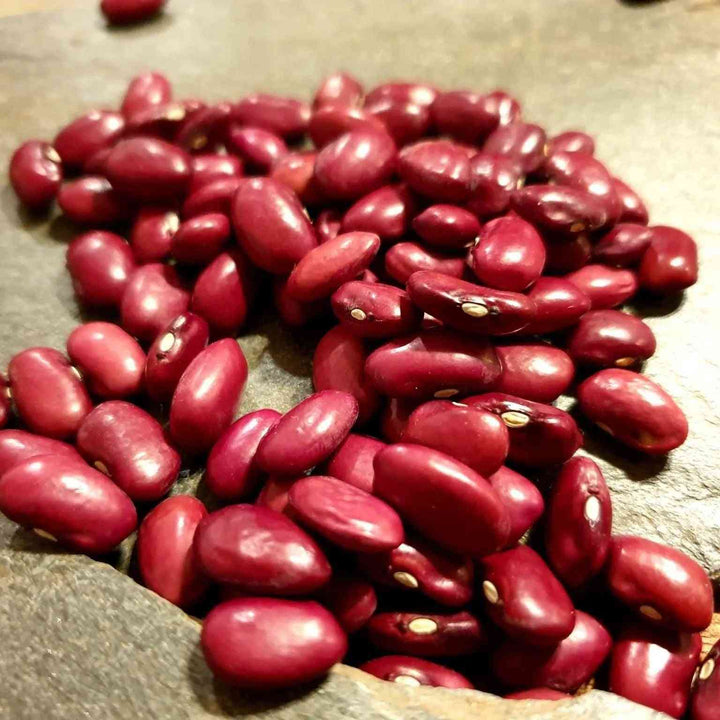
A: Dark Red Kidney is grown for its large, deep red dry beans, classic kidney shape, and strong performance as a pantry bean. Unlike green snap beans that are harvested young and tender, this variety is usually grown to maturity so the seeds can fully develop, dry down, and be stored. It is especially valued for hearty cooking because the beans hold their shape well and have the substantial texture people expect in chili, soups, and slow-cooked bean dishes. Its identity is tied more to storage, cooking quality, and rich seed color than to fresh pod use.
Q: Is Dark Red Kidney a bush bean or a pole bean?
A: Dark Red Kidney is generally grown as a bush-type dry bean, which makes it practical for growers who want a self-supporting field bean without trellising. That bush habit is one reason it became so useful in larger plantings and dry-bean systems. It allows the crop to be managed more like a field bean than a climbing garden bean. For home growers, that means simpler planting and easier end-of-season harvest once the pods dry down.
Q: Is Dark Red Kidney grown for fresh eating or dry beans?
A: It is mainly grown as a dry bean rather than as a fresh snap bean. While immature pods exist as part of the plant’s life cycle, the real value of the crop is in allowing the beans to mature fully inside the pods and then dry for storage. The harvest goal is the seed, not the tender pod. That makes it a very different gardening experience from green beans, since patience and full maturity are part of the crop’s purpose.
Q: What do Dark Red Kidney beans taste like?
A: Dark Red Kidney beans have a rich, full bean flavor and a firm, substantial texture when cooked properly. They are less delicate than some smaller bean types and are especially good in dishes where the beans need to stay distinct rather than collapse completely. Their flavor works beautifully with bold seasonings, tomatoes, smoke, spices, and long simmering. This is one reason they are so closely associated with robust, hearty cooking.
Q: Are Dark Red Kidney beans good for chili?
A: Yes, this is one of the classic beans for chili. Their size, shape, and firm cooked texture allow them to stand up well in thick, heavily seasoned dishes without disappearing into the pot. They also absorb surrounding flavor while still keeping their own identity. That combination of structure and flavor-holding ability is one of the main reasons kidney beans became so iconic in chili-style cooking.
Q: Are Dark Red Kidney beans easy for beginners to grow?
A: They can be a good crop for beginners if the grower understands that they are being raised for dry seed rather than fresh picking. The plants themselves are usually straightforward, but success depends on giving them enough season length to mature and dry properly. Beginners often do well if they keep the planting healthy, avoid heavy weed competition, and let the pods remain on the plants until they are truly mature. The most common mistake is treating them like fresh beans and expecting an early green-bean style harvest.
Q: How long does Dark Red Kidney take to mature?
A: Dark Red Kidney needs enough season to flower, fill pods, and then allow the seeds to harden and dry down before harvest. That means it takes longer than a quick snap bean harvest, because the crop must complete its full seed cycle. Weather, spacing, and plant health all affect timing, especially near the end when drying conditions matter. A mature dry bean crop is ready when the plant and pods have moved beyond green growth into true dry-down.
Q: Can Dark Red Kidney be grown in containers?
A: It is possible in large containers, but it is usually more practical in garden beds or rows where the plants have enough root room and the grower can produce enough pods to make a worthwhile dry bean harvest. Because the crop is grown for mature seed, it benefits from stable moisture, good sun, and enough planting scale to justify the season-long wait. Containers can work if they are large and well managed, but in-ground growing is usually more efficient and reliable for dry beans.
Q: How much sunlight does Dark Red Kidney need?
A: Dark Red Kidney performs best in full sun. Strong direct light supports flowering, pod formation, seed fill, and the final drying process. Too little sun can reduce vigor, delay maturity, and increase disease pressure if the planting stays damp too long. For a crop being grown all the way to dry seed, abundant sunlight is especially important.
Q: What kind of soil is best for Dark Red Kidney?
A: It grows best in well-drained, moderately fertile soil that supports healthy root growth and even development through the season. Very poor soil can limit plant vigor and pod production, while overly rich soil may push excessive leaf growth at the expense of balanced seed production. Good drainage matters because beans do not perform well in waterlogged ground. A stable, workable loamy soil usually gives the best results for both plant health and harvest quality.
Q: How often should I water Dark Red Kidney beans?
A: The plants need steady moisture while they are establishing, flowering, and filling pods. Long dry spells during flowering or seed fill can reduce yield and lead to incomplete pod development. At the same time, constantly wet conditions can increase disease risk and weaken the plants. Once the beans approach full maturity, growers often want drying conditions rather than constant moisture, since the goal is to bring the pods and seeds to a sound dry finish.
Q: Does Dark Red Kidney need support?
A: No, it is generally grown without staking or trellising. Its bush habit makes it easier to manage as a dry bean crop. Good spacing is more important than physical support, since airflow and access for harvest matter more than climbing structure. In windy or overly lush conditions, plants may lean somewhat, but they are not usually treated like pole beans.
Q: Why are my bean plants flowering but not filling pods well?
A: Poor pod fill can be caused by heat stress, drought stress, uneven watering, weak pollination conditions, or general plant stress. Beans need stable growing conditions during flowering and early pod development if they are going to mature a good dry seed crop. If the plants are crowded, diseased, or nutrient stressed, they may abort flowers or produce pods that do not fill strongly. Healthy midseason growth is essential because pod set determines the final dry bean harvest.
Q: Why are my beans still green when the season is getting late?
A: Dry beans need enough time not only to grow pods, but to let those pods and seeds mature fully and dry down. If plants are still green late in the season, the causes may include late planting, cool conditions, excess nitrogen, or simply a season that has not finished ripening the crop yet. Growers raising dry beans must think beyond pod formation and wait for true physiological maturity. The ideal finish is a plant and pod that have clearly moved into drying, not just one that has made beans inside green pods.
Q: What pests are most likely to affect Dark Red Kidney?
A: Common bean pests can include aphids, bean beetles, leaf-feeding insects, cutworms, and occasionally spider mites in hot dry weather. The seriousness depends on local conditions and how healthy the crop is overall. Because Dark Red Kidney is grown for mature seed, pest pressure that strips leaves too early can reduce final seed fill and harvest quality. Protecting the foliage long enough for the beans to mature fully is very important.
Q: What diseases should I watch for?
A: Common bean diseases can include bacterial blights, rust, anthracnose, mosaic issues, and other foliage or pod problems, especially when the planting is crowded or stays wet too long. Leaf disease matters because it reduces the plant’s ability to fill the seeds properly before dry-down. Good spacing, crop rotation, and keeping foliage dry when possible are all important preventive measures. A healthy canopy late into the season gives better beans than a crop that collapses early from disease.
Q: Can rainy weather affect the harvest?
A: Yes, rainy or humid weather late in the season can be a major problem for dry bean crops. Once the pods should be drying, excessive moisture can delay harvest, encourage pod damage, increase mold risk, and stain or weaken the beans. Dry beans need not only enough time to mature, but decent finishing weather. This is one reason growers value stable late-season conditions when raising beans for storage.
Q: How do I know when Dark Red Kidney is ready to harvest?
A: The crop is ready when the pods and plants have dried down significantly and the beans inside are mature, hard, and fully developed. The pods should no longer look green and actively growing. Seeds intended for storage should feel firm and dry, not soft or damp. The harvest stage is very different from green bean picking because the aim is complete seed maturity, not tenderness.
Q: Should I pick pods one at a time or harvest whole plants?
A: Either approach can work, depending on how evenly the crop matures. If plants dry down fairly uniformly, many growers prefer to harvest larger portions at once. If maturity is uneven, some pods may be picked earlier while others are left to finish. The key is to avoid harvesting too green and to protect the beans from moisture once they have reached maturity.
Q: How should Dark Red Kidney beans be dried after harvest?
A: If the beans are not fully dry at harvest, they should be finished in a dry, airy place where pods and seeds can continue curing safely. Good airflow is important so moisture does not remain trapped around the beans. Once shelled, the seeds should be thoroughly dry before storage. Proper drying is one of the most important parts of growing a successful pantry bean crop.
Q: How long do Dark Red Kidney beans store?
A: When fully dried and stored well, they can keep for a long time as a pantry staple. Storage life depends on how dry the beans were when packed and how cool and dry the storage conditions remain. Poorly dried beans do not store well and may mold or lose quality. Well-finished dry beans are one of the most durable food harvests a home garden can produce.
Q: Can I save seed from Dark Red Kidney?
A: Yes, if the planting is healthy and the variety is open-pollinated, seed can be saved from mature, true-to-type plants. Beans are often considered relatively approachable for seed saving because they are less likely to cross heavily than some garden crops, though isolation and attention to varietal purity still matter. Only fully mature, healthy seeds should be stored for replanting. For growers interested in stewardship, dry beans are one of the most satisfying crops to save.
Q: Is Dark Red Kidney worth growing if I can just buy dried beans?
A: Yes, because growing your own dry beans gives you control over freshness, growing practices, variety choice, and seed stewardship. It also connects the garden directly to the pantry in a way few crops do. Homegrown dry beans can be deeply satisfying because they are both a harvest and a stored food resource. For many growers, Dark Red Kidney is worth growing precisely because it turns a garden plot into a true staple crop.
History, provenance, and cultural contextWhat is documented, what is reported, what remains uncertain, and how the variety reached gardeners
Scientific name: Phaseolus vulgaris
Plant and variety history
Dark Red Kidney belongs to the common bean species Phaseolus vulgaris, one of the most important domesticated food crops of the Americas. Common beans were developed by Indigenous peoples thousands of years ago, with major domestication traditions centered in both Mesoamerica and the Andean region. Over many generations, growers selected beans for seed size, color, cooking quality, storage value, climate adaptation, and growth habit. That long process created the extraordinary diversity seen in common beans today, from snap beans to shell beans to dry beans, with kidney types becoming one of the most recognizable and important dry-bean classes.
The kidney bean form is historically significant because it represents a bean selected not just for appearance, but for function. Its large, dense, curved seeds made it especially useful as a dry storage food that could be kept for long periods and cooked into substantial meals. After common beans spread out of the Americas following the Columbian Exchange, kidney beans became established in many parts of the world and entered a wide range of food traditions. Over time, they became especially associated with hearty, slow-cooked dishes where the beans could absorb flavor while still holding their structure. This made them valuable in working kitchens, rural households, and later urban food traditions where filling, shelf-stable ingredients mattered.
Dark Red Kidney also belongs to a particularly important North American history of dry-bean agriculture. In the United States and Canada, dry beans became major field crops in regions where growers and plant breeders worked to improve seed quality, yield, maturity, disease resistance, and upright field performance. Dark red kidney beans became one of the recognized commercial bean classes in this system, especially valued for processing, canning, and pantry use. Their color, size, and cooking performance gave them a distinct market identity, and breeders treated them not just as generic beans, but as a specialized class with specific standards and uses.
The rise of Dark Red Kidney is closely tied to the history of beans as pantry staples. Before refrigeration and modern convenience foods, dry beans were one of the most reliable ways to store protein-rich food from harvest season into winter and beyond. A crop like Dark Red Kidney could be grown in summer, dried thoroughly, and then kept for months. That made it deeply practical for farm families, home cooks, and later commercial food systems. It was a bean with real staying power, both literally and culturally, because it met the everyday needs of storage, nutrition, and satisfying cooking.
Dark Red Kidney also reflects the global journey of American crops after contact. Though its species is Indigenous to the Americas, the bean became deeply rooted in cuisines far beyond its place of origin. Red kidney beans became central to iconic dishes in multiple regions, from red beans and rice traditions to stews, chilis, and bean curries. That broad adoption is part of the bean’s history: it is both an Indigenous American crop and a global pantry staple shaped by migration, trade, breeding, and local taste.
Today, Dark Red Kidney still matters because it brings together ancient domestication history, North American dry-bean breeding, and long-standing culinary usefulness. It is not just a bean with a familiar shape and color. It is part of one of the great stories of crop history: a bean first developed by Indigenous agriculture, refined through generations of selection, expanded through world exchange, and preserved because it remains deeply useful in the kitchen.