Free U.S. seed shipping $25+. Seeds ship free at the threshold.

Current Processing Times Before Shipping Are 1-2 Business Days

25% OFF Select heirloom seed packets are $1.50, regularly $2.00. Sale packets are marked down · coupons apply to eligible full-price items only. Shop seed packets →

Indian Spring Hollyhock Seeds

Scientific name Alcea rosea

About this variety

Indian Spring lifts broad, open flowers along tall stalks in a soft mix of pink, rose and deeper red shades. The blooms open upward from the lower stem, giving cottage gardens and fence lines a long, changing display. Bees readily visit the open flowers, and a few cut stems bring their old-fashioned character indoors. Usually grown as a...

Continue with the complete description
$200 USD

At a glance

The facts most gardeners need first

View the full variety record
100 minimum seeds per packet
Gardener experience

Easy to moderate

Germination difficulty

Easy to moderate

Germination time

21-28 days at 65-70 F seed-zone soil temperature

  • Germination
    21-28 daysa seed-zone soil temperature of 65-70 F
  • Sun
    Full sun
  • Support and spacing
    Stake recommended · space 24 in · rows 36 in
  • Growth habit
    Upright or erect · Biennial · 49–60 in tall
  • Best use
    Indian Spring lifts broad, open flowers along tall stalks in a soft mix of pink, rose and deeper red shades.
  • Before sowing
    Sow 1/4 in. deep, indoors 6-8 weeks before frost ends or outdoors in late spring. Sprouts in 21-28 days. Set 24 in. apart in full sun and drained soil.
Secure checkout Details
Generic
Triple-tested seed qualityRegular quality and germination checks support every packet.

We regularly test seed quality and germination as lots move through storage and packing. We stand behind the seed we send and want customers to contact us when a packet does not perform as reasonably expected.

1-year seed warrantyCoverage begins on the date of purchase.

When properly stored, planted, and cared for, we guarantee reasonable germination and true-to-type growth for one year from the date of purchase. Conditions outside our control—including extreme weather, pests, unsuitable storage, and gardener error—are excluded. Contact us when something is not right so we can review the situation and work toward a replacement, refund, or another fair resolution.

Non-GMO / BE seed policyWe do not buy or sell genetically engineered or bioengineered seed.

Every seed variety we sell is non-GMO.

USDA’s National Bioengineered Food Disclosure Standard defines bioengineered foods as containing detectable genetic material modified through in vitro recombinant DNA methods in ways not achievable through conventional breeding or found in nature.

  • Hybrid means parent lines were conventionally crossed; hybrid does not mean GMO.
  • Heirloom and open-pollinated describe how a variety is maintained and reproduced.
  • Organic certification is separate and is shown only when verified for the individual product.
Packed in Colerain, North CarolinaPrepared in our seed room for gardens across the country.

Seeds are packed and shipped from Colerain, North Carolina. Our packets use forestry-certified paper, and we use recyclable paper mailers where appropriate. AONSK is also a 1% for the Planet partner while continuing to reduce waste in packing and fulfillment.

Garden tools

Need a plan for your space?

Use the garden-fit planner and soil calculator to turn the recorded growing facts into a practical plan.

Open garden tools Uses this product’s recorded growing information. Local weather and garden conditions may vary.

Variety field guide

What to expect from Indian Spring Hollyhock Seeds

Indian Spring lifts broad, open flowers along tall stalks in a soft mix of pink, rose and deeper red shades.

Read the complete product descriptionTraits, flavor, garden use, variety notes, and the full catalog record

Indian Spring lifts broad, open flowers along tall stalks in a soft mix of pink, rose and deeper red shades. The blooms open upward from the lower stem, giving cottage gardens and fence lines a long, changing display. Bees readily visit the open flowers, and a few cut stems bring their old-fashioned character indoors. Usually grown as a biennial, this hollyhock may flower in its first summer when started early; later sowings normally bloom the following year.

Tall cottage-garden spires with open, bee-friendly flowers.

Growing facts

  • Botanical name: Alcea rosea
  • Maturity or display: Summer flowering, usually second year; early starts may flower first year
  • Mature size: About 4-6 ft. tall; height varies with site and season
  • Spacing: 24 in between plants; rows 36 in

About the variety

Indian Spring is an old garden hollyhock selection known for a varied palette and the ability to flower in the sowing year when started early. Hollyhocks usually form a leafy rosette before sending up flowering stalks. This selection is commonly managed as a biennial rather than promised as a permanently flowering perennial.

Starting seed

Sow 1/4 in. deep, indoors 6-8 weeks before frost ends or outdoors in late spring. Sprouts in 21-28 days. Set 24 in. apart in full sun and drained soil.

Care through the season

Give plants a sunny position with rich, well-drained soil. Keep roots evenly moist without leaving the crown in wet ground. Stake tall stalks before wind bends them. Early sowing can encourage first-year flowers, but later sowings generally establish foliage before blooming the next summer.

Harvest and use

Expect summer flowers, often in year two. Cut when lower blooms open; stake in wind. Save seed from dry brown pods. Isolate varieties; colors may vary.

Saving seed

Let selected flowers form pods that turn dry and brown. Collect before the pods shed seed, then dry and clean the seeds thoroughly. Hollyhocks are insect-pollinated and different colors or varieties can cross; isolate them or control pollination to maintain a particular selection.
Common problems

Rust is a frequent hollyhock problem. Provide good airflow, avoid overhead watering and remove infected leaves and old debris. Inspect young plants for slugs and established plants for Japanese beetles or spider mites. Do not leave crowns in saturated winter soil.

Frequently asked questions

When will it flower?

Summer flowering, usually second year; early starts may flower first year.

How can I keep the display healthy?

Give plants a sunny position with rich, well-drained soil. Keep roots evenly moist without leaving the crown in wet ground. Stake tall stalks before wind bends them. Early sowing can encourage first-year flowers, but later sowings generally establish foliage before blooming the next summer.

Can I save seed?

Let selected flowers form pods that turn dry and brown. Collect before the pods shed seed, then dry and clean the seeds thoroughly. Hollyhocks are insect-pollinated and different colors or varieties can cross; isolate them or control pollination to maintain a particular selection.
Garden toolsOpen the garden-fit planner, planting-window questions, or soil calculator only when useful

Uses this product’s recorded growing information. Local weather, soil, and garden conditions may vary.

Garden-fit planning for this variety

Will Indian Spring Hollyhock Seeds fit your garden?

Check bloom timing, cut-flower or pollinator use, height, sun, sowing method, and life cycle. Start with the essentials, then open only the detail groups that matter to you.

Rules-based · no AI · optional answers

Add an optional ZIP code and planting date for a broad frost-window check.Use local forecasts and measured soil temperature for final planting decisions.
1Essential fitTiming, light, and space
2Temperature and exposureOptional microclimate detail
3Soil, drainage, and waterRoot-zone readiness
4Questions for this flower seedCrop-specific decisions
5Seed-starting fit and patienceMatch the propagation work
Recorded product profileBeginner to intermediateEasyRead why
Soil test, pH, drainage, and amendment calculator Have a laboratory soil report? Enter pH, nutrients, texture, bed size, and site observations here. Open soil tools
Recorded soil typeLoamy
Recorded pH range6.0–6.5
Water needsModerate
LightFull sun

Laboratory report interpreter

Soil readiness for Indian Spring Hollyhock Seeds

Alcea rosea

Enter only the values your report provides. The result compares them with this crop’s recorded needs and keeps laboratory recommendations authoritative.

Core report valuesStart here
Advanced laboratory valuesOptional method-aware detail

Full growing record

Complete growing and seedkeeping record

Starting and plantingSeed preparation, sowing, germination, transplanting, spacing, and early establishment
Sow 1/4 in. deep, indoors 6-8 weeks before frost ends or outdoors in late spring. Sprouts in 21-28 days. Set 24 in. apart in full sun and drained soil.

Give plants a sunny position with rich, well-drained soil. Keep roots evenly moist without leaving the crown in wet ground. Stake tall stalks before wind bends them. Early sowing can encourage first-year flowers, but later sowings generally establish foliage before blooming the next summer.
Season-long growing guideWater, fertility, support, weather response, pollination, containers, and care through maturity
Sow 1/4 in. deep, indoors 6-8 weeks before frost ends or outdoors in late spring. Sprouts in 21-28 days. Set 24 in. apart in full sun and drained soil.
Harvest, storage, and usesRecognizing maturity, harvesting cleanly, handling and storage, kitchen uses, and garden roles

Harvest and storage

Expect summer flowers, often in year two. Cut when lower blooms open; stake in wind. Save seed from dry brown pods. Isolate varieties; colors may vary.

Let selected flowers form pods that turn dry and brown. Collect before the pods shed seed, then dry and clean the seeds thoroughly. Hollyhocks are insect-pollinated and different colors or varieties can cross; isolate them or control pollination to maintain a particular selection.
Uses and garden roles

Indian Spring lifts broad, open flowers along tall stalks in a soft mix of pink, rose and deeper red shades. The blooms open upward from the lower stem, giving cottage gardens and fence lines a long, changing display. Bees readily visit the open flowers, and a few cut stems bring their old-fashioned character indoors. Usually grown as a biennial, this hollyhock may flower in its first summer when started early; later sowings normally bloom the following year.

Expect summer flowers, often in year two. Cut when lower blooms open; stake in wind. Save seed from dry brown pods. Isolate varieties; colors may vary.
Seed savingSelection, pollination, isolation, full maturity, cleaning, drying, labeling, and storage
Let selected flowers form pods that turn dry and brown. Collect before the pods shed seed, then dry and clean the seeds thoroughly. Hollyhocks are insect-pollinated and different colors or varieties can cross; isolate them or control pollination to maintain a particular selection.
Pests, diseases, and troubleshootingPrevention, diagnosis, environmental disorders, common damage, and first-response checks
Rust is a frequent hollyhock problem. Provide good airflow, avoid overhead watering and remove infected leaves and old debris. Inspect young plants for slugs and established plants for Japanese beetles or spider mites. Do not leave crowns in saturated winter soil.
Frequently asked questionsDecision-focused answers that supplement the detailed guides above
When will it flower?
Summer flowering, usually second year; early starts may flower first year.

How can I keep the display healthy?
Give plants a sunny position with rich, well-drained soil. Keep roots evenly moist without leaving the crown in wet ground. Stake tall stalks before wind bends them. Early sowing can encourage first-year flowers, but later sowings generally establish foliage before blooming the next summer.

Can I save seed?
Let selected flowers form pods that turn dry and brown. Collect before the pods shed seed, then dry and clean the seeds thoroughly. Hollyhocks are insect-pollinated and different colors or varieties can cross; isolate them or control pollination to maintain a particular selection.
History and provenanceBotanical identity, cultivar history, regional or cultural context, uncertainty, and source records

Scientific name: Alcea rosea

Indian Spring is an old garden hollyhock selection known for a varied palette and the ability to flower in the sowing year when started early. Hollyhocks usually form a leafy rosette before sending up flowering stalks. This selection is commonly managed as a biennial rather than promised as a permanently flowering perennial.

Continue planning

Related products, collections, and growing guides

Explore the full collection
Heirloom Flower Seeds for Home GardensExplore the full collection →
Dancing With Smurfs Tomato

Dancing With Smurfs Tomato

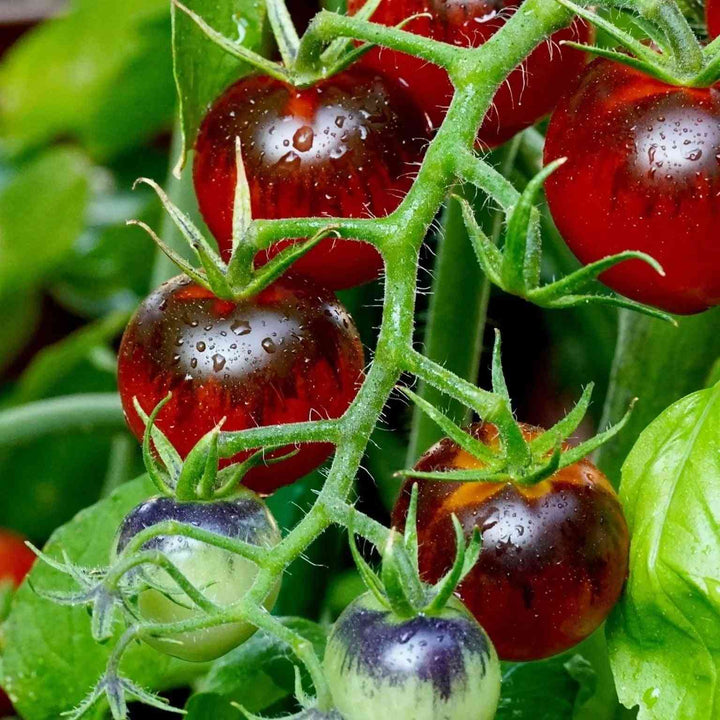
Dancing With Smurfs tomato seeds produce red cherry tomato fruit on indeterminate plants reaching 61–72 in, maturing in 70-79 Days.

Allium Schoenoprasum Chives

Allium Schoenoprasum Chives

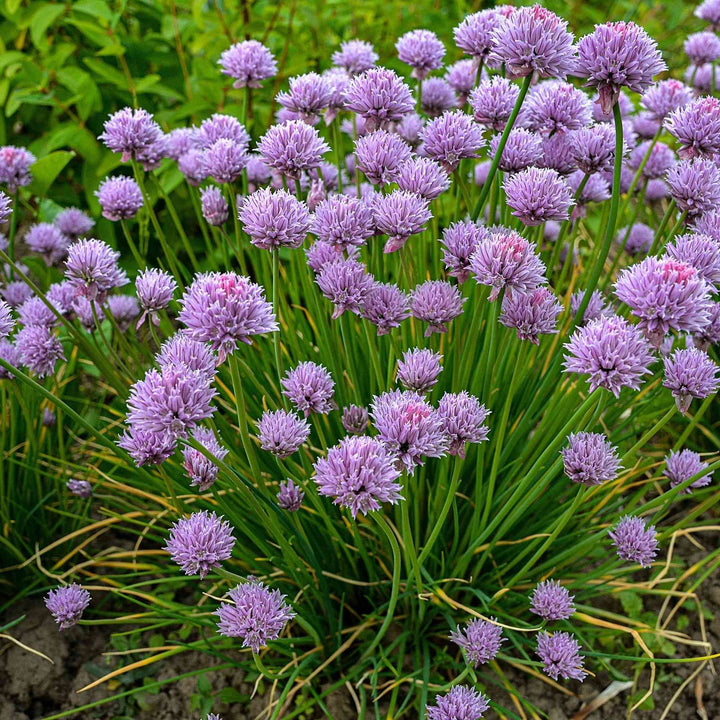
Allium Schoenoprasum Chives is best suited to perennial clumps, edible flowers, containers, and fresh snipping.

English Lavender (Vera)

English Lavender (Vera)

English Lavender (Vera) is best suited to well-drained perennial beds, pollinator gardens, cut stems, and fragrance.

Common Thyme

Common Thyme

Common Thyme is best suited to rock gardens, containers, culinary harvest, and low flowering cover.

Customer experience

Reviews for Indian Spring Hollyhock Seeds

Customer Reviews

Be the first to write a review
0%
(0)
0%
(0)
0%
(0)
0%
(0)
0%
(0)