Free U.S. seed shipping $25+. Seeds ship free at the threshold. Storefront goods, pantry finds, books & local goods are being added.

New seeds, Main Street specials, and storefront finds update as the market grows.

Watermelon Beefsteak Tomato Seeds

Scientific name Solanum lycopersicum var. lycopersicum

Seed packet & garden essentials

What to know before you plant

View complete growing & care facts
25 minimum seeds per packet
  • Maturity90-99 Days · 90-99 Days
  • Growth habitIndeterminate · Annual · 73–96 in tall
  • Best usefresh slicing, sauces, preserving, supported warm-season gardens, and seed saving
  • Flavor & characterThe Watermelon Beefsteak tomato is an indeterminate variety known for its impressive size and unique flavor profile.
  • Germination7–14 days · 75–90 °F
  • Seed preparationStart in a clean, warm, evenly moist seed-starting mix and provide strong light immediately after emergence
  • SunFull sun
  • Support & spacingStake · space 30 in · rows 36 in
  • Container fitPossible in a large container with reliable water, drainage, and support; mature size must be planned before planting
  • Water needsModerate
  • SoilLoamy · pH 6.0–6.5
  • Planting seasonSpring · blooms Summer · Tender
$200 USD $400

Pickup available at Bertie County Seeds

Usually ready in 2-4 days

Secure checkout Details
Generic
Triple-tested seed qualityRegular quality and germination checks support every packet.

We regularly test seed quality and germination as lots move through storage and packing. We stand behind the seed we send and want customers to contact us when a packet does not perform as reasonably expected.

1-year seed warrantyCoverage begins on the date of purchase.

When properly stored, planted, and cared for, we guarantee reasonable germination and true-to-type growth for one year from the date of purchase. Conditions outside our control—including extreme weather, pests, unsuitable storage, and gardener error—are excluded. Contact us when something is not right so we can review the situation and work toward a replacement, refund, or another fair resolution.

Non-GMO / BE seed policyWe do not buy or sell genetically engineered or bioengineered seed.

Every seed variety we sell is non-GMO.

USDA’s National Bioengineered Food Disclosure Standard defines bioengineered foods as containing detectable genetic material modified through in vitro recombinant DNA methods in ways not achievable through conventional breeding or found in nature.

  • Hybrid means parent lines were conventionally crossed; hybrid does not mean GMO.
  • Heirloom and open-pollinated describe how a variety is maintained and reproduced.
  • Organic certification is separate and is shown only when verified for the individual product.
Packed in Colerain, North CarolinaPrepared in our seed room for gardens across the country.

Seeds are packed and shipped from Colerain, North Carolina. Our packets use forestry-certified paper, and we use recyclable paper mailers where appropriate. AONSK is also a 1% for the Planet partner while continuing to reduce waste in packing and fulfillment.

Seed success profile

Rules-based · no AI
Gardener experience Some experience is helpful
Germination difficulty Straightforward
Preparation before sowing
Start in a clean, warm, evenly moist seed-starting mix and provide strong light immediately after emergence
Germination speed
Typical — usually 7–21 days
Growing complexity
Long-season fruiting crop requiring support, steady moisture, airflow, and repeated harvest
Patience and timing
90-99 Days
Is this seed a good match for your experience?
Expected germination
7–14
Germination temperature
75–90 °F
Stratification
Not normally required by the current record
Scarification
Not normally required by the current record
Pre-soaking
Not normally required by the current record
Light during germination
Cover to the recorded depth; provide strong light immediately after emergence
Germination pattern
Usually reliable when seed is stored well and temperature, depth, moisture, and preparation match the recorded requirements
Transplant sensitivity
Transplant after hardening; avoid cold soil and deep root disturbance
Starting method
Cataloged as suitable for direct sowing; follow the product-specific timing and depth.
Best chance of success
For Watermelon Beefsteak Tomato Seeds, control temperature and moisture at sowing, label the start date, and compare emergence with the complete recorded germination window before reseeding.
What to expect

Preparation: Start in a clean, warm, evenly moist seed-starting mix and provide strong light immediately after emergence. Germination light: Cover to the recorded depth; provide strong light immediately after emergence. Expected emergence: 7-14. Temperature: 75-90 °F.

Slow germination is not automatically failed germination.

Maintain the listed temperature, moisture, light, and treatment conditions for the full expected window. Some seed lots emerge gradually rather than all at once.

1 Beginner-friendly 2 One extra step 3 Some experience helpful 4 Patient growers 5 Advanced propagation

This deterministic profile uses recorded product facts; it is not Artificial Intelligence and is not a guarantee. Seed age, storage, sowing depth, moisture, temperature, light, local conditions, and aftercare can all affect results. Last reviewed July 2026.

Build a garden-fit plan

Check this seed against your real growing conditions

Compare timing, germination preparation, sunlight, soil, water, space, support, intended use, and your preferred level of seed-starting complexity.

Open the detailed garden-fit planner Deterministic rules · no Artificial Intelligence · no live weather service

Complete product description

Watermelon Beefsteak Tomato Seeds

Description

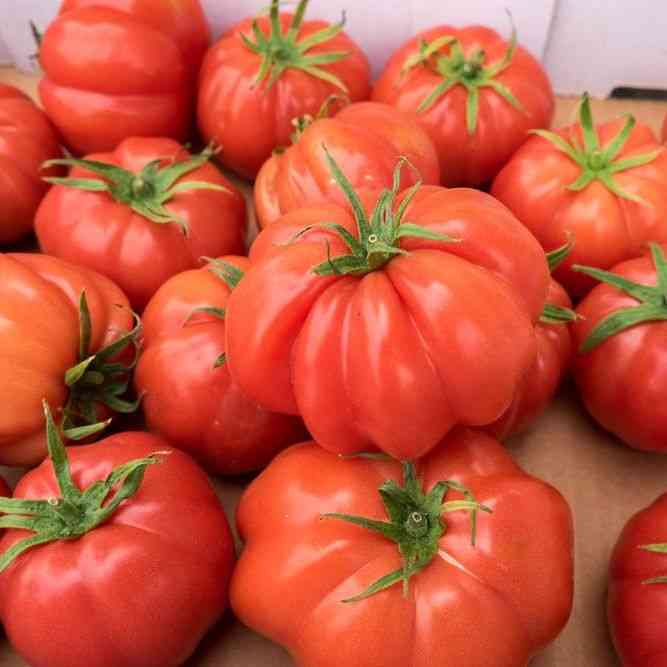
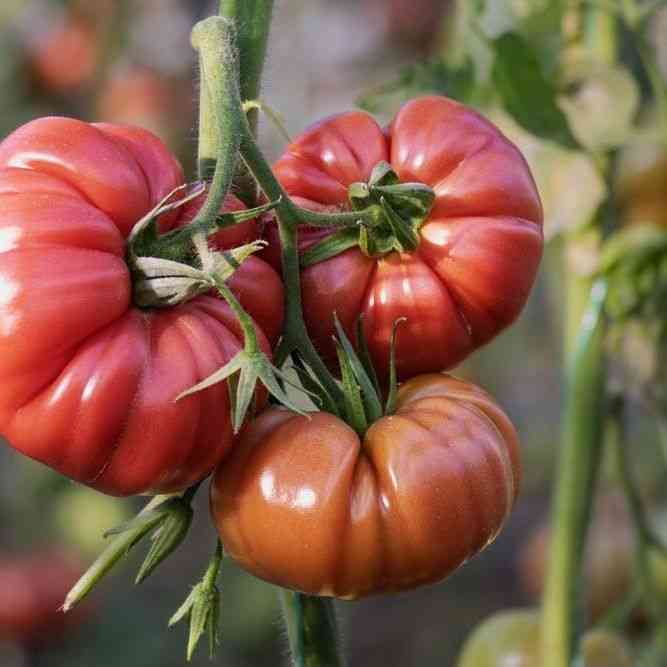
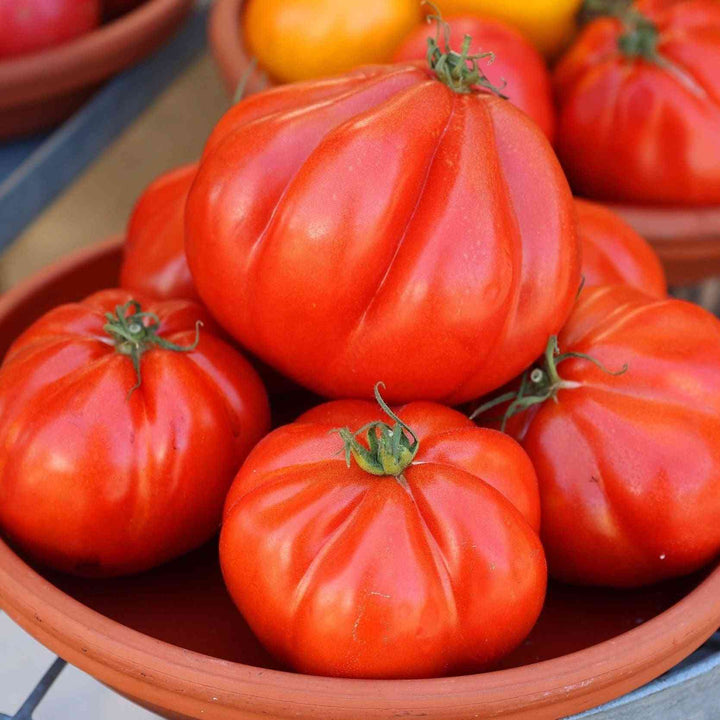
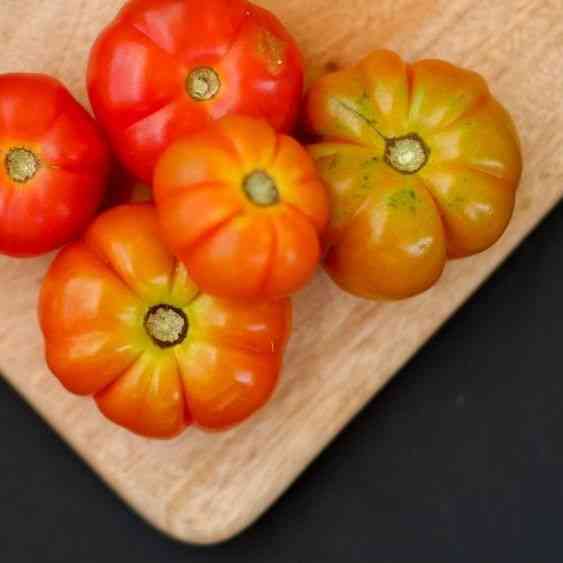
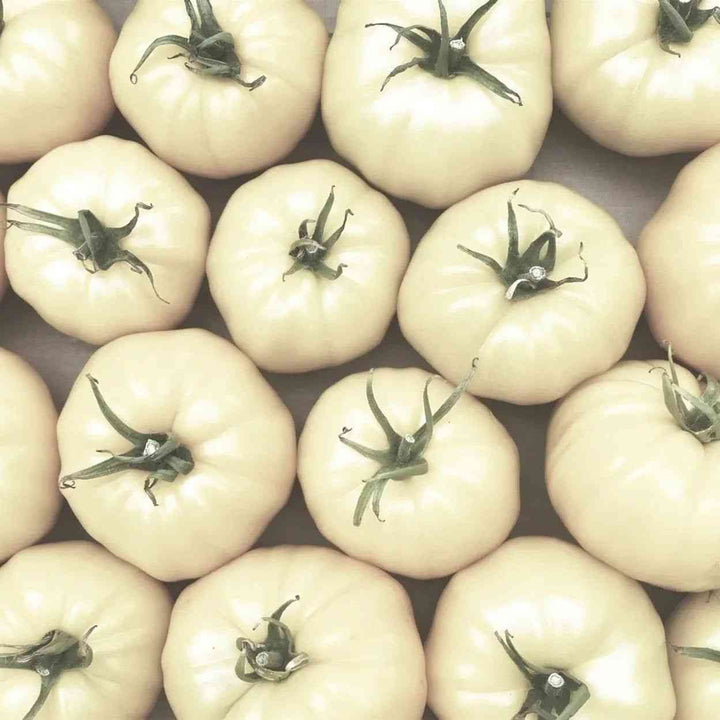
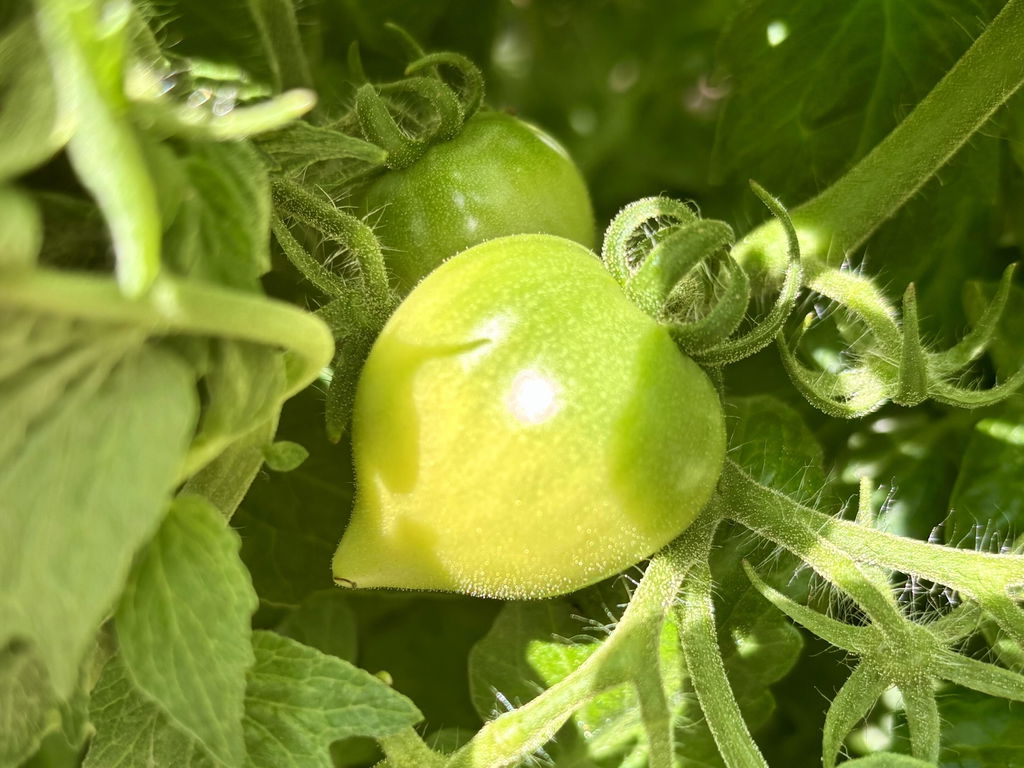
The Watermelon Beefsteak tomato is an indeterminate variety known for its impressive size and unique flavor profile. This robust plant can reach heights of up to 8 feet, making it a striking addition to any garden. Typically maturing in about 85 days, these tomatoes are renowned for their large, juicy fruits that can weigh over 1 pound each. The fruit's color transitions from a pale green to a vibrant red with subtle pinkish hues, reminiscent of a ripe watermelon.

With a flavor that balances sweetness and acidity, Watermelon Beefsteak tomatoes are ideal for fresh salads, sandwiches, and gourmet dishes. Their meaty texture and minimal seed content make them perfect for slicing and showcasing in culinary creations. Gardeners will appreciate the consistent yield throughout the growing season, providing a steady supply of these delectable tomatoes.

These tomatoes thrive in full sun and require sturdy support due to their vigorous growth and heavy fruiting. Regular watering and well-drained soil will ensure optimal growth and fruit production. Whether you're a seasoned gardener or a tomato enthusiast, the Watermelon Beefsteak offers a rewarding growing experience with its impressive size and delightful taste.

Every recorded growing detail

Complete growing & care facts

Continue to the garden-fit planner

Plant identity

Minimum seed count 25 seeds
Seed product profile Tomato
Scientific name Solanum lycopersicum var. lycopersicum
Also known as Watermelon, Tomato Seeds - Indeterminate - Watermelon Beefsteak
Life cycle Annual
Botanical family Solanaceae
Reproductive type Open-Pollinated (OP)
Heritage qualifiers Non-GMO
Native to the United States Domesticated Plant
Domestication note Andean South America

Seed success and gardener experience

Gardener experience Some experience is helpfulLevel 3 of 5
Germination difficulty StraightforwardLevel 2 of 5
Preparation before sowing Start in a clean, warm, evenly moist seed-starting mix and provide strong light immediately after emergence
Stratification Not normally required by the current record
Scarification Not normally required by the current record
Pre-soaking Not normally required by the current record
Light during germination Cover to the recorded depth; provide strong light immediately after emergence
Germination pattern Usually reliable when seed is stored well and temperature, depth, moisture, and preparation match the recorded requirements
Growing complexity Long-season fruiting crop requiring support, steady moisture, airflow, and repeated harvest
Transplant sensitivity Transplant after hardening; avoid cold soil and deep root disturbance
First harvest or bloom 90-99 Days
Best chance of success For Watermelon Beefsteak Tomato Seeds, control temperature and moisture at sowing, label the start date, and compare emergence with the complete recorded germination window before reseeding.

Timing and climate

Days to maturity 90-99 Days
Germination 7-14 Day
Germination temperature 75–90 °F
Planting season Spring
Bloom season Summer
Frost tolerance Tender
Sunlight Full sun
Water needs Moderate

Site, soil, and space

Soil type Loamy
Preferred soil pH 6.0–6.5
Seed depth 1/4 in
Plant spacing 30 in
Row spacing 36 in
Mature height 73–96 in
Growth habit Indeterminate
Support needed Stake
Suitable growing locations In-ground bed, Raised bed, Greenhouse, High Tunnel, Containers, Community garden

Crop-specific details

Best uses fresh slicing, sauces, preserving, supported warm-season gardens, and seed saving
Flavor profile The Watermelon Beefsteak tomato is an indeterminate variety known for its impressive size and unique flavor profile.
Fruit size 1 pound
Container fit Possible in a large container with reliable water, drainage, and support; mature size must be planned before planting

Garden-fit planning for this variety

Will Watermelon Beefsteak Tomato Seeds fit your garden?

Compare this tomato with your season, expected temperatures, sunlight, soil, drainage, water access, support, crop history, and harvest goals.

Rules-based · no AI
Add a ZIP code and planting plan for seasonal context. The planner will estimate a broad frost window and typical planting-period temperatures. It does not use live weather.
1 Location, timing, and temperatures
2 Light, site, and growing space
3 Soil, drainage, and soil testing
4 Water, mulch, support, and crop history
5 Harvest goals and experience
6 Seed-starting fit and patience

Seed germination and growing the mature crop are different skills. These answers help the planner explain which part may need more experience.

Recorded profile for this seedSome experience is helpful · StraightforwardReview the complete Seed Success Profile
Enter what you know about the garden. You can leave questions blank. The result will separate strong matches, planning needs, and reasons another tomato might be easier.

This planning tool uses broad regional frost windows, broad monthly temperature patterns, your own temperature entries when supplied, and the recorded product facts. It is not live weather or a guarantee. Local weather, microclimates, transplant health, soil conditions, and care can change the outcome.

Soil test, pH, drainage, and amendment calculator Have a laboratory soil report? Enter pH, nutrients, texture, bed size, and site observations here. Open soil tools
Recorded soil typeLoamy
Recorded pH range6.0–6.5
Water needsModerate
LightFull sun

Professional garden planning tool

Tomato Soil Test & Amendment Calculator

Translate a laboratory report into a bed-sized amendment estimate for Solanum lycopersicum.

Uses your lab values
Enter the numbers exactly as the laboratory reported them. Select the matching extractant and use the laboratory’s crop recommendation and every product label as the final authority. Field-soil rates do not apply to container mixes.
Need a laboratory soil test?Find your state Extension lab

Best option: your state’s Cooperative Extension soil testing lab.

Tip: Arid and alkaline-region laboratories may use Olsen phosphorus instead of Mehlich-3. Match the method printed on your report.
1

Report method and bed size

Choose the laboratory method and tell us how much ground you are amending.

Use the method printed on the report.
sq ft
Used to scale the shopping-list amounts.
Changes the size of the pH estimate.
2

Acidity and organic matter

Enter the pH and organic-matter percentage from the report.

Uses this product’s listed pH range.
%
Many garden beds perform well around 4–8%.
3

Nutrients reported by the lab

Enter ppm values only when your report uses ppm for these nutrients.

ppm
Target changes with extractant.
ppm
Broad tomato planning range: 150–200 ppm.
ppm
Interpret with pH, moisture, and lab guidance.
ppm
Interpret with pH and the laboratory recommendation.
The result scales broad educational estimates to the bed area. The laboratory recommendation and amendment label remain the final authority.
Enter at least one laboratory value above, then calculate.

Turn your soil report into a planting plan

Use the calculated pattern alongside the product label, your laboratory recommendation, and the way water moves through the bed. Read AONSK home and garden guides · Compare tomato varieties · Shop soil amendments · Shop fertilizers

The full variety record

Sowing, care, harvest, troubleshooting, and history

How to start Watermelon Beefsteak Tomato Seeds from seedPreparation, timing, depth, germination, transplanting, spacing, and early care

Variety-specific germination notes

Preparation: Start in a clean, warm, evenly moist seed-starting mix and provide strong light immediately after emergence. Germination light: Cover to the recorded depth; provide strong light immediately after emergence. Expected emergence: 7-14. Temperature: 75-90 °F.

Complete sowing and planting guidance

How to Sow and Plant Tomatoes
1. Choosing the Right Location

Light Requirements:
Tomatoes are sun-loving plants that require at least 6–8 hours of direct sunlight daily, though 8–10 hours is ideal for strong fruit set and flavor. Choose a site with full southern exposure whenever possible. Avoid shaded areas near trees, fences, or tall crops. Plants grown in partial sun may produce leggy growth and fewer fruits.

Soil Requirements:
Tomatoes thrive in well-drained, loamy soil enriched with organic matter. The optimal pH range is 6.0–6.8, though they tolerate slightly acidic conditions. Prepare beds ahead of time by incorporating aged compost, leaf mold, or well-rotted manure to improve structure, fertility, and microbial activity.

Avoid compacted or waterlogged soil, which restricts root growth.

Sandy soils warm faster and suit early crops; heavier soils retain moisture better in dry climates.

Rotate planting sites annually to prevent nutrient depletion and disease buildup.

Soil Preparation Tip:
Before sowing or transplanting, loosen the top 8–12 inches of soil and blend in 2–3 inches of organic compost. If needed, amend with bone meal for phosphorus and greensand or kelp meal for potassium to promote strong roots and flowering.

2. Starting Seeds Indoors

Timing:
Sow tomato seeds 6–8 weeks before the final expected frost date. Adjust timing to your region so that transplants are ready to go outside once the soil has warmed to at least 60°F (16°C) and nighttime temperatures remain above 50°F (10°C).

Containers and Medium:
Use clean trays or small pots filled with a sterile, fine-textured seed-starting mix. Avoid heavy garden soil, which compacts easily and harbors pathogens.

Sowing Depth:
Sow seeds ¼ inch deep, cover lightly, and mist gently to settle the soil. Maintain even moisture—damp but never soggy.

Germination Conditions:
Tomato seeds germinate best at 75–85°F (24–29°C). Use a heat mat if needed. Germination typically occurs within 5–10 days, though some heirloom varieties may take up to two weeks.

Light After Germination:
Once sprouts appear, move trays to a bright, warm location or under full-spectrum grow lights. Provide 14–16 hours of light per day to prevent leggy growth. Keep lights about 2–3 inches above the seedlings and raise them as plants grow.

3. Transplanting Seedlings

Thinning:
Once seedlings develop their first set of true leaves, thin weaker ones to ensure each has ample light and airflow. Handle gently by the leaves, not the stems.

Potting Up:
When seedlings reach 3–4 inches tall, transplant them into larger pots (3–4 inches wide). Bury the stems up to the first true leaves—tomatoes form new roots along buried stems, creating stronger plants.

Hardening Off:
7–10 days before transplanting outdoors, gradually acclimate plants to outdoor conditions:

Start with 1–2 hours of filtered sun the first day.

Increase exposure each day, reducing watering slightly to toughen the stems.

Avoid windy or cold days during hardening.

4. Planting Outdoors

Timing:
Transplant tomatoes after the danger of frost has passed and the soil is warm. Soil temperatures below 55°F (13°C) can stunt root growth. Early planting can be improved by warming the soil with black plastic or row covers two weeks prior to transplanting.

Planting Depth:
Plant deeply—bury the stem up to the first or second set of true leaves. This encourages a robust root system. In heavy clay soil, plant slightly shallower and mound soil around the base.

Spacing:

Determinate (bush) types: 18–24 inches apart

Indeterminate (vining) types: 24–36 inches apart

Rows: Space rows 30–42 inches apart for good airflow and access.

Proper spacing reduces humidity around leaves, helping prevent fungal disease and promoting even ripening.

Watering at Planting:
Water thoroughly after transplanting to settle soil around the roots. Use lukewarm, non-chlorinated water. Avoid overhead watering—direct it at the base to minimize leaf wetness and disease spread.

5. Watering and Moisture Management

Initial Watering:
Keep the soil evenly moist but never waterlogged during germination and early growth. Light, frequent watering helps young roots establish.

Ongoing Watering:
Once established, switch to deep, infrequent watering, encouraging roots to grow downward. Aim for about 1–1.5 inches of water per week, adjusting for weather and soil type. Water early in the day so foliage dries before evening.

Organic Tip:
Use rainwater whenever possible—its natural minerals and softness encourage better plant health compared to chlorinated tap water.

6. Temperature and Climate Conditions

Tomatoes favor warm conditions with daytime temperatures between 70–85°F (21–29°C) and nighttime temperatures above 55°F (13°C). Extended cold slows growth, while prolonged heat above 95°F (35°C) may reduce fruit set.

In hot climates, provide light afternoon shade using shade cloth or tall companion crops (basil, corn, or sunflowers). In cooler regions, use row covers or cloches to retain warmth during early growth. Maintain steady soil warmth for optimal root activity.

7. Fertility and Soil Feeding

Before planting, mix compost into the soil at a rate of about 1 part compost to 3 parts native soil. Tomatoes are moderate-to-heavy feeders but respond best to slow, balanced nutrition.

At planting time: mix a small handful of organic tomato fertilizer, bone meal, or worm castings into the hole.

Mid-season: side-dress with compost or dilute fish emulsion every 3–4 weeks.

Avoid over-fertilizing with nitrogen, which produces lush foliage but few fruits.

8. Early Support and Spacing Care

Install stakes, cages, or trellises at planting to avoid root disturbance later. Even determinate types benefit from light support to prevent fruit from touching the soil.

Maintain generous spacing to improve air circulation and light penetration—critical for disease prevention and even ripening.

9. Mulching and Moisture Control

After transplanting, apply 2–3 inches of organic mulch (straw, shredded leaves, or composted bark) around the base of each plant. Leave a small gap around the stem to prevent rot.
Mulch helps:

Retain soil moisture

Regulate temperature

Suppress weeds

Prevent soil from splashing onto leaves (reducing blight risk)

Refresh mulch as it decomposes throughout the season.

10. Organic Pest and Disease Prevention at Planting

Healthy soil and spacing are your best defense. Avoid synthetic chemicals—rely on prevention and natural balance.

Pests: Keep an eye out for aphids, hornworms, and whiteflies. Use neem oil, insecticidal soap, or hand-picking to control populations early.

Disease Prevention:

Water at the base to avoid wet leaves.

Provide good air flow between plants.

Rotate crops yearly; avoid planting tomatoes after peppers, potatoes, or eggplants.

Use compost teas (aerated or non-aerated) as a soil drench to boost microbial health.

Companion plants like basil, marigold, garlic, and borage help deter pests naturally while enhancing pollination and flavor.Choosing the Right Location:

Light Requirements: Tomato - Yellow Pear thrives in full sun. Select a location that receives at least 6-8 hours of direct sunlight daily.
Soil Requirements: Prefers well-drained, fertile soil with a pH of 6.0-6.8. Although adaptable to various soil types, it grows best in loamy soil enriched with organic matter.
Planting Seeds:

Timing: Start seeds indoors 6-8 weeks before the last expected frost date. Transplant seedlings outdoors after the last frost when the soil has warmed.
Sowing Depth: Sow seeds 1/4 inch deep in seed-starting mix. Cover lightly with soil and water gently.
Spacing: Thin seedlings to 18-24 inches apart when transplanting to allow adequate space for growth. Rows should be spaced about 24-36 inches apart.
Watering:

Initial Watering: Keep the soil consistently moist but not waterlogged until the seeds germinate, which typically takes 7-14 days.
Ongoing Watering: Once established, water deeply and regularly, especially during dry periods. Water the plants at the base to avoid wetting the foliage, which can lead to fungal diseases.
Temperature and Climate:

Preferred Temperature: Tomato - Yellow Pear grows best in warm temperatures ranging from 70-85°F (21-29°C). It can tolerate higher temperatures but may require more frequent watering during extreme heat.
Fertilization:

Feeding: Incorporate organic matter such as compost into the soil before planting. Use a balanced, all-purpose fertilizer at planting time and side-dress with compost or organic fertilizer mid-season.
Pruning and Thinning:

Thinning: Thin seedlings to prevent overcrowding, which can hinder growth and reduce air circulation.
Pruning: Prune suckers (the small shoots that grow between the stem and branches) to promote larger fruit production. Stake or cage plants to support the vines and improve air circulation.
Mulching:

Mulch Application: Apply a layer of organic mulch around the base of the plants to retain soil moisture, suppress weeds, and regulate soil temperature. Avoid piling mulch directly against the stems to prevent rot.
Pest and Disease Management:

Common Pests: While tomatoes can attract pests such as aphids, tomato hornworms, and whiteflies, using insecticidal soap or neem oil can help control these pests if necessary.
Diseases: Ensure good air circulation around the plants to prevent fungal diseases. Avoid overhead watering to minimize the risk of mildew and other fungal issues. Crop rotation and proper spacing can also help reduce disease incidence.
How to grow this specific varietyLight, water, fertility, support, spacing, airflow, crop behavior, and season-long care

Complete growing guide

How to Grow – Watermelon Beefsteak Tomato (Solanum lycopersicum)
Watering

Provide 1–1½ inches of water per week, adjusting upward during extended dry spells or heavy fruit set.
Water deeply and infrequently to encourage a resilient root system capable of supporting large fruit clusters.
Use drip irrigation or soaker hoses to deliver steady moisture at soil level while keeping foliage dry.
Avoid overhead watering, especially in the evening, as damp leaves invite fungal disease.
Mulch 2–3 inches deep with straw, compost, or shredded leaves once soil has warmed to retain moisture and regulate soil temperature.

Tip: Consistent watering prevents cracking and helps Watermelon Beefsteak tomatoes achieve their signature marbled flesh and sweet, juicy texture.

Fertilizing

Amend soil before planting with 2–3 inches of rich compost or aged manure.
Feed every 2–3 weeks during vegetative growth with a balanced organic fertilizer (10-10-10 or equivalent).
When the first flowers appear, shift to a low-nitrogen, high-potassium blend (5-10-10) to promote strong fruit set and rich flavor.
Add calcium or kelp extract every few weeks to prevent blossom end rot and enhance plant health.
Avoid excessive nitrogen—this encourages vine overgrowth at the expense of fruiting.

Tip: For the best fruit color and sweetness, reduce feeding slightly after heavy fruit clusters have formed.

Weeding & Mulching

Keep the area weed-free to reduce competition and discourage pests.
Apply 2–4 inches of organic mulch such as straw, compost, or shredded bark to conserve moisture, regulate soil temperature, and minimize weeds.
When hand-weeding, loosen the soil gently—Watermelon Beefsteak’s roots extend close to the surface.

Sun & Heat Management

Provide full sunlight—at least 6–8 hours daily—to develop proper size, sweetness, and coloration.
Ideal air temperature range: 75–90°F (24–32°C).
When temperatures exceed 95°F (35°C), use 30–40% shade cloth to protect blossoms and fruit from heat stress and cracking.
Encourage good airflow between plants by proper spacing and occasional pruning to prevent disease.

Tip: A light summer pruning helps improve airflow and sun exposure, which enhances fruit coloration and flavor depth.

Spacing & Support

Space plants 24–36 inches apart with 36–48 inches between rows.
As an indeterminate variety, Watermelon Beefsteak requires strong staking, trellising, or caging to support its large, heavy fruit.
Train vines upward and prune away lower leaves below the first flower cluster to prevent soil splash and reduce disease.
Provide additional support under heavy clusters to prevent stem breakage.

Tip: Use soft ties to secure stems—rigid ties can constrict and damage vines as they thicken.

Companion Planting

Good Companions: Basil, marigold, chives, onion, carrot, and garlic help deter pests and improve overall garden health.
Avoid: Fennel, corn, and cabbage-family crops that can hinder growth or attract competing pests.
Interplant with nectar-producing herbs like dill or coriander to draw beneficial insects that protect against aphids and hornworms.

Container Growing

Suitable for extra-large containers (minimum 20–25 gallons) with heavy staking or cage support.
Use premium organic potting mix enriched with compost and perlite for structure and drainage.
Check moisture daily in warm weather—container plants dry quickly and need consistent watering.
Feed every 10–14 days with compost tea or liquid tomato fertilizer to maintain steady nutrition.

Tip: Mulching the surface of container soil helps retain moisture and reduce temperature fluctuations.

Season Extension

In cooler climates, use row covers, cloches, or early-season tunnels to retain warmth.
Preheat soil with black plastic mulch before transplanting to jump-start growth.
As frost approaches, remove new blossoms 4 weeks before the expected first frost to direct energy to ripening fruit.
Harvest nearly ripe fruits before frost—they’ll finish ripening indoors at 65–70°F (18–21°C).

Tip: For late-season fruits, hang entire vines upside down in a protected space—fruits will continue to ripen on the vine after harvest.
Practical field and garden tipsExtra techniques, timing adjustments, and observations that improve success
Additional Tips — Watermelon Beefsteak Tomato (Solanum lycopersicum)

Harvesting:
Harvest when fruits display their full deep pink-red color, resembling the interior of a ripe watermelon, and feel slightly soft when gently pressed near the stem. The flesh should give slightly without collapsing — a sign the fruit has reached its prime.
Because this is a large, meaty tomato, use pruning shears or a knife to clip each fruit individually, leaving a short section of stem attached to prevent tearing. Handle carefully; the skin, though thick, bruises easily under pressure.
Harvest regularly as ripening progresses. Consistent picking encourages continued flowering and fruit set. Avoid harvesting immediately after watering or rainfall — moisture reduces sugar concentration and can lead to splitting or shortened shelf life. Slightly underripe fruit can be ripened indoors at room temperature on breathable cloth or paper.

Flavor & Culinary Use:
The Watermelon Beefsteak offers a balanced flavor — rich, old-fashioned tomato sweetness with bright acidity and a mild fruity note. The flesh is dense and juicy with few seeds, making it ideal for slicing.
Excellent for sandwiches, burgers, and fresh salads where its firm texture and juiciness can stand out. Its flavor deepens when roasted or grilled, developing smoky-sweet undertones without losing its freshness. It also performs beautifully in thick-cut caprese salads or as a base for fresh tomato sauces.
The striking red-pink color enhances presentation — it pairs well with both green herbs and white cheeses, evoking the vibrancy of its namesake fruit.

Handling & Storage:
Store fruits at 55–70°F (13–21°C) with steady airflow and moderate humidity. Avoid refrigeration, as cold temperatures cause mealiness and dull flavor.
Lay fruits in a single layer, stem-side down, with padding beneath if stored on hard surfaces. Do not stack; pressure bruises will shorten storage life.
For short-term storage, use breathable bins or paper bags. If harvesting slightly green, allow the fruit to finish ripening on a shaded countertop. For extended freshness, pick just before full ripeness and let them color fully indoors over several days.

Pruning & Support:
Watermelon Beefsteak is an indeterminate vine that benefits from strong vertical support. Use heavy-duty cages or stakes 6–7 feet tall, and tie vines loosely with soft ties or fabric strips to prevent girdling.
Remove lower leaves once the plant is well established to reduce soil splash and disease pressure. Prune excess side shoots beneath the first flower cluster to direct growth toward primary fruiting stems. However, retain sufficient foliage for sun protection — heavy pruning can expose fruit to sunscald and cause heat stress.
Prune gradually through the season to maintain airflow and balance between vegetative and fruiting growth.

Sun & Water Tips:
Provide 6–8 hours of full sun daily. Consistent light is essential for flavor development and color richness. During periods of high heat (above 95°F / 35°C), slight afternoon shade can protect ripening fruit without sacrificing quality.
Maintain even moisture by watering deeply once or twice per week rather than frequent shallow watering. Uneven irrigation can cause cracking, blossom-end rot, or irregular fruit texture.
Mulch with straw, pine needles, or compost once soil has warmed to preserve moisture, regulate soil temperature, and deter weed competition. Avoid overhead watering to minimize foliage diseases; drip or soaker irrigation ensures stable hydration at the root zone.

Seed Saving:
Select fruit from vigorous, disease-free plants showing consistent color, shape, and flavor. Allow the fruit to ripen fully on the vine for the most mature, viable seed.
Scoop seeds and gel into a small jar with water and ferment for 2–3 days, stirring once daily. This breaks down the gelatinous seed coating and destroys potential seed-borne pathogens. After fermentation, rinse seeds in a sieve and spread them in a thin layer on a non-stick surface to dry for 7–10 days in a shaded, airy area.
When fully dry, store seeds in airtight glass or paper envelopes in a cool, dry, dark location. Properly cured seeds remain viable for 4–6 years. As an open-pollinated heirloom, Watermelon Beefsteak will breed true unless cross-pollinated with nearby tomato varieties. Isolate by at least 25–50 feet for purity.

Ecological & Pollinator Notes:
Rather than depending on traditional companion planting myths, prioritize ecological diversity and soil health. Interplanting with nectar-rich flowers such as sweet alyssum, borage, or calendula supports pollinators and beneficial predators, which help maintain balanced pest populations.
Rotate tomatoes every two to three years with legumes or leafy greens to improve nitrogen cycling and disrupt disease carryover. Avoid planting near potatoes, eggplant, or peppers to minimize shared pest and disease risks.
Mulch and compost improve microbial life and soil structure, enhancing resilience during temperature swings. Bees and wind movement assist pollination even in self-fertile tomatoes — maintaining nearby floral diversity improves fruit set uniformity and yield.
This variety benefits from generous spacing and airflow; keep plants at least 24–36 inches apart in-row and 3–4 feet between rows to prevent fungal buildup and allow easy access for pruning and harvest.

Culinary Pairings & Presentation Tips:
Watermelon Beefsteak’s vivid pink-red flesh and classic tomato tang pair beautifully with fresh herbs like basil, parsley, or dill. Serve in thick slices with olive oil, balsamic glaze, and sea salt for a rustic yet elegant presentation.
Its rich texture complements creamy cheeses and smoky grilled vegetables. Try layering slices with fresh mozzarella and roasted peppers, or dicing into chunky salsas and bruschetta.
The fruit’s bold color stands out in mixed tomato platters alongside yellow and purple varieties, while its consistent flesh holds up well in stacked presentations or slow roasting for depth and sweetness
Harvest, storage, uses, and benefitsWhen and how to harvest, ways to use the crop, storage, culinary value, habitat value, and garden roles

Uses and benefits

Uses and Benefits of Tomatoes
Culinary Uses

Tomatoes are among the most useful and diverse crops a grower can raise. Their natural harmony of sweetness, tang, and savory depth makes them a foundation of cuisines across the world. Nearly every culture has found ways to preserve, cook, or celebrate the tomato, and each type offers its own best use.

General Preparation Methods

Fresh Eating: Tomatoes can be sliced, diced, or eaten whole for a refreshing burst of flavor. Their acidity balances rich or oily dishes, and their juice adds natural umami depth to plant-based meals.

Cooking: Tomatoes transform when heat is applied—their sugars caramelize, their acidity mellows, and flavors deepen. Stewed or roasted tomatoes form the base for soups, sauces, chutneys, and gravies.

Preserving: Tomatoes are among the easiest crops to preserve. They can be sun-dried, oven-dried, canned, or frozen, retaining their bright taste for winter use.

Fermentation and Pickling: Sliced green or ripe tomatoes can be fermented with salt or lacto-cultured for tangy condiments rich in beneficial microbes.

Juices and Pastes: Pureed tomatoes yield smooth juice or concentrated paste for storage, sauces, and cooking.

Uses by Type

Each category of tomato lends itself best to certain culinary or preservation uses:

Slicer Tomatoes (Large and Beefsteak types):
Best for sandwiches, burgers, and fresh salads. Their large, juicy slices hold flavor and texture well. Excellent for thick sauces or roasted preparations.

Cherry and Grape Tomatoes:
Naturally sweet and quick to mature, these are perfect for snacking, salads, roasting, and skewers. They can be dried or blistered in oil for concentrated flavor.

Paste and Plum Tomatoes (Roma types):
Contain less water and more flesh, making them ideal for cooking down into sauces, ketchups, and pastes. Their texture holds well in slow-cooked dishes.

Canning or Processing Varieties:
Balanced between juice and flesh, these tomatoes are excellent for large-batch preserving. They peel easily, making them useful for stewed tomatoes, soups, and juice.

Heirloom Tomatoes:
Valued for their distinct colors, shapes, and complex flavors. Best enjoyed fresh, in salads, or as centerpiece ingredients where their taste and appearance shine.

Green or Specialty Tomatoes:
Unripe fruits or green varieties can be fried, pickled, or used in relishes. Their firm flesh and bright acidity make them unique for savory applications.

Nutritional Benefits

Tomatoes contribute richly to a healthy diet without overstating medicinal claims. They are naturally low in calories and high in hydration, providing essential nutrients that support overall well-being:

Vitamins: High in vitamin C, vitamin K, and vitamin A (as beta-carotene), which support immune function, bone strength, and visual health.

Minerals: Provide potassium, manganese, and trace amounts of iron and copper.

Phytonutrients: Contain lycopene, beta-carotene, and chlorogenic acid—antioxidants that help neutralize free radicals.

Dietary Fiber: Promotes digestion and balances blood sugar when eaten with other whole foods.

Cooking tomatoes increases lycopene availability, while fresh tomatoes retain higher vitamin C content, making both raw and cooked forms valuable parts of the diet.

Cultural and Practical Benefits

Tomatoes carry deep cultural significance. They connect growers and cooks through shared tradition, adaptation, and local flavor. Their ease of growth and abundance make them a cornerstone of seed sovereignty and community gardening.

Adaptability: Tomatoes thrive in containers, raised beds, and open fields, providing harvests even in limited space.

Economic and Community Value: A reliable crop for market growers and home seedkeepers alike. Fresh tomatoes, sauces, and preserved goods can all be sold or traded within local economies.

Seed Stewardship: Saving tomato seeds encourages local adaptation to soil and climate. Over time, these saved lines develop regional hardiness and flavor that reflect the land itself.

Teaching and Sharing: Tomatoes are often a beginner’s introduction to seed saving, fermentation, and seasonal cooking, bridging generations and passing on knowledge through practice.

Everyday Benefits and Kitchen Versatility

Tomatoes bring balance and brightness to nearly any dish. They pair naturally with herbs like basil, oregano, thyme, and parsley; with onions, garlic, and peppers; and with proteins ranging from beans to fish and poultry.

They also serve as a base for numerous cultural staples:

Italian: Pasta sauces, bruschetta, and margherita pizzas.

Mexican: Salsas, pico de gallo, and tomato-chile stews.

Indian: Tomato curries, chutneys, and masala gravies.

Mediterranean: Tomato-cucumber salads, stewed vegetables, and roasted spreads.

American and Southern: Fried green tomatoes, tomato gravy, and canning traditions.

Their diversity of form—round, pear-shaped, oblong, ribbed, or miniature—mirrors their diversity of use. Each variety, from a sun-warmed cherry to a dense Roma, brings its own balance of sweetness, acidity, and aroma to the plate.

Environmental and Garden Benefits

Beyond the kitchen, tomatoes contribute to ecological resilience:

Pollinator Attraction: Tomato blossoms draw bumblebees and native pollinators.

Companion Planting: Pair well with basil, marigold, garlic, and carrots to deter pests and enrich nearby crops.

Soil-Building Potential: Mulching tomato beds with compost and organic matter strengthens soil structure for future plantings.

Diversity Preservation: Growing multiple tomato types maintains genetic diversity, supporting the larger ecosystem of cultivated food plants.
Seed saving and carrying the variety forwardPollination, isolation, selection, harvest, cleaning, drying, and storage
1. Selecting Plants for Seed Saving

Healthy, well-adapted plants form the foundation of a strong seed line. Select only plants that are disease-free, vigorous, and true to type. Look for traits you wish to preserve—flavor, yield, fruit size, shape, color, and resilience to local conditions.

Mark these plants early in the season with colored ties or labels. Observe them through harvest, ensuring they maintain strong growth and fruit uniformity. Avoid saving seeds from hybrid varieties unless intentionally breeding for new traits, as hybrids will not breed true. Open-pollinated and heirloom tomatoes are ideal because they reproduce faithfully from one generation to the next.

When possible, save from at least six to ten plants per variety to maintain genetic diversity and avoid narrowing the gene pool.

2. Harvesting Seeds

Allow fruits to ripen fully on the vine until they develop deep color and softness. Overripe tomatoes produce the most mature, viable seeds.

Harvest carefully to avoid bruising.

Slice the fruit across its middle (not stem to blossom end) to expose the seed cavities.

Scoop out the seeds along with the gel (locular material) into a clean glass or ceramic container.

Label each container with the variety name immediately to prevent mix-ups.

3. Fermentation: Nature’s Cleaning Process

Tomato seeds are encased in a gelatinous coating that contains growth inhibitors. Fermentation naturally removes this layer while reducing seedborne pathogens in an organic, chemical-free way.

How to ferment seeds:

Add enough non-chlorinated or rainwater to the seed pulp to make it fluid.

Loosely cover the container with a breathable cloth or lid to allow airflow while keeping insects out.

Place in a warm, shaded area (70–80°F / 21–27°C).

Stir the mixture once or twice daily to encourage even fermentation.

Within 2–4 days, a thin film or mold will form on the surface—this is normal. The process is complete when most viable seeds have sunk to the bottom and the liquid no longer appears gelatinous.

Do not ferment longer than 4 days, as over-fermentation can reduce germination rates.

4. Cleaning Seeds (Organic Methods)

Once fermentation is complete:

Add fresh water, stir, and let the good seeds settle.

Carefully pour off the floating pulp, debris, and non-viable seeds.

Repeat until the water runs clear.

Strain the clean seeds through a fine mesh or cheesecloth to remove excess water.

Optional organic sanitization:
Instead of bleach, use one of the following gentle, natural alternatives:

Hydrogen peroxide rinse: Soak seeds in a 3% hydrogen peroxide solution for 5 minutes, then rinse thoroughly with clean water.

Apple cider vinegar solution: 1 part vinegar to 10 parts water for 1 minute, followed by thorough rinsing.

Chamomile tea soak: Use cooled, strong chamomile tea as a mild antifungal rinse before drying.

Each option helps reduce fungal spores while maintaining organic integrity.

5. Drying Seeds

Spread cleaned seeds in a single layer on a ceramic plate, mesh screen, or parchment paper. Avoid metal trays and paper towels, which can stick or react with the seeds.

Dry in a warm, shaded, well-ventilated area—never in direct sunlight or above 95°F (35°C). Stir daily to prevent clumping and ensure uniform drying.

Seeds are fully dry when they feel hard and brittle, breaking rather than bending under pressure. This usually takes 7–14 days depending on humidity.

If drying indoors in humid climates, a small fan or food dehydrator on the lowest setting (around 85°F / 29°C) can speed the process safely.

6. Storing Seeds

Proper storage protects your seed legacy:

Packaging: Store dry seeds in paper envelopes for short-term or airtight glass jars for long-term storage. You may add a small pouch of silica gel, baked rice, or powdered milk wrapped in paper as a natural desiccant.

Labeling: Write variety name, year saved, and any notable traits or growing conditions.

Environment: Keep seeds in a cool, dark, and dry place. Ideal storage temperatures are between 35–45°F (1–7°C).

Avoid frequent temperature changes or exposure to moisture. Under good storage, tomato seeds remain viable for 4–10 years, sometimes longer when kept refrigerated or frozen with humidity control.

7. Testing Seed Viability

Before planting, test seed viability to ensure quality:

Moisten a paper towel with clean, non-chlorinated water and place 10 seeds on it.

Fold and seal it inside a plastic bag or covered dish.

Keep in a warm (75–80°F / 24–27°C), dark area for 5–7 days.

Count how many have germinated.

8–10 sprouts: excellent viability

6–7 sprouts: acceptable, plant more heavily

Below 6 sprouts: refresh seed stock next season

8. Preventing Cross-Pollination

Tomatoes are self-pollinating, but pollinators like bees can occasionally cause crossing between varieties. To ensure purity:

Space varieties 10–25 feet apart if possible.

Use fine mesh blossom bags or lightweight fabric covers on selected flowers to ensure self-pollination only.

Collect seeds from multiple fruits and plants to preserve genetic diversity.

For seed-saving gardens, consider grouping similar types (like all cherries or all beefsteaks) in separate zones to minimize accidental crosses.

Isolation is especially important if you grow rare or heritage varieties that you want to keep true to their line.

9. Record Keeping and Documentation

Good records turn seed saving into a living science. Record:

Parent plant characteristics

Harvest date and location

Fermentation duration

Cleaning and drying methods

Storage conditions

Germination test results

Add personal notes on taste, disease resistance, and performance in your region. This information builds a reliable record of adaptation over time, forming the backbone of your seed stewardship work.

10. Organic Tips for Success

Never use chlorinated tap water; it can damage the natural microbial balance in fermentation.

Compost the leftover tomato pulp and skins—they enrich your soil for the next growing season.

Rotate crops yearly to prevent soilborne disease buildup.

Encourage beneficial insects such as native bees, hoverflies, and lady beetles to maintain ecological pollination balance.

Avoid synthetic fungicides or seed treatments that disrupt the natural seed microbiome.

Rejuvenate seed lots every few years by growing out and resaving fresh seed to maintain vitality.

Label immediately—unlabeled seed is lost history.
Common pests, diseases, and growing problemsIdentification, prevention, crop-safe response, and when intervention is justified

Complete pest and problem guide

Common Pests & Problems — 'Watermelon Beefsteak' (Solanum lycopersicum)Insects & MitesTomato Hornworms (large caterpillars, defoliation)Controls: Handpick caterpillars in early morning or evening. Introduce parasitic wasps (Cotesia congregata) to naturally control populations. Consider Bacillus thuringiensis (Bt) as a biological pesticide, applying in the late afternoon.Whiteflies (leaf yellowing, honeydew/sooty mold)Controls: Use yellow sticky traps to monitor and reduce adult populations. Apply insecticidal soap or neem oil every 5–7 days. Encourage natural predators like lady beetles and lacewings by planting companion plants such as marigold and nasturtium.DiseasesEarly Blight (Alternaria solani) (dark spots on leaves, stem lesions)Controls: Rotate crops annually and avoid overhead watering to reduce humidity. Apply copper-based fungicides at the first sign of disease. Remove and destroy infected plant debris.Fusarium Wilt (Fusarium oxysporum) (yellowing leaves, wilting)Controls: Plant resistant varieties and ensure proper drainage. Solarize soil before planting to reduce fungal spores. Avoid planting in the same location for consecutive years.Physiological & Environmental IssuesBlossom End Rot (calcium deficiency, dark sunken spots on fruit)Controls: Maintain consistent soil moisture and mulch to conserve water. Test soil and amend with lime if necessary to ensure adequate calcium levels. Avoid excessive nitrogen fertilization.Sunscald (excessive sun exposure, white patches on fruit)Controls: Provide shade during the hottest part of the day using shade cloth or row covers. Ensure adequate foliage cover by maintaining plant health and spacing.Monitoring & Prevention — Quick Checklist- Inspect plants regularly for signs of pests and diseases.- Employ crop rotation and companion planting strategies.- Maintain proper watering and fertilization practices.- Use physical barriers like row covers to protect young plants.- Encourage beneficial insects with diverse plantings.
Questions gardeners ask about this seedProduct-specific answers for sowing, care, harvest, use, and seed saving
Frequently Asked Questions (FAQs) — Watermelon Beefsteak Tomato (Solanum lycopersicum)

Q: What type of tomato is Watermelon Beefsteak?
Watermelon Beefsteak is an indeterminate, open-pollinated heirloom beefsteak tomato known for its rosy-pink color, mild sweetness, and juicy, rich texture reminiscent of ripe watermelon. Fruits are large, often 1–2 pounds, and perfect for slicing.

Q: How long does Watermelon Beefsteak take to mature?
Expect 80–90 days from transplant to first ripe fruit. It’s a mid- to late-season variety with steady production throughout summer once it begins fruiting.

Q: How long does it take for Watermelon Beefsteak seeds to germinate?
Seeds typically germinate in 6–10 days when kept between 75–90°F (24–32°C). Warm, consistent temperatures are crucial for reliable germination.

Q: Does Watermelon Beefsteak need special soil conditions?
Yes. This variety prefers fertile, well-drained loam rich in organic matter, with a pH between 6.0 and 6.8. Deep watering and mulching help sustain its heavy fruit load.

Q: What spacing do Watermelon Beefsteak tomatoes need?
Space 30–36 inches apart in rows 3–4 feet apart. Provide tall, sturdy supports or cages, as vines can grow over 6 feet and bear heavy fruit clusters.

Q: Do I need more than one plant for pollination?
No. Tomatoes are self-pollinating, though pollinator activity or gentle shaking of blossoms can enhance fruit set.

Q: Can I grow Watermelon Beefsteak in containers?
You can, but it’s best suited to large raised beds or garden plots. If container-growing, use a 15–20 gallon pot and strong staking.

Q: How tall do Watermelon Beefsteak plants get?
Plants grow 6–8 feet tall when supported. Pruning and trellising help maintain airflow and prevent branch breakage from fruit weight.

Q: Why are my Watermelon Beefsteak fruits splitting or cracking?
Cracking happens when plants receive uneven watering — dry periods followed by heavy rain. Mulch and steady irrigation minimize this.

Q: Why are my fruits not developing full pink color?
Cool nights below 55°F (13°C) or excess nitrogen can slow color formation. Maintain warmth and balanced feeding for rich pink hues.

Q: How should I harvest Watermelon Beefsteak tomatoes?
Harvest when fruits turn deep pink with a soft sheen and slight give to pressure. Handle gently, as ripe fruits bruise easily.

Q: How do I store Watermelon Beefsteak tomatoes after harvest?
Keep at 55–70°F (13–21°C). Do not refrigerate unless overripe — cold storage reduces flavor and juiciness.

Q: Are Watermelon Beefsteak tomatoes good for cooking?
Yes, though best fresh. Their sweetness and juiciness make them ideal for slicing, caprese salads, or thick tomato sandwiches.

Q: Are Watermelon Beefsteak tomatoes heirloom?
Yes. Watermelon Beefsteak is a classic American heirloom cherished for its size, sweetness, and balanced acidity, widely grown since the early 1900s.

Q: Why are my fruits small or misshapen?
High temperatures, inconsistent watering, or stress during flowering can affect fruit development. Maintain even moisture and fertilize moderately.

Q: Can I save seeds from Watermelon Beefsteak?
Yes — it’s open-pollinated. Select perfect fruits, ferment seeds for 2–3 days, rinse clean, and dry before storing in a cool, dark place.
History, provenance, and cultural contextWhat is documented, what is reported, what remains uncertain, and how the variety reached gardeners

Scientific name: Solanum lycopersicum var. lycopersicum

Plant and variety history

History & Culture — Watermelon Beefsteak Tomato (Solanum lycopersicum)

Tomatoes are one of the greatest agricultural gifts of the Indigenous peoples of the Americas. Long before European contact, Indigenous farmers of western South America and Mesoamerica had already domesticated wild Solanum species, transforming them from small, sour berries into richly flavored, productive crops. Grown in raised fields and terraced gardens, tomatoes became part of a vibrant food system alongside maize, beans, and chili peppers — a living agricultural science that continues among Indigenous growers today.

When tomato seeds traveled across the Atlantic in the 1500s, they carried that legacy with them. European growers, first skeptical, gradually embraced the fruit, refining new forms in Italy, France, and Spain. Yet every variety, from the smallest cherry to the densest paste tomato, still descends from those early Indigenous selections.

The Watermelon Beefsteak Tomato is a beloved American heirloom celebrated for its immense size, rosy flesh, and sweet, old-fashioned flavor reminiscent of a summer watermelon. Its roots trace to late 19th-century farmsteads and seed catalogs, where it was prized for both productivity and the remarkable pink hue that distinguished it from red varieties of its era. The name “Watermelon” reflected not only its color but the juicy, refreshing texture that mirrored the fruit of the same name.

While many heirlooms of its time faded as hybridization became dominant in the 20th century, the Watermelon Beefsteak survived through the careful hands of home gardeners and regional seed savers. Each seed carried forward the spirit of open-pollinated stewardship — the same kind of observation and patience practiced by Indigenous cultivators thousands of years earlier when selecting for flavor, resilience, and form.

In the modern garden, the Watermelon Beefsteak remains a living link between ancient domestication and the family farms that once defined American agriculture. Its flavor, softness, and generous fruit size remind growers of the values that endure beyond industrial breeding — taste, tradition, and the timeless connection between seed and soil.

Continue planning

Related seeds, collections, and growing guides

Explore the full collection
Heirloom Tomato Seeds for Garden and KitchenExplore the full collection →

Customer experience

Reviews for Watermelon Beefsteak Tomato Seeds

Customer Reviews

Be the first to write a review
0%
(0)
0%
(0)
0%
(0)
0%
(0)
0%
(0)