Variety field guide
What to expect from Jubilee Watermelon Seeds
Jubilee Watermelon seeds produce red watermelon, 25-40 pounds, on vining/climbing plants.
Read the complete product descriptionTraits, flavor, garden use, variety notes, and the full catalog record
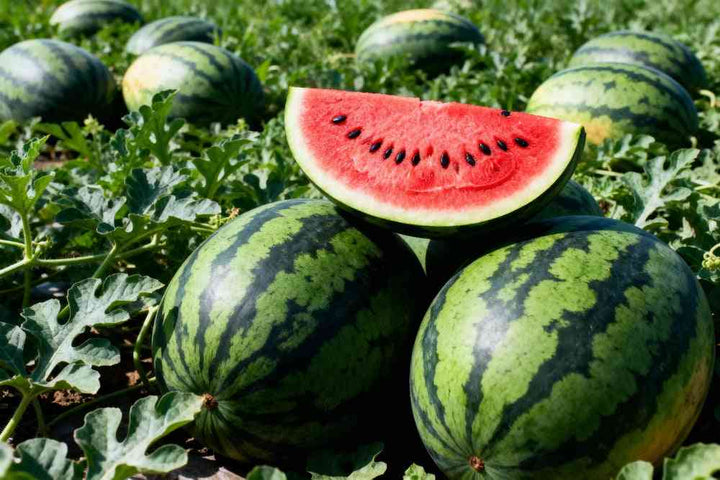
Jubilee Watermelon seeds produce red watermelon, 25-40 pounds, on vining/climbing plants. It is best suited to productive warm-season beds, trellises or sprawling vines, kitchen use, and seed saving. sweet, juicy ripe flesh with color and texture defined by the cultivar Jubilee Watermelon Seeds produce large, striped heirloom watermelon with crisp, juicy flesh and outstanding sweetness for summer gatherings.
About Jubilee
Jubilee is an annual watermelon with red color, 97–120 in mature height or spread, and a vining/climbing habit. Harvest form or size: 25-40 pounds. Botanically it is Citrullus lanatus (Thunb.) Matsum. & Nakai. Maturity or first bloom: 90-99 Days; germination: 5-10 Days at 75–90 °F. Best for productive warm-season beds, trellises or sprawling vines, kitchen use, and seed saving. Sweet, juicy ripe flesh with color and texture defined by the cultivar.
History and provenance
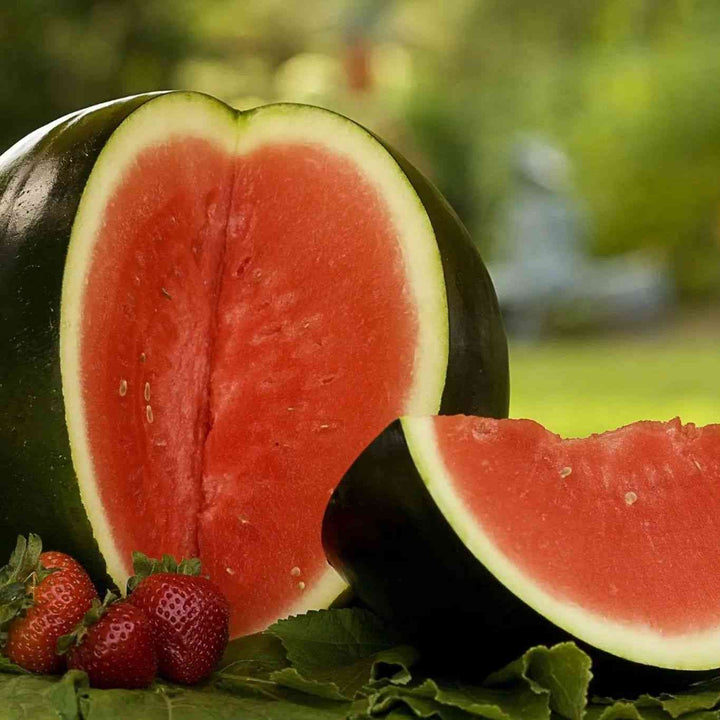
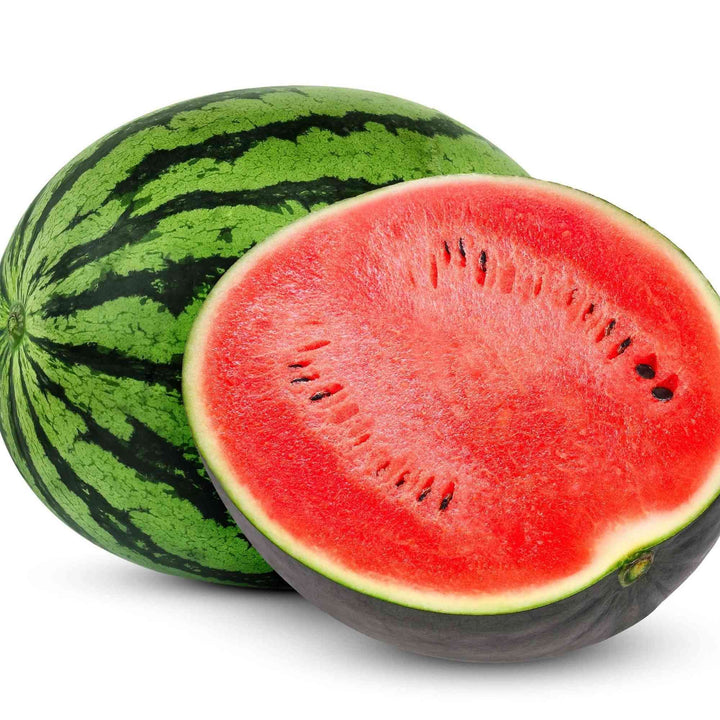
Jubilee circulates as a named watermelon within the cultivated history of Citrullus lanatus (Thunb.) Matsum. & Nakai. Seed sold as Jubilee is identified by its red color, growth form, harvest use, and the documented harvest traits. A complete breeder record, introduction year, family story, or uninterrupted custody chain has not been located for this seed lot. The cultivar identity is tied to observable crop traits that can be checked in a grow-out, not to an unsupported origin story. The vibrant green-striped rind not only adds visual appeal but also provides a sturdy exterior, making it ideal for transport and storage. The crisp, red interior is well suited for summer picnics, fruit salads, or simply slicing up for a cool treat. With its reliable growth and delectable flavor, the Jubilee variety offers both novice and experienced gardeners a rewarding cultivation experience. Whether you're aiming to impress at the farmer's market or enjoy a homegrown harvest, Jubilee Watermelons are a standout choice.
Growing facts
| Scientific name | Citrullus lanatus (Thunb.) Matsum. & Nakai |
|---|---|
| Life cycle | Annual |
| Maturity / first bloom | 90-99 Days |
| Germination | 5-10 Days at 75–90 °F |
| Seed depth | 1 in |
| Plant height / spread | 97–120 in |
| Growth habit | Vining/Climbing |
| Spacing | 36 in between plants; 48 in between rows |
| Sunlight | Full sun |
| Soil | Loamy; pH 6.0–6.5 |
| Water | Moderate |
| Support | No-Support |
Starting Jubilee from seed
How to grow Jubilee Watermelon
Botanical identity: Citrullus lanatus (Thunb.) Matsum. & Nakai. Life cycle: Annual.
Sow 1 in and use a seed-zone temperature near 75–90 °F. Expected emergence: 5-10 Days. No stratification; direct sow into warm soil or start briefly in biodegradable cells and transplant young
Plant during Late Spring. Space plants 36 in apart with 48 in between rows or planting bands.
Provide Full sun, moderate water, and loamy near pH 6.0–6.5. Support: No-Support.
Garden performance and care
Give Jubilee enough room for its vining/climbing growth. Direct irrigation to the soil, keep developing fruit on dry mulch or boards where rot is common, and leave seed-saving fruit on the plant beyond the eating stage. Expected emergence is 5-10 Days; the listed maturity or bloom timing is 90-99 Days.
Harvest, bloom, and uses
Jubilee is best for productive warm-season beds, trellises or sprawling vines, kitchen use, and seed saving. Harvest form or size: 25-40 pounds. Color at the principal harvest or mature stage: Red. Sweet, juicy ripe flesh with color and texture defined by the cultivar.
Saving seed
Seed saving for Jubilee Select several healthy, true-to-type plants so the saved lot represents the variety rather than one unusually early or large individual. Melons are insect-pollinated and varieties of the same species can cross. Isolate compatible varieties or use controlled pollination, and mark fruit from healthy true-to-type plants. Allow seed fruit to become fully ripe; eating ripeness and seed maturity should both be reached. Remove seed, separate pulp by washing or short fermentation as appropriate, rinse until clean, and dry in a thin layer with good airflow. Keep records of species, variety, plant count, isolation, ripeness test, fruit traits, and year.
Common problems
Watch Jubilee for cucumber beetles, squash bugs where applicable, aphids, powdery or downy mildew, bacterial wilt, crown rot, poor pollination, and fruit damage on wet soil. Rotate cucurbit crops, provide airflow, water at the root zone, protect young plants before flowering, and remove covers when blossoms need pollinators. Do not work wet vines.
Frequently asked questions
When is Jubilee ready?
90-99 Days from warm direct sowing or equivalent established transplant
How long does germination take?
Expect 5-10 Days near 75–90 °F; actual emergence changes with moisture, seed condition, and soil temperature.
How large does it grow?
About 97–120 in with a vining/climbing habit. Support: No-Support.
Can it grow in a container?
Best in open ground or a large raised bed; mature vines require substantial horizontal or vertical space.
How is it used?
Primary uses: productive warm-season beds, trellises or sprawling vines, kitchen use, and seed saving. Sweet, juicy ripe flesh with color and texture defined by the cultivar.
Can I save seed?
Yes where the crop biology allows, but keep compatible varieties isolated, use several healthy plants, wait for full seed maturity, dry thoroughly, and label the lot.
Minimum Seed Count:30 seeds