Welcome to our store. Learn more

Free U.S. seed shipping $25+. Seeds ship free at the threshold.

Current Processing Times Before Shipping Are 1-2 Business Days

25% OFF Heirloom seed packets are $1.50, regularly $2.00. Seed packets only · sale price already applied · carries into checkout · coupon codes do not combine. Shop the sale →

Canary Bird Zinnia Seeds

Scientific name Zinnia elegans

About this variety

Discover the vibrant beauty of Zinnia Seeds - Canary Bird, a striking addition to any floral display. These zinnias stand tall with a growth habit reaching up to 3 feet, offering a robust presence in your garden. Known for their brilliant yellow blooms, they capture the essence of sunshine, transitioning from soft lemon hues to deeper gold as...

Continue with the complete description
$150 USD $200
25% OFF
Heirloom seed packet sale

$1.50, regularly $2.00. The sale price is already applied and carries into checkout. No code is needed. Coupon codes do not combine with this offer.

At a glance

The facts most gardeners need first

View the full variety record
85 minimum seeds per packet
  • Germination5-10 Days days · 70–85 °F
  • First bloom / maturity70-79 Days · 70-79 Days
  • SunFull sun
  • Spacingspace 10 in · rows 15 in
  • Growth habitUpright/Erect · Annual · 19–24 in tall
  • Best useborders, cutting gardens, pollinators, containers, and seasonal color
Secure checkout Details
Generic
Triple-tested seed qualityRegular quality and germination checks support every packet.

We regularly test seed quality and germination as lots move through storage and packing. We stand behind the seed we send and want customers to contact us when a packet does not perform as reasonably expected.

1-year seed warrantyCoverage begins on the date of purchase.

When properly stored, planted, and cared for, we guarantee reasonable germination and true-to-type growth for one year from the date of purchase. Conditions outside our control—including extreme weather, pests, unsuitable storage, and gardener error—are excluded. Contact us when something is not right so we can review the situation and work toward a replacement, refund, or another fair resolution.

Non-GMO / BE seed policyWe do not buy or sell genetically engineered or bioengineered seed.

Every seed variety we sell is non-GMO.

USDA’s National Bioengineered Food Disclosure Standard defines bioengineered foods as containing detectable genetic material modified through in vitro recombinant DNA methods in ways not achievable through conventional breeding or found in nature.

  • Hybrid means parent lines were conventionally crossed; hybrid does not mean GMO.
  • Heirloom and open-pollinated describe how a variety is maintained and reproduced.
  • Organic certification is separate and is shown only when verified for the individual product.
Packed in Colerain, North CarolinaPrepared in our seed room for gardens across the country.

Seeds are packed and shipped from Colerain, North Carolina. Our packets use forestry-certified paper, and we use recyclable paper mailers where appropriate. AONSK is also a 1% for the Planet partner while continuing to reduce waste in packing and fulfillment.

Seed-starting profileDifficulty, preparation, reliability, and timing Open

Seed success profile

Gardener experience Beginner-friendly
Germination difficulty Straightforward
Preparation before sowing
Use clean seed-starting conditions, the listed sowing depth and temperature, and steady moisture without saturation
Germination speed
5-10 Days
Growing complexity
Bloom crop requiring species-specific sowing, spacing, deadheading or seed maturity, and support when tall
Patience and timing
70-79 Days
Is this seed a good match for your experience?
Expected germination
5-10 Days
Germination temperature
70–85 °F
Stratification
Not normally required by the current record
Scarification
Not normally required by the current record
Pre-soaking
Not normally required by the current record
Light during germination
Cover to the recorded depth; provide strong light immediately after emergence
Germination pattern
Usually reliable when seed is stored well and temperature, depth, moisture, and preparation match the recorded requirements
Transplant sensitivity
Varies by species; use direct sowing when the record warns against disturbance
Starting method
Cataloged as suitable for direct sowing; follow the product-specific timing and depth.
Best chance of success
For Canary Bird Zinnia Seeds, control temperature and moisture at sowing, label the start date, and compare emergence with the complete recorded germination window before reseeding.
Planning window

Plan around 5-10 Daysat70–85 °F. Keep moisture, light, and preparation aligned with the sowing instructions below.

Slow germination is not automatically failed germination.

Maintain the listed temperature, moisture, light, and treatment conditions for the full expected window. Some seed lots emerge gradually rather than all at once.

1 Beginner-friendly 2 One extra step 3 Some experience helpful 4 Patient growers 5 Advanced propagation

Seed age, storage, sowing depth, moisture, temperature, light, local conditions, and aftercare can affect results. Last reviewed July 2026.

Garden tools

Need a plan for your space?

Open the garden-fit planner or soil calculator only when you need them.

Open garden tools Uses this product’s recorded growing information. Local weather and garden conditions may vary.

About this variety

What to expect from Canary Bird Zinnia Seeds

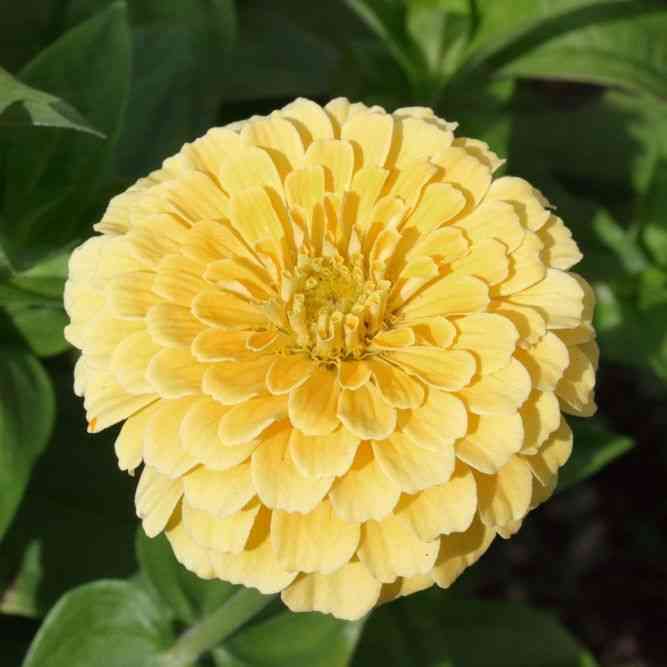
Canary Bird Zinnia Seeds produce not for the shy,Zinnia 'Canary Bird' dazzles with radiant golden blooms, perfect for vibrant bouquets and eye-catching garden displays.

Read the complete product descriptionTraits, flavor, garden use, variety notes, and the full catalog record

Discover the vibrant beauty of Zinnia Seeds - Canary Bird, a striking addition to any floral display. These zinnias stand tall with a growth habit reaching up to 3 feet, offering a robust presence in your garden. Known for their brilliant yellow blooms, they capture the essence of sunshine, transitioning from soft lemon hues to deeper gold as they mature. Ideal for cutting gardens, their long-lasting flowers make a bold statement in bouquets and arrangements.

With a typical maturity of 60 to 70 days, Canary Bird zinnias deliver a continuous show of color throughout the growing season. Each bloom measures 3 to 4 inches across, featuring layers of delicate petals that create a lush, full appearance. Their sturdy stems support the blossoms well, ensuring they remain upright and vibrant even in windy conditions.

These zinnias thrive in full sun and well-drained soil, making them a resilient choice for both novice and experienced gardeners. Their dazzling display attracts pollinators like butterflies and bees, enhancing the ecological value of your garden. Whether used to brighten up garden borders or as a focal point in flower beds, Zinnia Seeds - Canary Bird promises a spectacular floral display.

Minimum Seed Count: 85 seeds

View all growing and care factsBotanical identity, timing, climate, soil, spacing, mature size, and crop-specific details

Plant identity

Minimum seed count 85 seeds
Seed product profile Flower
Scientific name Zinnia elegans
Also known as Zinnia, Zinnia Seeds - Canary Bird
Life cycle Annual
Botanical family Asteraceae
Reproductive type Open-Pollinated (OP)
Heritage qualifiers Non-GMO
Native to the United States Domesticated Plant
Domestication note Mesoamerica (Mexico–Central America)

Seed success and gardener experience

Gardener experience Beginner-friendlyLevel 2 of 5
Germination difficulty StraightforwardLevel 2 of 5
Preparation before sowing Use clean seed-starting conditions, the listed sowing depth and temperature, and steady moisture without saturation
Stratification Not normally required by the current record
Scarification Not normally required by the current record
Pre-soaking Not normally required by the current record
Light during germination Cover to the recorded depth; provide strong light immediately after emergence
Germination pattern Usually reliable when seed is stored well and temperature, depth, moisture, and preparation match the recorded requirements
Growing complexity Bloom crop requiring species-specific sowing, spacing, deadheading or seed maturity, and support when tall
Transplant sensitivity Varies by species; use direct sowing when the record warns against disturbance
First harvest or bloom 70-79 Days
Best chance of success For Canary Bird Zinnia Seeds, control temperature and moisture at sowing, label the start date, and compare emergence with the complete recorded germination window before reseeding.

Timing and climate

Days to maturity 70-79 Days
Germination 5-10 Days
Germination temperature 70–85 °F
Planting season Spring
Bloom season Summer
Frost tolerance Tender
Sunlight Full sun
Water needs Moderate

Site, soil, and space

Soil type Loamy
Preferred soil pH 6.5–7.0
Seed depth 1/4 in
Plant spacing 10 in
Row spacing 15 in
Mature height 19–24 in
Growth habit Upright/Erect
Suitable growing locations In-ground bed, Raised bed, Greenhouse, High Tunnel, Containers, Community garden, Indoor growing, Vertical

Crop-specific details

Garden toolsOpen the garden-fit planner, planting-window questions, or soil calculator only when useful

Uses this product’s recorded growing information. Local weather, soil, and garden conditions may vary.

Garden-fit planning for this variety

Will Canary Bird Zinnia Seeds fit your garden?

Check bloom timing, cut-flower or pollinator use, height, sun, sowing method, and life cycle.

Questions for this flower seed
Seed-starting fit and patience
Recorded product profileBeginner-friendlyStraightforwardRead why
Soil test, pH, drainage, and amendment calculator Have a laboratory soil report? Enter pH, nutrients, texture, bed size, and site observations here. Open soil tools
Recorded soil typeLoamy
Recorded pH range6.5–7.0
Water needsModerate
LightFull sun

Use a current laboratory soil test

Soil-test interpreter

Compare your report with this product's listed pH target: 6.5–7.0.

This tool interprets values you enter; it does not replace laboratory or Cooperative Extension amendment rates. Soil test methods and nutrient recommendations vary by region.

Full growing record

Open only the section you need

How to start Canary Bird Zinnia Seeds from seedPreparation, timing, depth, germination, transplanting, spacing, and early care

Recorded germination plan

Expected germination
5-10 Days
Germination temperature
70–85 °F

Complete sowing and planting guidance

How to sow and plant Zinnia: plant in prepared, well-drained soil after the recommended seasonal window for your area. Keep the seedbed evenly moist during germination, thin seedlings to the listed spacing, and mulch established plants to conserve soil moisture.
How to grow this specific varietyLight, water, fertility, support, spacing, airflow, crop behavior, and season-long care

Complete growing guide

How to grow Zinnia: choose a site with the listed sunlight and soil requirements. Water consistently, avoid overcrowding, and monitor plants for pests, disease, and nutrient stress. Harvest at the proper stage for best flavor and seed quality.

Practical field and garden tips

Additional tips for Zinnia: succession plant when appropriate, label varieties clearly, and keep good garden notes on germination, vigor, flavor, and harvest timing so you can compare varieties season to season.
Harvest, storage, uses, and benefitsWhen and how to harvest, ways to use the crop, storage, culinary value, habitat value, and garden roles

Uses and benefits

Uses and benefits of Zinnia: grow for home gardens, seedkeeping, fresh harvests, culinary use, and biodiversity in the garden. Exact use depends on the variety and harvest stage.
Seed saving and carrying the variety forwardPollination, isolation, selection, harvest, cleaning, drying, and storage
Seed saving for Zinnia: select healthy, true-to-type plants, allow seed to mature fully before harvest, dry seed thoroughly, and store in a cool, dry, labeled container. Isolate varieties as needed to prevent unwanted crossing.
Problems and answersPests, diseases, troubleshooting, practical response, and product-specific questions

Complete pest and problem guide

Common Pests & Problems — 'Canary Bird' (Zinnia elegans)Insects & MitesAphids (leaf curling, sticky honeydew/sooty mold)Controls: Spray affected plants with a strong jet of water to dislodge aphids. Apply insecticidal soap or neem oil every 5–7 days as needed. Disrupt ant trails to prevent them from protecting aphid colonies. Encourage beneficial insects like lacewings and lady beetles by planting companion plants such as dill, fennel, and yarrow.Spider Mites (stippling, webbing on leaves)Controls: Increase humidity around plants by misting or using a humidifier. Regularly hose down plants to remove mites. Apply horticultural oil or insecticidal soap, ensuring thorough coverage of the undersides of leaves. Introduce predatory mites (Phytoseiulus persimilis) to control populations naturally.DiseasesPowdery Mildew (white powdery growth on leaves)Controls: Ensure good air circulation by spacing plants properly and pruning overcrowded areas. Water plants at the base to keep foliage dry. Apply sulfur-based fungicides or potassium bicarbonate at the first sign of disease. Remove and destroy infected plant parts to prevent spread.Alternaria Leaf Spot (dark, concentric spots on leaves)Controls: Avoid overhead watering to reduce leaf wetness. Apply copper-based fungicides as a preventative measure. Rotate crops and remove plant debris at the end of the season to reduce overwintering spores.Physiological & Environmental IssuesLeaf Scorch (brown leaf edges due to drought stress)Controls: Maintain consistent soil moisture by watering deeply and mulching around plants to conserve moisture. Avoid watering during the hottest part of the day to prevent evaporation. Ensure soil has good drainage to prevent root rot.Monitoring & Prevention — Quick Checklist- Inspect plants regularly for signs of aphids and spider mites.- Encourage beneficial insects by planting companion plants.- Ensure proper spacing and air circulation to prevent powdery mildew.- Water at the base of the plant to keep foliage dry.- Mulch and water consistently to prevent leaf scorch.- Remove and destroy diseased plant material promptly.

Questions gardeners ask

Frequently Asked Questions — Zinnia

Q: When should I plant Zinnia?
A: Follow the planting season listed on this product page and adjust for your local frost dates.

Q: How deep should I sow the seeds?
A: Use the seed depth listed in the growing facts.

Q: Can I save seed from this variety?
A: Open-pollinated varieties can generally be saved when properly isolated and selected; hybrids may not grow true to type.
History, provenance, and cultural contextWhat is documented, what is reported, what remains uncertain, and how the variety reached gardeners

Scientific name: Zinnia elegans

Plant and variety history

Zinnia elegans, the radiant Canary Bird Zinnia, emerges from the sun-drenched plains of Mexico, where it has flourished for centuries under the watchful eyes of indigenous gardeners. The name \"Zinnia\" honors the German botanist Johann Gottfried Zinn, who first described the genus in the 18th century, while \"Canary Bird\" evokes the vibrant yellow hue of its petals, reminiscent of the cheerful songbird. This particular variety is celebrated for its bright, daisy-like blooms that seem to capture the essence of sunshine, bringing a splash of warmth to any garden.For generations, zinnias have been cherished in Mexican culture not only for their vivid beauty but also for their symbolism and practical uses. In traditional gardens, they were planted to attract butterflies and bees, crucial pollinators that ensured the fertility of crops. The flowers also found their place in various cultural ceremonies, where they were used to adorn altars and offerings, celebrating life and rebirth. Zinnias, with their hardy nature and long-lasting blooms, became a metaphor for endurance and lasting affection, often exchanged as tokens of friendship and remembrance.The Canary Bird Zinnia, with its striking color and robust growth, exemplifies the adaptability and charm of its species. Its seeds, like tiny promises of summer, have traveled far beyond their native lands, carried by explorers and horticulturists eager to share their beauty with the world. By the 19th century, zinnias had become a staple in European and American gardens, admired for their ease of cultivation and their ability to thrive in diverse climates.Botanically, the zinnia is a member of the Asteraceae family, sharing lineage with daisies and sunflowers. Its genetic resilience allows it to flourish in both arid and temperate environments, making it a favorite among gardeners seeking low-maintenance yet visually striking plants. The Canary Bird variety, with its compact growth and prolific flowering, is particularly suited for borders, containers, and cut flower arrangements, where its luminous blooms can be appreciated up close.Today, the Canary Bird Zinnia stands as a testament to the enduring appeal of this beloved flower. While newer hybrids and cultivars continue to emerge, offering an ever-expanding palette of colors and forms, the classic charm of the Canary Bird remains a favorite among traditionalists and modern gardeners alike. It is a flower that bridges continents and cultures, symbolizing the universal joy of gardening and the timeless beauty of nature's artistry.To plant the Canary Bird Zinnia is to participate in a legacy that spans centuries and continents, honoring both the ancient gardeners who first nurtured its ancestors and the contemporary enthusiasts who continue to celebrate its vibrant presence in gardens worldwide.

Continue planning

Related seeds, collections, and growing guides

Explore the full collection
Heirloom Zinnia Seeds for GardensExplore the full collection →
Persian Carpet Zinnia Seeds

Persian Carpet Zinnia Seeds

Dazzling mix of double and semi-double zinnias in warm, earthy tones perfect for pollinators and cut flower displays.

Blueberry Cheesecake Zinnia Seeds

Blueberry Cheesecake Zinnia Seeds

Not your garden-variety bloom—Blueberry Cheesecake Zinnias burst with luscious, creamy hues, transforming beds into vibrant showstoppers.

Customer experience

Reviews for Canary Bird Zinnia Seeds

Customer Reviews

Based on 1 review
100%
(1)
0%
(0)
0%
(0)
0%
(0)
0%
(0)
C
Carol Redmon (United States)

Haven’t planted yet. Seeds arrived on time, good instructions on packaging. I’m working on a mostly red, yellow, orange, and white fence row garden this summer. I’ll add some sunflowers and tithonia to the mix too. The goldfinches will be so happy!