Variety field guide
What to expect from Bambino Carrot
Bambino is a biennial carrot selection grown for fresh roots, storage, cooking, color diversity, and seed saving.
Open the complete descriptionHide the complete descriptionVariety traits, flavor, garden use, and the complete description
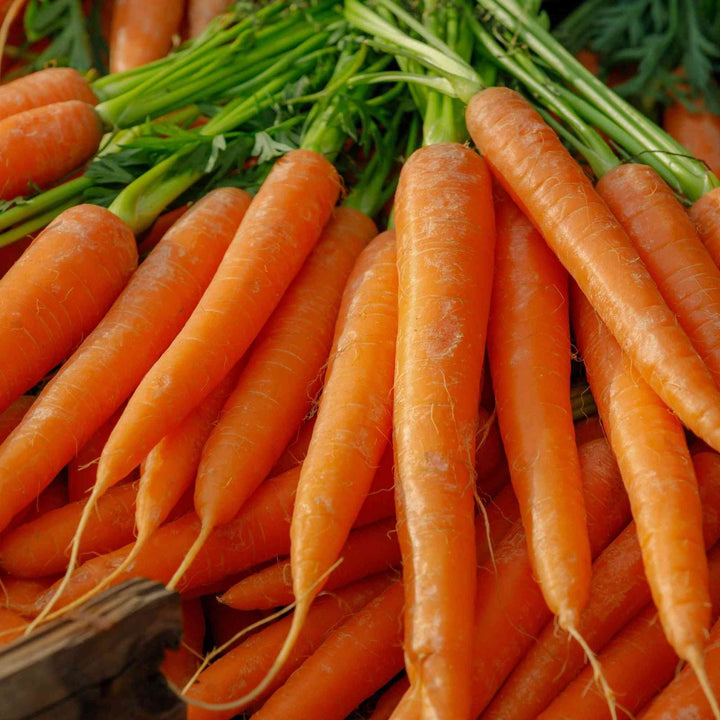
Meet the Carrot Bambino, a delightful addition to your vegetable garden. The Bambino carrot stands out with its sweet, crisp flavor and tender texture, making it a favorite for fresh eating. Its small, cylindrical roots are uniform in shape, ensuring consistent quality with every pull from the soil.
Minimum seeds per packet: 700 seeds.
About Bambino
Bambino is a biennial selection of carrot, with a rosette habit and an expected height or spread of 7–12 in. It is best suited to fresh roots, storage, cooking, color diversity, and seed saving. Notable traits include harvest when shoulders reach the expected cultivar width and roots have developed full color; sweet and aromatic with texture shaped by soil and harvest age.
Bambino is kept under its own packet name and should not be treated as interchangeable with every other carrot selection.
History and provenance
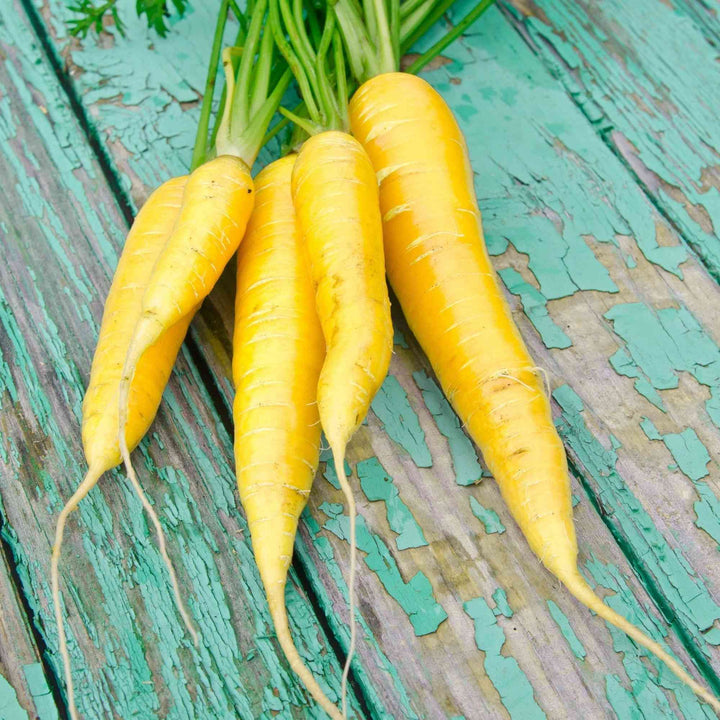
Cultivated carrots were shaped from Eurasian wild carrot populations, with early selection emphasizing aromatic roots and later regional selection producing familiar orange, yellow, white, red, and purple garden forms. Modern market classes such as Nantes, Danvers, Chantenay, Imperator, and round forcing types describe root form more reliably than an unsupported pedigree story. Carrot - Bambino, the charming dwarf of the carrot family, emerges from the fertile soils of Europe, where its petite form and vibrant hue have captured the hearts of gardeners and chefs alike. The name Bambino, meaning \"little child\" in Italian, perfectly encapsulates its diminutive stature and playful appeal. Some say this name reflects the carrot's role as a delightful introduction to gardening for children, while others believe it signifies the youthful sweetness and tenderness of its roots.For generations, the Bambino carrot has been a staple in European gardens, cherished not only for its crisp texture and sweet flavor but also for its versatility and nutritional benefits. Home cooks would incorporate these small carrots into salads, roasts, and soups, often to add a burst of color and sweetness to the dish.
Growing facts
| Scientific name | Daucus carota L. subsp. sativus (Hoffm.) Arcang. |
|---|---|
| Life cycle | Biennial |
| Maturity | 60-69 Days |
| Germination | 10-21 Days at 55–70 °F |
| Seed depth | 1/4 in |
| Plant height / spread | 7–12 in |
| Growth habit | Rosette |
| Spacing | 2 in between plants; 12 in between rows |
| Sunlight | Full sun |
| Soil | Sandy loam; pH 6.0–6.5 |
| Water | Moderate |
| Support | No-Support |
Starting Bambino from seed
Sow 1/4 in deep and keep the seed zone evenly moist. Expect emergence in 10-21 Days when the seed-zone temperature is near 55–70 °F. Germination preparation: Direct sow into a prepared, weed-free seedbed; avoid disturbing developing roots or dense stands. Light requirement: Cover evenly to 1/4 in. Soaking: Optional short soak; do not leave seed waterlogged. Stratification: None required. Scarification: None required.
Planting and care
Plant during spring and provide full sun. Space plants 2 in apart with 12 in between rows. Use sandy loam with a pH near 6.0–6.5, and follow a moderate watering plan. Support requirement: No-Support. Frost response: Semi-Hardy. Good container fit with drainage, even moisture, and the listed spacing
Harvest and use
Approximately 60-69 Days, from direct sowing to market-size roots. Weather, soil temperature, and planting method can shift the actual harvest date. Harvest: Harvest when shoulders reach the expected cultivar width and roots have developed full color. Uses: Fresh roots, storage, cooking, color diversity, and seed saving. Flavor: sweet and aromatic with texture shaped by soil and harvest age. Seed saving: Insect-pollinated umbel crop. Best uses include fresh roots, storage, cooking, color diversity, and seed saving. Flavor and eating quality: sweet and aromatic with texture shaped by soil and harvest age.
Saving seed
Select several healthy, true-to-type Bambino plants that match the expected rosette habit and overall plant form. Avoid saving seed only from the earliest or largest individual unless that is your deliberate selection goal. Pollination system: Insect-pollinated umbel crop. Compatible plants of the same species can cross through insect activity; wild relatives matter for carrot and parsnip. Separate compatible varieties that may flower together, or use cages, barriers, hand pollination, or another documented control appropriate to the crop. Bambino is a biennial. Seed production may require overwintering, vernalization, or more than one growing season, depending on climate and crop biology. Clean the seed carefully, dry it thoroughly away from direct heat, label the lot with variety and year, and store it cool, dark, and dry. Test germination before an important planting or distribution season.
Common problems
Common concerns: Carrot rust fly or root maggot where present, aphids, caterpillars, leaf spots, damping-off, and uneven emergence from crusted soil. Management: Use clean seedbeds, rotation, careful watering, prompt thinning, airflow, and locally appropriate exclusion methods. Diagnosis note: Similar symptoms can have different causes. Compare plants of the same age, record weather and irrigation, and use local Extension or diagnostic support before applying a control.
Frequently asked questions
Frequently Asked Questions - Bambino
When is Bambino ready? Use 60-69 Days. Approximately 60-69 Days, from direct sowing to market-size roots. Weather, soil temperature, and planting method can shift the actual harvest date.
How long does germination take? Expect 10-21 Days at about 55–70 °F. Cooler, hotter, crusted, saturated, or dry seedbeds can slow emergence.
How large does it grow? Expect about 7–12 in with a rosette habit. Space plants 2 in apart and rows 12 in apart. Support: No-Support.
Can it grow in a container? Good container fit with drainage, even moisture, and the listed spacing Use a container with drainage and enough volume to maintain the listed spacing and steady moisture.
Can I save seed? Insect-pollinated umbel crop. Keep compatible varieties isolated and allow selected plants to reach full seed maturity.