Variety field guide
What to expect from H-19 Little Leaf Slicing cucumber Seeds
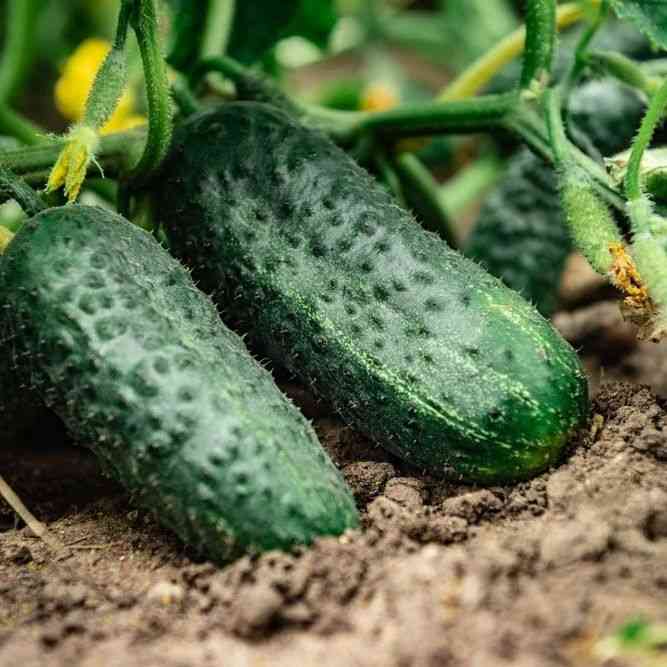
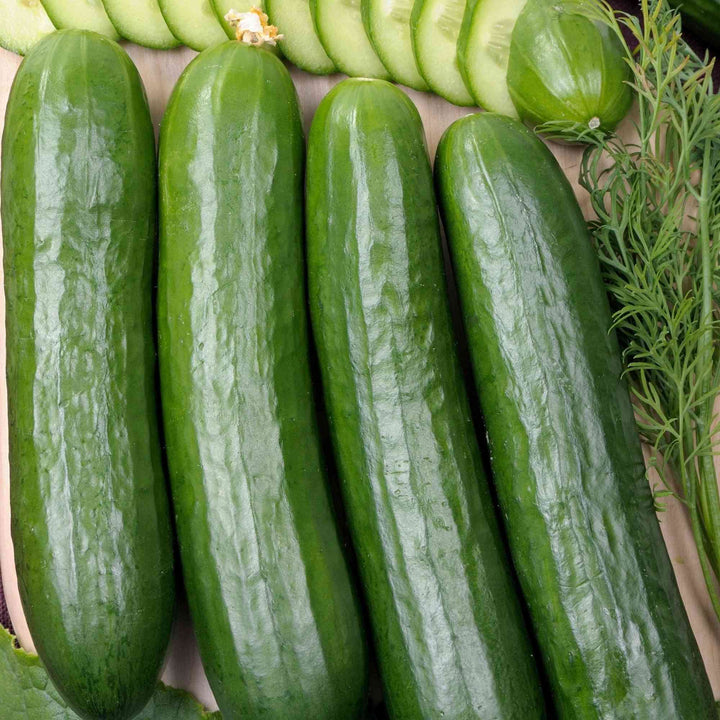
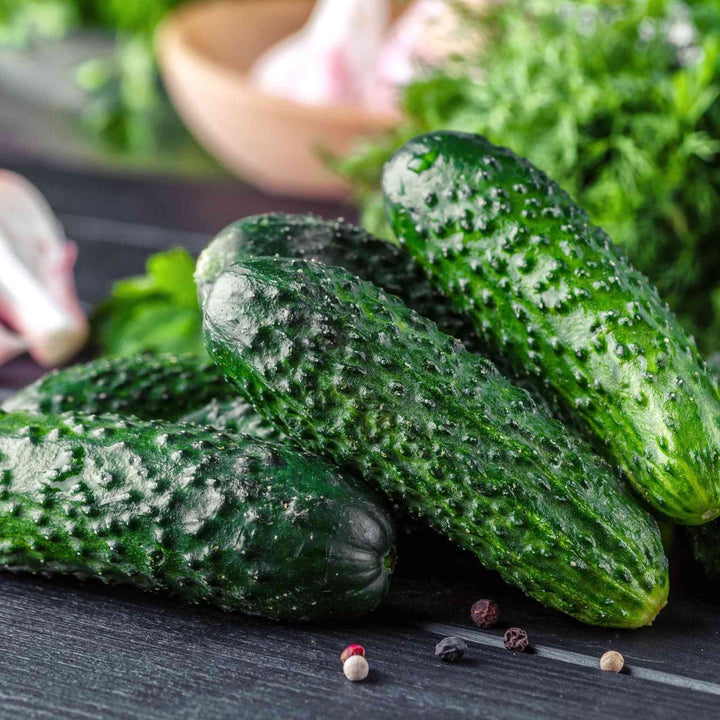
H-19 Little Leaf Slicing cucumber seeds produce green fruit, About 5 in long, on bush plants.
Read the complete product descriptionTraits, flavor, garden use, variety notes, and the full catalog record
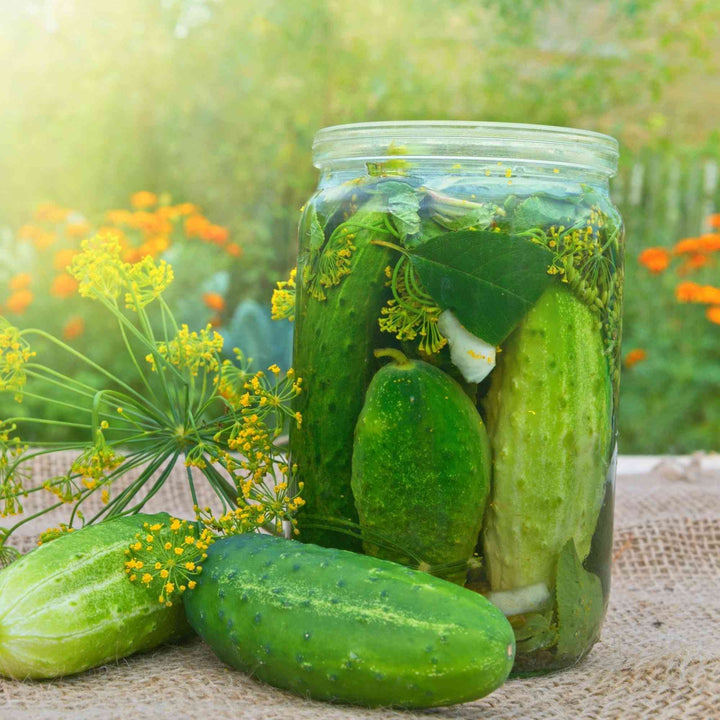
H-19 Little Leaf Slicing cucumber seeds produce green fruit, About 5 in long, on bush plants. Grow it for fresh eating or pickling, trellised gardens, succession sowing, and summer harvest; Perfect for pickling or fresh snacking, their crisp texture and mild, slightly sweet flavor make them a delightful addition to any culinary creation. H-19 Little Leaf Cucumber Seeds yield. The cucumbers showcase a refreshing medium-green hue.
About H-19 Little Leaf
H-19 Little Leaf is an annual slicing cucumber with green color, 13–18 in mature height or spread, and a bush habit. Harvest form or size: About 5 in long. Botanically it is Cucumis sativus L. Maturity or first bloom: 60-69 Days; germination: 7-10 Days at 75–90 °F. Best for fresh eating or pickling, trellised gardens, succession sowing, and summer harvest. Perfect for pickling or fresh snacking, their crisp texture and mild, slightly sweet flavor make them a delightful addition to any culinary creation.
History and provenance
North Carolina State University records H-19 as a University of Arkansas cultivar selected from the little-leaf line Ark. The exact identity of the seed lot remains tied to its supplier and lot records, so no additional lineage is assigned beyond the cited record. Growers saving seed should keep the original packet, source, year, and selection notes with the lot. well suited for pickling or fresh snacking, their crisp texture and mild, slightly sweet flavor make them a delightful addition to any culinary creation. With a bushy growth habit, the H-19 Little Leaf is ideal for small gardens or container planting. The H-19 Little Leaf is parthenocarpic, meaning it can set fruit without pollination, ensuring consistent production even in less-than-ideal conditions. Whether you're a seasoned gardener or a novice, this cucumber promises a fruitful and satisfying growing experience.
Growing facts
| Scientific name | Cucumis sativus L. |
|---|---|
| Life cycle | Annual |
| Maturity / first bloom | 60-69 Days |
| Germination | 7-10 Days at 75–90 °F |
| Seed depth | 1/2 in |
| Plant height / spread | 13–18 in |
| Growth habit | Bush |
| Spacing | 12 in between plants; 30 in between rows |
| Sunlight | Full sun |
| Soil | Loamy; pH 6.0–6.5 |
| Water | Moderate |
| Support | No-Support |
Starting H-19 Little Leaf from seed
How to grow H-19 Little Leaf Slicing cucumber
Botanical identity: Cucumis sativus L. Life cycle: Annual.
Sow 1/2 in and use a seed-zone temperature near 75–90 °F. Expected emergence: 7-10 Days. No stratification; direct sow into warm soil or start briefly in biodegradable cells and transplant young
Plant during Late Spring. Space plants 12 in apart with 30 in between rows or planting bands.
Provide Full sun, moderate water, and loamy near pH 6.0–6.5. Support: No-Support.
Garden performance and care
Harvest H-19 Little Leaf frequently at the intended eating stage so oversized fruit does not slow production. Keep vines off wet soil where possible, water at the root zone, and watch early for cucumber beetles and wilt symptoms. Expected emergence is 7-10 Days; the listed maturity or bloom timing is 60-69 Days.
Harvest, bloom, and uses
H-19 Little Leaf is best for fresh eating or pickling, trellised gardens, succession sowing, and summer harvest. Harvest form or size: About 5 in long. Color at the principal harvest or mature stage: Green. Perfect for pickling or fresh snacking, their crisp texture and mild, slightly sweet flavor make them a delightful addition to any culinary creation.
Saving seed
Seed saving for H-19 Little Leaf Select several healthy, true-to-type plants so the saved lot represents the variety rather than one unusually early or large individual. Cucumis sativus L. varieties can cross with other cucumbers of the same species through insect-carried pollen. Isolate by distance, flowering control, bagging, or hand pollination and maintain enough plants to represent the variety. Mark seed fruit early, then allow it to grow far past eating stage until large and pale, yellow, or golden. Hold mature fruit briefly if sound, scoop seed and pulp, ferment about 24–48 hours, wash away pulp and light seed, and dry the heavy seed thoroughly in a thin layer. Label the lot with isolation and selection records and test germination before distribution.
Common problems
Watch H-19 Little Leaf for cucumber beetles, squash bugs where applicable, aphids, powdery or downy mildew, bacterial wilt, crown rot, poor pollination, and fruit damage on wet soil. Rotate cucurbit crops, provide airflow, water at the root zone, protect young plants before flowering, and remove covers when blossoms need pollinators. Do not work wet vines.
Frequently asked questions
When is H-19 Little Leaf ready?
60-69 Days from warm direct sowing or equivalent established transplant
How long does germination take?
Expect 7-10 Days near 75–90 °F; actual emergence changes with moisture, seed condition, and soil temperature.
How large does it grow?
About 13–18 in with a bush habit. Support: No-Support.
Can it grow in a container?
Suitable for a large container with full sun, dependable drainage, steady water, and room for the mature canopy.
How is it used?
Primary uses: fresh eating or pickling, trellised gardens, succession sowing, and summer harvest. Perfect for pickling or fresh snacking, their crisp texture and mild, slightly sweet flavor make them a delightful addition to any culinary creation.
Can I save seed?
Yes where the crop biology allows, but keep compatible varieties isolated, use several healthy plants, wait for full seed maturity, dry thoroughly, and label the lot.
Minimum Seed Count:25 seeds