Free U.S. seed shipping $25+. Seeds ship free at the threshold. Storefront goods, pantry finds, books & local goods are being added.

New seeds, Main Street specials, and storefront finds update as the market grows.

Athena Hybrid F1 Melon Seeds

Scientific name Cucumis melo

Seed packet & garden essentials

What to know before you plant

View complete growing & care facts
10 minimum seeds per packet
  • Maturity70-79 Days · 70-79 Days
  • Growth habitVining/Climbing · Annual · 25–30 in tall
  • Best useproductive warm-season beds, trellises or sprawling vines, kitchen use, and seed saving
  • Flavor & characterKnown for its vigorous vines, dependable yields, and excellent disease resistance, Athena Hybrid Melon delivers large, heavily netted fruits with deep orange flesh, exceptional sweetness, and a rich · Orange
  • Germination4-10 Days days · 70–85 °F
  • Seed preparationUse clean seed-starting conditions, the listed sowing depth and temperature, and steady moisture without saturation
  • SunFull sun
  • Support & spacingNo-Support · space 24 in · rows 60 in
  • Container fitPossible in a properly sized container with reliable drainage, moisture, and room for the mature plant
  • Water needsModerate
  • SoilSandy loam · pH 6.0–6.5
  • Planting seasonSpring · blooms Summer · Tender
$200 USD

Pickup available at Bertie County Seeds

Usually ready in 2-4 days

Secure checkout Details
Generic
Triple-tested seed qualityRegular quality and germination checks support every packet.

We regularly test seed quality and germination as lots move through storage and packing. We stand behind the seed we send and want customers to contact us when a packet does not perform as reasonably expected.

1-year seed warrantyCoverage begins on the date of purchase.

When properly stored, planted, and cared for, we guarantee reasonable germination and true-to-type growth for one year from the date of purchase. Conditions outside our control—including extreme weather, pests, unsuitable storage, and gardener error—are excluded. Contact us when something is not right so we can review the situation and work toward a replacement, refund, or another fair resolution.

Non-GMO / BE seed policyWe do not buy or sell genetically engineered or bioengineered seed.

Every seed variety we sell is non-GMO.

USDA’s National Bioengineered Food Disclosure Standard defines bioengineered foods as containing detectable genetic material modified through in vitro recombinant DNA methods in ways not achievable through conventional breeding or found in nature.

  • Hybrid means parent lines were conventionally crossed; hybrid does not mean GMO.
  • Heirloom and open-pollinated describe how a variety is maintained and reproduced.
  • Organic certification is separate and is shown only when verified for the individual product.
Packed in Colerain, North CarolinaPrepared in our seed room for gardens across the country.

Seeds are packed and shipped from Colerain, North Carolina. Our packets use forestry-certified paper, and we use recyclable paper mailers where appropriate. AONSK is also a 1% for the Planet partner while continuing to reduce waste in packing and fulfillment.

Seed success profile

Rules-based · no AI
Gardener experience Some experience is helpful
Germination difficulty Straightforward
Preparation before sowing
Use clean seed-starting conditions, the listed sowing depth and temperature, and steady moisture without saturation
Germination speed
Typical — usually 7–21 days
Growing complexity
Warm-season vine or bush requiring root room, pollination, and protection from crown and vine pests
Patience and timing
70-79 Days
Is this seed a good match for your experience?
Expected germination
4-10 Days
Germination temperature
70–85 °F
Stratification
Not normally required by the current record
Scarification
Not normally required by the current record
Pre-soaking
Not normally required by the current record
Light during germination
Cover to the recorded depth; provide strong light immediately after emergence
Germination pattern
Usually reliable when seed is stored well and temperature, depth, moisture, and preparation match the recorded requirements
Transplant sensitivity
Often sensitive to root disturbance; direct sow or transplant young
Starting method
Cataloged as suitable for direct sowing; follow the product-specific timing and depth.
Best chance of success
For Athena Hybrid F1 Melon Seeds, control temperature and moisture at sowing, label the start date, and compare emergence with the complete recorded germination window before reseeding.
What to expect

Preparation: Use clean seed-starting conditions, the listed sowing depth and temperature, and steady moisture without saturation. Germination light: Cover to the recorded depth; provide strong light immediately after emergence. Expected emergence: 4-10 Days. Temperature: 70-85 °F.

Slow germination is not automatically failed germination.

Maintain the listed temperature, moisture, light, and treatment conditions for the full expected window. Some seed lots emerge gradually rather than all at once.

Looking for an easier starting point? West Indian Burr Gherkin Cucamelon Seeds

1 Beginner-friendly 2 One extra step 3 Some experience helpful 4 Patient growers 5 Advanced propagation

This deterministic profile uses recorded product facts; it is not Artificial Intelligence and is not a guarantee. Seed age, storage, sowing depth, moisture, temperature, light, local conditions, and aftercare can all affect results. Last reviewed July 2026.

Build a garden-fit plan

Check this seed against your real growing conditions

Compare timing, germination preparation, sunlight, soil, water, space, support, intended use, and your preferred level of seed-starting complexity.

Open the detailed garden-fit planner Deterministic rules · no Artificial Intelligence · no live weather service

Complete product description

Athena Hybrid F1 Melon Seeds

We had a local customer who operates a food stand request this specific melon. While we don’t typically carry it, we wanted to help support our neighbor, so we sourced JUST enough for them and a few lucky customers!

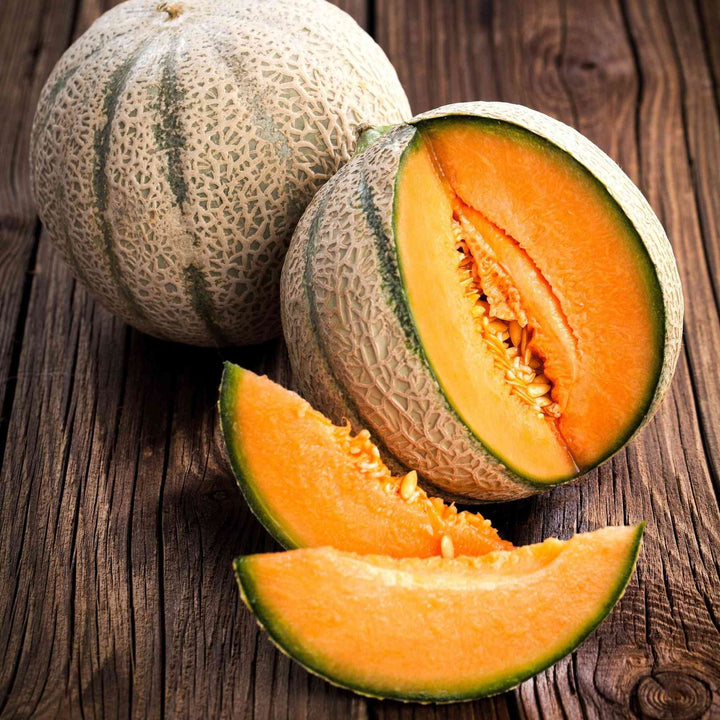
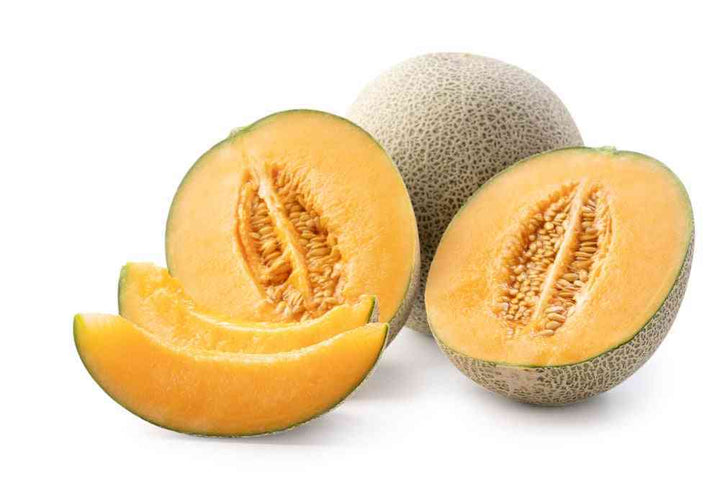
Athena Hybrid Melon Seeds produce one of the most trusted and widely grown cantaloupe varieties for home gardens and market growers alike. Known for its vigorous vines, dependable yields, and excellent disease resistance, Athena Hybrid Melon delivers large, heavily netted fruits with deep orange flesh, exceptional sweetness, and a rich, classic cantaloupe aroma. Athena Hybrid Melon performs especially well in warm, humid climates where many melon varieties struggle, making it a favorite across much of the United States. With strong vigor, uniform fruit size, and reliable production, Athena Hybrid Melon is an outstanding choice for gardeners seeking both flavor and performance.

Each Athena Hybrid Melon matures to approximately 5–6 pounds and develops firm, juicy flesh that is perfect for fresh eating, fruit salads, smoothies, desserts, and local market sales. The fruits reach peak quality at full slip, when they naturally separate from the vine and reveal their full sweetness. Athena Hybrid Melon is valued not only for its outstanding flavor but also for its excellent shelf life, attractive appearance, and resistance to common melon diseases including Fusarium wilt and powdery mildew. Whether you're growing for your family, a farm stand, or a farmers market, Athena Hybrid Melon Seeds provide the reliability, sweetness, and garden performance that have made this variety a grower favorite for decades.

Minimum Seed Count: 10 seeds

Every recorded growing detail

Complete growing & care facts

Continue to the garden-fit planner

Plant identity

Minimum seed count 10 seeds
Seed product profile Cucurbit
Scientific name Cucumis melo
Also known as Melon, Melon Seeds - Athena Hybrid F1 (LIMITED TIME!)
Color Orange
Life cycle Annual
Botanical family Cucurbitaceae
Reproductive type Hybrid (F1)
Heritage qualifiers Non-GMO
Native to the United States No - Introduced
Domestication note Africa – Sahel / West Africa

Seed success and gardener experience

Gardener experience Some experience is helpfulLevel 3 of 5
Germination difficulty StraightforwardLevel 2 of 5
Preparation before sowing Use clean seed-starting conditions, the listed sowing depth and temperature, and steady moisture without saturation
Stratification Not normally required by the current record
Scarification Not normally required by the current record
Pre-soaking Not normally required by the current record
Light during germination Cover to the recorded depth; provide strong light immediately after emergence
Germination pattern Usually reliable when seed is stored well and temperature, depth, moisture, and preparation match the recorded requirements
Growing complexity Warm-season vine or bush requiring root room, pollination, and protection from crown and vine pests
Transplant sensitivity Often sensitive to root disturbance; direct sow or transplant young
First harvest or bloom 70-79 Days
Best chance of success For Athena Hybrid F1 Melon Seeds, control temperature and moisture at sowing, label the start date, and compare emergence with the complete recorded germination window before reseeding.

Timing and climate

Days to maturity 70-79 Days
Germination 4-10 Days
Germination temperature 70–85 °F
Planting season Spring
Bloom season Summer
Frost tolerance Tender
Sunlight Full sun
Water needs Moderate

Site, soil, and space

Soil type Sandy loam
Preferred soil pH 6.0–6.5
Seed depth 1/2 in
Plant spacing 24 in
Row spacing 60 in
Mature height 25–30 in
Growth habit Vining/Climbing
Support needed No-Support
Suitable growing locations In-ground bed

Crop-specific details

Fruit size 5-6 pounds
Flavor profile Known for its vigorous vines, dependable yields, and excellent disease resistance, Athena Hybrid Melon delivers large, heavily netted fruits with deep orange flesh, exceptional sweetness, and a rich

Garden-fit planning for this variety

Will Athena Hybrid F1 Melon Seeds fit your garden?

Check vine space, warmth, pollination, water, support, and harvest use.

Rules-based · no AI
Questions for this vining crop seed
Seed-starting fit and patience
Recorded product profileSome experience is helpfulStraightforwardRead why
Soil test, pH, drainage, and amendment calculator Have a laboratory soil report? Enter pH, nutrients, texture, bed size, and site observations here. Open soil tools
Recorded soil typeSandy loam
Recorded pH range6.0–6.5
Water needsModerate
LightFull sun

Soil Readiness

for Cucumber (Cucumis sativus)

Where to get a soil test

Best option: your state’s Cooperative Extension soil testing lab.

Tip: Arid or alkaline regions often use Olsen for phosphorus interpretation.
Adjusts P ppm target and interpretation.
Target 6.2-7.0
Ideal 4-8%
Target 30-60 ppm (Mehlich-3)
Target 150-250 ppm
Ok ≥ 1000 ppm
Ok ≥ 120 ppm
Used for pH adjustment size
For shopping list amounts
Interprets P by extractant, assumes ppm. Results are approximate.
Enter at least one value above, then Calculate.

The full variety record

Sowing, care, harvest, troubleshooting, and history

How to start Athena Hybrid F1 Melon Seeds from seedPreparation, timing, depth, germination, transplanting, spacing, and early care

Variety-specific germination notes

Preparation: Use clean seed-starting conditions, the listed sowing depth and temperature, and steady moisture without saturation. Germination light: Cover to the recorded depth; provide strong light immediately after emergence. Expected emergence: 4-10 Days. Temperature: 70-85 °F.

Complete sowing and planting guidance

Direct sow Athena Hybrid melon seeds outdoors after all danger of frost has passed and soil temperatures have reached at least 70°F (21°C). Plant seeds 1/2–1 inch deep in fertile, well-drained soil enriched with compost or aged organic matter. For best germination, choose a location that receives full sun throughout the day and warms quickly in spring. Sow 2–3 seeds per planting site, then thin to the strongest seedling once plants develop their first true leaves.In areas with shorter growing seasons, seeds may be started indoors 3–4 weeks before transplanting. Use biodegradable pots whenever possible, as melons dislike root disturbance. Harden seedlings off gradually for 7–10 days before transplanting outdoors. Transplant carefully after nighttime temperatures remain consistently above 55°F (13°C).Space plants 24–36 inches apart with 60 inches between rows to provide adequate room for vigorous vine growth and good airflow. Water thoroughly after planting and maintain consistent soil moisture during establishment. Applying mulch once the soil has warmed helps conserve moisture, suppress weeds, and keep developing fruit clean. Avoid overhead irrigation whenever possible to reduce disease pressure and encourage healthy vine development.
How to grow this specific varietyLight, water, fertility, support, spacing, airflow, crop behavior, and season-long care

Complete growing guide

Grow Athena Hybrid melon in full sun after all danger of frost has passed and the soil has warmed. Melons resent cold roots, so wait for settled warm weather before direct sowing or transplanting. Choose a fertile, well-drained site with plenty of space for vines to spread.Athena performs best in compost-rich sandy loam or loamy soil with consistent moisture. Keep plants evenly watered during early vine growth, flowering, and fruit sizing. Water deeply at the base rather than overhead to reduce foliar disease pressure.Mulch around the vines once soil is warm to conserve moisture, reduce weeds, and keep developing fruit cleaner. If vines are crowded, gently guide them rather than pruning heavily. Strong airflow is important in humid climates, especially where powdery mildew is common.Pollination is essential for good fruit set. Bees and other pollinators move pollen between male and female flowers, so avoid spraying when flowers are open. Remove row cover once flowering begins so pollinators can reach the blossoms.Harvest Athena melons at full slip, when a ripe fruit releases easily from the vine with a light pull. Frequent checking is important because ripe melons can mature quickly in hot weather. Athena is valued for holding quality, firm flesh, and reduced cracking compared with many melons.
Practical field and garden tipsExtra techniques, timing adjustments, and observations that improve success
Athena Hybrid melon rewards growers who pay close attention to timing, moisture management, and harvest readiness. One of the most important secrets to producing exceptionally sweet fruit is maintaining consistent soil moisture during vine growth, flowering, and fruit development, then slightly reducing irrigation as harvest approaches. Excess water during the final stages of ripening can dilute sugars and reduce flavor intensity, while severe drought stress may cause undersized fruit, poor netting, blossom drop, or uneven ripening. A layer of organic mulch around plants helps regulate soil moisture and temperature throughout the season.As fruits begin to enlarge, place straw, pine needles, cardboard, landscape fabric, or small boards beneath developing melons to keep them off damp soil. This simple step helps prevent rot, discourages insect damage, improves air circulation around the fruit, and produces cleaner melons at harvest. Regularly inspect vines for signs of disease, pest activity, or damaged fruit, especially during periods of high humidity when fungal diseases can develop rapidly.Athena melons are best harvested at the "full slip" stage, when the fruit naturally separates from the vine with gentle pressure. Avoid harvesting too early, as melons will not continue developing their full sugar content after removal from the vine. A ripe Athena melon will have a sweet fragrance, a well-developed netted rind, and a slight softening near the stem end. During hot weather, fruit can move from nearly ripe to overripe in only a few days, so check plants frequently as maturity approaches.For the highest eating quality, refrigerate harvested melons for several hours before serving. Whole melons store best under cool conditions and should be used within a week or two for peak flavor. Once cut, refrigerate immediately and consume within several days. Athena's firm orange flesh makes it excellent for fresh eating, fruit salads, smoothies, desserts, and market sales due to its attractive appearance and good shelf life.Because Athena is a Hybrid (F1) variety, seed saving is not recommended for growers who wish to preserve the same characteristics in future plantings. Saved seed may produce plants with unpredictable fruit size, flavor, vigor, and disease resistance. Gardeners interested in maintaining consistent Athena performance should purchase fresh seed each season. For best long-term garden health, rotate melon plantings every 3–4 years and avoid growing cucurbits in the same location repeatedly to reduce disease and pest buildup.
Harvest, storage, uses, and benefitsWhen and how to harvest, ways to use the crop, storage, culinary value, habitat value, and garden roles

Uses and benefits

Athena Hybrid melon is prized for its exceptionally sweet flavor, fragrant aroma, attractive netted rind, and firm orange flesh. It is an excellent choice for home gardeners, market growers, and small farms seeking reliable yields, uniform fruit size, and strong disease resistance. The variety performs particularly well in regions with warm summers and humid growing conditions where many other melons struggle.The juicy, flavorful flesh is ideal for fresh eating straight from the garden and is a favorite addition to fruit salads, breakfast platters, smoothie bowls, fresh juices, and summer desserts. Its rich sweetness pairs well with berries, citrus fruits, yogurt, cured meats, and fresh herbs, making it a versatile ingredient in both sweet and savory dishes.Athena's excellent shelf life and attractive appearance make it a popular choice for farmers markets, roadside stands, community-supported agriculture (CSA) programs, and local produce sales. The fruits hold their quality well after harvest, helping growers reduce losses while maintaining market appeal.In the home garden, Athena Hybrid offers dependable productivity, vigorous vines, and consistent fruit quality. Its disease resistance package helps improve success rates for gardeners in areas where powdery mildew and fusarium wilt can limit melon production. The combination of flavor, reliability, appearance, and storage quality has made Athena one of the most widely grown cantaloupe-type melons in North America.
Seed saving and carrying the variety forwardPollination, isolation, selection, harvest, cleaning, drying, and storage
Not recommended for true-to-type seed because this is a hybrid variety.
Common pests, diseases, and growing problemsIdentification, prevention, crop-safe response, and when intervention is justified

Complete pest and problem guide

Athena Hybrid melon is generally dependable, but like most cantaloupes it performs best when grown with steady warmth, strong airflow, fertile soil, and consistent moisture. The most common problems come from cucumber beetles, aphids, squash bugs, powdery mildew, fusarium wilt pressure, uneven watering, poor pollination, and fruit rot where melons rest on wet soil.Cucumber beetles can chew seedlings and spread bacterial wilt, while aphids cluster on tender new growth and may cause curled leaves or sticky residue. Use row cover early, remove it once flowers open for pollination, and manage pests with scouting, hand removal, insecticidal soap for aphids, and crop rotation away from cucurbits.Athena has good disease resistance, especially to fusarium wilt and powdery mildew, but resistance does not replace prevention. Space vines well, water at soil level, avoid wet foliage, mulch beneath fruit, and remove infected leaves when disease first appears.Cultural stress can cause poor fruit set, bland flavor, cracking, or premature vine decline. Keep soil evenly moist during vine growth and fruit sizing, then reduce excess watering near ripening to improve sweetness. Harvest at full slip, when ripe fruit releases easily from the vine.
Questions gardeners ask about this seedProduct-specific answers for sowing, care, harvest, use, and seed saving
Q: What makes Athena Hybrid melon different?A: Athena Hybrid is known for uniform 5–6 lb cantaloupe-type fruit, firm orange flesh, good aroma, and strong shipping and shelf-life quality. It is widely grown in the eastern United States because it handles humid production conditions better than many older melon types.Q: Is Athena Hybrid a true cantaloupe?A: In the U.S. seed trade, Athena is usually sold as a cantaloupe or muskmelon. Botanically, it is Cucumis melo, the same species group used for many netted dessert melons.Q: How long does Athena Hybrid take to mature?A: Athena Hybrid is typically listed around 75 days to maturity from sowing or transplanting, depending on conditions. Cool soil, cloudy weather, drought stress, or poor fertility can delay ripening.Q: Does Athena Hybrid need a trellis?A: It can be grown on the ground without support, which is the simplest method for large fruits. A very strong trellis can be used in small gardens, but each melon should be supported with a sling.Q: How do I know when Athena melons are ripe?A: Harvest when the fruit reaches full slip, meaning it separates from the vine with a gentle tug. The rind should be well netted, aromatic, and the fruit should feel heavy for its size.Q: Can Athena Hybrid grow in containers?A: It can grow in very large containers, but it is better suited to open garden beds because the vines are vigorous and the fruit is heavy. Use a large container, rich soil, full sun, and consistent watering.Q: Is Athena Hybrid good for beginners?A: Yes, it is a good beginner melon where summers are warm and long enough. Its disease resistance and dependable fruit quality make it more forgiving than many specialty melons.Q: Can I save seed from Athena Hybrid?A: Seed saving is not recommended for true-to-type results because Athena is an F1 hybrid. Saved seed may produce variable plants and fruit that do not match the original variety.
History, provenance, and cultural contextWhat is documented, what is reported, what remains uncertain, and how the variety reached gardeners

Scientific name: Cucumis melo

Plant and variety history

Cucumis melo has a long and complex domestication history, with cultivated melons spreading across Africa, Asia, the Mediterranean, and eventually Europe and the Americas through agriculture, trade, migration, and regional selection. Sweet dessert melons became especially valued for their fragrance, juicy flesh, and ability to provide refreshing food in hot growing regions.Athena Hybrid belongs to the modern eastern shipping cantaloupe tradition, developed for growers who needed excellent flavor along with firm flesh, disease resistance, and shelf stability. It became especially important in the eastern United States, where humidity and disease pressure can challenge melon production.Unlike heirloom melons selected for seed saving over generations, Athena is an F1 hybrid. Its value is consistency: uniform fruit, dependable maturity, strong orange flesh, and disease resistance to major melon problems including fusarium wilt and powdery mildew.

Continue planning

Related seeds, collections, and growing guides

Explore the full collection
Heirloom Melon Seeds for Home GardensExplore the full collection →
Honey Rock Melon Seeds

Honey Rock Melon Seeds

A garden-ready melon seed selection for home growers, market gardens, and seedkeepers.

Customer experience

Reviews for Athena Hybrid F1 Melon Seeds

Customer Reviews

Be the first to write a review
0%
(0)
0%
(0)
0%
(0)
0%
(0)
0%
(0)