Free U.S. seed shipping $25+. Seeds ship free at the threshold.

Current Processing Times Before Shipping Are 1-2 Business Days

25% OFF Select heirloom seed packets are $1.50, regularly $2.00. Sale packets are marked down · coupons apply to eligible full-price items only. Shop seed packets →

Table King Bush Acorn Squash Seeds

Scientific name Cucurbita pepo

About this variety

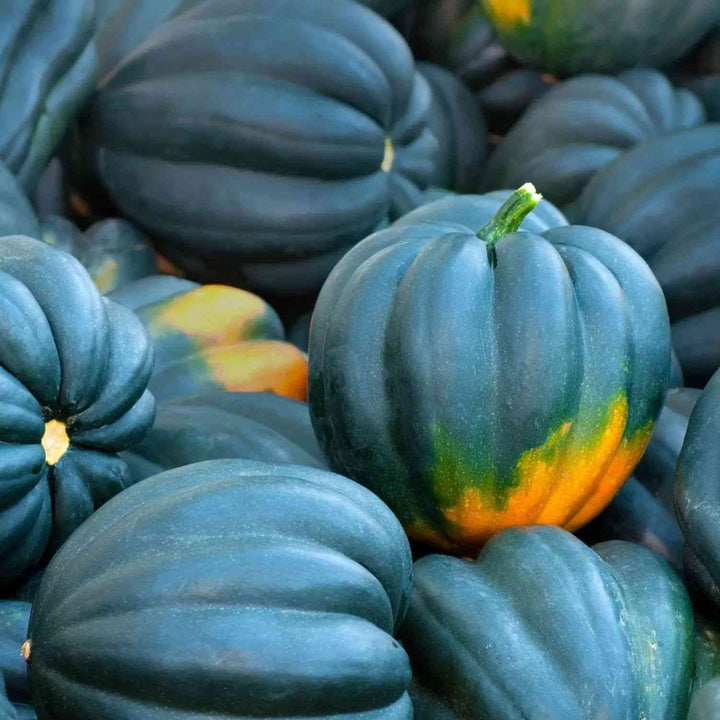
Table King bears dark green acorn squash on compact, bushy plants, making a winter squash harvest possible without the long runners of many other varieties. The ridged fruits contain orange flesh that becomes tender when baked or roasted. Halves make convenient individual servings, with space in the center for a savory filling. Let the fruits ripen fully on...

Continue with the complete description
$200 USD

At a glance

The facts most gardeners need first

View the full variety record
25 minimum seeds per packet
Germination time

4-14 days at 70-85 F seed-zone soil temperature

  • Germination
    4-14 daysa seed-zone soil temperature of 70-85 F
  • Sun
    Full sun
  • Support and spacing
    No support needed · space 36 in · rows 48 in
  • Growth habit
    Bush · Annual
  • Planting season
    Late Spring · blooms Summer · Tender
Secure checkout Details
Generic
Triple-tested seed qualityRegular quality and germination checks support every packet.

We regularly test seed quality and germination as lots move through storage and packing. We stand behind the seed we send and want customers to contact us when a packet does not perform as reasonably expected.

1-year seed warrantyCoverage begins on the date of purchase.

When properly stored, planted, and cared for, we guarantee reasonable germination and true-to-type growth for one year from the date of purchase. Conditions outside our control—including extreme weather, pests, unsuitable storage, and gardener error—are excluded. Contact us when something is not right so we can review the situation and work toward a replacement, refund, or another fair resolution.

Non-GMO / BE seed policyWe do not buy or sell genetically engineered or bioengineered seed.

Every seed variety we sell is non-GMO.

USDA’s National Bioengineered Food Disclosure Standard defines bioengineered foods as containing detectable genetic material modified through in vitro recombinant DNA methods in ways not achievable through conventional breeding or found in nature.

  • Hybrid means parent lines were conventionally crossed; hybrid does not mean GMO.
  • Heirloom and open-pollinated describe how a variety is maintained and reproduced.
  • Organic certification is separate and is shown only when verified for the individual product.
Packed in Colerain, North CarolinaPrepared in our seed room for gardens across the country.

Seeds are packed and shipped from Colerain, North Carolina. Our packets use forestry-certified paper, and we use recyclable paper mailers where appropriate. AONSK is also a 1% for the Planet partner while continuing to reduce waste in packing and fulfillment.

Garden tools

Need a plan for your space?

Use the garden-fit planner and soil calculator to turn the recorded growing facts into a practical plan.

Open garden tools Uses this product’s recorded growing information. Local weather and garden conditions may vary.

Variety field guide

What to expect from Table King Bush Acorn Squash Seeds

Table King bears dark green acorn squash on compact, bushy plants, making a winter squash harvest possible without the long runners of many other varieties.

Read the complete product descriptionTraits, flavor, garden use, variety notes, and the full catalog record

Table King bears dark green acorn squash on compact, bushy plants, making a winter squash harvest possible without the long runners of many other varieties. The ridged fruits contain orange flesh that becomes tender when baked or roasted. Halves make convenient individual servings, with space in the center for a savory filling. Let the fruits ripen fully on the plant; their hard rind and rich flesh develop later than the tender stage of summer squash.

Compact plants with dark green fruits for baking and stuffing.

Growing facts

  • Botanical name: Cucurbita pepo
  • Maturity or display: About 75 days
  • Mature size: Compact bush habit; allow about 3 ft. per plant
  • Spacing: 36 in between plants; rows 48 in

About the variety

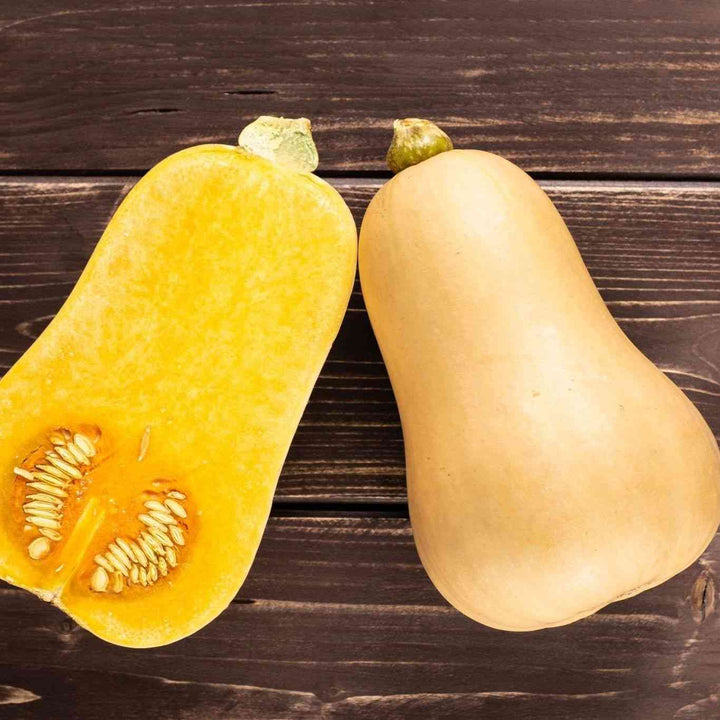
Table King is an open-pollinated bush acorn squash. Its compact habit provides mature winter squash without the long runners of many vining varieties. The fruits are harvested with fully hardened rinds.

Starting seed

Direct sow 1 in. deep after frost when soil reaches 65 F. Keep moist; sprouts in 4-14 days. Thin to 36 in. apart, rows 48 in. apart. Use full sun and rich, drained soil.

Care through the season

Water deeply as needed and mulch after the soil warms. Keep the leaves and developing fruits off persistently wet soil. Remove insect covers at flowering so bees can pollinate female flowers. Avoid crowding even when a variety has a bush habit. Acorn squash are relatively short keepers; do not assume that prolonged hot curing improves them.

Harvest and use

Harvest in about 75 days when rinds harden, before frost. Cut with stems attached; store cool and dry. For seed, isolate other C. pepo and fully ripen fruits.

Saving seed

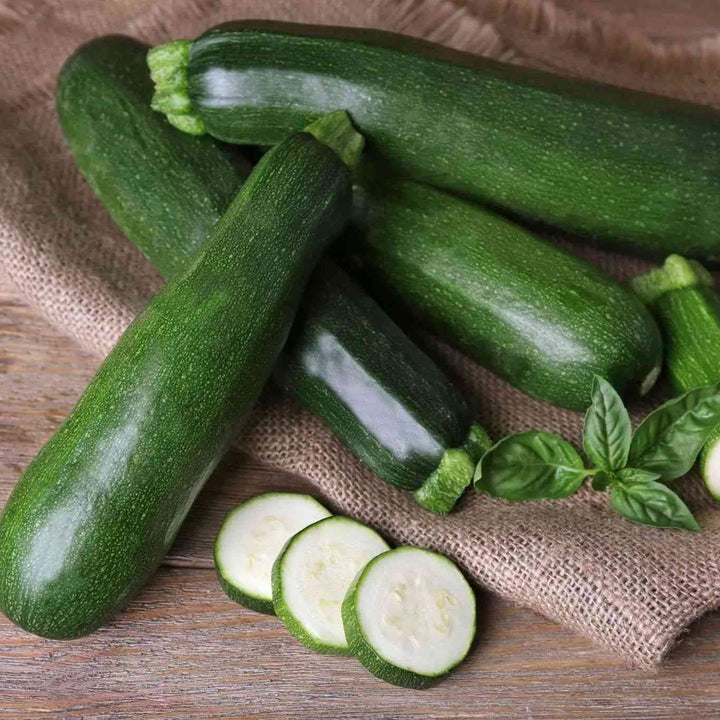
Squash can cross with other varieties of the same species. For dependable seed purity, isolate flowering varieties or hand-pollinate and protect marked flowers. Let selected fruits ripen fully, then clean and thoroughly dry the mature seeds. Seed saved from tender zucchini is immature.
Common problems

Check for cucumber beetles, aphids and mildew. Good airflow, crop rotation and watering at the roots reduce some problems. Poor pollination and uneven moisture can distort fruit. Inspect squash plants for squash bugs and vine-borer injury.

Frequently asked questions

When are the fruits ready?

Harvest in about 75 days when rinds harden, before frost. Cut with stems attached; store cool and dry. For seed, isolate other C. pepo and fully ripen fruits.

Does this variety need support?

Water deeply as needed and mulch after the soil warms. Keep the leaves and developing fruits off persistently wet soil. Remove insect covers at flowering so bees can pollinate female flowers. Avoid crowding even when a variety has a bush habit. Acorn squash are relatively short keepers; do not assume that prolonged hot curing improves them.

Can I save seeds?

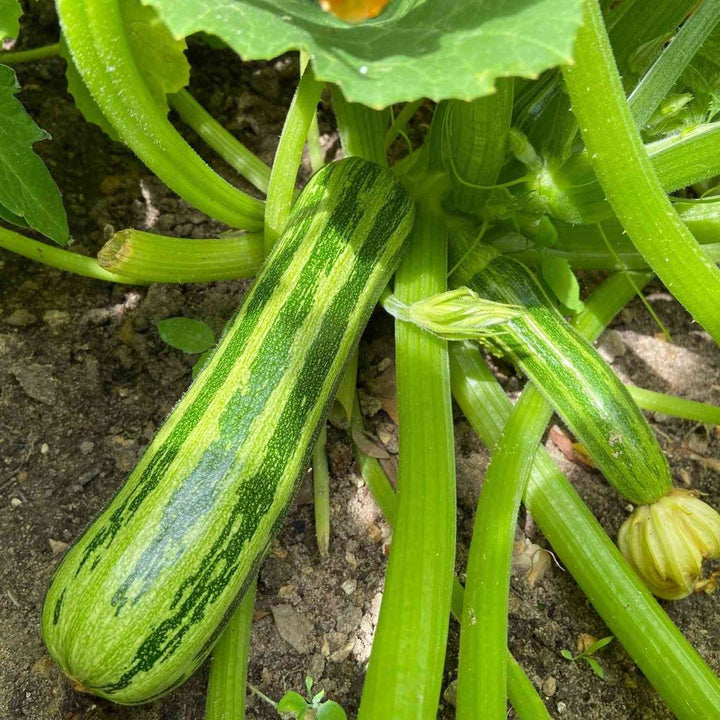
Squash can cross with other varieties of the same species. For dependable seed purity, isolate flowering varieties or hand-pollinate and protect marked flowers. Let selected fruits ripen fully, then clean and thoroughly dry the mature seeds. Seed saved from tender zucchini is immature.
Garden toolsOpen the garden-fit planner, planting-window questions, or soil calculator only when useful

Uses this product’s recorded growing information. Local weather, soil, and garden conditions may vary.

Garden-fit planning for this variety

Will Table King Bush Acorn Squash Seeds fit your garden?

Check vine space, warmth, pollination, water, support, and harvest use. Start with the essentials, then open only the detail groups that matter to you.

Rules-based · no AI · optional answers

Add an optional ZIP code and planting date for a broad frost-window check.Use local forecasts and measured soil temperature for final planting decisions.
1Essential fitTiming, light, and space
2Temperature and exposureOptional microclimate detail
3Soil, drainage, and waterRoot-zone readiness
4Questions for this vining crop seedCrop-specific decisions
5Seed-starting fit and patienceMatch the propagation work
Soil test, pH, drainage, and amendment calculator Have a laboratory soil report? Enter pH, nutrients, texture, bed size, and site observations here. Open soil tools
Recorded soil typeLoamy
Recorded pH range6.0–6.5
Water needsHigh
LightFull sun

Laboratory report interpreter

Soil readiness for Table King Bush Acorn Squash Seeds

Cucurbita pepo

Enter only the values your report provides. The result compares them with this crop’s recorded needs and keeps laboratory recommendations authoritative.

Core report valuesStart here
Advanced laboratory valuesOptional method-aware detail

Full growing record

Complete growing and seedkeeping record

Starting and plantingSeed preparation, sowing, germination, transplanting, spacing, and early establishment
Direct sow 1 in. deep after frost when soil reaches 65 F. Keep moist; sprouts in 4-14 days. Thin to 36 in. apart, rows 48 in. apart. Use full sun and rich, drained soil.

Water deeply as needed and mulch after the soil warms. Keep the leaves and developing fruits off persistently wet soil. Remove insect covers at flowering so bees can pollinate female flowers. Avoid crowding even when a variety has a bush habit. Acorn squash are relatively short keepers; do not assume that prolonged hot curing improves them.
Season-long growing guideWater, fertility, support, weather response, pollination, containers, and care through maturity
Direct sow 1 in. deep after frost when soil reaches 65 F. Keep moist; sprouts in 4-14 days. Thin to 36 in. apart, rows 48 in. apart. Use full sun and rich, drained soil.
Harvest, storage, and usesRecognizing maturity, harvesting cleanly, handling and storage, kitchen uses, and garden roles

Harvest and storage

Harvest in about 75 days when rinds harden, before frost. Cut with stems attached; store cool and dry. For seed, isolate other C. pepo and fully ripen fruits.

Squash can cross with other varieties of the same species. For dependable seed purity, isolate flowering varieties or hand-pollinate and protect marked flowers. Let selected fruits ripen fully, then clean and thoroughly dry the mature seeds. Seed saved from tender zucchini is immature.
Uses and garden roles

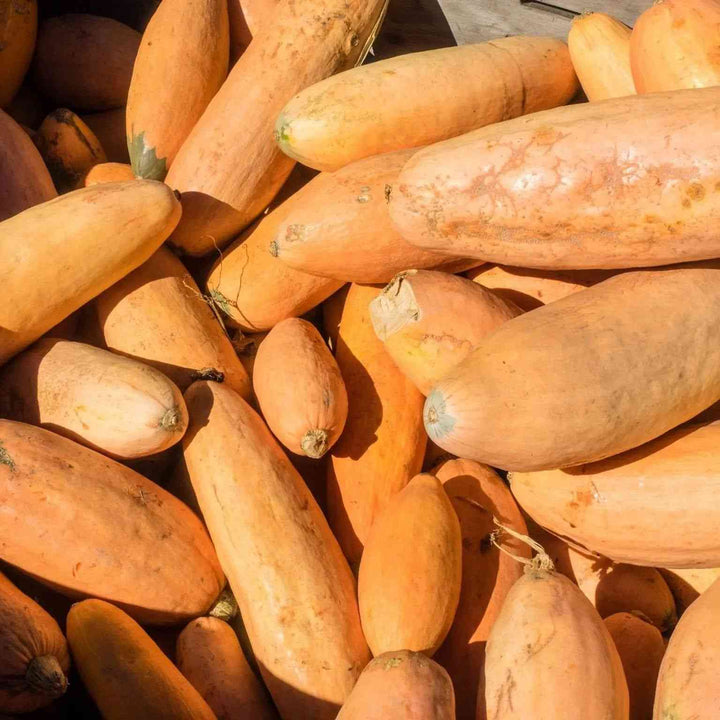
Table King bears dark green acorn squash on compact, bushy plants, making a winter squash harvest possible without the long runners of many other varieties. The ridged fruits contain orange flesh that becomes tender when baked or roasted. Halves make convenient individual servings, with space in the center for a savory filling. Let the fruits ripen fully on the plant; their hard rind and rich flesh develop later than the tender stage of summer squash.

Harvest in about 75 days when rinds harden, before frost. Cut with stems attached; store cool and dry. For seed, isolate other C. pepo and fully ripen fruits.
Seed savingSelection, pollination, isolation, full maturity, cleaning, drying, labeling, and storage
Squash can cross with other varieties of the same species. For dependable seed purity, isolate flowering varieties or hand-pollinate and protect marked flowers. Let selected fruits ripen fully, then clean and thoroughly dry the mature seeds. Seed saved from tender zucchini is immature.
Pests, diseases, and troubleshootingPrevention, diagnosis, environmental disorders, common damage, and first-response checks
Check for cucumber beetles, aphids and mildew. Good airflow, crop rotation and watering at the roots reduce some problems. Poor pollination and uneven moisture can distort fruit. Inspect squash plants for squash bugs and vine-borer injury.
Frequently asked questionsDecision-focused answers that supplement the detailed guides above
When are the fruits ready?
Harvest in about 75 days when rinds harden, before frost. Cut with stems attached; store cool and dry. For seed, isolate other C. pepo and fully ripen fruits.

Does this variety need support?
Water deeply as needed and mulch after the soil warms. Keep the leaves and developing fruits off persistently wet soil. Remove insect covers at flowering so bees can pollinate female flowers. Avoid crowding even when a variety has a bush habit. Acorn squash are relatively short keepers; do not assume that prolonged hot curing improves them.

Can I save seeds?
Squash can cross with other varieties of the same species. For dependable seed purity, isolate flowering varieties or hand-pollinate and protect marked flowers. Let selected fruits ripen fully, then clean and thoroughly dry the mature seeds. Seed saved from tender zucchini is immature.
History and provenanceBotanical identity, cultivar history, regional or cultural context, uncertainty, and source records

Scientific name: Cucurbita pepo

Table King is an open-pollinated bush acorn squash. Its compact habit provides mature winter squash without the long runners of many vining varieties. The fruits are harvested with fully hardened rinds.

Continue planning

Related products, collections, and growing guides

Explore the full collection
Heirloom Squash Seeds for Summer and Winter GardensExplore the full collection →
Black Beauty Summer squash Seeds

Black Beauty Summer squash Seeds

Black Beauty Summer squash seeds produce green summer squash, best harvested around 6-8 in, though fruit grows larger quickly, on bush plants.

Yellow Scallop Summer squash Seeds

Yellow Scallop Summer squash Seeds

Yellow Scallop Summer squash seeds produce yellow summer squash whose size varies with the maintained seed lot and growing conditions, on bush...

Customer experience

Reviews for Table King Bush Acorn Squash Seeds

Customer Reviews

Be the first to write a review
0%
(0)
0%
(0)
0%
(0)
0%
(0)
0%
(0)