Practical field and garden tipsExtra techniques, timing adjustments, and observations that improve success
Big Max pumpkins reward growers who think in terms of steady season-long management rather than just early vine growth. One of the most useful tricks is to treat the whole plant as the engine that builds the fruit. Gardeners often focus on the pumpkins themselves, but the real work is being done by the leaves, roots, and runners. If the canopy stays healthy, the pumpkins can keep sizing, coloring, and finishing properly. If the leaves decline too early from mildew, insects, drought stress, or crowding, the fruit may stop enlarging long before it reaches its full potential. For that reason, foliage care is fruit care with Big Max.
A major tip for better size is to avoid letting the plant carry more fruit than it can realistically finish well. Big Max can set multiple pumpkins, but a heavily loaded vine often produces a patch full of medium fruit instead of a few truly impressive ones. Gardeners who want the largest pumpkins usually get better results by allowing the vine to focus its energy on fewer pumpkins. This does not mean every plant must be reduced to a single fruit, but it does mean that balance matters. A plant trying to mature too many large pumpkins at once will often stall, especially if the season turns dry, humid, or disease-prone. Fewer well-supported fruits usually lead to better size, better color, and better overall quality.
Another important trick is to keep growth as even as possible. Big Max responds best when moisture and nutrient availability stay fairly steady from establishment through fruit sizing. Repeated swings between drought and heavy soaking can slow the vine, stress the fruit, and lead to cracking, poor size gain, or uneven maturity. Deep watering is almost always better than shallow daily splashing because it encourages stronger rooting and helps the plant ride through heat more consistently. A good layer of mulch can also make a big difference by moderating soil temperature, reducing weed competition, conserving moisture, and keeping the patch cleaner. For growers aiming at large, attractive pumpkins, stable growth is one of the biggest advantages they can create.
Fruit positioning is a small detail that often makes a big difference later. Once a Big Max pumpkin begins to enlarge, it should be checked to make sure it is resting on a dry, clean surface and is not sitting in mud or constantly damp soil. A barrier such as straw can help keep the underside cleaner and reduce rot risk. It is also wise to watch how the stem and vine are aligned as the pumpkin expands. If the fruit is pushing hard against the vine at an awkward angle, the stem area can become strained as size increases. Gentle early adjustment, before the pumpkin becomes too heavy, can prevent problems that are hard to fix later. The goal is to let the pumpkin enlarge without tension, rot, or hidden damage underneath.
Pollination timing and early fruit quality matter more than many growers expect. Not every pumpkin that sets is worth carrying to maturity if the goal is size and show value. Poorly pollinated fruit may become misshapen, enlarge unevenly, or never develop the kind of broad, attractive form growers want from Big Max. A strong, well-set pumpkin established on a healthy vine early enough in the season usually outperforms a later fruit trying to catch up. For that reason, experienced growers pay close attention during bloom and early fruit development rather than assuming every set pumpkin deserves equal attention.
Big Max is also a variety where appearance matters, so preserving rind quality is important. A pumpkin can be very large and still lose value if the rind is badly scarred, rotted underneath, sunburned, or blemished by insect feeding. Keeping the fruit off wet ground, preserving leaf cover as long as possible, and avoiding rough handling all help protect surface quality. If the vine loses too many leaves too early, fruit may color unevenly or suffer from heat exposure. Healthy foliage is part of what keeps the pumpkins attractive all the way to harvest.
Another practical trick is to keep the patch accessible. Large pumpkin vines can quickly become a tangled mass, and when that happens it becomes difficult to scout for mildew, squash bugs, cucumber beetles, or hidden fruit problems. A patch that can actually be walked, checked, and managed will usually outperform one that is left to become impenetrable. Good growers do not just grow Big Max; they keep it observable. Being able to catch a problem early is often the difference between a show-worthy pumpkin and a disappointing one.
Harvest handling matters almost as much as growing. Big Max pumpkins can be heavy enough to bruise, crack, or suffer stem breakage if moved carelessly. Never lift a mature pumpkin by the stem alone, and do not drag it across rough ground. A pumpkin that grew beautifully can lose much of its display life in a few minutes of poor handling. Let the rind mature well, harvest with a strong stem attached, and move the fruit carefully with enough support underneath it. Growers interested in fairs, roadside sales, or long porch display should think of harvest as the final stage of crop quality, not just the end of the season.
Big Max is especially rewarding for gardeners who want giant pumpkin drama without the extreme technical demands of record-class competition growing. The best results usually come from rich soil, wide spacing, steady moisture, limited fruit load, careful fruit placement, and strong late-season leaf health. The biggest beginner mistakes are usually crowding the vines, watering unevenly, letting weeds and mildew build too early, and assuming every fruit set should be kept. With patient management and a focus on steady healthy growth, Big Max can produce the kind of huge bright orange pumpkins that make people stop and stare.
Seed saving and carrying the variety forwardPollination, isolation, selection, harvest, cleaning, drying, and storage
Big Max is an open-pollinated pumpkin, which means it can be reliably saved by home gardeners, but maintaining true-to-type seed requires attention to both plant selection and pollination. The process begins with choosing the right fruit. The best seed should come from a healthy, vigorous plant that produced a well-shaped, true Big Max pumpkin—broad, evenly formed, and rich orange in color. Avoid saving seed from plants that showed poor growth, disease issues, weak vines, or pumpkins that were misshapen, pale, or inconsistent with the variety. Seed saving is not just about keeping seeds, but about preserving the best traits of the variety.
Because Big Max belongs to Cucurbita maxima, it can cross with other pumpkins or squash in the same species if they are flowering nearby. This is one of the most important considerations. If you are growing multiple maxima types, open pollination by insects can easily result in crossed seed that will not grow true the following season. For gardeners who want reliable, true Big Max pumpkins, controlled pollination is the best method. This involves selecting a female flower before it opens, protecting it from insects, and hand-pollinating it with a male flower from the same variety. After pollination, the flower should be closed or secured to prevent outside pollen from entering. This ensures the seed reflects true Big Max genetics rather than an unknown cross.
Fruit selection should continue throughout the season. Not every pumpkin is worth saving seed from, even if it is large. The ideal seed pumpkin is one that developed steadily, held good shape, showed no signs of rot or cracking, and came from a vine that stayed healthy as long as possible. A slightly smaller but perfectly formed pumpkin from a strong plant is usually a better seed source than a larger fruit from a struggling vine. Observing how the plant performed over the full season helps guide better seed choices.
Harvest timing is critical. Seed should only be saved from fully mature pumpkins that have reached full color and rind development. Immature fruit may contain seeds that look viable but are not fully developed. Once harvested, the pumpkin should be opened and the seeds removed, cleaned of pulp and stringy material, and rinsed thoroughly. Clean seed reduces the risk of mold and improves storage quality.
Drying is one of the most important steps. Spread the seeds in a single layer in a well-ventilated, shaded area and allow them to dry completely. Turn them occasionally to ensure even drying. Seeds must be fully dry before storage, as any retained moisture can lead to mold or reduced viability. Properly dried pumpkin seeds should feel firm and not bend easily.
Sorting improves future results. Keep the largest, fullest, and best-formed seeds, and discard flat, damaged, or immature ones. Once dry and sorted, store the seeds in a cool, dark, dry place with clear labeling. Include the variety name and year, and if doing more careful selection, note which fruit or plant the seed came from. Over time, this helps refine your seed stock and maintain consistent performance.
The biggest mistakes in saving Big Max seed are allowing uncontrolled crossing, saving from poor-quality fruit, and storing seed before it is fully dry. With proper selection, controlled pollination when needed, and careful drying and storage, Big Max is an excellent variety for seed saving and long-term garden use.
Common pests, diseases, and growing problemsIdentification, prevention, crop-safe response, and when intervention is justified
Complete pest and problem guide
Big Max pumpkin is generally vigorous and productive, but because it is grown for very large fruit, the plant must stay healthy for a long stretch of the season if the pumpkins are going to size properly, color well, and finish with clean rinds. The most common problems are cucumber beetles, squash bugs, squash vine borers in affected regions, aphids, spider mites during hot dry weather, powdery mildew, downy mildew, bacterial wilt, fruit rot, poor pollination, and stress-related issues such as stalled growth, small fruit, or pumpkins that color before they truly size up. The best overall solution is prevention: plant in rich, well-drained soil, give the vines generous space, keep weeds down, maintain steady moisture, and inspect the patch often enough that problems are caught before the plant loses too much vigor.
Early pest pressure can have a surprisingly large effect on final pumpkin size. Cucumber beetles are often one of the first major insect threats because they chew on seedlings, leaves, and flowers, and they can also spread bacterial wilt. Young plants that are heavily chewed back may survive, but they often lose the early momentum needed to build strong vines and large fruit. Squash vine borers are especially serious where they occur, because larvae tunnel into stems and may cause sudden wilting or collapse of major runners. Squash bugs feed by sucking sap from leaves and stems, which leads to yellow spotting, wilted foliage, and gradual vine decline. Aphids may cluster on new growth and flower stems, causing curling and sticky residue, while spider mites can build quickly in heat and drought, leaving leaves speckled, bronzed, and weakened. The best solutions are row cover while plants are young and before bloom, close inspection of stems and leaf undersides, hand-removal of egg masses, strong water sprays for small aphid outbreaks, and fast action before insects become well established. Once flowering begins, row covers must be removed so pollinators can reach the blooms, which makes regular scouting even more important.
Disease pressure is one of the biggest reasons a promising Big Max planting falls short. Powdery mildew is especially common later in the season and appears as a white dusty coating on the leaves. It may not kill the plants immediately, but it weakens the canopy and reduces the leaves’ ability to feed the growing pumpkins. Downy mildew can be even more destructive, causing yellow angular lesions and rapid foliage collapse under humid conditions. Bacterial wilt, often associated with cucumber beetles, may cause sudden irreversible wilting of individual vines or entire plants. Other problems such as anthracnose, gummy stem blight, and fruit rots may also appear when the patch is crowded, wet, or poorly ventilated. These diseases matter because a Big Max pumpkin depends on a healthy leaf canopy to keep enlarging and coloring properly. The best solutions are generous spacing, crop rotation, watering at the soil line instead of soaking the leaves late in the day, keeping the patch free of old cucurbit debris, and removing badly infected tissue when practical. A plant that loses its foliage too early may still hold fruit, but those pumpkins often stop sizing well and finish with less quality.
Pollination problems are another major source of disappointment. It is normal for the first flowers to be male blooms that drop after releasing pollen, but if female flowers also fail, the result may be poor fruit set, misshapen pumpkins, or young fruit that yellows and aborts. This often happens when pollinator activity is low, weather is too hot or unstable, or the plant is under moisture or nutrient stress during bloom. In some cases the vine sets more fruit than it can really support, and later pumpkins remain undersized. The best solutions are to support strong pollinator presence, avoid spraying anything that disrupts bloom activity, maintain even moisture, and allow the plant to focus its energy sensibly rather than trying to carry too many large pumpkins at once.
Environmental and cultural problems also play a major role in Big Max performance. If the soil is poor, compacted, or low in organic matter, the vines may never develop enough strength to size large fruit. If the plant is overcrowded or competing with weeds, airflow drops and the roots lose access to moisture and nutrients they need. Uneven watering is especially harmful. Drought can cause blossom drop, slow fruit expansion, and early vine stress, while sudden heavy watering after dryness may contribute to cracking, coarse growth swings, or weak fruit quality. Too much nitrogen late in the season may push excessive vine growth at the expense of balanced fruit development, while too little fertility may leave the pumpkins small and pale. The best solution is steady, even management: fertile soil from the start, consistent deep watering, clean cultivation, and vines that are allowed to grow strongly without repeated setbacks.
Fruit-specific problems become more important as the pumpkins enlarge. Big Max fruit resting directly on wet soil may develop soft spots, underside rot, rind staining, or hidden decay. If leaf cover is lost too early from pests or mildew, the fruit may suffer sunscald or fail to color evenly. Some pumpkins also enlarge irregularly if pollination was incomplete or the vine was stressed early in development. The best solutions are to place fruit on a dry barrier such as straw or another clean resting surface, preserve healthy foliage as long as possible, and keep the patch open enough that both the fruit and the vines can be monitored easily. Large pumpkins may look impressive while still hiding a weak underside, so regular checking matters.
Harvest and post-harvest mistakes can also reduce the final quality of a successful crop. Pumpkins cut too early may not have full color or strong rind development, while fruit left too long in bad weather may crack or begin to break down. Rough handling can bruise even a thick-rinded pumpkin and shorten its display life. The best solutions are to harvest once the fruit is fully colored and mature, leave a strong stem attached, and move the pumpkin carefully without lifting by the stem alone. Long-term success with Big Max comes from treating the whole vine as the engine that builds the fruit. Healthy roots, healthy leaves, clean flowers, steady moisture, and careful fruit care are what turn a big vine into the kind of giant orange pumpkin growers actually want.
Questions gardeners ask about this seedProduct-specific answers for sowing, care, harvest, use, and seed saving
Q: What makes Big Max different from other pumpkins?
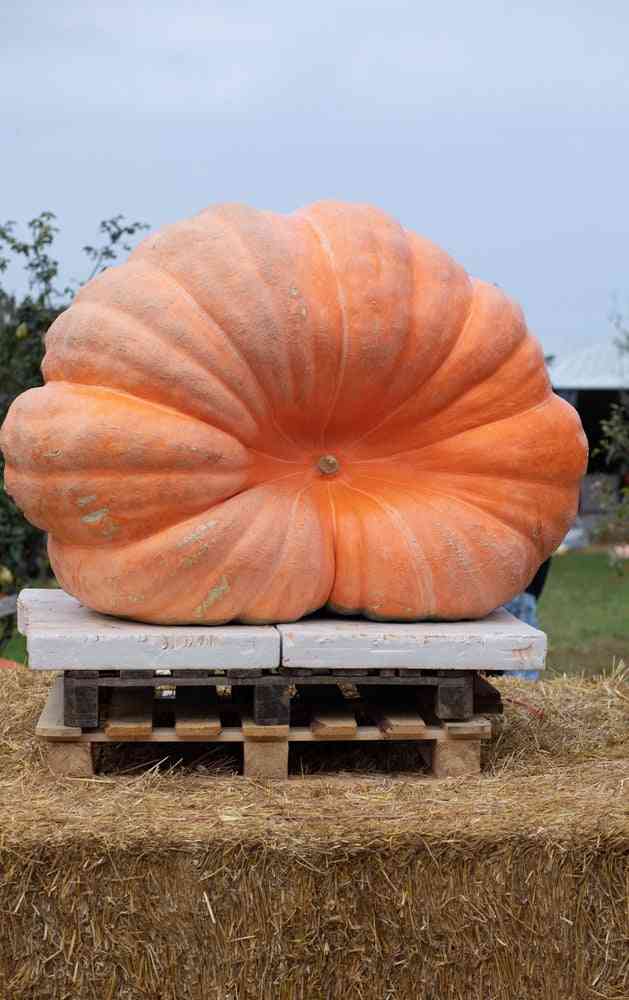
A: Big Max is known for producing very large, broad, bright orange pumpkins that offer dramatic size without needing to be treated as a specialized record-breaking competition strain. It gives growers the giant-pumpkin look many people want for fall displays, fairs, and carving, while still keeping a more classic pumpkin appearance than extreme giant types. That balance is a major part of its appeal. It feels impressive and oversized, but still recognizably traditional.
Q: Is Big Max a true giant pumpkin?
A: Yes, Big Max is considered a giant-style pumpkin, especially in home garden and market terms. It is capable of producing very large fruit, commonly in the 50 to 100 pound range, and under strong conditions it can go beyond that. However, it is not usually grown as the top choice for world-record competition the way Dill’s Atlantic Giant is. Big Max is more often chosen for large, showy, classic orange pumpkins rather than elite weigh-off chasing.
Q: How big do Big Max pumpkins usually get?
A: Big Max pumpkins commonly reach impressive display size, often around 50 to 100 pounds under good growing conditions. In excellent soil with strong vine growth, careful watering, and a full season, the fruit can become even larger. The exact size depends on climate, fertility, pollination, spacing, and how many fruits the vine is carrying. Growers often value it because it can produce truly big pumpkins without the extreme management required by championship giant strains.
Q: Does Big Max look like a classic Halloween pumpkin?
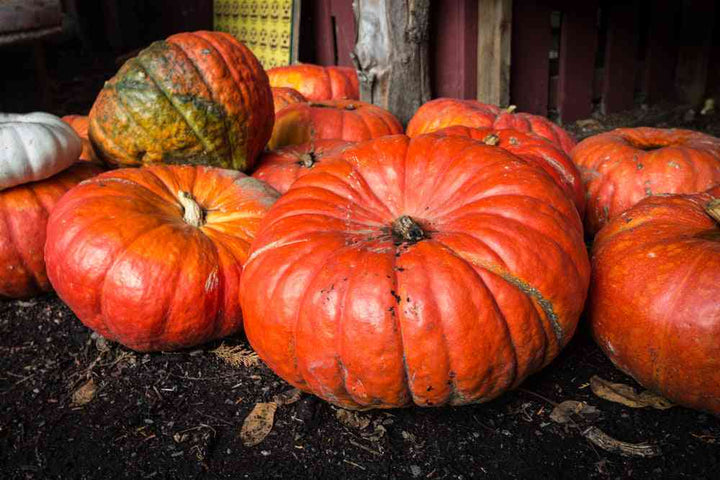
A: Yes, that is one of its biggest strengths. Big Max usually has the broad round shape and bright orange color people expect from a classic large pumpkin. Even when it gets very large, it still keeps that familiar autumn look that works beautifully for porch displays, patch sales, and giant jack-o’-lantern use. This is one of the main reasons many growers choose it over more extreme giant varieties.
Q: Is Big Max mainly for decoration, or can it also be eaten?
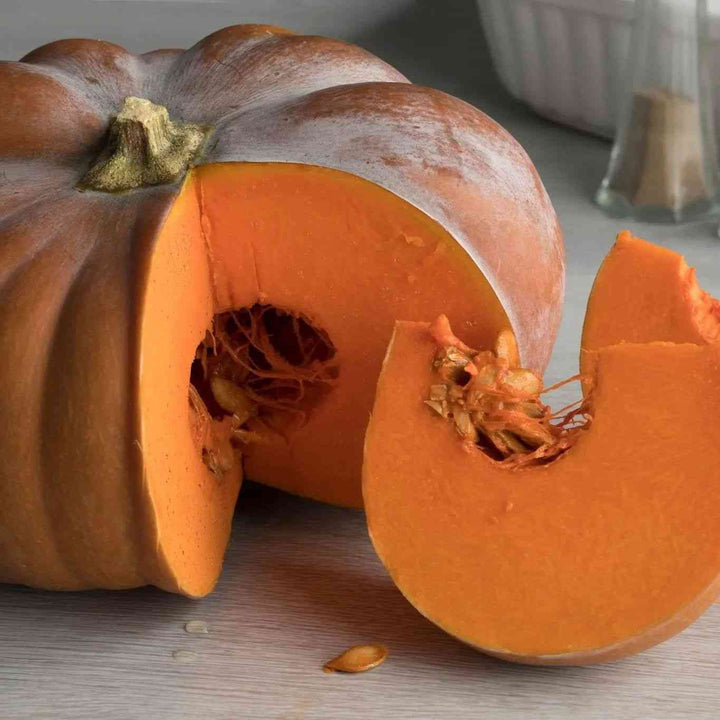
A: Big Max is often grown for display, carving, and fall sales, but it is not limited to ornamental use. It has thick flesh and can also be used for cooking, puree, and other kitchen purposes. That makes it more versatile than some oversized pumpkins that are valued mostly for show. Growers who want a giant-looking pumpkin with real household usefulness often appreciate Big Max for exactly that reason.
Q: Is Big Max good for beginner gardeners?
A: It can be a good choice for beginners who want to try a large pumpkin without jumping directly into the highly specialized world of competition giant growing. It still needs space, sun, fertility, and steady moisture, but it is generally more approachable than record-driven giant strains. Beginners who can provide room for the vines and keep the planting healthy often find it rewarding. The biggest challenge is not technical complexity, but giving the plant enough space and season length to reach its potential.
Q: How much space does Big Max need?
A: Big Max needs generous space because it is a vigorous vine crop with large fruit. The vines spread widely, and the plant performs much better when it is not crowded. Tight spacing usually reduces airflow, increases disease pressure, and limits how well the pumpkins size up. If a grower wants the biggest, healthiest fruit possible, giving the vines plenty of room is one of the most important decisions.
Q: Can Big Max be grown on a trellis?
A: In most situations, Big Max is grown on the ground rather than on a trellis. The vines are large and the fruit can become far too heavy for ordinary vertical support systems. While young vines may climb somewhat if guided, the practical standard for this variety is sprawling ground culture. Good ground space, mulch, and a dry resting place for the fruit are usually much more realistic than trellising.
Q: How much sunlight does Big Max need?
A: Big Max needs full sun for best performance. Strong direct light supports vine growth, flowering, fruit development, and the sugar production needed for healthy pumpkins. Too little sun can weaken the vines, reduce fruit size, and increase disease pressure by keeping the patch damp longer. If the goal is large, bright, well-developed pumpkins, abundant sunlight is essential.
Q: What kind of soil does Big Max prefer?
A: Big Max grows best in fertile, well-drained soil with enough organic matter to support steady vine growth and large fruit development. The soil should hold moisture evenly without becoming waterlogged. Rich garden soil or a well-prepared planting area usually gives the strongest results. Because the plant carries a lot of vine growth and large fruit, it benefits from soil that can support both vigorous roots and season-long feeding.
Q: How often should I water Big Max?
A: Big Max needs steady moisture, especially once the vines are growing actively and the pumpkins begin to size up. Long dry spells can reduce growth, stress the plants, and limit final fruit size, while overly wet conditions can increase disease and root problems. Deep, even watering is usually better than shallow splashing because it supports stronger rooting and more stable growth. The goal is consistency, not repeated swings between drought and soaking.
Q: Why are my Big Max flowers falling off?
A: Early flower drop is often normal because the first blooms are usually male flowers, which do not form fruit and naturally fall after releasing pollen. Later, female flowers should appear, and those can develop into pumpkins if pollination is successful. If female flowers are also dropping, poor pollination, drought stress, heat stress, or weak vine health are common causes. Healthy vines and good pollinator activity usually improve fruit set.
Q: Does Big Max need pollinators?
A: Yes, like other pumpkins it depends on pollinators to move pollen between male and female flowers. Bees are especially important, and poor pollination can lead to misshapen fruit, weak fruit set, or young pumpkins that abort early. Even a healthy vigorous vine cannot produce well without successful pollination. Protecting pollinator access during bloom is a major part of growing pumpkins successfully.
Q: How many pumpkins will each plant produce?
A: The number varies with growing conditions, plant health, and whether the grower is trying to maximize size or total fruit count. A vine carrying fewer pumpkins can often put more energy into making them large, while a heavily loaded plant may produce more fruit but at a smaller average size. Many growers of large pumpkins allow the plant to focus on a limited number of well-set fruits. The balance between quantity and size is one of the key choices in managing Big Max.
Q: How can I grow the biggest Big Max pumpkins possible?
A: The biggest fruit usually comes from giving the plant excellent soil, full sun, wide spacing, steady watering, and enough time to grow without interruption. Healthy vines must be protected from weeds, insects, and disease so the leaves can keep feeding the fruit for as long as possible. Some growers also reduce the number of developing pumpkins so the plant can concentrate on fewer fruits. Big Max may not be a pure record strain, but careful culture still makes a major difference in final size.
Q: What pests are most likely to bother Big Max?
A: Common pumpkin pests include squash bugs, cucumber beetles, vine borers in affected regions, aphids, and spider mites during hot dry weather. These insects can damage leaves, stems, flowers, and overall vine vigor. Because Big Max depends on strong foliage to size its fruit, pest pressure can reduce both yield and final pumpkin size. Regular scouting and early intervention are much more effective than waiting until the vines are already struggling.
Q: What diseases should I watch for?
A: Powdery mildew, downy mildew, bacterial wilt, and fruit rot are among the most common problems. Disease pressure is often worse when vines are crowded, leaves stay wet too long, or pumpkins sit on damp ground. Once the leaves begin declining too early, fruit sizing usually suffers because the plant loses its ability to feed the pumpkins properly. Good spacing, careful watering, crop rotation, and preserving healthy foliage as long as possible are key preventive steps.
Q: Why are my pumpkins rotting on the bottom?
A: Bottom rot usually comes from fruit sitting too long on wet soil, poor airflow around the fruit, or damage that allows decay to begin. As pumpkins enlarge, they benefit from a dry barrier such as straw or similar material underneath them. This helps keep the rind cleaner and reduces prolonged contact with damp ground. Protecting the resting surface is one of the simplest ways to improve fruit quality.
Q: Can Big Max be carved?
A: Yes, Big Max is often grown for giant jack-o’-lantern use and large decorative carving projects. Its size makes it especially dramatic for displays, events, and fall centerpiece carving. However, because the fruit can become very large and heavy, handling it requires care. Many growers enjoy it precisely because it can combine giant size with classic orange carving appeal.
Q: Is Big Max good for county fairs and display contests?
A: Yes, it is very well suited for county fairs, roadside display, garden exhibitions, and fall festivals. It may not be the standard choice for world-record weigh-offs, but it excels as a dramatic show pumpkin with strong color and classic shape. For many growers, that makes it more useful than an extreme competition variety. It offers size that impresses the public and appearance that fits traditional pumpkin expectations.
Q: How do I know when Big Max is mature?
A: Mature fruit typically develops strong full orange color and a hardened rind, while the vine and stem also begin showing the signs of seasonal maturity. The pumpkin should look finished and well developed rather than greenish or soft. Growers should avoid rushing harvest before the rind and color are fully developed. A well-matured pumpkin usually stores and displays better than one picked too early.
Q: How should I harvest Big Max pumpkins?
A: Harvest carefully with a clean cut, leaving a good section of stem attached if possible. Do not lift the pumpkin by the stem alone, because that can break it and reduce storage quality. Handle the fruit gently, since bruising can shorten display life and invite rot. Once harvested, keep pumpkins dry and protected from unnecessary damage.
Q: Does Big Max store well?
A: It can store reasonably well if harvested mature, kept dry, and handled carefully, though storage life always depends on the condition of the rind and the growing season it had. Fruit with cracks, bruising, or hidden rot will not last as well as sound pumpkins. Good curing conditions and careful post-harvest handling improve the chances of longer keeping. Many growers value Big Max because it can remain attractive for seasonal display after harvest when handled properly.
Q: Can I save seed from Big Max?
A: Yes, if the planting is open-pollinated and the grower prevents crossing with other compatible Cucurbita maxima types nearby. Seed should be taken from fully mature, healthy fruit that matches the variety well. If different maxima squash or pumpkins are flowering nearby, crossing can affect the next generation. For growers who want to maintain the variety accurately, isolation matters.
Q: Will Big Max cross with other pumpkins?
A: It can cross with other compatible pumpkins or squash in the same species group, especially other Cucurbita maxima types flowering at the same time. This does not affect the fruit you grow this season, but it does matter if you save seed for future planting. Seed purity requires attention to what is blooming nearby. That is especially important for growers who want to preserve true Big Max characteristics.
Q: Is Big Max worth growing if I already grow carving pumpkins?
A: Yes, because it fills a different role. Standard carving pumpkins may be easier to handle, but Big Max adds true oversized drama and visual impact. It is the pumpkin for growers who want something larger, bolder, and more memorable while still keeping the classic orange pumpkin look. For display growers, fall marketers, and gardeners who want a real statement fruit, Big Max offers something ordinary carving pumpkins do not.
History, provenance, and cultural contextWhat is documented, what is reported, what remains uncertain, and how the variety reached gardeners
Scientific name: Cucurbita maxima
Plant and variety history
Big Max pumpkin belongs to the species Cucurbita maxima, one of the great domesticated squash and pumpkin species of the Americas. Its deeper history begins in South America, where Indigenous peoples domesticated and selected Cucurbita maxima over countless generations for food, storage, seed use, and adaptation to local growing conditions. Long before giant orange pumpkins became part of modern fall culture, this species had already developed into an important agricultural crop with large-fruited forms, rich flesh, and vigorous vines. Big Max comes out of that broad historical tradition of selecting pumpkins for size, usefulness, and visual impact.
What makes Big Max historically interesting is that it belongs to the giant-style pumpkin tradition without being a pure competition strain like Dill’s Atlantic Giant. It became known as a classic oversized pumpkin for gardeners and market growers who wanted very large fruit but still wanted them to look like traditional orange pumpkins. That mattered in a major way. Many growers were not trying to break world records or enter the highly specialized giant-growing circuit. They wanted a huge, bright orange, broad-shaped pumpkin for fairs, displays, carving, roadside stands, and autumn sales. Big Max helped define that category: not the extreme record pumpkin, but the dramatic giant pumpkin that still fit popular expectations of what a pumpkin should look like.
The variety rose in popularity during the twentieth century as home gardening, county-fair growing, and decorative autumn marketing expanded in North America. This was a period when pumpkins were becoming more than food crops. They were also becoming symbols of fall itself, tied to porch displays, school events, harvest festivals, and Halloween traditions. Big Max fit perfectly into that cultural moment because it offered spectacle without requiring elite competitive technique. It was large enough to impress, bright enough to attract attention, and familiar enough in shape and color to feel like the classic giant pumpkin people imagined when they thought of autumn.
Big Max also occupies an important middle ground in pumpkin history because it was not valued only for size. Unlike some giant or novelty pumpkins grown mostly for exhibition, Big Max also developed a reputation for having thick flesh and real kitchen usefulness. That gave it broader value in the garden and on the farm. A grower could use it for show, seasonal sales, carving, and cooking from the same harvest. In this way, Big Max preserved an older agricultural balance: it was dramatic, but it was still a practical crop. That combination helped keep it relevant even as more specialized giant strains emerged for serious weigh-off competition.
In the history of seed catalogs and home gardening, Big Max became one of the most recognizable names in the giant pumpkin category because it offered “big results” in a form accessible to ordinary growers. It did not require the same level of genetic pedigree chasing, single-fruit management, and specialized feeding associated with record-class giant pumpkins. Instead, it gave gardeners a realistic chance to grow very large pumpkins with strong field presence and market appeal. For many people, Big Max represented the giant pumpkin dream at a scale that felt attainable.
Its importance also reflects the changing role of pumpkins in North American life. Earlier in agricultural history, pumpkins and squash were strongly tied to food systems, storage, and household use. In more recent history, pumpkins also became central to seasonal identity, agritourism, decorative farming, and public celebration of harvest. Big Max belongs squarely in that later tradition. It is one of the varieties that helped make the oversized autumn display pumpkin a recognizable category of its own. At farm stands, in patch fields, and on porches, it helped shape the visual language of fall.
Today, Big Max still matters because it represents the classic giant display pumpkin in a form that is both traditional and useful. It carries the ancient South American domestication history of Cucurbita maxima, the later North American love of giant vegetables and county-fair produce, and the modern cultural importance of pumpkins as symbols of harvest season. For growers, Big Max remains valuable because it delivers impressive size, strong orange color, familiar pumpkin form, and real versatility. Its history is not about breaking the absolute world record. It is about becoming one of the best-known and most dependable giant-style pumpkins for gardeners who want size, beauty, and classic fall presence all in one variety.