Free U.S. seed shipping $25+. Seeds ship free at the threshold. Storefront goods, pantry finds, books & local goods are being added.

New seeds, Main Street specials, and storefront finds update as the market grows.

25% OFF Heirloom seed packets are $1.50, regularly $2.00. Seed packets only · sale price already applied · carries into checkout · coupon codes do not combine. Shop the sale →
Alliance of Native Seedkeepers Brewed in Colerain, North Carolina The practical library

The practical library

Growing Guides & Planting Advice

Find crop guides, planting calendars, seed-starting help, soil guidance, pest diagnosis, harvesting information, and practical seed-saving instructions.

Searchable. Find the crop, problem, story, or update you need. Complete. Browse every published article with working pagination. Rooted. From a Native-led seed company in rural North Carolina.

AONSK Field Guide

34 articles in this topic

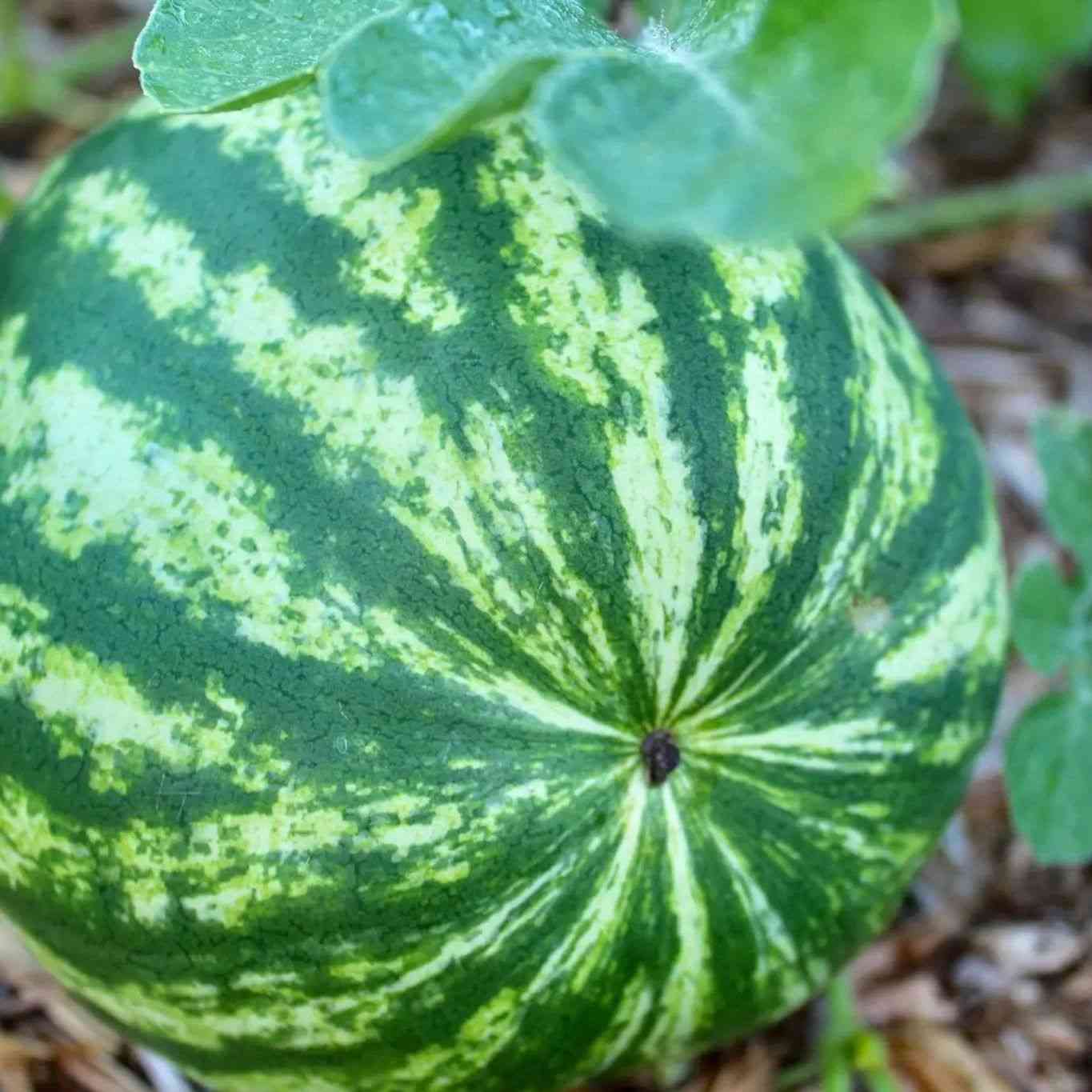
Ripe watermelon and healthy vines illustrating heat, space, pollination, and harvest
Seed starting & germination

How to Grow Watermelon from Seed: Heat, Space, Pollination, and Ripeness

Plant watermelon after frost when the root zone is warm, protect young plants from cold and beetles, give vines room, keep water steady through fruit sizing, protect pollinators, and judge ripeness with several clues rather than thumping alone.
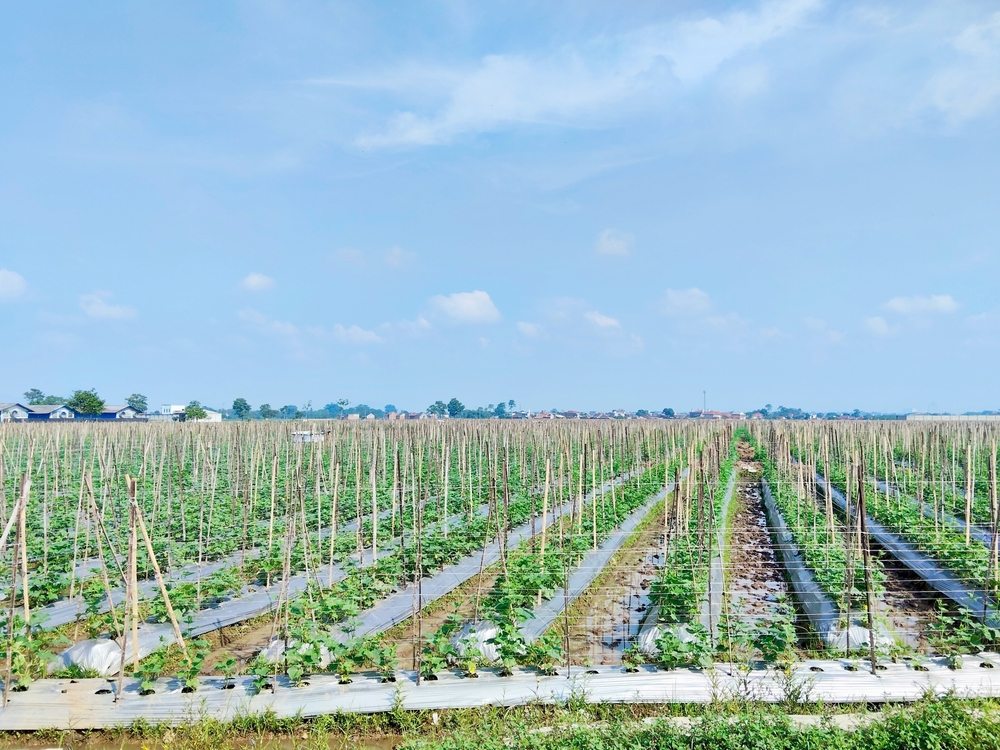
Long rows of vegetable crops trained on repeated field trellises
Soil, compost & garden systems

Vegetable Trellis Systems: Panels, Cages, Stakes, Netting & Supports

Choose support by the crop load and how the plant climbs. Tendrils, twining stems, sprawling vines, heavy tomato branches, and pole beans place different demands on panels, netting, cages, stakes, and arches. Install the support before roots and vines fill the bed.

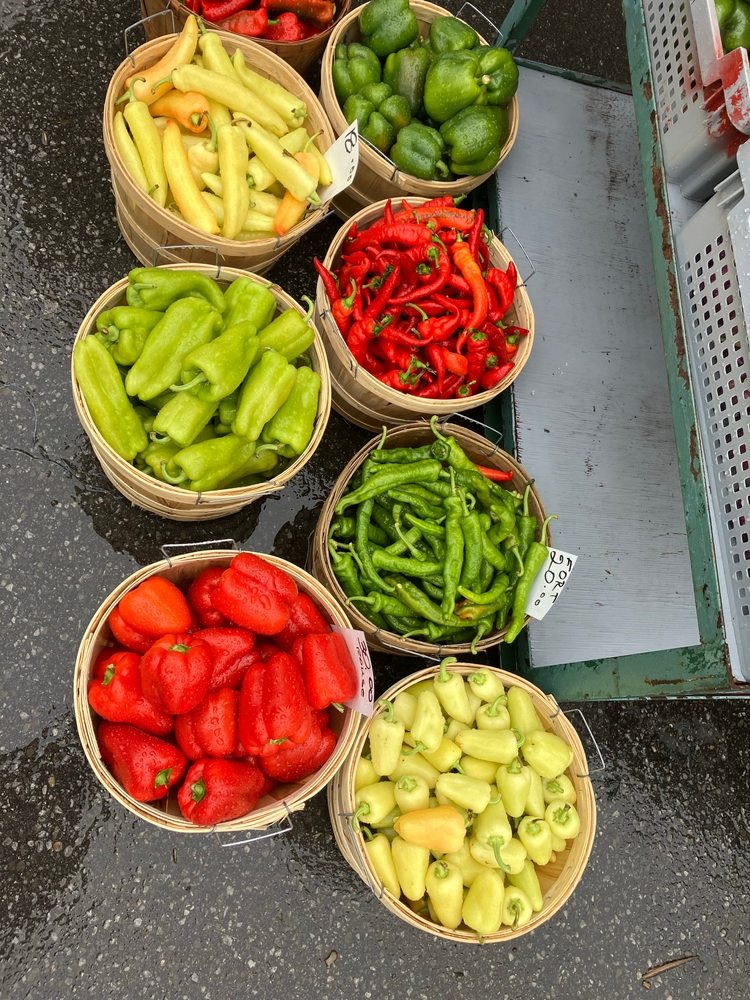
Market baskets filled with sweet, frying, hot, and seasoning peppers in several colors
Seed saving & varieties

Types of Peppers: Sweet, Hot, Seasoning, Drying & Ornamental

Sweet peppers are selected for little or no pungency. Hot peppers vary from mild to superhot and should be compared by flavor as well as heat. Seasoning and drying peppers may have thin walls and concentrated aroma. Ornamental peppers are selected for display, but edible use still depends on correct identification and handling.

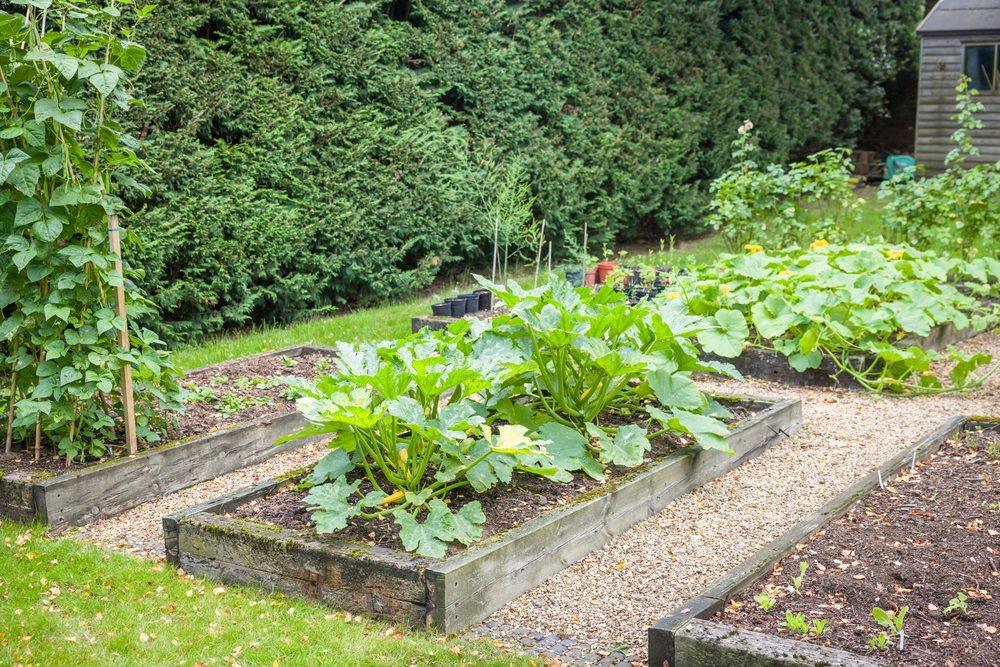
Productive raised vegetable beds with paths, trellised beans, squash, and other crops
Soil, compost & garden systems

Raised Bed Gardening: Size, Soil, Water, and Practical 4 × 8 Layouts

A raised bed succeeds when width, depth, soil, access, and irrigation are planned together. Build only as wide as you can reach from the sides, create a soil profile that drains without drying instantly, and preserve permanent paths so the bed is not compacted.

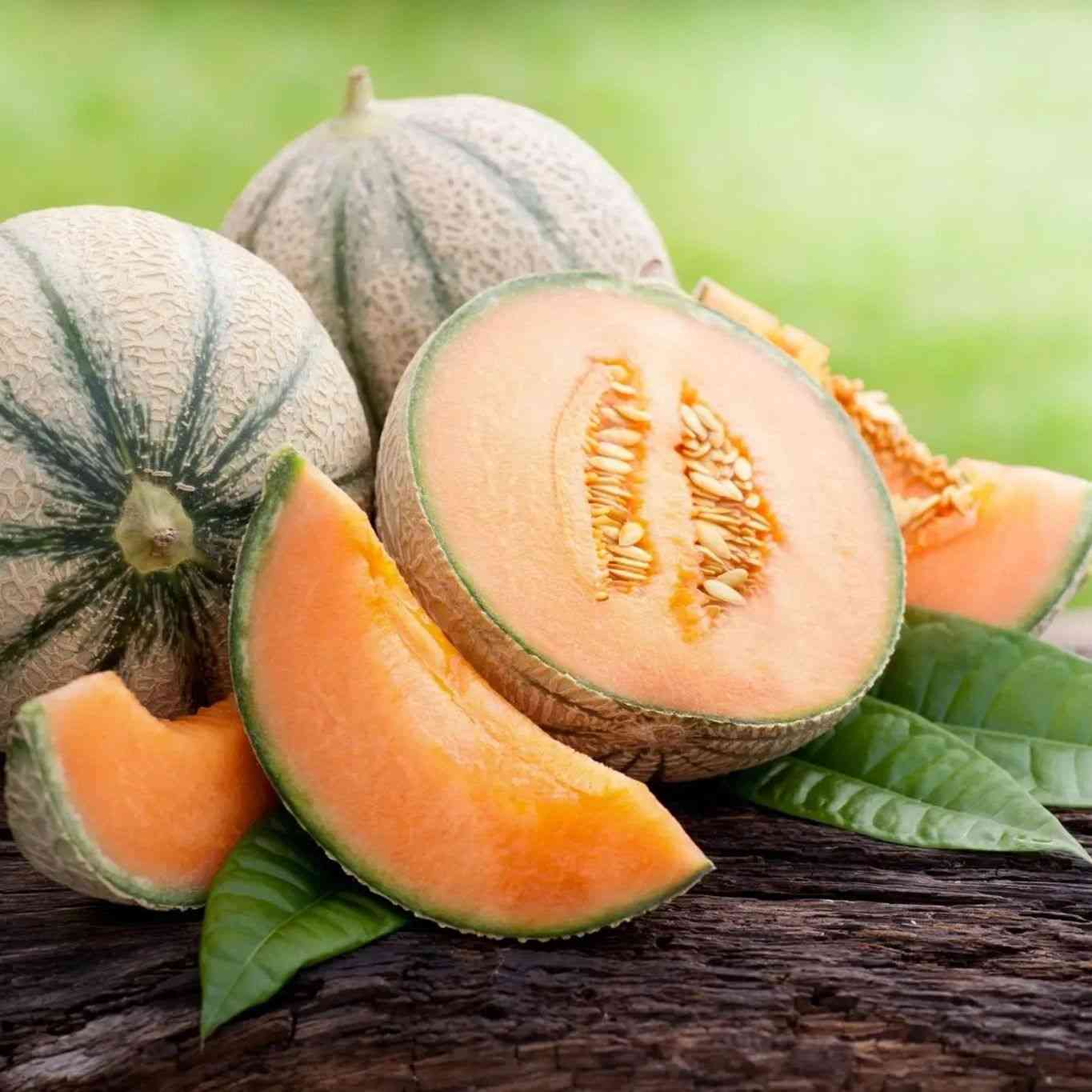
Assorted melons showing watermelon, muskmelon, honeydew, and specialty types
Seed saving & varieties

Types of Melons: Watermelon, Cantaloupe, Honeydew, and Specialty Fruit

Watermelons belong to Citrullus and are managed for rind, flesh, vine length, and maturity. Cantaloupes and many netted muskmelons belong to Cucumis melo, as do honeydews and numerous specialty melons. Their ripeness signals, aroma, slip behavior, and storage differ.

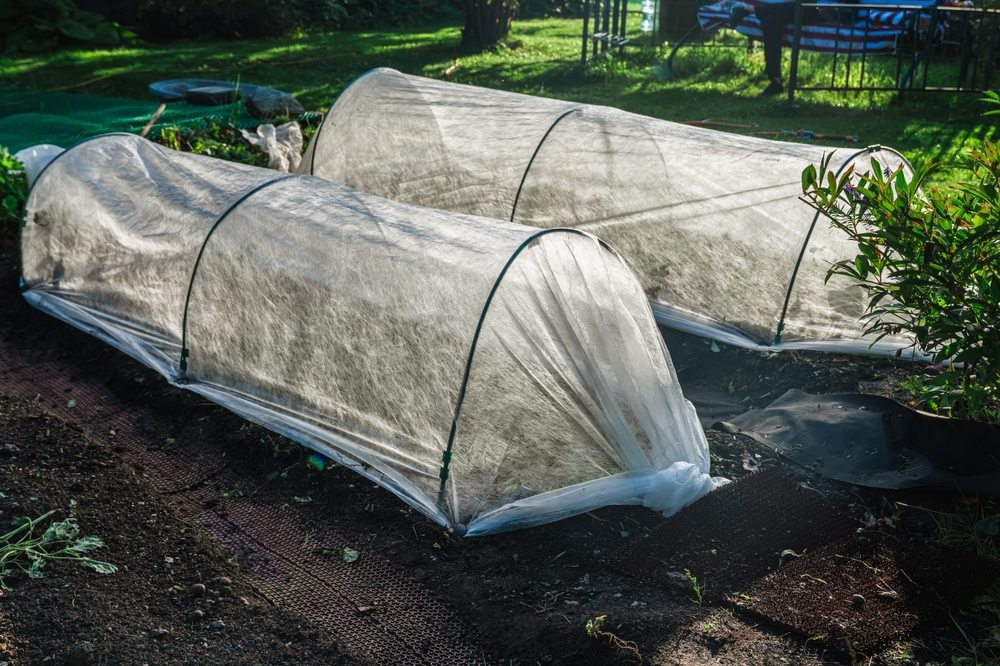
Vegetable beds protected by low tunnels and white row cover
What to plant now

Frost Dates, Hardiness Zones, and Planting Windows: What Each One Tells You

USDA hardiness zones describe average annual extreme minimum winter temperature and mainly help estimate perennial survival. They do not provide a last frost date, soil temperature, summer heat profile, or enough information to schedule annual crops by themselves.

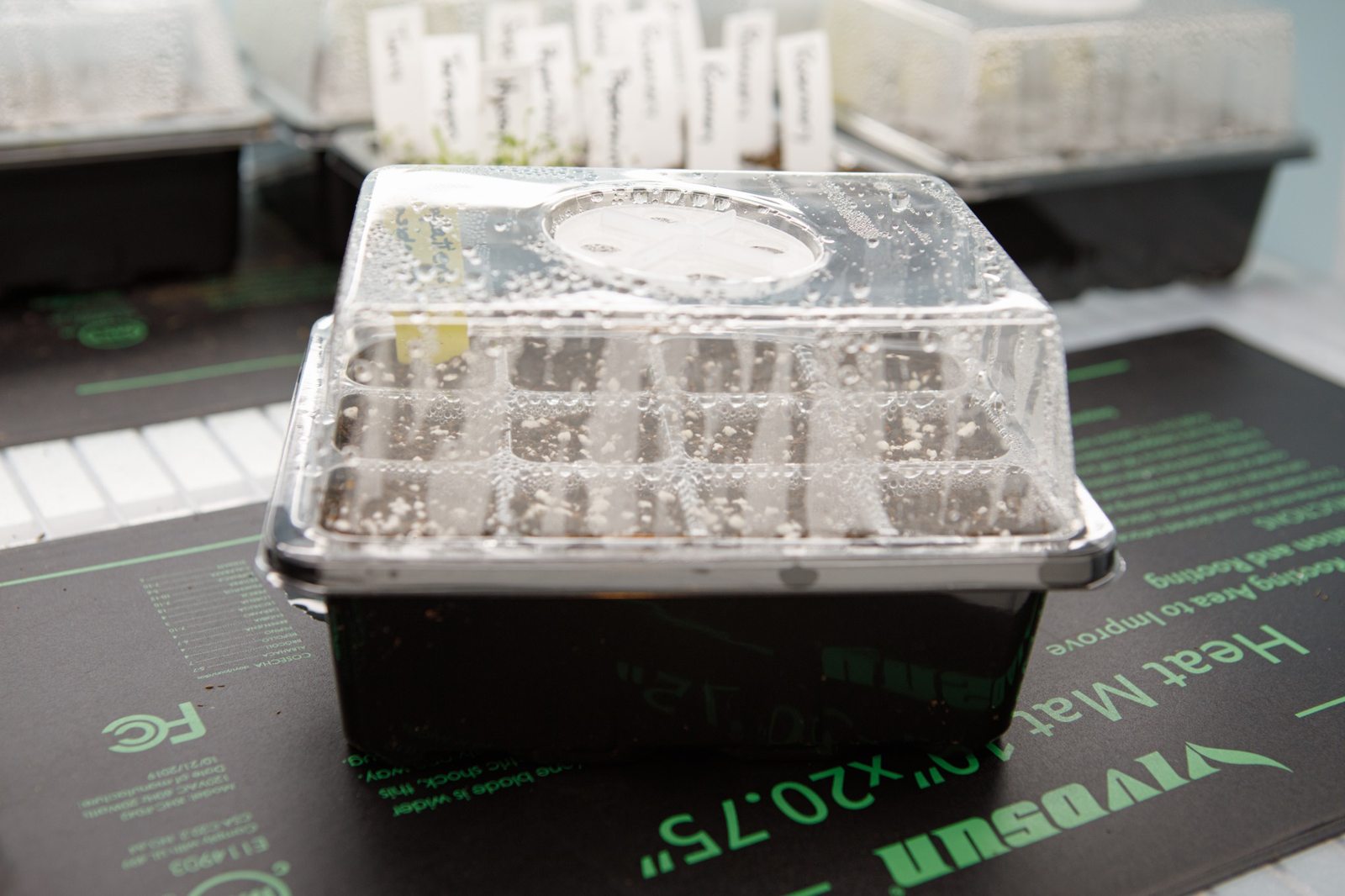
Covered seed tray resting on an electric seedling heat mat
Soil, compost & garden systems

Seedling Heat Mats: When Bottom Heat Helps—and When It Hurts

A seedling heat mat warms the root zone, not the leaves. Use it for crops that germinate more reliably in warm media, measure the mix with a thermostat or probe, and remove or reduce bottom heat after emergence unless the crop still needs it.

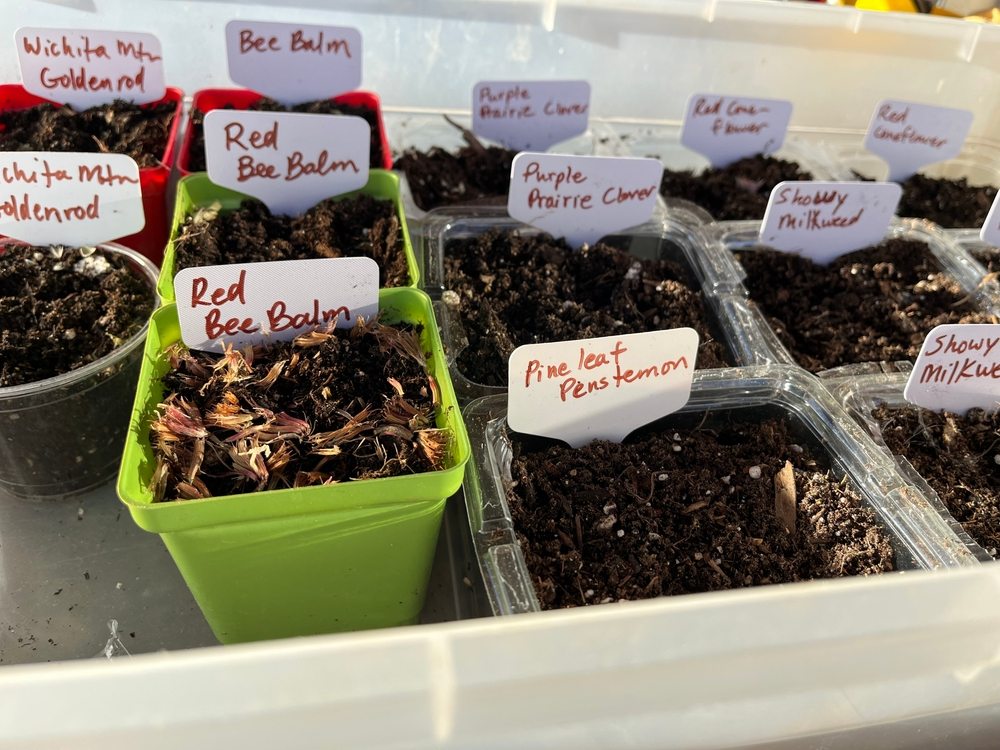
Labeled native perennial seeds arranged in containers for cold stratification
Seed starting & germination

Cold Stratification for Seeds: Why Some Seeds Need Winter Before Spring

Cold stratification is a species-specific period of cool, moist exposure used to reduce physiological dormancy. A dry seed packet sitting in a refrigerator is not automatically equivalent because moisture, temperature, duration, and aftercare all matter.

Page 2 of 2