Welcome to our store. Learn more

Free U.S. seed shipping $25+. Seeds ship free at the threshold.

Current Processing Times Before Shipping Are 1-2 Business Days

25% OFF Heirloom seed packets are $1.50, regularly $2.00. Seed packets only · sale price already applied · carries into checkout · coupon codes do not combine. Shop the sale →
Alliance of Native Seedkeepers Brewed in Colerain, North Carolina The practical library

The practical library

Growing Guides & Planting Advice

Find crop guides, planting calendars, seed-starting help, soil guidance, pest diagnosis, harvesting information, and practical seed-saving instructions.

Searchable. Find the crop, problem, story, or update you need. Complete. Browse every published article with working pagination. Rooted. From a Native-led seed company in rural North Carolina.

Seed Saving & Varieties

59 articles in this topic

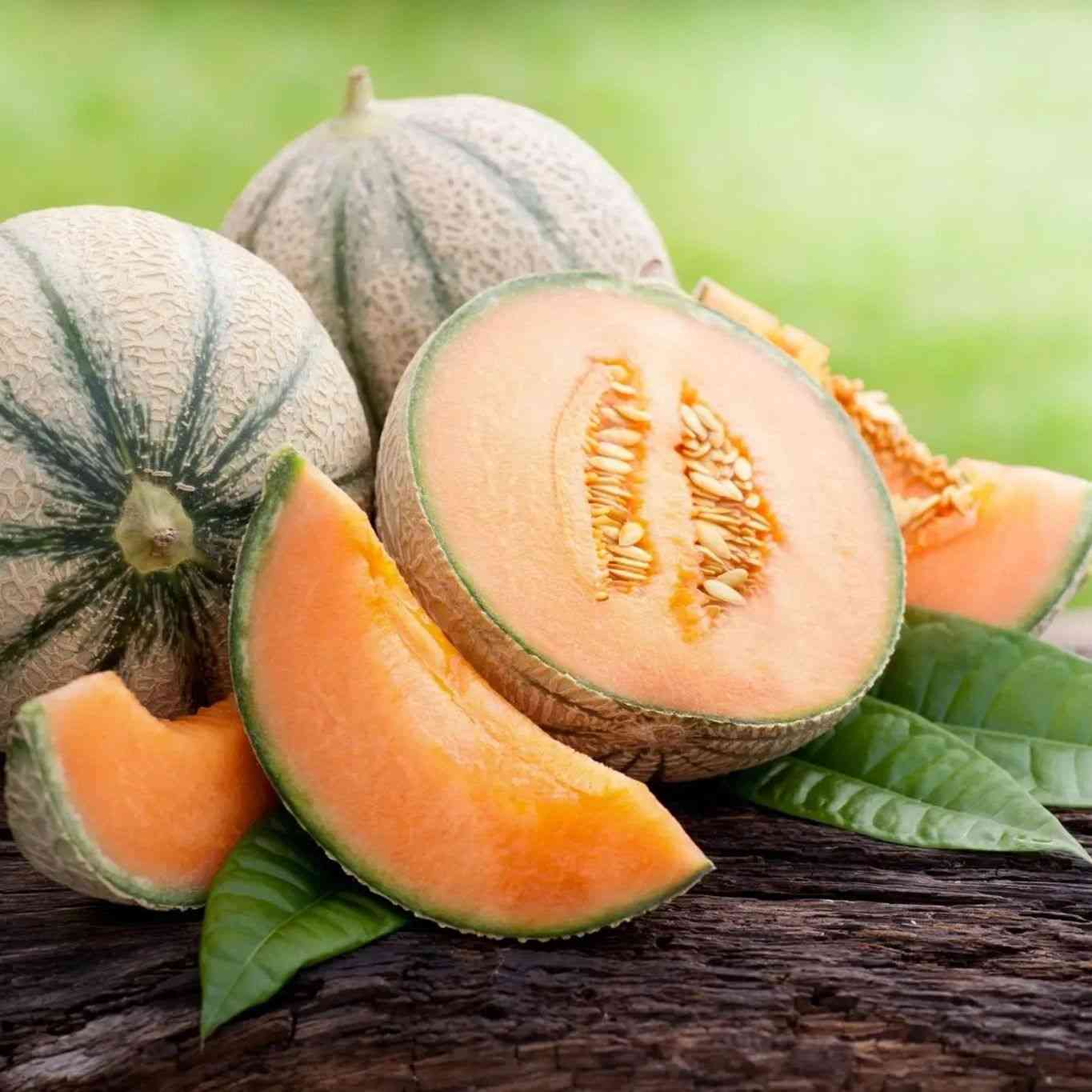
Assorted melons showing watermelon, muskmelon, honeydew, and specialty types
Seed saving & varieties

Types of Melons: Watermelon, Cantaloupe, Honeydew, and Specialty Fruit

Watermelons belong to Citrullus and are managed for rind, flesh, vine length, and maturity. Cantaloupes and many netted muskmelons belong to Cucumis melo, as do honeydews and numerous specialty melons. Their ripeness signals, aroma, slip behavior, and storage differ.

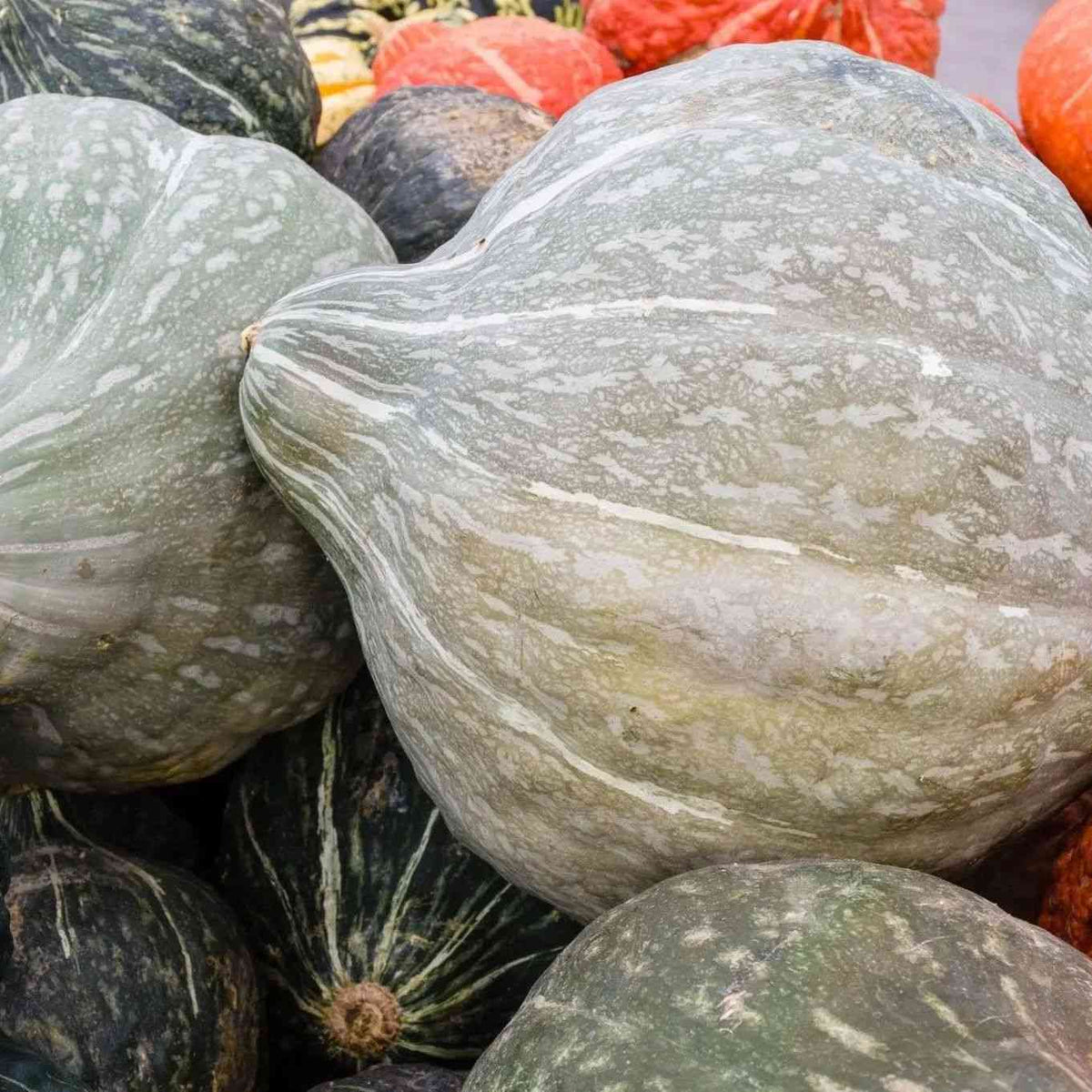
Assorted winter squash types represented by a mature Blue Hubbard squash
Seed saving & varieties

Winter Squash Varieties: Acorn, Butternut, Delicata, Hubbard, Kabocha, and Cushaw

Acorn and delicata types are relatively compact and quick. Butternuts are versatile and often store well. Kabocha types have dense sweet flesh. Hubbards and cushaws can become very large and need a long season. The label winter squash describes mature harvest and storage, not winter planting.

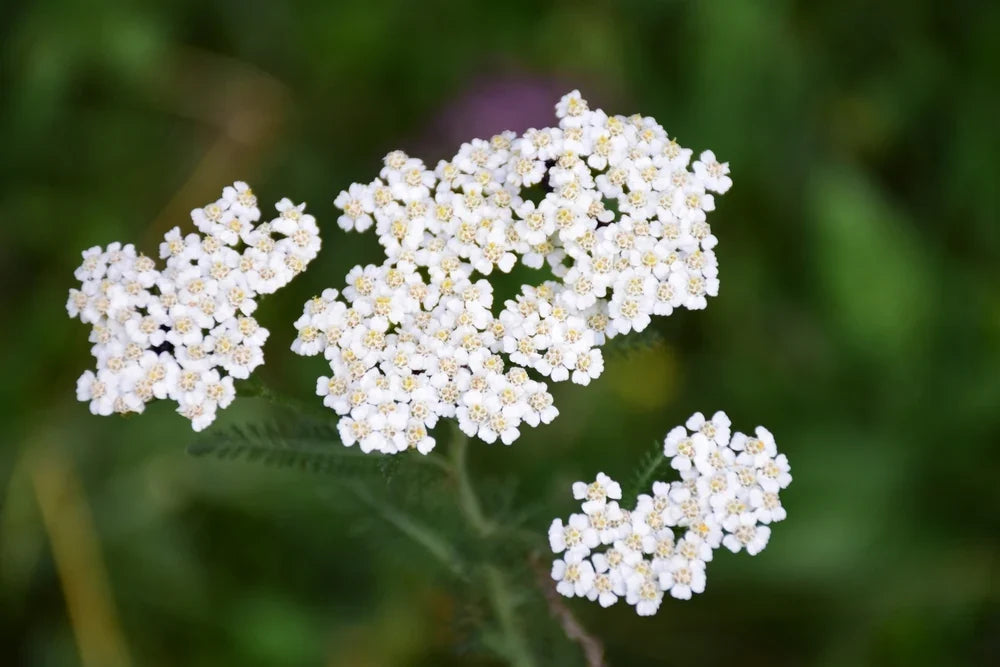
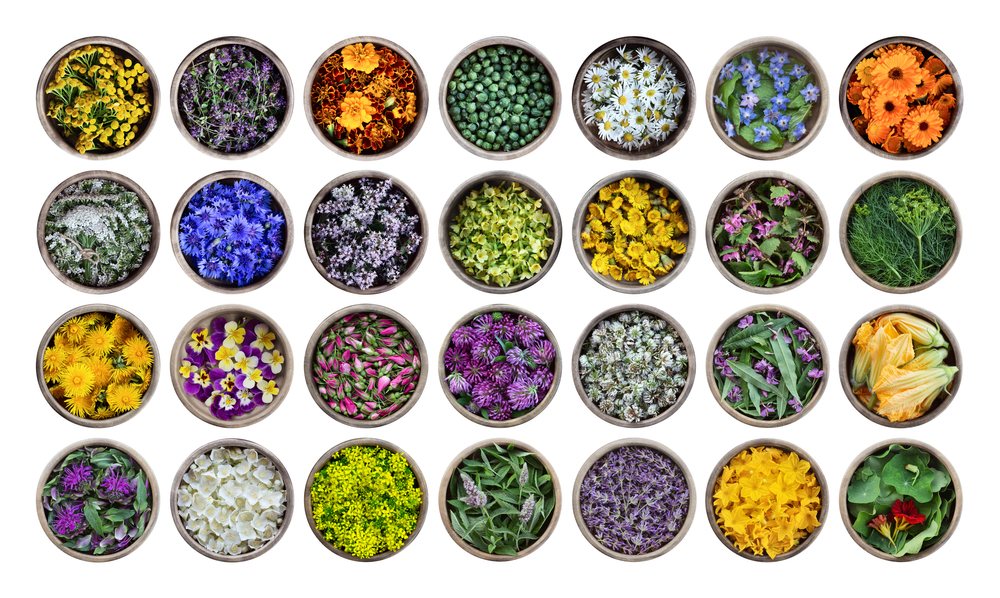
Twenty-eight kinds of edible and ornamental flowers arranged in bowls
Seed saving & varieties

Annual, Biennial, or Perennial? What a Seed’s Life Cycle Changes

Annual, biennial, and perennial describe how a plant completes its life cycle, not whether it survives every climate. Learn what the label changes for sowing, flowering, seed saving, and winter care.

Page 3 of 3