Welcome to our store. Learn more

Free U.S. seed shipping $25+. Seeds ship free at the threshold.

Current Processing Times Before Shipping Are 1-2 Business Days

25% OFF Heirloom seed packets are $1.50, regularly $2.00. Seed packets only · sale price already applied · carries into checkout · coupon codes do not combine. Shop the sale →
Alliance of Native Seedkeepers Brewed in Colerain, North Carolina The practical library

The practical library

Growing Guides & Planting Advice

Find crop guides, planting calendars, seed-starting help, soil guidance, pest diagnosis, harvesting information, and practical seed-saving instructions.

Searchable. Find the crop, problem, story, or update you need. Complete. Browse every published article with working pagination. Rooted. From a Native-led seed company in rural North Carolina.

Seed Saving & Varieties

59 articles in this topic

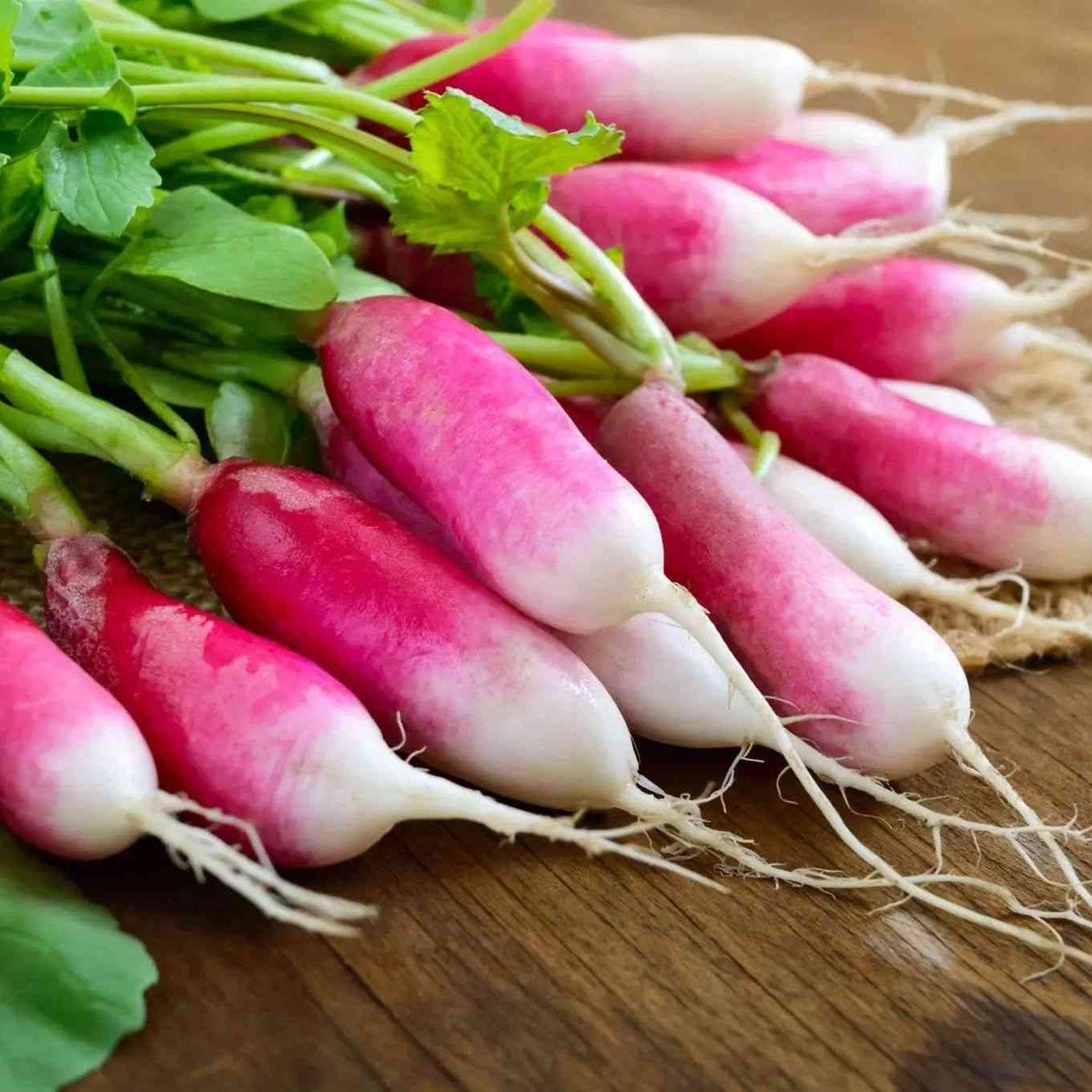
French Breakfast radishes with elongated red roots and white tips
Seed saving & varieties

Types of Radishes: Spring, Daikon, Watermelon & Winter Storage

Small spring radishes mature quickly in cool weather. Daikon and other long radishes need deeper loose soil. Watermelon radishes require more time and space. Winter storage radishes are grown for larger roots, strong flavor, and longer keeping quality.
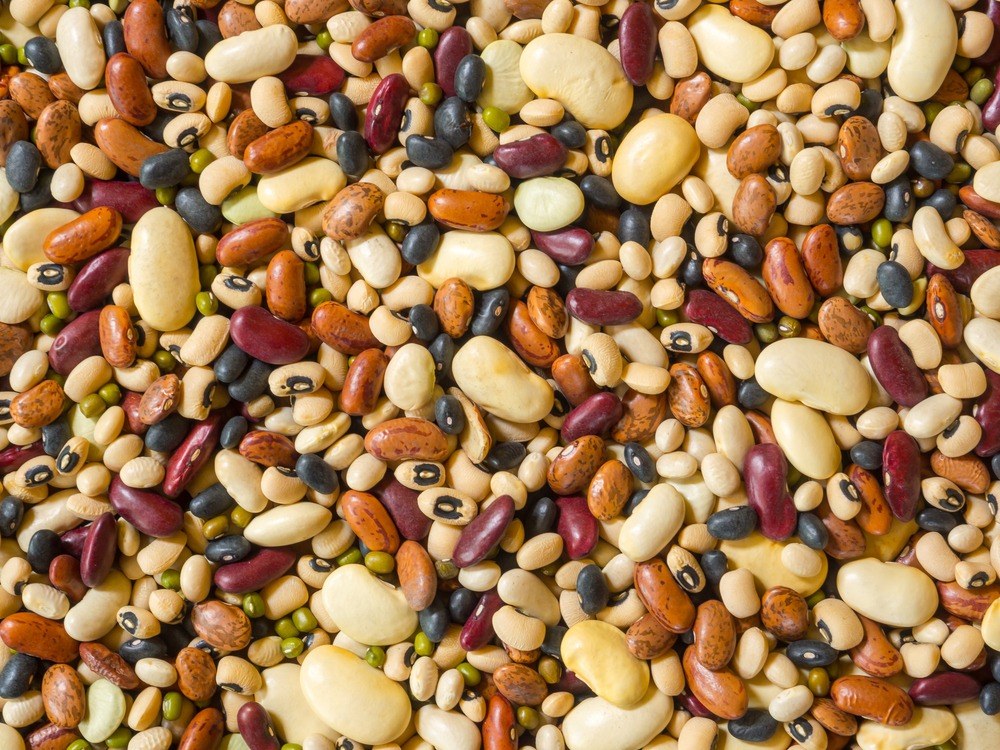
Assortment of colorful dry beans representing different harvest uses
Seed saving & varieties

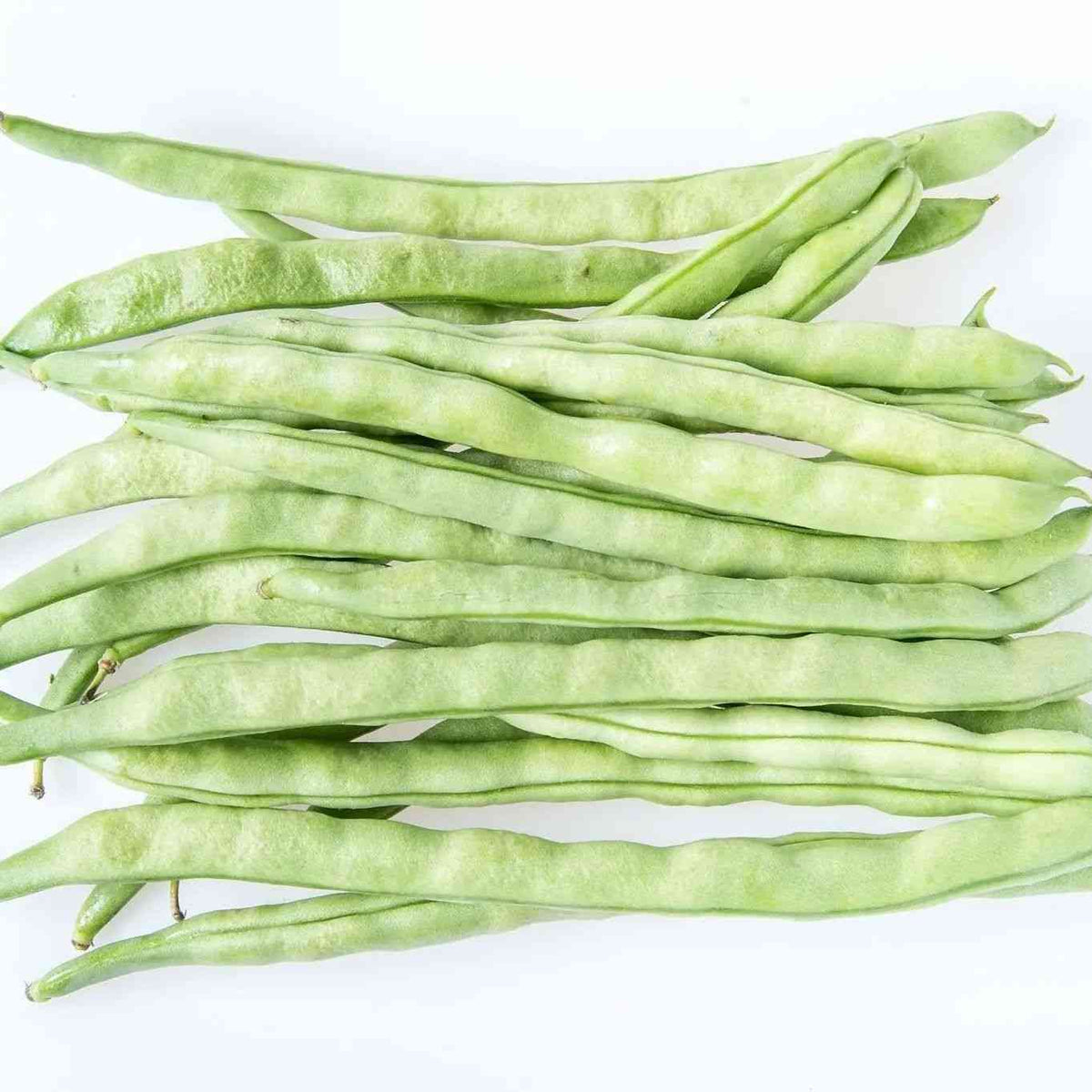
Types of Beans: Bush, Pole, Runner, Lima, Cowpea, Soybean & Dry

Bush beans are compact and produce in a concentrated window. Pole beans climb and often yield longer. Runner beans are a distinct species with showy flowers and cool-weather preference. Lima beans, cowpeas, soybeans, snap beans, shelling beans, and dry beans are defined as much by harvest stage and kitchen use as by plant shape.

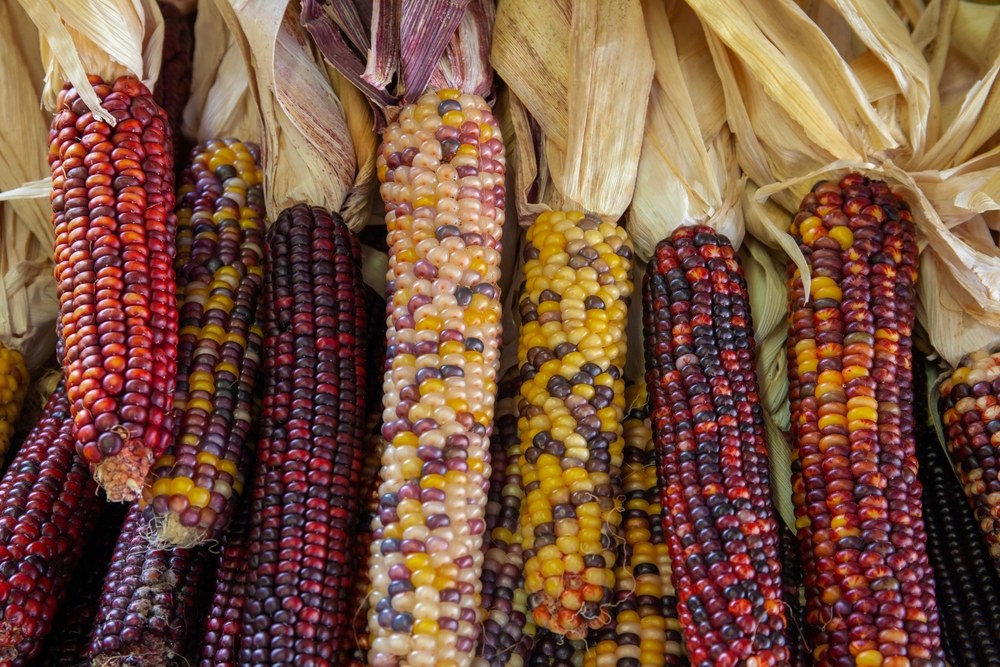
Colorful flint corn ears showing varied kernel colors and patterns
Seed saving & varieties

Types of Corn: Sweet, Flint, Flour, Dent, and Popcorn

Sweet corn is harvested immature for eating fresh. Flour corn has soft starch suited to grinding. Flint corn has a hard outer layer. Dent corn combines hard and soft starch and develops a dent as it dries. Popcorn is a specialized flint type whose moisture and hull allow kernels to pop.

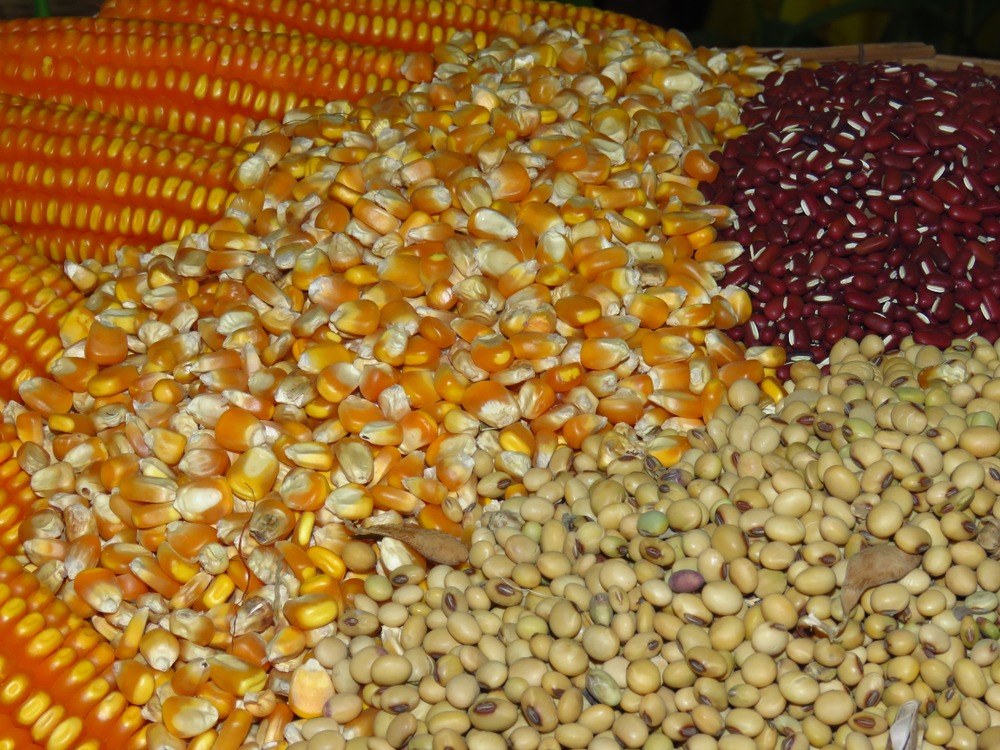
A diverse assortment of dry corn, bean, and garden seeds
Seed saving & varieties

Heirloom vs. Hybrid vs. Open-Pollinated Seeds: What the Terms Actually Mean

Open-pollinated varieties can reproduce with relative consistency when properly isolated and selected. Heirloom usually adds a history of continued use, while F1 hybrid seed comes from a deliberate cross and does not reproduce uniformly in the next generation.

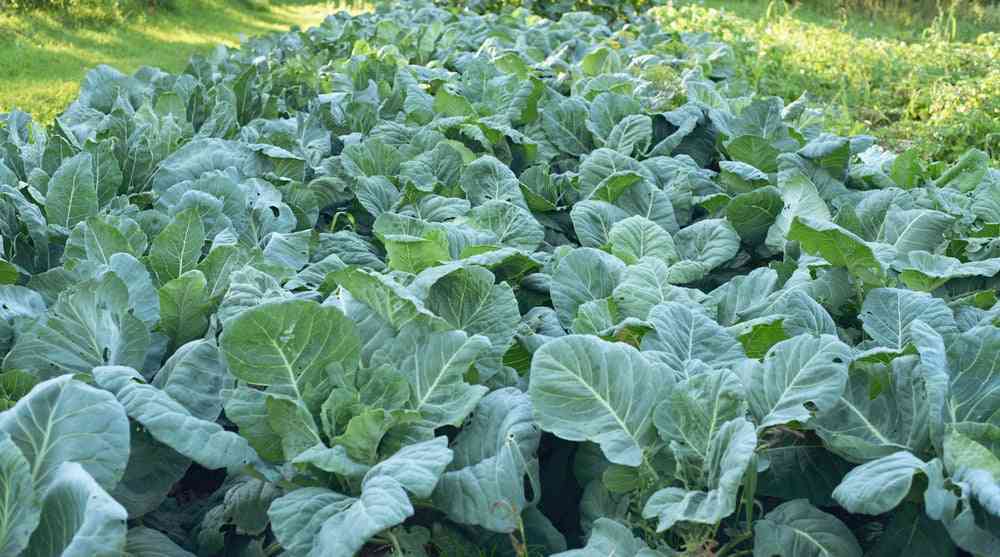
Kale, collard greens, and Swiss chard displayed side by side
Seed saving & varieties

Kale vs. Collards vs. Swiss Chard: Flavor, Growing & Harvest

Kale and collards are forms of Brassica oleracea and share many pests, crop-rotation needs, and cool-season traits. Swiss chard is Beta vulgaris, the same species group as beets, with different pests and family relationships. All provide leafy harvests, but they are not interchangeable in crop planning.

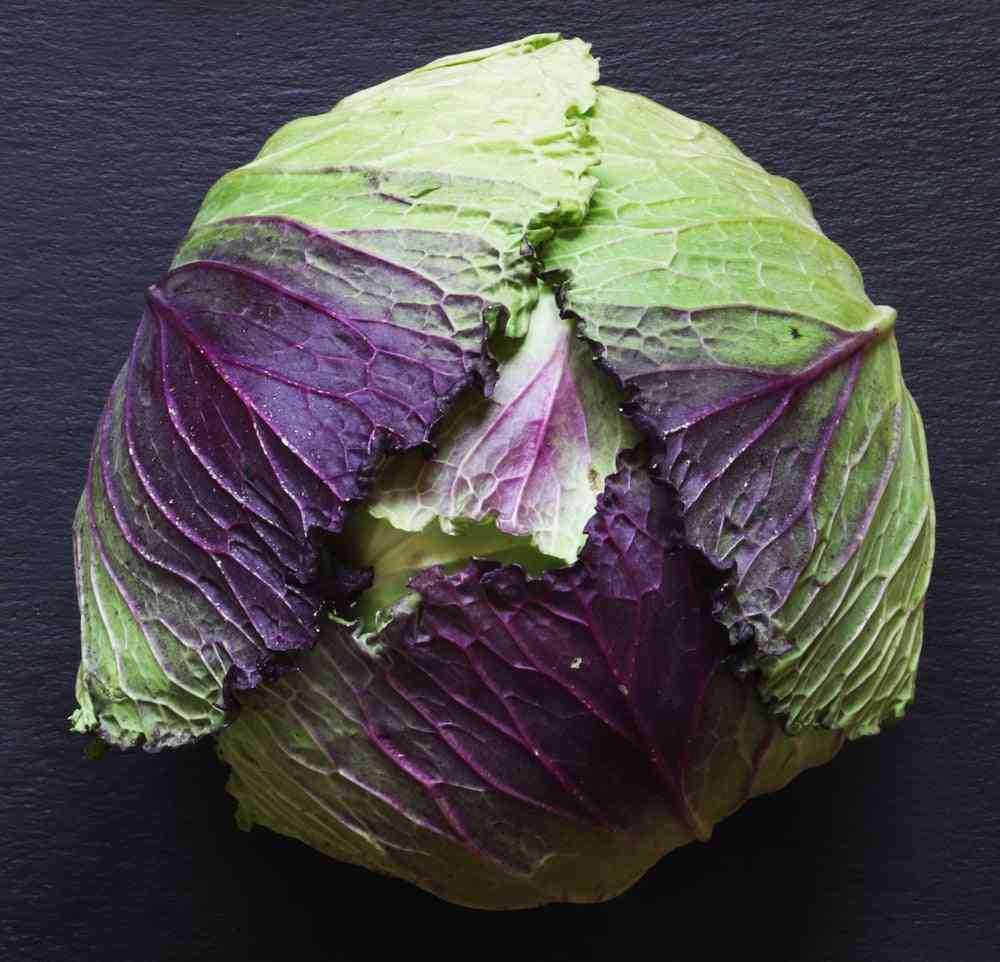
Assorted heading cabbage, savoy, conehead, Napa cabbage, and bok choy
Seed saving & varieties

Types of Cabbage: Heading, Savoy, Conehead, Napa & Bok Choy

Heading cabbage is dense and versatile. Savoy has crinkled leaves and a tender texture. Conehead forms pointed heads that often mature efficiently. Napa cabbage and bok choy are Asian brassicas with different growth and harvest habits, so they should not be treated as identical to European heading cabbage.

Buttercrunch butterhead lettuce forming a compact green head
What to plant now

Types of Lettuce: Looseleaf, Butterhead, Romaine, Crisphead & More

Looseleaf lettuce is harvested leaf by leaf or as a cut-and-come-again crop. Butterhead forms soft heads. Romaine forms upright hearts. Crisphead needs a longer cool season and careful timing. Summer-crisp types bridge some of the gap between leaf and head lettuce.

Green pea pods growing on supported garden vines
Seed saving & varieties

Types of Peas: Shelling, Snow, Sugar Snap, Shoots & Southern Peas

Shelling peas are grown for the peas inside. Snow peas are harvested as flat edible pods. Sugar snap peas combine edible pods with plump peas. Pea shoots are harvested very young. Southern peas are cowpeas, a heat-loving bean relative, not cool-season garden peas.

Seeds in paper envelopes beside blank plant labels
Seed saving & varieties

How to Choose Herb Seeds and a Reliable Seed Company

A reliable herb seed source gives the correct species and variety, honest germination expectations, usable packet information, clear growing guidance, and provenance language that distinguishes documentation from story.

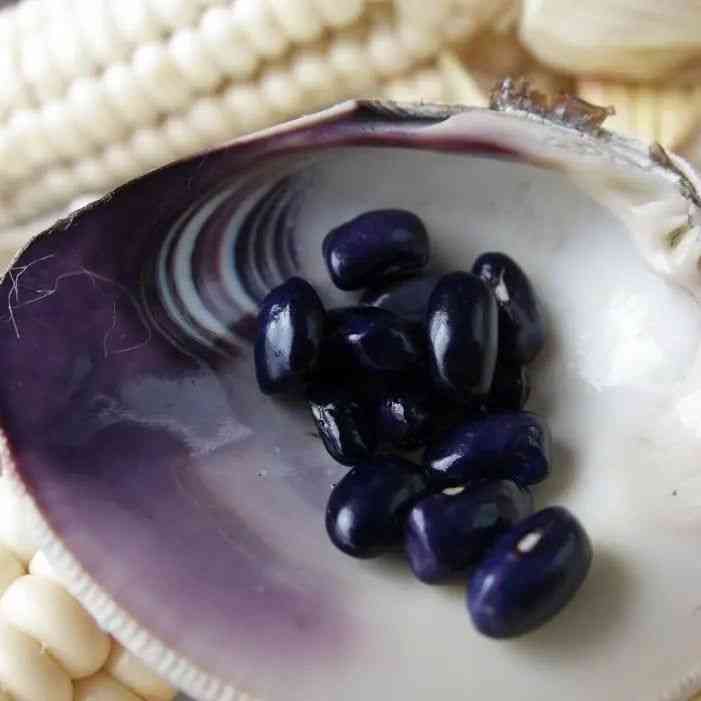
Cherokee Trail of Tears pole bean pods and glossy black beans
Seedkeeping, foodways & history

Cherokee Trail of Tears Bean: Reported History, Growing & Seed Saving

Cherokee Trail of Tears is a dual-purpose pole common bean included in Cherokee Nation’s contemporary Heirloom Garden and seed-bank work. Its deeper connection to forced removal is reported history rather than a fully documented chain of custody.

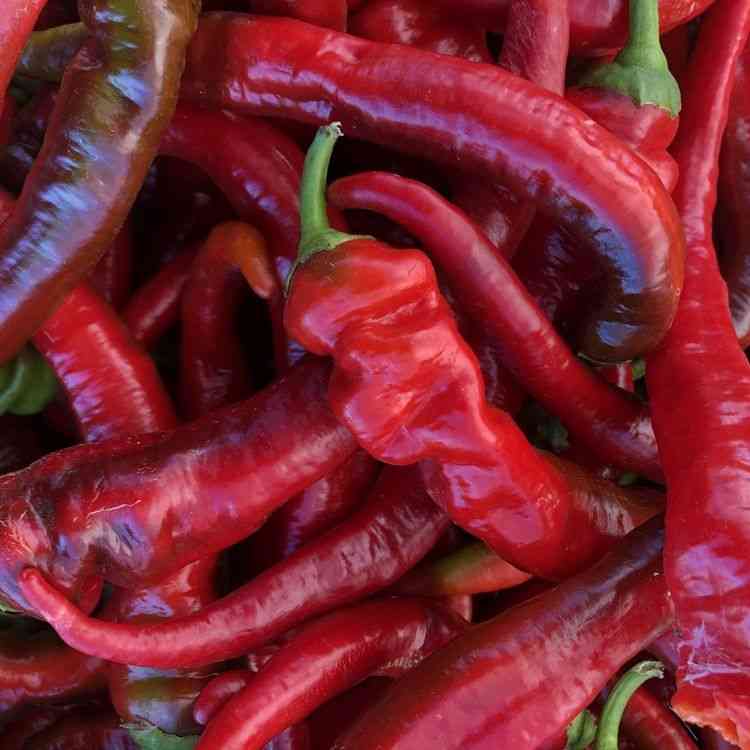
Long ripe red Jimmy Nardello sweet peppers
Seedkeeping, foodways & history

Jimmy Nardello Pepper: Family History, Growing, Harvest & Seed Saving

Jimmy Nardello is a sweet Italian frying pepper carried by the Nardello family from Ruoti, Basilicata, to Connecticut in 1887 and later brought into wider public circulation; Slow Food’s Ark of Taste documents its family and culinary history.

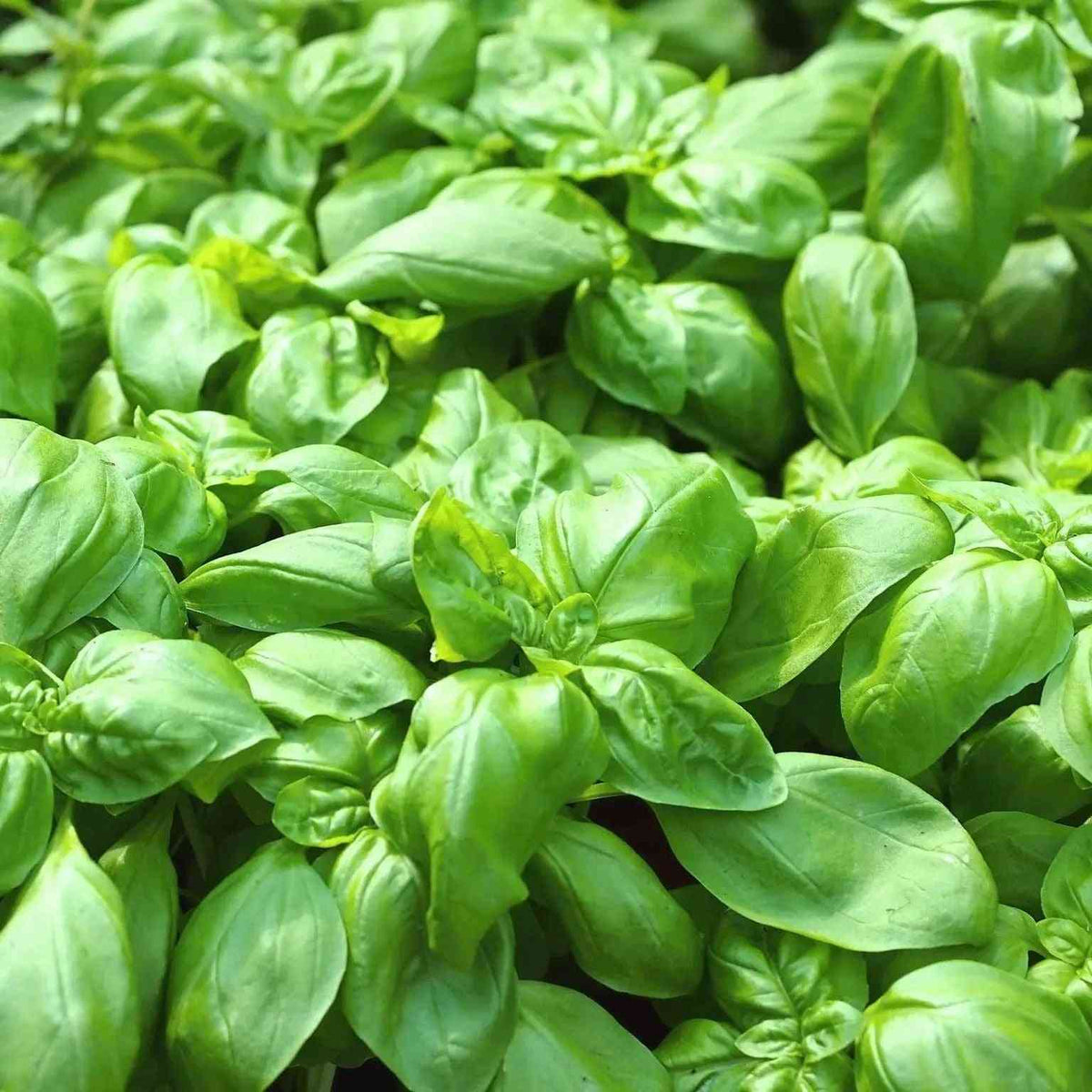
Sweet Genovese basil with broad glossy green leaves
Seed saving & varieties

Types of Basil: Sweet, Thai, Purple, Lemon, Greek, and Tulsi Compared

Sweet and Genovese basil suit pesto and broad culinary use. Thai basil brings anise-like flavor and firmer leaves. Lemon basil is citrus-forward. Purple basil adds color. Greek basil stays compact. Tulsi is a different basil group grown for aromatic and cultural uses rather than as a direct pesto substitute.

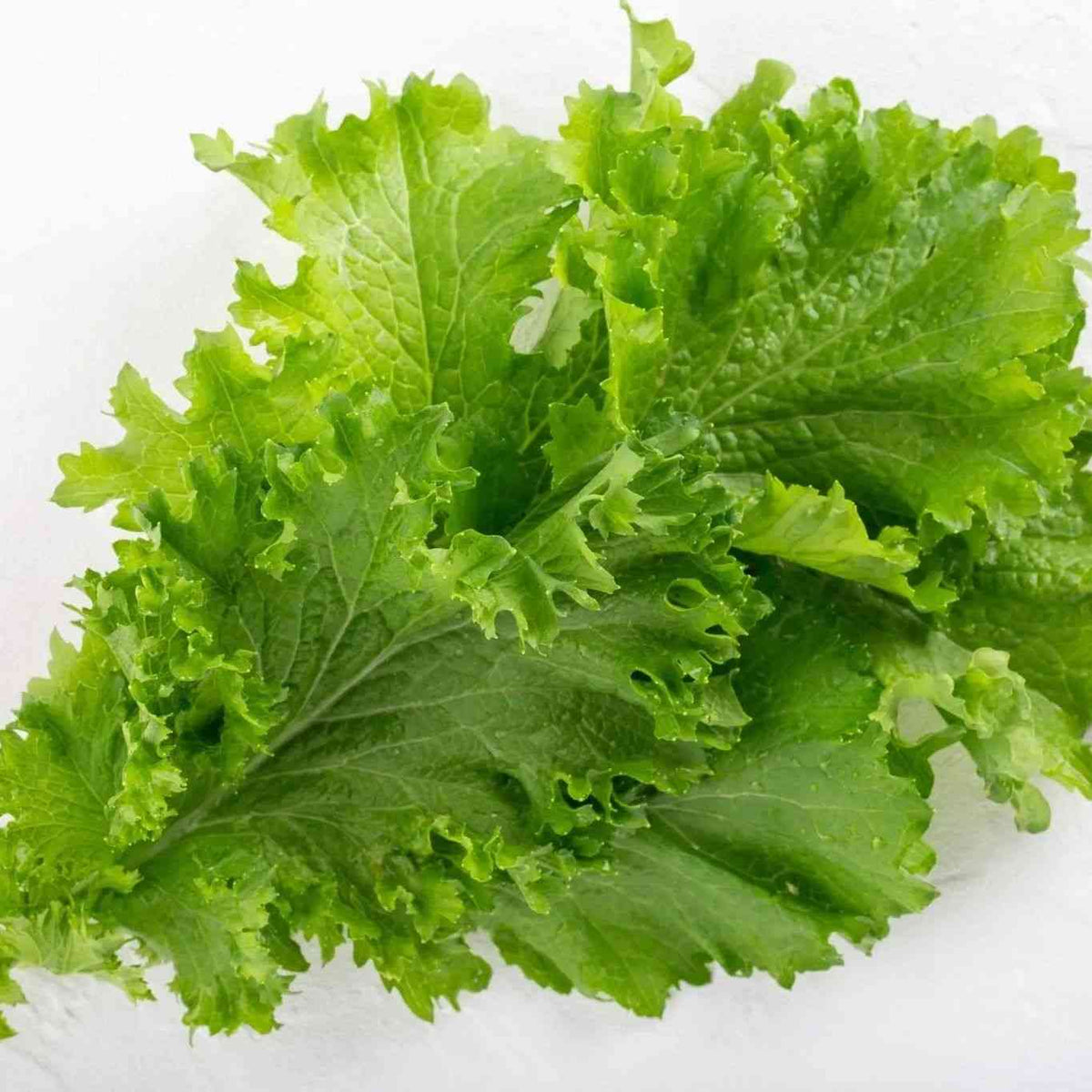
Deeply curled green mustard leaves ready for cool-season harvest
Seed saving & varieties

Mustard Greens: Types, Flavor, Planting & Seed Saving

Mustard greens range from broad smooth leaves to deeply cut frills, from mild young salad leaves to strong mature cooking greens. Variety, weather, leaf age, and soil moisture all change flavor. Choose the growth habit and harvest stage that match how you plan to eat them.

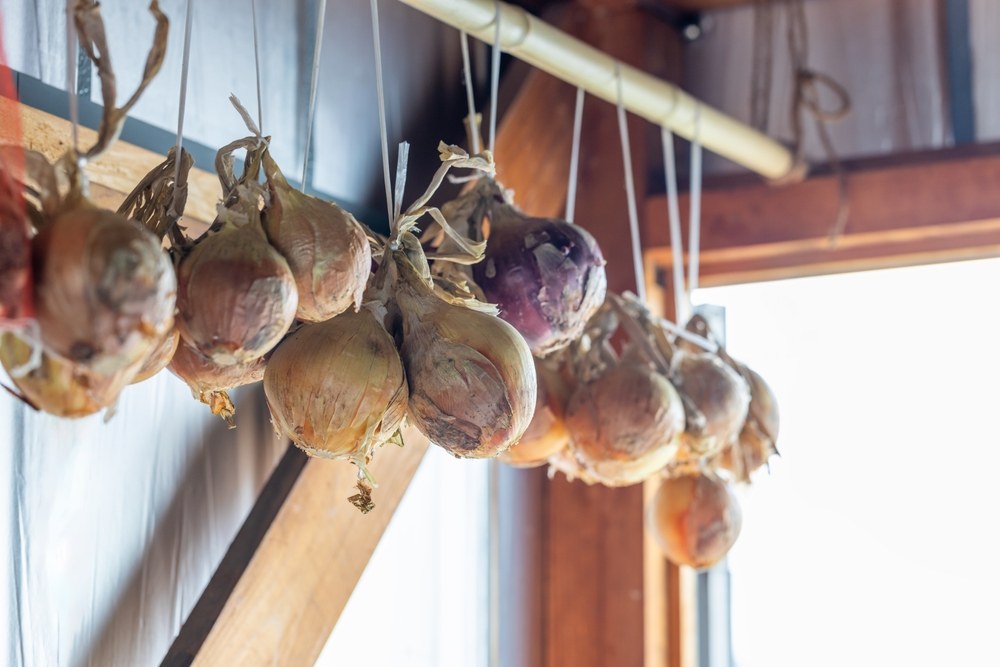
Bulb onions hanging indoors to cure with dry necks and skins
What to plant now

Onion Seeds, Sets, or Transplants? Choose the Right Start for Your Climate

Onion seed offers broad variety choice and clean starts but needs time. Sets are small dormant bulbs that establish quickly but can bolt or offer limited variety choice. Transplants balance speed and selection. Day length class must match latitude or bulbs may never size correctly.

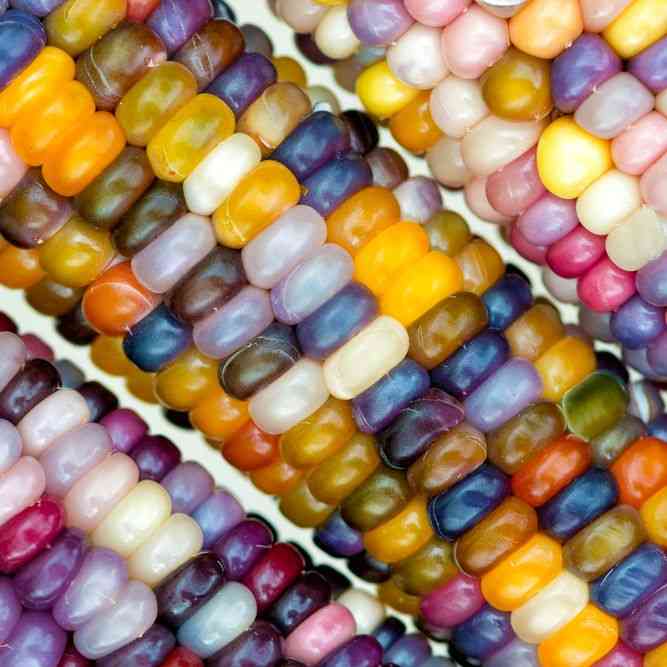
Glass Gem corn showing multicolored translucent flint and popcorn kernels
Seedkeeping, foodways & history

Glass Gem Corn: Documented History, Growing, Pollination & Seed Saving

Glass Gem is a multicolored open-pollinated flint and popcorn-type corn grown to full dry maturity. Plant it in a compact block, isolate it from other flowering corn, protect water during tasseling and silking, dry the ears thoroughly, test the grain for popping or meal, and save balanced seed from many healthy plants rather than one spectacular ear.

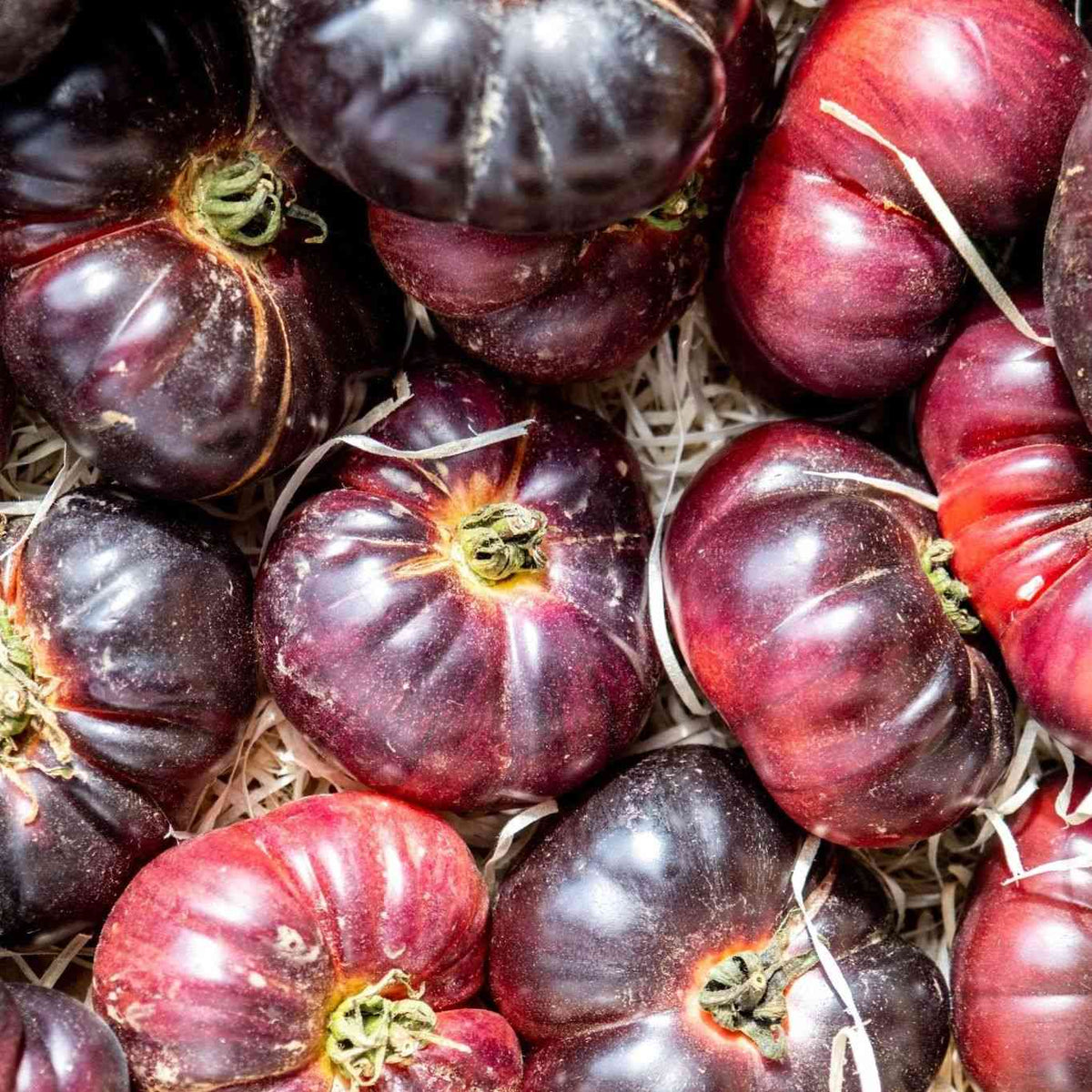
Ripe Cherokee Purple tomatoes with dusky rose-purple skin and dark shoulders
Seedkeeping, foodways & history

Cherokee Purple Tomato: History, Growing, Ripeness & Seed Saving

Cherokee Purple is a large, indeterminate, open-pollinated slicing tomato prized for dusky rose-purple fruit and rich smoky-sweet flavor. Start seed indoors 6 to 8 weeks before frost, transplant into warm soil, install heavy support, keep moisture even, and judge ripeness by overall color, aroma, and slight softness rather than waiting for the green shoulders to disappear.

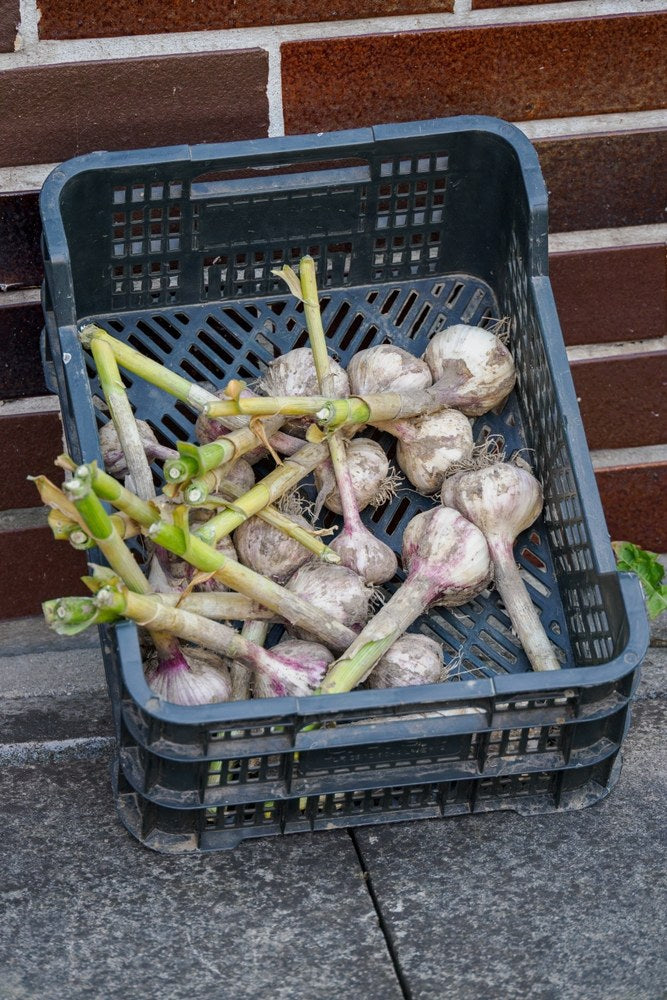
Freshly harvested garlic bulbs with stems attached in a ventilated crate
Seed saving & varieties

Types of Garlic and How to Plant It: Hardneck, Softneck, Elephant Garlic, and Climate Fit

Hardneck garlic generally performs best where winters are cold enough to support its growth cycle and produces edible scapes. Softneck garlic commonly stores longer and adapts well to milder regions. Elephant garlic is a leek relative, not true garlic, and has a different flavor and growth pattern.

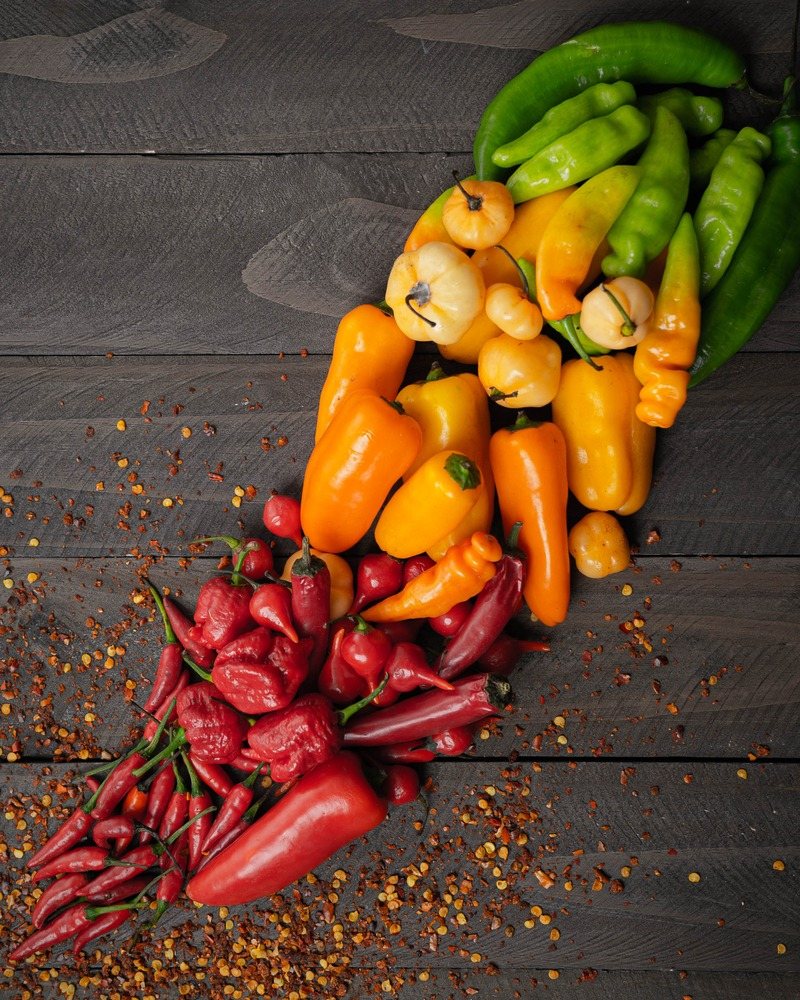
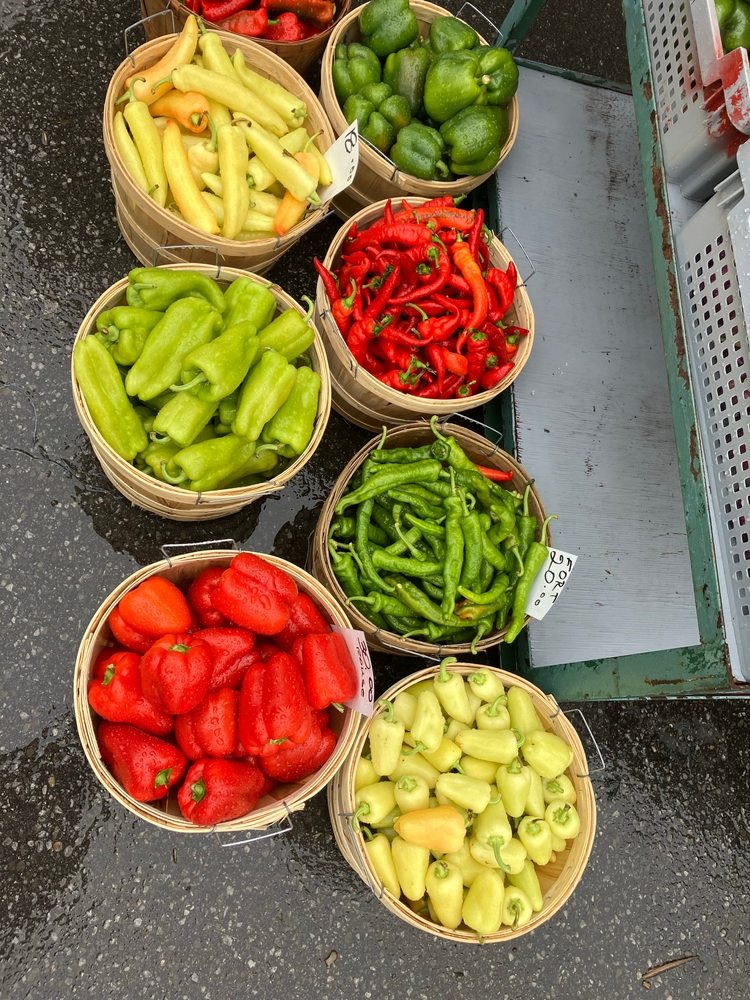
Market baskets filled with sweet, frying, hot, and seasoning peppers in several colors
Seed saving & varieties

Types of Peppers: Sweet, Hot, Seasoning, Drying & Ornamental

Sweet peppers are selected for little or no pungency. Hot peppers vary from mild to superhot and should be compared by flavor as well as heat. Seasoning and drying peppers may have thin walls and concentrated aroma. Ornamental peppers are selected for display, but edible use still depends on correct identification and handling.

Page 2 of 3