Choose lettuce by texture, head form, heat tolerance, harvest rhythm, and the way the crop will be used in the kitchen.
Good seed begins the work. Good observation finishes it.

Choose leaf, butterhead, romaine, crisphead, or summer-crisp lettuce
Looseleaf, butterhead, romaine, summer crisp, and crisphead lettuce should be chosen by season, space, and kitchen use, not by a photograph alone. One gardener needs a fast spring crop; another needs a fall harvest that can stand through cold. A market grower values uniformity and bunching. A seedkeeper also asks how many plants can be maintained when flowering begins.
Use cool germination and succession sowing to avoid bolting
Cool-season crop throughout the United States; fall and winter culture is valuable in mild climates. Cool-season crops can survive cold that would stop a tomato, yet they lose quality when roots stall in saturated soil or when heads form under sustained heat. Count backward from the weather you want at harvest, not forward from the day you happen to feel ready.


Harvest baby leaf, outer leaves, or whole heads deliberately
Baby leaf, cut-and-come-again harvest, compact heads, salads, wraps, and cooking greens. Quality is often a narrow gate. Lettuce turns bitter, radish becomes woody, broccoli loosens into flower, cabbage splits, and spinach bolts. Harvest is not the reward after the work; it is part of the work.
Leave selected lettuce plants through flowering and seed maturity
Primarily self-pollinating; collect mature seed heads repeatedly. A food crop can be harvested at its best eating stage. A seed crop must be carried through flowering, pollination, and full maturity. That takes more space, more time, and a willingness to leave the finest plants standing.
Frequently asked questions
What is the biggest mistake with types of lettuce?
Can I grow this crop in containers?
Why did the crop become bitter, tough, or loose?
Can I save seed from one plant?
Should I trust the days-to-maturity number exactly?
For more information and guidance
Lettuce form changes the whole harvest plan
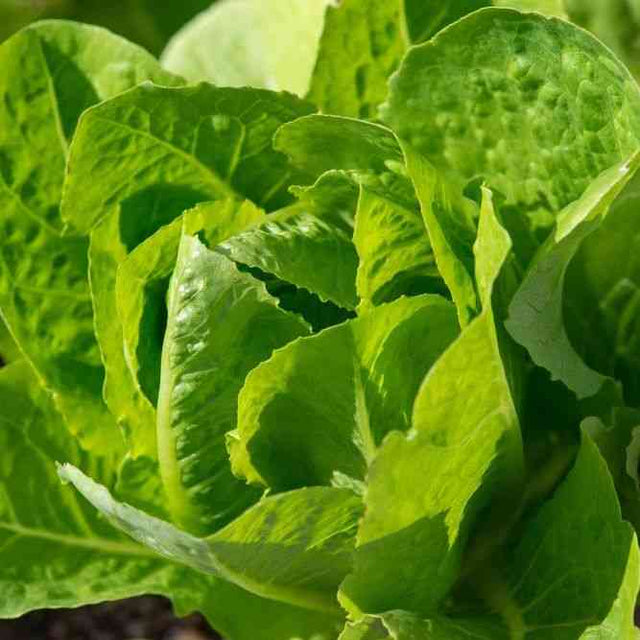
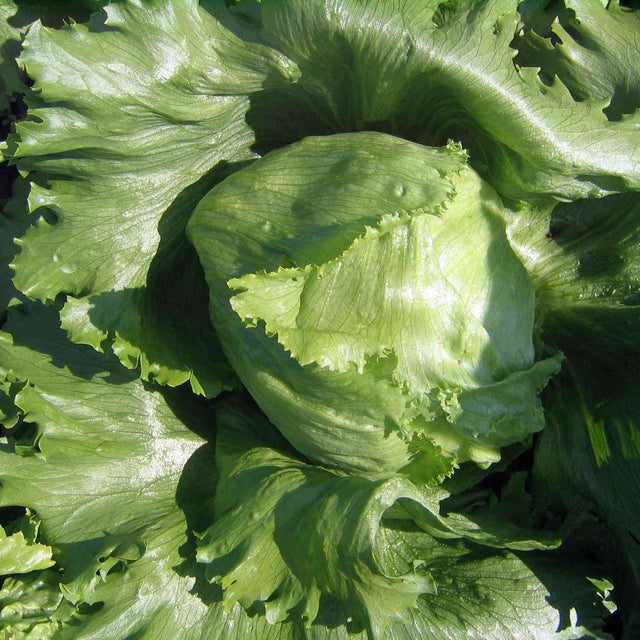
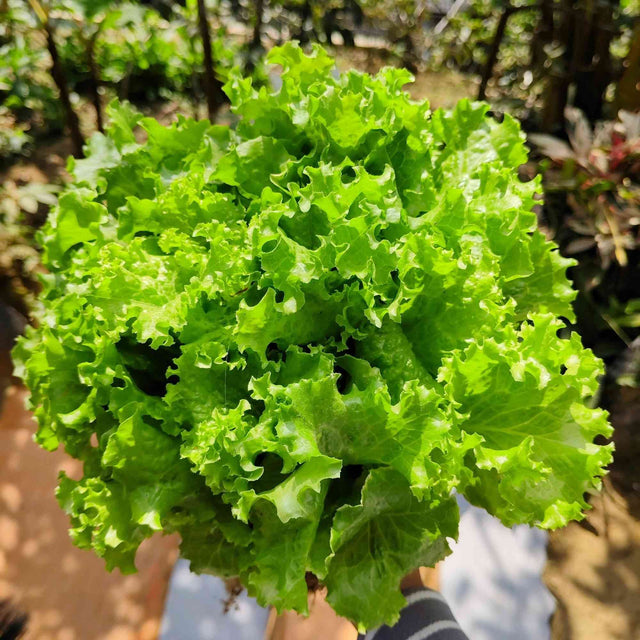
Loose-leaf lettuce can be cut young, harvested leaf by leaf, or allowed to form a broad rosette. Butterhead makes a soft folded head. Romaine builds an upright ribbed head. Crisphead needs the longest cool period and the most exacting water management. Summer-crisp types bridge some of the gap by making substantial heads with better heat tolerance than traditional crisphead lettuce.
The same variety can be managed as baby leaf or full-size lettuce, but the field plan is not the same. Baby leaf is sown densely and cut quickly. Full-size heads need individual spacing, root volume, and steady moisture. Pelleted seed can make precise spacing easier, but the coating must remain moist during germination.
Bolting is a developmental response, not a moral failure
Long days, high temperatures, root stress, and variety genetics all affect bolting. Shade cloth can buy time, but it cannot turn midsummer into spring. In hot climates, shift lettuce toward fall, winter, and early spring, use heat-tolerant types for transition periods, and harvest promptly before stems elongate and flavor changes.
Germination and succession need different temperatures than mature plants
Lettuce seed can germinate poorly in hot media even when established plants are still alive. Start late-summer sowings in a cooler location, use fresh seed, and move seedlings into the garden after emergence. Sow small batches at regular intervals instead of one oversized row; repeated modest harvests are usually more useful than a single week of surplus heads.
For seed saving, leave selected plants through the tall flowering stage and protect mature seed heads from rain and shattering. Lettuce is mainly self-pollinated, but nearby varieties can still cross at low rates, so isolation remains part of honest variety maintenance.