Free U.S. seed shipping $25+. Seeds ship free at the threshold. Storefront goods, pantry finds, books & local goods are being added.

New seeds, Main Street specials, and storefront finds update as the market grows.

Black Ball Bachelor's Button Seeds

Scientific name Centaurea cyanus

Seed packet & garden essentials

What to know before you plant

View complete growing & care facts
150 minimum seeds per packet
  • First bloom / maturity70-79 Days · 70-79 Days
  • Growth habitUpright/Erect · Annual · 25–30 in tall
  • Best useborders, cutting gardens, pollinators, containers, and seasonal color
  • Color & characterBlack
  • Germination7–14 Days days · 60–75 °F
  • Seed preparationUse clean seed-starting conditions, the listed sowing depth and temperature, and steady moisture without saturation
  • SunFull sun
  • Spacingspace 6 in · rows 12 in
  • Container fitPossible in a properly sized container with reliable drainage, moisture, and room for the mature plant
  • Water needsDrought tolerant
  • SoilLoamy · pH 6.5–7.0
  • Planting seasonSpring · blooms Spring · Hardy
$200 USD
Secure checkout Details
Generic
Triple-tested seed qualityRegular quality and germination checks support every packet.

We regularly test seed quality and germination as lots move through storage and packing. We stand behind the seed we send and want customers to contact us when a packet does not perform as reasonably expected.

1-year seed warrantyCoverage begins on the date of purchase.

When properly stored, planted, and cared for, we guarantee reasonable germination and true-to-type growth for one year from the date of purchase. Conditions outside our control—including extreme weather, pests, unsuitable storage, and gardener error—are excluded. Contact us when something is not right so we can review the situation and work toward a replacement, refund, or another fair resolution.

Non-GMO / BE seed policyWe do not buy or sell genetically engineered or bioengineered seed.

Every seed variety we sell is non-GMO.

USDA’s National Bioengineered Food Disclosure Standard defines bioengineered foods as containing detectable genetic material modified through in vitro recombinant DNA methods in ways not achievable through conventional breeding or found in nature.

  • Hybrid means parent lines were conventionally crossed; hybrid does not mean GMO.
  • Heirloom and open-pollinated describe how a variety is maintained and reproduced.
  • Organic certification is separate and is shown only when verified for the individual product.
Packed in Colerain, North CarolinaPrepared in our seed room for gardens across the country.

Seeds are packed and shipped from Colerain, North Carolina. Our packets use forestry-certified paper, and we use recyclable paper mailers where appropriate. AONSK is also a 1% for the Planet partner while continuing to reduce waste in packing and fulfillment.

Seed success profile

Rules-based · no AI
Gardener experience Beginner-friendly
Germination difficulty Straightforward
Preparation before sowing
Use clean seed-starting conditions, the listed sowing depth and temperature, and steady moisture without saturation
Germination speed
Typical — usually 7–21 days
Growing complexity
Bloom crop requiring species-specific sowing, spacing, deadheading or seed maturity, and support when tall
Patience and timing
70-79 Days
Is this seed a good match for your experience?
Expected germination
7–14 Days
Germination temperature
60–75 °F
Stratification
Not normally required by the current record
Scarification
Not normally required by the current record
Pre-soaking
Not normally required by the current record
Light during germination
Cover to the recorded depth; provide strong light immediately after emergence
Germination pattern
Usually reliable when seed is stored well and temperature, depth, moisture, and preparation match the recorded requirements
Transplant sensitivity
Varies by species; use direct sowing when the record warns against disturbance
Best chance of success
For Black Ball Bachelor's Button Seeds, control temperature and moisture at sowing, label the start date, and compare emergence with the complete recorded germination window before reseeding.
What to expect

Preparation: Use clean seed-starting conditions, the listed sowing depth and temperature, and steady moisture without saturation. Germination light: Cover to the recorded depth; provide strong light immediately after emergence. Expected emergence: 7-14 Days. Temperature: 60-75 °F.

Slow germination is not automatically failed germination.

Maintain the listed temperature, moisture, light, and treatment conditions for the full expected window. Some seed lots emerge gradually rather than all at once.

1 Beginner-friendly 2 One extra step 3 Some experience helpful 4 Patient growers 5 Advanced propagation

This deterministic profile uses recorded product facts; it is not Artificial Intelligence and is not a guarantee. Seed age, storage, sowing depth, moisture, temperature, light, local conditions, and aftercare can all affect results. Last reviewed July 2026.

Build a garden-fit plan

Check this seed against your real growing conditions

Compare timing, germination preparation, sunlight, soil, water, space, support, intended use, and your preferred level of seed-starting complexity.

Open the detailed garden-fit planner Deterministic rules · no Artificial Intelligence · no live weather service

Complete product description

Black Ball Bachelor's Button Seeds

Black Ball Bachelor’s Button Seeds are a striking heirloom annual known for their deep maroon to near-black blooms and strong, upright growth habit. Black Ball Bachelor’s Button Seeds produce sturdy plants reaching 24 to 36 inches tall, making them well suited for borders, cutting gardens, and meadow-style plantings where bold contrast and texture matter.

Black Ball Bachelor’s Button Seeds typically germinate in 7 to 14 days and reach full maturity in approximately 70 to 90 days. The rich, velvety flowers are long lasting on the plant and perform exceptionally well in both fresh and dried arrangements. Their distinctive button-like shape and dark coloration add depth to bouquets while also attracting bees, butterflies, and other beneficial pollinators throughout the growing season.

Easy to grow and dependable, Black Ball Bachelor’s Button Seeds thrive in full sun and well-drained soil, tolerating dry conditions once established. These low-maintenance plants are ideal for gardeners seeking reliable blooms with minimal care. Whether grown for cutting, pollinator support, or ornamental display, Black Ball Bachelor’s Button Seeds offer consistent performance and unmistakable visual impact from early summer through fall.

Minimum Seed Count: 150 seeds

Every recorded growing detail

Complete growing & care facts

Continue to the garden-fit planner

Plant identity

Minimum seed count 150 seeds
Seed product profile Flower
Scientific name Centaurea cyanus
Also known as Bachelor's Button, Bachelor's Button Seeds - Black Ball Bachelor’s Button
Color Black
Life cycle Annual
Botanical family Asteraceae
Reproductive type Open-Pollinated (OP)
Heritage qualifiers Heirloom
Native to the United States Domesticated Plant
Domestication note Europe – Northern / Central

Seed success and gardener experience

Gardener experience Beginner-friendlyLevel 2 of 5
Germination difficulty StraightforwardLevel 2 of 5
Preparation before sowing Use clean seed-starting conditions, the listed sowing depth and temperature, and steady moisture without saturation
Stratification Not normally required by the current record
Scarification Not normally required by the current record
Pre-soaking Not normally required by the current record
Light during germination Cover to the recorded depth; provide strong light immediately after emergence
Germination pattern Usually reliable when seed is stored well and temperature, depth, moisture, and preparation match the recorded requirements
Growing complexity Bloom crop requiring species-specific sowing, spacing, deadheading or seed maturity, and support when tall
Transplant sensitivity Varies by species; use direct sowing when the record warns against disturbance
First harvest or bloom 70-79 Days
Best chance of success For Black Ball Bachelor's Button Seeds, control temperature and moisture at sowing, label the start date, and compare emergence with the complete recorded germination window before reseeding.

Timing and climate

Days to maturity 70-79 Days
Germination 7-14 Days
Germination temperature 60–75 °F
Planting season Spring
Bloom season Spring
Frost tolerance Hardy
Sunlight Full sun
Water needs Drought tolerant

Site, soil, and space

Soil type Loamy
Preferred soil pH 6.5–7.0
Seed depth 1/4 in
Plant spacing 6 in
Row spacing 12 in
Mature height 25–30 in
Growth habit Upright/Erect
Suitable growing locations In-ground bed, Raised bed, Wildflower meadow, Habitat restoration, Community garden

Crop-specific details

Garden-fit planning for this variety

Will Black Ball Bachelor's Button Seeds fit your garden?

Check bloom timing, cut-flower or pollinator use, height, sun, sowing method, and life cycle.

Rules-based · no AI
Questions for this flower seed
Seed-starting fit and patience
Recorded product profileBeginner-friendlyStraightforwardRead why
Soil test, pH, drainage, and amendment calculator Have a laboratory soil report? Enter pH, nutrients, texture, bed size, and site observations here. Open soil tools
Recorded soil typeLoamy
Recorded pH range6.5–7.0
Water needsDrought tolerant
LightFull sun

Use a current laboratory soil test

Soil-test interpreter

Compare your report with this product's listed pH target: 6.5–7.0.

This tool interprets values you enter; it does not replace laboratory or Cooperative Extension amendment rates. Soil test methods and nutrient recommendations vary by region.

The full variety record

Sowing, care, harvest, troubleshooting, and history

How to start Black Ball Bachelor's Button Seeds from seedPreparation, timing, depth, germination, transplanting, spacing, and early care

Variety-specific germination notes

Preparation: Use clean seed-starting conditions, the listed sowing depth and temperature, and steady moisture without saturation. Germination light: Cover to the recorded depth; provide strong light immediately after emergence. Expected emergence: 7-14 Days. Temperature: 60-75 °F.

Complete sowing and planting guidance

How to Sow and Transplant – Bachelor’s Button (Centaurea cyanus)

1. Choosing the Right Location

Light Requirements:
Bachelor’s Buttons thrive in full sun, needing at least 6–8 hours of direct sunlight daily for abundant blooms and strong stems. They tolerate partial sun but may produce fewer flowers. Choose an open site free from shade cast by trees, fences, or taller crops.

Soil Requirements:
These hardy annuals prefer well-drained, loamy or sandy soil enriched with organic matter. The ideal pH range is 6.0–7.5, though they tolerate slightly alkaline conditions. Avoid waterlogged or heavy clay soil, which leads to root rot.

Soil Preparation Tip:
Loosen the top 8–10 inches of soil before sowing. Work in 1–2 inches of compost or aged manure to improve fertility and moisture balance. For poor soils, add a small amount of bone meal to promote robust root and flower development.

2. Starting Seeds Outdoors

Timing:
Bachelor’s Buttons are cool-season flowers and perform best when direct-sown in early spring as soon as the soil can be worked, or in late fall in mild climates for early spring blooms. Seeds tolerate light frost and even snow cover, making them easy to start outdoors.

Sowing Depth:
Sow seeds ¼ inch deep, covering lightly with soil. Firm gently and water evenly to settle the soil.

Spacing:
Thin seedlings to 6–12 inches apart, depending on the variety’s height, and space rows 12–18 inches apart for good air circulation.

Germination Conditions:
Seeds germinate best between 60–70°F (16–21°C) and typically sprout in 7–14 days. Cooler temperatures slow germination but strengthen seedlings once emerged.

Watering After Sowing:
Keep the soil lightly moist but never saturated. Overwatering can cause damping-off in young seedlings.

3. Starting Seeds Indoors (Optional)

While Bachelor’s Buttons prefer direct sowing, indoor starts can extend bloom time or give an early start in cooler regions.

Timing:
Sow seeds indoors 4–6 weeks before the last expected frost date. Transplant outdoors when seedlings are sturdy and temperatures remain above 40°F (4°C).

Containers and Medium:
Use biodegradable pots or cell trays filled with sterile seed-starting mix. Avoid heavy garden soil.

Light and Temperature:
Place trays in bright light or under grow lights for 14–16 hours per day. Keep at 65–70°F (18–21°C) until germination.

Thinning:
Once seedlings develop true leaves, thin weaker plants and allow one strong seedling per cell or pot.

4. Transplanting Seedlings

Hardening Off:
About 7–10 days before transplanting, gradually expose seedlings to outdoor conditions. Start with 2 hours of morning light and increase daily exposure. Reduce watering slightly to toughen stems.

Planting Outdoors:
Transplant hardened plants into prepared beds after the danger of hard frost has passed. Handle seedlings gently by the leaves to avoid stem damage.

Planting Depth:
Plant at the same depth they were growing in containers. Do not bury the stem.

Spacing:
Allow 8–12 inches between plants and 12–18 inches between rows to encourage airflow and prevent mildew in humid climates.

Watering at Transplanting:
Water thoroughly after planting to help roots establish. Apply water at the base rather than overhead to reduce leaf wetness and disease risk.

5. Watering and Moisture Management

Initial Watering:
Maintain consistent moisture during germination and establishment.

Ongoing Watering:
Once mature, Bachelor’s Buttons are moderately drought-tolerant. Water deeply but infrequently, allowing the top inch of soil to dry between waterings. Avoid constant wetness, which causes root stress and fungal issues.

Organic Tip:
Use mulch or compost around the base to conserve moisture and suppress weeds once seedlings are well established.

6. Temperature and Climate Conditions

Bachelor’s Buttons prefer cool to moderate temperatures—ideal growing range is 55–75°F (13–24°C). They can tolerate light frosts and often bloom best before the peak of summer heat. In hot climates, provide light afternoon shade or sow again in late summer for fall flowering.

7. Fertility and Soil Feeding

Bachelor’s Buttons grow best in average soil and require minimal feeding.

At Planting:
Incorporate compost or a balanced organic fertilizer (5-5-5) into the topsoil.

Mid-Season Feeding:
If plants appear pale or growth slows, side-dress with compost or apply diluted fish emulsion. Avoid high-nitrogen fertilizers, which promote excessive leaf growth over flowers.

8. Mulching and Weed Control

After seedlings reach 3–4 inches, apply a 1–2 inch layer of straw, compost, or shredded leaves around the base to maintain soil moisture and temperature. Keep mulch slightly away from the stems to prevent rot.

Regularly remove weeds to reduce nutrient competition and improve airflow.

9. Pest and Disease Prevention

Bachelor’s Buttons are naturally hardy and low-maintenance but can occasionally face aphids, thrips, or powdery mildew.

Preventive Measures:

Water early in the day to allow foliage to dry before nightfall.

Space plants properly to improve air circulation.

Attract beneficial insects (lady beetles, lacewings) with interplanted herbs like dill or fennel.

Use neem oil or insecticidal soap only if infestations persist.

Rotate annual flower beds each season to reduce soilborne pathogens and maintain long-term soil health.

10. Organic Garden Companion Tips

Bachelor’s Buttons make excellent companions for vegetable gardens, attracting bees and beneficial predators while deterring pests from crops. Interplant near lettuce, brassicas, and carrots to increase pollination activity and biodiversity.
How to grow this specific varietyLight, water, fertility, support, spacing, airflow, crop behavior, and season-long care

Complete growing guide

How to Grow — Bachelor’s Button (Centaurea cyanus)

Watering

Bachelor’s Buttons are drought-tolerant once established but appreciate moderate, consistent moisture during early growth and flowering.

Water deeply once or twice a week, allowing soil to dry slightly between waterings.

Avoid overwatering, as soggy soil can lead to root rot or fungal issues.

In dry climates or sandy soils, apply a thin layer of mulch to help retain moisture.

Tip: Deep, infrequent watering strengthens root systems and enhances drought resilience later in the season.

Fertilizing

These hardy flowers thrive in average or even lean soil and require minimal feeding.

Before planting, mix in a small amount of compost to improve structure and drainage.

Avoid rich nitrogen fertilizers, which promote leafy growth at the expense of blooms.

Midseason, if plants appear pale or weak, apply a light feeding of balanced organic fertilizer (5-5-5) or compost tea.

Tip: Bachelor’s Buttons bloom best in soils that are not overly fertile—too much nutrition reduces flower production.

Weeding & Mulching

Weed young beds regularly until plants are established, as seedlings can be overtaken by competition.

Apply 1–2 inches of light mulch, such as straw or shredded leaves, to suppress weeds and retain soil moisture.

Avoid heavy mulches that hold excessive moisture, as Bachelor’s Buttons prefer well-drained conditions.

Tip: Minimal mulching works best—too much can keep soil too damp and hinder the dry-loving roots.

Sun & Heat Management

Bachelor’s Buttons thrive in full sun, where they produce the most abundant blooms.

Provide 6–8 hours of direct light daily.

Ideal temperature range: 60–75°F (15–24°C).

In very hot regions, afternoon shade can extend bloom time and prevent early wilting.

Tip: Cooler temperatures and consistent sun yield the brightest flower colors and longest-lasting blooms.

Spacing & Support

Space plants 8–12 inches apart to ensure good airflow and reduce mildew risk.

Taller varieties (such as Tall Blue or Tall White) may require light staking or garden supports to prevent lodging in wind or rain.

Dense plantings may reduce flower size and increase humidity-related diseases.

Tip: For a natural, meadow-like effect, scatter seeds densely—but thin seedlings later for best bloom size and stem strength.

Deadheading & Pruning

Regularly remove spent blooms to encourage continuous flowering and prevent unwanted self-seeding.

If flowers begin to fade midsummer, cut plants back by one-third to stimulate fresh growth and a second flush of blooms.

Tip: Deadheading keeps beds tidy and ensures an extended display well into summer.

Ecological Interplanting

Attract pollinators: Plant near herbs, vegetables, or other annual flowers to draw bees, hoverflies, and butterflies.

Support beneficial insects: Companion plant with dill, fennel, or yarrow to increase natural pest control in your garden.

Wildlife value: Bachelor’s Buttons provide nectar early in the season when few other blooms are available, supporting local pollinator populations.

Tip: Interplanting Bachelor’s Buttons among crops like lettuce or carrots boosts pollination and aesthetic appeal while deterring aphids naturally.

Container Growing

Bachelor’s Buttons adapt well to pots and raised planters.

Use containers at least 10 inches deep with well-draining potting mix.

Water more frequently than in-ground plants, as containers dry faster.

Pinch young plants to promote bushier growth and prevent legginess.

Tip: Group several varieties in one wide container for a striking mix of colors—ideal for patios and small gardens.

Season Extension

In cooler climates, start a second sowing 4–6 weeks after the first to extend bloom season.

In mild regions, fall sowing allows early spring flowering.

As blooms fade in late summer, allow a few flowers to dry and drop seeds for natural reseeding the following year.

Tip: Succession planting keeps your garden colorful for months, ensuring constant blooms from early spring through late summer.
Practical field and garden tipsExtra techniques, timing adjustments, and observations that improve success
Additional Tips — Bachelor’s Button (Centaurea cyanus)

Harvesting
Harvest blooms early in the morning once the flowers are fully open but before midday heat, when moisture content is highest and colors are most vivid. Snip stems at an angle using clean shears to encourage new buds and longer bloom production. Regular deadheading prolongs flowering throughout summer. For dried arrangements, harvest just before full bloom and hang bunches upside down in a dark, airy space for 10–14 days until crisp.

Floral and Culinary Uses
Bachelor’s Buttons are celebrated for their ornamental and edible qualities. Their bright petals add a touch of elegance to salads, desserts, and herbal teas. Dried petals are often blended into potpourri or used to color homemade bath salts and soaps. Florists prize them for their longevity in cut arrangements, where they hold shape and color exceptionally well.

Handling & Storage
For fresh floral use, immediately place cut stems into cool water. Replace water every two days and trim stems slightly to extend vase life. When drying, avoid humid areas to prevent mold. Store dried blooms or petals in airtight glass jars away from direct sunlight to preserve color for months.

Growing & Maintenance

Support: While most Bachelor’s Buttons stand upright, taller varieties like Tall Blue or Tall White may benefit from light staking or support in windy locations.

Pruning: Pinch back young plants when 6 inches tall to encourage branching and fuller growth. Remove spent blooms regularly to promote continuous flowering.

Feeding: Fertilization is rarely needed. Overfeeding produces lush foliage but fewer flowers. If soil is poor, apply a light compost dressing midseason.

Watering: Water consistently during germination and early growth, then reduce frequency once established. Deep, occasional watering maintains plant vigor without promoting fungal disease.

Seed Saving
Allow several flower heads to dry completely on the stem until they turn brown and papery. Collect the seed heads and gently crush them over a clean surface to release the seeds. Remove chaff and store seeds in paper envelopes labeled with the variety and date. When kept in a cool, dry place, Bachelor’s Button seeds remain viable for 3–5 years.

Container Tips
Choose containers at least 8–10 inches deep with excellent drainage. Use a light, loamy potting mix and avoid overwatering. Compact or dwarf varieties perform best in containers and window boxes. Deadhead regularly to keep blooms coming and prevent self-seeding in shared spaces.

Common Pairings in the Garden
Bachelor’s Buttons pair beautifully with poppies, calendula, and larkspur for a striking, pollinator-rich meadow aesthetic. They also make excellent companions for herbs like dill and chamomile, attracting beneficial insects that protect nearby vegetables.

Extended Season Care
For longer flowering, succession sow every 3–4 weeks in spring and early summer. In mild climates, fall sowings overwinter and bloom earlier the next year. Apply a thin mulch layer to regulate soil moisture and prevent weed competition. After blooming, allow select plants to reseed naturally for effortless renewal each season.
Harvest, storage, uses, and benefitsWhen and how to harvest, ways to use the crop, storage, culinary value, habitat value, and garden roles

Uses and benefits

Uses and Benefits — Bachelor’s Button (Centaurea cyanus)
Culinary Uses
While primarily grown as an ornamental flower, Bachelor’s Buttons have mild, slightly sweet petals that are edible and used to add natural color to dishes and drinks.


Fresh Eating: Petals can be sprinkled over salads, cakes, pastries, or fruit platters for visual appeal.


Beverages: Often used to decorate teas and cocktails or to color herbal blends with soft blue tones.


Garnishes: The flower’s striking color makes it a favorite in fine dining and for confectionery decoration.


Infusions: Dried petals are occasionally steeped in syrups or vinegars for a delicate floral essence.


Nutritional and Herbal Benefits
Bachelor’s Buttons are modestly nutritious and have historically been valued in traditional European herbalism for gentle tonifying and soothing properties (without overreaching medicinal claims).


Hydration & Light Nutrition: Petals contain trace antioxidants and plant pigments such as anthocyanins, contributing subtle anti-inflammatory and colorant properties.


Digestive Support: Traditionally included in herbal teas for mild digestive ease.


Visual Nutrition: Blue pigments, while light in concentration, add phytochemical diversity to culinary preparations.


Cultural and Practical Benefits
Bachelor’s Buttons hold deep symbolic and practical value in gardening culture:


Symbolism: Historically a symbol of fidelity and remembrance—favored in European folklore and wedding bouquets.


Pollinator Support: Their long-lasting blooms attract bees, butterflies, and beneficial hoverflies, enhancing biodiversity.


Cut Flower Value: Excellent for fresh or dried arrangements, holding color and form longer than most field flowers.


Ease of Growth: Bachelor’s Buttons thrive in poor or average soils, providing beauty with minimal care.


Environmental and Garden Benefits
Bachelor’s Buttons offer ecological advantages that extend beyond their visual appeal:


Pollinator Attraction: Their nectar-rich blooms provide a reliable food source for bees and butterflies throughout summer.


Companion Planting: Useful near vegetables and herbs for pest control and to draw pollinators into productive beds.


Erosion Control: Dense, fibrous roots help stabilize soil in wildflower meadows or slopes.


Low Input Crop: Require little fertilizer or maintenance, making them ideal for sustainable or regenerative gardening.


Reseeding Capacity: In many climates, Bachelor’s Buttons self-sow lightly, returning year after year with minimal intervention.


Everyday Benefits and Aesthetic Uses


Perfect for wildflower gardens, pollinator corridors, and cottage-style landscapes.


Excellent choice for dried floral crafts, wreaths, and pressed flower art due to their strong color retention.


Serve as educational plants for beginner gardeners—easy to grow, harvest, and save seeds from.


In short: Bachelor’s Buttons offer far more than their beauty—these adaptable, pollinator-friendly blooms enrich gardens, support ecology, and bring simple, enduring charm to table and field alike.
Seed saving and carrying the variety forwardPollination, isolation, selection, harvest, cleaning, drying, and storage
Seed Saving — Bachelor’s Button (Centaurea cyanus)

Selecting Plants for Seed Saving
Choose the healthiest and most vigorous plants that display the truest color and form of their variety. Mark early blooms on strong, pest-free stems and allow them to mature naturally on the plant. Avoid saving seeds from flowers that appear off-type, stunted, or diseased. For consistent quality, save from at least 10–15 plants per color type in a mix, or multiple stems in single-color varieties.

Harvesting Seeds
Allow flower heads to dry completely on the plant until petals fade and seed heads turn brown and papery. Harvest when seeds (achenes) are firm and the fluffy tufts easily pull away from the receptacle. Cut the dried seed heads and place them in a paper bag labeled with the variety name.

Cleaning Seeds
Once fully dry, rub or shake the seed heads gently to release the seeds. Remove chaff, petals, and debris by hand or with a small screen. A gentle blow or fan can be used to winnow out lighter material.

Drying Seeds
Spread the cleaned seeds in a single layer on parchment or a mesh screen in a cool, shaded, well-ventilated area. Stir occasionally for 7–10 days to ensure complete drying. Seeds are ready for storage when they break cleanly under pressure rather than bend.

Storing Seeds
Store dry seeds in labeled paper envelopes for short-term use or airtight containers for long-term storage. Keep in a dark, cool, and dry environment—ideally 35–45°F (1–7°C). Add a natural desiccant such as silica gel or rice to control humidity. Properly stored, Bachelor’s Button seeds remain viable for 3–5 years.

Testing Seed Viability
Before planting, test a small batch by placing 10 seeds between moist paper towels in a warm location (65–75°F / 18–24°C). After 7–10 days, count how many sprout.

8–10 sprouts: excellent viability

6–7 sprouts: acceptable

Fewer than 6: refresh seed stock.

Preventing Cross-Pollination
Bachelor’s Buttons are primarily self-pollinating but may cross if different varieties are grown closely. To preserve purity, separate different color strains by at least 100 feet or bag several blooms before they open to collect selfed seed. Collect seeds from multiple plants to maintain genetic diversity.

Record Keeping and Documentation
Record the date of harvest, variety, color notes, and any unique traits such as height, bloom size, or drought tolerance. Include growing conditions and location to track adaptation over time.

Organic Tips for Success

Use only non-chlorinated water for cleaning seeds.

Compost leftover plant material to return nutrients to the soil.

Rotate flower crops every 2–3 years to prevent soilborne issues.

Encourage beneficial insects by interplanting with herbs and pollinator-friendly species.

Label seed batches immediately—clarity preserves lineage.

By saving Bachelor’s Button seeds year after year, growers strengthen their adaptation to local soil and climate while preserving one of the most beloved cottage garden flowers for generations to come.
Common pests, diseases, and growing problemsIdentification, prevention, crop-safe response, and when intervention is justified

Complete pest and problem guide

Common Pests & Problems — 'Black Ball' Bachelor's Button (Centaurea cyanus)Insects & MitesAphids (leaf curling, sticky honeydew/sooty mold)Controls: Blast colonies with a firm water spray; follow with insecticidal soap or neem at 5–7 day intervals. Break ant trails (they protect aphids). Plant nectar strips (alyssum, dill, yarrow) to boost lacewings and lady beetles.Thrips (silvering of leaves, distorted flowers)Controls: Use blue sticky traps to monitor and reduce populations. Apply insecticidal soap or spinosad for severe infestations. Encourage predatory insects like minute pirate bugs by planting diverse flowering plants.DiseasesPowdery Mildew (white powdery spots on leaves and stems)Controls: Ensure good air circulation by spacing plants properly and pruning crowded growth. Apply sulfur-based fungicides or potassium bicarbonate at the first sign of disease. Water plants at the base to avoid wetting foliage.Botrytis Blight (gray mold on flowers and leaves)Controls: Remove and destroy affected plant parts promptly. Improve air circulation and avoid overhead watering. Use fungicides containing copper or chlorothalonil as a preventive measure during wet conditions.Physiological & Environmental IssuesDrought Stress (wilting, browning of leaf edges)Controls: Maintain consistent soil moisture, especially during dry spells. Apply mulch to retain soil moisture and regulate temperature. Water deeply but infrequently to encourage deep root growth.Nutrient Deficiency (yellowing leaves, stunted growth)Controls: Conduct a soil test to determine nutrient levels. Amend soil with balanced fertilizers as needed, focusing on nitrogen, phosphorus, and potassium. Use organic matter like compost to improve soil fertility.Monitoring & Prevention — Quick Checklist- Regularly inspect plants for signs of aphids and thrips.- Space plants adequately to promote air circulation.- Water at the base of plants to prevent fungal diseases.- Apply mulch to conserve moisture and suppress weeds.- Conduct soil tests and amend soil based on results.- Encourage beneficial insects with diverse plantings.
Questions gardeners ask about this seedProduct-specific answers for sowing, care, harvest, use, and seed saving
Frequently Asked Questions (FAQs) — Bachelor’s Button (All Varieties)

Q: What makes Bachelor’s Buttons such popular garden flowers?
A: Bachelor’s Buttons are beloved for their old-fashioned charm, easy care, and profuse blooms in vivid shades of blue, pink, white, and maroon. They attract pollinators and thrive in poor soils where many flowers struggle, making them ideal for both cottage and wildflower gardens.

Q: Are Bachelor’s Buttons annuals or perennials?
A: Bachelor’s Buttons are annuals in most climates, completing their life cycle in one season. However, in mild regions, they often self-seed and return year after year with little effort.

Q: How long does it take Bachelor’s Buttons to bloom from seed?
A: They typically bloom about 65–85 days after sowing, depending on soil fertility and temperature. Early sowings in cool weather may take slightly longer.

Q: How tall do Bachelor’s Buttons grow?
A: Height varies slightly by variety. Most grow 24–36 inches tall, forming upright stems topped with frilly, thistle-like blooms perfect for cutting.

Q: Can Bachelor’s Buttons tolerate poor soil?
A: Yes. They actually prefer average to slightly lean soil, as overly rich soil encourages leafy growth at the expense of flowers. A well-drained loamy bed is ideal.

Q: Do Bachelor’s Buttons need full sun?
A: Absolutely. These flowers thrive in full sun, producing the most abundant blooms with at least 6–8 hours of direct sunlight daily.

Q: Are Bachelor’s Buttons drought-tolerant?
A: Once established, yes. They are moderately drought-tolerant, though consistent watering during dry spells prolongs flowering. Avoid soggy conditions, which can cause root rot.

Q: When should I plant Bachelor’s Button seeds?
A: Direct sow outdoors in early spring as soon as the soil can be worked, or in fall in mild climates for early spring blooms. Transplants can be started 4–6 weeks before the last frost.

Q: How far apart should I space Bachelor’s Button plants?
A: Space plants about 6–12 inches apart in rows 12–18 inches apart to allow good airflow and prevent mildew.

Q: Can Bachelor’s Buttons be grown in containers?
A: Yes, they grow well in containers at least 8–10 inches deep. Choose compact or dwarf varieties for best results and ensure good drainage.

Q: How long do Bachelor’s Button flowers last once cut?
A: Their blooms are long-lasting in arrangements, often staying fresh for up to a week. Harvest when flowers are half-open for the longest vase life.

Q: Do Bachelor’s Buttons attract pollinators?
A: Yes! They are highly attractive to bees, butterflies, and beneficial insects, supporting pollination and garden biodiversity.

Q: Are Bachelor’s Buttons edible?
A: Yes. The petals are edible and often used as colorful garnishes for salads, cakes, and teas. They have a mild, clove-like flavor and are safe for human consumption.

Q: Will Bachelor’s Buttons reseed themselves?
A: In most gardens, they readily self-sow, ensuring new blooms each year without replanting. Simply allow a few flowers to mature and drop seed naturally.
History, provenance, and cultural contextWhat is documented, what is reported, what remains uncertain, and how the variety reached gardeners

Scientific name: Centaurea cyanus

Plant and variety history

Bachelor's Button, the enigmatic Black Ball variety, emerges from the picturesque meadows and gardens of Europe, where it has long been cherished for its strikingly dark, almost mystical blooms. Known scientifically as Centaurea cyanus, the Bachelor's Button carries a name steeped in folklore and tradition. The term \"bachelor's button\" refers to the flower's historical use by young men who would wear it in their buttonholes as a symbol of romantic intent or unrequited love, its vibrant petals said to fade if the affection was not returned.For centuries, the Bachelor's Button has been a beloved presence in European gardens, prized not only for its ornamental beauty but also for its versatility and resilience. In cottage gardens across the continent, the flower's deep, velvety hue provided a dramatic contrast to more delicate pastels, while its hardy nature made it a favorite among gardeners seeking to fill borders and fields with color. Beyond its aesthetic appeal, the Bachelor's Button held a place in traditional medicine; herbalists would use its petals to create soothing infusions for eye ailments and minor wounds. In rural communities, the flower was also believed to bring good luck and was often included in bridal bouquets and wreaths.Though it has flourished quietly in European landscapes for generations, the Bachelor's Button gained wider recognition in the late 20th century as gardeners and horticulturists began to appreciate its ecological benefits. As a prolific bloomer, it serves as an essential source of nectar for bees and butterflies, playing a crucial role in supporting pollinator populations. This ecological significance, coupled with its ease of cultivation, has led to a resurgence in popularity, with the Black Ball variety becoming a particular favorite for its unique, dark blooms that captivate and intrigue.Botanically, the Bachelor's Button is a member of the Asteraceae family, sharing lineage with daisies and sunflowers. Its robust nature and ability to thrive in poor soils have made it a symbol of endurance and adaptability. The Black Ball variety, with its rich, dark flowers, offers a modern twist on this classic plant, providing a striking visual impact that echoes the timeless allure of its ancestors.While other floral varieties may capture fleeting trends, the Bachelor's Button remains a steadfast symbol of love and resilience, its legacy woven into the tapestry of European horticultural heritage. To plant the Black Ball Bachelor's Button today is to partake in a tradition that honors both the romantic folklore of the past and the ecological stewardship of the present, celebrating a flower that continues to enchant and endure through the ages.

Continue planning

Related seeds, collections, and growing guides

Explore the full collection
Heirloom Bachelor Buttons SeedsExplore the full collection →
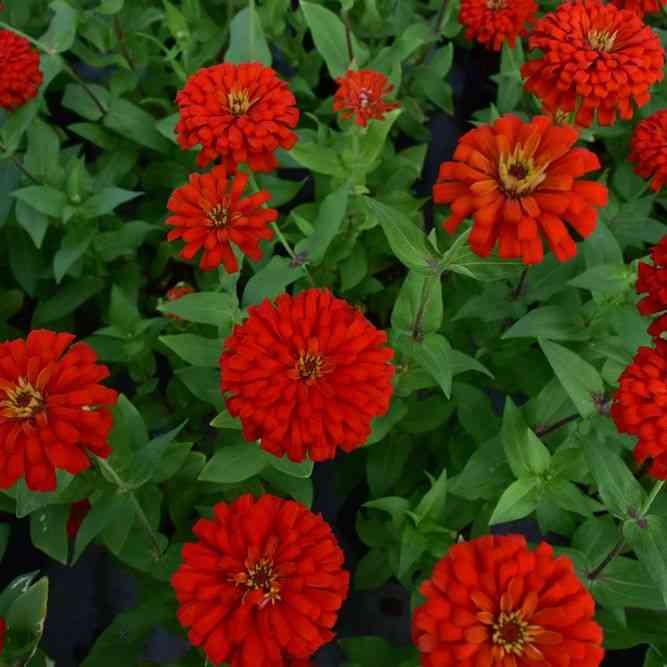
Will Rogers Red Zinnia Seeds

Will Rogers Red Zinnia Seeds

Dazzle your garden with Will Rogers Zinnias, bursting with bold, fiery blooms that steal the spotlight all summer long.

Customer experience

Reviews for Black Ball Bachelor's Button Seeds

Customer Reviews

Based on 5 reviews
100%
(5)
0%
(0)
0%
(0)
0%
(0)
0%
(0)
S
Sherry (United States)

More dark mauve than black .

Hi Sherry, thank you for your feedback! We're glad you liked the seeds. The color can vary slightly, but we hope they grow beautifully for you. Feel free to reach out if you have any more questions!

M
Mary Holt (United States)

I have not planted yet, but will do so late fall

Hi Mary, thank you for your lovely review! We hope your planting goes well in late fall. Feel free to reach out if you need any tips. Happy gardening!