Welcome to our store. Learn more

Free U.S. seed shipping $25+. Seeds ship free at the threshold.

Current Processing Times Before Shipping Are 1-2 Business Days

25% OFF Heirloom seed packets are $1.50, regularly $2.00. Seed packets only · sale price already applied · carries into checkout · coupon codes do not combine. Shop the sale →

Homemade Pickles Pickling cucumber Seeds

Scientific name Cucumis sativus L.

About this variety

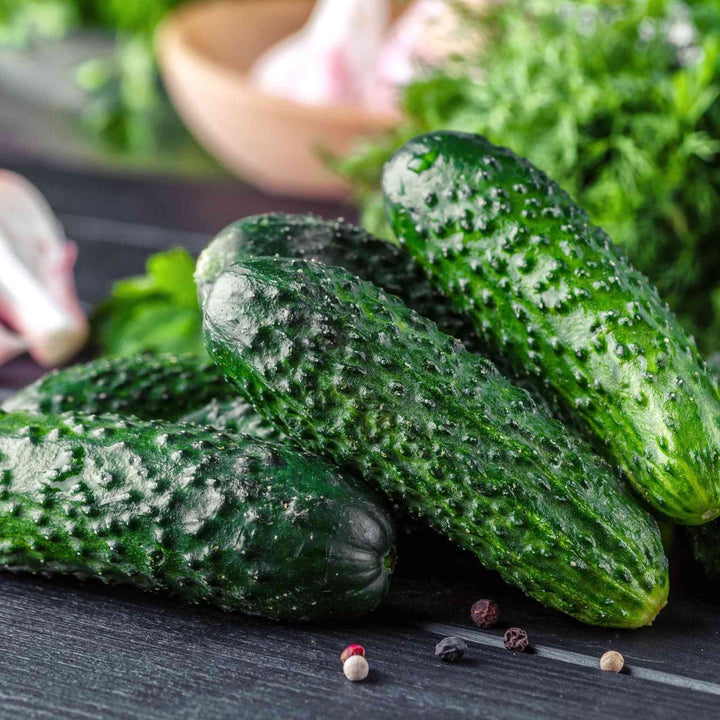
Homemade Pickles Pickling cucumber seeds produce green fruit, 1.5 in for gherkins; 5–6 in for dill pickles, on vining/climbing plants. Grow it for fresh eating or pickling, trellised gardens, succession sowing, and summer harvest; Discover the perfect balance of flavor and crunch with Cucumber Seeds - Vining - Homemade Pickles, a highly productive variety bred specifically for pickling...

Continue with the complete description
$150 USD $200
25% OFF
Heirloom seed packet sale

$1.50, regularly $2.00. The sale price is already applied and carries into checkout. No code is needed. Coupon codes do not combine with this offer.

At a glance

The facts most gardeners need first

View the full variety record
50 minimum seeds per packet
Gardener experience

Easy to moderate

Germination difficulty

Easy to moderate

Germination time

7-10 Days at 75–90 °F seed-zone soil temperature

  • Germination
    7-10 Daysa seed-zone soil temperature of 75–90 °F
  • Maturity
    50-59 DaysCounted from warm direct sowing or equivalent established transplant.
  • Sun
    Full sun
  • Support and spacing
    Trellis recommended · space 12 in · rows 36 in
  • Growth habit
    Vining or climbing · Annual · 31–36 in tall
  • Best use
    fresh eating or pickling, trellised gardens, succession sowing, and summer harvest
Secure checkout Details
Generic
Triple-tested seed qualityRegular quality and germination checks support every packet.

We regularly test seed quality and germination as lots move through storage and packing. We stand behind the seed we send and want customers to contact us when a packet does not perform as reasonably expected.

1-year seed warrantyCoverage begins on the date of purchase.

When properly stored, planted, and cared for, we guarantee reasonable germination and true-to-type growth for one year from the date of purchase. Conditions outside our control—including extreme weather, pests, unsuitable storage, and gardener error—are excluded. Contact us when something is not right so we can review the situation and work toward a replacement, refund, or another fair resolution.

Non-GMO / BE seed policyWe do not buy or sell genetically engineered or bioengineered seed.

Every seed variety we sell is non-GMO.

USDA’s National Bioengineered Food Disclosure Standard defines bioengineered foods as containing detectable genetic material modified through in vitro recombinant DNA methods in ways not achievable through conventional breeding or found in nature.

  • Hybrid means parent lines were conventionally crossed; hybrid does not mean GMO.
  • Heirloom and open-pollinated describe how a variety is maintained and reproduced.
  • Organic certification is separate and is shown only when verified for the individual product.
Packed in Colerain, North CarolinaPrepared in our seed room for gardens across the country.

Seeds are packed and shipped from Colerain, North Carolina. Our packets use forestry-certified paper, and we use recyclable paper mailers where appropriate. AONSK is also a 1% for the Planet partner while continuing to reduce waste in packing and fulfillment.

Garden tools

Need a plan for your space?

Use the garden-fit planner and soil calculator to turn the recorded growing facts into a practical plan.

Open garden tools Uses this product’s recorded growing information. Local weather and garden conditions may vary.

Variety field guide

What to expect from Homemade Pickles Pickling cucumber Seeds

Homemade Pickles Pickling cucumber seeds produce green fruit, 1.5 in for gherkins; 5–6 in for dill pickles, on vining/climbing plants.

Read the complete product descriptionTraits, flavor, garden use, variety notes, and the full catalog record

Homemade Pickles Pickling cucumber seeds produce green fruit, 1.5 in for gherkins; 5–6 in for dill pickles, on vining/climbing plants. Grow it for fresh eating or pickling, trellised gardens, succession sowing, and summer harvest; Discover the perfect balance of flavor and crunch with Cucumber Seeds - Vining - Homemade Pickles, a highly productive variety bred specifically for pickling excellence. Homemade Pickles Cucumber Seeds produce heavy-yielding, disease-resistant cucumber producing ideal sizes for classic homemade pickles.

About Homemade Pickles

Homemade Pickles is an annual pickling cucumber with green color, 31–36 in mature height or spread, and a vining/climbing habit. Harvest form or size: 1.5 in for gherkins; 5–6 in for dill pickles. Botanically it is Cucumis sativus L. Maturity or first bloom: 50-59 Days; germination: 7-10 Days at 75–90 °F. Best for fresh eating or pickling, trellised gardens, succession sowing, and summer harvest. Discover the perfect balance of flavor and crunch with Cucumber Seeds - Vining - Homemade Pickles, a highly productive variety bred specifically for pickling excellence.

History and provenance

Cornell provides the exact cultivar profile used here. No unsupported introduction date or origin story is added. The exact identity of the seed lot remains tied to its supplier and lot records, so no additional lineage is assigned beyond the cited record. Growers saving seed should keep the original packet, source, year, and selection notes with the lot. This vigorous vining cucumber produces uniform, crisp fruits that are ideal for crafting classic homemade pickles bursting with garden-fresh flavor. Its mild, slightly sweet flavor makes it well suited for dill, sweet, or bread-and-butter pickles, while also being delicious when eaten fresh. Trellising helps improve airflow and keeps fruits clean and evenly shaped. Loved by home gardeners and pickle enthusiasts alike, the Homemade Pickles Cucumber combines prolific production with outstanding taste and texture.

Growing facts

Scientific name Cucumis sativus L.
Life cycle Annual
Maturity / first bloom 50-59 Days
Germination 7-10 Days at 75–90 °F
Seed depth 1/2 in
Plant height / spread 31–36 in
Growth habit Vining/Climbing
Spacing 12 in between plants; 36 in between rows
Sunlight Full sun
Soil Loamy; pH 6.0–6.5
Water Moderate
Support Trellis

Starting Homemade Pickles from seed

How to grow Homemade Pickles Pickling cucumber

Botanical identity: Cucumis sativus L. Life cycle: Annual.

Sow 1/2 in and use a seed-zone temperature near 75–90 °F. Expected emergence: 7-10 Days. No stratification; direct sow into warm soil or start briefly in biodegradable cells and transplant young

Plant during Late Spring. Space plants 12 in apart with 36 in between rows or planting bands.

Provide Full sun, moderate water, and loamy near pH 6.0–6.5. Support: Trellis.

Garden performance and care

Harvest Homemade Pickles frequently at the intended eating stage so oversized fruit does not slow production. Keep vines off wet soil where possible, water at the root zone, and watch early for cucumber beetles and wilt symptoms. Expected emergence is 7-10 Days; the listed maturity or bloom timing is 50-59 Days.

Harvest, bloom, and uses

Homemade Pickles is best for fresh eating or pickling, trellised gardens, succession sowing, and summer harvest. Harvest form or size: 1.5 in for gherkins; 5–6 in for dill pickles. Color at the principal harvest or mature stage: Green. Discover the perfect balance of flavor and crunch with Cucumber Seeds - Vining - Homemade Pickles, a highly productive variety bred specifically for pickling excellence.

Saving seed

Seed saving for Homemade Pickles Select several healthy, true-to-type plants so the saved lot represents the variety rather than one unusually early or large individual. Cucumis sativus L. varieties can cross with other cucumbers of the same species through insect-carried pollen. Isolate by distance, flowering control, bagging, or hand pollination and maintain enough plants to represent the variety. Mark seed fruit early, then allow it to grow far past eating stage until large and pale, yellow, or golden. Hold mature fruit briefly if sound, scoop seed and pulp, ferment about 24–48 hours, wash away pulp and light seed, and dry the heavy seed thoroughly in a thin layer. Label the lot with isolation and selection records and test germination before distribution.

Common problems

Watch Homemade Pickles for cucumber beetles, squash bugs where applicable, aphids, powdery or downy mildew, bacterial wilt, crown rot, poor pollination, and fruit damage on wet soil. Rotate cucurbit crops, provide airflow, water at the root zone, protect young plants before flowering, and remove covers when blossoms need pollinators. Do not work wet vines.

Frequently asked questions

When is Homemade Pickles ready?

50-59 Days from warm direct sowing or equivalent established transplant

How long does germination take?

Expect 7-10 Days near 75–90 °F; actual emergence changes with moisture, seed condition, and soil temperature.

How large does it grow?

About 31–36 in with a vining/climbing habit. Support: Trellis.

Can it grow in a container?

Possible in a large container only with a sturdy trellis, frequent watering, and enough root volume.

How is it used?

Primary uses: fresh eating or pickling, trellised gardens, succession sowing, and summer harvest. Discover the perfect balance of flavor and crunch with Cucumber Seeds - Vining - Homemade Pickles, a highly productive variety bred specifically for pickling excellence.

Can I save seed?

Yes where the crop biology allows, but keep compatible varieties isolated, use several healthy plants, wait for full seed maturity, dry thoroughly, and label the lot.
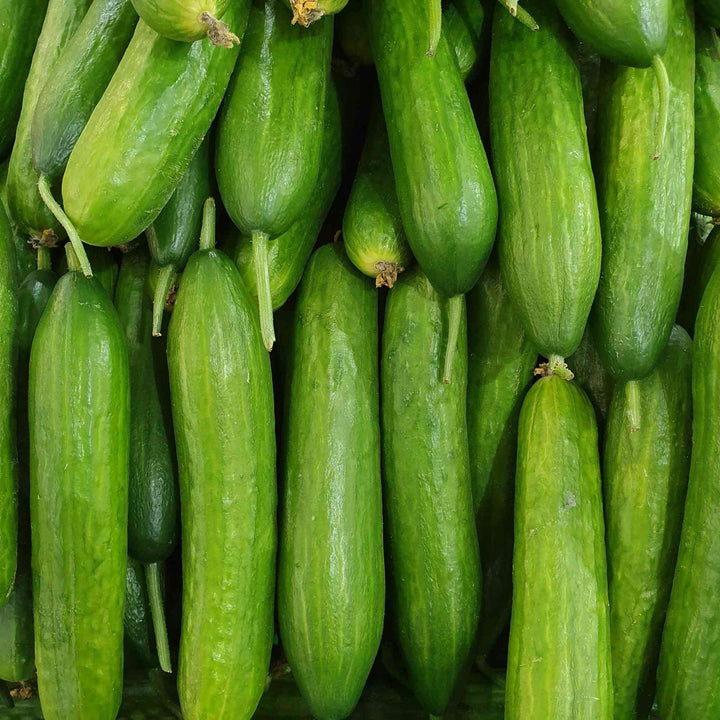
Minimum Seed Count:50 seeds

Garden toolsOpen the garden-fit planner, planting-window questions, or soil calculator only when useful

Uses this product’s recorded growing information. Local weather, soil, and garden conditions may vary.

Garden-fit planning for this variety

Will Homemade Pickles Pickling cucumber Seeds fit your garden?

Check vine space, support, warmth, water, and whether you want slicing or pickling fruit.

Questions for this cucumber seed
Seed-starting fit and patience
Recorded product profileBeginner to intermediateStraightforward in the recorded warm temperature rangeRead why
Soil test, pH, drainage, and amendment calculator Have a laboratory soil report? Enter pH, nutrients, texture, bed size, and site observations here. Open soil tools
Recorded soil typeLoamy
Recorded pH range6.0–6.5
Water needsModerate
LightFull sun

Soil Readiness

for Cucumber (Cucumis sativus)

Where to get a soil test

Best option: your state’s Cooperative Extension soil testing lab.

Tip: Arid or alkaline regions often use Olsen for phosphorus interpretation.
Adjusts P ppm target and interpretation.
Target 6.2-7.0
Ideal 4-8%
Target 30-60 ppm (Mehlich-3)
Target 150-250 ppm
Ok ≥ 1000 ppm
Ok ≥ 120 ppm
Used for pH adjustment size
For shopping list amounts
Interprets P by extractant, assumes ppm. Results are approximate.
Enter at least one value above, then Calculate.

Full growing record

Complete growing and seedkeeping record

Starting and plantingSeed preparation, sowing, germination, transplanting, spacing, and early establishment
How to grow Homemade Pickles Pickling cucumber

Botanical identity: Cucumis sativus L. Life cycle: Annual.

Sow 1/2 in and use a seed-zone temperature near 75–90 °F. Expected emergence: 7-10 Days. No stratification; direct sow into warm soil or start briefly in biodegradable cells and transplant young

Plant during Late Spring. Space plants 12 in apart with 36 in between rows or planting bands.

Provide Full sun, moderate water, and loamy near pH 6.0–6.5. Support: Trellis.
Season-long growing guideWater, fertility, support, weather response, pollination, containers, and care through maturity
How to grow Homemade Pickles Pickling cucumber

Botanical identity: Cucumis sativus L. Life cycle: Annual.

Sow 1/2 in and use a seed-zone temperature near 75–90 °F. Expected emergence: 7-10 Days. No stratification; direct sow into warm soil or start briefly in biodegradable cells and transplant young

Plant during Late Spring. Space plants 12 in apart with 36 in between rows or planting bands.

Provide Full sun, moderate water, and loamy near pH 6.0–6.5. Support: Trellis.
Harvest, storage, and usesRecognizing maturity, harvesting cleanly, handling and storage, kitchen uses, and garden roles

Harvest and storage

Harvest and use - Homemade Pickles. 50-59 Days. Principal harvest form or size: 1.5 in for gherkins; 5–6 in for dill pickles; color at the main harvest or mature stage: Green. Best for fresh eating or pickling, trellised gardens, succession sowing, and summer harvest. Discover the perfect balance of flavor and crunch with Cucumber Seeds - Vining - Homemade Pickles, a highly productive variety bred specifically for pickling excellence. For seed saving, allow selected fruit, pods, ears, or seed heads to reach full biological maturity rather than using the normal eating or cutting stage. Seed saving for Homemade Pickles Select several healthy, true-to-type plants so the saved lot represents the variety rather than one unusually early or large individual.

Uses and garden roles

Homemade Pickles is best for fresh eating or pickling, trellised gardens, succession sowing, and summer harvest. Harvest form or size: 1.5 in for gherkins; 5–6 in for dill pickles. Color at the principal harvest or mature stage: Green. Discover the perfect balance of flavor and crunch with Cucumber Seeds - Vining - Homemade Pickles, a highly productive variety bred specifically for pickling excellence.
Seed savingSelection, pollination, isolation, full maturity, cleaning, drying, labeling, and storage
Seed saving for Homemade Pickles Select several healthy, true-to-type plants so the saved lot represents the variety rather than one unusually early or large individual. Cucumis sativus L. varieties can cross with other cucumbers of the same species through insect-carried pollen. Isolate by distance, flowering control, bagging, or hand pollination and maintain enough plants to represent the variety. Mark seed fruit early, then allow it to grow far past eating stage until large and pale, yellow, or golden. Hold mature fruit briefly if sound, scoop seed and pulp, ferment about 24–48 hours, wash away pulp and light seed, and dry the heavy seed thoroughly in a thin layer. Label the lot with isolation and selection records and test germination before distribution.
Pests, diseases, and troubleshootingPrevention, diagnosis, environmental disorders, common damage, and first-response checks
Watch Homemade Pickles for cucumber beetles, squash bugs where applicable, aphids, powdery or downy mildew, bacterial wilt, crown rot, poor pollination, and fruit damage on wet soil. Rotate cucurbit crops, provide airflow, water at the root zone, protect young plants before flowering, and remove covers when blossoms need pollinators. Do not work wet vines.
Frequently asked questionsDecision-focused answers that supplement the detailed guides above
Frequently Asked Questions - Homemade Pickles

When is Homemade Pickles ready?
50-59 Days from warm direct sowing or equivalent established transplant

How long does germination take?
Expect 7-10 Days near 75–90 °F; actual emergence changes with moisture, seed condition, and soil temperature.

How large does it grow?
About 31–36 in with a vining/climbing habit. Support: Trellis.

Can it grow in a container?
Possible in a large container only with a sturdy trellis, frequent watering, and enough root volume.

How is it used?
Primary uses: fresh eating or pickling, trellised gardens, succession sowing, and summer harvest. Discover the perfect balance of flavor and crunch with Cucumber Seeds - Vining - Homemade Pickles, a highly productive variety bred specifically for pickling excellence.

Can I save seed?
Yes where the crop biology allows, but keep compatible varieties isolated, use several healthy plants, wait for full seed maturity, dry thoroughly, and label the lot.
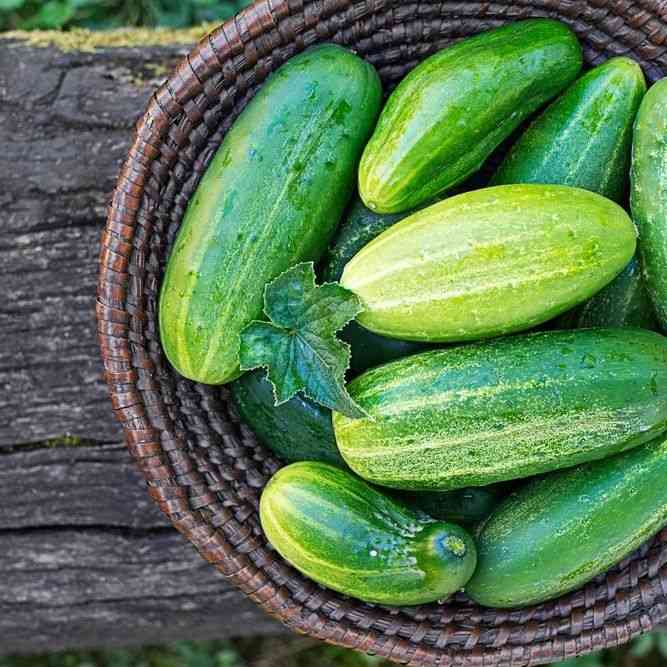
History and provenanceBotanical identity, cultivar history, regional or cultural context, uncertainty, and source records

Scientific name: Cucumis sativus L.

Common name: Pickling cucumber

Cultivar or variety: Homemade Pickles

Cornell provides the exact cultivar profile used here. No unsupported introduction date or origin story is added. The exact identity of the seed lot remains tied to its supplier and lot records, so no additional lineage is assigned beyond the cited record. Growers saving seed should keep the original packet, source, year, and selection notes with the lot. This vigorous vining cucumber produces uniform, crisp fruits that are ideal for crafting classic homemade pickles bursting with garden-fresh flavor. Its mild, slightly sweet flavor makes it well suited for dill, sweet, or bread-and-butter pickles, while also being delicious when eaten fresh. Trellising helps improve airflow and keeps fruits clean and evenly shaped. Loved by home gardeners and pickle enthusiasts alike, the Homemade Pickles Cucumber combines prolific production with outstanding taste and texture.

Continue planning

Related products, collections, and growing guides

Explore the full collection
Heirloom Cucumber Seeds for Home GardensExplore the full collection →
Wisconsin SMR Pickling cucumber Seeds

Wisconsin SMR Pickling cucumber Seeds

Wisconsin SMR Pickling cucumber seeds produce green fruit whose size varies with the maintained seed lot and growing conditions, on vining/cli...

Customer experience

Reviews for Homemade Pickles Pickling cucumber Seeds

Customer Reviews

Based on 3 reviews
100%
(3)
0%
(0)
0%
(0)
0%
(0)
0%
(0)
K
Kirk Gillman (United States)

Great germination and yield

A
Anonymous (United States)

great seeds